







African Traditions
Ọfọ na Ọgu: The Sacred Symbols of Igbo Justice and Morality System

Ofo na Ogu is a sacred concept in Igbo culture that explains how justice and innocence serve as the foundation for moral order, traditional leadership, law, and dispute settlement in Igboland.

In the early Igbo communities, justice and morality were not just abstract ideas; they were lived every day. Before the courts and written laws, people relied on symbols that guided fairness, honesty, and leadership. One of the most important of these is the Ofo na Ogu. These sacred symbols were more than ritual objects. They were tools of authority, markers of moral integrity, and reminders of the responsibility each person had to their family and community.
Carrying the Ọfọ meant being trusted to speak the truth and make decisions that affected others. Holding Ọgu meant acting with purity and fairness in all dealings. Together, Ofo na Ogu created a balance that kept communities accountable and connected to their values.
In this article, we will explore the origins, spiritual meaning, social role, and lasting influence of Ofo na Ogu. We will uncover why these symbols remain central to understanding Igbo ideas of justice and ethics today.
Meaning of Ofo na Ogu
At its simplest, Ofo na Ogu brings together two ideas that are central to Igbo culture, namely, Ọfọ and Ọgu. Each has its own meaning, but together, they form a system that guides truth, justice, and moral responsibility in everyday life.
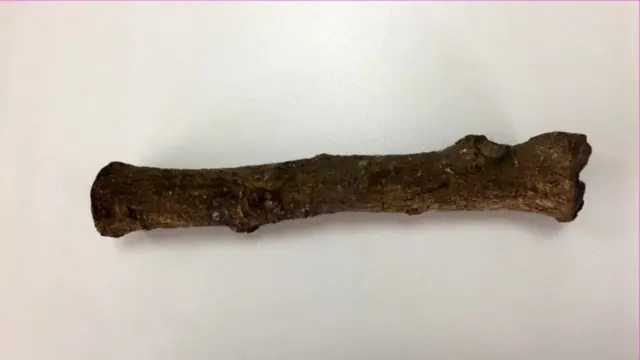
Ọfọ is a sacred staff or stick. It is not just mere wood. In Igbo communities, it represents authority, honesty, and the power to uphold what is right. Elders, family heads, and titled leaders traditionally carried it. Holding the Ọfọ meant being responsible for speaking the truth, making fair decisions, and maintaining social order. It served as a visible reminder that leadership and justice go hand in hand.
Ọgu, on the other hand, represents innocence and purity. It reflects the moral integrity of a person. When someone is described as having Ọgu, it means their intentions are fair, their conscience is clear, and they seek harmony rather than conflict. In disputes or community decisions, Ọgu was invoked to signal that honesty and fairness guided a person’s actions.
Together, Ofo na Ogu symbolizes the balance between authority and moral purity. One without the other is incomplete. A person with the Ọfọ but lacking Ọgu may have power but not fairness. A person with Ọgu but without the Ọfọ may be innocent but unable to enforce justice or guide others. This balance speaks much of Igbo social ethics and continues to influence leadership, conflict resolution, and moral thinking.
In essence, Ofo na Ogu is both practical and philosophical. It is a tool for leaders, a guide for ordinary people, and a reminder that truth and innocence are inseparable in maintaining fairness and social harmony.
Historical and Cultural Origins

The story of Ofo na Ogu is deeply rooted in Igbo history. It stretches back centuries before colonial influence or written law. In traditional Igbo communities, social life revolved around families, lineages, and village councils. Leadership and decision-making were guided not only by experience but also by sacred symbols that carried moral authority. Ofo na Ogu was one of the most respected of these symbols.
Ọfọ, the staff, was often carved from special hardwoods chosen for durability and spiritual significance. It was consecrated through ritual ceremonies that connected the holder to ancestral guidance and community trust. Only certain individuals, typically, elders or family heads were entrusted with it. Carrying the Ọfọ meant you were recognized as a guardian of truth and a custodian of justice. It was both a symbol and a responsibility.
The Ọgu complemented this authority. While the Ọfọ gave a person power to guide others, Ọgu confirmed their moral integrity. In Igbo thought, leadership without fairness or innocence was meaningless. Ogu ensured that decisions were guided by ethical standards, not personal gain. Together, Ofo na Ogu became a practical system for upholding social harmony and personal accountability.
Across different Igbo communities, the form and use of Ofo na Ogu varied. Some regions used elaborately carved staffs with distinct patterns for different lineages. Others kept the staff simple emphasizing the ethical meaning over decoration. Despite these differences, the core principles which included truth, justice, and moral clarity remained consistent.
Historically, the influence of Ofo na Ogu extended beyond family affairs. It influenced dispute resolution between villages, guided decisions during communal meetings, and reinforced agreements in trade and marriage. By centering social life on these symbols, Igbo communities ensured that authority was inseparable from moral responsibility.
Simply put, the origins of Ofo na Ogu reveal a society where leadership, ethics, and spirituality were deeply intertwined. These symbols were not decorative or ceremonial alone, rather, they were practical tools for guiding behaviour, preserving trust, and connecting the living with ancestral and spiritual oversight.
Spiritual Meaning of Ọfọ na Ọgu
In Igbo cosmology, the visible world and the spiritual world are closely connected. What happens in daily life is believed to be observed by the ancestors, spirits, and the Supreme Being, often called Chukwu or Chineke. Within this worldview, Ofo na Ogu is not only a social tool but a spiritual guide that links human behaviour with ethical and cosmic order.
Ọfọ carries spiritual weight. Holding it is an acknowledgment of responsibility to uphold truth and justice. It is said that when a person speaks while holding Ọfọ, their words are guided by moral authority, and dishonesty is believed to carry spiritual consequences. The staff symbolizes a connection to both the ancestors and divine principles. In ritual ceremonies, Ọfọ is used to bless gatherings, swear oaths, or settle disputes, thus reinforcing that decisions are guided by fairness and spiritual oversight.
Ọgu complements this by representing innocence and ethical clarity. When a person invokes Ọgu, they signal that their conscience is clear and their intentions are just. In traditional practices, Ọgu acts as a safeguard that reminds individuals and communities that moral integrity is essential before exercising authority or making decisions.
Together, Ofo na Ogu integrates power with conscience. A leader with Ọfọ but lacking Ọgu risks abusing authority. A person with Ọgu but without Ọfọ may act fairly but cannot enforce decisions or guide others. This duality ensures that spiritual and ethical dimensions guide every action, thereby keeping individuals accountable to both their community and the unseen spiritual order.
Even today, the spiritual lessons of Ofo na Ogu remain relevant. They remind Igbo communities that leadership and justice are inseparable from morality, and that spiritual oversight, whether ancestral, communal, or divine plays a role in sustaining social harmony. This perspective transforms leadership and dispute resolution into acts that honour both people and the values that connect them across generations.
Role in Igbo Social Ethics and Community Governance
In traditional Igbo society, life was organized around family, lineage, and village structures. Maintaining harmony and fairness was essential, and Ofo na Ogu played a central role in achieving this. These symbols guided how people interacted, how leaders made decisions, and how disputes were resolved.
The Ọfọ empowered elders and family heads to act with authority and integrity. In meetings where disagreements arose, the holder of Ọfọ would listen carefully to all sides before guiding the discussion. The staff symbolized that their judgment was grounded in truth and fairness. Decisions made under the influence of Ọfọ were rarely challenged because the community recognized the spiritual and moral weight behind them.
At the same time, Ọgu reminded everyone that moral responsibility was not optional. Individuals and leaders were expected to act with honesty and integrity. If someone claimed innocence through Ọgu, it signalled that they sought a fair resolution rather than personal gain. Together, Ofo na Ogu created a system where authority and ethical conduct worked hand in hand.
Dispute resolution in Igbo communities often involved mediating conflicts between families or clans. Elders used Ofo na Ogu to ensure that agreements were based on both truth and fairness. For example, in matters of land disputes or inheritance, the staff guided discussions, while the principle of Ọgu assured that claims were genuine and intentions pure. This approach minimized conflict and reinforced social cohesion.
Beyond conflict resolution, Ofo na Ogu also influenced leadership and governance. A community leader without moral integrity, even if he had the support of others, would lack legitimacy. The combination of Ọfọ and Ọgu ensured that leadership was accountable to both ethical standards and the collective well-being of the community.
In essence, Ofo na Ogu was more than a cultural artifact. It was a living framework for justice, ethics, and governance. By centering authority around truth and moral responsibility, Igbo society created a system where social order, fairness, and community trust were maintained without external enforcement.
Misunderstandings and Cultural Clarifications
Despite its importance, Ofo na Ogu is often misunderstood, especially by those outside the Igbo culture. Some people assume that these symbols are merely ritual objects or superstitions. While ceremonies and spiritual practices are part of their use, focusing only on that misses their practical and ethical purpose. Ofo na Ogu is fundamentally about guiding behaviour, enforcing fairness, and preserving trust within the community.
Another common misconception is that Ofo na Ogu operates the same way across all Igbo communities. In reality, its form and usage vary from town to town and clan to clan. Some lineages carve highly elaborate Ọfọ, while others prefer simpler designs. Similarly, the rituals surrounding Ọgu can differ, depending on local customs. Despite these variations, the underlying values, namely, truth, justice, and moral integrity remain constant.
It is also important to note that Ofo na Ogu is not meant to concentrate power in one individual for personal gain. A leader who wields Ọfọ without Ọgu, or uses the staff for self-interest, is seen as violating both social and spiritual norms. The community may challenge such behaviour as proof that authority without moral clarity is incomplete.
In modern times, misunderstandings, sometimes, arise when Ofo na Ogu is compared directly to Western legal or religious systems. Unlike written laws, Ofo na Ogu works through social accountability and spiritual oversight. It relies on shared cultural understanding, community respect, and personal conscience. Recognizing this distinction helps people to appreciate the depth of Igbo ethics and the practical wisdom embedded in these sacred symbols.
By clarifying these misconceptions, we can see that Ofo na Ogu is both spiritual and practical. It teaches that leadership, justice, and moral responsibility are inseparable, and that fairness is as important as authority in building strong and cohesive communities.
Cultural and Spiritual Significance of Ọfọ na Ọgu
Ofo na Ogu are not just physical objects or ritual tools; they are powerful symbols that connect Igbo people to their ancestors, community values, and spiritual beliefs. Culturally, they serve as a moral compass. The Ọfọ embodies authority and leadership grounded in truth, while Ọgu represents ethical clarity and innocence. Together, they remind individuals that every action, whether in family matters, community decisions, or leadership roles carries responsibility.
In spiritual terms, Ofo na Ogu are believed to connect the living with ancestral spirits and the Supreme Being. Elders and leaders carrying the Ọfọ are seen as channels for ancestral guidance, while Ọgu ensures that intentions remain pure and fair. This connection transforms everyday decisions into acts of ethical and spiritual significance. Violating the principles behind Ofo na Ogu is considered not just a social misstep but also a spiritual imbalance.
Culturally, these symbols have reinforced social order for centuries. They guide dispute resolution, inheritance practices, and communal leadership, ensuring that decisions respect both tradition and morality. Spiritually, they remind the community that actions are observed beyond the human eye, and accountability extends to the moral and cosmic order.
Even today, the cultural and spiritual lessons of Ofo na Ogu are passed down through storytelling, ceremonies, and family instruction. They continue to define ethical conduct, leadership, and social cohesion, thus proving that, more than historical relics, these sacred symbols are living guides that link the past, present, and future generations.
Ọfọ na Ọgu in Contemporary Igbo Life
Even in modern Igbo communities, where courts, governments, and modern religions now exist, Ofo na Ogu continues to hold cultural and moral relevance. While fewer people may carry the Ọfọ daily or perform traditional rituals as often as in the past, the principles behind these symbols, i.e., truth, fairness, and moral responsibility remain alive in family life, ceremonies, and community practices.
In many communities, the elders still use Ọfọ during traditional weddings, naming ceremonies, and other important gatherings. Holding the staff signals authority and reminds everyone present of the shared responsibility to act with integrity. Similarly, the idea of Ọgu influences how disputes are handled in such a way that ensures claims are considered carefully and intentions are weighed before decisions are made.
For families, teaching the meaning of Ofo na Ogu has become a way to connect the younger generations to their heritage. Parents and elders explain that fairness, honesty, and accountability are not abstract ideals. They are principles that guide daily interactions, decision-making, and leadership. By grounding these lessons in real-life examples, children learn to respect authority and value ethical behaviour.
Modern challenges have also highlighted the continuing importance of Ofo na Ogu. Urbanization, education, and exposure to global ideas have changed social dynamics. However, communities that embrace these traditional principles often report stronger cohesion and trust. The moral framework of Ofo na Ogu provides a reference point for negotiating disputes, leading families, and maintaining community integrity.
Even outside strictly traditional contexts, the essence of Ofo na Ogu appears in everyday life. People may not always hold a physical staff, but the expectation that leaders act fairly and that individuals behave with honesty and innocence is still understood and respected. In this sense, Ofo na Ogu continues to influence Igbo culture by blending history, ethics, and practical wisdom into contemporary life.
The Legacy of Ọfọ na Ọgu
The story of Ofo na Ogu is more than history. It is a living legacy that continues to shape how Igbo people understand justice, morality, and leadership. These symbols illustrate that authority and fairness must coexist for communities to thrive. Long before modern courts or codified laws, Ofo na Ogu provided a system that balanced power with ethical responsibility with the aim of ensuring that leaders were accountable and ordinary people could trust the decisions made on their behalf.
The legacy of Ofo na Ogu is visible in the ways Igbo communities still value integrity, honesty, and ethical leadership. Even in modern governance, business, and family life, people often draw on these traditional principles to guide behaviour and resolve conflicts. The idea that moral character is inseparable from authority remains a touchstone for responsible leadership.
Culturally, Ofo na Ogu reminds the younger ones of the importance of heritage. Elders pass down these teachings through storytelling, ceremonies, and personal example. By doing so, they preserve not only the symbols themselves but also the values embedded within them, namely, truth, fairness, and respect for others. This cultural continuity strengthens social cohesion and maintains a sense of identity across generations.
Spiritually, the legacy of Ofo na Ogu connects the living with the ancestors, thus reminding communities that actions have consequences beyond the immediate. Decisions guided by truth and innocence are believed to honour both the past and future generations, thereby reinforcing the moral fabric of society.
Ultimately, Ofo na Ogu stands as a testament to the sophistication of Igbo social systems. It demonstrates that moral guidance, spiritual insight, and social governance can coexist in creating a framework where justice is not imposed but lived. Its influence continues to inform leadership, community cohesion, and ethical thinking, thus making it a vital part of Igbo cultural identity today.
In Conclusion …
More than a cultural artifact or spiritual symbol, Ofo na Ogu is a framework that has guided Igbo communities for centuries. It combines authority, morality, and social responsibility into a system that ensures fairness and integrity. Through Ọfọ, leaders carry the weight of truth and justice, while Ọgu safeguards moral clarity and ethical behaviour. Together, they create a balance that has influenced conflict resolution, leadership, and community cohesion across generations.
Even in contemporary Igbo life where modern institutions exist, the principles behind Ofo na Ogu remain relevant. Families, elders, and communities continue to teach these values, ensuring that the younger members of the society understand the importance of honesty, fairness, and accountability. The enduring legacy of Ofo na Ogu demonstrates that cultural wisdom can be timeless. It offers lessons in leadership, ethics, and social harmony that resonate beyond its original context.
By understanding Ofo na Ogu, we gain insight not only into Igbo culture but also into a system of living ethics where justice, integrity, and moral responsibility are inseparable. These sacred symbols remind us that authority without conscience is incomplete, and that true leadership is measured by fairness, honesty, and respect for the community.
References
- https://www.researchgate.net/publication/269277866_Ofo_as_a_Global_Cultural_Resource_and_Its_Significance_in_Igbo_Culture_Area
- https://www.newsecho.com.ng/culture/the-significance-of-ofo-na-ogu-in-igbo-culture/
- https://www.kci.go.kr/kciportal/landing/article.kci?arti_id=ART002591391
You might want to check this out …