


Towns and Cities in Anambra State
Ukpor Town in Anambra State: History, Catholic Heritage, Festivals and Modern Life

Ukpor town in Anambra State is a historic community known for its role as the headquarters of Nnewi South Local Government Area, its Catholic heritage, rich culture, vibrant festivals, and evolving modern life. Discover the full story here.

Ukpor town is one of those places in Anambra State, southeastern Nigeria whose story becomes clearer the more closely you look. Located in Nnewi South Local Government Area, Ukpor is not only an administrative centre but also a community shaped by faith, history, and a strong sense of identity. For many people, the name “Ukpor” immediately brings to mind Catholic institutions, rolling hills, and a people known for discipline, education, and community spirit.
Over the years, Ukpor town has grown from a farming settlement into a vibrant Igbo community where tradition and modern life exist side by side. The arrival of Christianity, especially Catholicism left a deep imprint on the town that influenced education, leadership, and social values. At the same time, cultural festivals, masquerades, and long-held customs have remained part of everyday life, passed down through generations.
Today, Ukpor town continues to evolve. Its sons and daughters live across Nigeria and abroad but still maintain strong ties to home through town unions, church activities, and community development efforts. From its early history and religious heritage to its festivals and present-day realities, Ukpor offers a clear example of how an Igbo town can preserve its roots while adapting to change.
This article takes a detailed look at Ukpor town in Anambra State. It explores its origins, Catholic heritage, cultural life, economic activities, and the role it plays in contemporary society.
Whether you are researching the town, tracing family roots, or simply seeking to understand Ukpor more deeply, this presents a clear and grounded account of its past and present.
Where Ukpor Town Is Located
Ukpor town is located in the southern part of Anambra State, in southeastern Nigeria. It serves as the administrative headquarters of Nnewi South Local Government Area, a role that places the town at the centre of political and civic activities within the LGA. This position has given Ukpor long-standing importance beyond its size, especially in local governance and community coordination.
In terms of boundaries, Ukpor town is surrounded by other notable communities in Nnewi South, including Amichi, Ezinifite, Utuh, and Osumenyi. Its location connects it naturally to both rural settlements and more urban areas within the State. Ukpor is also within reasonable driving distance of major commercial towns such as Nnewi, as well as the Anambra State capital, Awka. This makes the town accessible for trade, administration, and social interaction.
The landscape of Ukpor town is marked by gentle hills and elevated terrain, a feature that has shaped both its settlement pattern and road development over time. In the past, parts of the town were difficult to access due to steep slopes, but improvements in road construction have made movement easier and safer. Today, Ukpor is linked to neighbouring towns by a network of roads that support daily commuting, market activities, and community life.
Overall, the location of Ukpor town places it in a strategic position within Anambra State as a town that connects people, institutions, and traditions, and serves as both a geographical and administrative anchor in Nnewi South Local Government Area.
Origin and Early History of Ukpor Town
The origin of Ukpor town is closely tied to the wider history of Igbo people of southeastern Nigeria. Like many Igbo communities, Ukpor developed through early settlement patterns based on kinship, farming, and shared ancestry. Oral tradition remains an important source for understanding how the town emerged, especially before the arrival of colonial administration and written records.
In its early years, Ukpor town was primarily an agrarian settlement. Families depended on farming for survival, cultivating crops such as yam, cassava, cocoyam, and maize. The fertile land and favourable climate supported steady food production, while surplus harvests were exchanged with neighbouring communities. Farming was not only an economic activity but also a way of life that affected social values, seasonal festivals, and communal cooperation.
As the population grew, Ukpor town expanded into distinct villages and kindreds. Each group had its own internal leadership while remaining part of the larger community. Elders played a central role in decision-making, conflict resolution, and the preservation of customs. This system helped to maintain order and unity long before the introduction of modern governance structures.
Ukpor also experienced periods of intercommunal interaction and conflict which were common in pre-colonial Igboland. One of the most notable historical events associated with the town is the Agbaja War, a conflict involving Ukpor and neighbouring Nnewi. Oral accounts describe the war as a defining moment that strengthened the sense of identity and independence of the town. The memory of this conflict later became tied to cultural expressions and festivals within the town.
With the arrival of British colonial rule in the early twentieth century, Ukpor town began to experience significant change. Colonial administration introduced new political boundaries, taxation systems, and road networks. These developments altered traditional leadership roles but also linked Ukpor more closely to regional and national structures. Over time, Western education and Christianity followed to set the stage for the major religious and social transformations that would define the town in later decades.
Despite these changes, Ukpor town retained a strong connection to its origins. The values of communal living, respect for elders, and attachment to land and ancestry have remained central to its identity. Today, the early history of Ukpor continues to influence how the community understands itself, thus balancing inherited traditions with the realities of modern life.
Ukpor and the Growth of Catholicism
The growth of Catholicism in Ukpor town is one of the most important chapters in its social and cultural history. Christianity arrived in the area in the early twentieth century, at a time many Igbo communities were coming into contact with the European missionaries. Catholic missionaries, particularly those associated with the Holy Ghost Fathers played a leading role in introducing the faith to communities across what is now Anambra State.
In Ukpor town, the early years of Catholic evangelization were gradual and, at times, challenging. Traditional beliefs were already well established, and many families were cautious about abandoning ancestral practices. However, the missionaries did not focus only on preaching. They also introduced schools, basic healthcare, and structured community support which helped to build trust and acceptance among local residents.
As more people embraced the Catholic faith, permanent places of worship were established in and around Ukpor town. Local catechists, teachers, and early converts became key figures in spreading the faith, often travelling on foot to surrounding villages. Over time, Catholic parishes became central meeting points for worship, education, and social interaction.
Catholicism gradually influenced everyday life in Ukpor town. Church activities informed family values, attitudes toward education, and approaches to leadership and discipline. Many parents began to see formal education, often provided by mission schools, as a pathway to progress. This outlook encouraged literacy and helped to prepare younger generations for roles in teaching, civil service, and religious life.
Ukpor town later became part of the Catholic Diocese of Nnewi which strengthened its connection to the wider Catholic community in Anambra State. Through diocesan structures, the town gained access to organized pastoral care, youth programmes, women’s groups, and lay associations. Major church events, feast days, and diocesan celebrations brought together Catholics from Ukpor and neighbouring towns as a way of reinforcing a shared religious identity.
Today, Catholicism remains deeply rooted in Ukpor town. Churches continue to serve not only as places of worship but also as centres for community development and moral guidance. The influence of the Church is visible in education, social life, and the strong sense of service that characterizes many families. While traditional culture remains respected, Catholic faith has become an enduring part of Ukpor identity that shapes how the community understands itself and its future.
St. Paul’s Seminary and Catholic Institutions in Ukpor
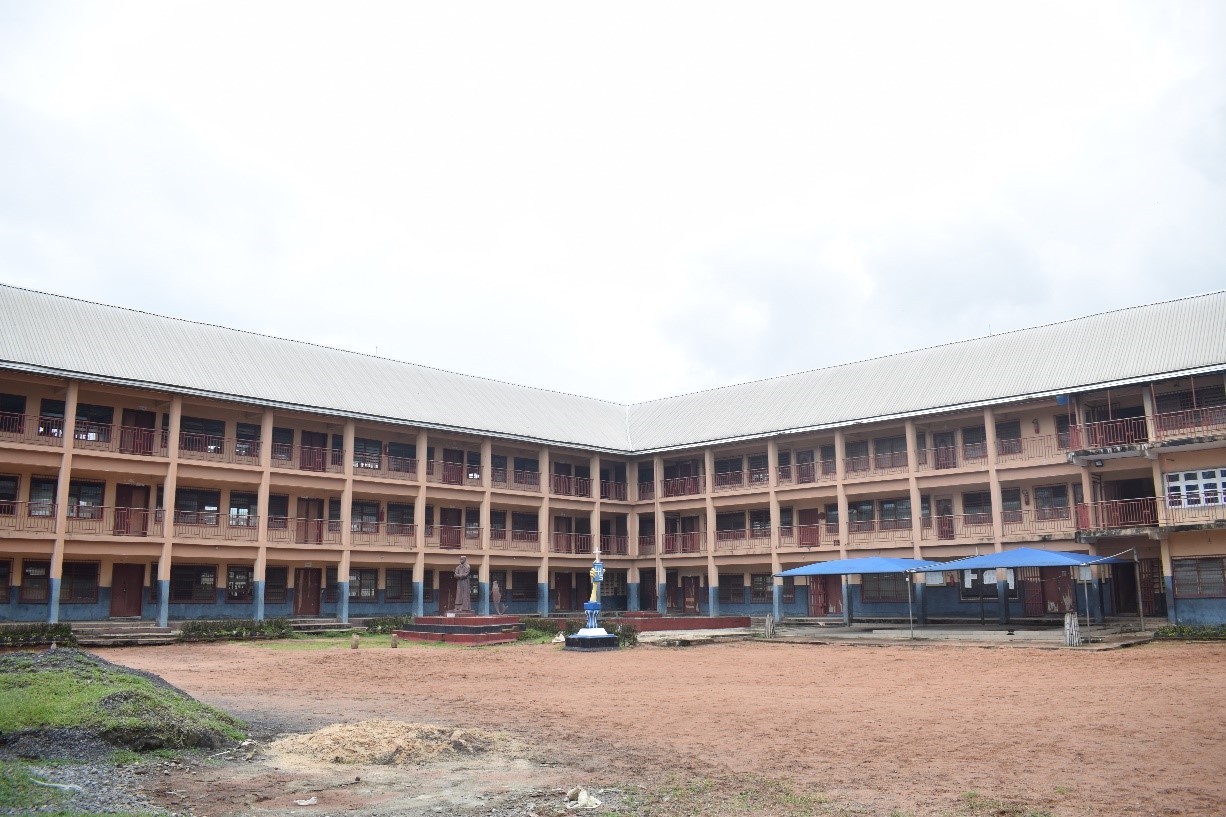
One of the strongest symbols of Catholic influence in Ukpor town is the St. Paul’s Seminary, Ukpor. The seminary is a junior seminary under the Catholic Diocese of Nnewi established to provide early formation for young boys who feel called to the priesthood. Over the years, it has become one of the most recognizable religious institutions associated with Ukpor town.
St. Paul’s Seminary focuses on a balanced formation that combines spiritual growth, moral discipline, and academic learning. Students receive a solid secondary school education alongside structured religious training. The goal is not only to prepare future priests but also to form responsible young men who can contribute positively to society, whether or not they eventually enter the priesthood.
The presence of the seminary has had a lasting impact on Ukpor town. It has strengthened its reputation as a centre for Catholic vocations and religious education within Anambra State. Seminarians, clergy, and visitors from different parts of the diocese regularly come into the town.
Beyond St. Paul’s Seminary, Ukpor town is home to several Catholic parishes and church-related institutions. These include parish churches, schools, and lay organizations that support worship, education, and social development. Catholic schools in and around Ukpor have played an important role in promoting literacy and discipline, especially during the periods access to government education was limited.
Church organizations such as the Catholic Women Organization, Catholic Youth Organization of Nigeria, and various parish societies remain active in community life. Through these groups, the Church supports charity work, youth development, and moral guidance. Major church events, ordinations, and anniversaries often draw large crowds and reinforce a shared sense of faith among the residents.
Together, St. Paul’s Seminary and other Catholic institutions have helped to define the character of Ukpor town. They reflect a long-standing commitment to faith, education, and service. For many families, these institutions are a source of pride and a reminder of the values that continue to guide its religious and social life.
Education, Literacy and Social Mobility in Ukpor
Education has long been a cornerstone of life in Ukpor town. From the early days of missionary schools to modern institutions, learning has impacted its culture and social development. When Catholic missionaries first arrived, they brought more than religion. They introduced formal schooling, literacy, and a structured approach to learning. These early schools laid the foundation for generations of students who went on to make meaningful contributions to their community and beyond.
Families in Ukpor have traditionally placed a high value on education. Even in households primarily engaged in farming or trade, children were encouraged to attend school. Over the decades, this commitment to learning produced a well-educated population with members pursuing careers in teaching, civil service, healthcare, and religious vocations. Education became a pathway not only to personal achievement but also to social mobility that allowed individuals from Ukpor town to rise to positions of influence across Anambra State and Nigeria.
Today, Ukpor is home to several schools that provide primary and secondary education. Missionary schools coexist with government schools to give families options for quality education. These institutions often emphasize discipline, community responsibility, and moral values alongside academic instruction.
The impact of education in Ukpor town extends beyond the town itself. Many young people from Ukpor have moved to other parts of Nigeria and abroad for further studies, taking the values and training from their hometown with them. The diaspora community continues to support education and development in Ukpor through scholarships, infrastructure projects, and mentorship programmes. Groups like Ukpor Patriots UK have been instrumental in funding educational initiatives.
In addition to formal education, literacy has enabled residents to engage more fully with the wider world. Access to books, newspapers, and digital resources has expanded knowledge, encouraged critical thinking, and created opportunities for professional growth. The combination of faith-based guidance, formal schooling, and literacy initiatives has positioned Ukpor town as a community where education is a central pillar of identity and social advancement.
Ultimately, education in Ukpor town is not just about personal achievement. It is a community value, a means of preserving cultural identity, and a tool for empowering future generations. The continued emphasis of the town on learning ensures that its residents remain connected, capable, and confident in navigating both traditional and modern aspects of life.
Festivals and Cultural Celebrations in Ukpor
Ukpor town is a community that celebrates both its history and its identity through rich cultural traditions. Among these, festivals stand out as moments the town comes alive to connect the residents with their heritage, ancestors, and each other. Festivals in Ukpor, among other things are a way of passing on stories, values, and communal pride from one generation to the next.
One of the most important traditional festivals in Ukpor is the Asara Festival. This festival traces its origins to the Agbaja War, a historical conflict between Ukpor and neighbouring Nnewi. Oral tradition holds that Ukpor people successfully defended their town during this war, and the festival serves as both a celebration of that victory and a remembrance of the resilience of the community. The Asara Festival is held at long intervals, often decades apart, and when it occurs, it draws large gatherings of people both from the town and the wider diaspora.
During Asara Festival, residents participate in dances, processions, and performances that showcase Ukpor traditions. Community elders recount stories of the past, while young people engage in music, masquerades, and other forms of artistic expression. Food, clothing, and ritual practices all reflect the unique cultural identity of the town, thereby creating a vivid link between history and present-day life.
Beyond Asara, Ukpor town hosts a variety of seasonal and religious celebrations that combine traditional and Christian elements. Church feasts, harvest celebrations, and youth festivals are integrated into community life. These celebrations strengthen social bonds, promote intergenerational learning, and give residents opportunities to express pride in their town.
The role of festivals in Ukpor town goes beyond entertainment. They serve as markers of identity that teach the younger generations about respect for elders, communal responsibility, and the importance of remembering historical events. Festivals also attract visitors from other parts of Anambra State and beyond, which helps to promote its reputation and fosters connections between the local community and the wider Igbo world.
Overall, festivals in Ukpor town are a living expression of its history, values, and creativity. They are a reminder that while the community has embraced modern education, religion, and social development, it still honours the traditions that make Ukpor unique. Through these celebrations, the town maintains a strong sense of identity and belonging, and ensure that cultural memory is preserved for the generations to come.
Masquerades, Rites and Traditional Practices in Ukpor
In Ukpor town, traditional culture remains a living part of everyday life. Masquerades, community rites, and age-old practices provide a vivid connection to its history and values. These traditions are not only a form of entertainment, they are essential ways the community teaches respect, unity, and social responsibility.
Masquerades are especially important during festivals and significant events. They are believed to represent ancestral spirits and often carry messages about morality, justice, and communal harmony. During major festivals like the Asara Festival, colourful masquerades perform dances and rituals accompanied by traditional music and drumming. Young and old alike watch with awe and learn lessons about courage, wisdom, and history through these performances.
Rites of passage are another critical aspect of Ukpor’s traditional life. From birth ceremonies to marriage and title-taking, these rites mark important milestones and bring the community together. Marriage ceremonies, for example, involve elaborate preparations, negotiation of bride price, and celebrations that can last several days. Each stage of the ceremony reflects deep respect for family, elders, and community values.
Title-taking and age-grade systems also remain significant in Ukpor town. These traditions promote social responsibility, leadership development, and cohesion among residents. Individuals who attain titles are expected to contribute to communal projects and uphold cultural standards. These practices reinforce accountability and a sense of pride in the heritage of the town.
While Ukpor town has embraced Catholicism and modern education, these traditional practices continue alongside newer influences. Many families observe both religious and cultural celebrations, thus blending church events with local customs. This combination ensures that the younger generations grow up with an understanding of both their spiritual and cultural roots.
Overall, the masquerades, rites, and traditional practices of Ukpor town brand a community that values its history, respects its elders, and nurtures social unity. They are living expressions of identity that teach lessons that are just as relevant today as they were generations ago. Through these traditions, Ukpor preserves its heritage while embracing the changes that modern life brings.
Governance, Town Union and Community Leadership
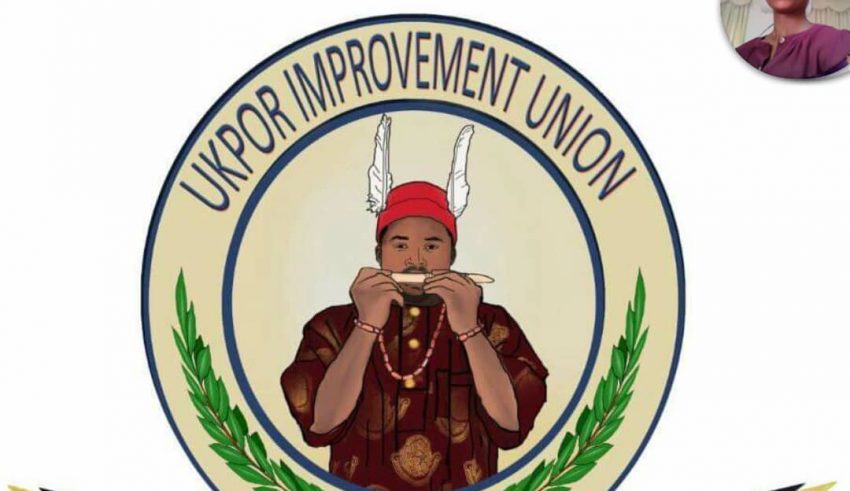
Ukpor town has long been recognized for its strong sense of community and effective local governance. While traditional leadership played a central role in its early history, modern structures like town unions now help to organize development, social programmes, and community life.
At the heart of local administration is the Ukpor Improvement Union (UIU) which brings together leaders from the various villages and kindreds in the town. The union serves as a platform for decision-making, conflict resolution, and planning for social and infrastructural development. Through this body, residents participate actively in deciding the future of the town, whether by improving roads, maintaining markets, or coordinating cultural events.
Traditional leaders, including elders and village heads still hold respected positions in Ukpor town. They provide guidance on matters related to custom, land disputes, and family issues. This combination of traditional and modern governance helps to maintain social order while encouraging progress.
The President-General of the Ukpor Improvement Union often acts as the town’s representative in broader regional affairs. This leadership ensures that Ukpor has a voice within Nnewi South Local Government Area and Anambra State. Regular town meetings and annual events such as Ukpor Day bring residents together to review accomplishments, discuss challenges, and plan new initiatives. These gatherings also strenghten community spirit and accountability.
Community leadership in Ukpor town extends beyond administration. Religious organizations, schools, and youth groups contribute to governance by supporting educational programmes, charity work, and moral guidance. The combined efforts of the town union, traditional leaders, and civic institutions create a network of collaboration that has kept Ukpor organized, resilient, and forward-looking.
In Ukpor town, governance is a reflection of shared responsibility. The structures in place ensure that development projects succeed, cultural values are preserved, and the voices of the residents are heard. This balance of tradition, modern administration, and active community involvement continues to make Ukpor a model town in Nnewi South LGA.
Economy and Occupations of Ukpor People
The economy of Ukpor town reflects a balance between tradition and modernity. In the past, farming was the backbone of livelihood. Residents cultivated crops such as yams, cassava, maize, and vegetables, both for personal sustenance and trade with neighbouring communities. Even today, agriculture remains an important part of life.
Over time, Ukpor town expanded economically beyond farming. Trade and small-scale businesses became significant, particularly with its proximity to larger commercial centres like Nnewi and Awka. Many residents engage in retail, craftsmanship, and services, while others work in civil service or the clergy. The combination of agriculture, commerce, and professional occupations has helped to diversify the economy and provide opportunities for social mobility.
Markets play a central role in the economic life of the town as they serve as meeting points for farmers, traders, and consumers from Ukpor and surrounding towns. These markets not only facilitate the sale of goods but also strengthen social bonds, as people gather to share news, exchange ideas, and maintain communal networks.
Education and faith have also contributed indirectly to the economy. Many residents have pursued careers in teaching, healthcare, and religious vocations which provide stable income and allow them to support family and community projects. Organizations such as Ukpor Patriots UK and other diaspora groups contribute to local development by funding infrastructure projects, schools, and social programmes that boost economic activity.
Sports and community initiatives further enrich economic life in Ukpor town. Events like football tournaments attract attention and visitors that stimulate small businesses and strengthen community pride. Such activities speak of a town that values not only material wealth but also cultural and social capital.
Overall, the economy of Ukpor town is diverse, resilient, and closely linked to its people’s values of hard work, education, and community service. While tradition provides a strong foundation, modern occupations and business ventures continue to drive growth to ensure that Ukpor remains a thriving and dynamic town in Anambra State.
Ukpor Town in Contemporary Anambra State
Today, Ukpor town stands as a vibrant mix of tradition and modernity. While the town has deep historical roots and a strong cultural identity, it continues to evolve in response to contemporary life in Anambra State. Modern infrastructure, educational facilities, and civic institutions have helped the town to adapt to changing times as its people remain proud of their heritage.
One of the most visible changes in Ukpor town is its improved infrastructure. Roads connecting Ukpor to neighbouring towns such as Nnewi, Amichi, and Awka have made commuting easier and boosted trade. Electricity, mobile networks, and access to digital technologies have also transformed daily life by giving residents new ways to connect, work, and learn. These improvements have created a more integrated community that balances the benefits of modernity with respect for tradition.
Education continues to be a cornerstone of development in Ukpor. Schools, both mission-run and government-supported prepare young people for higher education and professional careers. Many students go on to universities in Nigeria and abroad, and return home with skills and resources that strengthen its economy and social life.
Faith also remains central in contemporary Ukpor. Churches and Catholic institutions continue to play active roles in community development that support programmes in education, healthcare, and youth engagement. Religious celebrations, alongside cultural festivals keep the community united and maintain a strong sense of shared identity.
The people of Ukpor town are also increasingly involved in entrepreneurship and professional work. Small businesses, retail trade, civil service, and religious vocations provide opportunities for personal growth and contribute to the local economy. Indigenes in the diaspora maintain strong connections to Ukpor, often funding projects that improve healthcare, education, and public spaces in the town.
Despite these modern developments, Ukpor town has maintained its cultural richness. Traditional festivals, masquerades, and community ceremonies continue to coexist with contemporary life. This balance ensures that the town preserves its identity, even as it adapts to the opportunities and challenges of the 21st century.
In essence, the contemporary Ukpor town is a community that honours its past while embracing the present. Its residents remain proud, connected, and forward-looking, thereby creating a town that is both rooted in heritage and ready for the future. The combination of tradition, faith, education, and economic activity makes Ukpor one of the notable towns in Anambra State.
Notable Personalities from Ukpor Town
Ukpor town has produced individuals who have made significant contributions to Anambra State, Nigeria, and even the international community. These personalities validate its long-standing emphasis on education, leadership, and service. Their achievements also highlight the values that have been nurtured in Ukpor over generations.
One of the most prominent figures associated with the area is Mbazulike Amaechi who served as Nigeria’s first Minister of Aviation and played a key role in the country’s early political development. His leadership exemplifies the ambition and civic-mindedness that many residents of Ukpor town aspire to.
Another notable personality who is linked to the town as her maternal home is Obiageli Ezekwesili, a former Minister of Education and co-founder of Transparency International. She is widely respected for her advocacy for good governance, education, and accountability. Her maternal roots in the region demonstrate how the values upheld in Ukpor town, namely, discipline, education, and social responsibility can influence national and international leadership.
Beyond politics and advocacy, Ukpor town has produced influential educators, clergy, and entrepreneurs who contribute to both local development and the wider Nigerian society. Many graduates from St. Paul’s Seminary and other Catholic institutions in Ukpor have taken leadership roles in schools, churches, and civic organizations, continuing its legacy of service and excellence.
Community organizations like Ukpor Patriots UK also project its collective leadership. Through these groups, the residents, both at home and in the diaspora support educational programmes, health initiatives, and cultural events as a way of ensuring that Ukpor town maintains a strong connection between its past, present, and future.
In Ukpor town, notable personalities are not only those with national or international recognition. Local leaders, teachers, business owners, and cultural custodians also play a vital role in defining the community. Their dedication to progress, ethics, and social cohesion underscores the unique spirit of Ukpor town and its people.
In Conclusion …
Ukpor town in Anambra State is a community where history, culture, faith, and modern life converge. From its early days as a farming settlement to its present status as the headquarters of Nnewi South Local Government Area, Ukpor has maintained a strong sense of identity and resilience. Its rolling hills, historic events, and vibrant traditions tell the story of a town deeply rooted in Igbo heritage.
Catholicism has influenced much of the social and educational landscape of Ukpor, with institutions like St. Paul’s Seminary nurturing generations of leaders and clergy. Education, literacy, and community engagement have empowered residents to pursue careers, serve society, and contribute meaningfully both locally and abroad. Cultural festivals, masquerades, and traditional rites continue to connect the people to their ancestry, and remind everyone that heritage and progress can coexist.
Today, Ukpor town thrives as a community that balances tradition and modernity. Its economy, driven by agriculture, trade, and professional occupations continues to grow as civic organizations and town unions foster development and unity. Notable personalities from Ukpor portray the its commitment to education, leadership, and service, and demonstrate the far-reaching impact of this remarkable community.
More than a geographic location, Ukpor town, in every sense, tells a story of faith, culture, resilience, and progress. It stands as a model of how a community can preserve its roots while embracing change, thus ensuring that future generations inherit a town proud of its past and confident in its future.
References
- https://en.wikipedia.org/wiki/Ukpor
- https://nnewicommunity.com/history-of-the-catholic-church-in-nnewi-diocese/
- https://ukporpatriotsuk.org/about-us/
- https://nnewicity.com/the-asara-festival-of-the-ukpor-people-a-celebration-of-history-victory-and-culture/
- https://www.emmason247.com.ng/blog/history-origin-culture-and-traditions-of-ukpor-town-in-anambra-state/RbIZbbeeD
- https://directory.org.ng/st_paul_s_seminary_ukpor