






Anambra News
Anaku Town: History, Culture, Festivals, and Heritage

Anaku is one of the most important towns in Anambra State, serving as the headquarters of Ayamelum Local Government Area. It is a community that stands out for its cultural heritage, agricultural strength, and resilience. Situated within the fertile plains of the Anambra River basin, Anaku has for generations been a land of farmers, warriors, and proud custodians of Igbo identity.
The people often describe Anaku as the “Light of the Day,” a name that reflects brightness, energy, and significance. This brightness is seen in their colorful festivals, their strong farming traditions, and their determination to preserve their customs while also adapting to modern times.
Today, Anaku faces both opportunities and challenges. It is known for rice and yam production, yet also struggles with flooding, communal disputes, and poor infrastructure. Its story is therefore one of heritage, resilience, and the ongoing search for development and peace.

Anaku town
Location and Geography
Anaku lies within Ayamelum Local Government Area in northern Anambra State. It shares boundaries with Omor, Umuerum, Aguleri, and the great Omambala (Anambra) River. The Ezu River also flows nearby. Its location places it less than 30 kilometers from Onitsha and about 19 kilometers from Otuocha, making it relatively close to important towns and markets.

The geography of Anaku has shaped both its blessings and its struggles. The plains of the Anambra River provide fertile soil, making the land excellent for crops like rice, yam, cassava, and maize. Fishing is also common, as the rivers provide fresh fish that support local diets and trading.

However, this geography also brings challenges. Flooding often destroys farmlands, cuts off roads, and forces people to relocate during heavy rains. Soil erosion is another problem, threatening houses and farmland. Despite these natural difficulties, the people of Anaku have always depended on their land for survival and economic growth.
Historical Background and Origin
The history of Anaku is preserved mostly through oral traditions. Like many Igbo communities, the town traces its origin to ancient ancestors who settled in the fertile plains near the river. These early families divided themselves into kindreds and villages, creating a structure that guided social and political life.
Anaku grew as a farming community, with yam, rice, and cassava serving as major crops. Farming was not only an economic activity but also a cultural marker, celebrated in festivals and rituals. Over the centuries, the town expanded and became organized into different quarters, each with responsibilities in leadership, defense, and spiritual practices.
Colonial contact brought new changes. Missionaries introduced Christianity and schools, while the colonial government brought Western systems of administration. Still, Anaku managed to preserve much of its cultural heritage, including its traditional leadership, warrior institutions, and colorful festivals. Today, the town reflects both its ancient roots and its modern adaptations.
Traditional Leadership and Social Structure
Leadership in Anaku is built on a balance of tradition and modern governance. At the top is the Igwe, the traditional ruler, who serves as the custodian of customs and a central figure in community affairs. The Igwe works with Obis (village heads) and councils of elders made up of titled men and respected community members. Together, they make decisions, settle disputes, and guide festivals and cultural activities.
A unique institution in Anaku’s traditional leadership is the Odogwu. Historically, the Odogwu was the head of defense, serving as a traditional minister of war. The Odogwu led groups of warriors known as Ozo Odogwu, drawn from different quarters of the town. This institution was tied to the Umundum kindred, which consists of the Umuarechi and Umuezekwelagu families. The Odogwu title is still respected today as a reminder of Anaku’s history of bravery and self-defense.
In addition to these traditional rulers, Anaku has modern organizations such as town unions, youth associations, and women’s groups. These groups carry out development projects, promote peace, and link the town to wider state structures like the Anambra State Association of Town Unions (ASATU). This shows how Anaku combines old traditions with modern approaches to community building.
Religion and Festivals
Religion in Anaku reflects both change and continuity. Christianity has become the dominant faith, but traditional religion (Odinani) remains alive.
Churches play a big role in Anaku, not only in worship but also in education and healthcare. Anglican, Catholic, and Pentecostal churches have established schools, built clinics, and shaped community values. At the same time, shrines dedicated to ancestral spirits and local deities remain important in traditional rituals.
Festivals are among the strongest symbols of Anaku’s culture. They include:
- New Yam Festival (Iri Ji) – marking the start of yam harvest, with rituals by the Igwe and elders.
- Obubezi Festival – a celebration of unity, music, dance, and masquerades.
- Olila Aka Festival – held in honor of ancestors and communal togetherness.
- Amanwulu Festival – a feast of thanksgiving for harvest.
- Ozo Title Ceremonies – where distinguished men are honored with the Ozo title, symbolizing leadership and respect.
Masquerades bring additional color and meaning. Famous ones in Anaku include Ijele, Enyi, Akwunechenyi, Izaga, Agbogho, Ukwadiora, and many others. These masquerades entertain but also serve spiritual purposes, symbolizing ancestral spirits who return to bless the living during festivals.
Through this mix of Christianity, Odinani, festivals, and masquerades, Anaku maintains a spiritual and cultural balance that defines its identity.
Education and Schools
Education has long been a central part of life in Anaku. From the early missionary schools to community-built institutions, the town has invested heavily in providing knowledge for its children. Today, Anaku has several primary and secondary schools spread across its villages and quarters. Some of the well-known ones include Community Primary School, Eke Central School, St. Joseph’s School, Ogbe High School, Ekenedilichukwu Primary School, Ekenedilichukwu Migrant School, and Umuezeagu Primary School.
These schools serve hundreds of children and remain the foundation of education in the area. However, many of them still face challenges such as lack of teachers, inadequate facilities, and poor maintenance. Community development unions and philanthropists have stepped in at times to renovate classrooms and provide basic materials, but much more support is still needed.
Churches also play a major role in education. For example, Anglican and Catholic missions have helped set up schools and host literacy programs. Christian and community schools continue to prepare students for higher education, making education a key tool for future progress in Anaku.
Churches and Religious Life
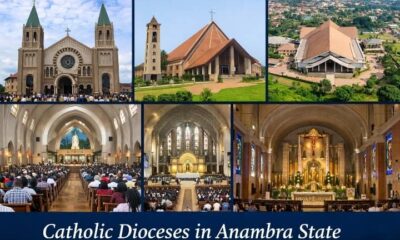
Religion in Anaku is diverse, with both Christianity and traditional practices playing strong roles. Anglican churches like St. Matthias and St. Paul’s Anglican Church remain central to the spiritual life of many families. Catholic parishes also exist, alongside numerous Pentecostal and Apostolic churches, which are growing rapidly.
At the same time, a significant number of residents still practice Odinani (traditional Igbo religion). The 2017 figures show that about 52% of the population follow Odinani, 41% are Christian, and 7% practice no religion at all. Shrines dedicated to deities and ancestors are still part of community life, and traditional rites are observed during festivals, burials, and harvest celebrations.
This blend of Christianity and Odinani has created a unique religious atmosphere in Anaku. Families often participate in both systems, attending Sunday services while still observing cultural festivals and sacrifices to the land and gods.
Institutions and Community Projects
The people of Anaku are known for their resilience and self-help spirit. A major example of this is the Aku-Luo Uno project, through which the community built a healthcare center for its people. This facility was later handed over to the Anambra State Primary Health Care Development Agency (ASPHCDA), ensuring better staffing and professional medical care. The center now has a doctor and a midwife, greatly improving access to healthcare.
Beyond health, Anaku has been active in community development through the Anambra State Association of Town Unions (ASATU). Youth groups, women associations, and kindreds regularly contribute to projects such as building roads, organizing leadership programs, and providing scholarships. These efforts demonstrate the people’s determination to improve their town despite challenges.
Challenges and Conflicts
While Anaku is blessed with fertile land and rich culture, the community also faces serious challenges that affect daily life.
Land disputes are among the most pressing issues. For decades, Anaku has had conflicts with neighboring towns like Omor over boundary lands such as Aboka and Iyiobu. A 105-year-old dispute was finally resolved in 2018 in favor of the Umuorienu kindred of Anaku, but tensions remain. In recent years, clashes have turned violent, leading to the destruction of houses, farmlands, and even the loss of lives. In 2023, reports indicated that over 500 houses were destroyed during a wave of attacks between Anaku and Omor.
Insecurity is another major problem. Youth gangs and cult groups have at times taken advantage of these disputes to cause havoc. Local reports mention individuals like “Vulture” as key figures allegedly involved in cross-community violence. Kidnappings, reprisal attacks, and invasions have disrupted peace in the town, leaving many families displaced.
Fulani herdsmen have also posed a threat. Their cattle graze freely on Anaku’s farmlands, destroying rice and yam crops that farmers rely on. This has led to rising tension and fear, as livelihoods are put at risk.
Other challenges include poor road infrastructure, erosion and flooding, and unemployment among the youth, which sometimes fuels unrest. Despite these obstacles, the people of Anaku continue to press for government intervention and also rely on community unions and philanthropists for support.
Recent Developments and the Future of Anaku
Despite the challenges, Anaku continues to look toward the future with hope. The establishment of the healthcare center is one sign of progress, as it shows how self-help projects can lead to lasting improvements when backed by government agencies.
New efforts are also being made to address erosion and flooding, with drainage projects and road repairs being discussed at the state level. Security is another area where both the community and government are seeking solutions, with appeals for more police presence and peaceful dialogue with neighboring towns.
In culture, festivals and masquerade displays remain a powerful unifying force. Even in times of crisis, events like the New Yam Festival and Obubezi Festival bring together indigenes at home and in the diaspora, reinforcing unity and pride.
The future of Anaku lies in combining its agricultural strength, cultural identity, and educational growth with peace and modern development. With support from government, community leaders, and the diaspora, Anaku has the potential to become not only a strong farming town but also a cultural and economic hub in Anambra State.
Conclusion
Anaku is more than just the headquarters of Ayamelum Local Government, it is a community of heritage, resilience, and promise. Its fertile lands have made it one of the leading farming centers in Anambra State, while its traditions, festivals, and masquerades highlight its cultural depth. Despite challenges such as erosion, communal disputes, and underdevelopment, the people of Anaku continue to stand strong, guided by their Igwe, traditional institutions like the Odogwu, and modern community unions.
The coexistence of Christianity and traditional beliefs shows how the people balance faith and culture, while their commitment to education, agriculture, and self-help projects reflects a determination to build a better future. With peace, infrastructure, and unity, Anaku has the potential to grow into a hub of agriculture and cultural tourism in Anambra State. It is truly a town that carries the past with dignity while looking toward the future with hope.
Related Topic Ihembosi Town: History, Culture, People, Challenges, and Resilience