



African Culture & Heritage
Igodo Festival of Abor: The Ancient Odo Masquerade Tradition Still Practiced in Enugu State

Igodo festival is a bi-annual cultural celebration in Abor, Enugu State that centres on the ancient Odo masquerade tradition which brings the ancestors and the community together in dance, ritual, and shared heritage.
The Igodo festival is one of the most fascinating cultural celebrations in Abor, Enugu State. It is a festival where history, spirituality, and community life come alive in a way that few events can match. For generations, the people of Abor have welcomed their ancestors through the Odo masquerade tradition that brings masked spirits into the heart of the town. The streets get filled with music, dancers move with purpose, and families gather to share food and stories, all in honour of the past and the ties that bind them.
Unlike ordinary festivals, the Igodo festival is not just a display of colourful masks and lively dances. It is a living link between the community and the spirits of forebears, a celebration that reminds everyone of where they come from and who they are. Visitors often say that the atmosphere is electric, part celebration, part reverence, part storytelling, yet, entirely authentic. Every rhythm of the drum, every movement of the masquerade, and every offering made carries meaning.
Celebrated every two years, the Igodo festival has survived the test of time, and is adapting to modern life while still holding fast to the centuries-old traditions. It is a festival that teaches lessons about respect, unity, and continuity, all while offering one of the richest cultural experiences in Enugu State.
In this article, we explore the origins, rituals, and significance of the Igodo festival, tracing its deep connection to the Odo masquerade tradition and showing why it continues to captivate the hearts of the people of Abor today.
Location of Abor
Abor is a vibrant community tucked in Udi Local Government Area of Enugu State, in southeastern Nigeria. Though it may present as a quiet town from afar, for anyone who visits, especially during the Igodo festival, its streets come alive with energy, music, and centuries-old traditions. This is a place where the past and the present meet, where the rhythms of the Odo masquerade tradition pulse through daily life.
The significance of Abor goes beyond geography. It is a cultural hub where the Igodo festival has been carefully preserved and celebrated for generations. Families, elders, and youth all play a role in maintaining the rituals, dances, and offerings that honour the ancestors and strengthen communal bonds. In Abor, the festival is a living story of identity, heritage, and continuity in Enugu State.
By understanding Abor, visitors and cultural enthusiasts can appreciate why the Igodo festival holds such a special place in the hearts of the community. The town is not just a location on a map, it is the heartbeat of a tradition that has survived centuries, and has told the story of the people and their connection to the Odo masquerade.
What Is the Igodo Festival?
The Igodo festival is one of the most important cultural celebrations in Abor, Enugu State where tradition, spirituality, and community come together in a vibrant display of heritage. Held every two years, the festival centres on the Odo masquerade tradition, a practice in which the ancestors are believed to return to the town in masked form. These masquerades are not just performers, they are living symbols of the community’s connection to its forebears that guide social values and reinforce communal identity.
During the festival, the people of Abor prepare for weeks. Streets are cleaned, ceremonial spaces are arranged, and families contribute food, palm wine, and gifts to welcome the masquerades. Music fills the air, drums echo through the town, and dancers move in intricate patterns, each gesture carrying meaning. From morning rituals to evening processions, every part of the festival celebrates both the ancestors and the people who honour them.
The Igodo festival is a bridge between generations, a reminder of where the community comes from, and a living expression of the Odo masquerade tradition that has shaped Abor for centuries. Visitors often leave with a sense of awe, having witnessed a festival that is at once spiritual, cultural, and deeply human.
Origins and Historical Background
The roots of the Igodo festival run deep in Abor, Enugu State, and trace back centuries to a time the Odo masquerade tradition influenced both spiritual and social life across Igboland. The festival emerged as a way for communities to honour their ancestors, maintain moral order, and pass cultural knowledge from one generation to the next.
In Abor, elders recount that the first gatherings that evolved into today’s Igodo festival were closely tied to ancestral reverence, with masked figures representing the spirits of the forebears visiting the living during specific periods of the year.
Igodo festival is anchored in oral history passed down by elders who serve as custodians of knowledge, ritual practices, and ceremonial customs. These elders carefully preserve the meaning of the masquerades, the songs, the dances, and the offerings that make the festival distinct. Over time, the festival became a formalized celebration that occurred every two years while still retaining its spiritual significance and connection to the ancestors.
Historical research shows that Odo masquerade practices are widespread in Enugu State, with Abor being a notable centre where these traditions have remained strong. Unlike many other festivals that have faded under the influence of modernity, the Igodo festival continues to thrive because of the community’s commitment to cultural preservation and spiritual observance. This connection between the past and the present is what gives the festival its enduring power and relevance in Abor today.
The Igodo festival is, therefore, not just a celebration of music, dance, and colour. It is a living history, a vibrant record of ancestral guidance, communal unity, and cultural identity that continues to define life in Abor, Enugu State. Each festival serves as a reminder of the community’s enduring values and their unbroken link to the past generations.
The Odo Masquerade Tradition in Igboland

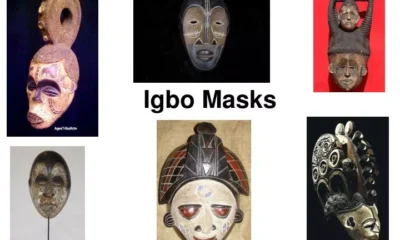
The Odo masquerade tradition is one of the most fascinating and spiritually significant practices in Igboland. Found across parts of Enugu State, including Abor, Ngwo, Nsukka, and Udi, Odo masquerades repersent more than cultural performances. They are believed to embody the spirits of the ancestors who return to the living world to guide, protect, and maintain harmony within the community.
In Igbo culture, masquerades are deeply respected figures. During Odo season, they move through towns in elaborate costumes and carved masks with dances and rituals that symbolize both ancestral presence and communal values. The rhythms of the drums, the precise movements of the dancers, and the offerings made by families all carry spiritual meaning that create a bridge between the living and the spirit world.
The Odo masquerade is unique because of its dual role of both entertainment and spiritual oversight. While the colourful masks and lively dances delight onlookers, the masquerades are also thought to enforce moral and social norms. They remind the community of respect, honesty, and unity in a way that ensures that traditions are preserved across generations.
Scholars and local historians note that the Odo tradition is cyclical. The masquerades are believed to visit at specific times of the year, often for months, interacting with the community before returning to the spirit world. This cycle is mirrored in the Igodo festival of Abor which has adapted these practices into a structured celebration that happen every two years.
The enduring power of the Odo masquerade tradition lies in its ability to combine history, spirituality, and social cohesion. It is a living testament to Igbo cultural resilience that shows how communities like Abor continue to honour their ancestors while celebrating identity, heritage, and collective memory. The masquerade is a guide, a teacher, and a spiritual presence that influences the rhythm of life in towns across Enugu State.
How Igodo Festival and Odo Masquerade Are Connected
The Igodo festival is, at its heart, a local expression of the Odo masquerade tradition. In Abor, the festival revolves around welcoming ancestral spirits back into the community symbolized by the arrival of the masquerades. These figures are believed to carry the presence, guidance, and blessings of the forebears. Every movement, mask, and ritual gesture is imbued with meaning to reinforce the bond between the living and the spirit world.
During the festival, the people of Abor prepare extensively. Streets are cleaned, ceremonial grounds are arranged, and families bring offerings such as palm wine, kola nuts, and symbolic gifts to honour the masquerades. Music fills the air, drums set the rhythm, and dancers move with precision to create a spectacle that is both joyful and sacred. This mirrors the Odo masquerade cycle described in the broader Enugu State traditions where preparation, arrival, communal interaction, and eventual departure mark the phases of the celebration.
The connection between Igodo festival and Odo masquerade also lies in their shared spiritual and cultural purpose. While the masquerades entertain, they also teach lessons about morality, respect, and communal unity. Through the festival, the younger generations witness these traditions firsthand and learn the values and stories that have guided the community for centuries.
By linking Igodo to the larger Odo tradition, the festival becomes more than a local celebration. It is part of a wider ancestral system in Enugu State which shows how Abor preserves its heritage while participating in a cultural network that stretches across towns like Ngwo, Udi, and Nsukka. This connection explains why the festival remains relevant, deeply meaningful, and celebrated with such devotion in Abor.
The Igodo festival and Odo masquerade tradition are inseparable. One cannot be fully understood without the other because together, they create a living cultural and spiritual experience that honours the past, strengthens community bonds, and keeps Abor heritage alive for future generations.
Key Rituals, Performances, and Activities
The Igodo festival comes alive with energy, colour, and rhythm. Every moment is purposeful, every gesture meaningful, and every activity deeply connected to the Odo masquerade tradition. For the people of Abor, the festival is both a spiritual observance and a communal celebration where history, culture, and entertainment come together.
Masquerade Displays
At the centre of the festival are the Odo masquerades clad in intricate masks, colourful fabrics, and symbolic decorations. These masquerades parade through the town and move gracefully or powerfully to the rhythm of the drums. Each appearance tells a story, honours an ancestor, and reminds the community of the connection between the living and the spirits. Families and onlookers approach with respect, often making offerings as the masquerades pass.
Music and Dance
Music is the heartbeat of the Igodo festival. Drummers set the pace while singers chant ancestral songs that have been passed down for generations. Dancers, both masked and unmasked perform intricate steps that tell stories of courage, unity, and community life. This combination of sound and movement creates a mesmerizing atmosphere that draws everyone into the celebration.
Traditional Rites and Offerings
Elders and spiritual leaders lead the rituals to honour the ancestors. Offerings of palm wine, kola nuts, and symbolic gifts are presented at designated spaces accompanied by prayers and incantations. These rites are believed to bring blessings, protection, and prosperity to the town. They also reinforce respect for the ancestors and ensure that the spiritual balance between the living and the departed is maintained.
Wrestling and Competitions
Traditional wrestling is often a highlight of the festival as it showcases strength, skill, and community spirit. Young men compete in friendly matches as a demonstration of bravery and endurance while the community cheers. These competitions are not only entertaining but also reinforce values of courage, discipline, and respect for cultural traditions.
Communal Feasting
No festival is complete without food. During Igodo, families and extended kin groups prepare large meals for sharing. Traditional Igbo dishes, including pounded yam, soups, roasted meat, and palm wine are served. The communal feasting strengthens social bonds, encourages generosity, and provides an opportunity for everyone to celebrate together.
These key rituals, performances, and activities combine to make the Igodo festival an immersive experience. Visitors and participants alike leave with a sense of awe, having witnessed a festival that is at once spiritual, cultural, and profoundly human. Every drumbeat, dance step, and offering contributes to the continuity of a tradition that has shaped Abor for generations.
Cultural and Spiritual Significance
The Igodo festival is far more than a colourful celebration or a display of ancestral masquerades. In Abor, Enugu State, it is a living bridge between the past and the present that connects the community to its ancestors through the Odo masquerade tradition. Every drumbeat, every mask, and every dance step carries meaning that reminds the participants of the enduring values that have guided the town for generations.
Spiritually, the festival is a time the ancestors are believed to return to the living world. The masquerades are considered vessels through which ancestral presence, guidance, and protection flow. During the festival, rituals, offerings, and prayers reinforce this connection and ensure that the living honour the departed while seeking blessings for health, prosperity, and unity.
Culturally, the Igodo festival serves as a repository of Igbo heritage. Through songs, dances, storytelling, and masquerade performances, the community preserves centuries-old traditions and passes them down to the younger generations. It is both an educational experience and a celebration where children, youth, and visitors learn about history, ethics, and the social values that sustain communal life.
The festival also strengthens social cohesion. Families, neighbours, and even visitors work together to prepare for the event by arranging spaces, preparing food, and participating in the rituals. This shared responsibility reinforces a sense of belonging and unity. In Abor, the Igodo festival is a reminder that cultural identity is not just inherited, it is actively lived, celebrated, and protected.
Ultimately, the Igodo festival embodies the essence of the Odo masquerade tradition which is, a harmonious blend of spirituality, morality, entertainment, and community. It is a celebration that nourishes the soul, teaches respect for the ancestors, and keeps the heart of Abor beating in rhythm with its rich cultural heritage.
Igodo Festival in Modern Times

While the Igodo festival is deeply rooted in centuries-old traditions, it has also adapted to the realities of modern life. In Abor, Enugu State, the festival still thrives and balances respect for the Odo masquerade tradition with contemporary influences. Today, the festival attracts not only local residents but also visitors, researchers, and tourists that are eager to witness a living celebration of Igbo heritage.
Modern technology has allowed organizers to document the festival through photos, videos, and social media, and share the beauty of the masquerades and the vibrancy of the ceremonies with audiences far beyond Abor. Despite these modern tools, the essence of the festival remains unchanged. Masks, dances, rituals, and offerings still reflect the spiritual and cultural values that have guided the community for generations.
In recent years, schools and cultural institutions have also taken an interest in the festival. Students are encouraged to learn about the historical and spiritual significance of Igodo while the elders mentor the younger generations in traditional music, dance, and ritual practices. This integration of education ensures that the festival is not just a performance but a dynamic space for cultural preservation and learning.
The Igodo festival in modern times also fosters community tourism. Visitors from across Nigeria and beyond travel to Abor to witness the masquerades, taste traditional foods, and engage with local customs. This exposure benefits the local economy, even as it promotes awareness and appreciation of Igbo culture.
Despite these modern adaptations, the core of the Igodo festival remains the same. It is still that sacred, communal celebration that honours the ancestors, strengthens cultural identity, and unites the people of Abor. It is a testament to how traditions can endure, evolve, and remain meaningful, even in a fast-changing world.
Cultural Preservation and Legacy
The Igodo festival is a living legacy, a bridge that connects the past, the present, and the future of Abor, Enugu State. By sustaining the Odo masquerade tradition, the community preserves centuries of cultural knowledge, values, and ancestral wisdom. Every ritual performed, every dance step, and every song sung during the festival is a form of storytelling aimed at keeping history alive for the younger generations.
Cultural preservation through Igodo is intentional. The elders serve as custodians who teach the youths the significance of masquerades, the meaning behind each ritual, and the moral lessons embedded in the festival. These lessons reinforce respect for the ancestors, communal responsibility, and social harmony. These principles remain as relevant today as they were centuries ago.
The festival also acts as a legacy for the broader Igbo community. Scholars, tourists, and cultural enthusiasts document, study, and share the Igodo festival in a way that ensures that its significance extends beyond Abor. In doing so, the festival contributes to a wider understanding of Igbo heritage and promotes pride in cultural identity.
By participating in or witnessing the Igodo festival, people are reminded that culture is not static. It is lived, shared, and passed on. The festival ensures that the Abor traditions endure by providing a blueprint for preserving ancestral knowledge and maintaining spiritual and social continuity. That way, the Igodo festival becomes not only a celebration of the present but also a safeguard for the future; a vibrant testament to the power of cultural legacy.
In Conclusion …
The Igodo festival of Abor, Enugu State is more than a vibrant display of colour, music, and dance. It is a living celebration of the Odo masquerade tradition, a bridge between the ancestors and the living, and a testament to the resilience of Igbo culture. From its historical roots to its modern adaptations, the festival embodies centuries of spiritual guidance, moral instruction, and communal unity.
Through rituals, masquerade performances, communal feasting, and educational engagement, the Igodo festival preserves a cultural legacy that connects generations. It teaches lessons about respect, unity, and the importance of honouring the past while embracing the present. The elders pass down wisdom to the youths, families come together to participate, and visitors witness a community that cherishes its heritage in every drumbeat, mask, and dance.
In modern times, the festival continues to thrive as it draws attention from tourists, cultural scholars, and enthusiasts, and ensures that the story of Abor and its ancestral traditions reaches a wider audience. Yet, at its core, the Igodo festival remains deeply local; a celebration that strengthens identity, reinforces communal bonds, and safeguards a spiritual and cultural legacy that has endured for generations.
For anyone seeking to understand the richness of Igbo culture, the Igodo festival is a vivid, living example. It is a reminder that traditions are not just history, they are the heartbeat of communities, the rhythm of life, and the legacy that sustains both spirit and culture for generations to come.
References
- https://eprints.gouni.edu.ng/5009/1/ABOR%20IYIME%20HISTORY%20LATEST%202025%20VERSION%2C%20Research%20completed%20%26%20Book%20accepted%20and%20being%20reviewed%20for%20publication.pdf
- https://ozikoro.com/igodo-festival-of-abor-enugu-state-a-celebration-of-igbo-heritage/
- https://nnewicity.com/odo-festival-in-enugu-state/
- https://en.wikipedia.org/wiki/Odo_Masquerade_Festival
- https://www.igboamaka.ca/festivals