


Nigerian Ethnic Groups
The Urhobo People of Delta State, Nigeria: Complete History, Culture and Traditions

Urhobo people are one of the largest ethnic groups in Delta State, Nigeria known for their rich history, deep culture, unique language, and vibrant traditions that reveal their identity and heritage.

The Urhobo people are one of the major ethnic groups in southern Nigeria widely recognized for their longstanding presence, vibrant traditions, and community life that stretches across Delta State in the Niger Delta region.
Situated in the heart of Delta State, the Urhobo people are a living story of history, resilience, and culture. From the bustling towns along the Niger Delta waterways to the quiet villages where traditions are carefully preserved, they have maintained a rich identity that connects the past and the present. Their language carries generations of wisdom, their festivals bring the communities together in celebration, and their everyday life reflects a deep bond with family, land, and water.
Getting to know about the Urhobo people is like opening a window into the soul of the Niger Delta. Their history is full of migrations, settlements, and encounters that influenced their communities. Their customs and ceremonies reveal values, beliefs, and social structures that have endured for centuries. And their modern lives, woven with education, commerce, and urban growth show how tradition and progress can exist side by side.
In this article, you will explore the complete story of the Urhobo people, from their origins and language to their festivals, governance, economy, and notable figures. Whether you are curious about Nigerian cultures, researching ethnic groups, or simply want to understand what makes the Urhobo unique, this guide offers a clear, humanized, and engaging look at a people whose legacy keeps thriving today.
Who Are the Urhobo People?
As already stated, the Urhobo people are one of the largest ethnic groups in southern Nigeria who live mainly in Delta State. They occupy a wide stretch of the Niger Delta, from the banks of the Warri and Ethiope rivers to the fertile lands of Ughelli, Sapele, Abraka, and beyond. Their presence is marked not only by population size but also by a shared sense of identity, history, and culture that binds communities together.
The Urhobo people trace their roots back centuries where they developed a society built around clans and towns rather than a centralized kingdom. Each clan has its own leaders, customs, and ancestral stories, even though they all share a common language, traditions, and cultural heritage. This structure allowed them to maintain strong community bonds while adapting to changing times.
Geographically, the Urhobo people are surrounded by other Niger Delta groups, including the Itsekiri, Isoko, and Ijaw peoples. Despite the close proximity, the people have preserved a distinct cultural and linguistic identity. Trade, intermarriage, and social interactions exist alongside a clear sense of “Urhobo-ness,” a feeling of belonging to a people whose stories, values, and customs are unique to them.
Today, the Urhobo people are known for their lively festivals, rich cuisine, and hardworking communities. They are farmers, fishers, traders, and professionals who are combining modernity with the traditions passed down through generations. Their language, music, and ceremonies continue to flourish as a reminder to everyone that they are not just a people of the past, they are very much alive, forming their future as they honour their heritage.
Origins and Early History
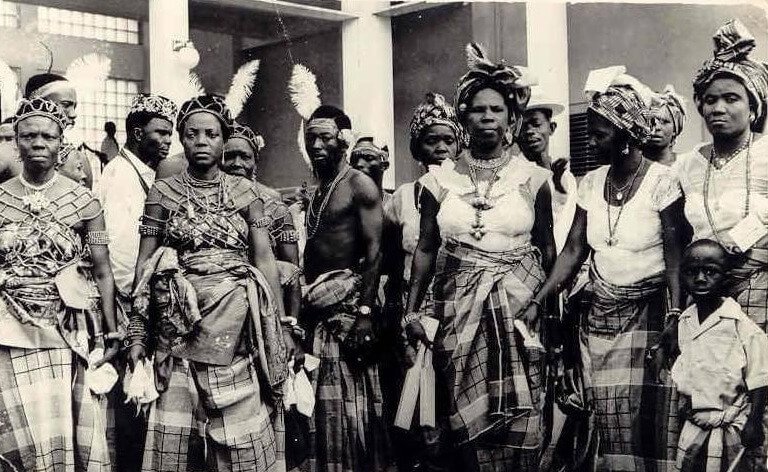
The story of the Urhobo people began long before the modern maps of Nigeria existed. Oral traditions passed from one generation to the next paint a picture of a resilient community that moved across lands, rivers, and forests in search of fertile soil, safety, and a sense of belonging. Scholars agree that they migrated from areas near the ancient Benin Kingdom centuries ago, and settled eventually in what is today central and southern Delta State.
Unlike some neighbouring groups, the Urhobo people did not form a single centralized kingdom. Instead, their society grew around clans and towns, each with its own leaders, elders, and ancestral shrines. These clans maintained close ties through trade, marriages, and shared customs that created a cohesive, yet flexible social structure. This allowed them to thrive in a region rich in rivers, forests, and fertile land while they navigated interactions with other Niger Delta communities.
Early European records, including the Portuguese accounts from the 15th century refer to groups called Sobo or Subou which later scholars identify as early references to the Urhobo. These records hint at early trade and contact with Europeans, particularly in palm oil, ivory, and other local resources.
Life in precolonial times was shaped by rivers and forests. Communities relied on fishing, farming, and small-scale trading. The elders served as mediators, the clans maintained ancestral shrines, and festivals marked important seasonal cycles, harvests, and milestones. Even in these early days, the Urhobo people valued community, harmony, and respect for the ancestors. These principles remain central to their identity today.
Through migration, settlement, and adaptation, the Urhobo people established the foundations of a society that would survive centuries of change. Their history is not only a record of where they came from but also a testament to their resilience, unity, and cultural richness.
Language of the Urhobo People
Urhobo language is the heartbeat of the Urhobo people because it carries their history, stories, and everyday life from one generation to the next. Spoken by millions across Delta State and in some neighbouring areas, it belongs to the Southwestern Edoid branch of the Niger-Congo language family, one of Africa’s largest and most diverse linguistic groups.
Urhobo serves as more than just a means of communication for the people. It is a vessel for culture. Through proverbs, folktales, songs, and prayers, the language preserves values, morals, and ancestral wisdom. Parents teach their children Urhobo words alongside life lessons while the community elders use it to pass on stories of origin, local heroes, and cultural beliefs.
The language has several dialects that reflect the different Urhobo clans and communities. Despite these variations, the speakers easily understand one another, in a way that highlights the unity within the diversity of the Urhobo people. In towns like Warri, Sapele, and Ughelli, you will hear Urhobo spoken alongside English, Pidgin, and other local languages.
Efforts to preserve and promote Urhobo language have grown stronger in recent decades. Organizations like the Urhobo Renaissance Society and the Urhobo Studies Association hold workshops, publish learning materials, and host cultural events that encourage young people to read, write, and speak in Urhobo. These initiatives are vital as globalization and city life introduce new languages and lifestyles that could otherwise overshadow the native tongues.
Essentially, Urhobo language is a living bridge between the past and the present. It binds families, connects communities, and sustains a culture that continues to blossom, despite the passage of time. To know the Urhobo people better, one must listen to their language, for it tells their story more vividly than history books ever could.
Social Structure and Governance
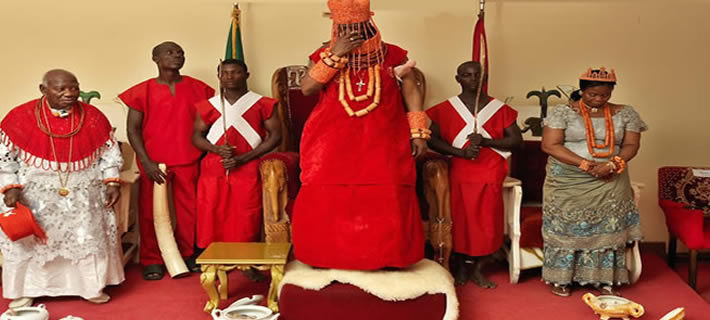
The Urhobo people have a social system built on respect, family ties, and community. Their communities are organized around clans and towns, and each is guided by the elders, chiefs, and other respected figures. Instead of a single central kingdom, they historically relied on collective leadership where decisions affecting the community were made by consensus among the wise and experienced members.
At the helm of governance in many Urhobo communities is the Ovie, the traditional king or chief. The Ovie serves as the custodian of culture, presides over festivals and ceremonies, and acts as a mediator in disputes. Supporting the Ovie is a council of elders who provide guidance on matters ranging from land disputes to marriage arrangements. In some Urhobo towns such as Agbarho or Okpe, the Ovie works alongside other titled chiefs, each responsible for specific areas like justice, trade, or ceremonies
Below the chiefs, the age-grade systems play an important role in community organization. These groups which are made up of men or women of similar age are tasked with community projects, festivals, and maintaining order. Age grades also serve as informal schools that teach the younger members values such as honesty, courage, and respect for elders. This system ensures that every generation participates actively in governance and cultural preservation.
Family and kinship form the foundation of Urhobo social life. Extended families live close together, and support one another in farming, trade, and education. The elders within families are consulted for advice, and decisions are made with input from both men and women to reflect a balance between authority and communal participation.
The social structure of the Urhobo people is not only practical but deeply connected to their values and traditions. Respect for the elders, the importance of consensus, and the role of community in daily life ensure stability and continuity.
Even today, though urbanization and modern governance have changed some aspects of traditional leadership, these structures continue to influence how the Urhobo people organize themselves socially, culturally, and politically.
Religion and Beliefs
The spiritual life of the Urhobo people is woven into every aspect of their daily living, and connects them to the ancestors, nature, and the divine. Traditionally, they believed in a supreme being known as Oghene regarded as the creator of all life. Oghene is seen as distant, yet ever-present, overseeing human affairs while delegating influence to the lesser deities and ancestral spirits. These spiritual beings are closely linked to the land, rivers, and forests, guiding fertility, health, and community well-being.
Ancestral veneration is central to Urhobo beliefs. The elders and family heads perform rituals to honour the forebears and ask for guidance, protection, and blessings. Sacred shrines often located near rivers or groves serve as sites for offerings, prayers, and seasonal ceremonies. The community collectively participates in these rituals as a way of reinforcing a shared sense of identity and continuity.
Festivals and ceremonies in Urhobo culture often blend religion and social life. Celebrations such as the Ohworu festival or smaller clan rituals involve music, dance, masquerades, and offerings. These events are not only acts of devotion but also expressions of gratitude, remembrance, and cultural pride. They remind the younger ones of their spiritual heritage while they keep their traditions alive.
With the arrival of the European missionaries in the 19th and 20th centuries, Christianity became widespread among the Urhobo people. Today, a majority of Urhobo identify as Christians, even though many still incorporate traditional beliefs into daily life, thus creating a unique spiritual combo that honours both ancestral customs and modern faith practices. Churches often host community gatherings, and religious teachings emphasize morality, communal responsibility, and respect for tradition.
The religion and beliefs of the Urhobo people reflect a worldview where the spiritual and physical are closely connected. Life is understood as a balance between respecting the past, nurturing the present, and preparing for the future. This spiritual framework continues to shape values, ceremonies, and daily life. It offers insight into the deep cultural identity of the Urhobo people.
Culture and Traditions
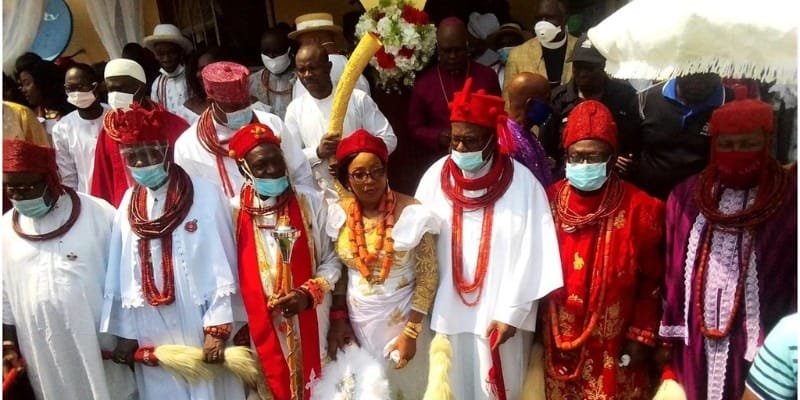
The Urhobo people have a culture that is both vibrant and deeply rooted in their environment, history, and community life. Every aspect of their culture, from the festivals to the food, music, and attire tells a story of who they are and where they come from.
Festivals and Celebrations
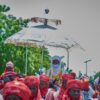
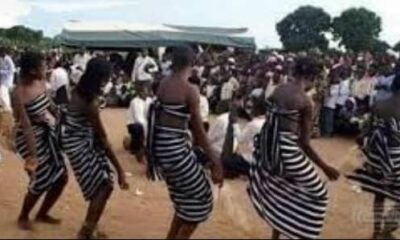
Festivals are at the heart of Urhobo culture. They are moments the communities come together to celebrate, honour their ancestors, and mark important seasonal or life events. One of the most notable festivals is the Ohworu festival which is celebrated in southern Urhobo towns like Evwreni. During this festival, people perform traditional dances, wear colourful attire, and participate in masquerade displays. It is both a spiritual and social event that links the present generation to their ancestral roots.
Another significant festival is the Ibi festival held in communities such as Agbarho. This celebration focuses on community unity, bravery, and cultural pride. It often includes storytelling, drum performances, and dances that convey moral lessons or historical narratives.
These festivals serve as living classrooms that teach the younger ones about values, traditions, and communal responsibilities.
Marriage and Life Ceremonies
Marriage in Urhobo society is both a family and community affair. Traditional weddings involve a series of ceremonies where the groom and his family present gifts to the bride’s family, followed by prayers and libations to honour the ancestors. These rituals strengthen respect, gratitude, and social cohesion. Births, naming ceremonies, and funerals also follow traditional customs that celebrate life, respect lineage, and maintain community bonds.
Music, Dance, and Art
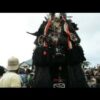
Music and dance are central to Urhobo celebrations. Drums, flutes, and other local instruments accompany dances that range from energetic festival performances to solemn ancestral rituals. Masquerades are particularly significant as they often represent the spirits or historical figures, and are performed with intricate costumes and masks. Artisans in Urhobo communities are known for wood carvings, beadwork, and woven fabrics, all of which carry symbolic meanings connected to spirituality and social identity.
Food and Cuisine
Food is a core expression of Urhobo culture. Dishes like Banga soup (made from palm kernels) paired with starch (Usi) are staples in communal meals. Other traditional meals include Ukhodo, a yam and unripe plantain dish, and Oghwevwri, a soup prepared with smoked fish, spices, and palm oil. Sharing meals is a social and cultural practice that reinforces family ties and community relationships.
Clothing and Attire
Traditional clothing reflects both status and cultural pride. The men often wear wrappers with embroidered tops, while the women wear colourful wrappers paired with blouses and head ties. Beads and accessories are commonly used during ceremonies to signify wealth, marital status, or leadership. The attire is not only aesthetic but also a way to visually express identity and heritage.
The culture and traditions of the Urhobo people are a living expression of their values, history, and community. Every festival, ceremony, song, and meal tells a story that connects generations and preserves the essence of what it means to be Urhobo.
Economy and Livelihood
The Urhobo people have always had a close relationship with the land and the waterways of Delta State which have informed how they live, work, and trade. Traditionally, agriculture and fishing formed the backbone of the Urhobo economy. The fertile soil and network of rivers allowed communities to grow staples such as yams, cassava, plantains, peppers, beans, and groundnuts. Palm oil and rubber became major cash crops with the European contact in the 19th century, and created opportunities for trade beyond the Niger Delta.
Fishing remains an essential part of life for Urhobo communities along the rivers. Canoes glide across calm waters as families fish for tilapia, catfish, and other local species. Fishing is not just a means of livelihood but also a cultural practice often tied to seasonal rituals and festivals that celebrate the bounty of the water.
Trade and markets have historically been central to Urhobo life. Local markets in towns like Warri, Sapele, and Ughelli bring together farmers, fishers, artisans, and traders. Goods range from fresh produce to handmade crafts, palm oil, and textiles. These markets are vibrant hubs where economic activity and social interaction go hand in hand to portray the communal spirit of the Urhobo people.
In modern times, the Urhobo economy has diversified. Many individuals pursue careers in education, government, healthcare, and commerce while still maintaining ties to traditional occupations. Entrepreneurs in cities and towns combine modern business practices with cultural knowledge in a way that supports local development and preserves traditions.
Even today, farming and fishing remain important not only for income but also for maintaining cultural identity. Seasonal harvests, fishing festivals, and community sharing reinforce social bonds and highlight the intimate connection between the Urhobo people and their environment.
The economic life of the Urhobo people reveals a balance between tradition and modernity. Their ability to adapt while holding onto core practices ensures that both their livelihoods and cultural identity continue to bloom.
Contemporary Life and Identity
The Urhobo people today live at the intersection of tradition and modernity. While their villages, rivers, and farmland continue to preserve cultural practices, many of the people also live in urban centres like Warri, Sapele, and Ughelli where they pursue education, careers, and entrepreneurial ventures. This dual existence allows them to maintain cultural identity as they engage with Nigeria’s modern economy and society.
Education has become a cornerstone of contemporary Urhobo life. Schools in Delta State teach both standard curricula and, in some cases, aspects of Urhobo language and culture. Many families prioritize education as a way to equip children for professional careers while also encouraging them to participate in festivals, language programmes, and community activities that keep their heritage alive.
Community organizations also play a major role in modern Urhobo identity. Groups like the Urhobo Progress Union and the Urhobo Renaissance Society support cultural preservation, education, and social welfare. They organize events, conferences, and language programmes with the aim of ensuring that the young members remain connected to their roots. These organizations also advocate for social and economic development that bridges tradition and modern governance.
Urbanization has brought new challenges and opportunities. While exposure to other cultures and global influences can, sometimes, dilute local practices, the Urhobo people have creatively adapted. Many young people celebrate traditional festivals, speak the Urhobo language, and uphold family values alongside their participation in modern professions and city life.
Cultural pride remains central to contemporary identity. Whether through attending traditional festivals, wearing ceremonial attire, cooking Urhobo dishes, or engaging in storytelling and arts, the people actively cultivate their heritage. This commitment ensures that being Urhobo goes beyond ancestry to become a lived experience that mixes history, culture, and the realities of the 21st century.
In essence, the contemporary Urhobo people embody a balance that honours the past while embracing education, commerce, and global connections, thereby creating a dynamic identity that remains deeply rooted in Delta State and the Niger Delta region.
Notable Urhobo People
The Urhobo people have produced remarkable individuals who have left lasting marks in Nigeria and beyond. These achievements span politics, business, the arts, literature, and sports, and highlight the diversity of talent nurtured within Urhobo communities.
In politics and public service, leaders like Chief James Onanefe Ibori, the former Governor of Delta State played key roles in defining the modern political landscape of the Niger Delta. Similarly, Samuel Jereton Mariere, the first Governor of the former Mid‑Western Region demonstrated how Urhobo leaders contributed to nation-building as they maintained strong ties to their cultural roots. These figures exemplify the Urhobo commitment to leadership, community development, and public service.
The Urhobo people have also excelled in business and industry. Michael Christopher Onajirevbe Ibru, the founder of the Ibru Organization built one of Africa’s largest indigenous conglomerates. His success reflects the entrepreneurial spirit that runs deep in Urhobo culture which balances innovation with traditional values like diligence, integrity, and community responsibility.
In the arts and literature, the Urhobo have made significant contributions to Nigerian culture. Tanure Ojaide, an award-winning poet and writer brings Urhobo history, folklore, and environmental concerns to a global audience. Justus Esiri and Richard Mofe Damijo have made a lasting impact in the Nigerian film and television, while Ufuoma Onobrakpeya, a visual artist celebrates Urhobo heritage through intricate and symbolic works. These creatives ensure that Urhobo stories, values, and artistry continue to inspire and educate.
Even in sports, Urhobo individuals shine on the international stage. Blessing Okagbare, a world-class track and field athlete has represented Nigeria in global competitions where she won medals and set records. Her achievements show the discipline, resilience, and determination that are celebrated values in Urhobo communities.
These notable figures represent the wide-ranging impact of the Urhobo people. From governance and entrepreneurship to arts, literature, and athletics, their contributions project a culture that nurtures talent, values education, and celebrates achievement. They inspire the younger ones to embrace their heritage while striving for excellence in all areas of life.
In Conclusion …
The Urhobo people of Delta State are a lively community whose history, culture, and achievements continue to inspire. From their early migrations and settlements along the fertile lands and rivers of the Niger Delta to the present day, they have maintained a strong sense of identity rooted in language, traditions, and communal values. Their social structure which is guided by the elders, age grades, and traditional rulers highlights a society built on respect, collaboration, and continuity.
The spiritual life of the Urhobo people, whether through ancestral veneration, traditional deities, or modern Christian practices shows how faith and culture coexist to influence daily life. Festivals, music, dance, masquerades, and culinary traditions highlight the richness of Urhobo culture while education, trade, and modern professions demonstrate their adaptability in a rapidly changing world.
Notable Urhobo individuals across politics, business, arts, literature, and sports showcase the community’s talent, creativity, and resilience. Leaders like Chief James Onanefe Ibori, entrepreneurs like Michael Christopher Onajirevbe Ibru, creatives like Tanure Ojaide, Justus Esiri and RMD, and athletes like Blessing Okagbare embody the spirit and ambition of the Urhobo people that connects heritage to modern success.
Understanding the Urhobo people means appreciating a society that honours its past as it engages dynamically with the present. Their story is one of resilience, cultural richness, and unity. A testament to how an ethnic group can preserve identity, blossom economically, and contribute meaningfully to the national and global society.
The Urhobo people are not only custodians of a remarkable history but also active participants in defining the future of Delta State, Nigeria, and beyond. By celebrating their language, traditions, achievements, and communal spirit, we gain insight into a culture that is deeply human, enduring, and endlessly inspiring.
References
- https://en.wikipedia.org/wiki/Urhobo_people
- https://www.opinionnigeria.com/history-of-the-urhobo-people/
- https://urhobodigitallibrarymuseum.com/urhobo-history-and-identity/
- https://www.britannica.com/topic/Urhobo
- https://www.pulse.ng/story/urhobo-a-brief-walk-into-the-lives-of-one-of-nigerias-most-interesting-people-2024080104541609216
- https://www.areanewsng.com/news/urhobo-renaissance-society-affirms-commitment-to-promoting-urhobo-culture-language/
You might want to check this out …