



Nigerian Ethnic Groups
Isoko People of Nigeria: Full History, Culture, Language, and Traditions

Isoko people of Nigeria are a vibrant ethnic community with a rich history, culture, language, and traditions rooted in the Niger Delta and Delta State.

The Isoko people of Nigeria belong to a community with deep roots, resonant voices, and stories that have crossed generations. If you travel through southern Nigeria, especially the riverine landscapes of Delta State, you will hear laughter, language and rhythms that feel alive with history. These are not just ordinary places on a map. They are home to families whose traditions and daily life have been shaped by land, water and shared memories.
For hundreds of years the Isoko people have lived in towns and villages where the elders speak of ancient beginnings and children learn traditional songs long before school lessons begin. Their language carries meaning that cannot be fully translated, and their festivals bring neighbours together in dance and celebration. In every meal shared and every greeting offered, there is a sense of belonging that invites curiosity and respect.
This article explores the history, culture, language and traditions of the Isoko people. It will take you beyond facts and figures into who they are, where they came from, and how their way of life thrives today. Whether you are learning about them for the first time or rediscovering your heritage, you will find their story both rich and deeply human.
Who Are the Isoko People?
The Isoko people are a proud ethnic group living mainly in Delta State, in southern Nigeria. They are part of the larger Niger Delta cultural world which includes groups like the Urhobo, Itsekiri, and Ijaw, but the Isoko have a distinct identity shaped by their language, traditions, and shared history.
Their homeland, often called the Isoko region, spreads across towns and villages in both Isoko North and Isoko South Local Government Areas. Life here flows with the rivers and creeks that cross the landscape, influencing how people farm, trade, and gather as a community. The Isoko people are known for their close-knit families, strong community bonds, and lively celebrations that connect them to their ancestors.
Historically, the Isoko people did not form a single political unit. Instead, they lived in clans, each with its own leadership, customs, and local governance. There are about nineteen recognized clans, including Ozoro, Oleh, Emede, Uzere, Irri, Igbide, and Owhe. While each clan maintains unique customs, all share cultural threads that unite them as Isoko.
Today, the Isoko people still honour their heritage while adapting to modern life. They participate in Nigeria’s broader political and social systems, pursue education, and engage in businesses and professions, but their language, music, festivals, and communal values remain strong pillars of identity.
In essence, the Isoko people are a community where tradition and modernity meet, a group whose stories, language, and culture make them an essential part of Nigeria’s rich cultural identity.
Historical Background of the Isoko People

The history of the Isoko people is that of movement, settlement, and resilience. Like many communities in the Niger Delta, the Isoko did not emerge from a single origin. Instead, their ancestry is traced through a mix of migration stories, oral traditions, and links with neighbouring peoples. Some clans say their forebears migrated from the ancient Benin Kingdom while others trace roots to nearby Urhobo or Igbo communities. These movements that occurred centuries ago informed the diversity of the Isoko people and the nineteen clans that exist today.
Early Isoko settlements were primarily along rivers and creeks in reflection of their deep connection to the water-rich environment of southern Nigeria. Fishing, farming, and trade became central to daily life. Villages were organized around extended families and clans, and each community maintained its own local leadership. Age‑grade systems helped to coordinate labour, rituals, and communal projects with the aim of ensuring that every member contributed to the well-being of the group.
The Isoko region remained largely autonomous until the 19th and 20th centuries when colonial powers arrived in the Niger Delta. The British administration introduced new governance systems, taxes, and trade policies. The Isoko people adapted to these changes as they preserved their traditional structures. Towns like Oleh, Ozoro, and Irri became administrative and cultural centres that bridged the past and the present.
Culturally, the Isoko people have maintained strong ties to their ancestors. Festivals, dances, and storytelling continue to pass knowledge from generation to generation. Their historical experiences, from migration to adaptation under colonial rule, created a community that values resilience, identity, and the collective memory of shared struggles and achievements.
Overall, the historical background of the Isoko people is a mix of migrations, clan formations, and adaptations to changing political and environmental conditions. It is a history that explains the depth of their culture, the strength of their communities, and their continuing presence in the Niger Delta today.
Language of the Isoko People
The Isoko people speak a language that carries the rhythm of their rivers, the history of their ancestors, and the values of their communities. Known simply as Isoko, this language belongs to the Edoid group within the Niger-Congo language family. While it shares similarities with neighbouring languages like Urhobo and Itsekiri, it remains distinct in structure, sound, and expression.
Across the Isoko region, there are approximately twenty dialects. Each clan has developed subtle variations in pronunciation, vocabulary, and idiomatic expressions. Among these, the Aviara and Uzere dialects are widely recognized as standard for education and cultural documentation. Despite these differences, all the dialects maintain a shared grammar and vocabulary that unify the Isoko people across towns and villages.
Language for the Isoko is the vessel of cultural memory. Proverbs, folktales, and songs are passed from elders to children to teach lessons about respect, community, and resilience. For example, storytelling evenings in village squares or under palm trees bring together generations, and allow young listeners to absorb not just the tales but the cadence and meaning embedded in the language.
Preservation of the Isoko language is an ongoing effort. While English and Nigerian Pidgin are widely used in schools, business, and media, community organizations, cultural festivals, and church services often encourage the use of Isoko. Hymns, poetry, and local dramas performed in the language help to keep it alive for future generations.
Essentially, the Isoko language is a living bridge between the past and the present. It binds the people together, carries the wisdom of elders, and provides a sense of belonging. For anyone seeking to understand the heart of the Isoko people, listening to and learning the language offers a window into their identity and worldview.
Social Structure and Governance
The Isoko people organize their communities in ways that balance tradition, leadership, and collective responsibility. Life in Isoko towns and villages revolves around families, clans, and community councils. At the heart of this system is respect for elders, who are considered the keepers of wisdom, history, and moral guidance.
Each Isoko clan has its own local leadership which is often headed by a chief known as the Ovie or Odio-Ologbo. These leaders guide the community in matters of custom, conflict resolution, and ritual practices. They are supported by the councils of elders who provide advice, settle disputes, and uphold cultural values. This way, governance becomes a shared responsibility that draws on experience and knowledge rather than solely formal authority.
Families form the foundation of social life. Extended family compounds often house multiple generations under one roof to create strong bonds and networks of support. The elders teach the young people about proper behaviour, responsibilities, and the history of the community. Age-grade systems organize men and women into groups responsible for work, ceremonies, and social events. These groups also foster a sense of belonging and accountability within the community.
Women play an essential role in Isoko governance and social cohesion. Women groups participate in festivals, markets, and community decision-making, and ensure that family welfare and cultural continuity are prioritized. Even as modern political structures influence the region, traditional leadership remains respected and often works alongside elected officials to guide development and community projects.
The social structure of the Isoko people reflects a system that values respect, cooperation, and shared responsibility. It allows communities to manage disputes, organize labour, celebrate milestones, and maintain harmony. This balance between traditional governance and modern participation ensures that the Isoko identity remains strong, even in changing times.
Culture and Traditions
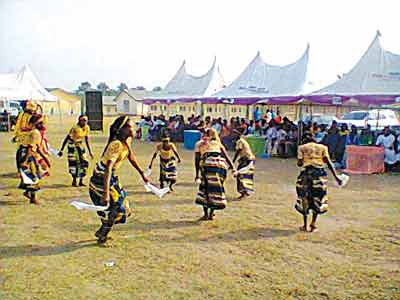
The Isoko people have a culture that is alive in music, dance, festivals, food, and the simple rhythm of everyday life. Their traditions are not only expressions of beauty but also ways of teaching values, connecting generations, and celebrating community.
Music and dance are central to Isoko celebrations. Drums, flutes, and traditional instruments accompany festive dances that mark births, marriages, harvests, and other milestones. Festivals, like the annual Oluwole Festival in certain communities, bring together families and neighbours to honour the ancestors and celebrate the bounty of the land. These gatherings are filled with laughter, colour, and the scent of traditional foods being prepared for communal feasts.
Marriage ceremonies in Isoko communities are joyful occasions that unite not only two individuals but entire families and clans. Traditional marriages involve negotiation, the presentation of gifts, and elaborate ceremonies that include music, dance, and blessings from the elders. Naming ceremonies for children are equally significant, because they link newborns to their lineage and community. The elders offer prayers and blessings with the aim of giving children a sense of identity and belonging from the very start of life.
Funeral rites in Isoko culture are times to honour the ancestors and reflect on the life of the departed. Ceremonies often include drumming, songs, and communal meals. This provides the opportunity for families and friends to grieve together as they celebrate the life that was lived. These rituals strengthen the bonds within the community and teach respect for the cycle of life.
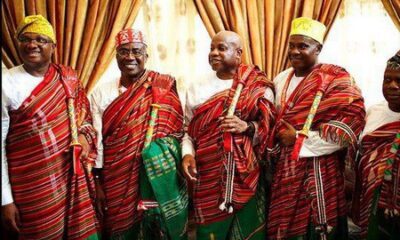
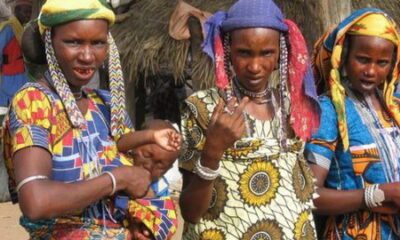
Food and attire also express culture. Staples such as yam, cassava, fish, and palm oil form the basis of Isoko cuisine. Dishes are shared at celebrations and daily meals alike, and that creates opportunities for family and community bonding. Isoko traditional attire is vibrant. The women wear colourful wrappers and headgear, and men dress in embroidered shirts or lace fabrics. Beads and hats are used to signify status, identity, and pride in heritage.
Even as modern influences shape daily life, the Isoko people continue to preserve these traditions. Festivals, dances, and cultural rituals are practiced alongside education, business, and contemporary living, thereby keeping their heritage alive for future generations.
Festivals of the Isoko People

The Isoko people celebrate life, history, and community through lively festivals that unite families, clans, and neighbours. These festivals are moments of joy, remembrance, and cultural expression that combine music, dance, traditional attire, and food.
One of the most prominent festivals is the Ovie Festival held in honour of the traditional ruler and the ancestors. During this festival, drumming, singing, and masquerades fill the streets. The festival give room for the communities to give thanks, celebrate harvests, and reaffirm social bonds. It also includes rituals led by the elders that connect the participants to their ancestry and spiritual heritage.
Another important celebration is the Oro Festival which is observed in some Isoko towns. It involves processions, dances, and storytelling that reflect the community’s history and moral values. These gatherings serve as both entertainment and education, as they teach the younger people about customs, bravery, and the importance of communal harmony.
Harvest festivals are equally significant, because they mark the successful cultivation of yams, cassava, and palm produce. Families come together to share meals, dance, and express gratitude to the land and their ancestors for providing sustenance. Music and traditional instruments accompany these events to create a lively atmosphere that encourages participation from the entire community.
Festivals also provide opportunities for cultural performance and display. Traditional drummers, dancers, and singers showcase local arts while artisans present crafts, beads, and fabrics that represent Isoko identity. For visitors, festivals offer a window into Isoko creativity, values, and history.
Even in modern times, the Isoko people continue to hold festivals as a way to maintain cultural continuity. They serve not only as a celebration of tradition but also as a bridge between generations, as they connect the young with their roots and allow communities to adapt practices to contemporary life.
In essence, festivals among the Isoko people are living expressions of identity, joy, and belonging. They strengthen community ties, honour the ancestors, and celebrate the enduring vibrancy of Isoko culture.
Economy and Occupations of the Isoko People
The Isoko people have a diverse economy that reflects both their rich cultural heritage and their adaptability to modern life. Traditionally, agriculture has been the mainstay of daily life. Families cultivate yams, cassava, plantains, maize, and oil palm using skills passed down through generations. These crops are not only for consumption but also for trade in local markets, thus creating a cycle of sustenance and commerce that has supported Isoko communities for centuries.
Fishing is another vital occupation, especially in villages near rivers and creeks. Fish provides food for households and products for sale. Small-scale trading, artisan crafts, and market activities complement farming and fishing. Women play a significant role in these activities, particularly in markets, food processing, and trading goods within and beyond Isoko towns.
The discovery of oil in the Niger Delta has added a new dimension to the Isoko economy. Oil exploration has brought jobs, infrastructure, and business opportunities. Many Isoko people are employed directly or indirectly in the petroleum sector while others run businesses that cater to oil industry workers. At the same time, environmental challenges such as oil spills and gas flaring have affected farmland and fishing grounds, and as such, have prompted communities to engage in advocacy for sustainable practices and fair compensation.
Education has opened modern career pathways for the Isoko people. Many pursue professions as teachers, healthcare workers, engineers, civil servants, and entrepreneurs, and by so doing, contribute to the national economy as they support their families back home. Even with urban migration, yet, the strong ties to ancestral villages often mean that earnings and expertise are reinvested into local development, from schools to community projects.
In recent years, cultural activities have also become a source of economic opportunity. Festivals, traditional arts, music, and crafts attract visitors and create income streams. This combination of agriculture, trade, modern professions, and cultural enterprise illustrates the flexibility and resourcefulness of the Isoko people.
Overall, the economy and occupations of the Isoko people reflect a balance of tradition and modernity. They sustain livelihoods through farming, fishing, trade, and creative pursuits, while embracing education and professional opportunities. This adaptability ensures that communities thrive economically even as they remain deeply connected to their cultural roots.
Notable Personalities from the Isoko People
The Isoko people have contributed richly to Nigeria’s cultural, academic, political, and sporting life. Their talents and leadership extend far beyond their homeland in Delta State to touch hearts and inspire others at local, national, and international levels. What is remarkable is that these individuals share a common cultural root, even as they thrive in diverse arenas of life.
One of the most widely known figures with Isoko heritage in entertainment is Michael Collins Ajereh, popularly known as Don Jazzy. He is a renowned music producer and the founder of Mavin Records, a label that has shaped contemporary Nigerian music and launched the careers of many top artists.
In sports, Victor Ikpeba stands out as one of Nigeria’s greatest footballers. Often called “The Prince of Monaco” for his success in European club football, Ikpeba hails from the Owhelogbo community in Isoko North Local Government Area. His achievements with the Nigerian national team and international clubs brought pride to many across Isoko land and beyond.
Another sporting legend from the Isoko people is Moses James, a boxer who represented Nigeria at the 1992 Olympic Games and later became a two‑time world champion during his professional career. James became a symbol of discipline and excellence.
The arts and entertainment scene also includes figures such as Eva Alordiah, an award‑winning rap musician known for her creativity and lyrical depth, and Bovi Ugboma, a comedian whose humour resonates with audiences across Nigeria and beyond.
Fred Amata and Jeta Amata, both from the Amata family have helped to shape the Nigerian film industry through acting, directing, and storytelling that speaks to shared cultural experiences.
Music lovers may also recognize Daddy Showkey, a veteran galala singer from Olomoro Kingdom in Isoko South whose rhythm and street sound captured national attention in the 1990s. Evi Edna Ogholi known as Africa’s Queen of Reggae also hails from Isoko land and brought reggae music to fans across the continent with her uplifting songs.
In public service and leadership, Joel‑Onowakpo Thomas serves as a senator representing Delta South in Nigeria’s National Assembly. His role in government reflects the continuing impact of the Isoko people in national governance and policymaking.
The influence of notable Isoko personalities also extends into activism, writing and human rights. Ogaga Ifowodo, a lawyer, poet, and activist, has been recognized internationally for his courage in defending freedom of expression and civil liberties in Nigeria.
These individuals are just a few examples of how the Isoko people contribute to the world. Their achievements remind us that talent and leadership can emerge from every community, and that cultural heritage can be a source of strength and inspiration wherever life’s journeys may lead.
Modern Life and Challenges
The Isoko people today live at the intersection of tradition and modernity. Towns and villages in Delta State are alive with both the sounds of markets and the hum of mobile phones and motorbikes. While many Isoko families continue to farm, fish, and trade as their ancestors did, the younger members are exploring education, professional careers, and entrepreneurial opportunities in cities across Nigeria and beyond.
Oil discovery in the Niger Delta has brought both wealth and challenges to Isoko communities. Petroleum extraction has created job opportunities and increased government revenues, however, it has also led to environmental concerns. Oil spills and gas flaring have affected farmland, rivers, and fishing grounds which many communities rely on for daily sustenance. The Isoko people have increasingly advocated for environmental protection, sustainable development, and fair distribution of resources to ensure their communities benefit from the region’s wealth.
Education has become a priority for the Isoko people. Families invest in schools, from primary to tertiary education, because they believe that knowledge is a bridge to opportunity. Today, teachers, engineers, doctors, entrepreneurs, and civil servants of Isoko origin contribute to the national economy, even as they maintain ties to their cultural roots. Community organizations and cultural groups also work to preserve language, music, festivals, and traditional practices with the goal of ensuring that the younger generations remain connected to their heritage.
Despite modernization, challenges remain. Balancing economic growth with cultural preservation requires careful planning. Urban migration, sometimes, weakens clan ties, while the younger ones face pressures to adopt new lifestyles that may drift from traditional values. However, many Isoko communities have found ways to integrate modern life with cultural pride by using festivals, language programmes, and social events to maintain identity.
In many ways, the Isoko people exemplify resilience. They navigate economic, social, and environmental changes while keeping their culture alive. Their story is a reminder that communities can adapt without losing the richness of their heritage, and that identity can endure, even as the world around them evolves.
In Conclusion …
The Isoko people of Nigeria are a community where history, culture, language, and tradition meet in vivid harmony. From the flowing rivers and fertile lands of Delta State to the lively festivals and rich markets, their identity is deeply rooted in a mix of ancestry, communal values, and resilience.
Their history tells of migration, settlement, and adaptation that create clans that retain unique customs but share a common cultural thread. The Isoko language carries this heritage in every proverb, song, and story in a way that keeps memories alive across generations. Social structures, led by the chiefs and councils of elders ensure that tradition continues alongside modern education, professions, and entrepreneurship.
Culture and tradition flow through every aspect of life, from music, dance, and festivals to marriage, naming, and funeral ceremonies. The Isoko people celebrate life with colour, rhythm, and connection by using festivals to honour the ancestors, teach values, and unite communities. Meanwhile, their economy combines farming, fishing, trade, professional careers, and cultural enterprise, to reflect adaptability in a changing world.
Even as modern challenges such as urban migration, environmental concerns, and oil exploration affect their daily lives, the Isoko people maintain pride in their roots. Their story is one of resilience, creativity, and continuity. A reminder that communities can thrive, even as they keep culture, language, and identity at the heart of everyday life.
In learning about the Isoko people, one discovers a tribe that embodies both history and modernity by preserving traditions while embracing opportunity. Their journey offers lessons in cultural pride, community strength, and the enduring power of heritage in shaping the present and the future.
References