African Fashion Trends
African Fashion Trends: How Nigeria Is Setting the Agenda

From heritage textiles to Gen Z-style streetwear, this deep dive explores African fashion trends in Nigeria – how Nigerian designers are reinventing tradition, driving sustainability, and shaping global style.
When people talk about African fashion trends, they often picture vibrant prints, traditional garments, and ceremonial dress. But in Nigeria, the reality is far richer and more dynamic. Across the country, and especially in Lagos, fashion is undergoing a transformation.
Heritage textiles are being re-imagined, youth‐driven streetwear is influencing design, sustainability is no longer niche, and luxury craft is stepping into the global arena. The phrase “African fashion trends in Nigeria” captures this dual movement rooted in local culture, yet resonating globally.
As far as African fashion trends is the discussion, Nigeria matters for several important reasons. First, it has one of Africa’s largest young populations, highly style-conscious and digitally connected. Second, Nigerian designers are increasingly exporting work and gaining global recognition. Third, the way fashion is done in Nigeria is culturally specific, drawing from Yoruba, Igbo, Hausa and other traditions, yet speaks to a broader pan-African identity and even global youth culture.
In this article, we examine six major trend clusters shaping Africa’s fashion trajectory today through the Nigerian lens. These are heritage textiles reimagined; print-culture remix; gender-fluid & androgynous tailoring; sustainability & craft consciousness; streetwear and youth influence; and luxury craft with global ambitions. We’ll also explore business and cultural implications, challenges, and what this all means for those watching or participating in African fashion.
1. Heritage Textiles Reinvented
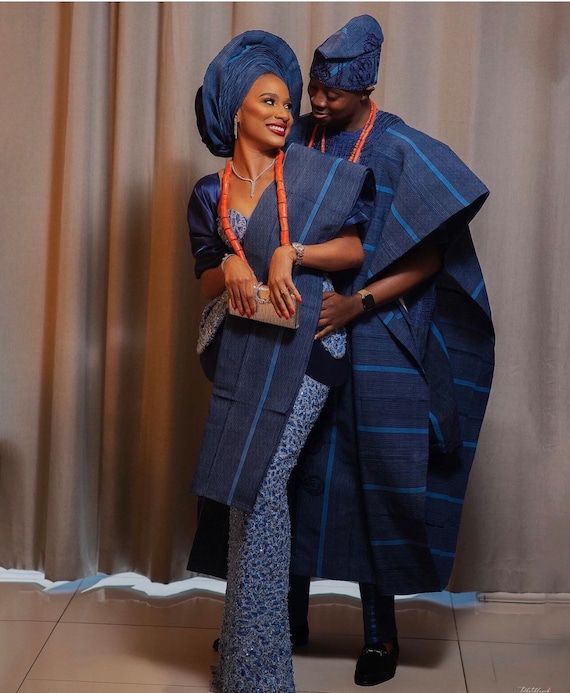
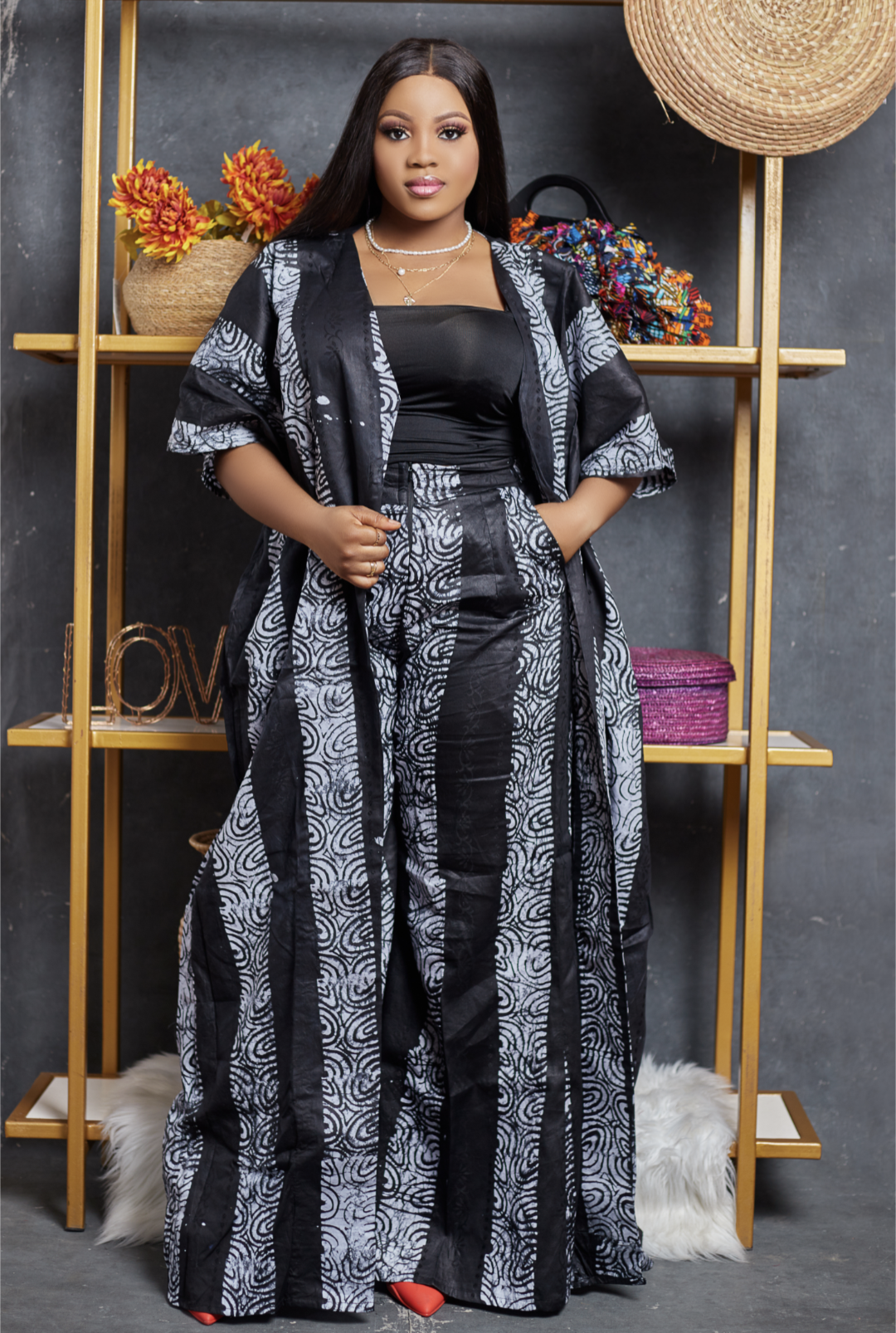

A powerful movement across Nigeria’s fashion scene is the reinvention of indigenous textiles not as museum relics, but as bold symbols of contemporary identity.
Designers are breathing new life into traditional fabrics such as Aso-oke (Yoruba), Adire (tie-dye cloth), and Akwete (Igbo), the handwoven fabric traditionally made by Igbo women in Abia State.
These fabrics are no longer reserved solely for weddings and ceremonies. They’re being adapted into sleek, every day and luxury garments.
Designers are creating lighter-weight versions of Aso-Oke, reworking the stiff, heavy ceremonial one into bomber jackets, wide-leg trousers, corset pieces or layered sets. For example, what used to be a bridal cloth now appears in runway suits.
Adire, once dismissed as “village wear” now appears in jumpsuits, two-piece sets, bomber jackets and even swimsuits. Its eco-friendly dyeing methods appeal to the younger, sustainability-oriented audience.
Today, Akwete cloth is making its way into chic blazers, jumpsuits, and luxury accessories. Once reserved for royalty and special occasions, it’s now being reinterpreted by designers like Ugo Monye and Chioma Ogudimkpa, who blend its geometric motifs with modern tailoring.
This renaissance of Igbo weaving joins broader trends where indigenous textiles meet global design language, creating fashion that is culturally rooted yet universally appealing. From Lagos Fashion Week runways to international showcases, these fabrics tell stories of heritage, craftsmanship, and evolution.
These fabrics are also being infused into tailoring and minimal silhouettes, blending tradition with modern design. As one tailoring-industry blog puts it: “traditional fabrics, modern cuts”.
This heritage reinvention matters in the discourse of African fashion trends because of its:
Authenticity + commercial appeal: Using heritage textiles gives a fashion product cultural depth and uniqueness, which is a differentiator in global markets.
Modern relevance: By adapting the fabrics for everyday and streetwear, designers make them wearable, not just reserved for special occasions.
Export potential: Heritage fabrics like Aso-Oke or Adire become part of the narrative when Nigerian brands present globally.
Sustainability angle: Many of these fabrics are locally produced, hand-woven or hand-dyed. That aligns with the broader trend towards craft and eco-conscious production.
2. Print Culture & Mix-and-Match (Ankara, Print Fusion)
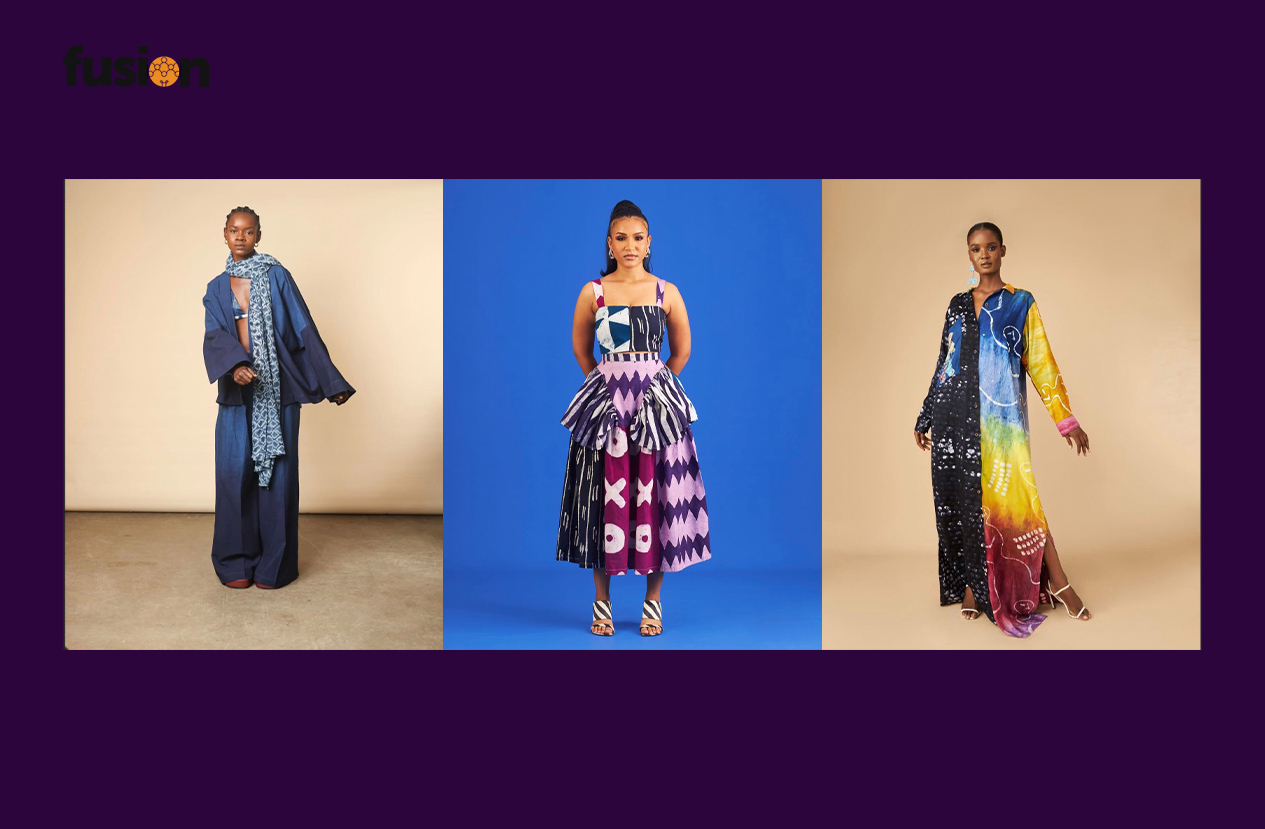

A second major pillar of African fashion trends in Nigeria is the evolution of print culture, particularly Ankara (wax print) into more complex, hybrid, global‐friendly forms.
Ankara remains foundational but designers now deconstruct it. For example, placing bold abstract prints, mixing it with denim or leather, using it in accessories.
Mix-print ensembles are increasingly common. From layering prints to clashing patterns deliberately, to using portions of print within minimal outfits rather than full-print suits.
Streetwear in Nigeria uses Ankara patches, print-panels, and hybrid looks (e.g., Ankara blazer + jeans), making print accessible, versatile, and urban.
Ankara print fusion as a dimension of African fashion trends matters because of its:
Accessible creativity: Prints are vibrant, expressive, and allow many price points, from bespoke tailoring to mass-market print sets.
Diaspora reach: The bold print aesthetic resonates with African diaspora audiences and global fashion watchers who seek “African-influenced” style.
Versatility: Print culture can serve both streetwear and premium fashion, thus spanning multiple segments.
Identity: Wearing bold prints signals cultural roots and modern identity, very powerful in a globalized fashion world.
3. Gender-Fluid & Androgynous Tailoring


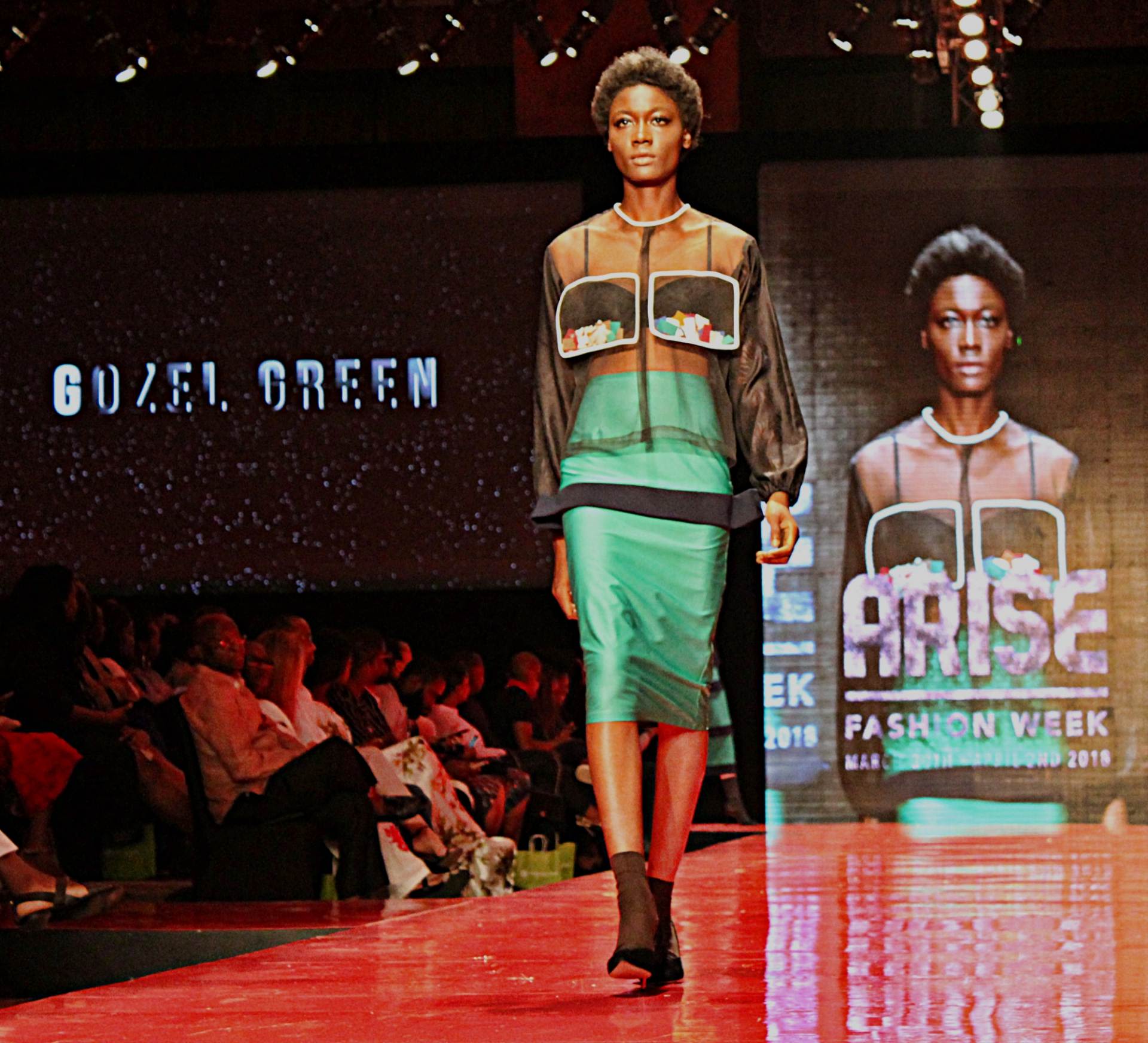
A third element of African fashion trends in Nigeria is the growing visibility of gender-fluid and androgynous design. Tailoring and silhouettes that transcend rigid gender norms.
Designers in Nigeria are exploring unisex silhouettes, gender-inclusive clothing lines, and reinterpretations of traditional garments in a gender-neutral way. For example, one Nigerian designer is explicitly challenging norms with a gender-fluid line.
Traditional garments like the boubou are being styled by men and women, oversized or slim-fit, street-worn, rather than reserved for women or older generations.
Tailoring houses are using cuts (straight hips, relaxed shoulders) and fabric choices that appeal across gender. Minimalism and heritage fabrics are combined for a new gender narrative.
Gender-fluid and androgynous tailoring in African fashion trends matters because of its:
Progressive brand positioning: Gender-fluid design helps brands differentiate and speak to younger, globally aware consumers.
Creative freedom: Designers can experiment without being constrained by “men’s wear” vs “women’s wear”.
Cultural shift: The fact that tradition (e.g., boubou) is being re-imagined inclusive of men and women signals broader societal change.
Global relevance: Inclusive design is increasingly part of the fashion discourse globally. Nigerian adoption positions the country in that conversation.
4. Sustainability & Craft Consciousness
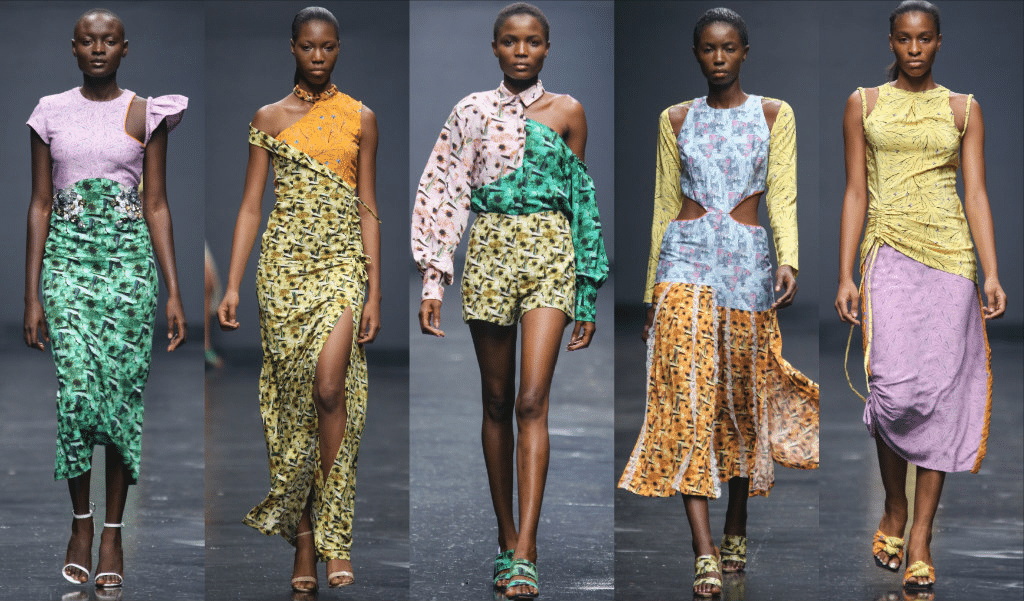
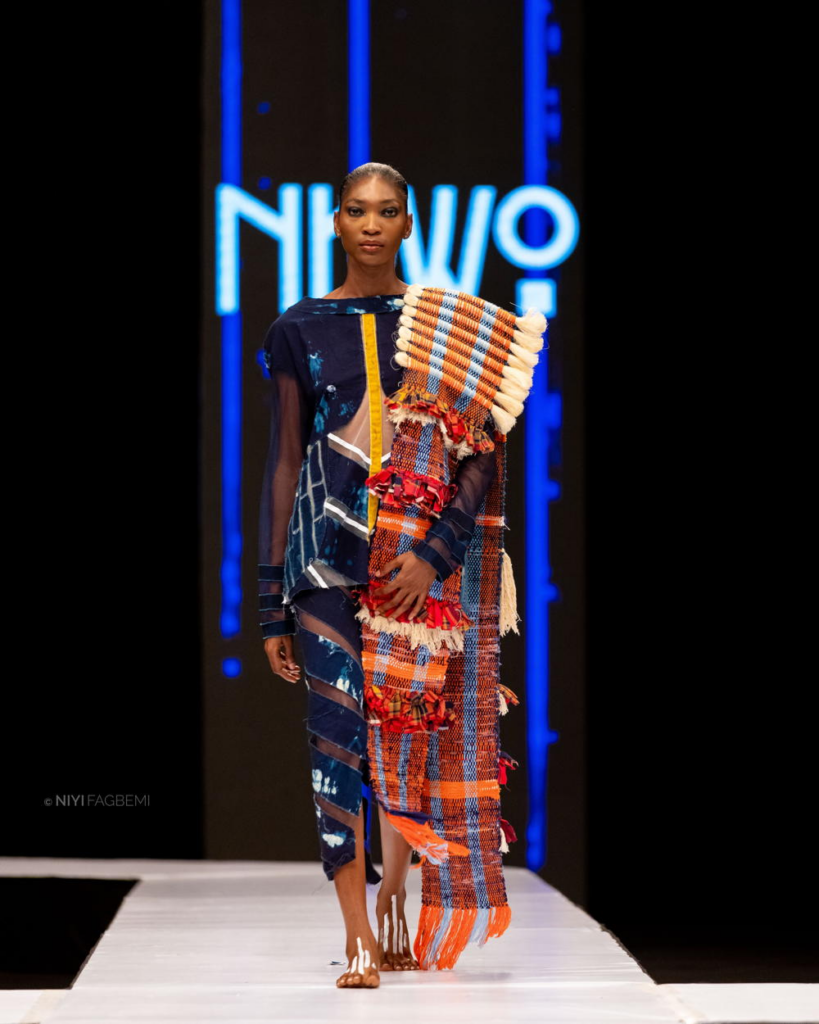
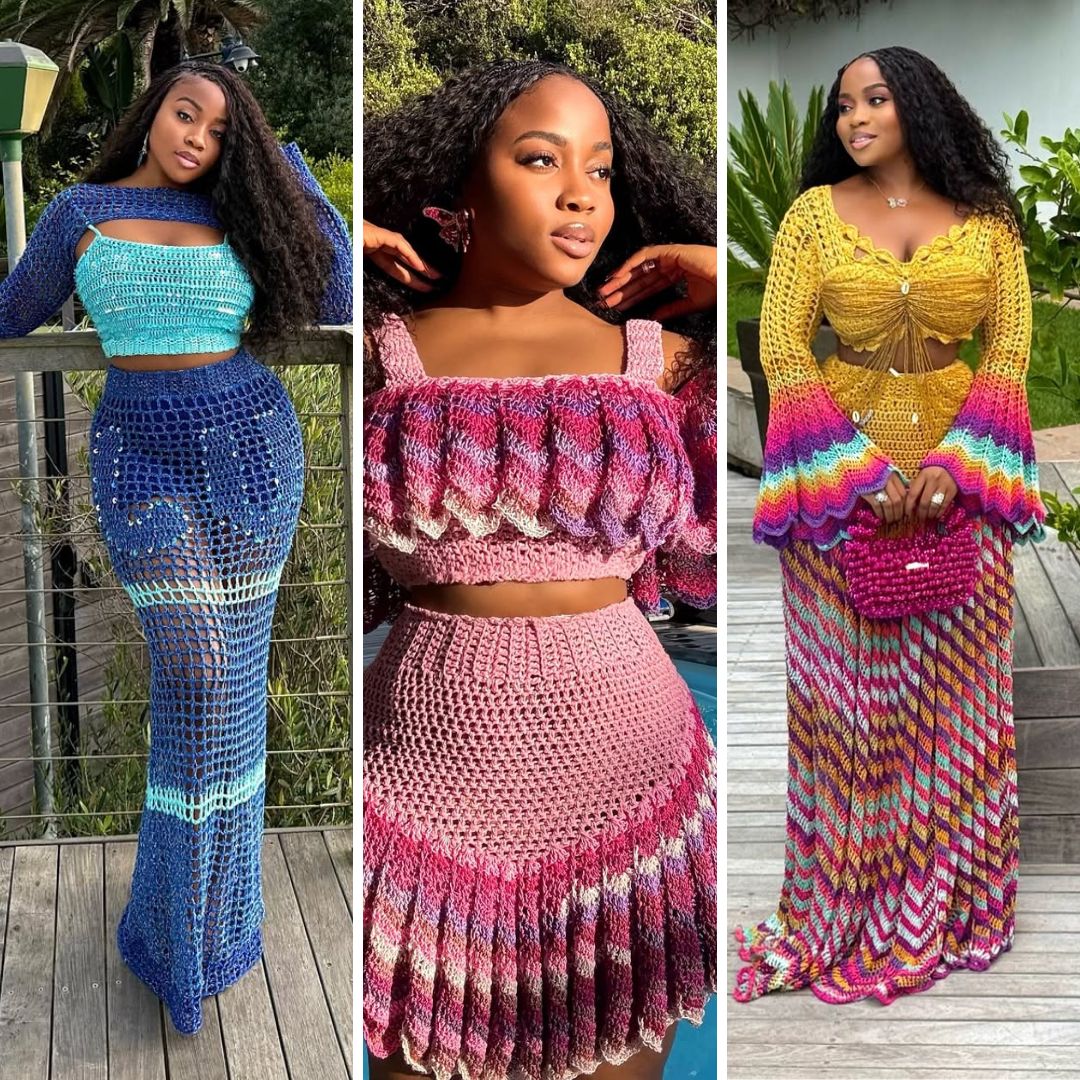
Sustainability has become more than a buzzword, and in Nigeria, it’s emerging as a key dimension of the fashion story. When working through the lens of African fashion trends in Nigeria, the connection between craft, heritage and ecological consciousness is especially strong.
Nigerian designers are experimenting with eco-friendly materials: organic cotton Ankara, hand-woven fabrics, repurposed dead-stock textiles, crotchet.
Up-cycling is gaining traction. Old fabric pieces, including lace, Adire, Aso-Oke are repurposed into new garments or accessories.
Craft heritage i.e. weaving, dyeing, embroidery, is being foregrounded, not just as decoration, but as core value in production, supporting artisans and local supply chains.
This African fashion trend matters because of its:
Ethical positioning: Younger consumers, especially in Nigeria, increasingly care about origin, labour practices, environmental footprint.
Value creation: Craft and local production raise the value of garments, allowing brands to command premium prices.
Cultural preservation: By valuing heritage craft, the fashion industry helps preserve traditional skills and livelihoods.
Global relevance: Sustainability is a dominant theme in global fashion. Nigerian adoption enables brands to join the conversation as equals, not simply as “ethnic novelty”.
5. Streetwear, Urban Influence & Gen Z Power
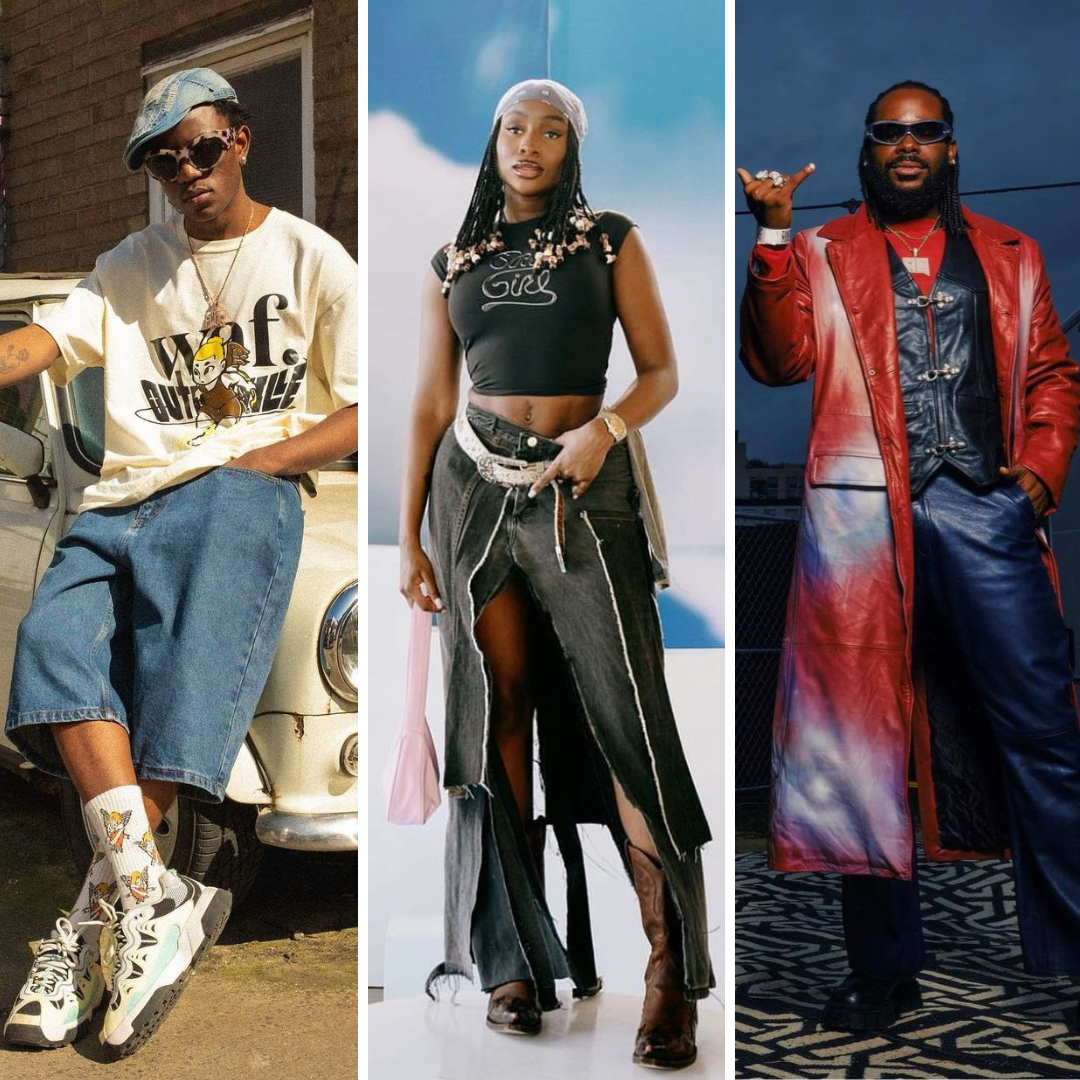
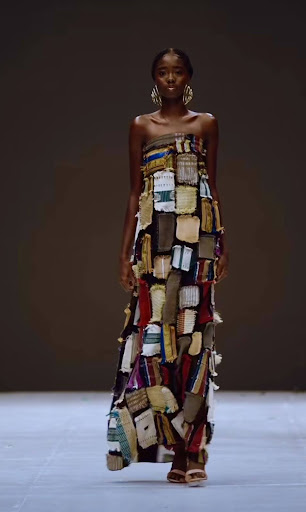
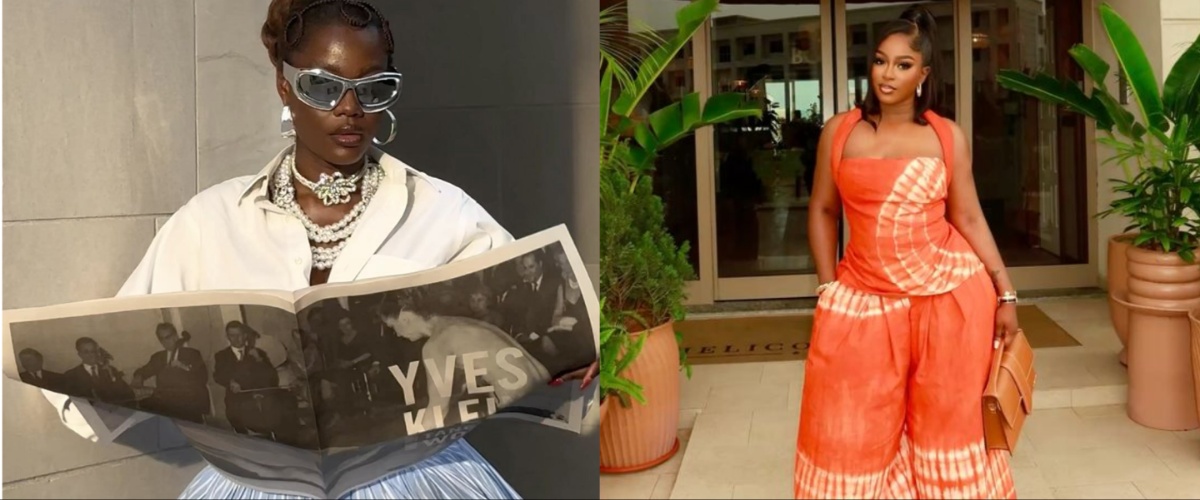
Youth culture is a major driver of fashion today, and in Nigeria the scene is vibrant. When examining African fashion trends in Nigeria, the streetwear/urban segment reveals both innovation and mass appeal.
Nigerian streetwear is bold. Oversized hoodies, graphic tees with local proverbs, cargo pants, sneakers, mixed with prints and heritage elements.
Social media, especially TikTok is critical. Trends now often start on TikTok, not only runways. Young Nigerians share styling videos, trend hacks, influencing designers.
Matching sets, two-piece streetwear, bucket hats, bold accessories are popular. The market is younger, digital-first, experimentation-ready.
These African fashion trends is relevant because of its:
Youth-driven growth: Nigeria’s large young population is highly style-aware, connected and influential. Their choices matter.
Affordability/scale: Streetwear allows for lower price-points and faster turnover; good for scale and visibility for emerging designers.
Global culture link: The fusion of global streetwear cues (sneakers, oversized silhouettes) with local references makes the style globally legible and locally rooted.
Branding and identity: For many youths, fashion is identity, voice and culture. Streetwear becomes a medium for self-expression and pride.
6. Luxury Craft, Global Ambitions & Market Expansion


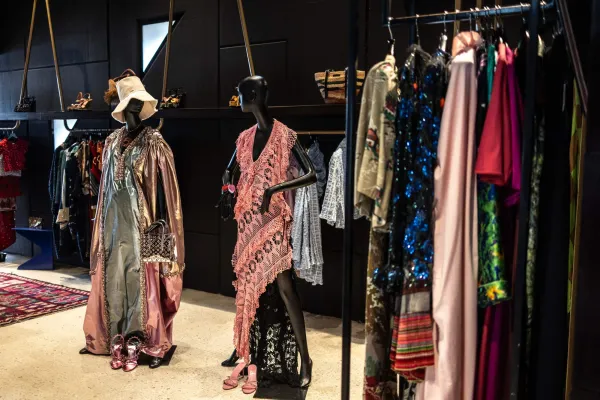
Finally, one of the most forward-looking facets of African fashion trends in Nigeria is the emerging luxury craft sector and its global ambitions. Nigerian brands are no longer content to stay regional. They’re expanding outward.
Nigerian labels are elevating hand-craft into luxury ready-to-wear. Some are starting to show at international fashion weeks and gain global retail placements. For example, a Nigerian brand will debut at Copenhagen Fashion Week.
Export stats show strong growth. For instance, Ankara exports are rising year-on-year in Nigeria.
Luxury accessories (leather goods) from Nigeria are gaining attention. Local leather industry projected to reach $800 million by 2025.
These African fashions trends is relevant because of its:
Brand elevation: When a Nigerian brand becomes luxury, this changes the perception of African fashion from ethnic prints to global design leadership.
Economic opportunity: Exporting high-end craft opens significant revenue streams, builds supply chains and brand equity.
Narrative shift: It signals that African fashion is not just about tradition, it’s about design, craft excellence, international relevance.
Local ecosystem growth: Luxury fashion drives demand for high-quality production, artisan training, professional infrastructure, benefiting the fashion ecosystem in Nigeria.
Beyond the Runway: Business, Culture, and the Future of Nigerian Fashion
With African fashion trends, Nigeria’s fashion evolution is more than a style movement. It’s a powerful economic and cultural force redefining how the world perceives African creativity. As designers, artisans, and entrepreneurs transform local fabrics and aesthetics into global commodities, fashion is fast becoming one of Nigeria’s most exportable cultural assets.
Economically, the industry is building new pathways for job creation, investment, and innovation. From local fabric weavers in Aba and Abeokuta to global showcases in Paris and New York, fashion now connects thousands of value-chain players. Lagos Fashion Week and platforms like GTCO Fashion Weekend have become incubators for emerging talent, bridging the gap between creativity and commerce.
Culturally, Nigerian fashion reinforces pride in African identity. The reimagining of traditional textiles such as Akwete, Adire, and Aso-oke reflects a deliberate act of cultural preservation, one that celebrates indigenous craftsmanship while resisting cultural erasure. Each outfit becomes a medium of storytelling, expressing who Nigerians are and how they want to be seen in a globalized world.
Digitally, social media and e-commerce are expanding the reach of African fashion trends far beyond Africa’s borders. Platforms like Instagram, TikTok, and Shopify have empowered designers to build global audiences and sell directly to consumers. Fashion influencers and stylists play a major role in amplifying trends, turning local street style into global inspiration.
Looking ahead, the future of Nigerian fashion lies in balancing creativity with sustainability, tradition with technology, and local authenticity with international relevance. As more young designers embrace eco-friendly practices, transparent sourcing, and digital innovation, Nigeria is poised to become a major hub for ethical and avant-garde fashion on the continent.
In essence, the next chapter of Nigerian fashion is not just about what people wear but about who they are becoming, and how Africa is defining its own place in the global style narrative.
Threading Through the Gaps: Challenges and Critical Realities
Despite the undeniable progress of African fashion trends, Nigeria’s fashion industry, precisely, several challenges continue to slow its full potential. Behind the glamour of runways and glossy campaigns lies a complex ecosystem struggling to balance creativity with infrastructure, funding, and global competitiveness.
- Infrastructure and Production Bottlenecks
One of the most pressing issues remains the lack of reliable production infrastructure. Many designers rely on imported fabrics, irregular electricity supply, and fragmented supply chains, which inflate production costs and timelines. Local textile mills that once thrived have either collapsed or operate below capacity, limiting the ability to scale. This makes it difficult for even talented designers to meet international demand consistently. - Access to Finance and Industry Investment
The fashion sector in Nigeria, though vibrant, often operates outside formal financing systems. Most designers self-fund or depend on small-scale patronage. Without structured access to loans, grants, or investment, growth is slow. While initiatives like the Bank of Industry’s Fashion Fund and private incubators have emerged, they are yet to reach the breadth of creative entrepreneurs scattered across the country. - Skill Gaps and Workforce Development
There’s a widening gap between creative design talent and technical expertise. Pattern makers, garment technologists, and production managers are in short supply, often leading to heavy dependence on manual labor or outsourcing. Vocational training programs in fashion and textile design remain insufficient for the growing demand. Building a skilled workforce will require stronger partnerships between fashion houses, training institutes, and government-backed skill initiatives. - Intellectual Property and Imitation
In an era of viral fashion, knock-offs and intellectual property theft are rampant. Many emerging designers find their original designs copied within days, both locally and internationally with little legal recourse. Strengthening copyright laws and establishing dedicated fashion councils could help protect creative ownership and build brand integrity globally. - Sustainability and Environmental Concerns
As sustainability becomes a defining trend worldwide, Nigerian fashion grapples with waste management, synthetic fabrics, and unsustainable dyeing practices. The rise of fast fashion imports from Asia further complicates the landscape, threatening local artisanship. However, a new generation of designers is pushing back, reworking deadstock fabrics, upcycling, and prioritizing ethical sourcing. Still, scaling sustainable practices requires supportive policies and widespread consumer education. - Global Market Penetration
While Nigerian designers have made remarkable strides in international visibility, penetrating and sustaining a presence in global fashion markets remains a challenge. Export costs, visa restrictions, and inadequate logistics infrastructure create barriers to participation in major fashion capitals. Moreover, without coordinated branding efforts, the narrative of “Made in Nigeria” fashion risks being underrepresented on the global stage.
In summary, the Nigerian fashion ecosystem is rich with creativity but still tethered by structural, financial, and policy limitations. Overcoming these challenges will require collective effort from government, industry stakeholders, educators, and consumers to create a truly resilient and globally competitive fashion industry.
Way Forward for African Fashion Trends (Nigerian fashion industry)
The Nigerian fashion industry is standing on the edge of a new era where creativity meets technology, sustainability fuses with cultural revival, and fashion becomes both an expression of identity and an instrument of economic empowerment. The road ahead promises innovation, collaboration, and a deeper sense of purpose within the industry.
- Tech-Driven Design and Digital Fashion.
Technology is set to revolutionize how fashion is designed, produced, and consumed. From 3D garment simulation and virtual fittings to AI-assisted trend forecasting, Nigerian designers are beginning to experiment with tools that can minimize waste and maximize creativity. The rise of digital fashion where clothes exist purely in virtual spaces for avatars or digital campaigns is opening new markets for fashion houses targeting Gen Z consumers and the metaverse economy. - Rise of Afro-Minimalism and Cultural Balance.
While maximalist Ankara prints and elaborate embellishments have long dominated Nigerian fashion, a quieter aesthetic – Afro-minimalism is emerging. This trend values clean lines, natural fabrics, and subtle cultural cues rather than overt patterns. Designers like Emmy Kasbit and Cynthia Abila are leading this shift, showing that Nigerian fashion can be bold, even in simplicity. This balance between cultural depth and contemporary restraint could redefine global perceptions of African design. - Fashion Education and Creative Hubs.
The future of Nigeria’s fashion industry depends heavily on investment in fashion education and creative collaboration. New institutions and collectives, such as The Assembly Hub and Fashion Focus Africa, are building communities that nurture design thinking, business acumen, and sustainability awareness. With the right policy support, these hubs can become Africa’s equivalents of London’s Central Saint Martins or Milan’s Istituto Marangoni who are incubators of world-class fashion talent. - Sustainability as a Core Identity, Not a Trend.
In the coming years, sustainability will evolve from a buzzword into a defining feature of African fashion trends. Expect to see an increase in plant-based dyes, biodegradable materials, and circular fashion models that reimagine waste as raw material. Traditional handwoven fabrics such as Akwete, Aso-oke, and Adire which are already naturally sustainable will gain renewed prominence as eco-conscious alternatives to industrial textiles. - Cross-Continental and Diaspora Collaborations.
The Nigerian fashion scene is also moving toward greater collaboration with African and diaspora designers. Partnerships between Lagos, Accra, Johannesburg, and London-based African designers are fostering a shared aesthetic that transcends borders. These collaborations are not only stylistic but also strategic, pooling resources, leveraging shared platforms, and amplifying Africa’s collective voice in global fashion. - Fashion as Soft Power.
As Nigeria’s cultural exports, from music to film continue to dominate global pop culture, fashion will play an increasingly vital role in shaping Africa’s narrative of self. The fusion of traditional identity with modern aesthetics is becoming a form of soft diplomacy, influencing how the world sees the continent. Nigerian fashion is not merely following global trends. It is setting them, turning heritage into innovation and local stories into global style.
In Conclusion…
Stitching Identity, Creativity, and Global Influence
Nigeria’s fashion industry is a defining factor as far as African fashion trends is the topic. Its story is more than a tale of fabrics and runways. Beyond that, it is a narrative of identity, innovation, and resilience.
From the rhythmic patterns of Akwete and the artistry of Adire, to the bold reinventions of Ankara and the daring silhouettes of Lagos Street style, Nigerian designers are redefining what it means to be fashionable and African in the 21st century.
What makes this evolution even more remarkable is how seamlessly it blends tradition and modernity. Nigerian fashion has learned to look inward for inspiration and outward for opportunity, marrying local craftsmanship with global design philosophies. In doing so, it has positioned itself not just as a national industry, but as a continental and global powerhouse of creativity.
Still, the road ahead demands balance. Creativity must be met with infrastructure. Passion must align with policy. Sustainability must move from aspiration to practice. As digital platforms democratize exposure and young innovators challenge the status quo, Nigeria’s fashion industry stands on the brink of a revolution that could redefine Africa’s contribution to global style.
Ultimately, fashion in Nigeria goes beyond what people wear to reveal who they are, what they value, and how they choose to tell their story. In every stitch lies a statement. In every collection, a chapter of collective pride and possibility. The world is finally looking to Africa for fashion direction, and Nigeria, with its fearless creativity and cultural depth, is boldly leading the way.
References
- https://www.fashionrevolution.org/africa/nigeria/
- https://marieclaire.ng/exploring-the-future-of-sustainable-fashion-with-nigerian-fashion-brand-owners/
- https://www.voguebusiness.com/sustainability/lessons-in-sustainability-the-nigerian-way
- https://businessday.ng/life-arts/article/rise-of-sustainable-fashion-eco-friendly-practices-in-nigerias-fashion-industry/
- https://www.reuters.com/lifestyle/nigerian-designer-seeks-challenge-norms-with-gender-fluid-fashion-2024-02-29/
You might want to check this out…