




Nigerian Politics
David Umahi’s Family and Political 2026 Moves

David Umahi’s family and political moves in 2026, including his role as Nigeria’s Minister of Works and his son, Osborne Umahi’s entry into local politics in Ebonyi State have been in the media. Get verified updates, public reactions, and insights on these developments and how they shape the state’s political landscape.
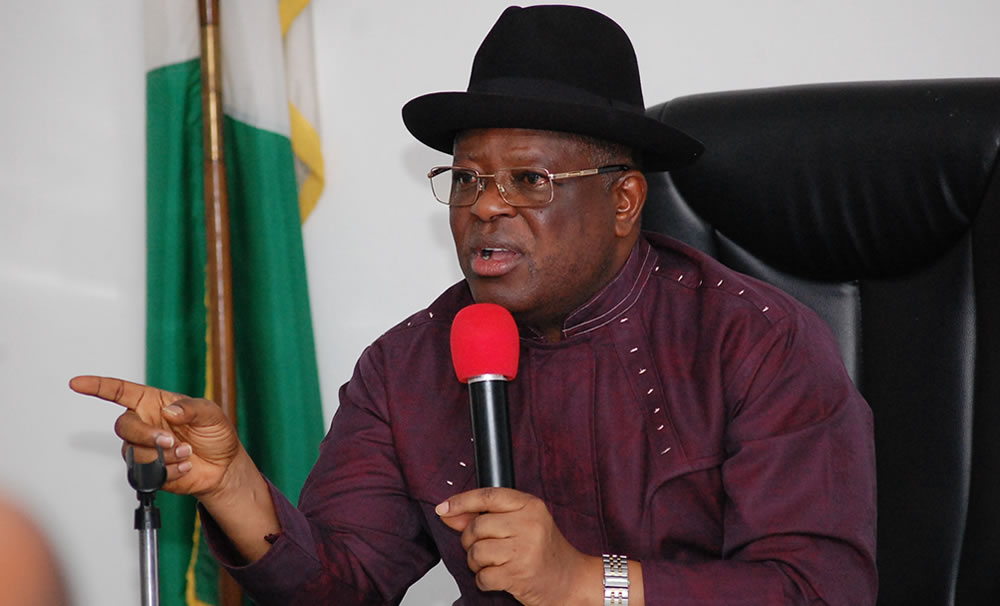
David Umahi represents the long journey in Nigerian public life where an experienced political leader stands at the intersection of national responsibility and family ambition. For many years, he has remained a familiar figure in Ebonyi State and across Nigeria. He first gained prominence as governor, later served as a senator, and now holds a key position as Nigeria’s Minister of Works. Every move he makes attracts attention, and in 2026 that attention has grown even stronger.
This year, his role in federal infrastructure policy continues to affect millions of Nigerians. At the same time, his family, particularly his son has entered active politics at the grassroots level. That combination of national responsibility and family involvement has generated conversation, curiosity, and debate. Many people want to understand what is happening, why it matters, and what it could mean for the future of politics in Ebonyi State and Nigeria.
In the sections that follow, you will find verified facts, clear updates, and helpful context about David Umahi, his work in government, how his family is stepping into elected office, how the public is reacting, and why these developments are significant.
This is a grounded look at real events with real consequences for communities and political life in Nigeria.
Who is David Umahi?
To understand why David Umahi continues to attract attention in Nigerian politics, it helps to look at the path that built his reputation. Over the years, Umahi has moved through several levels of public leadership, from state politics to national governance. His career shows how regional influence can grow into a role that affects policy decisions across the country.
David Nweze Umahi was born on July 25, 1963 in Uburu, a community in Ebonyi State, southeastern Nigeria. He studied Civil Engineering at the Anambra State University of Science and Technology where he earned a degree that later shaped his interest in infrastructure and construction. Before entering politics, David Umahi built a career in the private sector, specifically in engineering and construction services.
His formal political journey began when he joined the People’s Democratic Party and became actively involved in state politics. In 2011, he was elected Deputy Governor of Ebonyi State, and served alongside Governor Martin Elechi. During this period, he worked on various development initiatives and gained experience in public administration.
David Umahi’s biggest political breakthrough came in 2015 when he was elected Governor of Ebonyi State. He was later re-elected in 2019, to complete two full terms that lasted until 2023. His administration focused heavily on infrastructure development, particularly road construction, bridges, and urban renewal projects across the state. Supporters often point to these projects as evidence of his emphasis on physical development and modernization.
In 2020, David Umahi made a significant political move when he left the People’s Democratic Party and joined the All Progressives Congress. The decision attracted national attention and sparked debate across Nigeria’s political landscape, as party defections by sitting governors can influence political alignments within the states and regions.
After completing his tenure as governor in 2023, Umahi briefly served as Senator representing Ebonyi South Senatorial District. Later that same year, Nigeria’s president, Bola Ahmed Tinubu appointed him Minister of Works. In this role, David Umahi oversees federal road infrastructure projects across Nigeria, a responsibility that connects closely with his background in engineering and construction.
Today, David Umahi stands as one of the most recognizable political figures from southeastern Nigeria. His journey from an engineer to a governor, senator, and now, a federal minister highlights the evolution of a politician whose influence has expanded from local communities to national policy discussions.
David Umahi as Minister of Works
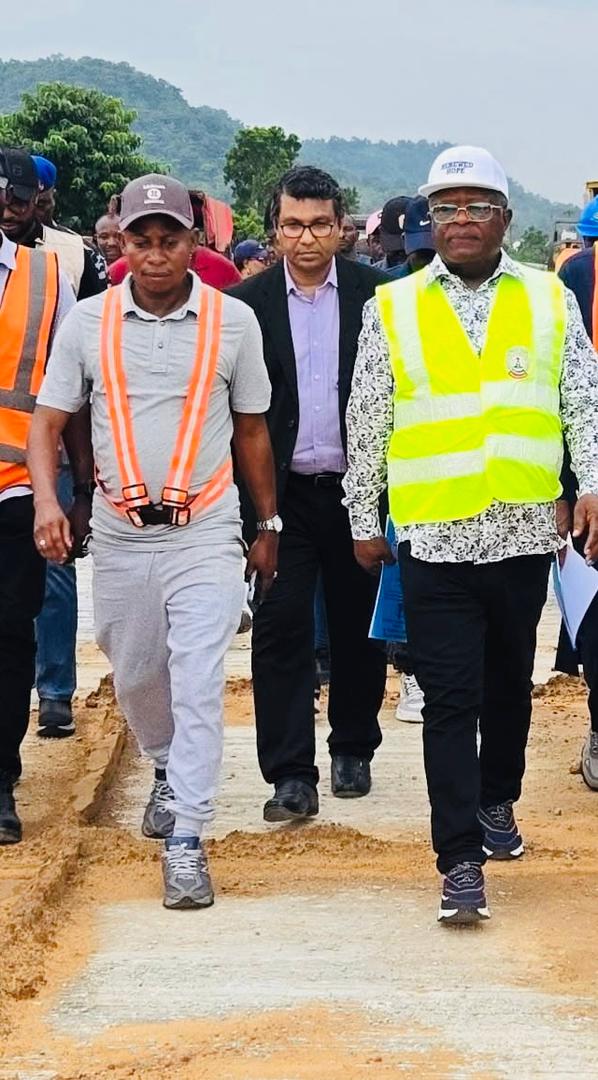
In 2026, David Umahi continues to play a central role in Nigeria’s national infrastructure development as the country’s Minister of Works. Appointed in August 2023 by Bola Ahmed Tinubu, Umahi oversees the planning, construction, and rehabilitation of federal highways and bridges across the country through the Federal Ministry of Works.
The ministry he leads is responsible for managing Nigeria’s federal road network, ensuring safe transportation routes, and coordinating major infrastructure projects that support trade, mobility, and economic growth. These responsibilities place David Umahi at the centre of federal infrastructure policy, particularly at a time the government is prioritizing large road projects under the development agenda of the administration.
One of Umahi’s primary responsibilities as minister is overseeing hundreds of ongoing federal road projects across Nigeria. These include the construction of new highways, rehabilitation of damaged road corridors, and completion of major legacy infrastructure projects designed to improve connectivity between regions.
Federal authorities have emphasized road development as a key driver of economic activity because highways serve as the primary means of transporting goods and people across Nigeria’s vast territory. Under David Umahi’s leadership, the Ministry of Works has continued to implement projects intended to restore critical transport routes and improve access between states and commercial centres.
Many of these initiatives involve repairing deteriorated road sections and expanding strategic corridors that support commerce, agriculture, and urban development. The government has also launched emergency interventions on damaged roads affected by flooding and heavy traffic in order to restore safe movement across major highways.
The minister’s responsibilities extend beyond construction oversight. In early 2026, Umahi appeared before lawmakers at Nigeria’s National Assembly to defend the Ministry of Works’ proposed ₦3.4 trillion capital budget for the year. The session drew national attention after lawmakers raised questions about road contracts, project priorities, and execution timelines.
The budget proposal reflected the scale of Nigeria’s infrastructure ambitions. Much of the funding was allocated to federal highway construction, rehabilitation of strategic transport routes, and continuation of large road projects across multiple geopolitical zones.
Although the discussion in parliament became tense at times, the exchange highlighted the importance of accountability and legislative oversight in Nigeria’s infrastructure planning. Lawmakers examined how the ministry intended to distribute funding among ongoing projects and how contractors were selected for specific road sections.
During the budget defence session, David Umahi made a statement that drew significant media attention. While discussing the ongoing Abuja–Kaduna–Kano highway project, he said he was prepared to resign, if independent tests showed that the road construction failed to meet quality standards.
The declaration was widely interpreted as a strong public commitment to quality assurance in federal infrastructure projects. David Umahi emphasized that the focus should remain on engineering standards and performance rather than speculation about contractors.
This stance reflects Umahi’s professional background as a trained engineer, a factor that often informs his public messaging about infrastructure delivery. His statements frequently emphasize durability, safety, and adherence to construction specifications.
Another key aspect of David Umahi’s work as minister involves collaboration with state governments. Federal roads often pass through multiple states. Meaning that successful project implementation requires coordination between federal authorities and state administrations.
In 2026, Umahi met with several state leaders to accelerate progress on critical road corridors. During discussions with the Governor of Niger State, for example, he reiterated the federal government’s commitment to completing major road and bridge projects, and as well encouraged cooperation between federal and state agencies responsible for infrastructure development.
Such collaborations help to ensure that road projects align with regional development plans and address the transportation needs of local communities.
Road infrastructure plays a crucial role in Nigeria’s economic system. Highways connect agricultural zones to markets, link seaports with inland cities, and support trade routes that facilitate movement of goods across the country.
As Minister of Works, David Umahi’s decisions, therefore, influence not only transportation but also broader economic activity. Infrastructure improvements can reduce travel times, lower transportation costs for businesses, and improve access to services for rural communities.
Because of this, the position he occupies carries national significance. Each policy decision, budget proposal, and construction project contributes to the long term development of Nigeria’s transportation network.
By 2026, David Umahi’s role as Minister of Works has placed him at the centre of discussions about infrastructure delivery and government accountability. From defending multi trillion naira budgets to supervising major road projects across Nigeria, his tenure continues to inform how the country approaches large scale infrastructure investment.
For observers of Nigerian politics and development, the activities of the Ministry of Works under David Umahi offer a window into the government’s broader strategy for improving mobility, strengthening economic connections, and modernizing transportation systems across the nation.
David Umahi’s Public Presence in 2026
David Umahi has remained a visible and active figure in Nigeria’s political space. Beyond his official responsibilities as Minister of Works, he frequently appears in the media, at community events, and during infrastructure inspections. These appearances keep him in public conversation and affirm his role as both a national policymaker and a prominent political voice from southeastern Nigeria.
One moment that drew widespread attention occurred in January 2026 during a gathering in his home state of Ebonyi State. While speaking to supporters, David Umahi said his political capacity had grown significantly since leaving office as governor. He stated that he was “ten times bigger” than during his governorship and suggested that his current position gives him greater ability to influence development projects and support his community.
The statement quickly circulated across Nigerian media platforms and social networks, and sparked debate about political influence and leadership style. Supporters interpreted the remark as confidence in his expanded national role, while critics saw it as an example of the bold rhetoric that often characterizes Nigerian political discourse.
David Umahi’s public presence in 2026 has also been closely tied to infrastructure inspections. As Minister of Works, he regularly visits construction sites across Nigeria to assess the progress of federal highway projects and interact with engineers, contractors, and local communities.
During several inspections in southeastern Nigeria, the minister addressed concerns about road conditions, contractor performance, and project timelines. These visits often include meetings with state officials and local leaders in the country. Such site visits allow him to communicate directly with the public while demonstrating oversight of federal projects.
In his New Year message at the start of 2026, David Umahi also assured Nigerians that the Federal Ministry of Works would intensify monitoring of road projects across the country. He emphasized that the year would focus on faster project delivery and stronger supervision of contractors working on federal highways.
Apart from infrastructure issues, Umahi’s comments on national politics have also kept him in the headlines. Discussions around Nigeria’s political future, particularly conversations about the 2027 presidential election have occasionally drawn responses from the minister.
Reports in early 2026 indicated that Umahi’s remarks about political strategy in the Southeast generated debate among political observers and commentators. His statements contributed to wider discussions about regional alliances and the role of southeastern politicians in national leadership conversations.
At the same time, the minister has had to address controversies circulating on social media and in news reports. In one widely discussed case, he responded publicly to a viral video involving activist Omoyele Sowore explaining his version of an encounter that had been shared online. His media office stated that the matter had already been addressed through legal channels and urged the public to consider the broader context of the dispute.
These developments show that Umahi’s public presence in 2026 extends beyond administrative duties. His speeches, interviews, inspections, and responses to political debates keep him visible in Nigeria’s political landscape.
For many observers, this combination of governance activity and public engagement is characteristic of seasoned politicians who continue to build influence, even after leaving major state offices. Having served as governor of Ebonyi State from 2015 to 2023 before his current ministerial appointment, David Umahi remains a recognizable figure whose actions often attract both attention and discussion.
In practical terms, his public visibility serves several purposes. It allows him to communicate government policies, maintain political connections across regions, and reassure citizens about the progress of national infrastructure projects. At the same time, it keeps his name present in broader conversations about leadership, governance, and the evolving political landscape in Nigeria.
As a result, David Umahi’s public presence in 2026 reflects the role of a federal minister who operates not only behind government desks but also in the public eye where speeches, inspections, and political commentary influence how Nigerians perceive his leadership.
Umahi Family in the Spotlight

Osborne Umahi emerges APC LGA Chairmanship Candidate IN Ohaozara LGA, Ebonyi State
In 2026, conversations about David Umahi are no longer limited to his work at the federal level. Public attention has also turned toward his family as they begin to take more visible steps into grassroots politics. This shift has added a new dimension to political discussions in Ebonyi State where the Umahi name has been influential for years.
The focus of this attention is Osborne Umahi who has entered the race for the chairmanship of Ohaozara Local Government Area. His decision to run under the platform of the All Progressives Congress has generated strong reactions within local political circles and across national media.
Reports in early 2026 confirmed that Osborne Umahi purchased the APC nomination and expression of interest forms which is a key step for any aspirant seeking to contest the party’s primary election. The forms reportedly cost ₦30 million, a figure that immediately drew attention because of the financial commitment required to participate in the race.
After completing the party’s internal process, Osborne Umahi emerged with the APC chairmanship ticket for Ohaozara Local Government Area, thus positioning him as the party’s official candidate for the local government election scheduled for later in the year. His emergence reflects both his personal political ambition and the continued influence of the Umahi political network in Ebonyi State.
Supporters of the family view the development as a continuation of a long standing tradition of public service. During David Umahi’s tenure as governor of Ebonyi State from 2015 to 2023, his administration maintained a strong presence across local communities. Many supporters believe that a younger member of the family entering politics could help to maintain connections between local communities and national leadership structures.
Political observers have also pointed out that the involvement of family members in politics is not unusual in Nigeria. In many cases, children of experienced politicians enter the political arena after years of observing governance and political strategy from close range. For supporters, this exposure can provide valuable insight into public administration and community leadership.
At the same time, Osborne Umahi’s candidacy has sparked broader discussions about political participation and access to leadership opportunities. Critics argue that the involvement of relatives of prominent politicians may create challenges for other candidates who do not have similar levels of visibility or political support.
Regardless of differing opinions, the development highlights how the political story around David Umahi continues to evolve. While he remains focused on his responsibilities as Minister of Works, the entry of his son into local government politics means the Umahi name is now present in both national governance and grassroots electoral contests.
As the Ohaozara Local Government election approaches, voters in the area will ultimately determine the outcome. Their decision will help to decide the next chapter of local leadership in Ebonyi State and influence how the Umahi family’s political involvement is viewed in the years ahead.
Reactions to Umahi’s Family Political Engagement
The entry of Osborne Umahi into local politics has sparked conversations that extend beyond Ohaozara Local Government Area. As news of his candidacy spread, Nigerians began discussing what it means for political participation, leadership continuity, and the influence of political families in the country’s democratic process.
Supporters of David Umahi see Osborne’s move as a natural extension of a family deeply involved in public service. Many within the All Progressives Congress have expressed optimism that a younger generation stepping forward could bring energy and new ideas into grassroots governance. They also point out that growing up in a political environment often exposes potential leaders to the realities of governance, community engagement, and administrative responsibilities.
Within Ebonyi State, some local stakeholders interpret Osborne Umahi’s candidacy as part of a broader continuation of political leadership associated with his father’s years as governor. David Umahi who governed the state from 2015 to 2023 built strong relationships with community leaders and party members during his time in office. For many supporters, seeing a member of the family contest a local election feels like a familiar and reassuring transition rather than a surprising development.
However, the situation has also drawn criticism from some political observers and civil society voices. Critics argue that when relatives of powerful politicians enter electoral contests, questions often arise about fairness and equal opportunity within the political system. They believe that political influence and established networks can make it difficult for new or lesser known candidates to compete on the same level.
Another issue that generated public debate is the cost of political participation. Reports that Osborne Umahi obtained the ₦30 million nomination and expression of interest form required by the APC became a major topic of discussion. For many Nigerians, the figure raised concerns about the affordability of political involvement at the grassroots level. While such fees are determined by political parties rather than individual candidates, the conversation highlighted wider concerns about financial barriers in the country’s political system.
Political analysts often take a more balanced perspective. They note that political families exist in many democracies around the world and that family connections alone do not guarantee electoral victory. Ultimately, voters decide whether a candidate earns their support. In this view, Osborne Umahi’s success will depend largely on how well he communicates his plans for local development and how the residents of Ohaozara evaluate his leadership potential.
Some analysts also see the situation as an example of how experienced politicians maintain influence even after leaving certain offices. Although David Umahi no longer serves as governor, his visibility as Nigeria’s Minister of Works keeps him closely connected to political developments in his home state.
Public reaction, therefore, remains mixed but active. Some citizens welcome the idea of continuity and experience, while others prefer a political environment where new leaders emerge without strong family ties to established figures.
As the local government elections in Ebonyi State approach, the conversation surrounding Osborne Umahi’s candidacy is likely to intensify. For many observers, the reactions to this development reveal a broader debate about how leadership evolves in Nigeria and how democratic participation continues to grow within the country’s political history.
What This Means for Ebonyi State Politics in 2026
The developments surrounding David Umahi carry significant implications for politics in Ebonyi State. With Umahi serving at the national level as Minister of Works and his son Osborne Umahi stepping into local government politics, the political conversation in the state has taken on a new dimension in 2026.
Osborne Umahi’s candidacy for the Ohaozara Local Government Area chairmanship highlights the continuing influence of the Umahi political network. During David Umahi’s governorship from 2015 to 2023, the administration undertook several large-scale projects, including road construction, urban development, and investment in public services. These initiatives helped to build a strong political base that continues to resonate with communities across the state.
For supporters, the emergence of a family member as a local government candidate represents a form of continuity. They argue that Osborne’s familiarity with his father’s governance style and networks could enhance the effectiveness of local administration while also bridging connections with federal authorities.
Local governments in Nigeria play a critical role in the delivery of public services. Leadership at this level affects primary education, rural roads, market management, sanitation, and community development initiatives. The Ohaozara chairmanship race, therefore, matters not only for political influence but also for practical governance outcomes that impact everyday life.
Residents will ultimately determine whether Osborne Umahi’s proposals and leadership approach align with their expectations for local governance. The election is not merely about family ties but about voters assessing the capacity of candidates to manage responsibilities effectively and transparently.
Political analysts also note the role of party structures in influencing electoral outcomes. The All Progressives Congress (APC) remains a dominant force in Ebonyi State. Party primaries and internal support often influence who emerges as a front-runner in local elections. Osborne Umahi’s position as the APC candidate in Ohaozara gives him a strategic advantage due to the party’s established networks and organizational resources.
At the same time, the situation highlights broader discussions about political participation and accessibility. While political families have advantages, voters retain the ultimate decision-making power. This makes grassroots engagement and public trust essential for electoral success.
The combination of David Umahi’s national visibility and his family’s involvement in local elections represents a moment of political transition and continued engagement in Ebonyi State. Analysts suggest that the unfolding events in 2026 may influence how future political contests are approached, particularly regarding the interplay between federal influence and local governance.
Furthermore, the attention given to the David Umahi family’s moves highlights the importance of leadership legacy in regional politics. It demonstrates how political capital built over years of service can affect party dynamics, voter perception, and the strategic positioning of candidates at various levels of government.
Ultimately, David Umahi’s family and political moves in 2026 encompass the evolving role of a political family in defining local governance, maintaining influence, and participating in the democratic process. For Ebonyi State, the year marks a period of observation, anticipation, and potential change, with voters closely watching how leadership, policy, and legacy intersect in local and regional politics.
In Conclusion …
As 2026 unfolds, David Umahi remains a central figure in both national and local political conversations. From his work as Nigeria’s Minister of Works to the growing political involvement of his family, the developments surrounding David Umahi offer a clear view of how leadership, influence, and public service interact in Nigerian politics.
At the federal level, he continues to oversee infrastructure projects that affect millions of Nigerians. His active presence at construction sites, his policy engagements, and his public statements reflect a minister committed to accountability, timely project delivery, and the long-term sustainability of federal road networks. His leadership emphasizes practical results, strategic oversight, and visible public engagement.
Simultaneously, the entry of his son, Osborne Umahi, into the Ohaozara Local Government chairmanship race adds another layer to the ongoing political story. This move has generated both support and criticism, and is highlighting broader debates about political participation, generational leadership, and the role of established political families in Nigeria.
For Ebonyi State, these developments mark a period of political continuity and transition. David Umahi’s tenure as governor from 2015 to 2023 created a strong political foundation that continues to influence state politics. Now, with his national role and his family stepping into local contests, the Umahi name remains a prominent part of political discussions in the region.
Overall, the story of David Umahi in 2026 is not just about one individual. It reflects the ways public service evolves over time, how political networks maintain influence across generations, and how new leaders emerge within established political environments. As federal infrastructure projects progress and local elections approach, Nigerians will continue to watch closely how these developments unfold.
The narrative of David Umahi in 2026 serves as a reminder that Nigerian politics combines experience, ambition, community expectations, and democratic choice. What happens next will depend on voters, policy outcomes, and the direction of the country’s political landscape in the months and years to come.
References
- https://en.wikipedia.org/wiki/David_Umahi
- https://www.britannica.com/biography/David-Umahi
- https://www.channelstv.com/2026/02/11/umahi-vows-to-resign-if-abuja-kaduna-kano-road-project-fails-quality-test/
- https://thenationonlineng.net/2026-will-see-faster-road-projects-stricter-monitoring-umahi-assures-nigerians/
- https://guardian.ng/news/nigeria/national/chaos-as-umahi-defends-n3-4trn-works-budget/
- https://www.arise.tv/umahi-im-now-bigger-and-more-dangerous-than-my-ebonyi-governorship-days/
- https://www.naijanews.com/2026/02/26/umahi-replies-sowore-over-viral-fct-police-encounter-denies-intimidation/
- https://businessday.ng/opinion/article/social-listening-report-key-narratives-shaping-the-week-17-february-2026/
- https://www.arise.tv/umahis-son-picks-apc-chairmanship-forms-for-ohaozara-lg/
You may want to check this out …