

Nigerian Politics
5 Notable Igbo Politicians Who Have Served as Senate Presidents in Nigeria

Igbo politicians have played significant roles in Nigeria’s legislative history, especially in the Senate Presidency. Explore five Igbo leaders who have served as Senate Presidents in Nigeria from the First Republic to the Fourth Republic, their journeys, challenges, and legacies.

Nigeria’s political story cannot be told without mentioning the steady presence of some Igbo politicians in key national institutions, especially the Senate. From the early post-independence years to the modern Fourth Republic, a few notable figures from the Southeast have stepped into one of the most powerful roles in the country’s legislature, the Senate Presidency.
This office is not just symbolic. It carries weight in lawmaking, national debates, and political balance. Over the years, only a handful of Igbo politicians have risen to occupy this position, each entering office at different moments in Nigeria’s shifting political climate. Some held it briefly during turbulent times, while others presided during more stable periods of democratic governance.
Their stories are not just about titles or political victories. They are about timing, alliances, pressure, and the reality of navigating Nigeria’s complex political space. From early national figures to leaders in the Fourth Republic, these Senate Presidents reflect both the progress and the challenges within Nigeria’s legislative journey.
In this article, we take a clear, fact-based look at Igbo politicians who have served as Senate Presidents in Nigeria, how they got there, what defined their time in office, and why their roles still matter in understanding Nigeria’s political history today.
Overview of the Nigerian Senate Across Republics
To understand the place of Igbo politicians in the leadership of Nigeria’s Senate, it helps to first see how the Senate itself has changed over time. The office of Senate President has not existed in a straight, uninterrupted line since independence. Instead, it has moved through different political eras, each defined by shifts in government structure and national history.
In the First Republic, shortly after independence in 1960, Nigeria operated a parliamentary system where early legislative leadership began to take form. That period was short-lived, as it ended with the military coup of 1966 which paused democratic institutions and reshaped the country’s political direction.
The Senate returned during the Second Republic in 1979, this time under a presidential system of government. It was a fresh start, but also a politically competitive period that reflected the tension of rebuilding democratic structures.
The Third Republic followed in the early 1990s, but never fully stabilized long enough to produce lasting legislative leadership. Military interruptions once again cut it short.
It was the Fourth Republic which began in 1999, that finally brought continuity. Since then, the Senate has become a stable institution within Nigeria’s democracy, and it is within this period that most of the notable contributions of Igbo politicians to the Senate Presidency have taken place.
This timeline is important because it explains not just who served but when and under what political conditions they rose to leadership.
Important Historical Clarification
When discussing Igbo politicians and Nigeria’s Senate leadership, accuracy matters. It is easy to confuse influential legislative figures with those who actually held the office of Senate President. Nigeria’s political history is rich, and several prominent Igbo leaders occupied important parliamentary positions, but not all of them served as Senate President.
For the purpose of this article, only politicians who officially held the constitutional office of President of the Senate of Nigeria are included. This distinction is important because the role, as it exists today became clearly defined under Nigeria’s presidential system, particularly in the Second Republic and the Fourth Republic.
This means that iconic national figures such as Nnamdi Azikiwe and Nwafor Orizu are not counted among Nigeria’s Senate Presidents. Both men played major roles in the First Republic, but they served in different capacities under a parliamentary system.
As a result, the verified list of Igbo politicians who have served as Senate Presidents in Nigeria’s Fourth Republic remains limited to three men, namely, Evan Enwerem, Chuba Okadigbo, and Anyim Pius Anyim.
Getting these details right helps to preserve the integrity of Nigeria’s political history and ensures that readers receive factual, well-documented information.
5 Igbo Politicians Who Reached the Senate Presidency
Nigeria’s Fourth Republic has seen several outstanding Igbo politicians rise to the highest leadership position in the Senate. Each came into office at a unique moment in the nation’s democratic journey, bringing personal experience, political skill, and distinct leadership styles to the role.
Though their tenures varied in length and circumstance, all of them left their mark on the National Assembly and on Nigeria’s broader political history. The following profiles highlight the Igbo leaders who officially served as President of the Senate and the contributions they made while occupying one of the country’s most powerful legislative offices.
1. Evan Enwerem – First Igbo Senate President of the Fourth Republic
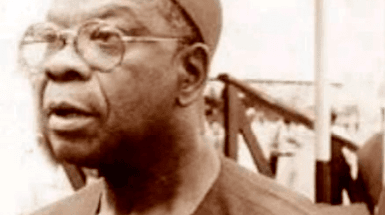
The return of democracy in 1999 opened a new chapter for Igbo politicians in Nigeria’s national leadership. Among the early beneficiaries of this transition was Senator Evan Enwerem from Imo State who became the first Senate President of the Fourth Republic.
His emergence in June 1999 was significant not just for his personal political career but for the representation of the Southeast in the newly restored democratic structure. At a time Nigeria was rebuilding its institutions after years of military rule, the Senate Presidency carried both symbolic and practical weight in defining legislative direction.
Enwerem who was a trained administrator and seasoned public servant, entered the Senate with strong political experience at the state level. His rise to the top office of the Senate was a product of internal political negotiations within the ruling party and the broader effort to balance regional interests in the new democratic arrangement.
However, his tenure was brief. By November 1999, he was removed from office following intense political disagreements and allegations raised within the Senate. The situation reflected the early instability of the Fourth Republic where leadership positions were still being tested by party dynamics and internal power struggles.
Despite the short tenure, Evan Enwerem remains a key figure in the history of Igbo politicians in Nigeria’s Senate leadership. His time in office marked the beginning of a renewed presence of the Southeast in one of the highest legislative positions in the country.
2. Chuba Okadigbo – Intellectual Leadership in the Senate

Among Igbo politicians who have served in Nigeria’s Senate leadership, Dr. Chuba Wilberforce Okadigbo stands out for his intellectual depth and strong political presence. His rise to the position of Senate President in 1999 came at a time the Fourth Republic was still finding its balance after years of military rule.
Okadigbo, from Anambra State was widely known for his academic background, sharp political analysis, and confident speaking style. Before entering frontline politics, he had already built a reputation as a scholar and public thinker. This intellectual foundation followed him into the Senate where he quickly became one of the most visible voices in national legislative debates.
He assumed office as Senate President in late 1999 after the removal of Evan Enwerem. His emergence reflected the ongoing political adjustments within the Senate during the early months of the Fourth Republic, as lawmakers navigated leadership changes and party tensions.
However, his time in office was not without difficulty. Internal disagreements within the Senate and conflicts over leadership direction led to heightened political pressure. By 2000, he was removed from the position, thus ending a short but highly eventful tenure.
Even with the controversies surrounding his exit, Okadigbo’s influence remains notable in discussions about Igbo politicians in national leadership. He brought a different tone to the Senate, one shaped by intellectual argument, philosophical reflection, and strong views on governance. His leadership period is often remembered as one of the most dramatic early phases of the Fourth Republic Senate.
3. Anyim Pius Anyim – Stability and Legislative Balance

In the early years of Nigeria’s Fourth Republic when the Senate was still adjusting to democratic stability, Igbo politicians continued to play important leadership roles. One of the most notable among them was Senator Anyim Pius Anyim from Ebonyi State who became Senate President in 2000.
His emergence came after a period of intense political tension within the Senate. Following the removal of Chuba Okadigbo, the chamber needed a leader who could restore order and rebuild confidence among lawmakers. Anyim stepped into that moment with a calmer and more measured approach to leadership.
Before becoming Senate President, he represented Ebonyi South Senatorial District and had built a reputation as a thoughtful and steady legislator. His background in lawmaking and committee work helped him to gain the trust of colleagues during a politically sensitive period.
As Senate President from 2000 to 2003, Anyim focused on restoring stability to the upper chamber. His tenure is often viewed as a period of reduced internal conflict compared to the turbulence that marked the early months of the Fourth Republic. He worked within the limits of a young democracy where institutions were still learning how to function independently after long years of military rule.
Under his leadership, the Senate became more structured in its operations, and legislative procedures gained a stronger sense of order. While political disagreements did not disappear, they were managed with more caution and institutional discipline.
For many observers of Igbo politicians in national leadership, Anyim’s time in office represents a shift from political instability to a more balanced legislative environment. His tenure ended in 2003, but his role during that formative period of Nigeria’s democracy remains a key part of the history of the Senate.
4. Adolphus Wabara – Consensus Builder in a Complex Era

Adolphus Wabara emerged as Senate President in 2003, representing Abia South Senatorial District. His election further underscored the prominence of Igbo politicians in Nigeria’s legislative leadership during the early years of the Fourth Republic.
Wabara assumed office at a time Nigeria’s democracy was becoming more firmly established. However, the Senate still faced significant political pressures and internal rivalries. Known for his calm demeanour and consensus-driven approach, he worked to foster cooperation within the chamber and maintain legislative stability.
His tenure, however, ended in 2005 amid political controversy. Despite the circumstances surrounding his resignation, his time in office remains an important chapter in the story of Igbo politicians who have occupied the Senate Presidency.
5. Ken Nnamani – Defender of Democratic Principles
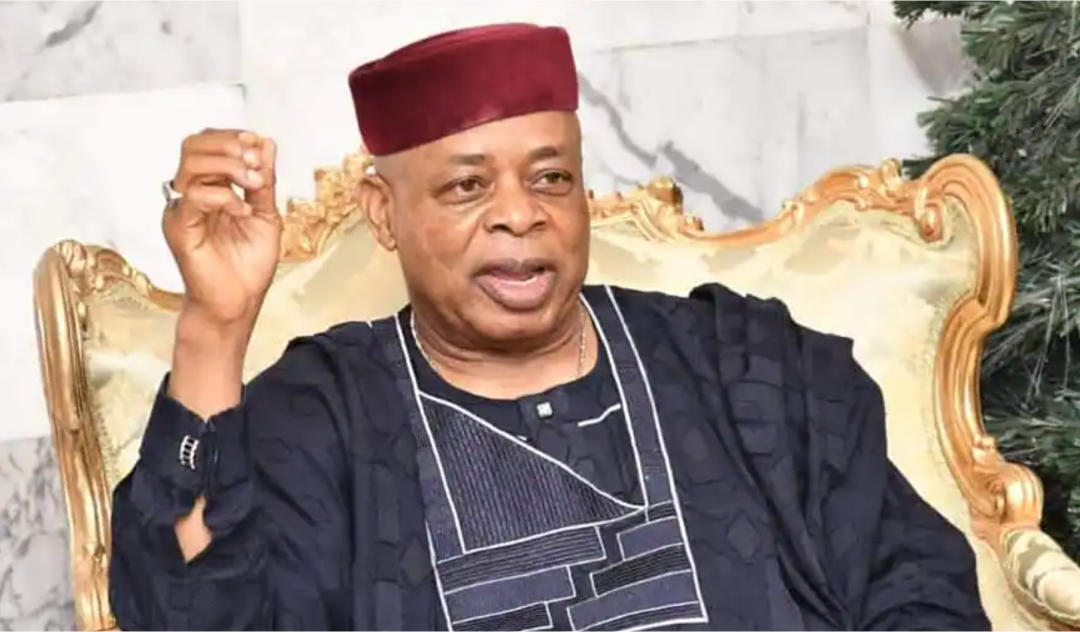
Ken Nnamani became Senate President in 2005, representing Enugu East Senatorial District. His leadership came at one of the most consequential moments in Nigeria’s democratic history.
Among Igbo politicians, Nnamani is especially respected for his firm commitment to constitutional democracy. His defining moment came in 2006 when the Senate, under his leadership, rejected the controversial constitutional amendment that would have permitted a third presidential term.
That decision strengthened public confidence in the National Assembly and cemented his reputation as a principled statesman. His tenure which lasted until 2007 is widely regarded as one of the most impactful in Nigeria’s Fourth Republic.
Ken Nnamani’s legacy continues to stand as a powerful example of how Igbo politicians have helped to safeguard Nigeria’s democratic institutions.
Summary of Igbo Politicians Who Served as Senate Presidents
The history of Igbo politicians in Nigeria’s Senate leadership is one of remarkable influence, particularly during the Fourth Republic. Since Nigeria’s return to democratic rule in 1999, the Southeast has produced several Senate Presidents. This reflects the region’s prominent role in national legislative affairs.
The first among these Igbo politicians was Evan Enwerem of Imo State who became Senate President in 1999 at the dawn of the Fourth Republic. Although his tenure was brief, his emergence symbolized the restoration of civilian legislative authority after years of military rule.
He was succeeded later that same year by Chuba Okadigbo of Anambra State. Renowned for his intellectual depth and commanding presence, Okadigbo brought vibrancy to Senate debates, though his tenure ended in 2000 amid internal political tensions.
Following Okadigbo, Anyim Pius Anyim of Ebonyi State assumed office in 2000. His leadership helped to stabilize the Senate during a turbulent period, and he served until 2003, providing much-needed continuity in Nigeria’s young democracy.
In 2003, Adolphus Wabara of Abia State became Senate President. His tenure reflected a period of increasing institutional maturity, even though it ended in 2005 following political controversy.
He was succeeded by Ken Nnamani of Enugu State whose leadership from 2005 to 2007 remains one of the most consequential in Nigeria’s legislative history. Nnamani is especially remembered for overseeing the Senate’s rejection of the proposed Third Term constitutional amendment. That was a defining moment for Nigerian democracy.
Together, these five Igbo politicians, namely, Evan Enwerem, Chuba Okadigbo, Anyim Pius Anyim, Adolphus Wabara, and Ken Nnamani represent a significant chapter in Nigeria’s democratic evolution. Their leadership highlights the enduring contributions of the Southeast to the growth, stability, and independence of the Nigerian Senate.
Political Significance of Igbo Senate Presidents
The emergence of Igbo politicians as Senate Presidents in Nigeria’s Fourth Republic carries profound political significance. It reflects the strategic importance of the Southeast in Nigeria’s democratic architecture and underscores the region’s longstanding contribution to national governance.
From 1999 to 2007, the office of Senate President was occupied consecutively by Igbo politicians, a remarkable period that demonstrated the prominence of the Southeast in the country’s legislative leadership. This extended run placed Igbo leaders at the centre of critical national decisions during the formative years of Nigeria’s modern democracy.
At a time democratic institutions were still taking shape, leaders such as Evan Enwerem, Chuba Okadigbo, Anyim Pius Anyim, Adolphus Wabara, and Ken Nnamani played central roles in shaping legislative culture, defining Senate independence, and strengthening parliamentary oversight.
Their leadership also reinforced the principle of regional inclusion in Nigeria’s power-sharing arrangement. In a diverse federation like Nigeria, the consistent elevation of Igbo politicians to the Senate Presidency helped to foster national balance and broaden representation at the highest levels of government.
Perhaps most importantly, their tenures coincided with some of the most delicate moments in Nigeria’s democratic journey, from the transition out of military rule to major constitutional debates. Under Ken Nnamani, for example, the Senate’s rejection of the Third Term agenda became a landmark victory for constitutionalism and democratic restraint.
The political significance of these Igbo politicians, therefore, extends beyond ethnicity or regional representation. Their collective service helped to solidify the Senate as a co-equal arm of government and contributed meaningfully to the consolidation of Nigeria’s Fourth Republic.
Challenges Faced by Igbo Senate Presidents
The journey of Igbo politicians who served as Senate Presidents in Nigeria was marked by both prestige and intense political pressure. Holding the highest office in the Senate during the early years of the Fourth Republic was never a simple task. It required balancing party interests, regional expectations, executive relations, and the often-competing ambitions of fellow lawmakers.
One of the greatest challenges these Igbo politicians faced was political instability within the Senate itself. The early Fourth Republic was a period of institutional adjustment, and leadership contests were frequent. This instability contributed to the short tenures of leaders like Evan Enwerem and Chuba Okadigbo, both of whom were removed amid internal disputes and shifting alliances.
Another major challenge was managing the delicate relationship between the legislature and the executive branch. Senate Presidents often had to assert the independence of the National Assembly while navigating pressure from the presidency and party leadership. This balancing act was especially pronounced during the administrations of Presidents Olusegun Obasanjo and Umaru Musa Yar’Adua.
Corruption allegations and political controversies also tested some of these leaders. Adolphus Wabara resigned in 2005 following a bribery scandal. For leaders like Ken Nnamani, the challenge came in resisting powerful political interests. His refusal to support the proposed Third Term constitutional amendment placed him at the centre of one of Nigeria’s fiercest political battles.
Beyond institutional pressures, these Igbo politicians also carried the weight of regional expectations. As prominent leaders from the Southeast, they were often seen as symbols of Igbo participation in national power, thus adding another layer of responsibility to their roles.
Despite these challenges, their experiences helped to shape the Senate into a stronger and more independent institution. Their successes, setbacks, and resilience remain an important part of Nigeria’s democratic history.
Legacy and Historical Impact
The legacy of Igbo politicians who served as Senate Presidents is deeply woven into the story of Nigeria’s Fourth Republic. At a crucial period when the country was rebuilding democratic institutions after years of military rule, these leaders helped define the role, powers, and independence of the Nigerian Senate.
From 1999 to 2007, the Senate Presidency remained in the hands of Igbo politicians, beginning with Evan Enwerem and continuing through Ken Nnamani. This remarkable sequence placed the Southeast at the centre of legislative leadership during one of Nigeria’s most important democratic transitions.
Their collective impact can be seen in the institutional growth of the Senate. Leaders such as Anyim Pius Anyim helped to stabilize the chamber after early leadership crises, while others strengthened parliamentary procedures and reinforced the Senate’s role as an independent arm of government.
Among the most enduring contributions came under Ken Nnamani whose leadership during the Third Term debate in 2006 remains a defining moment in Nigeria’s democratic history. By allowing the Senate to reject the controversial constitutional amendment, he helped to protect constitutional rule and demonstrated the legislature’s independence from executive pressure.
The legacy of these Igbo politicians also extends beyond legislative procedure. Their rise to the Senate Presidency reinforced the principle of regional inclusion and showcased the important role of the Southeast in national governance. At a time Nigeria was still consolidating democracy, their leadership helped to promote political balance and national cohesion.
Today, their tenures are remembered as foundational years in the evolution of the National Assembly. Their achievements, challenges, and defining moments continue to influence discussions about legislative autonomy, power rotation, and the place of Igbo politicians in Nigeria’s political future.
Conclusion …
The story of Igbo politicians in Nigeria’s Senate leadership is one of influence, resilience, and national service. From the dawn of the Fourth Republic in 1999 through 2007, the Southeast produced an extraordinary succession of Senate Presidents, thus highlighting the region’s central role in shaping Nigeria’s democratic institutions.
Evan Enwerem, Chuba Okadigbo, Anyim Pius Anyim, Adolphus Wabara, and Ken Nnamani each led the Senate during pivotal moments in Nigeria’s democratic journey. Their tenures reflected the opportunities and challenges of governing in a young democracy where institutional stability was still taking shape.
Collectively, these Igbo politicians helped to strengthen the National Assembly, reinforce legislative independence, and deepen Nigeria’s constitutional democracy. Their leadership guided the Senate through political turbulence, constitutional debates, and critical national decisions that continue to influence the country today.
Beyond the office itself, their legacy stands as a testament to the enduring contributions of the Southeast to Nigeria’s political development. Their service remains an important chapter in the history of the Senate and in the broader narrative of Igbo politicians in national leadership.
References
- Wikipedia contributors. (n.d.). President of the Senate of Nigeria. Wikipedia. https://en.wikipedia.org/wiki/President_of_the_Senate_of_Nigeria
- Pulse Nigeria. (2024). A brief walk into the lives of Nigeria’s Fourth Republic Senate Presidents. https://www.pulse.ng/story/politics-a-brief-walk-into-the-lives-of-nigerias-fourth-republic-senate-presidents-2024073115255260170
- Enwerem, E. (n.d.). Evan Enwerem. Wikipedia. https://en.wikipedia.org/wiki/Evan_Enwerem
- Okadigbo, C. W. (n.d.). Chuba Okadigbo. Wikipedia. https://en.wikipedia.org/wiki/Chuba_Okadigbo
- Anyim Pius Anyim. (n.d.). Anyim Pius Anyim. Wikipedia. https://en.wikipedia.org/wiki/Anyim_Pius_Anyim
You might want to check this out …