
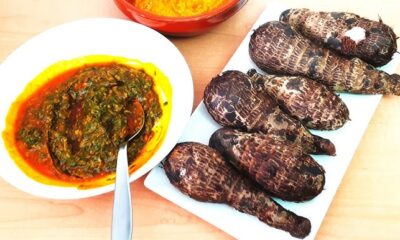







Igbo culture
Igbo Staple Foods: The Cultural and Historical Roots of Top Traditional Igbo Diet

Igbo staple foods form the foundation of the traditional Igbo diet, comprising yam, cassava, cocoyam, maize, vegetables, and soups. Explore their cultural meaning, historical roots, nutrition, and how Igbo food culture has evolved over time.
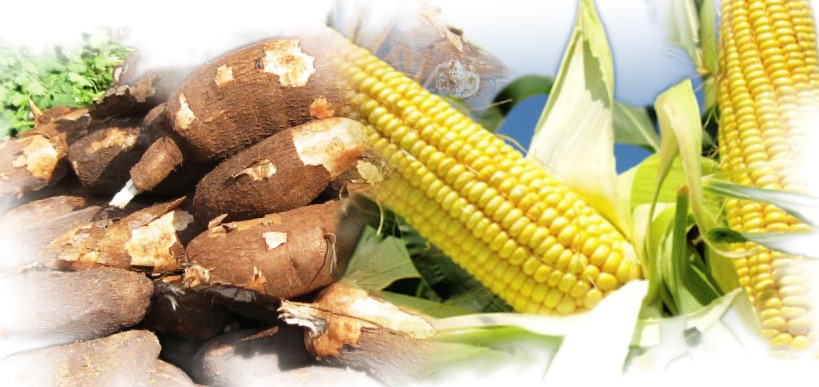
Food in Igbo land is part of daily living, family life, and tradition. In many homes, what people eat connects them to their roots, their work, and their community. From roasted corn to evening meals of pounded yam with soup, these everyday foods all point to one thing – Igbo staple foods and the culture behind them.
For generations, the Igbo diet has been built around crops like yam, cassava, cocoyam, maize, and local vegetables. Yam once stood as a sign of pride and success, especially in farming communities. Cassava later became a strong daily food because it is easy to grow and always available. Together with soups made from vegetables, seeds, and palm oil, these foods form the heart of traditional eating in Igboland.
This article takes a close look at Igbo staple foods, where they come from, what they mean in Igbo culture, and how they have changed over time. It also explains why these foods still matter today, both for health and for cultural identity.
What Are Staple Foods in Igbo Culture?
In Igbo culture, staple foods are the everyday foods that form the base of most meals. They are the foods people eat often, usually in large portions because they are filling, affordable, and widely available. These foods provide most of the energy the body needs for daily work and life.
When we talk about Igbo staple foods, we are mainly referring to crops that have been grown and eaten for generations in southeastern Nigeria. They are not just chosen for convenience. They are closely tied to farming life, soil conditions, and long-standing food traditions in Igboland.
The most common staple foods in Igbo culture include yam (ji), cassava (akpu or garri), cocoyam (ede), and maize (oka). These foods are usually eaten with soups made from vegetables, seeds, and palm oil. The combination of a starchy base and soup is what makes a complete Igbo meal.
Staple foods in Igbo culture also carry meaning beyond nutrition. For example, yam is often seen as a special crop connected to success in farming and community respect. Cassava, on the other hand, is valued for its reliability because it grows well even when conditions are difficult.
Simply put, Igbo staple foods are the foundation of the traditional diet. They are the foods that have supported families for generations and still remain central to everyday eating in many homes today.
Historical Origins of Igbo Staple Foods
The history of Igbo staple foods is closely tied to farming, land, and the natural environment of southeastern Nigeria. Long before modern markets and processed foods, Igbo communities depended mainly on what they could grow. Farming was not just an occupation. It was the foundation of survival, family life, and social structure.
Early Igbo society developed in a region with fertile soil and a warm, rainy climate. These conditions made it suitable for growing root crops and grains. Over time, people began to cultivate yam, cocoyam, maize, and vegetables as their main sources of food. These crops became the backbone of the traditional Igbo diet.
Yam (ji) is often described as the most important of all Igbo staple foods. Historical accounts and cultural studies show that yam farming became deeply rooted in Igbo agricultural life. It required careful planting, patience, and effort which is why it earned respect in many communities. Over time, yam was linked with success, hard work, and social status.
Because of its importance, yam became more than food. It became part of rituals, festivals, and family celebrations, especially during harvest seasons.
Cassava is not originally native to Africa. It was introduced from South America and gradually became part of Igbo farming systems. Historical research shows that it spread widely in southeastern Nigeria because it was easy to grow and could survive poor soil conditions and irregular rainfall.
Unlike yam, cassava does not require as much attention and can produce large yields, even in difficult environments. This made it very important during times of food shortage and population growth. Over time, it became one of the most widely consumed Igbo staple foods, especially in forms like garri and akpu (fufu).
Cocoyam (ede) and maize (oka) were also part of early Igbo agriculture. Cocoyam was valued for its soft texture and ability to grow in shaded or wet areas. Maize, on the other hand, became popular for its quick growth and seasonal harvest.
These crops were not just food sources. They helped to diversify diets and provided alternatives when other crops were not available.
Over time, these crops became deeply connected to Igbo life. Farming patterns, seasonal cycles, and community traditions all developed around them. The rise of these Igbo staple foods reflects how people adapted to their environment and built a stable food system that supported generations.
Major Igbo Staple Foods
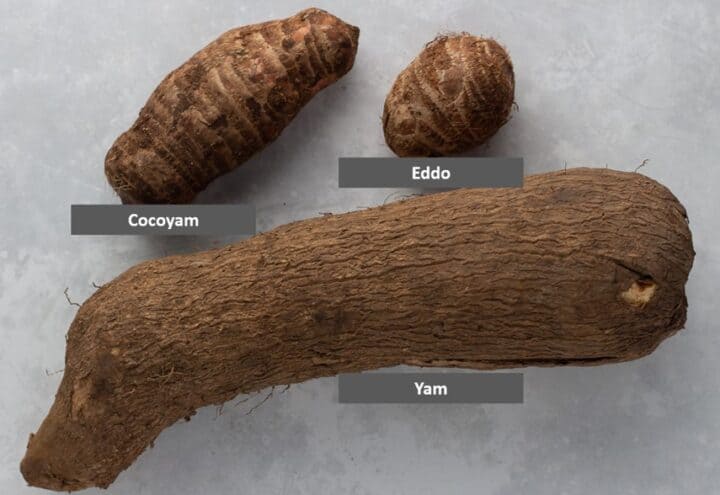
Igbo staple foods are built around a small group of crops that have supported daily life for generations. These foods are simple, filling, and widely available. They are usually eaten with soups that add flavour, nutrients, and variety. Each staple food also carries its own story in Igbo culture.
Yam (Ji)
Yam is one of the most important Igbo staple foods and has a strong place in traditional life. It is grown in many parts of southeastern Nigeria and is known for its role in farming culture. Yam is often linked with hard work and success because it takes effort to cultivate. In many communities, a good yam harvest is seen as a sign of prosperity. This is why it is central to celebrations like the New Yam Festival.
Common ways yam is eaten include boiled yam with palm oil or sauce; pounded yam served with soup; roasted yam, often sold on roadsides. Yam is not just food. It is part of identity, respect, and tradition.
Cassava (Akpu)
Cassava is one of the most widely consumed Igbo staple foods today. It became very important because it is easy to grow and produces well even in difficult soil conditions. Cassava is processed in different ways, namely, garri, fufu, tapioca, abacha, etc. The fufu/garri is often eaten with soups. Cassava became a key food source because it is reliable and available throughout the year.
Cocoyam (Ede)
Cocoyam is another traditional staple in Igbo culture. It is less popular than yam and cassava but still very important in many homes. Cocoyam is used in different ways. It can be boiled and eaten as a meal; pounded and served with soup like fufu, or used to thicken soups. It grows well in wet soil and shaded areas, making it useful in different farming conditions. Cocoyam is also valued for its soft texture when cooked.
Maize (Ọka)
Maize is a seasonal staple that is widely eaten across Igboland. It is especially popular during harvest periods when fresh corn is available. Common forms of eating it include boiled corn, roasted corn sold on streets and markets, and corn porridge. Maize is often enjoyed as a snack or light meal, especially during the rainy season when it is freshly harvested.
Together, these foods form the base of Igbo staple foods. They are rarely eaten alone. Instead, they are combined with soups made from vegetables, seeds, palm oil, and proteins like fish or meat. Each staple has a role. Yam represents tradition and status. Cassava represents reliability and everyday survival. Cocoyam adds variety and texture. Maize provides seasonal balance and light meals. These foods continue to influence what many Igbo families eat every day, both in rural and urban areas.
Supporting Foods – Soups, Vegetables, and Proteins
In Igbo culture, staple foods do not stand alone. They are almost always eaten with soups, vegetables, and protein foods. This combination is what gives Igbo staple foods their full taste, nutrition, and balance. While yam, cassava, cocoyam, and maize provide the main energy, soups and side foods complete the meal and make it satisfying.
Soups
Soups are an essential part of the Igbo diet. They are thick, flavourful, and usually eaten with swallows like pounded yam, garri, or fufu. Common Igbo soups include Ofe Onugbu, Ofe Oha, Ofe Nsala, Ofe Egusi, and Ofe Owerri.
Each soup has its own preparation style, but most are made with palm oil, spices, and local ingredients. Soups help to bring out the taste of Igbo staple foods and make meals more filling.
Vegetables
Vegetables play a major role in Igbo staple foods because they add nutrients and flavour. Many of them are locally grown or gathered from farms and gardens. Common vegetables include uziza leaves, ugu (pumpkin leaves), okazi leaves, bitter leaves, oha leaves, etc.
These vegetables are rich in vitamins and minerals. They are usually chopped and cooked into soups or added as part of spices. In many Igbo homes, vegetables are a regular part of cooking, not an occasional addition.
Proteins
Protein foods are also important in traditional Igbo meals. They are usually added to soups to improve taste and nutrition. Common protein sources are fish (fresh or smoked), goat meat, chicken, stockfish (okporoko), cow skin (kanda), and beans in some meals.
These ingredients are often cooked with spices and added to soups. In rural areas, smoked fish is
A typical Igbo meal is a balance of a staple food like yam, garri, or fufu, a soup made with vegetables and spices, and protein such as fish or meat. For example, pounded yam is rarely eaten alone. It is served with soups like egusi or ogbono, along with fish or meat inside the soup. This combination is what makes Igbo staple foods complete. Each part plays a role in taste, nutrition, and satisfaction.
These supporting foods are not luxury items. They are part of daily cooking in many Igbo homes. Even when simple meals are prepared, vegetables and small pieces of fish are often included. This shows that Igbo food culture values balance. Staples provide strength, while soups, vegetables, and proteins bring flavour and nourishment together.
Cultural Significance of Igbo Staple Foods
In Igbo society, food is closely tied to identity, respect, and community life. The Igbo staple foods are not only eaten to satisfy hunger. They carry meaning that is understood across generations and reflected in daily living, ceremonies, and social relationships.
Igbo staple foods such as yam, cassava, cocoyam, and maize are deeply connected to cultural identity. They are part of what defines everyday life in Igboland. From farming to cooking, these foods reflect the way communities live and interact with their environment. For many families, traditional meals are a link between the past and the present. Recipes and food practices are often passed down from parents to children in a way that keeps cultural knowledge alive in the home.
Among all Igbo staple foods, yam holds a unique position. It is often seen as a symbol of hard work and achievement because of the effort required to grow it. Yam is central to the New Yam Festival, a celebration that marks the beginning of the harvest season. During this period, communities come together to thank God and the ancestors for a successful farming year. The first yam is usually shared in a symbolic way before regular consumption begins. This tradition shows how food and spirituality are connected in Igbo culture.
In Igbo culture, sharing food is a sign of respect. Offering a guest food is not optional. It is part of hospitality. A visitor may be welcomed with a meal made from Igbo staple foods, often served with soup and protein. Refusing to offer food is often seen as poor hospitality, while sharing food builds trust and friendship. Meals are also a time for family bonding. People often eat together, and this shared experience strengthens relationships.
Staple foods play an important role in important life events such as weddings, traditional title ceremonies, naming ceremonies, and funerals. In these gatherings, food is prepared in large quantities and shared among guests. Yam dishes, rice meals, and soups are commonly served. Food in these settings is not just nourishment. It is part of celebration and respect for guests.
Some Igbo staple foods carry symbolic meaning. Yam, for example, is often associated with leadership and success in farming communities. A good yam harvest is seen as a sign of responsibility and discipline. Food is also used to show respect for elders. Serving elders first during meals is a common practice that reflects cultural values around age and honour.
Traditional Igbo meals are often shared from one pot. This style of eating encourages togetherness and reduces individual separation during meals. It reflects the value placed on community life. Even today, in many homes, food is still shared among family members in a way that encourages conversation and bonding.
Despite modern changes, Igbo staple foods continue to play a strong role in cultural life. Even in urban areas, many families still prepare traditional meals during weekends, holidays, and special events. This continuity shows that food is more than diet. It is part of cultural memory and identity that continues to connect people to their roots.
Nutritional Value of Traditional Igbo Diet
The traditional Igbo diet built around Igbo staple foods is not only about culture and history. It also provides important nutrients that the body needs for daily living. When properly combined, these foods form a balanced diet that supports energy, growth, and general health.
Carbohydrates
The core of Igbo staple foods is made up of carbohydrate-rich crops. These include yam, cassava, cocoyam, and maize. They are the foods eaten in the largest quantity in most meals. Yam provides steady energy and is filling. Cassava is a major source of calories, especially in garri and fufu form. Cocoyam offers energy with a soft texture that is easy to digest. Maize provides quick energy, especially when eaten fresh or boiled .
These foods help the body to carry out daily activities such as farming, trading, walking, and other physical work that has long been part of Igbo life.
Proteins
Although Igbo staple foods provide energy, proteins are added through soups and side foods. In traditional Igbo meals, proteins are usually found in soup ingredients. Common sources include fish (fresh, dried, or smoked), meat (goat, chicken, beef), beans and legumes in some meals, tockfish and other preserved seafood. These protein sources help the body to build muscles, repair tissues, and support healthy growth.
Vitamins and Minerals
Vegetables are a major part of Igbo staple foods when combined with soups. They supply vitamins and minerals that help the body function properly. Common vegetables include ugu (pumpkin leaves), bitter leaf, okazi, and uziza. These are rich in nutrients such as vitamin A for vision and immunity, vitamin C for body protection, iron for healthy blood, and calcium for bones and teeth. Palm oil, often used in soups also provides natural vitamin A which is important for eye health.
Healthy Fats
Palm oil is a key ingredient in many Igbo soups. It provides healthy fats that help the body absorb certain vitamins and also supply energy. When used in moderation, palm oil contributes to a balanced diet and adds flavour to meals.
A typical Igbo meal brings together different food groups, namely, staple food (yam, garri, fufu, cocoyam); soup (with vegetables, spices, and palm oil); protein (fish or meat). This combination creates a balanced diet when meals are properly prepared and include a variety of ingredients.
The traditional Igbo diet is known for providing sustained energy for physical work, including natural, locally sourced ingredients, offering a wide range of plant-based foods, and supporting digestion when meals are well balanced. Research on traditional food systems in southeastern Nigeria shows that these diets include a diverse range of food species that contribute to nutrition and food security in rural communities.
In recent times, changes in lifestyle have affected how Igbo staple foods are consumed. Some meals are now less balanced due to reduced vegetable intake, increased processed foods, and less home farming and fresh food preparation. These changes can affect the nutritional value of daily diets if not managed carefully.
The traditional Igbo diet is naturally rich when it includes a mix of staples, soups, vegetables, and proteins. It provides energy, supports body function, and uses locally available foods. When maintained properly, it remains a strong example of a balanced and practical food system.
Changes in Igbo Food Culture Over Time
The food culture in Igboland has never remained the same. Like every living tradition, it has changed with time, shaped by history, environment, trade, and modern living. While Igbo staple foods are still central, the way people grow, prepare, and eat them has shifted in many important ways.
In earlier times, most Igbo families depended heavily on farming. People grew their own food and ate what they harvested. Meals were simple, seasonal, and closely tied to the land. Today, many people live in cities and towns where farming is less common. As a result, food is now mostly bought from markets. Fewer families grow their own staples, and processed and packaged foods are more common. This shift has changed how often people prepare traditional meals at home.
One of the biggest changes in Igbo staple foods is the increased importance of cassava. While yam was once the dominant staple, cassava has become more common in everyday meals. This change happened because cassava is easier to grow. It produces more food per harvest, and survives in poor soil and harsh weather. It is easier to process into garri, fufu and abacha. Because of this, many households now eat cassava-based meals more often than yam.
Traditional Igbo meals often take time to prepare. Foods like pounded yam, fresh soup, and fermented cassava require patience and effort. Modern lifestyles have changed this. People have less time for long cooking processes. As a result, quick meals are now more common. Instant foods and fast cooking methods are widely used. Consequently, some traditional preparation methods are becoming less frequent in urban homes.
Another major change in Igbo staple foods is the introduction of new foods. Rice, bread, pasta, and packaged meals are now part of everyday diets in many homes. These foods are popular because they are quick to prepare; they fit busy work schedules, and they are widely available in shops and restaurants. While traditional foods are still eaten, they now share space with modern diets.
In the past, vegetables were a regular part of daily meals because many families farmed them or gathered them from nearby land. Today, some households rely more on purchased vegetables. Fast foods sometimes replace vegetable-rich meals. Traditional leafy vegetables are less frequently used in some urban homes. This has slightly reduced the natural balance found in older diets.
Food knowledge was once passed directly within families. Children learned how to plant, harvest, and cook traditional meals by observing older generations. Now, fewer young people learn farming skills. Some traditional recipes are less commonly practiced. Cooking knowledge is sometimes limited to simplified versions. This change affects how deeply people understand Igbo staple foods and their preparation.
Even with all these changes, Igbo food culture has not disappeared. Many traditions are still strong. Yam is still important during festivals. Traditional soups are still widely eaten. Family gatherings still include local dishes, and rural areas continue to preserve older food practices.
The story of change in Igbo food culture is a story of adaptation. Farming life has shifted to urban living, cassava has grown in importance, and modern foods have become part of daily meals. At the same time, Igbo staple foods remain at the centre of identity, tradition.
Challenges Facing Traditional Igbo Foods Today
The story of Igbo staple foods does not only cover the history and culture. It is also highlights survival in a changing world. Today, these foods still remain important, even though they face several challenges that affect how they are grown, prepared, and passed down to the younger generations.
One of the biggest challenges is the steady decline in farming. In earlier generations, most families in Igboland were farmers. Today, many young people prefer office work, trading, or migration to cities. This shift has led to less interest in growing yam, cassava, and cocoyam, reduced knowledge of farming practices, and dependence on market-bought food instead of home-grown produce. As farming reduces, the connection between people and Igbo staple foods becomes weaker.
Urban expansion has also affected food production. As towns and cities grow, farmland is turned into buildings and roads, available land for agriculture becomes limited, and small-scale farming becomes more difficult. This reduces the space needed to grow traditional crops like yam and cassava which require land for proper cultivation.
Changes in weather patterns have also affected agriculture. Farmers now face unpredictable rainfall, longer dry seasons in some areas, soil degradation in some farmlands, and increased crop pests and diseases. These conditions make it harder to produce consistent harvests of Igbo staple foods, especially yam which depends on stable weather conditions.
Modern lifestyles have introduced many processed foods into daily diets. Foods like bread, instant noodles, packaged meals and refined snacks are now common, especially in urban areas. These foods are fast and convenient, but they often replace traditional meals that require preparation time. As a result, some households eat fewer traditional Igbo meals during the week.
Traditional food skills are no longer as widely passed down as before. In many families, the younger ones are less familiar with traditional cooking methods; skills like fermenting cassava or pounding yam are less common, and some traditional recipes are simplified or forgotten. This affects how Igbo staple foods are prepared and appreciated.
The cost of food production and purchase has also become a challenge. Farm inputs like fertilizers, labour and transportation are more expensive than before. At the same time, market prices for food fluctuate, making it harder for some families to rely fully on traditional farming and food systems.
Younger people are increasingly exposed to global food culture. This leads to preference for fast and easy meals, less patience for traditional cooking methods, and reduced consumption of some traditional soups and swallows. While Igbo staple foods are still eaten, they are sometimes not part of daily routine for many young people.
Although Igbo food culture is rich, it is not always well documented in everyday learning. Challenges include limited written records in some communities, oral knowledge not always preserved, and few structured programmes for teaching traditional food systems. This makes it harder to pass detailed food knowledge to future generations.
The challenges facing Igbo staple foods today come from farming decline, urban growth, climate changes, modern diets, and loss of traditional knowledge. Even with these difficulties, these foods remain deeply rooted in Igbo life. Their future depends on how well communities continue to value, document, and practice traditional food systems in a changing world.
Preservation of Igbo Food Heritage
The preservation of Igbo staple foods entails protecting knowledge, farming practices, and cultural identity that have been passed down for generations. As lifestyles change, there is a growing need to consciously keep this food heritage alive.
One of the most effective ways to preserve Igbo food heritage is within the family. Parents and elders can teach children how traditional meals are prepared; explain the names and uses of local ingredients; involve children in cooking activities; and share stories behind foods like yam and cassava. When young people learn early, they are more likely to value Igbo staple foods as they grow older.
Even in urban areas, small-scale gardening can help to preserve food culture. Families can grow ugu (pumpkin leaves), bitter leaf, vegetables and spices, and small yam or cocoyam plots where possible. This helps people to stay connected to the source of their food and understand how it is produced.
Many traditional food practices are still passed down verbally. Writing them down is important for long-term preservation. This includes recording recipes for soups and swallows, documenting farming methods for yam and cassava, and preserving food preparation techniques like fermentation. Clear documentation ensures that knowledge about Igbo staple foods is not lost over time.
Festivals play a strong role in keeping food traditions alive. Events such as yam festivals and community celebrations highlight the importance of harvests, encourage traditional food preparation, and bring communities together around shared meals. These gatherings help the younger people experience food culture in a meaningful way.
Schools can also support preservation by teaching students about traditional igbo diets, introducing local food history in cultural studies, and organizing cultural food days. This helps children to understand the value of Igbo staple foods beyond the home environment.
Buying and supporting local produce encourages continued farming of traditional crops. This includes. When demand remains strong, farmers are more motivated to continue growing traditional crops.
Modern tools can help to preserve food culture. Blogs, videos, and social media can show cooking methods, share food history, and teach the younger audiences about traditional meals. This makes Igbo food knowledge more accessible to people in cities and abroad.
Preserving Igbo staple foods requires intentional effort from families, schools, communities, and media platforms. Through teaching, farming, documentation, festivals, and support for local food systems, Igbo food heritage can remain strong. It is not only about keeping recipes alive, it is also about maintaining a cultural identity that has existed for generations.
Conclusion …
The story of Igbo staple foods portrays a people closely connected to their land, their work, and their traditions. From yam fields that once defined farming success to cassava that became a dependable everyday food, Igbo diet has always been influenced by both environment and culture.
These foods are more than what appears on the plate. Yam, cassava, cocoyam, maize, soups, vegetables, and local proteins all come together to form a diet that has supported families for generations. They provide energy, nutrition, and a sense of belonging that goes beyond daily meals.
At the same time, Igbo food culture has not stayed the same. Urban living, modern diets, reduced farming, and changing lifestyles have all influenced how these foods are grown and eaten today. Yet, despite these changes, Igbo staple foods remain deeply present in homes, celebrations, and cultural identity.
Preserving this food heritage is important. It means passing knowledge to the younger generations, supporting local farming, and keeping traditional cooking practices alive. When this is done, Igbo food culture continues to remain a living part of everyday life, not just a memory of the past. Ultimately, Igbo staple foods tell a simple but powerful story of survival, adaptation, and continuity.
References
- Okeke, E. C., Eneobong, H. N., Uzuegbunam, A. O., Ozioko, A. O., & Umeh, S. I. (2008). Indigenous and traditional foods of the Igbo ethnic nationality in Nigeria: Their role in meeting the nutrient needs of the population. Pakistan Journal of Nutrition, 7(4), 547-553. https://scialert.net/fulltext/?doi=pjn.2008.547.553
- Uusiku, N. P., Oelofse, A., Duodu, K. G., Bester, M. J., & Faber, M. (2023). Traditional food systems and dietary diversity in Africa: A systematic review. Journal of Ethnic Foods, 10, Article 38. https://jeatdisord.biomedcentral.com/articles/10.1186/s42779-023-00198-z
- Iwuagwu, O. (2015). The Igbo food economy and colonial Nigeria. African Economic History, 43(1), 87-114. https://www.jstor.org/stable/44745618
- Food and Agriculture Organization of the United Nations. (2021). Indigenous peoples’ food systems: Insights on sustainability and resilience. https://www.fao.org/documents/card/en/c/cb5131en/
You might want to check this out …