






Igbo History & Heritage
Ezeagu, Enugu State: History, Origin, Culture, and Communities

Ezeagu is a Local Government Area in Enugu State known for its history, origin, culture, and communities, with rich Igbo heritage, farming traditions, and diverse towns that define life in this part of southeastern Nigeria.
Tucked away in the lush landscapes of Enugu State, Ezeagu is a place where history, tradition, and everyday life blend seamlessly. It is not just a Local Government Area, it is a living story of generations, families, and communities that have nurtured their culture for decades.
From the bustling markets to the quiet villages, from the laughter of children in the streets to the solemn voices of elders recounting ancestral tales, Ezeagu carries a rhythm that is both timeless and deeply human.
The towns and villages of Ezeagu each hold their own stories. Aguobu-Owa, the administrative heart of the area is a hub of culture, trade, and family life. Other communities like Umuana, Owo, and Okpogho add layers of identity and tradition that weave together a rich social fabric. The people here speak Igbo, observe time-honoured customs, and celebrate festivals that mark the passing of the seasons and the milestones of life. Every corner of Ezeagu carries echoes of its past, even as it thrives in the present and adapt to change.
But what makes Ezeagu truly remarkable is its connection to its roots. The origin stories, the family lineages, and the shared memories of the land form the identity of its people. Life here is deeply tied to the soil. Agriculture is not just an occupation, it is a way of life, a rhythm that guides the community through planting and harvest, festivals, and family gatherings.
In this article, we will explore the history, origins, and the culture that defines Ezeagu. We will meet the communities and towns that make up this unique Local Government Area, uncover the traditions that have persisted for generations, and discover why it remains a significant part of Enugu State’s cultural and social landscape.
Whether you are a researcher, a traveller, or simply curious about Nigeria’s rich heritage, Ezeagu offers a window into the enduring spirit of its people, their stories, and the land they proudly call home.
Location and Description of Ezeagu
Ezeagu is located in the southwestern part of Enugu State, in southeastern Nigeria. It is a community that feels both connected and secluded, bordered by other Local Government Areas such as Udi to the east, Uzo-Uwani to the north, and Orji River to the south. To the west, it shares a boundary with Anambra State which links it to neighbouring cultures and communities.
The area stretches across approximately 633 square kilometers, a mix of fertile plains, rolling hills, and patches of forest that provide a backdrop for the lives of its people. Walking through Ezeagu, one sees a landscape where the natural environment blends seamlessly with human settlement.
Farms spread across the valleys, dotted with homesteads that have stood for generations. Rivers and streams meander through the land, and provide water for crops, livestock, and daily life.
The climate in Ezeagu is tropical, with a distinct rainy season and dry season. During the rainy months, the fields turn lush and green, thereby supporting the staple crops that sustain the community. The dry season brings a different rhythm – less greenery but a time for preparation, planning, and festivals that celebrate both nature and human effort. This seasonal cycle influences the pace of life and the economy, as farming forms the backbone of daily existence.
Life in Ezeagu is marked by a blend of rural calm and community activity. Small towns and villages are spread across the landscape, each with its unique identity, yet bound together by shared language, culture, and history. Igbo is the primary language spoken, and Christianity is widely practiced, although local customs and traditions continue to play a significant role in community life. Markets, family gatherings, and festivals punctuate the daily routine and create a dynamic, yet harmonious rhythm.
For travellers or anyone observing the community for the first time, the area offers a vivid snapshot of southeastern Nigeria. The greenery, the gentle hills, and the organized, yet lively towns give visitors a sense of its potential and resilience. Ezeagu is not only a geographical location, it is a place where nature, history, and culture converge to create a living.
History of Ezeagu
Oral history traces the origins of Ezeagu to Ezeagu Igbudu, a descendant of Gboko whose lineage is believed to have migrated southward from areas around the Benue River and the Niger confluence. These early movements are often linked to the search for fertile land and the need to escape insecurity associated with slave raids in the north.
Gboko’s son Kwekwo settled and prospered as a farmer while his sons Igbudu and Ugbokolu later moved southward, eventually forming separate settlements. Cultural links between present day Ezeagu in Enugu State and Ugbokolu in Benue State are still noted in oral traditions.
Igbudu had three sons, Ogala, Otekwa, and Owah. Owah, the youngest and a skilled hunter moved further south in the twelfth century and settled around present day Imezi Owa which became one of the earliest centres of Ezeagu settlement. His achievements in farming and hunting earned him the name Ezeagu, derived from Igbo words meaning king and strength of farmland. From him descended the major family lines and communities that make up Ezeagu today.
Over time, Ezeagu expanded through farming settlements, family migrations, and the establishment of new villages such as Aguobu Owa, Mgbagbu Owa, Oghe, Iwollo, Amankwo, Amansiodo, Akama, Neke, Oyofo, Umana, Umumba, Obinofia, and Okpogho. Population growth, soil exhaustion, and security concerns, especially during the era of slave raiding, encouraged further dispersal while maintaining strong kinship ties among settlements.
Traditional governance in Ezeagu followed the broader Igbo political system. Authority was decentralized and based on councils of elders, age grades, title holders, and family lineages rather than hereditary kingship. Leadership was earned through merit, achievement, and communal approval. Social order was maintained through customs, oath taking, and shrine based arbitration, while markets operated under strict ethical norms that discouraged exploitation.
Religious life centered on belief in a supreme God alongside ancestral worship and local deities. Masquerade traditions, new yam festivals, age grade initiations, and communal ceremonies formed the backbone of cultural life and reinforced social bonds across villages.
Administratively, Ezeagu was originally part of the larger Udi Division during the colonial period. Persistent advocacy by local leaders and community groups led to its recognition as a Native Authority in the early 1950s. In 1974, Ezeagu was formally created as a division, and later emerged as Ezeagu Local Government Area in Enugu State. This marked a major turning point in its political and administrative history as it gave the people greater control over local affairs.
Today, Ezeagu stands as a collection of historically linked communities shaped by migration, agriculture, communal governance, and strong cultural identity within Enugu State.
Origins and Ancestry

The roots of Ezeagu run deep and trace back to the earliest settlers of the southeastern region of Nigeria. The people of this area belong primarily to the Igbo ethnic group, and their ancestry is tied to families and lineages that have lived on this land for centuries. These origins are preserved in oral history, family traditions, and the very structure of the communities that make up Ezeagu today.
Many of the communities in Ezeagu trace their lineage to a common ancestor whose name became symbolic in the area. Over generations, his descendants spread across the land, and established villages and towns that eventually formed the network of the communities we see today. These family lineages are carefully remembered, celebrated in festivals, and passed down through stories, names, and customs.
Ezeagu origins are also tied to the land itself. Early settlers chose fertile areas for farming, settled near streams and rivers for water, and built homes in locations that could sustain growing families. This practical connection to the land became part of their identity and created a close bond between the people and the environment that still exists.
The villages and towns of Ezeagu often recognize these ancestral ties in their social organization. Elders serve as custodians of history, and ensure that knowledge about families, marriages, and migrations is preserved. Lineage plays an important role not only in identity but also in resolving disputes, organizing festivals, and maintaining communal harmony.
Migration stories also form a significant part of Ezeagu ancestry. Some families moved from nearby areas centuries ago, bringing with them unique customs, crops, and knowledge. As these families integrated, they maintained connections to their original homes while contributing to the growing cultural mosaic of the community.
The ancestral heritage of Ezeagu is visible in the present. Community elders, traditional councils, and family gatherings keep the history alive by the teaching younger generations the values, stories, and practices of their forebears. This continuity ensures that the sense of identity and belonging remains strong, even as the region develops and modernizes.
Understanding the origins and ancestry of Ezeagu is key to appreciating its culture, traditions, and community life. It explains why certain festivals exist, why family ties are so important, and why the people feel a deep connection to both their land and their history.
Culture and Traditions in Ezeagu
The culture of Ezeagu is as vibrant and alive as the rolling hills and fertile fields that surround its towns. Here, daily life is deeply intertwined with customs that have been passed down through generations. From the way families organize themselves to the festivals that mark the seasons, culture in the locality is not just a concept, it is lived, celebrated, and experienced every day.
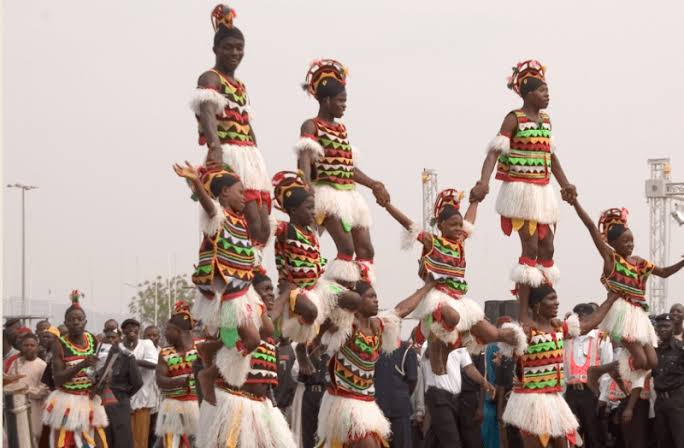
At the heart of Ezeagu’s cultural life are festivals and ceremonies. These events often align with agricultural cycles, celebrating planting, harvests, and other milestones in communal life. Music, dance e.g. Atilogwu, and storytelling are central to these occasions. Drums set the rhythm, dancers move with precision and energy, and elders narrate stories that connect the present to the past.
Traditional governance also plays a role in shaping culture. Village elders and community councils are respected authorities that guide families, resolve disputes, and oversee ceremonies. These roles reinforce communal values and emphasize respect, cooperation, and the importance of history in everyday life. Even as formal government structures have been introduced, these local systems continue to influence decision-making and social harmony.
Marriage, naming ceremonies, and rites of passage are other key aspects of life in Ezeagu. Weddings are often vibrant celebrations, combining traditional rites with modern practices. Children are welcomed into families through elaborate naming ceremonies where the ancestors are remembered and blessings offered for the future. These practices strengthen family bonds and reinforce the continuity of community traditions.
Craftsmanship and local arts are also important cultural markers. Residents of Ezeagu produce pottery, woven goods, and other crafts that reflect both functional needs and aesthetic sensibilities. These items are often displayed or sold at markets.
Religious life in Ezeagu blends Christianity with longstanding cultural values. Churches are central to spiritual life, even though traditional customs remain respected and practiced, particularly in ceremonies that honour ancestors or celebrate seasonal events. This balance of modern religion and heritage creates a unique cultural rhythm that defines the community.
Finally, storytelling remains a cornerstone of Ezeagu culture. Elders recount tales of ancestors, heroic deeds, migrations, and moral lessons. Children grow up listening to these narratives which teach values, explain origins, and foster a sense of belonging. Festivals, communal gatherings, and family meetings often serve as stages for these stories to ensure that culture is not static but continuously lived and shared.
In Ezeagu, culture is a living experience woven into daily life and community gatherings. It connects the people to their past, guides their present, and offers continuity for future generations.
Communities and Towns in Ezeagu
Ezeagu Local Government Area is made up of many towns and villages, each with its own character and history. Some of the larger and more well‑known communities include:
- Aguobu‑Owa (the headquarters)
- Agba‑Umana
- Aguobu‑Umuaji
- Aguobu‑Umumba
- Akama Oghe
- Amakwo Oghe
- Amansi‑Odo
- Awha Imezi
- Awha Ndiagu
- Iwollo
- Neke
- Obunofia‑Ndiagu
- Obunofia‑Ndiuno
- Okpogho
- Olo
- Oyofo
- And others.
Each of these places has families and lineages that remember how their community began. People from town to town share many traditions, and there are often strong ties between communities through marriage, market networks, and festivals.
Aguobu‑Owa, as the headquarters, includes smaller villages such as Umuaji, Umudim, and Ezema, each with its own local identity and stories.
Economy and Daily Life
Life in Ezeagu is closely connected to the land. The economy here is largely agricultural, with farming serving as both livelihood and lifestyle. Families cultivate crops such as yams, cassava, maize, rice, and vegetables which feed households and supply local markets. The fertile soil and favourable climate make the area ideal for agriculture, thus allowing generations to sustain themselves and contribute to the wider Enugu State economy.
Markets are at the heart of daily life in Ezeagu. They are not merely places for trade, they are social hubs where neighbours meet, families connect, and news travels. From the smell of fresh produce to the vibrant calls of traders, the markets are alive with colour, energy, and interaction. These hubs bring together buyers and sellers from different towns, thereby strengthening community bonds and supporting local livelihoods.
Beyond farming and trade, some residents engage in small-scale craftsmanship and services. Pottery, weaving, and carpentry are common, often reflecting local culture while providing practical goods for households. Others run small shops or provide transport and other services that support the daily rhythm of the community.
Daily life in Ezeagu is a balance of work, family, and social interaction. Children attend schools where education is valued as a path to future opportunity, while parents tend to fields, markets, and household responsibilities. Community life is intertwined with cultural practices. Festivals, naming ceremonies, and religious events punctuate the calendar in a way that give rhythm and meaning to everyday work.
Farming cycles also influence social life. The planting season is a period of preparation and communal effort, with neighbours helping one another in the fields. Harvest time brings celebration and communal feasts that reinforce the connection between labour, sustenance, and culture.
For visitors, the economy and daily life of Ezeagu offer a window into a community rooted in tradition, yet adapting to modern demands. It is a place where the land sustains families, markets connect people, and work and culture are inseparable.
Understanding the economy of Ezeagu means appreciating not only how people earn a living but also how their livelihoods shape their identity, relationships, and community bonds.
Tourism and Places of Interest

Ezeagu Waterfall
Ezeagu is not only a place of rich history and vibrant communities, it is also a region of natural beauty and cultural significance. Visitors to the area can explore scenic landscapes, serene waterfalls, and cultural landmarks that offer a glimpse into the life and traditions of the people.
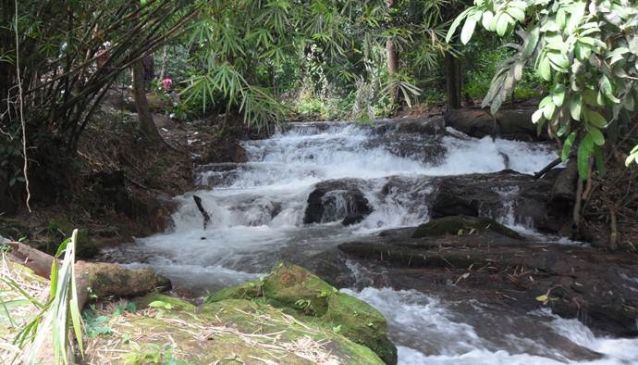
One of the most notable attractions in Ezeagu is the Ezeagu Tourist Complex, a natural site known for its waterfalls, streams, and lush greenery. The area provides a tranquil escape from urban life where visitors can enjoy picnics, photography, or simply relax while taking in the peaceful surroundings. The combination of flowing water, forested hills, and open spaces makes it a unique destination for nature lovers.
Another key site is the Okpoku Waterfall in Omughu. This waterfall is not just a natural wonder, it is also a place where families and communities gather during festivals or leisure outings. The cascading waters, combined with the surrounding greenery, create a serene atmosphere that draws visitors seeking both recreation and inspiration.
Ezeagu also offers cultural and historical experiences. Traditional festivals, ceremonies, and local markets provide visitors with a sense of community life. During festivals, music, dance, and storytelling bring the history of the community to life and make it possible to witness the heritage of Igbo people firsthand. Visitors can see artisans at work, taste local delicacies, and engage with residents who carry forward traditions passed down for generations.
The towns and villages themselves are part of the attraction. Places like Aguobu-Owa, Umuana, and Owo reflect the history, architecture, and lifestyle of the region. Walking through these communities gives a sense of continuity between the past and the present, and shows how Ezeagu balances cultural preservation with modern living.
For anyone interested in exploring southeastern Nigeria, Ezeagu offers a blend of natural beauty, cultural richness, and community warmth. Whether it is hiking to a waterfall, attending a traditional festival, or simply observing life in the villages, visitors leave with a deeper understanding of how the people live, celebrate, and honour their heritage.
Notable People from Ezeagu
- Mike Ejeagha – Folklorist, Musician, and Cultural Icon
Mike Ejeagha was a celebrated Nigerian musician, songwriter, and folklorist born in Imezi Owa, Ezeagu. Known as Gentleman Mike Ejeagha, he was an influential figure in the evolution of Igbo music and contributed hundreds of recordings that helped preserve traditional Igbo musical forms. His songs were written in Igbo and have been archived as part of Nigeria’s cultural heritage. - Chima Emmanuel Obieze – Politician and Lawyer
Chima Obieze is a Nigerian lawyer and politician from Akama-Oghe in Ezeagu who has served as a member of the Enugu State House of Assembly, representing the Ezeagu Constituency. His career in public service includes legislative work focused on youth and community development. - Sunday Cyriacus Umeha – Federal Lawmaker
Sunday C. Umeha is a Nigerian lawyer and politician born in Akama Oghe, Ezeagu, who serves in the House of Representatives for the Ezeagu/Udi Federal Constituency (10th National Assembly). He has held leadership roles on constitutional and justice committees. - Ben-Collins Ndu served as a Senator for Enugu West, representing that zone in Nigeria’s National Assembly. He hails from Ezeagu LGA, and has contributed to national politics and governance during his tenure.
These individuals highlight the diverse contributions of people from Ezeagu, from culture and music to law and national politics. Each has roots in the communities of Ezeagu and has played roles in shaping cultural heritage or public service both locally and nationally.
Challenges and Development
Like many rural areas in Nigeria, Ezeagu faces challenges that influence both daily life and long-term growth. Infrastructure, education, healthcare, and access to modern amenities remain areas where development can make a significant impact. Roads connecting towns and villages, for example, are crucial for trade, commuting, and access to schools and hospitals. While improvements have been made over the years, some areas still face difficulties with transportation, especially during the rainy season when unpaved roads become difficult to navigate.
Education is another area with ongoing opportunities for improvement. Ezeagu has primary and secondary schools that serve local children, and families value learning as a pathway to future success. However, resources such as classroom materials, libraries, and qualified teachers can, sometimes, be limited. Community leaders and government agencies continue to prioritize education, knowing that investment in young people today affects the future of the community.
Healthcare access is also a priority. Clinics and local health centres serve the population, though some residents still need to travel to larger towns for more advanced medical care. Public health campaigns and local initiatives help to address challenges such as malaria prevention, maternal health, and sanitation. But then, continued attention is essential.
Despite these challenges, development in Ezeagu is steadily progressing. Small businesses, trade, and agriculture continue to thrive and provide income and opportunities for residents. Local authorities work with communities to support initiatives that improve livelihoods, infrastructure, and quality of life. Technology and mobile connectivity are gradually becoming more accessible, thus linking the people of Ezeagu to broader economic and social networks.
Community spirit is a significant strength in Ezeagu. People often come together to support one another, whether it is in farming, building local facilities, or organizing festivals. This sense of collective responsibility helps to address challenges and encourages sustainable development from within the community.
In many ways, Ezeagu is a place balancing tradition and modernity; a place where cultural heritage continues to guide life even as residents pursue growth and progress. The challenges it faces are real. However, the determination, resilience, and resourcefulness of its people ensure that the community continues to move forward while preserving its identity.
In Conclusion …
Beyond being a Local Government Area in Enugu State, Ezeagu is a community where history, culture, and daily life come together to create a living story. From its early settlements and ancestral roots to its vibrant towns, villages, and markets, Ezeagu reflects the resilience, creativity, and unity of its people. Its landscapes, festivals, and traditions preserve the memory of generations and provide a foundation for the present and future.
The towns and communities are more than geographical locations. They are the heartbeats of culture, agriculture, trade, and family life. The rhythms of planting and harvest, the celebrations of festivals, and the wisdom of elders passing down stories all make Ezeagu a unique place where heritage and modern life coexist.
While challenges in infrastructure, education, and healthcare exist, the people of Ezeagu demonstrate remarkable resilience and determination. Community spirit, cultural pride, and a commitment to progress ensure that development continues while traditions remain honoured.
Understanding the history, origin, culture, and communities of Ezeaagu provides insight into a part of Enugu State that is both historically significant and vibrantly alive today. Whether through its natural beauty, rich traditions, or strong community bonds, Ezeagu stands as a testament to the enduring spirit of its people and the continuing story of the Igbo heritage in southeastern Nigeria.
References
- https://en.wikipedia.org/wiki/Ezeagu
- https://ezeagulocalgov.ng/
- https://enugustate.gov.ng/lgas/
- https://www.citypopulation.de/en/nigeria/admin/enugu/NGA014006__ezeagu/
- https://www.manpower.com.ng/places/lga/301/ezeagu
- https://www.openjournals.ijaar.org/index.php/oajssr/article/view/301
- https://uniprojectmaterials.com/education/art-as-a-vehicle-to-religous-education-in-enugu-state-a-case-study-of-ezeagu-local-government-area/
- https://web.facebook.com/igbohistoryTV.18.BC/posts/the-history-of-ezeaguhon-chima-e-obieze-wrote-this-very-detailed-history-few-yea/663173139175618/?_rdc=1&_rdr#
- https://www.emmason247.com.ng/blog/history-origin-culture-and-tradition-of-ezeagu-local-government-area-in-enugu-state/RDGeZbIDR
- https://www.manpower.com.ng/places/lga/301/ezeagu
- https://nnewicity.com/ezeagu-tourist-complex-tourism-in-nigeria/