





African Culture & Heritage
Ekpe Festival in Umuahia: History, Traditions, and Cultural Significance

Ekpe Festival celebrates the rich culture, rituals, and vibrant traditions of Umuahia, and offers visitors a unique glimpse into Igbo heritage and a living legacy that spans generations.
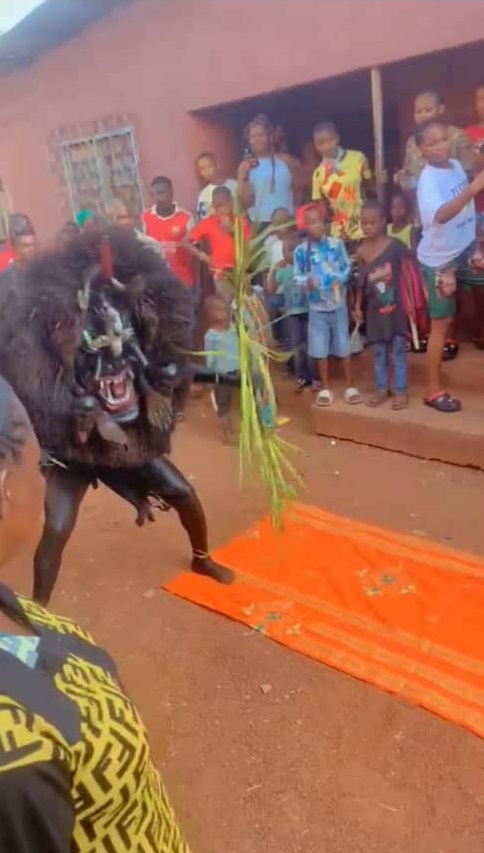
Umuahia takes on a unique rhythm whenever Ekpe Festival approaches. The air itself seems to shift. The streets grow busier. The steady pulse of drums rehearsing ancient rhythms fills the town. And conversations turn to stories passed down through generations.
For the people of Umuahia, Ekpe Festival is far more than a cultural event. It is a living bridge between the past and the present where history steps out of memory and walks among the living.
Rooted in ancestry, community, and identity, the festival brings together families across clans, villages, and generations. Elders, youths, visitors, and returnees gather in a shared celebration of heritage, expressed through masquerades, music, dance, and symbolic rituals. Each movement, each beat, and every elaborate costume tells a story, one shaped by time, belief, and the collective experiences of a people.
While Ekpe traditions are celebrated across southeastern Nigeria and even influence cultures beyond the region, Umuahia’s festival carries a distinct character. Here, Ekpe reflects the local history, social values, and communal structures while maintaining connections to neighbouring Igbo communities and the Efik traditions of Cross River State. This blend of the local and the wider cultural landscape gives Ekpe Festival in Umuahia its enduring vitality and relevance.
This article dives deep into Ekpe Festival of Umuahia along its history, rituals, traditions, and cultural significance, highlighting how a living tradition continues to define identity, preserve heritage, and unite people today, even as it remains part of the broader story of the rich cultural tapestry of southern Nigeria.
What Is Ekpe Festival?
Ekpe Festival is one of the most enduring cultural traditions in Umuahia born from the rhythm of history, belief, and communal life. It is a masquerade festival rooted in ancestral reverence and social order where culture is expressed not through words alone but through movement, sound, and ritual. In Umuahia, Ekpe is not treated as entertainment. It is respected as a living institution that carries meaning for the people who uphold it.
At the heart of Ekpe Festival in Umuahia is the Ekpe masquerade believed to represent ancestral spirits and moral authority. Its appearance signals more than celebration. It reflects continuity between the past and the present, and reminds the community of shared values, discipline, and identity. Drumming, chants, and carefully coordinated dances guide the movement of the masquerade, with each rhythm shaped by long-held tradition.
Historically, Ekpe Festival is linked to the wider Ekpe institution found across parts of southeastern Nigeria and the Cross River region. Through trade, migration, and cultural exchange, Ekpe tradition spread and took on local character in different communities. In Umuahia, it evolved in ways that align with Igbo social structure as it preserves core symbolic meanings shared with neighbouring cultures.
Today, Ekpe Festival in Umuahia serves many purposes at once. It marks seasonal cycles, strengthens communal bonds, honours the ancestors, and offers a moment for collective reflection. Families return home, disputes are eased, and the community gathers in recognition of a tradition that continues to define who they are.
The Roots of Ekpe Festival in Umuahia
Ekpe Festival in Umuahia did not just appear, its roots run deep into the history of the land and the movement of people, ideas, and traditions across southeastern Nigeria. Long before modern boundaries, Umuahia and its surrounding communities were part of active networks of trade and cultural exchange. Through these interactions, the Ekpe tradition found its way into Umuahia where it was adopted, adapted, and woven into local life.
Oral histories in Umuahia trace the presence of Ekpe to periods when contact with neighbouring communities, including areas linked to the Efik and other eastern groups influenced social institutions. Over time, what arrived as an external influence was redefined by Igbo customs, beliefs, and leadership structures. In Umuahia, Ekpe became firmly rooted in community life, and reflects local values, while it retains its deeper symbolic meaning.
Within Umuahia, different clans and villages embraced Ekpe Festival as part of their cultural calendar. Communities such as Ohuhu, Ibeku, Ossah, and surrounding areas developed their own expressions of the festival, guided by the elders and custodians of tradition. These local variations strengthened the sense of ownership and ensured that the festival spoke directly to the lived experience of the people.
The timing of Ekpe Festival in Umuahia also carries meaning. It is often held at the beginning of the year, a period associated with renewal, reflection, and fresh beginnings. This timing reinforces the its role as a cultural reset, a moment when families return home, relationships are renewed, and the community gathers to affirm shared history and identity.
Through generations, Ekpe Festival has remained rooted in Umuahia because it continues to serve a purpose. It preserves memory, reinforces unity, and provides a cultural anchor in changing times. What began as a borrowed tradition has become a defining part of Umuahia’s story, passed down not through books but through lived experience and communal participation.
Key Traditions and Rituals in the Festival

Ekpe Festival in Umuahia is formed by traditions that have been preserved through careful practice and communal respect. Each ritual follows a familiar rhythm, known to elders and anticipated by the wider community. Together, these traditions create a shared experience that blends spirituality, history, and celebration.
One of the most central traditions is the appearance of the Ekpe masquerade. Its entrance is never casual. The masquerade emerges to the sound of drums, chants, and wooden gongs that announce its presence before it is fully seen. In Umuahia, the Ekpe masquerade is understood as a symbolic link to the ancestors.
Its movements are deliberate, its steps measured, and its performance guided by rules that have been passed down over generations. Spectators do not only watch, they respond with respect, songs, and gestures that show recognition of its cultural authority.
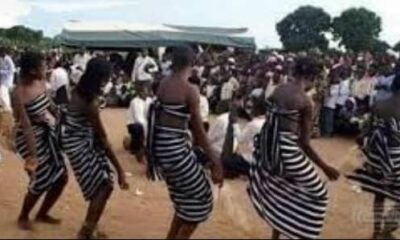
Music and drumming play a vital role throughout the festival. Traditional instruments set the pace for every activity, from the masquerade’s movement to the communal dances that follow. In Umuahia, specific drum patterns signal different moments of the festival, whether it is the arrival of the masquerade, the gathering of elders, or the transition into open celebration. These rhythms are not improvised, they are learned, remembered, and repeated as part of cultural education.
Ritual acts carried out during Ekpe Festival often symbolize renewal and victory. Central to Ekpe Festival are rituals that honour the ancestors and the spiritual world. Among these is the traditional animal sacrifice, usually of a goat or similar livestock which symbolizes offerings to ancestral spirits and is performed by designated elders of the community. These sacrifices are deeply symbolic because they represent purification, gratitude, and the reaffirmation of social bonds.
It’s important to note that such rituals are conducted according to long-established customs, often within specific sacred spaces, and are carried out with respect and solemnity. They are not acts of violence for entertainment but rather integral components of a spiritual and cultural framework that has been maintained for generations.
The festival also emphasizes communal participation. Families gather in shared spaces, visitors are welcomed, and food is prepared in abundance. Elders use the occasion to pass down stories, settle misunderstandings, and reinforce values such as respect, unity, and responsibility. This way, Ekpe Festival in Umuahia goes beyond being a ritual event to become a living classroom where culture is practiced, not explained.
Through these traditions and rituals, Ekpe Festival anchors Umuahia to its past while it remains meaningful in the present. Each year, the familiar patterns return, carrying with them memory, belonging, and a renewed sense of community.
Cultural Significance of Ekpe Festival
Ekpe Festival holds deep cultural meaning in Umuahia. Beyond the colour, music, and public celebration, it serves as a powerful expression of identity, memory, and shared values. For the people of Umuahia, the festival is one of the ways culture is kept alive, not as history locked in the past but as a practice that continues to define everyday life.
At its core, Ekpe Festival reinforces a sense of belonging. It reminds individuals of their place within the larger community and their connection to those who came before them. Through the masquerade, music, and ritual observances, Umuahia acknowledges ancestral presence and affirms continuity between generations. This connection strengthens communal identity and gives cultural meaning to the present.
The festival also plays an important role in preserving traditional knowledge. Songs, drum patterns, dance steps, and ceremonial practices are passed from elders to younger participants during the festival period. In Umuahia, this transfer of knowledge happens naturally through observation and participation, and ensures that cultural skills and values are not lost over time.
Social unity is another key aspect of the significance of Ekpe festival. The gathering of families, returnees, and visitors creates space for reconciliation, dialogue, and renewed relationships. Disputes are often set aside, and communal harmony is encouraged. By so doing, Ekpe Festival in Umuahia supports social balance and reinforces respect for shared norms.
The festival also serves as a symbol of cultural resilience. In the face of modern pressures and changing lifestyles, the continued celebration of Ekpe reflects Umuahia’s commitment to preserving its heritage. It stands as a reminder that tradition and modern life can coexist, with culture providing a stable foundation for identity and pride.
Through these roles, Ekpe Festival remains an essential part of Umuahia cultural landscape. It is not simply a celebration held once a year. It is a cultural anchor that continues to define who the people are, where they come from, and how they remain connected as a community.
Challenges and Changing Times
Like many longstanding cultural traditions, Ekpe Festival in Umuahia faces challenges as modern life changes the way people live, work, and interact. While the festival remains a source of pride, organizers and community leaders must balance the desire to preserve tradition with the realities of safety, urban growth, and evolving social norms.
One of the main challenges comes from public safety concerns. In some areas, certain aspects of the festival such as the movement of masked performers through crowded streets or ritual practices involving symbolic sacrifices have raised questions about potential accidents or misunderstandings. Local authorities, sometimes, intervene to ensure that celebrations do not put participants or spectators at risk.
Another factor is urbanization and lifestyle changes. Many young people in Umuahia now live, work, or study in cities outside the community which makes it harder for them to participate fully in the festival. The pace of modern life also means that traditional preparations which once took weeks or months are sometimes condensed or simplified, thereby affecting the original structure of the festival.
Cultural adaptation is also a point of discussion. Some elders worry that exposure to external influences such as the media, tourism, and globalization may dilute traditional practices or lead to misrepresentation. At the same time, these influences provide opportunities to showcase Umuahia’s heritage to a wider audience and to attract interest in cultural tourism.
Despite these challenges, the people of Umuahia remain committed to keeping Ekpe Festival alive. Communities, elders, and local authorities work together to adapt practices where necessary, and ensure that the festival remains safe, relevant, and meaningful. These efforts demonstrate that tradition can endure even in changing times, provided there is respect, planning, and community engagement.
As such, Ekpe Festival serves as both a cultural anchor and a living tradition, one that evolves without losing the essence of what makes it uniquely Umuahia.
Ekpe Festival and Tourism
Ekpe Festival is more than just a local celebration, it is a cultural experience that draws visitors from across Nigeria and even beyond. Tourists, researchers, and cultural enthusiasts often time their visits to Umuahia to witness the vibrant ceremonies of the festival, colorful masquerades, and traditional dances.
The festival provides a unique window into the history, beliefs, and artistic expressions of the people, and offers something for everyone, from history buffs to photographers, from food lovers to those simply seeking an authentic cultural encounter.
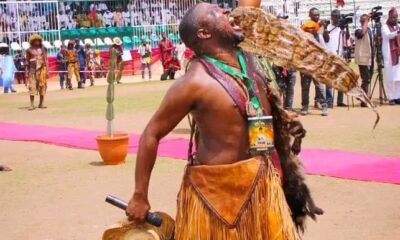
For many visitors, the highlight is the Ekpe masquerade procession where men adorned in intricate masks and traditional attire perform synchronized dances that have been passed down through generations. Each movement, costume, and drumbeat tells a story that captures the imagination of audiences unfamiliar with the depth of Igbo tradition.
Local tourism businesses also benefit greatly during this period. Hotels, restaurants, and craft markets see increased activity as attendees seek accommodations, local cuisine, and souvenirs. Artisans sell handmade masks, traditional fabrics, and carvings, thus allowing visitors to take a piece of the festival’s heritage home with them.
Moreover, the festival serves as a platform for cultural exchange. Schools, travel groups, and international tourists often participate to learn firsthand about Igbo customs, moral codes, and communal values. It also provides an opportunity for the younger generation to engage with their heritage, thereby ensuring that the traditions of Ekpe Festival are preserved and celebrated in modern times.
With careful planning and promotion, Ekpe Festival has the potential to become a major cultural tourism attraction in Abia State. By combining tradition with tourism, Umuahia can showcase its rich heritage while contributing to local economic development.
Visitors leave from the festival not only with memories of mesmerizing performances but also with a deeper understanding of the resilience and creativity of the people behind this centuries-old festival.
Ekpe Beyond Umuahia
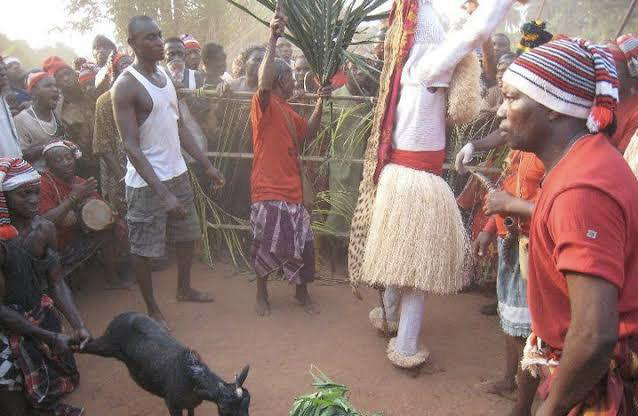
While Umuahia hosts one of the most celebrated Ekpe festivals, the tradition extends far beyond its borders. The Ekpe society and its cultural practices are a cornerstone of Igbo and southeastern Nigerian heritage, with roots in neighbouring towns and states such as Abia, Imo, Cross River, and Akwa Ibom. Each community adds its unique flavour, rituals, and interpretations, thereby creating a rich tapestry of shared heritage that connects people across regions.
In places like Calabar, the Ekpe society has taken on a broader social and political role over the centuries. Here, Ekpe was historically tied to governance and community law enforcement, and the festival served as a public display of power, tradition, and moral authority. Even today, visitors to these areas can witness Ekpe masquerades that resemble those in Umuahia but with distinct local variations in music, costume, and ceremony.
The influence of Ekpe has also travelled beyond the borders of Nigeria. The society’s traditions played a historical role in the transatlantic cultural exchange that influenced Afro-Caribbean communities, especially in places like Cuba and Brazil. Scholars and anthropologists trace certain masquerade styles, symbols, and rituals in these regions back to the Ekpe societies of southeastern Nigeria. This highlights its global cultural impact.
For tourists, researchers, or anyone interested in African heritage, exploring Ekpe beyond Umuahia offers a chance to see how a single cultural institution can evolve, adapt, and inspire across time and space. It’s a reminder that while the festival is deeply rooted in local identity, its reach and significance extend far wider than any one town, and connect communities through shared history, values, and artistic expression.
In Conclusion …
Ekpe Festival of Umuahia is a colourful celebration that attests to the resilience, creativity, and unity of the Igbo people. Through its rituals, masquerades, and communal gatherings, the festival preserves centuries-old traditions while inviting new generations to engage with their heritage. It is a reminder that culture is not static, rather, it thrives, evolves, and adapts, even as it continues to carry the stories, values, and identity of a people.
Today, Ekpe Festival bridges the past and the present. For locals, it is a moment to honour the ancestors, reaffirm community bonds, and celebrate shared identity. For visitors, it is an immersive experience that offers a window into a world where art, music, dance, and spirituality converge. From Umuahia to neighbouring towns and even across continents, Ekpe continues to inspire, educate, and connect people through its enduring legacy.
In a rapidly changing world, the festival stands as a living heritage, a vibrant reminder that cultural traditions can coexist with modern life while enriching communities, promoting tourism, and fostering pride.
Experiencing Ekpe Festival is not just witnessing a performance, it is participating in a story that has been centuries in the making, one that continues to define the identity and spirit of Umuahia and Igbo people today.
References
- https://en.wikipedia.org/wiki/Ekpe
- https://nico.gov.ng/ekpe-festival/
- https://voiceofariamusakafoundation.org/ekpe-festival/
- https://menoflight.com/2024/01/11/afugiri-ohuhu-umuahia-north-local-government-area-of-abia-state-made-a-massive-history-in-their-2024-ekpe-masquerade-festival/
- https://thecommunitynewshub.com.ng/umuahia-south-mayor-moves-on-erosion-threat-suspends-igba-ekpe-festival-amid-security-concerns/
- https://ozikoro.com/the-ekpe-festival-of-umuahia-a-vibrant-celebration-of-igbo-culture-and-ancestral-legacy/
- https://orivvio.com/
- https://nnewicity.com/umuahia-history-culture-hidden-gems/