

Nigerian Ethnic Groups
The Gbagyi People: Complete History, Culture, and Traditions of Central Nigeria’s Indigenous Community

Gbagyi people are one of Nigeria’s oldest indigenous communities. Discover their history, language, culture, traditions, festivals, and modern identity in this detailed guide.
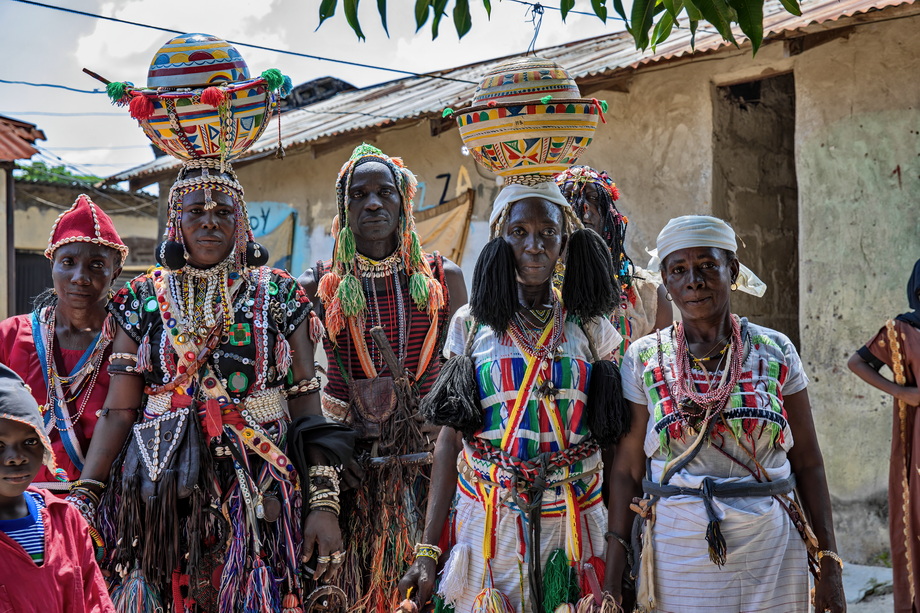
The Gbagyi people are one of Nigeria’s most significant indigenous ethnic groups. They have deep roots in central Nigeria and are especially associated with the land that is now the Federal Capital Territory. Their story is one of tradition, resilience, creativity, and adaptation.
Situated in the heart of central Nigeria, the Gbagyi people carry a legacy that stretches back centuries. Long before Abuja became the capital of Nigeria, the Gbagyi had already made these lands their home, farming fertile fields, crafting clay pottery, and weaving rich stories into every aspect of daily life. Their language, traditions, and community values have endured through waves of change, from colonial influence to the rapid urban growth that reshaped their settlements.
To meet the Gbagyi is to witness a culture rooted in patience, creativity, and unity. Every festival, every song, every handcrafted item tells a story of a people who honour their past as they navigate the present.
In this article, we journey through their history, explore their unique social structure, delve into their spiritual life, and uncover the customs that define the Gbagyi people today. From the rhythms of their traditional dances to the artistry of their crafts, we offer a complete look at one of Nigeria’s most remarkable indigenous communities.
Who Are the Gbagyi People?
The Gbagyi people are one of central Nigeria’s oldest indigenous communities with a presence that predates the establishment of Abuja and many surrounding towns. They are majorly found in the Federal Capital Territory, Niger, Kaduna, Nasarawa, and Kogi States. Across these regions, the Gbagyi people are known for their peaceful demeanour, agricultural expertise, and close-knit community life.
The identity of the Gbagyi people is deeply tied to their language which serves as both a marker of belonging and a repository of their history. Their language which is often referred to as Gbagyi or Gbari belongs to the Nupoid branch of the Niger-Congo family. Despite regional variations, the language unites the Gbagyi people across multiple states, and connects the communities that share similar traditions, rituals, and cultural expressions.
Beyond geography and language, the Gbagyi people maintain a strong sense of heritage. Family, respect for elders, and communal cooperation remain central to daily life. Villages are structured around extended family units, and local leadership often falls to the elders who guide decision-making and ensure harmony within the community.
Historically, the Gbagyi were among the earliest settlers in the area that is now Nigeria’s Federal Capital Territory. They farmed the land, raised livestock, and developed skills in pottery and other crafts that would become hallmarks of their culture. Their settlements were typically located on high ground, and chosen for both strategic and spiritual reasons. This careful attention to environment and community organization highlights the Gbagyi people’s long-standing connection to their land and traditions.
Through centuries of change, including the rise of cities and migration of neighbouring peoples, the Gbagyi people have maintained a clear sense of identity. They are recognized not only for their historical presence but also for their contributions to Nigeria’s cultural landscape. Today, they remain a vibrant, resilient community that is balancing tradition with the demands of modern life.
Origins and Early History
The story of the Gbagyi people started long before modern maps marked central Nigeria. Oral tradition preserved through generations tells of the early communities that settled in the rolling hills and fertile plains of what is now the Federal Capital Territory, Niger, Kaduna, and Nasarawa States. These early Gbagyi settlers carefully chose high ground for safety, fertile soil for farming, and locations near water sources.
Historians and anthropologists have traced the roots of the Gbagyi people to ancient migrations within central Nigeria. While exact dates are difficult to confirm, their settlement patterns suggest a long-standing presence in the region. Over time, they interacted with neighbouring groups such as the Nupe, Ebira, and Igala. These interactions influenced trade, cultural exchange, and social relationships and helped the Gbagyi maintain a distinct identity.
Archaeological and historical studies indicate that the Gbagyi people developed expertise in farming, pottery, and ironworking early in their history. Farming was not only a means of survival but a way to structure social life. Communities would come together for planting and harvesting with the aim of reinforcing bonds and ensuring that knowledge is passed smoothly from one generation to the next.
Pottery became an essential craft that provided durable tools for daily life and artistic expression. These crafts which are still practiced today connect the modern Gbagyi communities to their ancestors.
The Gbagyi people also have rich oral histories that explain their connection to the land and their spiritual worldview. Stories often describe the founders or ancestral figures who guided their early settlements and established codes of conduct that emphasized respect, cooperation, and a deep bond with nature. These narratives remain a key part of their cultural identity passed down during festivals, family gatherings, and rites of passage.
Despite pressures from colonial administration, migration, and urbanization, the Gbagyi people maintained their cultural structures and settlement patterns. They were among the first communities to inhabit areas later designated for development, including the site of Nigeria’s capital. This historical presence validates their claim as one of the oldest indigenous groups in central Nigeria with deep ties to the land and an enduring cultural footprint.
Understanding the origins and early history of the Gbagyi people is essential to appreciating their role in the cultural and social landscape of Nigeria. It reveals a community defined by geography, resourcefulness, and careful stewardship of both the land and tradition. A people whose past continues to inform their present identity.
Language of the Gbagyi People
Language plays a key role in the identity of the Gbagyi people. Their language which is known as Gbagyi or sometimes Gbari is part of the Nupoid branch of the Niger-Congo family, one of the largest language families in Africa. It connects communities across central Nigeria, including the Federal Capital Territory, Niger, Kaduna, and Nasarawa States. The language carries the history, values, and worldview of the Gbagyi people.
There are two main forms of the language often referred to as Eastern Gbagyi and Western Gbari. While these forms have slight differences in pronunciation and vocabulary, the speakers can generally understand each other. This linguistic diversity reflects the geographic spread of the community and the subtle variations in culture and local traditions.
Traditionally, the Gbagyi language has been passed down orally. Stories, songs, proverbs, and historical narratives are shared in the native tongue, and serve both as entertainment and as a tool for education. The elders play a central role in teaching the younger ones the language as a way of ensuring that cultural knowledge remains alive. Oral storytelling is particularly valued, with tales often illustrating lessons about morality, community, and respect for nature.
In modern times, the Gbagyi language faces challenges common to many indigenous languages. Urbanization, formal education, and the influence of English, Hausa, and other regional languages have reduced the daily use of Gbagyi in some areas. Nevertheless, there are ongoing efforts to preserve the language, and that includes teaching it in schools, documentation by linguists, and promotion in cultural programmes.
Learning and speaking the Gbagyi language is a way for individuals to connect to their roots. For the community, it strengthens identity and unity. The songs sung at festivals, market exchanges, and greetings between neighbours all reflect the role of the language in daily life. Each phrase carries not only meaning but also the weight of generations of Gbagyi heritage.
In essence, the Gbagyi language is a living record of the people’s past, a bridge that links generations, and a defining element of cultural pride. Preserving it ensures that the history, stories, and worldview of the Gbagyi people continue to thrive in an ever-changing world.
Social Structure and Community Life

The Gbagyi people have a social system built on family, respect, and community. At the foundation of their society is the extended family which forms the base of daily life, decision-making, and cultural continuity. Families are often organized in compounds where multiple generations live together, share responsibilities, and support one another. This structure fosters strong bonds and ensures that knowledge, traditions, and skills are passed from the elders to the younger members.
Leadership in Gbagyi communities is traditionally held by the elders who command respect and guide communal affairs. Villages may be led by a chief or headman sometimes known as an Esu or Osu who mediates disputes, organizes communal labour, and oversees ceremonies. These leaders are chosen based on wisdom, experience, and integrity rather than wealth or personal power. Their guidance is central to maintaining harmony within the village and preserving cultural practices.
The Gbagyi people place high value on cooperation and shared responsibility. Farming which remains a central occupation, is often done collectively. During planting and harvest seasons, the community members come together to work on each other’s fields with the goal of ensuring that everyone benefits and no family is left unsupported. These cooperative efforts strengthen social bonds and reinforce a sense of unity and mutual care.
Marriage and kinship also reflect the Gbagyi people’s social values. Families play a key role in arranging marriages, and the community elders often participate in negotiations and ceremonies. Traditional marriage customs emphasize commitment, respect for families, and the integration of the couple into the larger community. These customs, while adapted over time, continue to influence how relationships are formed and maintained.
Children grow up within this communal framework learning responsibility, respect, and social skills through observation and participation. The elders teach them not only practical skills like farming and crafting but also the values that define Gbagyi culture, including honesty, hospitality, and community-mindedness.
The Gbagyi people’s social life is also captured in their festivals and cultural gatherings. These events bring entire communities together to celebrate harvests, honour the ancestors, and mark important life milestones. Music, dance, and oral storytelling are central to these gatherings as they create spaces where culture is not only preserved but actively lived.
In modern times, urbanization and migration have influenced Gbagyi social life. But then, the core values remain. Even in cities, many Gbagyi families maintain close connections to their ancestral villages by visiting regularly for ceremonies or consulting the elders on important decisions. This mix of tradition and adaptation demonstrates the resilience of the Gbagyi social system.
The social structure of the Gbagyi people shows a careful balance between individual responsibility and community welfare. It is a system where family, leadership, and collective life work together to sustain cultural continuity and provide a foundation for generations to thrive.
Religion and Spiritual Beliefs
Spiritual life has always been central to the Gbagyi people. Traditionally, they believed in a supreme being who created the world and governs the universe, alongside a host of ancestral and natural spirits that influence everyday life. These beliefs guided farming, marriage, conflict resolution, and community ceremonies, and created a deep connection between the people, nature, and the unseen world.
The Gbagyi people traditionally honoured their ancestors as guardians of the family and the community. Rituals and offerings were performed to seek guidance, protection, and blessings from them. Certain natural sites such as hills, rivers, and sacred groves were considered spiritually significant and served as places for prayer, meditation, or communal rituals. These practices reflected the Gbagyi people’s belief that life is interconnected with nature and the spiritual realm.
Festivals and cultural ceremonies often revolved around spiritual life. Harvest festivals, initiation rites, and communal celebrations were times to honour both the ancestors and the forces believed to influence crop yields, health, and prosperity. Music, dance, and storytelling played a key role in these events, thereby making spiritual practice an immersive and communal experience.
With the arrival of Islam and Christianity in central Nigeria during the 19th and 20th centuries, many Gbagyi people adopted these religions. Missionaries and traders introduced Christianity, while neighbouring communities influenced the spread of Islam. Today, the Gbagyi people are religiously diverse, with some practicing Christianity, Islam, or traditional beliefs. In many cases, traditional practices are mixed with modern religions to create a unique spiritual exposure that respects both heritage and faith.
Religion and spiritual beliefs continue to influence the Gbagyi identity. Even in urban areas, families often maintain traditional rituals alongside modern religious practices. This dual approach allows the Gbagyi people to honour their ancestry while participating in contemporary society.
The spiritual life of the Gbagyi people shows a profound respect for history, community, and the natural world. It is a spectacular element of their culture that shapes moral values, social interactions, and a sense of belonging that has endured across generations.
Culture, Traditions, and Festivals

The Gbagyi people have a culture that is both lively and deeply rooted in centuries of history. Their traditions are evident in the way they live, celebrate, and express themselves through art, music, and daily practices. For the Gbagyi, culture is not just about ceremonies, it is woven into everyday life, from farming and cooking to storytelling and craftsmanship.
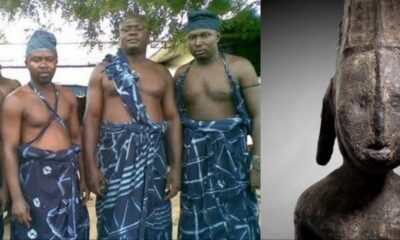
Clothing among the Gbagyi people reflects identity, artistry, and practicality. Traditional fabrics which are often handwoven or tie-dyed are worn during special occasions and cultural ceremonies. These garments signify status, community belonging, and respect for cultural heritage.
Craftsmanship is another marker of Gbagyi culture. Pottery is particularly significant, and the techniques are passed down for generations. Pots, bowls, and decorative items are made with skill and care to blend functionality with artistry. These crafts are often showcased during cultural events to serve as a visual representation of the Gbagyi’s creativity and heritage.
Music and dance are also central to Gbagyi culture. Drums, flutes, and other traditional instruments accompany dances that mark harvests, weddings, and festivals. Movement and rhythm are not only forms of entertainment but also a way to communicate stories, celebrate the ancestors, and teach values to the younger ones.
Gbagyi people also value storytelling so highly. The elders recount tales that teach morals, preserve history, and entertain. These narratives often include lessons about community responsibility, respect, and the balance between humans and nature. Storytelling events are communal as it is a way of bringing neighbours together and creating bonds across generations.
Festivals form the heartbeat of Gbagyi cultural life. Harvest festivals are particularly important in marking the end of the planting season and giving thanks for a bountiful yield. During these celebrations, communities gather for singing, dancing, and feasting. Rituals may include offerings to the ancestors or local spirits which is a reflection of the mixing of tradition and spirituality that defines Gbagyi life.
Weddings and initiation ceremonies also feature prominently. They are not just personal milestones but communal events, reinforcing social cohesion. Traditional marriage ceremonies involve family negotiations, symbolic acts, and community participation to ensure that the values of unity, respect, and mutual responsibility are honoured.
Gbagyi cuisine reflects the resources of central Nigeria and traditional agricultural practices. Staples such as yams, millet, maize, and groundnuts form the basis of meals. Cooking methods are passed down, and communal preparation for festivals or important events strengthens social bonds.
The daily life among the Gbagyi people combines work, social interaction, and cultural expression. Even routine activities like farming, hunting, or pottery are opportunities to reinforce traditions and pass on knowledge. This approach keeps culture alive in ways that are practical, lived, and continuously relevant.
The Gbagyi people show through their culture, traditions, and festivals how deeply human life, history, and identity can be intertwined. Their celebrations, crafts, music, and daily practices provide a window into a community that values creativity, cooperation, and a strong connection to the past, even as they engage with the present.
Economy and Livelihood
The Gbagyi people have long been known for their resourcefulness and connection to the land. Agriculture forms the backbone of their economy. For generations, Gbagyi farmers have cultivated crops such as yams, maize, millet, and groundnuts. These staples feed families, sustain villages, and create opportunities for trade with neighbouring communities. For the people, farming is not just a way to survive, it is a social activity that strengthens bonds between families and villages.
Beyond farming, the Gbagyi people have traditionally excelled in craftsmanship. Pottery is one of their most recognized skills. They make clay pots, cooking vessels, and decorative items for practical use and ceremonial purposes. These crafts are often passed down through generations, and some pieces have become sought-after symbols of Nigerian cultural heritage. Blacksmithing, weaving, and woodworking have also been important trades that contribute to local economies and daily life.
In modern times, the Gbagyi people have expanded into other forms of livelihood. Many have moved into urban areas, particularly Abuja, to pursue employment in education, business, and civil service. Despite this shift, traditional occupations remain valued, and many urban Gbagyi families maintain farms or crafts in their ancestral villages. This combination of tradition and adaptation portrays the community’s resilience and ability to thrive under changing circumstances.
Women play a crucial role in the Gbagyi economy. They are active participants in farming, market trade, and craft production. Their contributions ensure household stability and community welfare. Markets often serve as social and economic hubs where Gbagyi people trade crops, handmade goods, and other essentials.
Trade has always been a part of Gbagyi life. Local markets and interactions with neighbouring communities allow for the exchange of goods, ideas, and cultural practices. These interactions not only support livelihoods but also strengthen regional relationships and cultural ties.
The economic life of the Gbagyi people illustrates a careful balance between tradition and modernity. Farming, craftsmanship, and trade connect them to their heritage while urban employment and education provide opportunities for growth and development.
Through these activities, they continue to sustain their communities, preserve cultural practices, and contribute meaningfully to the broader economy of Nigeria.
Marriage and Social Customs
Marriage among the Gbagyi people is both a family and community affair. Traditionally, families are deeply involved in selecting partners and negotiating marriage terms. The elders guide discussions to ensure respect, fairness, and alignment with cultural values.
Customs often include symbolic acts such as offering gifts or serving the bride’s family which show commitment and respect. Ceremonies bring the wider community together, and feature music, dance, and traditional attire. These celebrations are not only about union but also about strengthening social bonds and cultural identity.
Beyond weddings, the Gbagyi people maintain other social customs, including rites of passage and communal gatherings. These practices teach the younger members responsibility, respect for elders, and the importance of community participation.
Marriage and social customs among the Gbagyi people remain central to preserving culture, strengthening relationships, and connecting individuals to their heritage.
Notable Gbagyi People
The Gbagyi people have contributed to Nigeria’s cultural, artistic, and social landscape through remarkable individuals. Among the most celebrated is Ladi Kwali, a master potter whose work gained national and international recognition. Her artistry became so iconic that she is featured on Nigeria’s 20-naira note as a symbol of both cultural heritage and creative excellence.
Other notable Gbagyi figures have emerged in academia, public service, and the arts as a reflection of the emphasis the community places on education, craftsmanship, and civic responsibility. These individuals help to preserve and promote Gbagyi culture while influencing Nigeria’s broader society.
Through their achievements, the Gbagyi people demonstrate how a strong connection to heritage can inspire excellence and recognition on local, national, and international levels.
Contemporary Issues and Identity
The Gbagyi people face a mix of opportunities and challenges in today’s Nigeria. The rapid urban growth of Abuja which sits on their ancestral land has led to relocations and changes in traditional settlement patterns. Many families were moved from the villages they had inhabited for generations. This has created both social and emotional challenges while also exposing them to modern urban life.
Urbanization and modernization have also influenced language use, cultural practices, and livelihood. The younger members of the communities often balance traditional customs with education, professional careers, and city living. Despite these pressures, many Gbagyi people maintain strong ties to their heritage by returning to the villages for festivals, ceremonies, and family gatherings.
Efforts to preserve identity include promoting the Gbagyi language, sustaining traditional crafts, and documenting cultural history. Community leaders and scholars emphasize the importance of heritage education as a way of ensuring that values, stories, and practices continue to grow.
Through adaptation and resilience, the Gbagyi people prove that it is possible to engage with modern society, even as they remain deeply connected to culture and tradition. Their story is one of survival, pride, and a continuous effort to define identity in a changing world.
In Conclusion …
The Gbagyi people are a remarkable community whose history, culture, and traditions have influenced central Nigeria for centuries. From their early settlements on fertile plains to the rise of the modern cities on their ancestral lands, they have maintained a deep connection to their heritage. Their language, crafts, festivals, and social structures project a people who value family, community, and creativity.
Despite the challenges brought by urbanization, migration, and modernization, the Gbagyi people still honour their past as they navigate the present. Their resilience is visible in the preservation of their language, the continuation of traditional crafts, and the communal celebrations that bring generations together. Notable individuals like Ladi Kwali highlight how Gbagyi heritage can inspire excellence that resonates nationally and internationally.
To perfectly understand the Gbagyi people is to appreciate the balance between tradition and modern life, community and individuality, and history and progress. They offer a living example of how culture endures, adapts, and blooms. By celebrating their story, we recognize not just a group of people but a lively, enduring part of Nigeria’s identity.
References
- https://en.wikipedia.org/wiki/Gbagyi_people
- https://www.101lasttribes.com/tribes/gwari.html
- https://www.pulse.ng/story/gbagyi-people-the-real-owners-of-abuja-2024073120105116365
- https://en.wikipedia.org/wiki/Gwari_language
- https://dbs.org/en/research/languages/gbr/
You might want to check this out …