






Nigerian Ethnic Groups
The Efik People of Nigeria: Untold Stories and Rich Cultural Traditions

Efik people are a historic ethnic group in Nigeria known for their vibrant cultural traditions, important trade history, unique language, secret societies, and lively festivals that shape everyday life in Cross River State.
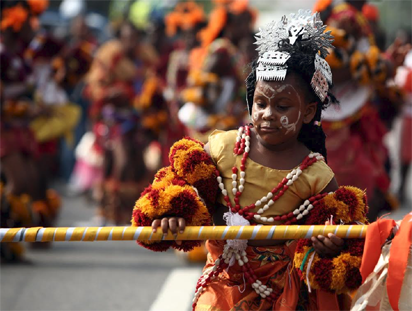
The Efik people of Nigeria are a peculiar community with a history that stretches back centuries along the banks of the Cross River. Their story is one of resilience, trade, and cultural richness, a tale told in festivals, songs, and the rhythms of daily life. From the bustling markets in Calabar to the quiet waters where their ancestors fished, the Efik have built a society that combines tradition and adaptation in fascinating ways.
Known for their intricate social structures and unique language, the Efik people played a central role in trade networks that connected West Africa to the wider world. Their culture is alive in the music that fills their festival squares, in the dances that mimic the flow of rivers, and in the culinary delights that bring families together. Yet beyond the pageantry, there are untold stories of the wisdom of secret societies, the lessons of the fattening rooms, and the enduring values passed from one generation to the next.
This article invites you to explore the Efik people along the lines of their history, their traditions, and the everyday life that keeps their culture alive. You will journey through the past and the present to meet the people who have nurtured one of Nigeria’s most celebrated cultures, and discover why their heritage stimulates admiration today.
Who Are the Efik People?
The Efik people are one of Nigeria’s most interesting ethnic groups known for their rich culture, lively traditions, and long history in Cross River in the southern part of the country. They are primarily concentrated in Calabar and surrounding towns in Cross River State but their influence spreads across neighbouring areas, including parts of Akwa Ibom State. Their communities are often located near rivers and creeks to reflect a lifestyle closely connected to water and trade.
Historically, the Efik people are believed to have migrated from the interior regions toward the coastal areas centuries ago, and have settled along the riverbanks to take advantage of fishing, farming, and trade. Over time, these settlements grew into organized towns such as Duke Town, Creek Town, and Henshaw Town which became centres of commerce and social life.
Language is a key part of Efik identity. The Efik language known as Usem Efịk is a member of the Lower Cross group of the Niger-Congo language family. It is closely related to the languages of neighbouring groups such as the Ibibio and Anaang, and is spoken widely by both the young and older generations. The language carries centuries of oral history, proverbs, and cultural knowledge that preserve the Efik worldview.
The Efik people are also recognized for their intricate social structures and community cohesion. Their society traditionally revolves around extended families, trading houses, and secret societies like the Ekpe which manage communal law, rituals, and cultural education. These systems helped the Efik people to maintain order, prosperity, and unity in both daily life and wider regional trade.
Beyond history and social structures, the Efik people are celebrated for their rich cultural expressions. From their traditional dances to their colourful festivals; from their storytelling to their unique cuisine, the Efik community maintains and celebrates its identity. They are a living testament to how culture, language, and tradition can endure and thrive across generations.
History of the Efik People

The history of the Efik people dwells on resilience, adaptation, and influence. Long before European ships arrived on the coast, the Efik were already well-established communities along the banks of the Cross River. They were skilled fishermen, farmers, and traders taking full advantage of the waterways that connected them to neighbouring groups and the Atlantic trade routes.
During the 17th and 18th centuries, the Efik people became central players in regional commerce. Towns like Duke Town and Creek Town grew into major trade hubs that handled palm oil, kernels, and later, European goods. The Efik negotiated with traders from Britain, Portugal, and the Netherlands, and acted as the middlemen who controlled commerce between inland communities and the coast. Their strategic position along rivers allowed them to gain wealth and political influence in ways few other communities could.
Their European contact also brought new challenges. The Efik people were part of the broader West African trade network which, in earlier centuries, included the slave trade. They carefully managed relations with European merchants as they balanced their own community interests with the demands of commerce. Historical records, such as the diary of Antera Duke who was an influential Efik trader in the 18th century provide rare firsthand insights into trade, diplomacy, and daily life. These documents show how the Efik people skillfully negotiated treaties, maintained social order, and managed trade to benefit their towns.
The 19th century brought further transformations. With the abolition of the slave trade, the Efik people shifted focus to palm oil, kernels, and other agricultural goods to maintain their status as major trading intermediaries. When the Christian missionaries arrived and introduced new forms of education, literacy, and religious practices, the Efik people embraced these changes, even as they maintained key elements of their traditional culture, language, and governance structures.
One of the most significant elements of Efik history is their system of leadership. The Obong of Calabar who was the paramount ruler governed alongside chiefs and heads of trading houses. Leadership was closely linked to membership in the Ekpe society which served as both a judicial and cultural institution. The Ekpe society codified laws, organized ceremonies, and upheld community values. Its influence helped the Efik people to maintain stability, even during periods of economic and social change.
Today, the history of the Efik people remains alive in storytelling, festivals, and community memory. The legacy of trade, diplomacy, and cultural resilience still inspires pride among the Efik, and reminds the world of a people who navigated change but still held firmly to their identity.
Language and Communication
Language is the heartbeat of the Efik people. Their native tongue called Efik or Usem Efịk is a member of the Lower Cross branch of the Niger-Congo language family. It is spoken widely in Cross River State and parts of Akwa Ibom State as well as among Efik communities abroad. The language is not just a tool for communication, it carries generations of history, proverbs, and cultural wisdom that connect the present to the past.
The Efik people have historically used language as a way to preserve identity and knowledge. Oral storytelling, songs, and proverbs have played an essential role in teaching the younger members about values, traditions, and social conduct. The elders often recount tales of the ancestors, river journeys, and trade negotiations, thus making language a living archive of community history.
An important cultural feature connected to communication is the use of Nsibidi symbols. These are ancient ideograms historically used by secret societies, especially the Ekpe society to convey messages, record laws, and express spiritual ideas. Nsibidi served as both a practical system of coded communication and a cultural symbol of status, knowledge, and tradition. The symbols influenced art, ritual, and even modern cultural expressions among the Efik people.
The coming of the Christian missionaries in the 19th century further influenced the communication of the Efik people. The translation of the Bible into Efik was a landmark event which made the language one of the first in Nigeria to be formally written and widely taught in schools. This not only helped to preserve the language but also to spread literacy among Efik communities, thereby allowing stories, laws, and cultural knowledge to be recorded for future generations.
Today, the Efik language remains a source of pride and cultural cohesion. It is taught in schools, spoken in households, and used in festivals, ceremonies, and local media. Through their language, the Efik people still connect with their heritage, maintain social bonds, and pass down traditions as a way of ensuring that their rich history and identity endure in modern Nigeria.
Social and Political Structure
The Efik people have long been admired for their well-organized social and political systems. Traditionally, the society revolved around extended families and trading houses called ufok. Each trading house functioned as a business, a social unit, and a source of authority within the community. The head of the house often called a house father held influence over both economic activities and family affairs with the aim of ensuring cohesion and stability.
At the heart of political life was the Obong of Calabar, the paramount ruler who acted as both a traditional leader and a symbol of unity. The Obong was chosen from the leading families and worked closely with the council chiefs to make decisions affecting the community. Leadership extended beyond ceremony to involve managing trade agreements, settling disputes, and representing the Efik people in interactions with neighbouring groups and European merchants.
The Ekpe society played a unique role in governance. More than a secret society, Ekpe acted as a judicial and regulatory body that created laws, enforced them, and ensured justice. Members underwent initiation, learned rituals, and gained authority to oversee ceremonies and resolve conflicts. Ekpe meetings often included music, dance, and symbolic performances that strengthened social order and moral codes
Social roles were clearly defined in Efik society. Men often took part in trade, governance, and defense while the women contributed to household management, market trade, and cultural education. Marriage and family life were central to maintaining social cohesion, with traditional rites and ceremonies ensuring respect for elders and communal values.
Even with colonial influence and modern governance, the Efik people retained elements of their traditional social structure. Trading houses still exist as influential family units, festivals continue to bring communities together, and the Obong of Calabar remains a respected figure. These systems have allowed the Efik people to maintain identity, social order, and cultural pride, thus bridging the past and the present in everyday life.
Culture, Traditions, and Practices

The Efik people have a culture that is both vibrant and deeply rooted in history. The daily life, social norms, and creative expression all reflect values passed down through generations. Their traditions are woven into family life, community gatherings, and celebrations that create a strong sense of identity and belonging.
One of the most well-known practices among the Efik people is the Fattening Room locally called Nkuho. Traditionally, young women were secluded and cared for in these spaces where they received nutrition, rest, and guidance on adulthood, marriage, and domestic responsibilities. The Fattening Room served more than a beauty ritual. It taught discipline, etiquette, and social skills necessary for life in Efik society. While the practice has changed over time, it remains a symbol of cultural pride and community continuity.
The Efik people are also known for their music and dance which are central to both daily life and ceremonial occasions. The Ekombi dance performed by women is graceful and expressive, often telling stories of rivers, the sea, and communal experiences. Drums, bells, and other instruments accompany songs and dances to mark moments of joy, reflection, or ritual significance.
Cuisine is another cornerstone of Efik culture. Traditional dishes like Edikang Ikong and Afang soup are celebrated for their rich flavours and nutritional value. Meals are often communal, as a reflection of the Efik people’s emphasis on togetherness and family. Food is not just for sustenance but is also a way to share heritage, teach recipes across generations, and celebrate life events.
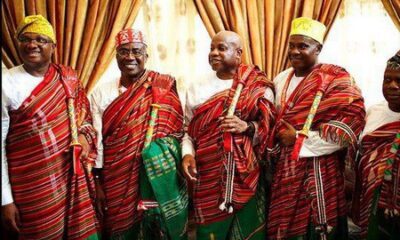
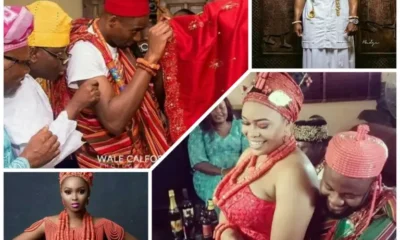
Traditional attire reflects both beauty and social status. Women wear flowing gowns called Ọnyọnyọ, often decorated with beads and embroidery while the men wear wrappers with long-sleeved shirts and decorative neck cloths known as Ọkpọmkpọm. Clothing is carefully chosen for ceremonies, daily markets, and communal events as a symbol of respect, elegance, and cultural continuity.
Even within everyday life, the Efik people integrate storytelling, oral history, and artistic expression. Proverbs, folktales, and moral lessons are shared during family gatherings to teach the younger ones the values of honesty, hard work, respect, and community responsibility.
While festivals are celebrated with grandeur, it is important to note that these cultural practices, namely, music, dance, attire, cuisine, and rituals like the Fattening Room provide the foundation that makes Efik festivals so meaningful. They create continuity between private life and public celebration, and reinforce the identity of the Efik people in both intimate and communal settings.
Religion and Spiritual Beliefs
The spiritual life of the Efik people has always been an essential part of their identity. Before the arrival of Christianity, traditional religion guided every aspect of their daily life, from farming and fishing to marriage, birth, and governance. The Efik believed in a supreme creator as well as a pantheon of spirits, ancestors, and natural forces. These spiritual beings were often honoured through rituals, prayers, and offerings to highlight the community’s deep connection to the land, rivers, and forests.
Central to the Efik worldview were secret societies like the Ekpe which were not only political institutions but also spiritual organizations. Members participated in rituals that involved music, dance, and symbolic codes such as Nsibidi. These practices regulated moral conduct, enforced social rules, and strengthened community bonds, thus making spirituality inseparable from daily life and governance.
With the arrival of the European missionaries in the 19th century, Christianity became increasingly influential among the Efik people. Churches were established, schools were opened, and the Bible was translated into the Efik language, to make literacy and religious teachings more accessible. Today, Christianity is the dominant faith, even though many communities maintain respect for traditional practices.
Even in modern Efik society, spiritual beliefs influence festivals, naming ceremonies, and important life events. The elders continue to teach moral lessons rooted in both traditional and Christian values. For the Efik people, religion is a living part of culture that connects the past generations to the present and guides behaviour, relationships, and community life.
Contemporary Efik People
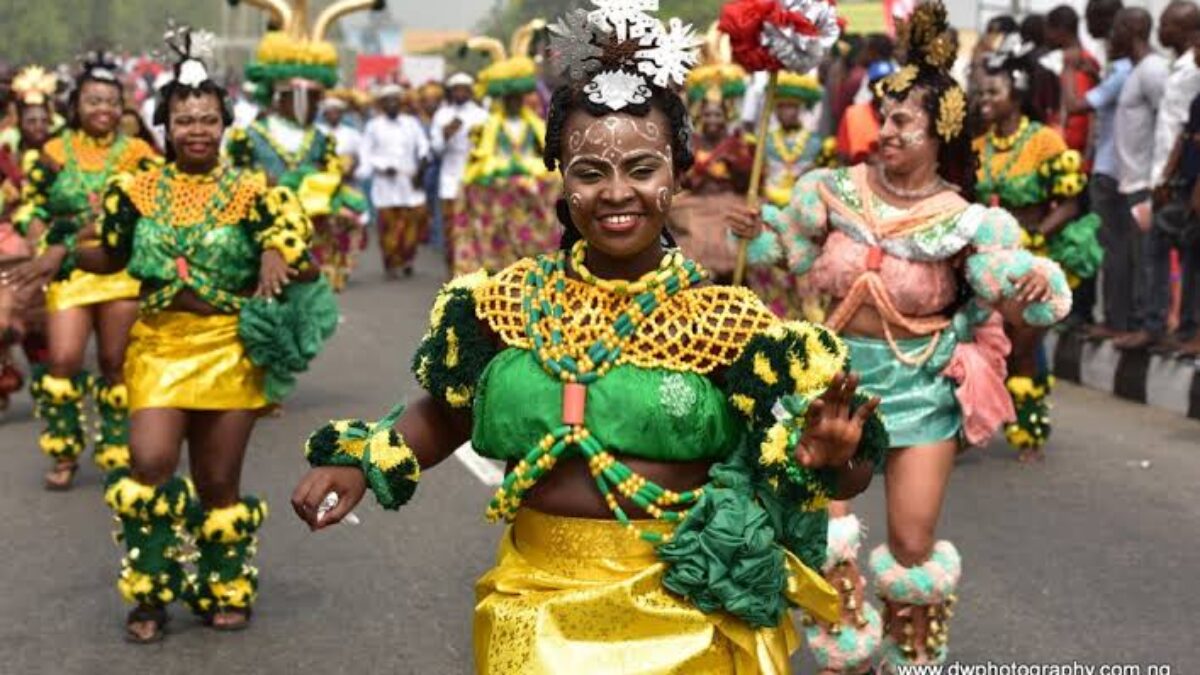
Today, the Efik people live at the crossroads of tradition and modern life. Many reside in Calabar, the historic capital of Cross River State while others are spread across Nigeria and even in the diaspora. Despite modernization, the Efik maintain strong connections to their cultural roots by celebrating their heritage through festivals, cuisine, music, and language.
Modern Efik communities are educated, entrepreneurial, and deeply involved in business, governance, and professional sectors. Many families continue to preserve traditional practices in everyday life, from household structures and communal decision-making to oral storytelling and ritual celebrations. These practices ensure that cultural identity remains a living part of daily life rather than a relic of the past.
Cultural festivals like the Calabar Carnival highlight how the Efik people mix modernity with tradition. The festival brings together dance, music, art, and cuisine, and draws visitors from across Nigeria and beyond. It offers an opportunity for the younger generations to connect with their heritage while they showcase Efik culture to the world.
Education also plays a crucial role in contemporary Efik society. The community places great importance on literacy and learning. This is a tradition that dates back to the translation of the Bible into Efik and early missionary schools. Today, children learn both modern subjects and the Efik language, and this helps to preserve the language and pass cultural knowledge to future generations.
Even with urbanization and globalization, the Efik people project a strong sense of identity. Trading houses still exist as influential family units, secret societies like Ekpe continue to organize cultural events, and the elders play a role in guiding the younger members. Through these efforts, the Efik people ensure that their history, values, and traditions remain alive in contemporary Nigeria and the world.
Cultural Implications and Lessons
The Efik people offer a vivid example of how culture, tradition, and resilience can endure across centuries. Their history teaches the value of adaptability, and shows how a community can thrive through trade, social organization, and careful engagement with changing circumstances. From the banks of the Cross River to modern cities, the Efik have navigated both opportunity and challenge, all while maintaining a strong sense of identity.
Traditions such as the Fattening Room, the Ekpe society, and artistic expressions like the Ekombi dance reveal a society that values discipline, creativity, and communal responsibility. These practices also highlight the Efik people’s respect for elders, social cohesion, and the importance of passing knowledge to the younger ones. In a world where many cultures are rapidly changing, these lessons reveal the power of preserving heritage while embracing growth.
Language remains another key pillar of Efik cultural significance. The Efik language, enriched by oral storytelling and historical documents connects generations and serves as a living archive of wisdom, experience, and values. Proverbs, folktales, and songs continue to teach ethics, life lessons, and cultural identity in ways that formal education alone cannot.
Even in contemporary times, the Efik people are the example that cultural pride and modern life can coexist. Festivals, cuisine, attire, and ceremonies provide moments of connection and celebration, as education, trade, and urban life allow communities to flourish economically and socially. The Efik offer an inspiring proof of how a people can remain rooted in tradition, even as they participate fully in the modern world.
By learning about the Efik people, one gains not only insight into a rich cultural heritage but also an appreciation for how history, community, and tradition can influence values, identity, and social cohesion. Their story is a reminder that culture is living, not static, and that the lessons of the past still enriches the present.
In Conclusion …
The Efik people of Nigeria represent more than an ethnic group. They are keepers of a rich and enduring cultural heritage. From their early settlements along the Cross River to the bustling streets of modern Calabar, they have built a society that blends history, tradition, and adaptability. Their social systems, festivals, language, and artistic expressions reflect a deep respect for community, creativity, and shared values.
Through practices like the Fattening Room, membership of the Ekpe society, and storytelling traditions, the Efik people teach lessons about responsibility, resilience, and cultural pride. Their cuisine, dance, attire, and ceremonies portray a culture that is lived, celebrated, and passed from one generation to the next. Even in today’s modern world, the Efik maintain a strong connection to their roots, even as they embrace education, commerce, and innovation.
Exploring the Efik people offers a window into how communities can preserve identity, maintain unity, and honour the past as they move forward. Their story is a powerful reminder that culture is not only a reflection of who we are but also a guide for how we live, connect, and thrive.
The heritage of the Efik people remains exciting and inspiring, and invites both Nigerians and the wider world to appreciate and celebrate a culture that has endured, adapted, and flourished across centuries.
References
- https://en.wikipedia.org/wiki/Efik_people
- https://platinumtimes.ng/the-efik-people-history-beliefs-cultures-and-traditions/
- https://everyevery.ng/the-efik-people-of-nigeria/
- https://historicalnigeria.com/calabar-old-calabar-kingdom/
- https://www.101lasttribes.com/tribes/efik.html
- https://nnewicity.com/efik-people-of-nigeriaculture-and-traditions/
- https://historicalnigeria.com/the-efik-and-the-ekpe-society-power-ritual-and-identity-in-old-calabar/
- https://en.wikipedia.org/wiki/Efik_language
- https://www.britannica.com/topic/Ekpe
- https://en.wikipedia.org/wiki/Ekombi
- https://www.britannica.com/topic/Efik
- https://www.britannica.com/topic/Nsibidi
You might want to check this out …