



Nigerian Ethnic Groups
The Ebira People of Nigeria: Complete Guide to Their History, Culture, and Festivals

Ebira people belong to Ebira ethnic group in central Nigeria known for their unique history, rich culture, language, festivals, and traditional values. Explore all you need to know about them in this engaging and detailed article.
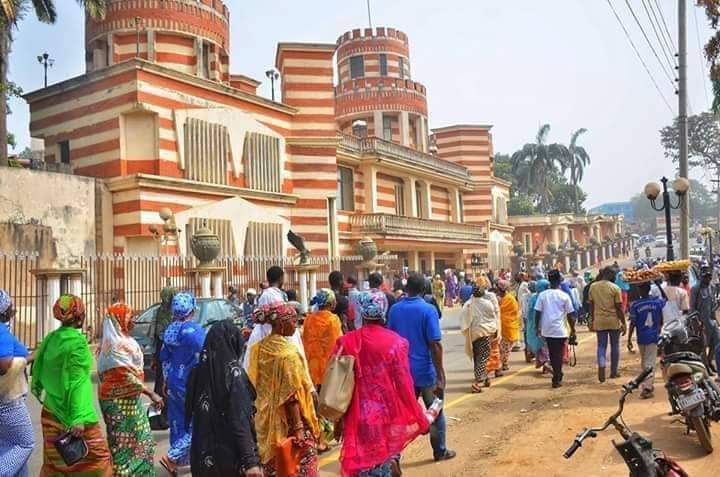
Nigeria is home to over 250 ethnic groups, each with its own story, language, and traditions. Among them, the Ebira people stand out for their rich history, lively culture, and deep connection to central Nigeria. From the bustling streets of Okene to the serene villages along the Niger-Benue region, the Ebira community has preserved centuries of customs, festivals, and ways of life that define their identity today.
The story of the Ebira people is one of migration, resilience, and cultural pride. They trace their origins to the regions along the Benue River and later settled in what is now Kogi State where they are building communities that honour both ancestry and tradition.
With a language that carries centuries of history, social structures that value family and clan, and festivals that bring the entire communities together, the Ebira people offer a fascinating glimpse into Nigeria’s cultural space.
In this article, you will discover the history, language, social structure, and cultural traditions of the Ebira people. You will learn about their festivals, beliefs, economic activities, notable personalities, and the modern challenges they face.
Whether you are a student, researcher, or curious reader, this guide provides an in-depth look at the Ebira people by highlighting their past, present, and enduring legacy.
Who Are the Ebira People?
The Ebira people belong to a proud ethnic group primarily found in central Nigeria, and known for their resilience, culture, and strong sense of community. It is sometimes spelled Egbira or historically referred to as Igbira. The Ebira people have maintained a distinct identity, despite centuries of migration, interaction with neighbouring communities, and changes brought by colonial and modern Nigeria.
The heartbeat of Ebira land is Okene which is often considered the cultural and administrative centre of the community. Beyond Kogi State, Ebira communities are also found in Nasarawa, Edo, Kwara, Benue, and the Federal Capital Territory. This spread reflects both historical migration patterns and contemporary movement for trade, education, and work.
The Ebira language is a key marker of identity that belongs to the Nupoid branch of the Niger-Congo language family, and links the Ebira people linguistically to other groups in central Nigeria. While dialects vary across regions, the language unifies the community as it carries centuries of oral history, folklore, and cultural knowledge.
Socially, the Ebira people have long valued family, clan ties, and community cohesion. Extended families often live together in compounds, and decisions affecting the community are traditionally guided by respected elders. Even today, these structures coexist alongside modern governance.
The Ebira are often recognized for their agricultural expertise, craftsmanship, and cultural festivals which are not only celebrations but ways to strengthen bonds and honour the ancestors.
Understanding who the Ebira people are requires getting to know both their historical journey and their ongoing contributions to Nigeria’s cultural mosaic.
Historical Background
The history of the Ebira people portrays migration, resilience, and cultural endurance. Their roots stretch back centuries to regions around the middle Benue River where they were historically connected to the larger Nupoid-speaking communities and influential entities like the Kwararafa confederation. This early association reflects the Ebira people’s integration into the complex social and political landscape of central Nigeria.
Oral tradition holds that the Ebira migrated from their original settlements in search of security, fertile land, and community stability. They initially settled alongside the Igala people at Idah, and formed cooperative relations while maintaining their unique identity. Later, they crossed the River Niger to establish permanent settlements in what is today Ebiraland, predominantly in modern Kogi State. These early settlements, often referred to as Ebira Opete became the foundation for the communities we know today.
During pre-colonial times, the Ebira people had a decentralized social system. Authority rested largely with the elders, clan heads, and councils that guided disputes, resource allocation, and social norms. Although there was no centralized monarchy at the time, the community valued consensus and respect for hierarchy. This system allowed the Ebira to maintain cohesion and cultural continuity, despite external pressures from neighbouring groups.
The colonial era brought significant change. The British administration formally recognized local leadership structures and introduced new governance systems. It was during this period that the title Ohinoyi of Ebiraland gained prominence, and became a recognized symbol of cultural authority. Colonial records also document the Ebira people’s participation in trade, farming, and local crafts.
Despite external pressures, the Ebira people preserved their language, customs, and social structures. Their historical journey from early migrations to modern settlements shows adaptability, unity, and a deep respect for ancestral heritage. Today, understanding the past of Ebira people provides essential insight into their culture, festivals, governance, and identity in contemporary Nigeria.
Language of the Ebira People
Language is the heartbeat of any culture, and for the Ebira people, it is a carrier of years of history, identity, and tradition. The Ebira language which is also called Igbira belongs to the Nupoid branch of the Niger-Congo language family which connects the community linguistically to other central Nigerian groups.
The Ebira language is spoken by millions across Kogi State and in parts of Nasarawa, Edo, Kwara, Benue, and even the Federal Capital Territory. While there are slight variations in pronunciation and vocabulary across regions, these dialect differences only enrich the language, and reflect the diverse history of the people and their interactions with neighbouring communities.
For the Ebira people, language serves more purpose than a means of communication. It is a vessel for oral history, folklore, and cultural knowledge. Stories, proverbs, songs, and teachings are passed down in Ebira in a way that connects each generation to their ancestors. Even traditional festivals, rituals, and ceremonies are conducted in the language to ensure that the heritage of the people remains alive and active.
In these modern times, the Ebira language, like other local languages faces challenges, particularly among the younger people influenced by English and other dominant Nigerian languages. However, efforts to preserve and promote it continue through community programmes, cultural associations, and educational initiatives. Schools in Ebira communities often encourage students to learn the language alongside their national curriculum, thus strengthening its role as a symbol of identity.
The Ebira language is both a bridge to the past and a cornerstone of contemporary identity that links the community to its roots, unites dispersed populations, and ensures that the stories, wisdom, and values of the Ebira people endure across generations.
Social Structure and Traditional Governance
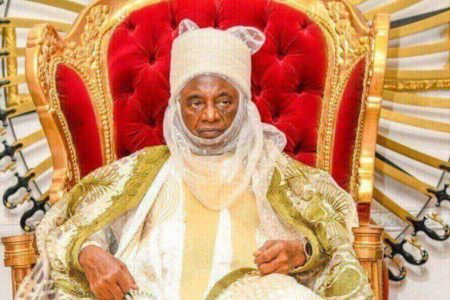
The Ebira people value social cohesion, family ties, and respect for elders. Their traditional society is organized around extended families, compounds, and clans, to create a network that supports both daily life and communal decision-making. Each extended family often lives in a single compound where multiple generations share responsibilities, resources, and guidance. This structure ensures that knowledge, skills, and cultural practices are passed down naturally from one generation to the next.
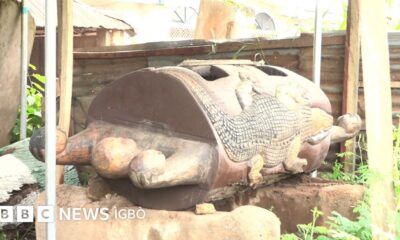
At the broader community level, the clan system known as Iresu connects families through shared ancestry and symbols, often represented by animals like crocodiles or pythons. These symbols serve as markers of identity and convey historical significance within the community. Clans historically worked together for farming, trade, festivals, and conflict resolution in reflection of the collaborative spirit of the Ebira people.
Leadership and governance were traditionally decentralized. Decisions were guided by councils of elders, respected community members, and clan heads. These leaders handled disputes, managed land allocation, and ensured that cultural norms and traditions were upheld. Respect, wisdom, and fairness were the qualities most valued in these leaders. This system allowed the Ebira community to maintain harmony and continuity for generations.
Over time, a more centralized form of leadership emerged with the recognition of the Ohinoyi of Ebiraland who is the paramount traditional ruler. The Ohinoyi serves as a cultural and symbolic leader that represents the unity of the Ebira people, preserves customs, resolves disputes, and promotes community development.
The colonial administration of the early 20th century further formalized the role of the Ohinoyi to blend the traditional authority with modern governance structures. Today, the Ohinoyi continues to play a vital role in maintaining the social fabric and cultural identity of the Ebira people.
The social and governance systems of the Ebira people is an illustration of balance between community collaboration, respect for tradition, and adaptability. By valuing family, clan, and elder authority, the Ebira have nurtured a society that remains cohesive, resilient, and proud of its heritage, even in modern times.
Culture and Traditions
The Ebira people have a culture that is deeply woven into every aspect of daily life, from farming and craftsmanship to festivals, music, and social customs. Their traditions are not just rituals but living expressions of identity, community values, and history, passed down through generations.
Family is at the foundation of Ebira culture. Extended families often live together in compounds, and share meals, responsibilities, and wisdom. The elders guide the younger members by teaching them respect, communal responsibility, and cultural practices. Children learn early about farming, storytelling, crafts, and other skills that sustain the community and its traditions
Marriage is another aspect of Ebira culture. Traditional weddings often involve the presentation of gifts which include yam tubers, palm oil, dried fish, and salt to the bride’s family as a symbol of respect, gratitude, and the joining of families. Rituals like these strengthen social bonds and community cohesion.
The Ebira people celebrate their heritage through vibrant festivals that unite the communities and honour their ancestors. One of the most important is the Ekuechi festival which is held annually between November and January.
Other festivals, such as Eche-Ane and Eche-Ori celebrate agricultural milestones and community achievements. Eche-Ane often highlights women’s roles in society while Eche-Ori, a yam festival expresses gratitude for harvests and blessings of the land. These celebrations preserve history, reinforce values, and offer the younger generations a vivid connection to their roots.
Music, dance, and arts are integral to Ebira culture. Drumming, traditional songs, and masquerade performances are central to festivals and ceremonies. Storytelling, proverbs, and folktales convey lessons, history, and moral values which ensure that wisdom passes from the elders to children. Craftsmanship in weaving, pottery, and carving also reflects creativity, practical skills, and cultural identity, often showcased during festivals or communal gatherings.
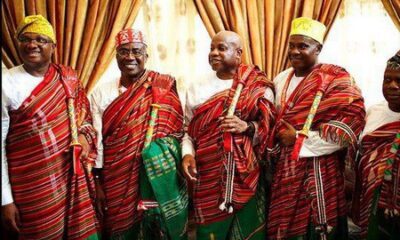
Another cultural marker of the Ebira people is their traditional attire which is colourful and meaningful. The men often wear patterned wrappers and caps, while the women wear beautifully woven fabrics adorned with beads and other accessories during festivals or ceremonies. Symbols such as clan totems appear in clothing, art, and carvings to reflect history, ancestry, and communal belonging.
The culture of the Ebira people thrives on interconnectedness, respect, and celebration of life. From daily life and family customs to festivals, music, and arts, every element tells a story of resilience, identity, and pride in being part of a community that has preserved its traditions over centuries.
Festivals of the Ebira People

Festivals among the Ebira people represent energetic expressions of identity, history, and community spirit that brings together families, clans, and neighbours to honour the ancestors, mark important seasons, and strengthen social bonds. These events offer a glimpse into the richness of Ebira culture where music, dance, and rituals create unforgettable experiences. Among the festivals are:
Ekuechi Festival
This is the most widely recognized festival, and is traditionally held from late November through January. The festival celebrates the role of the ancestors in guiding the living and marks the transition from one year to the next. Communities prepare for weeks, and during the festival, masquerades take centre stage to perform dances, drum, and sing throughout the nights. Families gather to offer prayers, receive blessings, and participate in communal meals.
Ekuechi is both a spiritual and social event. While it honours the past, it also unites people, reinforces communal values, and provides the younger ones with a vivid connection to their heritage. Each clan often celebrates on different days to allow multiple layers of participation and shared experiences across Ebiraland.
Eche-Ane Festival
Eche-Ane is another significant festival traditionally associated with women and community fertility. It celebrates the contributions of women to the society and the continuity of family lines. The festival features singing, dancing, and rituals that highlight the central role of women in Ebira society. This festival is also a moment to educate young girls about customs, responsibilities, and cultural pride.
Eche-Ori (Yam Festival)
The Eche-Ori festival, also known as the Yam Festival is celebrated to mark a successful harvest. As farming is central to the life of the Ebira people, this festival expresses gratitude to the land and ancestral spirits. Families present yams in ceremonial displays, and community feasts bring people together to share food, stories, and music. This festival strengthens community bonds and reinforces respect for agricultural traditions that sustain the society.
While the Ebira people have embraced modern life, festivals remain vital to cultural preservation. They pass traditions to the younger people, maintain social harmony, and celebrate the community’s resilience and creativity. Festivals also attract visitors, scholars, and cultural enthusiasts, thus helping the Ebira people share their heritage with the wider world.
Through these festivals, the Ebira people not only honour their ancestors and environment but also showcase the beauty, richness, and continuity of their culture. These celebrations are living proof of a community that cherishes its roots, even as it adapts to modern times.
Religion and Beliefs
The Ebira people have a spiritual heritage that combines deep respect for ancestors with contemporary religious practices. Traditionally, the Ebira believed in a supreme deity who oversees creation, as well as spirits of the ancestors and local deities that influence daily life. These beliefs guided moral conduct, agricultural practices, and social interactions. The ancestors were considered active participants in community life who offer guidance, protection, and blessings for prosperity and harmony.
With the arrival of Islam and Christianity in the 19th and 20th centuries, many Ebira people embraced these religions, even while maintaining traditional cultural practices. Today, it is common for communities to mix faith and tradition by celebrating religious events alongside traditional festivals. For example, a family might attend church or mosque while still participating in Ekuechi or Eche-Ori.
Religious practices among the Ebira also influence social behaviour. Respect for elders, community participation, and ethical conduct are reinforced through both spiritual teachings and everyday cultural norms. Prayer, offerings, and participation in festivals serve as reminders of the interconnectedness of the living and the spiritual realm.
This integration of traditional beliefs with Islam and Christianity highlight the resilience and adaptability of the Ebira people. It ensures that spiritual life continues to provide meaning, guidance, and unity for the community while preserving a connection to ancestral wisdom.
Economy and Livelihood
The Ebira people have traditionally been farmers, craftsmen, and traders who build a livelihood that reflects their connection to the land and the community. Agriculture remains central in providing both sustenance and income. Yams, cassava, maize, and vegetables are staple crops cultivated across Ebiraland while cash crops like groundnuts and beans support trade. Among Ebira people, farming is not just an economic activity but a cultural practice, with seasonal rhythms guiding festivals, rituals, and community life.
Craftsmanship is another form of Ebira livelihood. Skills such as weaving, pottery, and carving have been passed down through generations, and have been producing goods that are both practical and symbolic. Traditional crafts often play a role in ceremonies, festivals, and daily life in a way that highlights the creativity and cultural continuity of the people.
Trade also has deep roots in Ebira society. Markets serve as hubs for exchanging farm produce, crafts, and other goods, and also to foster social interaction and economic cooperation. Historically, trade extended beyond Ebiraland because it connected the Ebira people to neighbouring communities and reinforced their role in the broader regional economy.
In modern times, many Ebira people have diversified into professions such as education, civil service, business, and healthcare. Although urban migration has opened opportunities, traditional practices like farming and crafts remain central to identity and heritage. This mix of traditional and modern livelihoods illustrates the ability of the Ebira people to adapt as they preserve cultural practices, thereby maintaining a balance between economic progress and heritage.
Notable Ebira Personalities
The Ebira people have contributed significantly to Nigeria’s political, cultural, and entertainment worlds. Their achievements reflect both individual talent and the community’s values of resilience, education, and leadership.
In politics, the Ebira have produced influential leaders who have shaped governance at state and national levels. For instance, Yahaya Bello, the Governor of Kogi State is of Ebira heritage and has brought national attention to the community. Traditional rulers like past and present Ohinoyi of Ebiraland also play crucial roles in combining cultural authority with civic leadership to preserve unity and guide development within Ebiraland.
The Ebira people have also made their mark in arts and entertainment. Nollywood actress Mercy Johnson traces her ancestry to the Ebira community. Through arts, film, and media, she projects Ebira heritage to wider audiences.
In academia, business, and public service, numerous Ebira individuals have emerged as innovators, educators, and professionals who contribute to Nigeria’s growth. These personalities embody the values instilled by their community, namely, respect, perseverance, and pride in cultural identity.
The achievements of these notable Ebira people highlight the capacity of the people to impact the broader society, even while maintaining a strong connection to their roots.
Challenges and Modern Developments
The Ebira people, like many communities with rich cultural heritages face the challenge of balancing tradition with modernity. Urbanization, migration, and exposure to global influences have introduced changes that affect language use, cultural practices, and social cohesion. The younger members, especially in cities are increasingly influenced by English, Hausa, and other dominant languages which can lead to a decline in the daily use of the Ebira language.
Education, while opening opportunities also presents challenges. As more Ebira youth attend schools outside their communities, exposure to different cultural norms can weaken the transmission of traditional values and practices. At the same time, these educational experiences empower the community to participate in national development and modern professions.
Economic pressures are another factor. While farming and crafts remain important, access to land, modern agricultural tools, and markets can be limited. Some communities have shifted toward urban trades, small businesses, or government employment, thus requiring adaptation while striving to retain cultural identity.
Despite these challenges, the Ebira people have shown resilience and proactive cultural preservation. Organizations like EbiraFirst and local cultural associations actively promote festivals, language programmes, and community projects to keep traditions alive. Social media and digital platforms also provide new avenues to showcase Ebira heritage to wider audiences as a way of connecting the younger people to their roots in innovative ways.
Modern developments have also brought infrastructure, healthcare, and educational improvements to Ebiraland. Roads, schools, and community centres support both economic growth and cultural activities, thus allowing the Ebira people to maintain their identity as they engage with a rapidly changing world.
The story of the Ebira today is one of adaptation, perseverance, and cultural continuity. By combining traditional values with modern opportunities, the community continues to thrive as they ensure that its history, language, and customs are not lost to time.
In Conclusion …
The Ebira people of Nigeria are a community defined by history, resilience, and cultural richness. From their early migrations along the Benue River to their settlements in Kogi and neighbouring states, the Ebira have maintained a distinct identity that mixes tradition, community values, and adaptability. Their language, festivals, social structures, and craftsmanship tell a story of a people deeply connected to their roots, even as they engage confidently with modern life.
Festivals like Ekuechi, Eche-Ane, and Eche-Ori celebrate not only harvests and ancestry but also the enduring spirit of unity, creativity, and pride. Through music, dance, storytelling, and rituals, the Ebira pass cultural knowledge from one generation to the next to ensure that history remains alive in everyday life. The leaders, elders, and notable personalities have contributed to both the community and the wider Nigerian society.
While challenges such as language preservation, urban migration, and economic shifts exist, the Ebira people continue to adapt without losing their identity. Organizations, community efforts, and digital platforms now support cultural preservation, making it possible for young Ebira generations to learn, celebrate, and carry forward their rich heritage.
Understanding the Ebira people provides a window into one of Nigeria’s vibrant cultures where history, traditions, and modern life intertwine. Their story reminds us that culture is lived, celebrated, and renewed with every generation. By learning about the Ebira, we appreciate the depth, resilience, and beauty of Nigeria’s ethnic diversity.
References
- https://en.wikipedia.org/wiki/Ebira_people
- https://ebiraonline.com.ng/the-history-of-ebira-people-or-ebiraland-itopa-anebira/
- https://www.ebirafirst.org/
- https://en.wikipedia.org/wiki/Ebira_language
- https://en.wikipedia.org/wiki/Ohinoyi_of_Ebiraland
- https://www.perlego.com/book/4832435/a-history-of-the-ebira-in-agopanu-owo-19431960-pdf
- https://www.101lasttribes.com/tribes/ebira.html
You might want to check this out …