
Nigerian Culture
Iria Ceremony: The Traditional Rite of Passage into Womanhood in the Niger Delta

Iria ceremony is a traditional rite of passage into womanhood practiced among Ijaw and other Niger Delta communities in Nigeria to mark cultural identity, maturity, and social recognition of girls entering adulthood.

In many Niger Delta communities, growing into womanhood is not treated as something that simply happens with age. It is marked, witnessed, and remembered. One of the most enduring traditions that captures this transition is the Iria ceremony.
For generations among the Ijaw and related peoples of Rivers State, the Iria ceremony has stood as a public and cultural acknowledgment that a girl has moved into a new stage of life. It is not just about celebration. It is about identity, belonging, and the quiet but powerful moment when childhood gives way to responsibility in the eyes of family and community.
In villages and riverine towns where this tradition is practiced, the ceremony is woven into everyday life. Yet, it carries a weight that is deeply symbolic. Families prepare carefully, elders observe closely, and the community gathers to witness a process that has been passed down through generations. What unfolds is both personal and collective, a mix of ritual, cultural memory, and social meaning.
To understand the Iria ceremony in the Niger Delta is to look beyond the surface of dress, dance, and festivity. It is to see how a society defines womanhood, how it preserves its values, and how it connects the present to a long cultural past.
An Overview of the Iria Ceremony
The Iria ceremony is a traditional rite of passage practiced mainly among the Ijaw-speaking communities of the Niger Delta in Nigeria, especially in Rivers State. It is a cultural process that marks the transition of a girl into recognized womanhood within her community.
Basically, the Iria ceremony is not just a celebration of age or physical maturity. It is a social and cultural acknowledgment that a girl has reached a stage in life where she is considered ready to take on the responsibilities, expectations, and identity associated with womanhood. In many of these communities, this recognition is important because it connects individuals to long-standing cultural values and communal life.
The ceremony is usually expressed through structured traditional stages, depending on the community. These stages may include preparation within the family, cultural instruction by elders, traditional dressing, and a public celebration where the initiate is presented to the community. Each stage carries meaning and is guided by customs that have been passed down through generations.
In simpler terms, the Iria ceremony in the Niger Delta serves as a bridge between childhood and adulthood. It is both symbolic and social. Symbolic because it represents maturity and transformation. Social because it formally integrates the individual into a new status within the community.
While the details of the practice can vary from one locality to another, the central idea remains the same, and that is, the Iria ceremony is a culturally rooted way of recognizing womanhood, identity, and belonging.
Historical Origins of the Iria Ceremony
The Iria ceremony has no single documented starting point or a clearly recorded historical date. Like many indigenous African traditions, its origins are rooted in oral history, lived culture, and long-standing social practice among Ijaw and related communities of the Niger Delta.
Historically, scholars and ethnographic accounts trace the Iria ceremony to pre-colonial times when Niger Delta societies were organized around strong communal systems and clearly defined stages of life. In these communities, age and biological development were not treated as private milestones alone. They were social events that required recognition from family and the wider society.
In earlier traditional settings, especially among Ibani and some Ijaw groups, puberty marked a clear shift in how a girl was seen within the community. Oral accounts suggest that once a girl reached maturity, families introduced structured cultural steps that signalled her transition into womanhood. One of the earliest symbolic elements associated with this transition was the introduction of modest dressing which represented dignity and social recognition.
Over time, these early practices became more organized and ceremonial. What may have begun as simple family-based recognition gradually evolved into a community-wide event involving age groups, women’s associations, elders, and cultural leaders. This development helped to standardize the process into what is now widely known as the Iria ceremony in the Niger Delta.
Ethnographic studies on Ijaw culture describe the ceremony as part of a broader system of rites of passage where life is understood in stages and each stage carries cultural responsibilities. These rites were important because they helped to preserve social order, teach values, and ensure continuity of tradition across generations.
Although modernization, religion, and urban life have influenced how the ceremony is practiced today, its historical roots remain deeply connected to the cultural identity of the Niger Delta people. The Iria ceremony continues to reflect an older worldview where community recognition, rather than individual experience alone defined important life transitions.
Cultural Meaning and Symbolism of the Iria Ceremony

The Iria ceremony carries meanings that go far beyond celebration. In the Ijaw and related Niger Delta communities where it is practiced, it is a cultural marker that speaks to identity, maturity, and belonging. It is one of the ways a society gives structure to life stages and publicly acknowledges the shift from girlhood into womanhood.
At its most basic level, the Iria ceremony in the Niger Delta symbolizes transition. It signals that a girl has reached a stage where she is no longer seen only as a child but as someone entering a new social identity. This recognition is important in traditional settings because it connects personal growth with community approval.
One of the strongest meanings of the Iria ceremony is the recognition of womanhood. It is not only about physical development, it is also about social readiness. Within the cultural framework, womanhood is tied to responsibility, respect, and participation in community life. The ceremony publicly affirms this new status.
The Iria ceremony also represents acceptance. It is not a private family event alone. It is a community process where the elders, women groups, and families come together to acknowledge the initiate. This shared recognition gives the ceremony its depth. It tells the individual that she now belongs fully to the adult female community.
Another important meaning of the Iria ceremony is cultural identity. In a region marked by diverse ethnic groups and changing modern influences, the ceremony serves as a reminder of shared heritage. It connects the younger generations to the values, customs, and social systems of their ancestors. In this wise, it becomes a living expression of cultural continuity.
The ceremony also carries moral and social expectations. It is often associated with teachings about dignity, behaviour, and responsibility. These lessons are passed through family guidance and community participation as a way of reinforcing how individuals are expected to conduct themselves within society.
At a deeper level, the Iria ceremony represents passage. It reflects the idea that life is structured in stages, and each stage must be acknowledged before moving to the next. This symbolism is central to many African cultural systems where transitions are not silent but marked with meaning and collective participation.
As such, the Iria ceremony in the Niger Delta is more than a tradition. It is a cultural language that expresses how a community understands growth, identity, and the place of the individual within the larger social world.
Rituals and Practices Involved in the Iria Ceremony
The Iria ceremony is not a single event that happens in one day. It is a cultural process made up of different stages, practices, and community activities. While details may differ slightly from one Niger Delta community to another, especially among the Ijaw-speaking groups such as Ibani, Kalabari, and Okrika, the structure of the ceremony generally follows a familiar cultural pattern.
At its heart, the Iria ceremony in the Niger Delta is a public acknowledgment of a girl’s transition into womanhood. Each stage of the process carries meaning and is guided by tradition, family involvement, and community participation.
The process often begins quietly within the family. Parents or guardians prepare the young girl for the ceremony through guidance and instruction. In many cases, the elders within the family or community women also play a role in teaching cultural expectations of womanhood. This stage is important because it lays the foundation for what the ceremony represents. It is not just about celebration. It is also about readiness and understanding.
In some communities, girls are grouped according to age or stages of development. The Iria system may include different levels of initiation, depending on maturity. These stages help to organize the ceremony and ensure that participants are recognized according to their age group. This structure also reflects how traditional societies in the Niger Delta often organize social life around age sets and generational roles.
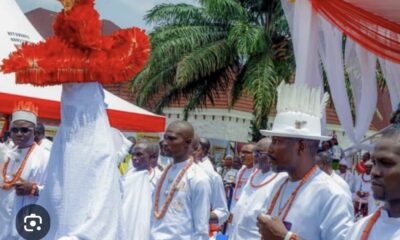
One of the most visible parts of the Iria ceremony is the traditional attire. Participants are dressed in carefully selected wrappers, beads, and ornaments that reflect cultural identity and social status. The clothing is chosen to represent dignity, maturity, and beauty within cultural expectations. In many cases, older women or cultural custodians assist in preparing the attire.
Before or during the ceremony, initiates often receive cultural teachings. These may include lessons on respect, responsibility, family life, and behaviour within the community. This stage is important because it connects the ceremony to knowledge transfer. The Iria ceremony in the Niger Delta is not only about public celebration; it is also about passing cultural values from one generation to the next.
Music and dance are central to the ceremony. Traditional drumming, songs, and performances create a festive atmosphere. The initiate is often presented to the community in a celebratory procession. These performances are not just entertainment. They are part of cultural expression that help to communicate joy, identity, and communal approval.
The final stage is usually public recognition. Families, elders, women groups, and community members gather to witness and affirm the new social status of the initiate. This moment is significant because it completes the transition process. The individual is now publicly acknowledged as a woman within the cultural setting.
It is important to note that the Iria ceremony is not identical everywhere. Different Niger Delta communities may adjust the order, emphasis, or style of the rituals. However, the central idea remains consistent – a structured transition into womanhood supported by family and community participation.
Overall, the rituals and practices of the Iria ceremony show how deeply culture is woven into everyday life in the Niger Delta. Each step is intentional, meaningful, and tied to long-standing traditions that continue to be preserved in many communities today.
Social Importance of the Iria Ceremony in Niger Delta Culture
The Iria ceremony is more than a cultural performance or family celebration. In many Ijaw-speaking communities of the Niger Delta, it plays a real social role in how people understand identity, responsibility, and belonging. It is one of those traditions that connects personal life stages with the wider structure of society.
Basically, the Iria ceremony in the Niger Delta helps the community to define what it means to move from girlhood into womanhood. But beyond that definition, it also strengthens relationships, preserves cultural values, and supports social order in traditional settings.
One of the most important social roles of the Iria ceremony is its ability to bring people together. Families, women groups, elders, and community members gather for the event, often across different age groups. This shared participation helps to reinforce a sense of unity. It reminds everyone involved that they are part of a shared cultural system with common values and traditions.
The Iria ceremony also serves as a living expression of heritage. In a region where modernization and external influences continue to shape daily life, the ceremony helps to preserve indigenous identity. Through its rituals, clothing, songs, and teachings, cultural knowledge is passed from one generation to another. In this sense, the ceremony becomes a practical method of keeping traditions alive, rather than allowing them to fade into history.
In traditional Niger Delta societies, life is often understood in stages, and each stage comes with expectations. The Iria ceremony marks one of those key transitions. Once a girl undergoes the ceremony, she is recognized as a woman within the cultural framework. This recognition often comes with new social expectations around behaviour, responsibility, and participation in community life.
Another important role of the Iria ceremony in Niger Delta culture is education. The process often includes teachings from elders and experienced women who guide initiates on values such as respect, dignity, and proper conduct. These lessons are not delivered in formal classrooms, rather, through conversation, observation, and participation in the ceremony itself. It is a form of cultural education rooted in lived experience.
The ceremony also creates a bridge between generations. Older women, mothers, and elders play active roles in guiding and supporting the initiates. This interaction allows knowledge, stories, and cultural expectations to move naturally from one generation to the next. In many communities, this intergenerational connection is seen as essential for maintaining cultural continuity.
The Iria ceremony also has a strong social recognition function. It publicly acknowledges the new status of the initiate within the community. This recognition is important because it signals inclusion. The individual is no longer seen as a child but as someone who has entered a new stage of social identity with a clearer role in community life.
For many Niger Delta communities, the Iria ceremony is also a source of cultural pride. It represents continuity in the face of change and modern influence. Even where practices have adapted over time, the ceremony still carries symbolic importance as a marker of identity.
Essentially, the Iria ceremony plays a deep social role in Niger Delta culture. It is not only about tradition or celebration. It is a structured way of organizing social life, passing down values, and keeping community identity alive through generations.
The Role of Family and Community in the Ceremony
The Iria ceremony is not an individual experience. It is deeply communal, built on shared responsibility between family members, elders, and the wider society. In the Niger Delta, especially among Ijaw-speaking communities, no stage of the ceremony happens in isolation. Every step carries collective involvement, meaning, and approval.
Fundamentally, the Iria ceremony in the Niger Delta is a reminder that personal growth is also a community matter. A girl’s transition into womanhood is not treated as a private milestone but as something the entire community acknowledges and supports.
The family is the starting point of the ceremony. Parents or guardians are responsible for recognizing when a girl has reached the cultural stage for initiation. They also make the practical and cultural arrangements for the ceremony.
Within the household, preparation often includes guidance, grooming, and instruction. Mothers and female relatives usually take a leading role in teaching the young girl what the ceremony represents and what is expected of her in this new stage of life.
Beyond preparation, the family also carries the responsibility of hosting or sponsoring the ceremony. This includes organizing materials, coordinating with cultural groups, and inviting community members.
Elders play a key role in ensuring that the Iria ceremony follows traditional patterns. They are seen as custodians of cultural knowledge and are often consulted throughout the process.
Their involvement includes confirming readiness for initiation, offering cultural instruction, guiding ceremonial stages, and ensuring respect for tradition. In many communities, elders also serve as moral voices that reinforce the values that the ceremony represents.
Women’s associations are central to the ceremony. These groups often assist with planning, teaching, and execution of various stages. They also provide mentorship to the initiates. Age-grade systems where people are grouped according to age also play a role in participation. These groups support social organization during the ceremony and help to ensure that cultural responsibilities are shared. This structure reflects a broader social system in which cooperation among women is essential to cultural continuity.
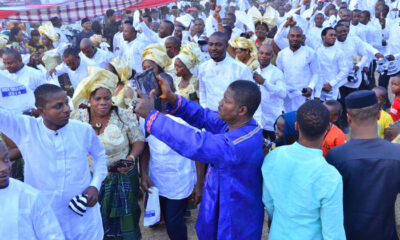
The Iria ceremony in the Niger Delta is ultimately a public event. The wider community does not only observe; it participates actively. Community members attend celebrations, contribute resources, and take part in cultural performances such as music and dance. Their presence gives the ceremony its public recognition and social weight. This collective participation ensures that the transition into womanhood is not just personal or family-based but socially validated.
One of the strongest features of the Iria ceremony is shared responsibility. No single person owns the process. Families, elders, women groups, and the broader community all contribute in different ways. This shared involvement reflects a cultural belief that identity is built within relationships, not in isolation. It also ensures that traditions are preserved through active participation rather than memory alone.
The ceremony also strengthens relationships within the community. It brings together people who may not interact regularly, thereby creating opportunities for unity and cooperation. Through preparation, celebration, and participation, social bonds are renewed and cultural belonging is reinforced.
In essence, the Iria ceremony is sustained by collective effort. The family initiates the process, elders guide it, women’s groups support it, and the community validates it. Together, they make the ceremony a meaningful cultural institution that continues to hold value in Niger Delta society.
Modern Changes and Adaptations of the Iria Ceremony
The Iria ceremony has not remained exactly the same over time. Like many indigenous traditions in Nigeria and across Africa, it has experienced change as society evolves. Education, religion, urban migration, and modern lifestyles have all influenced how the Iria ceremony in the Niger Delta is practiced today.
While the core meaning of the ceremony as a rite of passage into womanhood still exists in many communities, the form, intensity, and public expression of the practice have been adjusted in different ways. One of the most noticeable changes comes from formal education. As more girls attend school for longer periods, the timing and structure of traditional ceremonies have shifted.
In many cases, families now try to balance school calendars with cultural expectations. This means the ceremony may be postponed, simplified, or arranged during school breaks. In some urban settings, participation is less frequent or takes a more symbolic form rather than a full traditional process.
Christianity and Islam have also influenced how the Iria ceremony is viewed and practiced. Some families interpret aspects of the tradition through their religious beliefs, while others choose to reduce or modify certain ritual elements.
Because of these influences, the ceremony is not always carried out in its full traditional form in all communities today. However, in many rural and culturally strong areas, it continues to be practiced with its core elements intact.
Movement from rural communities to cities has also affected the ceremony. In urban environments, extended family systems are less tightly connected, and large community gatherings can be more difficult to organize. As a result, some families in cities adopt smaller, private, or symbolic versions of the Iria ceremony in the Niger Delta. Instead of large public celebrations, the event may be limited to close family members.
In some modern settings, the ceremony has become more symbolic than elaborate. Families may focus on key elements such as cultural dressing, family gathering, and prayer or blessing, rather than full traditional stages. This simplified form still carries meaning, even if it does not include all the historical rituals practiced in earlier generations.
Despite these changes, there are ongoing efforts within Niger Delta communities to preserve the Iria ceremony. Cultural groups, women associations, and traditional leaders continue to promote awareness of the tradition. In some communities, the ceremony is also featured during cultural festivals or heritage events where it is presented as part of indigenous identity and pride.
Today, many families find themselves balancing tradition with modern realities. Some choose to maintain the ceremony fully, especially in rural areas where cultural systems remain strong. Others adapt it to fit contemporary life while still preserving its symbolic meaning. This balance reflects a broader cultural reality in Nigeria where traditions continue to exist alongside changing social structures.
Even with all these changes, the central idea of the Iria ceremony in the Niger Delta remains largely intact. It is still understood as a recognition of maturity and a cultural transition into womanhood. What has changed most is the expression, not the meaning.
Ultimately, the Iria ceremony today exists in both traditional and adapted forms. While modern influences have reshaped how it is practiced, its cultural importance continues to hold value for many families and communities across the Niger Delta.
Misconceptions About the Iria Ceremony
The Iria ceremony is a deeply rooted cultural practice in parts of the Niger Delta, especially among Ijaw-speaking communities. However, like many indigenous traditions, it is often misunderstood by people outside the culture and sometimes, even misrepresented in public discussions. These misconceptions can blur its real meaning and reduce a rich cultural institution to simplified or incorrect ideas.
Understanding what the Iria ceremony in the Niger Delta is not can be just as important as understanding what it is.
One common misunderstanding is that the ceremony is practiced in the same way across Nigeria. This is not accurate. The Iria ceremony is mainly associated with specific Niger Delta communities such as the Ibani (Bonny and Opobo), Kalabari, Okrika, and other Ijaw groups. Even within these communities, the details and stages of the ceremony can vary. It is not a nationwide tradition, and it should not be generalized as a universal Nigerian cultural practice.
Another misconception is that the ceremony is one fixed event with identical steps everywhere. In reality, it is a flexible cultural system that differs from one community to another. Some communities may place more emphasis on age grades while others focus more on public celebration or cultural instruction. Though the structure is guided by tradition, it is not identical across all locations.
Because the ceremony often includes music, dance, and dressing, some people mistakenly view it as only a festive or entertainment event. In reality, the Iria ceremony in the Niger Delta carries deeper meaning. It is a rite of passage that marks a change in social identity. The celebration is only one part of a broader cultural process that includes instruction, recognition, and community validation.
There is also the belief that the Iria ceremony is no longer relevant in modern times. While it is true that modernization has influenced how it is practiced, the tradition has not disappeared. In many rural and culturally active communities, the ceremony is still observed, though sometimes in adapted forms. In urban areas, it may appear more simplified, but it continues to exist as a cultural expression.
Some people assume the ceremony is tied to a specific religion. However, it is not a religious practice. It is a cultural tradition, not a religious ordinance. While individuals who participate may belong to different religions, the ceremony itself is rooted in indigenous cultural systems rather than religious doctrine.
Another misunderstanding is that the ceremony has one fixed meaning. In reality, the Iria ceremony carries multiple layers of meaning depending on context. For some families, it emphasizes cultural identity. For others, it focuses on social recognition or moral instruction. The meaning is informed by community values and generational interpretation.
While Nigeria has many rites of passage across different ethnic groups, the Iria ceremony is distinct. Comparing it directly with other traditions can lead to confusion. Each ethnic group has its own system of marking life transitions, and the Iria ceremony in the Niger Delta reflects the specific cultural history and social structure of the Ijaw and related communities.
Conclusively, misconceptions about the Iria ceremony often arise from limited understanding or generalization. In reality, it is a culturally specific, community-based tradition with deep historical roots and evolving modern expressions.
To understand the Iria ceremony accurately, it is important to view it within its cultural context, respecting the diversity of practices across Niger Delta communities and recognizing its role as a living tradition rather than a fixed or misunderstood ritual.
Cultural Significance in Contemporary Society
Even in today’s fast-changing world, the Iria ceremony continues to hold meaning in many Niger Delta communities. While lifestyles have shifted due to education, urban living, religion, and modern influences, the ceremony still exists as a cultural reference point for identity and belonging among the Ijaw and related groups.
The Iria ceremony in the Niger Delta is no longer practiced everywhere in its full traditional form. But then, its cultural value has not disappeared. Instead, it has adapted, and in some places, it has become more symbolic while still carrying important social meaning.
One of the strongest roles of the Iria ceremony today is its connection to identity. For many families, it serves as a reminder of ancestral heritage and indigenous values. At a time globalization influences clothing, language, and lifestyle, the ceremony helps to preserve a sense of “who we are” within Niger Delta communities. It connects the younger generations to cultural roots they might otherwise have little exposure to.
The Iria ceremony also represents continuity. Even when simplified, it signals that certain traditions are still alive. This continuity is important in societies where rapid modernization can sometimes weaken cultural practices. For some families, maintaining even a small version of the ceremony is a way of passing cultural memory forward without losing it completely.
Although modern life often emphasizes individual identity, the Iria ceremony continues to emphasize community involvement. It reminds people that personal milestones are still socially meaningful events. In many Niger Delta communities, the ceremony reinforces values such as respect for elders, family responsibility, and communal participation in life events.
The Iria ceremony in the Niger Delta also functions as a form of informal education. Even when modernized, it often includes moments where cultural values are shared through storytelling, advice, and observation. For younger participants, it becomes one of the few remaining spaces where traditional knowledge is passed on outside formal school systems.
In contemporary society, cultural practices like the Iria ceremony have also become symbols of pride. Communities that continue the tradition often see it as a way of affirming their identity in a diverse national environment. Cultural events, festivals, and community gatherings sometimes include elements of the ceremony to showcase heritage and celebrate identity.
One of the most important aspects of the ceremony today is how it exists between tradition and modern reality. Families often adjust the ceremony to fit current lifestyles while still holding on to its core meaning. This balance reflects a broader cultural experience in Nigeria where tradition is not completely replaced but gradually adapted.
There is growing awareness about the importance of documenting and preserving indigenous traditions like the Iria ceremony. Scholars, cultural organizations, and community leaders continue to highlight its significance as part of Nigeria’s diverse cultural heritage. This awareness helps to ensure that even as practices change, their history and meaning are not lost.
In contemporary society, the Iria ceremony remains more than a traditional event. It is a cultural marker that connects the past with the present. Whether practiced fully or in adapted form, it continues to represent identity, continuity, and belonging for many Niger Delta communities. Its lasting presence shows that culture does not disappear with change. It adjusts, finds new expressions, and continues to carry meaning in everyday life.
Conclusion …
The Iria ceremony remains one of the most meaningful cultural traditions in parts of the Niger Delta, especially among Ijaw-speaking communities. Even with the influence of modern education, religion, and urban life, it continues to stand as a reminder of how deeply culture is woven into identity and social life.
Basically, the Iria ceremony in the Niger Delta is about recognition. It marks a transition, not just in age but in social understanding. It tells a story of how communities once, and still do in many places define the passage from girlhood into womanhood through shared cultural experience.
What makes the ceremony enduring is not only its rituals, it is its meaning. It carries generations of memory, values, and identity. It connects families to their heritage and allows the younger ones to see themselves as part of a longer cultural journey.
Even as the ceremony adapts to modern realities, its essence remains visible in how it continues to bring families together, affirm identity, and preserve a sense of belonging. In some communities it is still fully practiced, while in others it survives in simpler, symbolic forms. Yet, in all these variations, the cultural heartbeat remains the same.
The legacy of the Iria ceremony is, therefore, not only in what it used to be but in what it still represents today. It is a living tradition that reflects resilience, continuity, and the enduring place of culture in human life.
References
- https://en.wikipedia.org/wiki/Iria_ceremony
- https://commons.wikimedia.org/wiki/Category:Iria_ceremony
- https://dailytrust.com/iria-rite-of-passage-to-womanhood/
- https://www.legit.ng/ask-legit/culture/1535107-iria-festival-rivers-state-history-meaning/
- https://www.thetidenewsonline.com/2021/01/womanhood-in-ibani-nation/
- https://kristinareports.net/iria-ceremony-glorification-of-ibani-womanhood/
- https://salientreporters.com/the-iria-ceremony-in-okrika/
You may want to check this out …