



African History
The History of Igbo People: Origins, Beliefs, Traditions and Cultural Identity

The History of Igbo people is explored from ancient origins to modern times, and covers spirituality, traditions, social systems, colonial encounters, and cultural identity in a clear, well-researched, and engaging narrative.
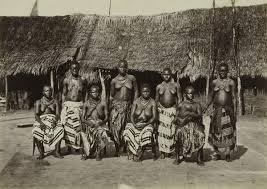
The history of Igbo people of southeastern Nigeria is a long and layered story that reaches deep into the past of West Africa. Long before colonial borders or modern nation States, Igbo people had built communities rooted in land, kinship, belief, and shared values. Today, millions of Igbo people live across southeastern Nigeria and far beyond it, yet their sense of identity remains closely tied to ancient traditions, a strong communal spirit, and a worldview influenced by both history and experience.
To understand the history of Igbo people, it is not enough to list dates or rulers. Igbo history lives in oral traditions, in rituals passed down through generations, in festivals that mark the rhythm of the year, and in social systems that value dialogue, hard work, and personal achievement. From early settlements and the remarkable discoveries at Igbo-Ukwu to the spiritual influence of Nri, Igbo people developed a culture that was sophisticated, flexible, and deeply connected to the natural and spiritual worlds.
Igbo beliefs and traditions shaped every aspect of life. Religion was not separate from daily living but woven into family, farming, justice, and governance. Communities were largely self-governing, guided by elders, age grades, and shared customs rather than centralized kingship. This structure helped the Igbo to adapt, survive, and grow, even during periods of great disruption.
Colonial rule, Christianity, and the Nigerian Civil War all left lasting marks on the Igbo society. Yet, these challenges did not erase the Igbo identity. Instead, they reshaped it. The Igbo responded to the challenges with resilience by rebuilding their lives, preserving their culture, and carrying their traditions into new spaces at home and in the diaspora.
This article explores Igbo people from their origins and spirituality to their traditions, social systems, and modern identity. It is a story of continuity and change, of memory and survival, and of a people whose past continues to affect who they are today.
Igbo People in View of Homeland and Geographic Setting
The history of Igbo people is closely tied to the land they have inhabited for centuries which lies in southeastern Nigeria, a region often referred to as Igboland. This area covers present-day Anambra, Enugu, Imo, Abia, and Ebonyi States, with Igbo communities also found in parts of Delta and Rivers States. The physical environment of this region played a major role in informing Igbo settlement patterns, occupations, and social organization.
Igboland is defined by fertile farmlands, thick forests, and an extensive network of rivers and streams, including the Niger River along its western boundary. These natural features supported farming, fishing, and trade, and allowed early Igbo communities to become largely self-sufficient. The availability of arable land encouraged the growth of closely settled villages rather than large centralized cities, and the pattern influenced the development of Igbo political and social life.
The geography of the region also informed how Igbo communities related to one another. Villages were often connected by footpaths and local markets. This balance between connection and autonomy is a recurring theme in the history of Igbo people and helps to explain their strong sense of community alongside a tradition of self-governance.
Over time, population growth and economic activity led to the gradual spread of Igbo people beyond their original homeland. Migration to nearby regions and, later, to urban centres across Nigeria and the world expanded Igbo presence while maintaining cultural ties to ancestral land.
Even today, the Igbo homeland remains a powerful symbol of identity, memory, and belonging that anchor the history of Igbo people to their roots, despite the forces of modernization and globalization.
Origins of Igbo People
The history of Igbo people begins long before written records, rooted in both oral tradition and archaeological evidence. Understanding Igbo origins requires looking at multiple sources of stories passed down through generations, linguistic studies, and discoveries from ancient settlements that reveal a highly developed society.
According to Igbo oral tradition, a central figure named Eri is considered a founding ancestor of many Igbo communities, particularly around the Nri area in present-day Anambra State. Eri is said to have brought knowledge of farming, governance, and spiritual practices to early settlements. Nri Kingdom which emerged around the 9th or 10th century became a religious and cultural centre that guided social norms, rituals, and dispute resolution for surrounding communities.
Archaeological evidence further illuminates Igbo origins. The site of Igbo-Ukwu which dates back to the 9th century revealed sophisticated bronze and copper artifacts which showed that the Igbo had advanced craftsmanship and engaged in long-distance trade. These discoveries suggest that Igbo communities were both culturally rich, economically active, and capable of producing items that gained attention far beyond their immediate region.
Linguistic studies indicate that the Igbo language belongs to the Volta-Niger branch of the Niger-Congo language family. This reinforces the view that the Igbo have deep West African roots. Genetic research aligns with this by linking the Igbo closely to neighbouring groups while showing continuity over centuries in southeastern Nigeria.
Historians also note that the Igbo did not develop a single centralized kingdom like some West African States but rather organized into autonomous villages and clans. This decentralized structure allowed flexibility, community participation, and cultural cohesion, and laid the foundation for many aspects of traditional Igbo life observed in later centuries.
In essence, the history of Igbo people reflects both continuity and innovation. From the early influence of ancestral figures like Eri to the archaeological marvels of Igbo-Ukwu, the Igbo established a society that valued skill, spirituality, and social organization which formed the roots of a culture that endures to this day.
Pre-Colonial Igbo Society

The story of Igbo people shows that before European contact, Igbo communities were largely acephalous, meaning they had no centralized kings or monarchs. Instead, governance relied on councils of elders, assemblies of free men, age grades, and titled societies. This system emphasized consensus, participation, and merit.
Despite the absence of centralized power, some exceptions existed. Nri Kingdom held religious and cultural authority, with Eze Nri, the priest-king guiding rituals, settling disputes, and maintaining moral order. Similarly, the Aro Confederacy exerted influence through trade, spiritual networks, and the famous Ibini Ukpabi oracle. These centres allowed for regional coordination while most villages remained autonomous.
Social organization was also notable in the story of Igbo people. The age-grade system grouped individuals by age to create structured responsibilities for labour, defense, and community service. Titled societies such as the Nze na Ozo reinforced social hierarchy based on achievement rather than birthright. These systems promoted accountability, respect, and civic engagement.
Community life revolved around shared values and collective responsibilities. Villages managed land communally, organized farming, and maintained local justice. Disputes were resolved through dialogue, customary law, and spiritual authority rather than coercion. This approach fostered harmony, self-reliance, and social cohesion which were key themes in the history of Igbo people.
The economic structure complemented social organization. Farming, trade, and craftsmanship were central. Yams were a symbol of wealth, while artisans produced bronze, pottery, and tools that were traded locally and regionally. Markets served as both economic and social hubs that strengthened networks between villages.
Essentially, pre-colonial Igbo society was complex, decentralized, and highly organized. Its governance, social structures, and economic systems highlight a people who valued autonomy, collaboration, and cultural continuity.
Igbo Spiritual Beliefs and Worldview
The history of Igbo people is deeply intertwined with their spiritual beliefs which have shaped their daily lives, social systems, and cultural identity for centuries. Traditional Igbo religion known as Odinani was not separate from life, it was the framework through which people understood the world, governed behaviour, and connected with the unseen.
At the centre of Igbo spirituality is Chukwu, the Supreme Being who is seen as the Creator of all things and the ultimate source of life. Chukwu is distant, yet omnipresent, and through intermediaries, humans can interact with this higher power. These intermediaries include Alusi, or minor deities, each responsible for specific aspects of life such as fertility, agriculture, or morality. For instance, Ala, the earth goddess governs the land, fertility, and ethical behaviour.
Another central concept is the Chi, a personal spiritual force believed to guide an individual’s destiny. Every person is born with a Chi which influences their achievements, challenges, and purpose. Recognizing one’s Chi was considered vital to living in harmony with the universe and making morally sound decisions.
In the story of Igbo people, the ancestors also play a critical role in the area of Igbo spiritual life. They are honoured, consulted, and revered for their ability to intercede in the affairs of the living. Practices like ancestral veneration reinforced social cohesion, moral responsibility, and continuity between generations.
Divination and rituals were central to understanding the spiritual world. Igbo people consulted oracles, conducted sacrifices, and performed rites to seek guidance on personal, communal, and environmental matters. Masquerades known as Mmanwu represented spiritual beings or ancestors and were used in festivals to enforce moral codes and connect communities with the divine.
The Igbo worldview also included a belief in reincarnation, life after death, and the interconnectedness of the natural and spiritual realms. Everything in the environment, from rivers and forests to animals and crops was seen as infused with spiritual significance, and requiring respect and care.
In essence, Igbo people reflects a worldview where life, community, morality, and spirituality are inseparable. Odinani provided structure, guidance, and meaning, thereby creating a culture where religious belief was lived, experienced, and celebrated as part of everyday life.
Traditional Igbo Religion and Ritual Practices

One cannot separate Igbo people from their traditional religion which guided both spiritual and daily life. Known collectively as Odinani, Igbo religious practices were deeply integrated into community, family, and personal routines. Religion was not an isolated activity but a living part of culture that influenced morals, governance, and social order.
Central to traditional practice were shrines and sacred spaces which housed objects representing deities, ancestors, or spirits. These shrines were maintained by priests and priestesses who performed rituals, divinations, and sacrifices to ensure harmony between the spiritual and natural worlds. Communities relied on these spiritual leaders to interpret divine messages and guide decisions that affected farming, marriage, trade, or conflict resolution.
Divination was a key feature of spiritual life. Oracles such as those associated with the Aro Confederacy provided guidance in personal and communal matters. Divination helped individuals to understand their destiny, make important life decisions, and maintain alignment with moral and spiritual laws.
Festivals are part of the history of Igbo people that marked the Igbo calendar and connected people to both the gods and ancestors. The New Yam Festival (Iri/Iwa Ji) celebrated the harvest in gratitude to Ala, the earth goddess for fertile soil and abundant crops. Such festivals involved communal feasts, music, dance, and offerings that reinforce social cohesion and spiritual awareness.
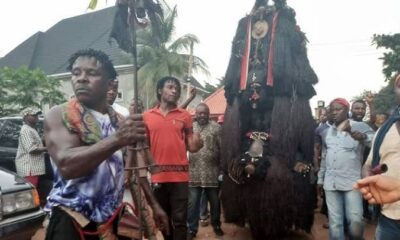
Masquerades, or Mmanwu played a unique role in rituals and moral governance. Masked performers represented spirits of the ancestors or deities and appeared during festivals, funerals, and community events. They were believed to embody spiritual power, enforce ethical behaviour, settle disputes, and entertain communities while maintaining sacred traditions.
For Igbo people, taboos and moral codes known as Omenala guided everyday life. Actions considered offensive to deities or ancestors required cleansing rituals or offerings to restore harmony. Elders and spiritual leaders ensured these laws were upheld as a way of reinforcing social order and community values.
In traditional Igbo society, religion, ethics, and culture were intertwined. The history of Igbo people demonstrates how spiritual beliefs affected governance, family life, social responsibility, and cultural expression, thus leaving a legacy that continues to influence Igbo identity today.
Igbo Social Structure and Family Life

To Igbo people, social organization and family life were central to community stability and cultural continuity. Traditional Igbo society placed strong emphasis on the extended family, lineage, and communal responsibilities which helped in creating a system that balanced individual roles with collective well-being.
At the heart of social life was the extended family which included grandparents, parents, children, and other relatives connected through blood or marriage. Families were organized into lineages that traced descent from a common ancestor. Lineage heads, often senior male elders managed land, mediated disputes, and represented the family in village affairs. This structure provided security, shared resources, and a framework for passing on traditions and values.
A key aspect of Igbo people is marriage . It was both a social and economic alliance between families. Bride price which was usually in the form of money, livestock, or goods was negotiated and paid to the bride’s family. Marriage strengthened ties between lineages and ensured cooperation, mutual support, and continuity of ancestry. Women played vital roles in family life, from managing the household and participating in agriculture to holding significant positions in marketplaces and community associations.
Children were considered the most important investment in the family and community. They were socialized through participation in daily tasks, storytelling, proverbs, and rituals. Naming ceremonies and other rites of passage connected children to their ancestors and reinforced moral values. Education was primarily practical and cultural as it taught respect, responsibility, and social norms rather than formal academics.
Social cohesion was also maintained through age grades and title societies which grouped individuals by age or achievement. These structures created opportunities for mentorship, community service, defense, and leadership training that ensured continuity and stability in village life.
The Igbo family system emphasized collaboration, accountability, and moral responsibility. It reinforced the principles Igbo people were known for, and showed how social structures were designed to preserve culture, protect members, and sustain community harmony. Even today, these values continue to define Igbo identity, both in Nigeria and across the diaspora.
Igbo Traditions, Customs, and Festivals
The history of Igbo people captures a rich tapestry of traditions, customs, and social practices that reflect their core values, beliefs, and communal organization. These practices have been carefully preserved across generations, continuing to define Igbo identity and offering insight into how the Igbo connected with one another, their environment, and the spiritual world.
An integral part of the life of Igbo people is in the role of rituals and ceremonies. From birth to adulthood, marriage, and death, life events are marked by elaborate customs that celebrate continuity, community, and spirituality. For example, naming ceremonies welcome a child into the community with prayers, offerings, and blessings from elders and spiritual leaders, reinforcing cultural and spiritual bonds.
Another notable feature is the practice of title-taking, especially in societies such as the Nze na Ozo. Titles are awarded to individuals who demonstrate achievement, wealth, integrity, and dedication to community service. Title holders gain social recognition and take on responsibilities, including governance, dispute resolution, and participation in spiritual rituals.
Festivals also play a central role in the life of Igbo people as they act as both cultural celebration and spiritual observance. The New Yam Festival held annually after the yam harvest, honours Ala, the earth goddess for a bountiful harvest. This festival features feasting, music, traditional dances, and offerings to the deities and ancestors.
Masquerade traditions are integral to Igbo festivals and moral guidance. Masked performers represent ancestral or divine spirits that appear at ceremonies to entertain, educate, and uphold ethical behaviour. These masquerades remind communities of the spiritual presence in daily life and the importance of preserving cultural norms.
Music, dance, folklore, and oral storytelling further enrich the history of Igbo people. These forms not only provide entertainment but also serve as educational tools that help to preserve communal wisdom, moral lessons, and historical knowledge. Proverbs, folktales, and songs teach values such as honesty, courage, and respect.
Through rituals, festivals, and storytelling, the history of Igbo people demonstrates a culture deeply rooted in family, community, and spirituality. These enduring practices continue to influence daily life, uphold cultural identity, and celebrate the resilient and vibrant spirit of the Igbo people.
Economy and Indigenous Knowledge Systems
Igbo people have a long history of economic ingenuity where daily life, culture, and indigenous knowledge were closely connected. In traditional Igbo society, agriculture, trade, and craftsmanship formed the backbone of the economy, supported by skills and knowledge passed down through generations.
Farming was central to the lives of Igbo people. They cultivated staples such as yams, cassava, maize, and vegetables, with yams holding special cultural and symbolic significance. Success in yam farming represented wealth, status, and personal achievement. It was celebrated during the New Yam Festival which honoured Ala and reinforced community bonds. Farmers applied indigenous knowledge of soil fertility, seasonal patterns, and natural indicators to optimize harvests.
Trade and commerce were equally important for Igbo people. Markets served as hubs for both local and regional exchange for agricultural produce, textiles, pottery, and metalwork. Artisans specialized in crafting bronze and copper artifacts, iron tools, and woven fabrics, some of which reached distant regions via riverine and overland trade routes. These networks highlight the sophistication and reach of Igbo commerce.
Indigenous knowledge systems among Igbo people extended beyond agriculture and trade. Communities developed expertise in medicine, conflict resolution, governance, and spiritual practices. Herbal medicine and traditional healing preserved health while the elders and title societies applied ethical knowledge and dispute resolution strategies to maintain harmony. Apprenticeship systems ensured that these skills and cultural practices were transmitted to the younger generations as a way of sustaining knowledge continuity.
Economic activity also reinforced social cohesion among Igbo people. Trade relied on cooperation, trust, and mutual respect and reflected broader communal principles. Economic success often led to recognition through title-taking and community honours that linked achievement with cultural and social responsibilities.
In essence, Igbo people embody a society where economy, culture, and indigenous knowledge were inseparable. Agriculture, trade, craftsmanship, and local knowledge not only sustained communities but also preserved traditions, strengthened social bonds, and reflected their creativity and resilience.
Contact with Europeans and Colonial Rule
Igbo people first came into contact with the Europeans in the 15th and 16th centuries, initially through Portuguese traders along the Niger River and coastal areas. These early interactions focused on trade, particularly in palm oil, ivory, and later, unfortunately, the transatlantic slave trade. Such encounters introduced new goods, ideas, and technologies. But they also marked the beginning of significant social and political changes for the people.
By the 19th century, British and other European missionaries arrived, bringing Western education and Christianity to Igbo communities. Schools established by missionaries provided Igbo people with literacy and skills that enabled them to participate in commerce, governance, and the emerging colonial society. This created a class of educated Igbo individuals who later became influential leaders in both local and national affairs.
The imposition of British colonial rule brought profound changes to the political and social structures of the people. Traditionally, Igbo communities were largely acephalous as they relied on councils of elders, age grades, and village assemblies for governance. The British introduced the warrant chief system by appointing local leaders who often lacked traditional legitimacy. This system disrupted existing authority, created tensions, and sometimes, sparked resistance, as many Igbo communities viewed it as an intrusion into their autonomous governance.
Colonial rule also reshaped the economy of Igbo people. Communities were integrated into cash-crop production, especially palm oil for export to European markets. While this expanded trade networks and wealth opportunities, it also created economic pressures and disparities within Igbo society.
Despite these changes, the people adapted by blending traditional practices with new systems. Christianity was incorporated alongside Odinani, festivals and rituals continued, and communal governance persisted in modified forms. This flexibility and resilience are hallmarks of Igbo people’s enduring identity.
Summarily, contact with the Europeans and the imposition of colonial rule transformed many aspects of life for Igbo people, from governance and religion to the economy. Yet, their culture, traditions, and communal values remained intact.
Igbo People in the Struggle for Independence
Igbo people played a central role in Nigeria’s journey toward independence. By the early 20th century, they had become prominent in commerce, education, and civil service, thanks in part to missionary schools and early Western education. This foundation enabled the Igbo to participate actively in political movements advocating for self-governance and the rights of their communities within Nigeria.
Prominent Igbo people such as Nnamdi Azikiwe emerged as influential leaders using education, journalism, and political engagement to push for national independence. They also championed the interests of Igbo people within Nigeria’s diverse ethnic landscape, emphasizing both unity and the recognition of minority rights.
Grassroots organizations, including town unions, women’s groups, and youth associations were instrumental in mobilizing the people for political participation. These networks educated communities about colonial policies, encouraged civic involvement, and organized protests, strengthening the political voice of the Igbo people at both local and national levels.
Economically, many Igbo people leveraged their entrepreneurial skills to gain influence and build wealth which in turn supported political activism. Their success in trade, education, and public service allowed the people to assert their presence in Nigeria’s emerging post-colonial society.
By the time Nigeria achieved independence in 1960, Igbo people had secured a significant role in governance, education, and civil administration. Their involvement highlighted their trademark resourcefulness, resilience, and leadership while demonstrating how cultural values of education, community, and entrepreneurship contributed to national development.
Overall, Igbo people were pivotal in Nigeria’s struggle for independence through combining education, economic acumen, and communal organization to influence both local and national progress. Their active participation in this period underscores the enduring spirit and collective agency of the people throughout history.
The Nigerian Civil War and Its Impact on Igbo Identity
Igbo people faced one of the most challenging periods in their history during the Nigerian Civil War (1967–1970), also known as the Biafran War. Following political tensions, regional disputes, and perceived marginalization, the southeastern region, predominantly inhabited by the Igbo, attempted to secede as the Republic of Biafra. This conflict profoundly affected their social, economic, and cultural life.
During the war, millions of Igbo were displaced, and communities experienced severe famine, destruction of infrastructure, and loss of life. Despite these hardships, the people maintained a strong sense of community and cultural cohesion. Families, town unions, and local organizations provided support networks that helped to preserve identity and traditions, even in the midst of adversity.
The conflict also had lasting effects on their economy and social structures. Many businesses were destroyed, and wealth was lost, thereby forcing the people to rebuild from scratch after the war. This period highlighted their resilience, entrepreneurship, and determination to restore social and economic stability.
Culturally, the war strengthened Igbo people’s commitment to preserving their heritage. Festivals, rituals, and communal practices continued whenever possible, and served as reminders of identity, unity, and spiritual continuity. Even in refugee camps and among diaspora communities, the people maintained their language, music, storytelling, and customs, ensuring that their culture survived despite extreme disruption.
Politically and socially, the war shaped the modern identity of the Igbo. It emphasized the importance of education, entrepreneurship, and civic organization as tools for recovery and empowerment. The collective memory of the war continues to influence how Igbo people engage in national politics, advocate for representation, and preserve their cultural values.
Ultimately, the Nigerian Civil War was a defining moment for Ndigbo as it tested their resilience, unity, and cultural strength. Despite immense suffering, the people emerged determined to rebuild themselves.
Post-War Igbo Society and Cultural Revival
After the devastation of the Nigerian Civil War, the Ndigbo faced the monumental task of rebuilding their communities, economy, and cultural life. The post-war period was marked by resilience, innovation, and a renewed commitment to preserving the identity of Igbo people.
Economically, the people leveraged their traditional entrepreneurship and industriousness to reconstruct towns, markets, and businesses that had been destroyed. Families and communities worked together, combining resources and knowledge, to revive trade, agriculture, and craftsmanship. This reconstruction not only restored livelihoods but also reinforced social cohesion among Igbo people.
Culturally, the post-war era saw a revival of festivals, rituals, and communal traditions. Igbo people emphasized the importance of maintaining their spiritual practices, storytelling, music, and masquerades, even as they adapted to modern life. Festivals such as the New Yam Festival regained prominence.
Education played a crucial role in the revival of Igbo society. Ndigbo invested heavily in schools and vocational training to equip younger generations with the skills necessary for economic recovery and leadership. This focus on learning also strengthened the cultural identity of Igbo people, ensuring that traditions, language, and values were passed on alongside modern knowledge.
Town unions, women’s associations, and community groups were instrumental in the cultural revival. These organizations coordinated social welfare, supported economic initiatives, and promoted the teaching of customs, proverbs, and indigenous knowledge. Through these collective efforts, the people preserved their heritage while rebuilding a vibrant, forward-looking society.
Essentially, the post-war period was a time of resilience, renewal, and cultural revival for Igbo people. Their determination to restore communities, revive traditions, and invest in education demonstrates the enduring spirit, creativity, and solidarity that define them, even in the face of historical challenges.
Igbo People in Contemporary Times
Today, the Igbo are a vibrant and influential people both within Nigeria and across the globe. Although modern urbanization, globalization, and migration have expanded the reach of Igbo people, they continue to maintain strong cultural, social, and economic ties to their ancestral roots.
Education and entrepreneurship remain the hallmarks of Ndigbo in contemporary society. Many have achieved success in business, technology, academia, and government as a validation of the ingenuity, industriousness, and resourcefulness historically associated with the people. This drive has allowed them to thrive in diverse environments while contributing to local and national development.
Cultural preservation is also a priority for Igbo people today. Festivals, title-taking ceremonies, masquerades, and traditional rituals continue to be celebrated, both in rural communities and urban centres. Even among diaspora communities, they still maintain language, storytelling, music, and customs and ensure that younger generations remain connected to their heritage.
Social organization among Igbo people has adapted to modern challenges while retaining traditional values. Town unions, community associations, and professional networks help to coordinate social welfare, business opportunities, and cultural events. These structures reinforce communal bonds, a sense of responsibility, and the shared identity of Ndigbo in contemporary life.
Despite modernization, the people remain deeply connected to their history, traditions, and spiritual heritage. Their ability to balance tradition with progress demonstrates resilience and adaptability which are traits that have defined them throughout history.
Whether in Nigeria or abroad, Igbo people preserve their heritage, innovate in modern fields, and contribute meaningfully to society.
Challenges Facing Igbo Culture Today
Despite their resilience and rich cultural heritage, Igbo people face several challenges in preserving their traditions and identity in contemporary times. Rapid urbanization, globalization, and migration have created pressures that can weaken traditional practices, language, and social cohesion among the people.
One major challenge is language erosion. Many younger members of the Igbo society now grow up in urban areas or abroad where English or other dominant languages are used in schools and daily life. This shift can reduce fluency in Igbo language, and thus affect oral traditions, storytelling, and the transmission of cultural values.
Modernization and Westernization also pose challenges to traditional customs and rituals. Some Igbo people increasingly prioritize contemporary lifestyles over cultural observances which leads to a decline in participation in festivals, title-taking ceremonies, and communal rituals. This change can weaken the social and moral structures that have long defined Igbo people.
Economic pressures and migration have also impacted family and community structures. Many Igbo people move to cities or other countries in search of better opportunities, which, sometimes, limit their ability to engage in communal life and cultural practices. This diaspora, while creating global networks can challenge the transmission of indigenous knowledge and traditional governance systems.
Furthermore, historical events such as colonialism and the Nigerian Civil War continue to influence the socio-political environment for the people. Issues of representation, marginalization, and political advocacy remain relevant as they affect community cohesion and the preservation of cultural identity.
Overall, Igbo people face significant challenges in maintaining language, traditions, and social structures in a rapidly changing world. However, their resilience, adaptability, and commitment to cultural preservation ensure that, despite these pressures, their identity and heritage continue to endure.
Cultural Identity and the Enduring Spirit of the Igbo People
Igbo people have a history defined by resilience, adaptability, and a strong sense of cultural identity. Despite centuries of change, external influences, and periods of conflict, they have preserved unique traditions, values, and communal practices that continue to define who they are today.
Central to Igbo people’s identity is a deep connection to ancestry, family, and community. Lineage and communal ties shape social responsibilities, ethical conduct, and governance which ensure that even in urban areas or the diaspora, the people maintain strong bonds with their ancestral roots.
Cultural practices such as masquerades, title-taking ceremonies, and the New Yam Festival are vital expressions of their heritage. These traditions connect generations, transmit moral lessons, and embody the Igbo philosophy of life which emphasizes balance, respect, communal engagement, and harmony with the natural and spiritual worlds.
Education, entrepreneurship, and creativity also define Igbo people in contemporary society. Their industriousness and problem-solving skills have enabled them to thrive both in Nigeria and globally. These qualities reflect their enduring spirit, and allow them to recover from historical disruptions such as colonialism and the civil war while continuing to influence modern society.
Language and oral traditions remain essential to the identity of Igbo people. Proverbs, folktales, songs, and storytelling carry collective wisdom, moral guidance, and historical knowledge that link the past with the present and ensure cultural continuity.
In Conclusion …
The story of Igbo people is one of resilience, creativity, and enduring cultural pride. From their early origins and pre-colonial society to the challenges of colonial rule, the Nigerian Civil War, and modern globalization, they have continually adapted while maintaining a strong sense of identity.
Through traditions, festivals, rituals, and indigenous knowledge, the people preserve a cultural heritage that emphasizes community, spirituality, and social responsibility. Education, entrepreneurship, and innovation have allowed Ndigbo to thrive in contemporary society, both within Nigeria and across the diaspora while remaining deeply connected to their roots.
Despite challenges such as urbanization, language erosion, and shifting social structures, Igbo people continue to uphold their customs, values, and communal bonds. Their history demonstrates the power of resilience and the importance of cultural preservation.
Essentially, Igbo people exemplify a vibrant culture that balances tradition and modernity. Their story is a testament to the enduring spirit, adaptability, and pride that have defined them for generations, and ensured that their heritage remains alive, influential, and celebrated today.
References
- https://en.wikipedia.org/wiki/Igbo_people
- https://en.wikipedia.org/wiki/Igbo-Ukwu
- https://en.wikipedia.org/wiki/Nri-Igbo
- https://en.wikipedia.org/wiki/%C3%8Cfiku%C3%A1nim
- https://en.wikipedia.org/wiki/Odinani
- https://www.odinaniigbo.com/
- https://en.wikipedia.org/wiki/New_Yam_Festival_of_the_Igbo
- https://igboticroots.org/about-history/
- Elizabeth Allo Isichei, A History of the Igbo People – a foundational scholarly book on Igbo history
M. Angulu Onwuejeogwu, Igbo Civilization: Nri Kingdom & Hegemony – detailed ethnographic work on Nri influence
You might want to check this out …