



Igbo Culture & Heritage
Igbo Naming Traditions: The Deep Symbolisms in Igbo Names

Igbo naming traditions are rich with cultural meaning and symbolisms that are rooted in heritage, spiritual beliefs, life events, and community values from birth throughout life.
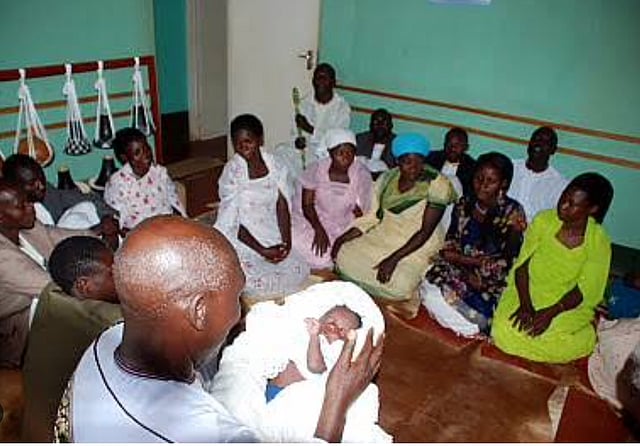
In Igbo culture, names carry more than mere sound. They carry meaning, history, and connection. The moment a child is born, the community gathers not just to welcome life but to give that child an identity that links them to family, ancestors, and the world around them. Every name chosen in this tradition tells a story, marks a moment, or expresses hope for the future.
Igbo naming traditions are deeply rooted in cultural values and spiritual beliefs. Some names speak of the circumstances surrounding a birth. Others honour the ancestors, acknowledge divine guidance, or reflect the virtues parents wish to see in their child. Names are spoken aloud during ceremonies, shared with relatives and neighbours, and become part of everyday life that carries lessons and expectations into the future.
Exploring these traditions is like stepping into the heart of Igbo society. It reveals a culture where language, identity, and community are inseparable. Learning how and why names are given offers insight not only into individual lives but also into the values, beliefs, and history that shape a people.
Why Names Are Significant in Igbo Culture
In Igbo society, a person’s name is not just a tag for identification. Names are intentional cultural expressions rooted in language, belief, and experience. Within Igbo naming traditions, names are carefully chosen to communicate identity, heritage, social relationships, spiritual belief, and life circumstances. Research shows that Igbo names are not created randomly but are thought about deeply because they are believed to influence the way people see themselves and are seen by others.
For the Igbo, naming is a cultural act that reflects a worldview that connects the individual to family history, community values, and spiritual orientation. Academic studies describe Igbo personal names as “linguistic artefacts” that convey lineage, moral philosophy, and collective memory, thus making each name a form of cultural language that carries ideas about belonging and identity.
In traditional Igbo culture, names often capture the circumstances surrounding a birth or the parents’ intentions for their child. A name might express gratitude for a long‑awaited birth or reference hope, protection, or divine guidance. Names with Chi or Chukwu (meaning personal spiritual force or God) reflect the deep spiritual worldview embedded in Igbo naming traditions where life is understood in relation to spiritual forces and cultural values.
Beyond spirituality, names in Igbo culture serve social purposes. They situate the bearer within family and community networks and communicate shared values and expectations. In Igbo social structure, a name can signal kinship, social roles, historical experience, or family aspirations that integrate the individual into a wider cultural narrative. Linguistic research affirms that Igbo names reveal insights into how societies organize personal identity within social and cultural life.
Because of these deeply held beliefs, naming is treated with care. Parents, elders, and elders’ councils often deliberate over names, ensuring they reflect meaning that aligns with family and community values. In this way, Igbo naming traditions demonstrate how names matter not just as identifiers but as living expressions of worldview, belief, and belonging across generations.
Historical Background of Igbo Naming Traditions

The story of Igbo naming traditions stretches back through centuries and reflects a worldview in which language, culture, and identity are deeply woven together. Unlike naming customs that exist mainly for identification, Igbo names historically communicated social, cultural, and philosophical meanings tied to family history, community values, spiritual belief, and lived experience. Academic research shows that in traditional Igbo societies, names were not chosen casually. They were expressions of life circumstances, beliefs about fate, and connections to heritage.
Long before colonial rule and modern influences, Igbo naming traditions were embedded in ritual and community life. These traditions involved elders, family heads, and cultural custodians who understood the linguistic and symbolic weight of each name. Naming was part of a broader cultural system where personal identity was linked to history and collective memory.
Names in Igbo culture are indexes of lineage, spirituality, social relationships, and moral values. These names served as living stories that preserve events and connections that defined families and communities.
Much of the early documentation on Igbo naming highlights its role in social and cultural organization. Scholars note that names often carried social, religious, historical, and philosophical layers of meaning. Naming practices revealed much about the social worldview of the Igbo people, including their ideals, fears, joys, aspirations, and values. In this sense, naming was a cultural practice that simultaneously reflected and shaped community life.
One enduring element of these Igbo naming traditions is the ceremonial aspect. Historically, names were revealed and explained during community gatherings that brought family members together. These ceremonies were occasions to share the story behind the name, to thank spiritual forces or ancestors, and to publicly situate the newborn within the broader cultural and social network. Rituals such as the breaking of kola nuts, pouring libations, and offering prayers linked the act of naming to gratitude, protection, and belonging.
As contact with missionaries, colonial administrators, and global cultures increased, some aspects of Igbo naming traditions evolved. Western names and Christian naming practices became more common alongside traditional Igbo names, particularly in contexts where English names were thought to ease social interactions or fit official records. However, research shows that even with these changes, many Igbo families continued to prioritize indigenous naming because of its deep cultural resonance and identity significance.
Today, both in Nigeria and in Igbo diasporic communities around the world, historical Igbo naming traditions have adapted, even as they retain the core values. Many families still choose names that preserve cultural heritage and express identity, belief, and connection to the ancestors. For those living outside Igbo-speaking regions, names serve as anchors to heritage and cultural memory that helps to sustain Igbo identity across generations.
Types of Igbo Names and Their Meanings
In learning the Igbo naming traditions, understanding the types of Igbo names and their meanings opens a window into how deeply these traditions are connected to culture, values, history, and lived experience. In the Igbo society, names are not chosen at random. They are intentional linguistic expressions informed by specific social, spiritual, or circumstantial factors. Research shows that Igbo personal names can be classified into several meaningful categories, each carrying cultural significance.
One major category includes circumstantial names. These names describe the circumstances surrounding a child’s birth. For example, a baby born during a particular market day or a unique seasonal event may receive a name that reflects that moment. Historically, Igbo people also named children after market days such as Eke, Orie, Afor, or Nkwo. Names like Mgborie or Nwanyinkwọ, Nwafor and Okeke directly reference these cultural markers of time and place.
Theophoric names form another deeply meaningful group recognized in Igbo naming traditions. These are names that contain references to God or spiritual forces. Names beginning with Chi or Chukwu such as Chukwuebuka (“God is great”) or Chinedu (“God leads”) express spiritual belonging and trust in divine guidance. These names reflect the worldview that life is connected with a personal spiritual force (Chi) or a greater creator (Chukwu). This ia a concept central to Igbo naming traditions.
In addition to these, family and lineage names are chosen to honour the ancestors or indicate the child’s place within extended family networks. These names connect the newborn to heritage, kinship, and collective memory. Such names help to maintain cultural continuity by preserving family stories and ancestral pride.
There are also virtue and attribute names which come to play in Igbo naming traditions. These names convey qualities parents hope their child will grow into, such as strength, peace, beauty, or intelligence. An example is Anulika meaning “joy is good,” which expresses a positive attribute that the family values. These names function as everyday reminders of cultural ideals and ethical expectations within the Igbo society.
Other classifications identified in Igbo naming traditions include metaphoric, positional, periodic, and praise names. Metaphoric names express symbolic meaning beyond what they literally name. Positional names may relate to a child’s birth order or a particular family role. Periodic names might reference cyclical cultural events or festivals, and praise names offer admiration or high regard for virtues the family wishes to celebrate.
Together, these types show that Igbo naming traditions are not arbitrary. They are culturally anchored categories that express social norms, spiritual beliefs, historical experiences, and personal aspirations. Each type of name carries its own form of cultural logic which makes Igbo names meaningful stories that remain alive in everyday life and community memory.
Rituals and Customs Involved in Igbo Naming Ceremony
For the Igbo people, naming a child is one of the most important rites of passage in life. At the heart of Igbo naming traditions is the naming ceremony itself, often called Igu Aha which formally introduces a newborn to family, community, ancestors, and the spiritual world. This ceremony is rich in ritual and symbolism, and its customs reveal how deeply Igbo culture values identity, continuity, and social belonging.
Traditionally, the naming ceremony takes place within the first week to two weeks after a child’s birth. Going by the indigenous Igbo calendar which is organized around four days, namely, Eke, Orie, Afor, and Nkwo, a child is typically named after two to three Igbo weeks have passed. In some regions, this commonly falls on the eighth day, though practices vary by community.
On the day of the ceremony, extended family, relatives, friends, and neighbours gather at the family compound or a chosen ceremonial space. The event begins with prayers and expressions of gratitude for the safe delivery of the child. Traditionally, the eldest male relative or paternal grandparent leads the proceedings, though roles can vary by family and locality.
A central and symbolic act in the ceremony is the breaking of kola nuts. The kola nut is highly significant in Igbo society as it represents life, hospitality, mutual respect, and communion with the ancestors. When the kola nut is presented and broken, prayers and libations are offered to thank the supreme being (Chukwu) and ancestral spirits, and to seek guidance and protection for the child.
Once this ritual opening has taken place, the child’s name or names are announced aloud. The names may have been selected by the parents, guided by family elders, or chosen after discussion and reflection on meanings related to the birth circumstances, family history, spiritual beliefs, or aspirations for the child. Each name is explained, and its significance is shared with those assembled in a way that reinforces the link between the name and the child’s social and spiritual identity.
In some communities, other meaningful actions accompany naming rituals. For example, in certain areas, a tree might be planted to symbolize the child’s growth, life, and connection with the earth to reinforce ideas of renewal and the child’s place in the lineage and environment.
While modern influences, including Christianity and urbanization, have changed how some families conduct naming ceremonies, many still preserve these rituals in traditional, adapted, or hybrid forms. Even where ceremonies are shorter or integrated with church blessings, the core of Igbo naming traditions which is welcoming a child into the world through ritual, communal recognition, and meaningful naming remains deeply valued.
Through these rich customs and rituals, the naming ceremony remain a powerful expression of cultural identity that connects newborns to their family, community, ancestors, and spiritual beliefs in ways that resonate across generations.
Social Messages Embedded in Names
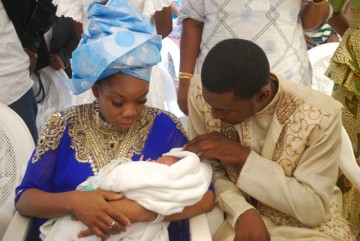
In Igbo society, names do much more than identify a person. They carry social messages that communicate values, history, and community connections. Within Igbo naming traditions, every name tells a story, whether about the circumstances of a child’s birth, family lineage, spiritual beliefs, or aspirations for the child’s future. Names serve as living symbols that transmit culture, ethics, and social norms from one generation to the next.
Some names highlight virtues or moral expectations. For example, a child named Obinna (“Father’s heart”) reflects loyalty, care, and devotion to family, while Chidera (“God has written”) emphasizes faith and trust in divine authority. These names subtly remind both the child and the community of ethical values and desired qualities. They function as daily social cues that teach cultural principles and reinforce communal cohesion.
Other names preserve family and historical memory. Children may be named to honour the ancestors, commemorate significant events, or mark achievements or hardships the family has experienced. This practice ensures that family stories, lessons, and heritage remain alive in the collective consciousness. Names, in this sense, are a bridge that links the past, present, and future.
Even in modern times, these social functions persist. Families often explain the meanings of names during gatherings, birthdays, or cultural events with the aim of helping children understand their identity and social responsibilities. Through such practices, Igbo naming traditions continue to transmit culture, build social bonds, and define the moral landscape of the community.
In essence, Igbo names are far more than words. They are tools of communication, moral guidance, and social integration. Each name embeds a message that resonates within the family, the community, and the wider society, thus showing why naming is a central cultural practice in Igbo life.
Myths and Misunderstandings About Igbo Naming Traditions
Despite the richness and depth of Igbo naming traditions, there are still many myths and misunderstandings surrounding the practice. Some people assume that Igbo names are only religious or that they must reference God directly. While it is true that many names carry spiritual meaning, the tradition existed long before Christianity, rooted in ancestral respect, community values, and the circumstances of birth. Names can celebrate events, honour the ancestors, or express parental hopes without being explicitly religious.
Another common misconception is that Igbo names are random or chosen only for their beauty or sound. In reality, each name in Igbo naming traditions is deliberate and meaningful. Anthropologists and cultural historians have documented that names convey family history, social expectations, and moral lessons. A child’s name often tells a story about the family’s journey, the community’s values, or the spiritual guidance believed to protect and guide the child.
Some modern assumptions suggest that Igbo names are difficult to pronounce or incompatible with global cultures. While pronunciation may pose challenges for non-Igbo speakers, families often carefully select names that carry meaning while remaining accessible in different contexts. Many Igbo families today combine traditional and modern names. However, the essence of the tradition which is the intentional, symbolic, and social significance of names remains intact.
By unravelling the truth behind these misconceptions, it becomes clear why Igbo naming traditions remain a cornerstone of cultural identity. In Igbo naming traditions, names are not just labels. They are living symbols of history, values, faith, and community, passed down carefully from one generation to the next.
Igbo Naming Traditions in Today’s World
Despite modernization and global influences, Igbo naming traditions remain a vital aspect of cultural identity in contemporary society. While urbanization, migration, and intercultural marriages have introduced new naming practices, the core purpose of names which is expressing identity, heritage, and social belonging remains intact. Families continue to select names that honour ancestry, convey values, and reflect hopes for the child’s future.
In modern Nigeria, many parents now blend traditional Igbo names with Western or Christian names. For instance, a child may be named Chinwendu Grace, combining the Igbo meaning “God owns life” with an English name that is globally recognizable. This hybrid approach allows children to navigate diverse social contexts while staying connected to the Igbo naming traditions and their cultural roots.
Technology and social media have also influenced contemporary naming practices. Naming ceremonies are often shared online, allowing extended family and diaspora communities to participate in celebrations and blessings. Despite these innovations, the fundamental rituals which include prayers, kola nut offerings, public announcement of the name, and explanations of its meaning are maintained in many families to preserve the spiritual and cultural significance of the tradition.
Moreover, in the diaspora, Igbo families use names as anchors to heritage. Children born outside Nigeria are often given traditional Igbo names alongside local names to maintain a tangible link to their ancestry, community, and cultural memory. These practices demonstrate how Igbo naming traditions adapt to contemporary life without losing their symbolic, social, and spiritual relevance.
In today’s world, Igbo names continue to serve as more than identifiers. They are tools of cultural preservation, moral guidance, and social integration. They are proofs that, even in a globalized society, the values embedded in names remain a cornerstone of Igbo identity.
In Conclusion …
Names in Igbo culture are far more than words. They are living vessels of history, belief, and social connection. Igbo naming traditions demonstrate how identity, family heritage, spiritual faith, and community values are all woven into a single, meaningful act. From the careful selection of names to the rich rituals of the naming ceremony, every step reflects centuries of cultural wisdom and social understanding.
Throughout history, names have carried messages, celebrated events, honoured the ancestors, and communicated moral guidance. Even today, amidst globalization, urbanization, and diaspora life, Igbo families continue to preserve these practices by combining tradition with contemporary realities. Names remain central to identity. They offer children a tangible link to their roots and a way to navigate the world while staying connected to their heritage.
Understanding Igbo naming traditions involves more than appreciating a cultural practice. It is recognizing the profound ways in which language, community, and spirituality shape human experience. Each name is a story, a hope, and a promise. By learning about these traditions, we honour the depth of Igbo culture and celebrate the enduring power of names to define, guide, and connect people across generations.
Learning these traditions offers more than cultural insight. It invites appreciation for how language, belief, and community work together to give life purpose and connection through the simple act of naming.
References
- https://www.mdpi.com/2313-5778/10/1/7
- https://www.catholicsandcultures.org/compelling-power-naming-igbo-culture
- https://www.umuigbo.com/child-naming-ceremony-in-igbo-culture/igbo-culture
- https://omenalaigbo.org/igbo-traditional-naming-ceremony/
- https://www.nigerianjournalsonline.com/index.php/jollc/article/view/385
You might want to check this out …