





Festivals & Traditions
Asara Festival of Okija: A Celebration of Culture and Tradition

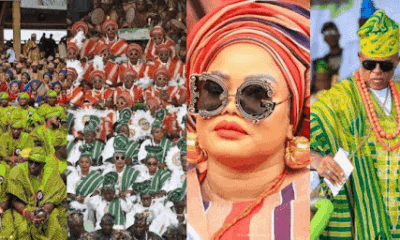
Asara Festival is a vibrant cultural celebration in Okija, Anambra State that showcases tradition, unity, and heritage. Discover the history, significance, performances, and community impact of this unique festival that brings the indigenes of Okija together from near and far.

Photo credit: ABS
Every community has that one gathering that its people plan their calendars around. In Okija, it is the Asara Festival.
The Asara Festival of Okija, in Anambra State, southeastern Nigeria is a community-wide celebration that brings together the indigenes from within Nigeria and across the diaspora. Documented in regional media coverage, the festival serves as a moment of thanksgiving, cultural display and homage to the traditional ruler. It is also a time the town publicly affirms its values, its leadership and its unity.
What makes the Asara Festival stand out is not noise or spectacle, rather it is the meaning as it creates space for the elders, youth and leaders to gather in one place. Cultural music fills the air. Traditional attire becomes the dress code of pride. Speeches remind the community of where it has been and where it hopes to go. In a fast-moving world, the festival slows things down long enough for people to reconnect with their roots.
For readers searching for clear and verified information about the Asara Festival, this article explores its origin, significance, structure and contemporary relevance. It examines how the festival functions within Okija’s traditional system and why it remains relevant in today’s Anambra State.
Historical Background of the Asara Festival
The history of the Asara Festival is closely linked to the social and traditional life of Okija in Anambra State. Okija is one of the largest and most prominent towns in Ihiala Local Government Area, with a long-standing traditional institution led by an Igwe and supported by cabinet chiefs and community leaders. Like many Igbo communities, Okija maintains cultural gatherings that serve as moments of unity, thanksgiving and public affirmation of identity.
Available documented reports describe the Asara Festival as a major communal celebration that brings together indigenes of Okija from within Nigeria and abroad. In September 2025, regional media coverage by ABS Radio and Television highlighted the Asara Festival as a cultural heritage event where the people of Okija gathered to celebrate their traditions and pay homage to their traditional ruler.
That edition of the festival also coincided with activities marking the eight years on the throne of the monarch, Emeka Okezie. This report confirms the festival’s role as both a cultural and civic gathering within the history of Okija.
While there are no widely published academic monographs devoted solely to the Asara Festival of Okija, its structure follows a familiar pattern found across Igbo land. In many Igbo communities, festivals serve as communal assemblies where people return home, give thanks, celebrate leadership and strengthen kinship ties. These gatherings often develop over time through oral tradition and community consensus rather than through written charters. The Asara Festival appears to belong to this tradition of community-centered cultural observances.
Historically, Igbo festivals have functioned as platforms for reaffirming authority, settling disputes, and strengthening bonds among lineages. In Okija, the Asara Festival provides a formal occasion where the traditional ruler, elders and titled men publicly engage with the wider community. It is also a time when achievements are acknowledged and collective progress is discussed. This connection between cultural celebration and civic engagement gives the festival a lasting place in the social calendar of the town.
Another important historical feature of the Asara Festival is its homecoming character. Media documentation emphasizes that the sons and daughters of Okija in the diaspora return for the event. That return journey, repeated over time adds a layer of continuity to the history. Each edition becomes part of a growing narrative of reunion and belonging.
As such, the historical background of the Asara Festival is not defined by a single founding date. Instead, it is rooted in the lived experience of the people of Okija. It stands as a community-created tradition, sustained by participation, respect for leadership and a shared desire to preserve cultural identity in a changing world.
Meaning and Symbolism of the Asara Festival
The Asara Festival is rich in meaning, and its symbolism runs deep in the social and cultural fabric of Okija. Primarily, the festival is about unity, gratitude, and continuity. It is a time for people to come together, reconnect with family, friends, and neighbours, and celebrate the shared heritage that binds the community.
The term “Asara” itself signifies a gathering with purpose. Unlike casual social events, the festival carries intentionality. It is an occasion to honour the past, acknowledge the present, and look toward the future. This intentional gathering reflects a broader Igbo worldview where community and collective identity are valued over individual pursuits.
Symbolically, the festival represents several key ideas.
For one, the Asara Festival brings together the people from Okija who may live in different cities, states, or even countries. The act of returning home for the festival symbolizes loyalty and belonging. It strengthens relationships and reaffirms social bonds across generations.
Central to the festival is a sense of appreciation. Attendees give thanks for personal and communal blessings. Prayers are offered for the progress of the town, the welfare of families, and the continued guidance of the traditional leadership. This practice reinforces the cultural value of acknowledging the forces, both spiritual and human that sustain life and community.
The presence of the Igwe and other community leaders during the Asara festival highlights respect for authority and continuity. The festival becomes a living symbol of Okija social hierarchy that links contemporary life with ancestral tradition.
Music, dance, attire, and ceremonial acts during the festival communicate cultural values to the younger ones. Children witness performances and rituals that teach respect, hospitality, and communal responsibility. This way, the festival functions as a living classroom that passes down intangible cultural heritage.
For many participants, the Asara Festival is also a statement of pride. Wearing traditional clothing, participating in performances, and engaging in communal activities demonstrate both personal and collective identity. It is a vivid reminder of the place of Okija in the larger scale of Igbo cultural life.
In essence, the symbolism of the Asara Festival extends beyond mere celebration. It is a reflection of the values, history, and social cohesion of Okija. Every dance, every prayer, and every greeting carries meaning that reminds the attendees why returning home , honouring tradition, and celebrating together matter.
When and How the Asara Festival Is Celebrated

The Asara Festival is not tied to a rigid calendar like some annual holidays. Instead, it is celebrated based on communal planning and significant events in the life of Okija, such as milestones for the traditional ruler or community anniversaries. Reports show that major celebrations, like the 2025 edition were scheduled in September to coincide with both the cultural significance and the availability of the indigenes returning from different parts of Nigeria and abroad.
The festival begins with preparations in the town. The streets are cleaned, public spaces are decorated, and local markets prepare for the influx of visitors. Families ready guest accommodations, and townspeople coordinate performances, music, and dance programmes. This preparation itself is part of the festival which creates anticipation and excitement across Okija.
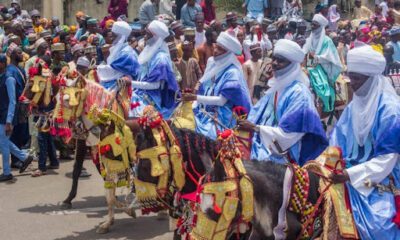
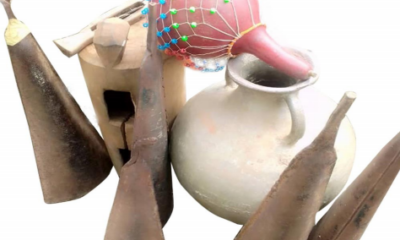
During the festival, the town becomes a hub of activity. Attendees arrive in traditional attire ranging from patterned wrappers and caps to beads and other cultural accessories. These clothes signify identity, respect, and pride in heritage. Music plays a central role in the celebration. Traditional instruments such as drums, ogene and ekwe are used to accompany dances, processions, and greetings. These rhythms energize the town and create a festive atmosphere.
The festival also involves formal communal gatherings where speeches are made by the Igwe, titled elders, and prominent indigenes. These speeches often include expressions of gratitude, reminders of shared values, and encouragement for community progress. They help to strengthen the sense of unity and collective responsibility.
Homecoming is a defining feature of the Asara Festival. Community members who live far away make deliberate efforts to return. These reunions allow families to reconnect, friends to catch up, and youth to meet elders. Beyond personal connections, these interactions strengthen the community identity and ensure that cultural knowledge is passed down.
Food plays an important role as well. Traditional dishes are prepared in homes and public spaces to create a shared culinary experience. Meals are offered to guests as a symbol of hospitality, generosity, and community cohesion.
The combination of preparation, attire, music, speeches, homecoming, and communal meals makes the Asara Festival of Okija a deeply participatory event. It is a time when the culture of the town is lived, experienced, and shared, not just observed. Each element of the celebration contributes to its meaning, and ensures that the participants leave with a stronger connection to their roots and to each other.
The Role of Traditional Leadership in the Festival
The Asara Festival is closely tied to the traditional leadership structure of Okija, with the Igwe serving as the central figure in both the ceremonial and communal aspects of the event. The Igwe’s presence highlights the connection of the festival to heritage, authority, and social order, and reinforces the importance of leadership in guiding the cultural and civic life of the community.
During the Asara festival, the Igwe formally welcomes returning indigenes and addresses the community. These speeches often include reflections on the progress of the town, calls for unity, and reminders of shared responsibilities. The Igwe’s words carry weight because they are grounded in tradition and respect for communal norms. Through this role, the festival becomes a public affirmation of leadership and continuity, rather than just a social gathering.
The Igwe also oversees the ceremonial aspects of the Asara festival, like traditional blessings and acknowledgment of the elders and titled individuals. These activities represent the hierarchical but inclusive nature of the governance of Okija. By recognizing both the elders and the youth, the leadership ensures that cultural values are communicated across generations.
Other traditional leaders, including the chiefs and council members participate in organizing and facilitating the Asara festival. They coordinate logistics, ensure that cultural protocols are observed, and assist in hosting the guests. Their involvement ensures that the festival runs smoothly while maintaining respect for the customs and practices of the town.
Through the guidance of the Igwe and other traditional leaders, the Asara Festival functions as a space where authority, culture, and community converge. Leadership at the festival does not merely direct the events, it provides structure, fosters cohesion, and preserves the continuity of Okija cultural identity.
Cultural Performances and Highlights

A defining feature of the Asara Festival is its vibrant cultural performances and highlights that bring the traditions of Okija to life. Music, dance, attire, and public displays of unity are central to the festival in creating a lively and immersive experience for participants and visitors alike.
Traditional music sets the rhythm of the festival. Drums, ogene, and ekwe are commonly played to accompany dances and processions throughout the town. These instruments carry distinct Igbo rhythms that energize participants, signal transitions between different parts of the festival, and evoke a sense of cultural pride.
Dance is another major highlight. Both the youth and the adults perform traditional dances often in coordinated groups that demonstrate skill, rhythm, and communal harmony. Dance performances serve multiple purposes. They entertain, convey cultural stories, and allow generations to connect through shared movement and rhythm.
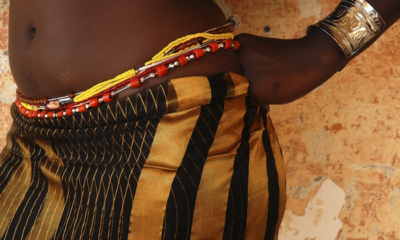
Traditional attire plays a key role in the visual expression of the Asara Festival. Attendees wear patterned wrappers, headgear, beads, and other accessories that signify identity, respect, and cultural pride. The careful choice of clothing also reflects an understanding of Okija traditions.
Another highlight of the festival is the presentation of public speeches and acknowledgments. Community leaders, including the Igwe, elders, and notable indigenes deliver messages that celebrate achievements, honour the history of the town, and encourage continued unity. These formal addresses complement the artistic expressions, add depth to the festival, and connect the cultural performances with the civic life of the town.
Food and communal dining also feature as cultural highlights. Traditional dishes are shared among attendees as a symbol of hospitality, generosity, and the collective spirit of Okija. The combination of music, dance, attire, speeches, and food ensures that every aspect of the Asara festival is experienced through multiple senses, thus making it a holistic celebration of culture and tradition.
Through these performances and highlights, the Asara Festival allows participants to experience Okija heritage actively. It is not merely an event to observe, it is, rather a celebration to live, engage with, and carry forward into daily life.
Social and Economic Impact of the Festival
The Asara Festival of Okija has a profound effect on both the social and economic life of the community. Beyond its cultural significance, the festival functions as a platform for social cohesion and economic activity that brings tangible benefits to the town and its residents.
Socially, the Asara festival strengthens bonds between community members. It provides a space for families, friends, and neighbours to reconnect, particularly those who live far from Okija. This homecoming aspect allows the elders to share stories, wisdom, and cultural knowledge with younger generations.
It also fosters a sense of pride and belonging by reminding participants of their roots and reinforcing communal identity. For many indigenes, attending the festival becomes a personal commitment to sustaining tradition and maintaining connections with the wider community.
The Asara festival also has notable economic benefits. Large gatherings create opportunities for local businesses to thrive. Markets, restaurants, transport services, and hospitality providers experience increased patronage during the festival. Artisans, tailors, and craftspeople benefit from demand for traditional attire, beads, and ceremonial items.
Vendors selling food and other goods gain additional income, while the overall circulation of money within the community rises. This economic boost supports livelihoods and encourages local entrepreneurship.
Additionally, the Asara festival encourages investment in infrastructure and community development. Preparations often include cleaning public spaces, repairing roads, and improving communal areas. These improvements enhance the appearance of the town and make it more inviting for visitors, thereby contributing to long-term social and economic benefits.
By creating occasions for social reunions and economic activity, the Asara Festival becomes more than a cultural celebration. It functions as a catalyst for community growth, social networking, and local prosperity. Participants leave with renewed social bonds while local businesses and services benefit from the influx of visitors. This makes the festival a vital event for Okija in multiple ways.
Asara Festival in the Modern Context

Dr. Ernest Obiejesi (Obijackson) @ the Asara Festival
The Asara Festival still grows in the modern era by blending traditional practices with contemporary elements that make it relevant to the younger generations. While its core purpose remains cultural celebration, homecoming, and thanksgiving, the way the festival is experienced today reflects changes in lifestyle, technology, and social engagement.
Modern communication tools play a key role in organizing the festival. Social media platforms, messaging apps, and online announcements allow the organizers to reach Okija indigenes living across Nigeria and around the world. This digital connection ensures that participants can plan their return well in advance while also rousing excitement and visibility for the festival.
At the festival itself, traditional elements like music, dance, and attire remain central. However, contemporary features such as amplified sound systems, modern lighting, and photography and videography capture the experience for sharing online. These adaptations help to preserve memories, showcase the event to a wider audience, and engage those who cannot attend in person.
The modern Asara Festival also highlights the evolving role of Okija’s diaspora. Individuals living in urban centres or overseas contribute resources, sponsor events, and participate in decision-making for the festival. This collaboration strengthens connections between the town and its global community, and ensures that traditions remain alive, even when people live far from home.
Education and cultural awareness have become additional features of the festival in contemporary times. During the celebrations, elders and organizers often use public addresses to emphasize cultural values, leadership principles, and communal responsibilities. By framing tradition in ways that resonate with modern life, the festival becomes both a celebration and a learning experience.
Despite these modern influences, the essence of the Asara Festival remains unchanged. It is still a homecoming, a communal gathering, and a celebration of Okija heritage. Though, technology and contemporary practices enhance the experience, they do not replace the core values of unity, respect, and cultural pride that have defined the festival for generations.
Asara Festival and Igbo Cultural Identity
The Asara Festival of Okija is more than a local celebration. It is a vivid expression of Igbo cultural identity which inks personal and collective histories, even while it promotes shared values. Festivals like Asara provide a space where the traditions, beliefs, and social structures of the Igbo people are actively experienced, passed down, and celebrated.
Through participation, community members reaffirm their connection to Okija and the broader Igbo world. Traditional music, dance, attire, and communal rituals highlight the elements that are distinctly Igbo, thereby creating a sense of pride in cultural heritage. Children and young adults witness and engage in practices that teach respect for elders, communal cooperation, and the importance of ancestry. These experiences are essential in preserving Igbo values across generations.
The festival also strengthens identity by providing a platform for public recognition of leadership and communal achievements. The Igwe and community elders, through ceremonies and speeches strengthen the social and moral frameworks that guide Okija. These moments highlight accountability, unity, and mutual responsibility which are core principles in Igbo social life.
Homecoming is another key element. When the indigenes return from different parts of Nigeria or the diaspora, they carry experiences influenced by external cultures. The Asara Festival offers a shared cultural anchor that reminds the participants of their roots and helps them to integrate personal growth with community values. This balance ensures that the Igbo identity remains strong, adaptable, and relevant in modern life.
In essence, the Asara Festival does not just celebrate Okija, it celebrates the collective Igbo heritage. It creates opportunities for storytelling, learning, and communal reinforcement of what it means to belong to this culture. Through these recurring gatherings, Okija contributes to the broader effort of sustaining and transmitting the Igbo cultural identity to the future generations.
Common Understandings and Clarifications
While the Asara Festival of Okija is well-known among indigenes and documented in regional media, there are some misconceptions that often arise, particularly when it is compared to other festivals in Anambra State or Igboland. Clarifying these points helps the readers to understand the unique aspects of the Okija celebration.
First, the Asara Festival is not an annual fixed-date event like some harvest or New Yam festivals. Instead, it is scheduled based on community decisions, often aligning with milestones such as the tenure of the Igwe or other significant local occasions. Reports show that recent gatherings were carefully coordinated to ensure the return of community members from across Nigeria and the diaspora.
Second, the festival should not be confused with other events in nearby towns with similar names. For example, the Asara Festival in Ukpor emphasizes historical victories and commemorative rituals which differ in purpose and practice from Okija’s homecoming and community-oriented celebration. Understanding these distinctions is important to appreciate the specific cultural identity of Okija.
Third, the festival is often seen as purely ceremonial, but it is also social and economic in impact. Beyond the rituals and performances, the event strengthens community ties, supports local commerce, and encourages investment in infrastructure. This broader significance is sometimes, overlooked but is integral to understanding why the festival is relevant.
Finally, while the Asara Festival incorporates modern elements like media coverage, digital announcements, and enhanced logistics, these changes do not diminish its traditional values. They, instead, help to maintain relevance, ensure wider participation, and support cultural transmission in contemporary society.
By addressing these points, it becomes clear that the Asara Festival of Okija is a distinct and meaningful celebration that combines tradition, social cohesion, and cultural identity in ways that continue to resonate across generations.
In Conclusion …
The Asara Festival of Okija stands as a living testament to the culture, heritage, and communal spirit of the town. It is a celebration that brings together families, friends, and neighbours from near and far by creating a space for homecoming, thanksgiving, and cultural expression. Through music, dance, traditional attire, and communal rituals, the festival embodies the values of unity, respect, and shared identity that are central to the Igbo society.
Beyond its cultural significance, the Asara Festival has social and economic impact. It strengthens family ties, encourages interaction across generations, and supports local businesses through increased activity and patronage. The festival also allows the Igwe and traditional leaders to engage with the community, and strengthen governance, social order, and cultural continuity.
In modern times, the festival continues to evolve, integrating digital communication, media coverage, and participation from the diaspora while remaining grounded in tradition. This balance ensures that the younger ones experience the richness of their heritage while still connecting with contemporary life.
Ultimately, the Asara Festival of Okija is a celebration of who the people of Okija are, where they come from, and the traditions they carry forward. It is a moment culture is lived, identity is affirmed, and community blooms. For anyone seeking to understand the depth and vibrancy of Igbo cultural life, the Asara Festival offers a vivid and enduring example.
References
- https://en.wikipedia.org/wiki/Okija
- https://absradiotelevision.com/asara-okija-festival-community-celebrates-cultural-heritage/
- https://www.nairaland.com/4955397/okija-asala-festival-igwe-oka-ije
- https://nnewicity.com/okija-town-the-land-the-people-the-culture/
You might want to check this out …