

Igbo Women in History
13 Igbo Women Who Changed Nigerian History: Heroines, Leaders and Trailblazers

Igbo women who changed Nigerian history include brave pre-colonial leaders, pioneering writers, political activists, and global trailblazers who shaped Nigeria’s culture, politics, and economy.
Nigeria’s history is full of remarkable stories. But too often, the contributions of women, especially Igbo women from Southeastern Nigeria are overlooked. These are the women who resisted colonial oppression, led communities, broke barriers in politics, transformed literature, and impacted global finance.
From the marketplaces of southeastern Nigeria to the halls of international organizations, Igbo women have consistently shown courage, intelligence, and vision. They did not wait for permission to lead. They acted, and in doing so, changed the course of Nigerian history.
In this article, we celebrate Igbo women who changed Nigerian history – trailblazers whose lives and legacies continue to inspire generations. You will meet fearless activists, pioneering writers, groundbreaking lawyers, and global leaders.
Their stories reveal not just individual triumphs but the power of women to reshape societies, challenge norms, and leave a mark that transcends time.
Whether through protest, public service, or cultural innovation, these women demonstrate that history is not only written by kings and presidents but by those with the courage to lead, speak, and act.
Igbo Women Who Changed Nigerian History – Pre-Colonial and Colonial Trailblazers
Long before Nigeria gained independence, Igbo women were already influencing their communities and challenging authority. Some of them were fighters, organizers, and leaders whose actions left a lasting mark on history. These women did not simply participate in society, they transformed it. They resisted colonial oppression, defended their communities, and proved that leadership knows no gender.
Nwanyeruwa – Leader of the Aba Women’s War (1929)

Nwanyeruwa stands out as one of the most powerful examples of Igbo women who changed Nigerian history. In 1929, when the British colonial officers tried to impose unfair taxes on her and other women in Oloko, she refused to comply. Her bold defiance sparked what became known as the Aba Women’s War, a historic protest that mobilized tens of thousands of Igbo women across southeastern Nigeria.
Nwanyeruwa’s leadership went far beyond mere resistance. She organized women through market networks and local associations, coordinating strikes, demonstrations, and petitions to colonial authorities. This collective action forced the British administration to rethink its policies, thus making the Aba Women’s War a landmark moment in Nigeria’s fight against colonial exploitation.
By standing up for her community, Nwanyeruwa demonstrated that women were not only active participants in history but also architects of change. Her courage and strategic leadership continue to inspire generations and has secured her place among the most influential Igbo women who changed Nigerian history.
Nwagboka – Last Omu of Onitsha
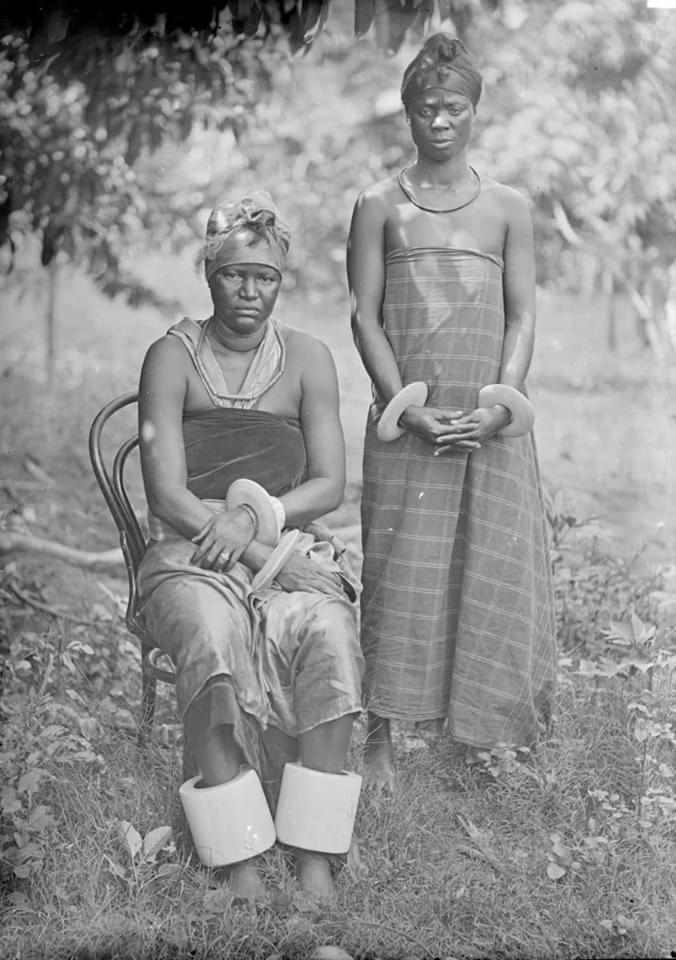
Nwagboka, the last omu of Onitsha is another remarkable example of Igbo women who changed Nigerian history. In the late 19th century, she held a position of authority that allowed her to lead and represent women in her community. The omu was responsible for organizing women, especially in trade and social matters, and Nwagboka used this role to assert women’s influence over decisions that affected their lives.
She is best remembered for leading the women of Onitsha in a strike against the Obi, or king and challenging policies that marginalized women’s voices. Through collective action, Nwagboka demonstrated the economic and political power of Igbo women and showed that women’s contributions were essential to community leadership and social stability. Her leadership reinforced the idea that women could not be ignored in governance, even in male-dominated systems.
Nwagboka’s courage and organizational skill made her a symbol of female empowerment in Igbo society. She remains a key figure when discussing Igbo women who changed Nigerian history as her story highlighted how women shaped traditional leadership and defended their communities long before modern political systems were established.
Ahebi Ugbabe – First Female King in Colonial Nigeria

Ahebi Ugbabe’s story is one of extraordinary courage and trailblazing leadership. She is celebrated as one of the most remarkable Igbo women who changed Nigerian history, having risen to a position that few women in her time could imagine. During the early 20th century, in a male-dominated colonial society, Ahebi defied tradition by becoming both a warrant chief and later the eze (king) of Enugu-Ezike.
Her leadership was groundbreaking. As a female king, she navigated the delicate balance between colonial authorities and her community, administering justice, settling disputes, and representing her people in political matters. Ahebi’s reign challenged conventional ideas about gender and power and proved that women could govern and command respect in roles historically reserved for men.
Beyond her formal authority, Ahebi Ugbabe inspired countless Igbo women to see leadership as attainable. Her life is a testament to the courage, vision, and determination that define Igbo women who changed Nigerian history, thus leaving a legacy that resonates in discussions about gender, governance, and social innovation in Nigeria.
Janet Okala – Political Activist of the Women’s War
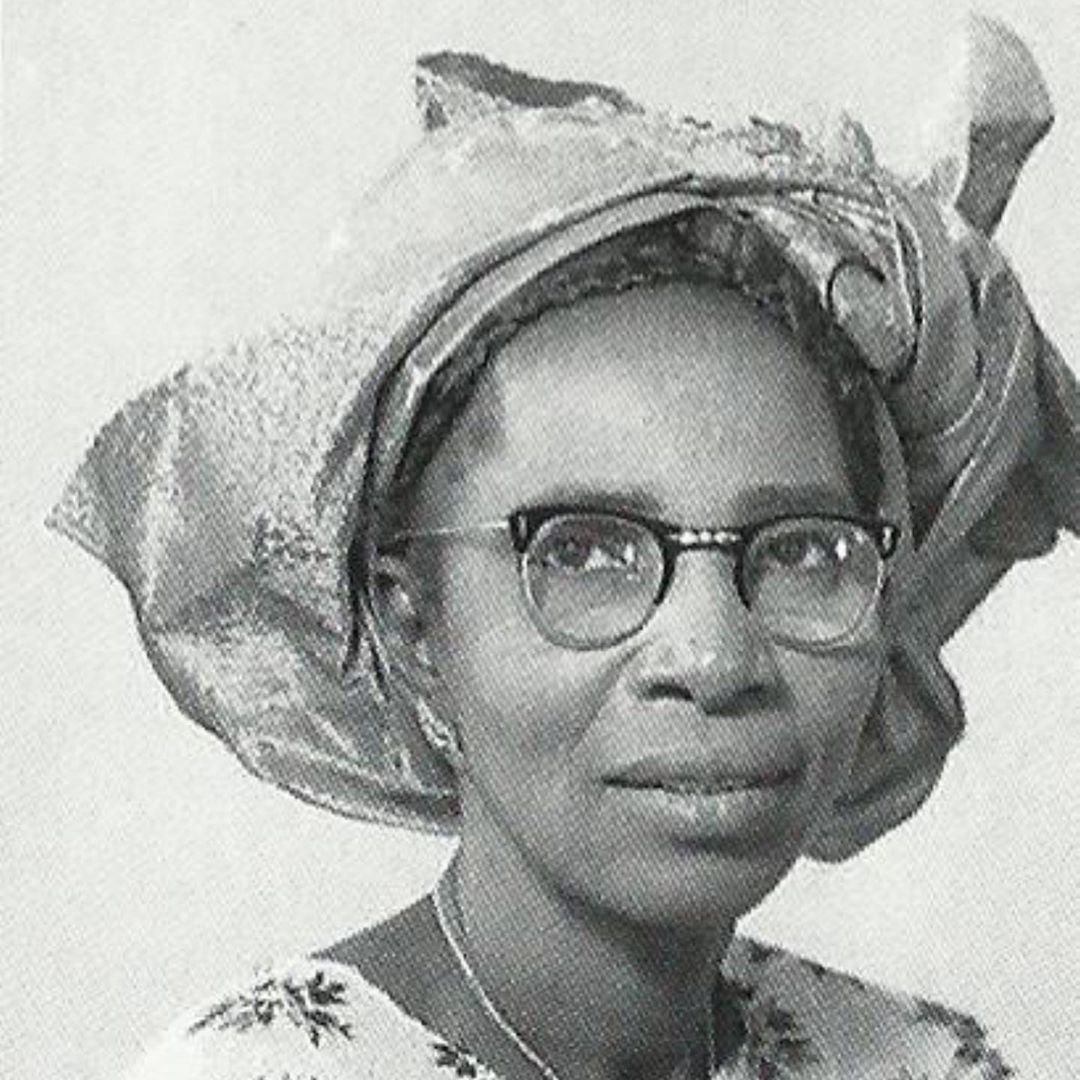
Janet Okala, widely known as Mama Bread is a powerful example of Igbo women who changed Nigerian history through activism and community leadership. During the Aba Women’s War of 1929, she played a critical role in organizing women across villages to resist unfair colonial taxation. Her ability to mobilize networks of women, coordinate protests, and communicate their demands to authorities was instrumental in the success of this historic movement.
Janet Okala’s leadership demonstrated that Igbo women were not passive bystanders in history. They were organizers, strategists, and advocates for justice. By standing at the forefront of the Women’s War, she helped to ensure that women’s voices were heard and that their collective power could influence political decisions.
Her contributions highlight the broader theme of Igbo women who changed Nigerian history, that is, women shaping society not only through traditional roles but also through organized resistance, advocacy, and unwavering courage. Janet Okala remains a symbol of female resilience, grassroots leadership, and the enduring impact of women in Nigeria’s fight for justice.
Igbo Women Who Changed Nigerian History – Cultural Influencers in Literature and Arts
Flora Nwapa – Mother of Modern African Literature
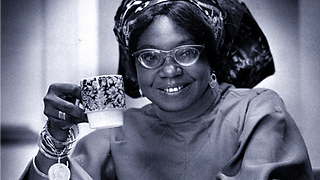
Flora Nwapa is widely recognized as a pioneer among Igbo women who changed Nigerian history, not through politics or activism, but through the power of storytelling. Born in Oguta in 1931, she became the first African woman to publish a novel in English with Efuru in 1966. Her writing opened the doors for women’s voices in African literature at a time when the literary world was overwhelmingly dominated by men.
Nwapa’s stories often focused on the daily lives, struggles, and resilience of Igbo women which give the readers an intimate look at the strength, intelligence, and creativity of her community. Beyond her novels, she founded Tana Press, one of the first publishing houses owned and operated by an African woman, thereby creating opportunities for other writers, especially women, to have their stories heard.
Through her literary achievements, Flora Nwapa showed that cultural influence could be a form of leadership. Her work continues to inspire generations of writers and remains a key part of the legacy of Igbo women who changed Nigerian history – a proof that storytelling can shape society and empower communities.
Chimamanda Ngozi Adichie – Contemporary Literary Icon

Chimamanda Ngozi Adichie is one of the most celebrated Igbo women who changed Nigerian history through literature and powerful advocacy for gender equality. Born in Enugu in 1977 and raised in Nsukka, she quickly rose to international acclaim with novels such as Purple Hibiscus, Half of a Yellow Sun, and Americanah. Her stories explore identity, culture, history, and the challenges faced by women in Nigeria and beyond.
Beyond her fiction, Adichie has become a leading voice in conversations about feminism and women’s empowerment. Her essay We Should All Be Feminists has inspired millions worldwide and sparked discussions on the importance of equality, social justice, and the role of women in shaping the society. Through her work, she demonstrates that storytelling is not only an art form but also a vehicle for social change.
Chimamanda Ngozi Adichie’s influence reminds us that Igbo women who changed Nigerian history do so in many ways, through courage, intellect, creativity, and the ability to challenge societal norms. She continues to inspire young women and men alike by showing that culture, literature, and advocacy are powerful tools for leadership and transformation.
Chinwe Chukwuogo-Roy – Visual Arts and Cultural Icon

Chinwe Chukwuogo-Roy was an Igbo-born Nigerian-British artist celebrated for her portraits and visual storytelling. She used her art to highlight African identity, history, and culture, creating works that inspired both national and international audiences.
Exhibiting at prestigious venues like the Royal Academy of Arts, she became a symbol of African creativity and demonstrated the global impact of Igbo women who changed Nigerian history through art.
These cultural trailblazers show that Igbo women have shaped not just governance and activism but also Nigeria’s creative and cultural landscape. Through literature, visual arts, and theatre, they amplify women’s voices, challenge norms, and leave an enduring legacy that inspires future generations.
Igbo Women Who Changed Nigerian History – Advocates and Political Leaders
Margaret Ekpo – Women’s Rights and Political Activist

Chief Margaret Ekpo, known for her tireless advocacy for women’s political and economic empowerment is one of the most influential Igbo women who changed Nigerian history. Born in 1914 in Creek Town, Ekpo recognized early on that women’s voices were often ignored in politics. She dedicated her life to organizing market women and community groups in Aba, giving them a platform to influence policy and challenge social inequities.
In 1961, she made history by becoming the first woman from Aba elected to the Eastern Regional House of Assembly. In this role, she championed women’s rights, education, and social development and ensured that women were recognized as essential participants in governance. Margaret Ekpo’s activism and political leadership transformed the way Nigerian society viewed women’s roles in public life.
Through her work, Ekpo exemplified how courage, organization, and determination can reshape communities. She remains a defining figure among Igbo women who changed Nigerian history who inspires generations of women to engage actively in politics, advocacy, and social reform.
Dora Akunyili – Public Health and Anti-Corruption Pioneer

Professor Dora Akunyili is a shining example of Igbo women who changed Nigerian history through courage, integrity, and service to her nation. Born in 1954 in Anambra State, she rose to national prominence as the Director-General of Nigeria’s National Agency for Food and Drug Administration and Control (NAFDAC). In this role, she led a relentless fight against counterfeit drugs, saved countless lives and restored public trust in Nigeria’s healthcare system.
Akunyili’s work extended beyond public health. She became a symbol of accountability and anti-corruption in public service through which she showed that leadership requires not just vision but courage to stand against powerful interests. She later served as Nigeria’s Minister of Information where she advocated for transparency, good governance, and public welfare.
Her legacy is a testament to the impact of Igbo women who changed Nigerian history. Dora Akunyili demonstrated that determination, professionalism, and integrity could transform institutions and improve the lives of millions. Her life inspires women and men across Nigeria to pursue service with honesty and dedication.
Oby Ezekwesili – Governance and Transparency Advocate

Oby Ezekwesili is one of the most influential Igbo women who changed Nigerian history who made her mark through public service, accountability, and advocacy for good governance. A chartered accountant and seasoned policy expert, she co-founded Transparency International Nigeria through which she helped to fight corruption and promote transparency across government institutions.
Ezekwesili also served as Nigeria’s Minister of Education and later as Minister of Solid Minerals where she introducing reforms that improved governance, public procurement, and education systems. Beyond national service, she gained global recognition for co-convening the #BringBackOurGirls campaign which drew international attention to the kidnapping of schoolgirls in Nigeria.
Her dedication to integrity, social justice, and policy reform has made her a role model for leaders worldwide. Oby Ezekwesili’s work shows how Igbo women who changed Nigerian history continue to influence national and global conversations and prove that courage, expertise, and advocacy can transform societies.
Victoria Uzoamaka Onejeme – Legal Pioneer
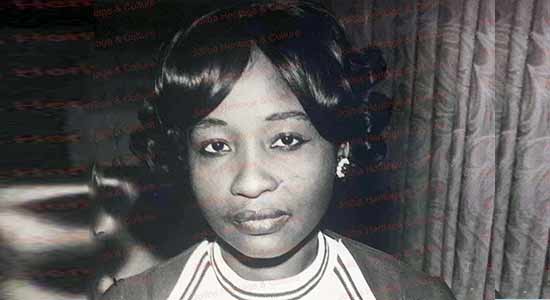
Victoria Uzoamaka Onejeme is a trailblazing figure among Igbo women who changed Nigerian history who broke barriers in Nigeria’s legal system. She made history as the country’s first female Attorney-General, a role that set a precedent for women in law and governance. Her appointment signalled a new era where women could hold the highest legal offices previously dominated by men.
Beyond her tenure as Attorney-General, Victoria Onejeme served as a judge at the Federal High Court where she shaped legal decisions and mentored a generation of lawyers. Her career demonstrated that women could excel in leadership roles within the judiciary and influence policy, justice, and the rule of law in Nigeria.
Victoria Uzoamaka Onejeme’s life and work remain a testament to the impact of Igbo women who changed Nigerian history and show that courage, professionalism, and dedication to justice can break gender barriers and inspire future generations of women in law and public service.
Igbo Women Who Changed Nigerian History – National and Global Financial Leaders
Ngozi Okonjo-Iweala – Global Trade and Economic Reformer
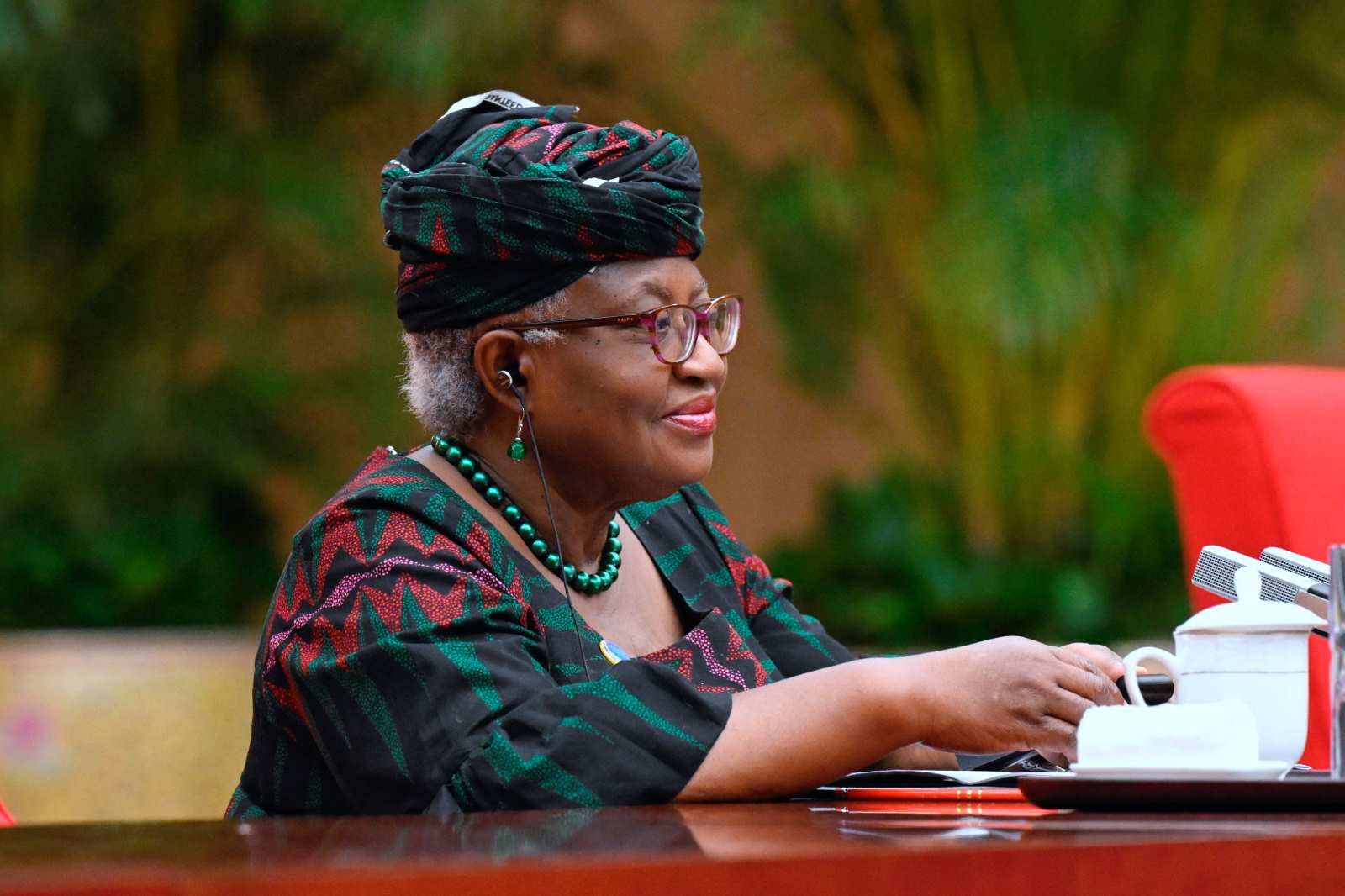
Dr. Ngozi Okonjo-Iweala is a globally recognized figure among Igbo women who changed Nigerian history who has made transformative contributions to both Nigeria and the world. Born in 1954 in Ogwashi-Uku, she rose through the ranks of economics and public service to become Nigeria’s Finance Minister twice where she implemented reforms that helped to stabilize the economy, reduce debt, and improve transparency in public finance.
In 2021, she made history again as the first woman and first African to lead the World Trade Organization (WTO). In this role, she shapes global trade policies, champions equitable economic development, and represents Africa on the world stage. Okonjo-Iweala’s leadership demonstrates how expertise, vision, and integrity can impact both national policy and international relations.
Her career embodies the legacy of Igbo women who changed Nigerian history and proves that Nigerian women can lead on the global stage, drive economic transformation, and inspire young people to pursue excellence in finance, governance, and international diplomacy.
Arunma Oteh – Financial Innovator and Global Treasurer
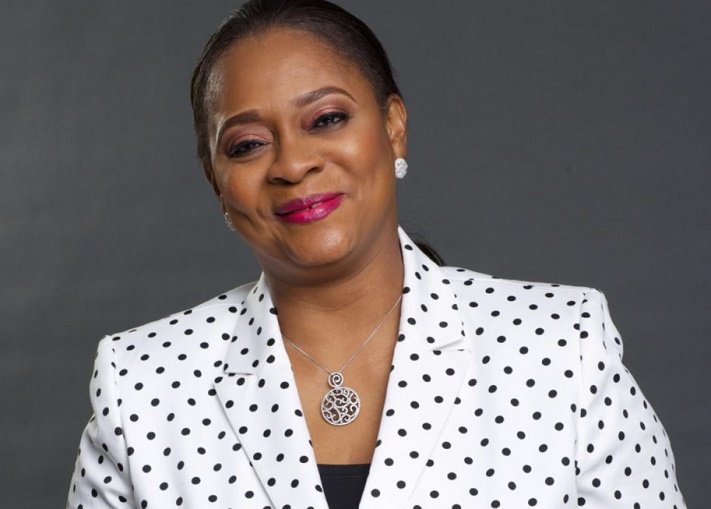
Arunma Oteh is a prominent example of Igbo women who changed Nigerian history through her groundbreaking work in finance and economic development. Born in Abia State, she rose to national prominence as the Director-General of Nigeria’s Securities and Exchange Commission (SEC) where she introduced reforms that strengthened capital markets, promoted transparency, and encouraged investment in Nigeria’s financial sector.
Her influence extended beyond Nigeria as she later served as Vice President and Treasurer at the World Bank, overseeing significant global financial portfolios and advocating for inclusive economic growth. She is widely recognized for her expertise in public finance, capital markets, and development economics, making her one of the most respected Nigerian women in global finance.
Arunma Oteh’s career illustrates the transformative impact of Igbo women who changed Nigerian history by showing that leadership, innovation, and integrity can drive both national development and global progress. Her story continues to inspire young Nigerians, particularly women, to pursue careers in finance, policy, and international governance.
Collective Contributions of Igbo Women
While individual achievements of figures like Margaret Ekpo, Dora Akunyili, and Ngozi Okonjo-Iweala are celebrated, the collective actions of Igbo women have also shaped Nigeria’s history in profound ways. Across generations, Igbo women have used networks, market associations, and age-grade groups to organize, influence, and lead, thereby showing that collaboration can drive lasting change.
One of the most notable examples of collective impact was the Aba Women’s War of 1929 in which tens of thousands of women across southeastern Nigeria united to resist unfair colonial taxation. Figures like Nwanyeruwa and Janet Okala demonstrated that when Igbo women acted together, they could challenge authority, protect their communities, and force systemic change. These movements were not isolated incidents, they reflected a deep tradition of women mobilizing for social, economic, and political justice.
Even in modern times, Igbo women continue to harness collective power. Market women, professional associations, and advocacy groups play critical roles in community development, education, and public policy. Their combined efforts highlight a central truth that Igbo women who changed Nigerian history did so not only as individuals but also as part of organized, resilient communities.
This collective influence underscores the enduring strength of Igbo women. Their ability to unite around shared goals, whether for justice, governance, or social advancement remains a cornerstone of Nigeria’s historical and contemporary progress.
In Conclusion …
The story of Igbo women who changed Nigerian history is one of courage, vision, and enduring influence. From pre-colonial leaders like Nwanyeruwa, Nwagboka, and Ahebi Ugbabe, to activists such as Janet Okala and Margaret Ekpo, these women challenged oppression, mobilized communities, and reshaped society.
Their impact was not limited to politics and activism, cultural pioneers like Flora Nwapa, Chimamanda Ngozi Adichie, and Zulu Sofola gave voice to women’s experiences, reshaping literature, theatre, and the arts.
In the modern era, figures like Dora Akunyili, Oby Ezekwesili, Victoria Uzoamaka Onejeme, Ngozi Okonjo-Iweala, and Arunma Oteh demonstrate that Igbo women continue to influence governance, law, public health, and global finance. These trailblazers prove that leadership, intellect, and determination know no gender and that women have always been central to Nigeria’s growth and progress.
The legacy of Igbo women is both individual and collective. Through activism, scholarship, entrepreneurship, and public service, they have inspired generations and shown that meaningful change is possible when women lead with courage, vision, and integrity. Their stories remind us that history is not only written by rulers or officials, it is also shaped by those who dare to act, organize, and transform society.
Celebrating these achievements ensures that the contributions of Igbo women who changed Nigerian history are remembered, honoured, and serve as a source of inspiration for future generations of Nigerian women and men alike.
References
- https://en.wikipedia.org/wiki/Nwanyeruwa
- https://en.wikipedia.org/wiki/Nwagboka
- https://en.wikipedia.org/wiki/Ahebi_Ugbabe
- https://en.wikipedia.org/wiki/Women%27s_War
- https://en.wikipedia.org/wiki/Flora_Nwapa
- https://www.britannica.com/explore/100women/profiles/chimamanda-ngozi-adichie
- https://en.wikipedia.org/wiki/Zulu_Sofola
- https://en.wikipedia.org/wiki/Margaret_Ekpo
- https://en.wikipedia.org/wiki/Dora_Akunyili
- https://en.wikipedia.org/wiki/Oby_Ezekwesili
- https://en.wikipedia.org/wiki/Victoria_Onejeme
- https://en.wikipedia.org/wiki/Ngozi_Okonjo-Iweala
- https://en.wikipedia.org/wiki/Arunma_Oteh
- https://historyrise.com/the-aba-womens-riots-of-1929-colonial-taxation-and-feminist-protest/
You might want to check this out …