



African History
Ihitte-Uboma, Imo State: History, Culture, Notable Facts

Ihitte-Uboma is a community in Imo State known for its fertile lands, rich Igbo traditions, and growing local development. Explore Ihitte-Uboma’s history, culture, economy, governance, and why it matters today.

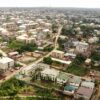
Ihitte-Uboma located in Imo State, Nigeria is a vibrant community known for its rich cultural heritage, fertile agricultural land, and growing local development. Situated in southeastern Nigeria, this Igbo town is a hub of history, tradition, and economic activity.
From the lush farmlands producing yams, cassava, rice, and palm products to colourful festivals that celebrate the community’s identity, Ihite-Uboma offers a unique blend of rural charm and cultural richness.
As part of the Ihitte-Uboma Local Government Area, the town has a long-standing history shaped by its dual-clan structure, traditional leadership, and active participation of residents in farming, trade, and crafts. Over the years, the town has also embraced development, with ongoing efforts to improve schools, healthcare facilities, markets, and infrastructure.
This article explores the history, culture, governance, economy, education, notable facts, and everyday life and provides a comprehensive look at why this community matters, not just to Imo State but to Igboland and Nigeria as a whole.
Whether you are a researcher, traveller, or someone interested in Igbo culture and rural development, Ihitte-Uboma offers valuable insights into a thriving Nigerian community.
History and Origins of Ihitte‑Uboma
The Local Government Area known today as Ihite‑Uboma traces its origins to two historically independent clans, namely, Ihitte clan and Uboma clan. These clans, each with their own ancestral lineage and traditions gradually formed a unified administrative region under the name Ihite‑Uboma / Ihitte-Uboma.
Geographically, Ihite‑Uboma occupies a total area of approximately 104 square kilometres, making it one of the smallest Local Government Areas (LGAs) in Imo State. The headquarters of the LGA is located in the town of Isinweke which serves as the administrative centre for the combined clans.
In terms of population, data from the 2006 national census recorded that Ihitte/Uboma had 120,744 residents. According to demographic breakdowns, the population was fairly evenly distributed between males and females, and a substantial portion of residents were young (under 15 years). That reflected a community with strong family networks and potential for future growth.
The dual‑clan structure of Ihite‑Uboma is more than administrative. Each clan consists of several autonomous communities. For example, the Uboma clan alone comprises multiple autonomous communities, each with its own traditional ruler. This is a sign that while Ihite‑Uboma functions as one LGA, the internal structure preserves clan identity, local autonomy, and respect for tradition.
Because the region lies within the rainforest belt of southeastern Nigeria and shares ecological features common to the broader area of Imo State such as rivers, fertile soil, and tropical vegetation, the land has historically supported agriculture as the main livelihood of the people. The geography and soil conditions likely influenced early settlement, population growth, and the eventual formation of a combined administrative identity.
While the official formation of Ihite‑Uboma as a Local Government Area is linked to administrative structuring in the modern Nigerian state, the clans themselves, Ihitte and Uboma represent older, ancestral settlements rooted in Igbo traditions. Over time, with growth in population, external governance structures, and evolving administrative needs, the two clans merged under Ihite‑Uboma, thus preserving their heritage while forming a unified community identity.
In essence, the origin story of the town is one of unity built on dual heritage, a coming together of two clans, each with its own history, to form a Local Government Area. Its modest land area, combined clans structure, and sizeable population reflect both the traditional Igbo communal pattern and the realities of modern administrative governance in Nigeria.
Geography and Location of Ihitte‑Uboma
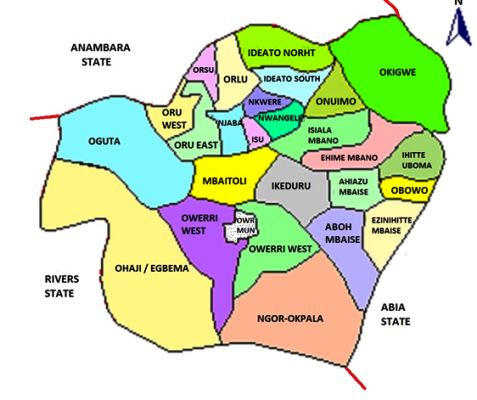
Ihite‑Uboma, also spelled Ihitte/Uboma is located in the south-eastern geopolitical zone of Nigeria. The administrative headquarters is situated in the town of Isinweke which serves as the centre for governance and public administration in the area. The LGA covers an area of approximately 104 square kilometres and lies at an elevation of around 143 metres (469 feet) above sea level, placing it within the tropical rainforest zone typical of much of Imo State.
Geographically, Ihite‑Uboma is positioned at roughly 5.62° North latitude and 7.36° East longitude, giving it a strategic location that connects several neighbouring LGAs. It is bordered by Okigwe LGA to the north, Ehime Mbano LGA to the west, Ahiazu Mbaise LGA to the south-west, and Obowo LGA to the south, while its eastern side connects to riverine areas that support local agriculture.
The climate in Ihite‑Uboma is tropical, with distinct wet and dry seasons. The rainy season generally begins in March and ends around December, and the area receives an estimated annual rainfall of 2,300 to 2,400 millimetres, thus creating high humidity and warm temperatures suitable for a wide variety of crops.
The fertile soils, combined with favourable elevation and climate make Ihite‑Uboma well suited for agriculture. Residents cultivate staple crops such as yam, cassava, rice, vegetables, and oil palm products which earn the area recognition as part of the food basket of Imo State.
Its geography also supports small-scale farming, local markets, and trade which are vital to the economy of Ihite‑Uboma and surrounding communities.
Culture and Traditions of Ihite-Uboma
People of Ihite‑Uboma are part of the larger Igbo people. The culture reflects typical Igbo values which entail respect for ancestors, community cohesion, age‑long customs, and a deep connection to the land.
Rites of Passage and Adult Initiation
One of the most important cultural practices in Ihitte‑Uboma is the rite of passage known as Iwa Akwa. This ceremony marks when a young man in Ihite‑Uboma is formally recognized as an adult.
During Iwa Akwa, eligible young men, typically between ages early 20s to mid‑20s are investigated by community elders to confirm their eligibility. Their family background must meet communal standards, including their parents’ acceptance and prior fulfillment of rites by their father.
Once approved, families prepare for the celebration, buying traditional wrappers, often “George” and organizing festivities. The ceremony includes a public procession, often on a traditional market day where initiates dress in fine wrappers and parade through their village or town, entering a celebratory ring (ogba) for dancing and demonstration.
Upon completion of Iwa Akwa, the young men officially become full members of the adult community, gaining the rights and responsibilities that come with adulthood, including community decision‑making, social standing, and eligibility for title‑holding or participation in communal governance.
Festivals, Harvest, and Thanksgiving
As an Igbo community, Ihitte‑Uboma shares in broader Igbo agricultural and cultural traditions. Chief among these is the celebration of the New Yam Festival, also known by names such as Iri ji, Iwa ji, Ike ji, depending on dialect. This is a festival celebrated throughout Igbo land that marks the end of the farming season and the beginning of harvest.
Because yam is often regarded as the king of crops among the Igbo and a staple food, the New Yam Festival is a communal thanksgiving. Before eating the new yam harvest, the community, led by traditional rulers or eldest men performs rites to honour the ancestors and deities, expresses gratitude for a successful harvest, and invokes blessings for the coming year.
On the festival day, there is usually a public celebration with music, dancing, masquerades, feasting, and large community gatherings. Families, friends and even people living outside Ihite‑Uboma often return home to participate. This festival reinforces communal identity, cultural continuity, and social ties across generations.
Cultural Values
In Ihitte‑Uboma, like in many Igbo communities, respect for elders, communal living, extended family ties and collective responsibility are deeply embedded cultural values. Traditional governance through community elders, age‑grades, and town unions plays a major role in maintaining social order, settling disputes, and preserving cultural identity.
Through events like Iwa Akwa and New Yam Celebrations, the young and old alike are reminded of their identity, heritage and shared history. These rituals reinforce belonging and continuity and offer the younger generations anchors in tradition, even as society changes.
Although many modern influences in form of religion, urbanization, migration affect communities across Nigeria, Ihitte‑Uboma continues to hold on to key aspects of Igbo tradition. Recent public events such as the Mbomuozo Festival, highlight a renewed commitment by community leaders to promote cultural heritage and involve youth in these traditions.
Community leaders often speak about the importance of preserving culture, not just as entertainment, but as the identity of the people, a way to pass values, norms, and shared beliefs to future generations.
Governance and Community Structure of Ihitte-Uboma

Ihitte-Uboma LGA Secretariat
Ihitte/Uboma is one of the 27 Local Government Areas (LGAs) in Imo State, Nigeria. Its administrative headquarters is located in the town of Isinweke.
As at the latest update, the LGA is led by an Executive Chairman, Prince Obioha Ndukwe. Under his leadership, the local government has undertaken steps to restore basic services, security, and public infrastructure across the area.
The LGA is composed of several wards and communities or districts, including Amakohia, Umuezegwu, Abuke, Umuihi, Ezimba, Onicha‑Uboma, and others.
In early 2025, Prince Ndukwe officially swore in key administrative officers, including the Secretary to the Local Government, Supervisors, and Statutory Advisers, tasking them to govern according to the law, with fairness and accountability.
This structure reflects the formal, constitutional governance system of LGAs in Nigeria where the LGA Chairman and Secretariat provide local administration and public service delivery.
Although Ihitte-Uboma functions under Nigeria’s modern LGA system, traditional community structures remain relevant. Local traditional rulers, community elders, and town unions continue to play roles in cultural leadership, conflict resolution, and mobilizing communities, especially in matters tied to culture, festivals, and community cohesion.
This blending of modern and traditional governance ensures that local identity and heritage remain alive even under contemporary administrative structures. Recent public statements by the LGA Chairman encourage continuous preservation of Igbo cultural heritage through community festivals and events.
Before late 2024, many parts of Ihitte-Uboma reportedly suffered from insecurity which disrupted civic life. Markets shut early, residents avoided the streets by evening, and public trust in governance had waned.
Since Prince Ndukwe assumed office in October 2024, the council, with support from the State government has taken actions to restore security, rehabilitate infrastructure, and re‑establish public trust. Steps taken include restoring a functional police presence, clearing refuse dumps at markets, building sanitary facilities, renovating dilapidated schools and health‑centres, installing a transformer for electricity supply, and setting up a solar-powered borehole for water supply.
These efforts show a return to active grassroots governance where formal local government administration and community needs are engaged. Recent social events, such as a 2025 Children’s Day celebration took place at the LGA headquarters which signals a renewed communal activity and confidence in local leadership.
Ihitte-Uboma wards and communities serve as the grassroots units through which governance and development flow. These wards have local representatives and serve as administrative zones for public services, community mobilization, and civic participation. For example, in previous years, under an Interim Management Committee (IMC), ward representatives were inaugurated to help to coordinate efforts at grassroots levels across the LGA.
This decentralized approach helps to ensure that government decisions on issues like public health, education, sanitation, and infrastructure reflect local needs and contexts, and that traditional structures co-exist with formal administration for better social cohesion.
Economy and Livelihood
The economy of Ihitte‑Uboma is largely agricultural which reflects the community’s rural character and fertile lands. Farming is the main occupation, with residents cultivating staple crops such as yam, cassava, oil palm, rice, and vegetables. Cassava and yam are particularly important as they serve both as food for households and as a source of income, when sold in local and regional markets. Cocoyam and other tubers are also grown by small‑holder farmers to contribute to the diversity of agricultural production in the area.
Agriculture in Ihite‑Uboma benefits from the region’s tropical rainforest climate, fertile soils, and high rainfall which support productive farms and ensure year-round cultivation. Despite these advantages, farmers face challenges such as limited access to improved inputs, small farm sizes, and restricted availability of credit.
Many households still rely on traditional farming methods which can affect yield and profitability. However, local farmers demonstrate resilience through communal farming practices and diversification of crops.
Beyond agriculture, trade plays a significant role in Ihitte‑Uboma’s economy. Active local markets, including Nkwo Ihitte and Isinweke daily market allow residents to buy and sell farm produce, household goods, and crafts. Small-scale trades such as carpentry, blacksmithing, and auto-mechanic services also provide income and employment opportunities for residents and reduce dependence on farming alone.
Recent local government initiatives have emphasized improving the LGA’s economic prospects. Efforts include rehabilitating markets, supplying electricity and water to commercial centres, and supporting farmers with inputs and incentives. These interventions have helped to create a better environment for both agriculture and trade, enabling residents to increase productivity, reduce post-harvest losses, and expand business opportunities.
Overall, the livelihood of Ihitte‑Uboma residents is sustained through a combination of farming, local trade, and small-scale craftsmanship. Many households diversify their activities by engaging in agriculture while also participating in market trade or skilled trades. This versatility and resilience make the economy relatively stable and allow the community to maintain food security and generate income, despite modern challenges.
Education, Infrastructure, and Recent Developments in Ihitte‑Uboma
In 2025, Ihitte-Uboma has seen a wave of renewed attention to infrastructure, public services, schools, health, and community welfare under the leadership of the local government. At the tertiary level, Benjamin Uwajimogu College of Education (BUSCED) situated in Ihitte‑Uboma, stands as an important institution for training teachers and other professionals in the State. The College’s governing council recently reported improvements in infrastructure, management, and academic standards which indicates commitment to quality education in the area.
On the primary healthcare front, in March 2025, a new health centre in Umuawaeke‑Amainyi was commissioned by Deacon Chike Okafor, the member of the House of Representatives representing the area with the aim of improving access to medical care for local residents. This development reflects growing attention to community health and addresses earlier gaps in health infrastructure.
Since October 2024 that Prince Obioha Ndukwe assumed office as Executive Chairman of Ihitte-Uboma LGA, the local government has launched a multi‑pronged revitalization programme. Under his leadership, public infrastructure works have included installation of a new electricity transformer, establishment of a solar-powered borehole for water supply, construction or renovation of shops and sanitary facilities at markets and upgrading market sanitation and convenience facilities.
In addition, the administration has prioritized rehabilitation of school buildings. For example, classrooms that had become dilapidated, with some children reportedly studying under trees are being reconstructed and properly roofed. Health centers across the LGA are also undergoing renovation to improve accessibility and service quality.
The improved security situation has played a critical role in enabling these developments. Prior to 2024, insecurity had disrupted normal life. In response, the local government sought support from the State government and security agencies. As a result, a functional police station was re-established, after the previous one had been destroyed, and security patrols resumed, thus restoring public order and enabling infrastructure and service projects to continue safely.
The renewed sense of stability and governance has also revived community engagement and public events. For instance, a colourful Children’s Day celebration was held at the council headquarters in May 2025, bringing together schoolchildren, traditional rulers, and community stakeholders. Such gatherings had been suspended for years due to insecurity but are now marking a return to communal life.
The formal legislative body of Ihitte-Uboma has expressed confidence in the current leadership and endorsed the administration’s recent progress in infrastructure, health, and general welfare.
Overall, these developments show that Ihite‑Uboma is experiencing a period of renewal, with improvements in education infrastructure, healthcare access, market rehabilitation, utilities like water and electricity, and restoration of security. These changes contribute to better quality of life, increased public trust, and a stronger foundation for future growth in the community.
Landmarks and Places of Interest in Ihitte‑Uboma
Ihitte‑Uboma is home to several key landmarks, institutions, and notable places that define its identity, culture, and community life.
Benjamin Uwajimogu State College of Education (BUSCED), Isinweke
The Benjamin Uwajimogu State College of Education, commonly called BUSCED is a major tertiary institution located in Isinweke. Established in 2010 and restructured in 2014, the college offers a wide range of accredited Nigeria Certificate in Education (NCE) programmes. BUSCED provides access to higher education and teacher training for residents of Ihitte‑Uboma and surrounding areas.
Ihitte‑Uboma LGA Secretariat, Isinweke
The administrative headquarters of Ihitte‑Uboma is located in Isinweke. The LGA Secretariat serves as the hub for local governance, public administration, and coordination of development projects. It is central to civil administration, civic services, and local government operations, making it a key landmark for residents and visitors.
Major Markets and Community Squares
Ihitte‑Uboma hosts several active markets such as Nkwo Ihitte and Isinweke daily market which act as commercial and social meeting points. These markets support trade in agricultural produce, crafts, and daily goods, and also serve as venues for town meetings, elections, and community events. They are central to both the economy and social life of the community.
Emmanuel Missionary Hospital, Ikperejere
Emmanuel Missionary Hospital located in Ikperejere provides medical services to the community. It offers general and pediatric care, surgery, antenatal services, family planning, and outpatient care. This facility is a key landmark for improving healthcare access in the LGA, especially for rural residents who would otherwise have to travel far for medical services.
Notable People from Ihitte‑Uboma
Here are some of the publicly recognized individuals with links to Ihitte-Uboma, Imo State. Their stories and contributions reflect aspects of the community’s involvement in politics, service, and public life.
Benjamin Uwajumogu – Former Senator and State Legislator
Benjamin Uwajumogu was born in Umuihi, Ihitte-Uboma. He served as a senator representing the Imo North senatorial district in Nigeria’s National Assembly.
Before that, he was a member and at one point, Speaker of the State House of Assembly where he represented Ihitte-Uboma in the Imo State legislature. His political career which spanned significant public service roles made him one of the most prominent sons of the town.
Chike Olemgbe – Speaker of Imo State House of Assembly.
Chike Olemgbe represents the Ihitte/Uboma State Constituency at the State House of Assembly. In June 2023, he was elected Speaker of the 10th Imo State House of Assembly. Previously, he served as Transition Committee Chairman of Ihitte/Uboma Local Government Area before winning election to the State assembly. His leadership role at the State level positions him as a key political figure from the community today.
Chike Okafor – Member of the National House of Representatives.
Chike Okafor serves in the Nigerian House of Representatives representing the federal constituency covering Ehime Mbano, Ihitte/Uboma, and Obowo. As at 2025, he chaired several local development initiatives, including commissioning a new primary health centre in Umuawaeke‑Amainyi within Ihitte/Uboma to improve accessible healthcare for residents. His active involvement in civic development ties him closely to ongoing change and progress in the LGA.
Beyond politicians, there are respected community elders and traditional‑institution leaders recognized for service and local contributions. For example, a recent community honour was given to Eze Onyegbule Okubuiro for his contributions to education and community welfare in the Umuihi area of Ihitte/Uboma.
In Conclusion …
Ihitte-Uboma stands out as a community with a rich history, deep cultural values, and a growing sense of development. From its traditional roots and strong agricultural economy to its expanding educational and health institutions, the town continues to evolve while preserving the heritage that makes it unique. Its towns and villages, markets, landmarks, and community structures all work together to create a place where culture, family life, and progress blend naturally.
The people remain its greatest strength. Leaders, farmers, students, traders, and community builders play active roles in shaping a future that reflects both pride in their origins and hope for greater opportunities. As infrastructure improves and more development projects reach the area, the community’s potential becomes even clearer.
For anyone seeking to understand Imo State more deeply, Ihitte-Uboma offers a meaningful example of resilience, cultural identity, and steady growth.
Whether you are researching, visiting, or tracing your roots, Ihitte-Uboma provides a welcoming story of heritage, community spirit, and the promise of a brighter tomorrow.
References
- https://en.wikipedia.org/wiki/Ihitte/Uboma
- https://www.finelib.com/listing/Ihitte-Uboma-Local-Government-Area/62181
- https://townsvillages.com/ng/ihitte-uboma/
- https://www.imotrumpeta.com/
- https://busced.edu.ng/home/history
- https://thenationonlineng.net/why-imo-community-honoured-son-with-title/
You might want to check this out …