



Biography
Remembering the Life and Legacy of Mike Ejeagha

Mike Ejeagha was the Nigerian folk music master and cultural storyteller whose guitar, proverbs, and songs kept Igbo folklore alive. Read his full biography, major works, and lasting legacy.

Mike Ejeagha, often called Gentleman Mike Ejeagha remains one of Nigeria’s most beloved folk musicians and cultural storytellers. For more than six decades, his gentle voice carried Igbo proverbs, wisdom, and everyday lessons across homes, radio stations, and villages.
Known for his calm guitar style and his gift for akụkọ n’egwu – storytelling through music, he defined the heart of Igbo folklore, preserved traditional knowledge, and inspired generations of artists.
Today, as people revisit his songs and honour his journey, the life and legacy of Mike Ejeagha continue to shine as powerful reminders of the value of culture, language, and identity in Nigerian music.
Early Life and Background of Mike Ejeagha
Mike Ejeagha was born on April 4, 1930 in Imezi Owa, a town in the Ezeagu Local Government Area of what is now Enugu State, Nigeria. His father was a civil servant working with the Ministry of Health in Enugu. That gave the family a solid social footing.
He started his early schooling years at St. Patrick’s Primary School, Ogbete in Enugu where he completed his primary education around 1948. Growing up in Enugu, then known as Coal-Camp or Coal City because of its coal mining community, he was exposed to a blend of traditional Igbo culture and the bustling urban environment of colonial Nigeria.
From a young age, Ejeagha was drawn to music and local rhythms. He joined an ogène group in his neighbourhood, a traditional Igbo percussive ensemble during his school days, in response to an early interest in folkloric sounds and community music. He would follow local musicians and performances, absorbing melodies, rhythms, and stories from the streets and gatherings around him.
In 1945, still a teenager, he joined a local music group called the Coal Camp Boys, and that would be his first real step into organized music making in Enugu.
By 1949, at age 19, he began an apprenticeship in hairdressing under a friend while also spending time learning guitar from local guitarists, notably Moses Aduba (aka Moscow) and Cyprian Ozochiawa. This period laid the foundation for his later mastery of guitar and unique musical style.
Thus, with formal schooling, informal immersion in Igbo traditional music, and early exposure to urban Enugu’s social mix, Mike Ejeagha’s upbringing endowed him with both cultural grounding and the tools, language, local rhythms, guitar that he would later use to build a career deeply rooted in Igbo folklore and storytelling music.
The Beginning of a Folk Music Icon
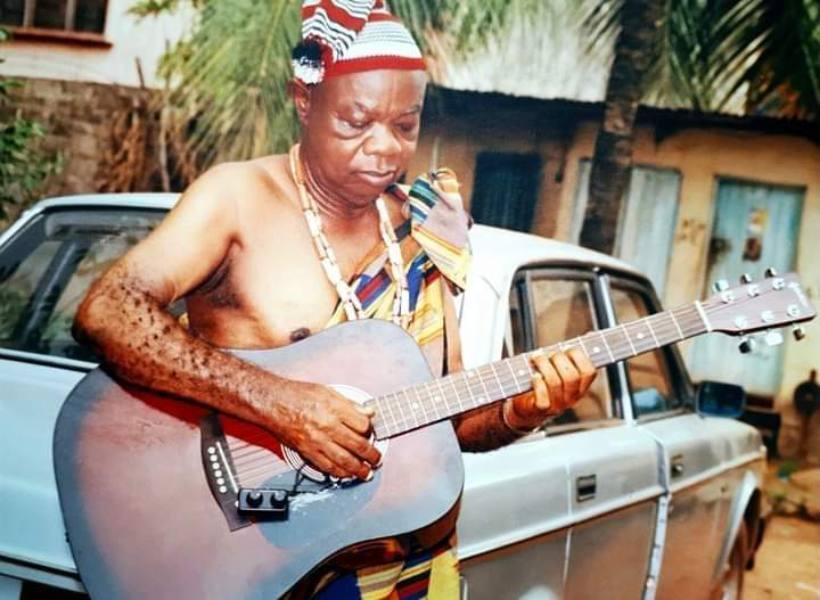
Mike Ejeagha’s rise to fame began gradually, influenced by steady dedication to music from the late 1940s into the 1950s. After learning guitar during his teenage years in Enugu guided by local masters – Moses Aduba (Moscow) and Cyprian Ozochiawa, he sharpened his style and began performing with neighbourhood groups.
His first major step into organized music came when he joined the Coal Camp Boys, an early highlife ensemble based in Enugu in 1945. This exposure gave him performance experience and allowed him to develop the guitar patterns that later defined his sound.
By the late 1950s, Ejeagha had grown into a confident musician and storyteller. His breakthrough came in the 1960s, when he formed his own band and began recording professionally under prominent Nigerian labels, including Philips West Africa Records and later Premier Records. These early recordings introduced his unique approach to the broader public- calm vocals, traditional Igbo proverbs, and clean guitar lines woven into what he called akụkọ n’egwu (storytelling with music).
Unlike most highlife musicians of the era who focused on dance rhythms and large band arrangements, Mike Ejeagha carved a niche for himself through narrative-driven folk music. His songs were structured like short stories, each built around a moral lesson, proverb, or community observation. This style quickly set him apart and earned him the nickname “Gentleman” to reflect both his calm personality and the gentle delivery of his music.
As his reputation grew, his music began gaining repeated airplay on Eastern Nigerian radio stations. His clarity of language, cultural depth, and traditional themes made his songs extremely popular among families and older listeners who valued folklore. Throughout the 1960s and 1970s, he was a household name across the eastern region, with his storytelling songs spreading far beyond Enugu.
His influence widened even more when he became involved in broadcasting and cultural programming, contributing to radio and television features that showcased Igbo folktales and music. These appearances helped to cement his image, not just as a musician but as a folklorist and cultural archivist, someone preserving Igbo oral tradition at a time when modern entertainment was rapidly changing.
By the end of the 1970s, Mike Ejeagha had firmly established himself as a leading figure in Igbo folk music. With albums such as the early instalments of Akụkọ N’egwu, he became recognized across Nigeria as the face of musical storytelling, a role he maintained for decades.
Musical Style and Artistic Philosophy
Mike Ejeagha’s music was built on culture, language, and storytelling, and he became known, not just as a singer but as a folklorist and a custodian of Igbo wisdom. Verified reports describe him as one of the most important voices in preserving Igbo folklore through music.
His style was rooted in guitar-led Igbo folk music, often performed with calm, simple, and steady rhythms. Several sources note that he preferred a gentle, minimalist sound rather than loud or heavy instrumentation. He sang almost entirely in the Igbo language because he wanted his music to stay true to his roots and remain meaningful to the people whose culture he represented. His sound blended traditional Igbo folk patterns with the broader highlife genre and created a style that was both modern and deeply cultural.
One of the strongest features of Mike Ejeagha’s music was his commitment to storytelling. Many of his songs were structured like spoken folktales, complete with proverbs, lessons, and moral reflections. Scholars and journalists often refer to his approach as akụkọ n’egwu, which means story in music. He used proverbs, idioms, and traditional expressions to teach values such as honesty, humility, patience, and community responsibility. Because of this, his music served as both entertainment and education.
Mike Ejeagha’s artistic philosophy was built on purpose. Multiple interviews and tributes quote him as saying that he did not enter music only to entertain people but to teach and to preserve the identity of his people. He believed strongly in the importance of keeping Igbo stories, language, and values alive, especially at a time when many traditional practices were fading.
His work helped to shape what researchers now describe as Igbo folklore-based highlife. Over his long career, he recorded more than 300 songs, many of which have been archived as important cultural materials.
Although he focused on tradition, he also embraced modern elements. He used the guitar, a modern instrument to carry age-old proverbs and folktales which allowed younger listeners to connect easily with the messages in his songs. This balance of tradition and modernity made his music stand out during a period when many musicians preferred Western-influenced highlife with larger bands and louder instruments. Ejeagha proved that meaningful stories, clear vocals, and a simple guitar could make a powerful impact.
Though he is dead and gone, his music continues to hold cultural and educational value. The messages in his songs act like living lessons, and researchers and educators regularly reference his work when studying Igbo oral traditions. His blending of music and folklore shows how art can help a culture preserve its identity and pass wisdom to the next generation.
In all, Mike Ejeagha’s musical style and philosophy reflected his belief that music should carry meaning. Through his sound, his gentle storytelling, and his commitment to Igbo heritage, he created songs that teach, inspire, and remind listeners of the values that shape their culture.
Major Works and Notable Songs
Mike Ejeagha recorded over 300 songs during his career, many of which combined storytelling, proverbs, and moral lessons in the Igbo language. His music is widely regarded as a living archive of Igbo folklore, and several of his recordings have been preserved in the National Archives of Nigeria and reissued digitally
One of his most celebrated works is the Akuko N’Egwu series which translates as Stories in Music. These recordings feature songs that are essentially folktales set to music, with Ejeagha’s signature guitar accompaniment and calm vocal delivery. The series helped to cement his reputation as a musician who prioritized cultural preservation over commercial trends.
Among his notable songs, Ka Esi Le Onye Isi Oche stands out as a long-form storytelling track that has remained popular across generations. The song exemplifies his style of blending narrative, social commentary, and traditional proverbs.
Other significant works include Nwata Bulie Nku, Oke Aja, and Igbo Kwenu which continue to be used in educational and cultural programmes. These tracks showcase his ability to teach moral lessons, preserve Igbo linguistic heritage, and capture community life through song
Mike Ejeagha’s recordings were often reissued by labels such as Philips West Africa Records and Premier Records to ensure that his music reached audiences across Nigeria and beyond. His dedication to documenting Igbo folklore in musical form has made his works valuable not only as entertainment but as cultural and educational resources for researchers, educators, and music enthusiasts.
In essence, Mike Ejeagha’s major works and notable songs highlight his dual role as a musician and a cultural archivist. Each song is a vessel of Igbo stories, morals, and traditions that contribute to a legacy that continues to influence Nigerian music and preserve cultural memory.
Contributions to Media and Cultural Preservation
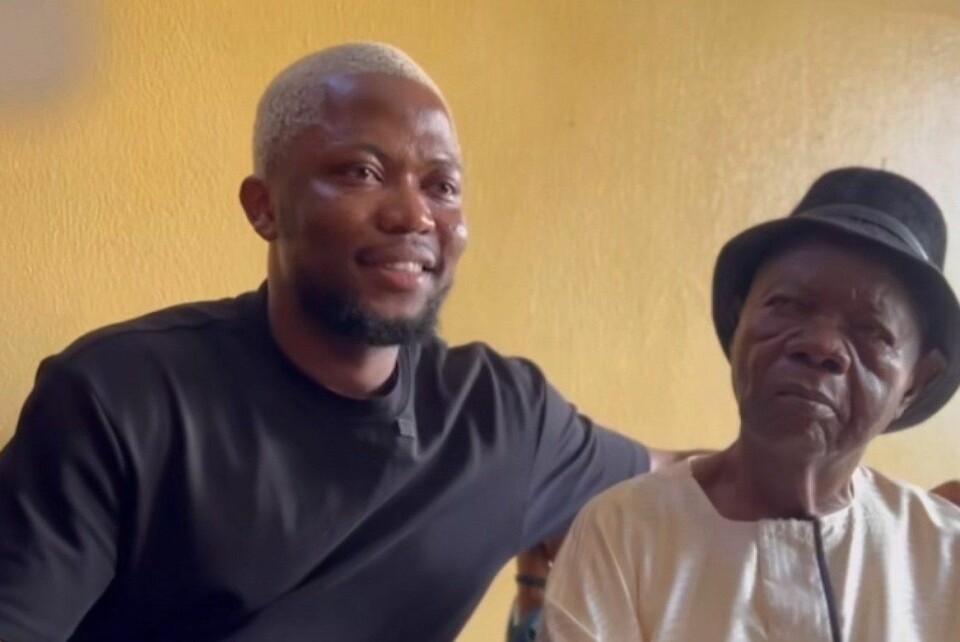
Mike Ejeagha’s impact extended far beyond his recordings. He played a critical role in media and cultural preservation throughout his life. In the 1960s and 1970s, he appeared on radio and television programmes in Eastern Nigeria where he performed songs that combined Igbo proverbs, moral lessons, and folktales. These programmes helped to introduce traditional Igbo music and storytelling to a broader audience, ensuring that the cultural heritage was both preserved and accessible.
He contributed to programmes that encouraged cultural education, often explaining the meanings behind his songs, the proverbs he used, and the lessons embedded in Igbo folktales. By doing so, he bridged the gap between traditional oral storytelling and modern media which gave his music an educational as well as entertainment purpose.
Many of his recordings have been archived in the National Archives of Nigeria as a reflection of his role as a custodian of Igbo cultural heritage. These archives serve as an important resource for folklorists, researchers, and educators allow his songs to be studied and appreciated for both their musical and cultural value.
Mike Ejeagha’s work also influenced cultural festivals, educational curricula, and academic studies of Igbo music and oral traditions. By integrating storytelling, music, and media, he helped to ensure that the rich history of Igbo folklore was not lost, and his recordings continue to be referenced as authentic representations of Igbo culture.
Essentially, Mike Ejeagha’s contributions to media and cultural preservation cemented his reputation, not just as a musician but as a cultural archivist whose work continues to educate, inspire, and preserve the Igbo heritage for generations to come.
Impact on Igbo Music and Nigerian Highlife
Mike Ejeagha played a pivotal role in shaping Igbo folk music and influencing the broader Nigerian highlife genre. Unlike many highlife musicians of his era who emphasized large orchestras, horns, and danceable rhythms, Ejeagha focused on storytelling, proverbs, and minimal guitar accompaniment as a way of proving that music could educate and preserve culture while still engaging audiences.
His use of Igbo language, folk melodies, and narrative lyrics inspired a generation of musicians who sought to combine traditional music with contemporary styles. By integrating oral storytelling into recorded music, he helped to ensure that Igbo proverbs, folktales, and social values remained alive in popular music.
Mike Ejeagha’s approach bridged the gap between traditional music and modern highlife and influenced both local and national music scenes. His recordings, especially the Akuko N’Egwu series have been cited by music scholars as key examples of how Nigerian highlife can carry cultural knowledge and language while maintaining musical appeal.
Moreover, his calm and deliberate vocal style, combined with his narrative guitar playing, created a unique template for folk-inspired highlife that encouraged other artists to value lyrics, storytelling, and cultural heritage over mere entertainment.
Overall, Mike Ejeagha’s influence on Igbo music and Nigerian highlife is enduring. He demonstrated that music could serve as a tool for cultural preservation, moral education, and social commentary and left a legacy that continues to inspire musicians, educators, and folklorists across Nigeria.
Personal Life and Character
Mike Ejeagha was widely known not only for his music but also for his gentle personality and disciplined character which earned him the affectionate nickname “Gentleman” among peers and fans.
He was born in Imezi Owa, Enugu State, and spent much of his life in Eastern Nigeria, remaining closely connected to his community and Igbo heritage. He valued education, culture, and integrity and often emphasized the importance of preserving traditional values through both his music and personal conduct.
Throughout his long life, he remained private and humble, avoiding the limelight outside his musical and cultural work. Reports indicate that he was deeply committed to mentoring young musicians, sharing not only musical skills but also life lessons and moral guidance.
Despite his national recognition, he maintained simple living, staying rooted in his cultural environment and valuing family and community ties. He was known for being patient, respectful, and generous with his knowledge and contributed to educational programmes and cultural preservation efforts
Mike Ejeagha’s personal life mirrored the values reflected in his music, namely, humility, respect, dedication to culture, and a commitment to teaching and guiding others. His character helped to cement his reputation as a cultural icon and moral exemplar, both on and off the stage.
Final Years and Passing

In his later years, Mike Ejeagha continued to be celebrated as one of Nigeria’s foremost folk musicians and custodians of Igbo culture. Even into his 90s, he remained engaged in cultural projects, mentoring young musicians, and participating in interviews and programmes that highlighted Igbo music and oral traditions.
In 2025, one of his songs, Etu e si le Onye isi oche experienced a resurgence in popularity after it went viral online through the creative work of Brain Jotter that introduced his music to a younger, digital-native audience. This renewed attention which landed the song on Apple highlighted the timeless quality of his storytelling and the enduring relevance of his music.
During his final years, he lived a life of relative privacy, staying close to his family and remaining connected to his roots in Enugu State. Even though he was less active in performances, his recordings, interviews, and public appearances ensured that his influence and legacy remained strong.
Mike Ejeagha passed away on June 24, 2025, at the age of 95, marking the end of an era for Nigerian highlife and Igbo folk music. Tributes poured in from musicians, cultural institutions, and fans across the country in celebration of his contributions to music, culture, and the preservation of Igbo heritage.
Mike Ejeagha’s passing was widely mourned but his music and cultural contributions, including the renewed online popularity of Etu e si le Onye isi oche continue to live on, ensuring that future generations can access and appreciate Igbo folklore, proverbs, and musical storytelling through his vast body of work.
Legacy and How He is Remembered
Mike Ejeagha is remembered as one of Nigeria’s most influential folk musicians and a custodian of Igbo culture. Throughout his career, he used music not only to entertain but also to preserve proverbs, folktales, and traditional wisdom, thus creating a lasting record of Igbo heritage.
His gentle voice, storytelling style, and mastery of the guitar set him apart from other highlife musicians and inspired generations of artists in Eastern Nigeria and across the country. He demonstrated that music could be both artistic and educational, and as such, bridge the gap between entertainment and cultural preservation.
Mike Ejeagha’s work has been archived and studied, making it a valuable resource for researchers, folklorists, and educators who seek to understand and teach Igbo oral traditions. Songs from his Akụkọ N’Egwu series remain widely referenced in schools, cultural programmes, and festivals as they reinforce his enduring impact on Nigerian music and culture.
Beyond music, he is remembered for his humility, integrity, and dedication to mentoring young musicians as a way of showing that cultural preservation is as much about personal values as it is about artistic talent. His legacy is that of a musical storyteller, cultural archivist, and moral guide whose contributions will continue to influence Nigerian music, preserve Igbo traditions, and inspire future generations to value and celebrate their cultural heritage.
In Conclusion …
Mike Ejeagha’s life and career stand as a testament to the power of music as a tool for cultural preservation, education, and storytelling. From his early days in Enugu to his rise as a celebrated folk musician, he dedicated his talent to keeping Igbo proverbs, folktales, and traditions alive. His unique style, calm voice, and narrative-driven songs not only influenced Nigerian highlife but also inspired generations of musicians and cultural enthusiasts.
Through his recordings, media appearances, and mentorship, he became more than a musician. He became a custodian of heritage and a moral guide for his community.
His passing in 2025 marked the end of an era but his extensive body of work ensures that his influence will endure. Mike Ejeagha will forever be remembered as the Gentleman of Igbo folk music, a storyteller whose songs carried the wisdom of his people and whose legacy continues to resonate across Nigeria and beyond.
References
- https://en.wikipedia.org/wiki/Mike_Ejeagha
- https://www.pulse.ng/story/gentleman-mike-ejeagha-biography-on-igbo-folk-music-legend-2024072708025929369
- https://www.withinnigeria.com/entertainment/2025/06/07/mike-ejeagha-the-highlife-maestro-and-gwo-gwo-gwo-crooner-who-survived-the-civil-and-revolutionised-igbo-music/
- https://todayafrica.co/mike-ejeagha/
- https://guardian.ng/life/music/gwogwogwohttps://hallmarknews.com/mike-ejeagha-dies-at-95-a-folk-legends-journey-ends-but-his-music-lives-on/?utm_source=chatgpt.comngwo-singer-mike-ejeagha-is-dead/
- https://www.vanguardngr.com/2025/06/breaking-highlife-maestro-mike-ejeagha-dies-at-95/
- https://hallmarknews.com/mike-ejeagha-dies-at-95-a-folk-legends-journey-ends-but-his-music-lives-on/
- https://lifestyle.thecable.ng/obituary-mike-ejeagha-the-legend-whose-highlife-music-preserved-igbo-folklore/
You might want to check this out …