






Festivals
Ikeji Aro and Eke-Ekpe Festival, 2025: Arochukwu’s Great New Yam Celebration in Abia State

The sound of drums once again filled the air of Arochukwu last month as the 2025 edition of the famous Ikeji Aro Festival came alive. From the first beat of the ogene to the final echo of the Ekpe drum, the ancient town was wrapped in rhythm, color, and pride. Masked dancers in rich costumes filled the village square, their movements echoing centuries of tradition. The aroma of roasted yam and palm oil mingled with laughter as sons and daughters of Arochukwu, both at home and abroad, came together in thanksgiving and joy.
This year’s celebration followed the official calendar released by His Eminence, Eze Aro, Dr. Eberechukwu Oji, who announced the 17-day cultural fiesta earlier in September. From Afor Okpo na aza Awada on September 8 to the closing Eke Nwupu Nmayi na Amuze on September 30, each day carried its own ritual and meaning. But it was Eke-Ekpe day, which held on Friday, September 26, 2025, that stood out as the grand finale, the day when all 19 villages of Arochukwu Kingdom gathered at Amaikpe Square to display their finest dances, costumes, and heritage.
The Ikeji Aro is far more than a festival. It is a living memory of the Aro people’s past and a powerful symbol of their unity, spirituality, and identity as one community under God and their ancestors.
What Is Ikeji? Origins and Meaning
“Ikeji” is one of the oldest Igbo harvest and thanksgiving festivals, it is the celebration of the New Yam Festival in arochukwu marking the end of the farming season and the beginning of harvest. It’s a long, multi-day cultural celebration featuring a series of events and masquerade displays across the Arochukwu kingdom. It is rooted in the Igbo four-day week cycle which are Eke, Orie, Afor, and Nkwo, the festival blends faith, gratitude, and community renewal.
Before the celebration begins, elders and priests perform purification rites, offering yams, palm wine, and kola nuts to God and to the deities of the land. Traditionally, no one could eat the new yam until these rites were performed.
Over time, Ikeji grew beyond farming into a season of spiritual and social homecoming. Families reunite, communities share food, music, and stories, and the younger generation learns from their elders. In Arochukwu, Abia State, it has become a cultural landmark, a festival that showcases the pride of a people whose influence once stretched across Igboland through the ancient Aro Confederacy.
Ikeji Arochukwu 2025: Calendar and Highlights
The 2025 Ikeji Arochukwu Festival stood out as one of the grandest cultural events in Abia State. Eze Aro, His Eminence Dr. Eberechukwu Oji, officially unveiled the 17-day program in consultation with the Eze Aro-in-Council, outlining each ritual and celebration.

Eze Aro, His Eminence Dr. Eberechukwu Oji
The festival began with Afor Okpo na aza Awada on Monday, September 8, followed by Afor Mgbape Awada on September 12 and Afor Ndulasa Nwaekpe on September 16. Other key observances included Nkwo Nku, Eke Agba Udu, and Orie Awa, each carrying deep symbolic meaning, from cleansing and sacrifice to thanksgiving and music.

The highlight came on Eke-Ekpe Arochukwu, Friday, September 26, when all nineteen villages gathered for a friendly cultural competition. Amaikpe Square, the traditional arena, was filled with thousands of spectators as each village displayed its finest dances, masquerades, and drumming patterns. Guests and visitors from within and outside Abia State joined in the celebration, while media outlets broadcasted the performances live on social media platforms.


Prizes were given to villages that demonstrated outstanding creativity and discipline. Atani Village emerged as the First Position winner, impressing judges with its unity, energy, and vibrant performance. Ugbo Village took the Second Position, while Obinkita Village came Third, earning praise for their rich storytelling and synchronized dance routines. Ujari Koko Obasi secured Fourth Position, celebrating their legend, Late Mazi T.K. Utchay, the designer of the Omu Aro, while Amoba Village took Fifth Place, recognized for their elegant display of costumes and choreography.

Atani Village Performing

Ujari Koko Obasi village

Ugbo village

Obinkita Village

Amoba Vilage


These results brought joy across Arochukwu, as each village showed a deep sense of pride and commitment to preserving their cultural roots. The winners were celebrated across social media platforms like Arochukwu Mouthpiece, where photos and videos of their colorful performances were widely shared.
Masquerades and Ritual Life
Masquerades are the heart and soul of Ikeji Aro. To the Aro people, they are not just performers but ancestral messengers who appear during sacred seasons. Their presence during the festival is a sign that the ancestors are near, watching over their descendants and renewing their bond with the living.

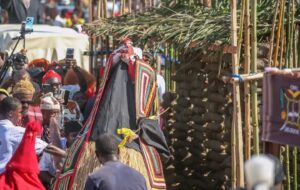


Some masquerades appear tall and fearsome, covered in raffia, skins, or feathers, while others come in brilliant fabrics decorated with beads and mirrors. Each represents a moral or spiritual lesson. The drummers and singers accompanying them use rhythm and chants to narrate stories from Aro history which includes tales of bravery, sacrifice, and unity.
Beyond the spiritual symbolism, the masquerades also serve as social teachers. Through humor, dance, and mimicry, they celebrate good behavior and expose wrongdoing.
Eke-Ekpe: The Grand Finale
The Eke-Ekpe ceremony marks the grand highlight of the Ikeji Festival. On the morning of September 26, Amaikpe Square came alive long before sunrise. Drums echoed through the hills, and the smell of roasted yam and palm oil filled the air. People from the villages trooped in, chiefs in red caps, women in colorful wrappers, and children eager to witness the day’s excitement.
The event began with prayers and libations poured by the elders. They asked God and the ancestors to bless the land, protect the people, and grant abundant harvests.
Afterwards, each village took turns performing. The crowd cheered and sang as dancers moved in rhythmic harmony, symbolizing the unity and strength of the Aro Kingdom. The performances were not just displays of art but living prayers expressed through movement and sound.
By afternoon, the competition grew intense as judges observed every dance step, costume, and drumbeat. The performances told stories of Aro history, bravery, and community life. When the winners were finally announced, the crowd erupted in celebration. Atani Village was crowned the champion of the 2025 edition, followed by Ugbo, Obinkita, Ujari, and Amoba.
The event ended in feasting and laughter. People shared food and palm wine, there was a lot of happy moments which lasted late into the night. Many described the 2025 edition as one of the most peaceful, colorful, and well-organized in recent times.
Spiritual and Social Meaning
At its core, the Ikeji Aro Festival is both spiritual and communal. The Aro people believe that their ancestors are always near, guiding and protecting them. During Ikeji, every drumbeat becomes a prayer, every dance a message of gratitude, and every chant a call for continued blessings.
The yam, which plays a central role in the festival, represents life and sustenance. Offering it first to God and the ancestors before anyone else eats shows humility and acknowledges that all blessings come from divine favor.
Socially, Ikeji Aro strengthens unity among the nineteen villages. It is a time for family reunions, age grade meetings, and reconciliation among community members. It teaches respect, discipline, and the importance of togetherness. Through songs, storytelling, and masquerade, the younger generation learns the values that shaped their forefathers.
Modern Changes, Tourism, and Preservation
The world is changing fast, but the Aro people have found a way to keep their traditions alive while embracing modernity. The 2025 Ikeji Festival attracted thousands of visitors, including tourists, cultural researchers, and journalists who came to experience its magic. The event has grown into one of Abia State’s top cultural attractions, boosting tourism and local businesses.
Hotels, transport companies, food vendors, and craft sellers all benefited from the influx of guests. Social media also played a big role in promoting the event. Pages like Arochukwu Mouthpiece streamed live videos, posted photos, and celebrated winners, making it possible for Aro sons and daughters abroad to participate virtually.
Under the leadership of Eze Aro, Dr. Eberechukwu Oji, there is renewed commitment to preserving the festival’s spiritual meaning. The Aro traditional council is working to document oral histories, chants, and dances to ensure that they are not lost with time. There are also plans to seek UNESCO Intangible Cultural Heritage recognition for Ikeji Aro, which would give it global visibility and ensure its continuity for future generations.
Challenges such as urban migration and the influence of modern religion have affected these festival but the determination of the Aro people continues to keep their culture vibrant. Every new edition proves that tradition and progress can exist side by side.
Conclusion
The Ikeji Aro Festival and its grand highlight, the Eke-Ekpe, are not just annual events. They are the heartbeat of Arochukwu’s identity, a time when the people reconnect with their roots, honor their ancestors, and celebrate their unity.
Each performance, each drumbeat, and each masquerade tells a story, a story of faith, resilience, and pride. The festival bridges centuries, linking the glory of the ancient Aro Confederacy with the vibrant energy of today’s Arochukwu.
Across Igboland, Ikeji Aro stands as a reminder that culture is not just about memory but about meaning. It teaches that tradition, when cherished and renewed, gives strength to a people. As the drums faded into the night last September, one truth echoed across Arochukwu, which is, the spirit of the Aro people lives on, proud, sacred, and eternal.
PHOTO CREDITS: AROCHUKWU MOUTHPIECE/FACEBOOK
Related Topics: Afiaolu Festival 2025: Nnewi’s Vibrant New Yam Celebration, Day 1