


Nnewi News
Ikenga: Meaning, Symbolism, and Importance in Igbo Culture

The Igbo people of southeastern Nigeria are known for their rich culture, strong belief in destiny, and respect for hard work. One of their most important cultural objects is the Ikenga, a carved wooden figure that stands for strength, achievement, and spiritual support.
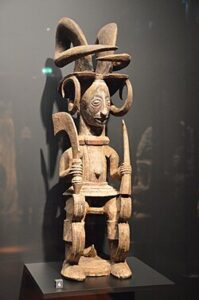
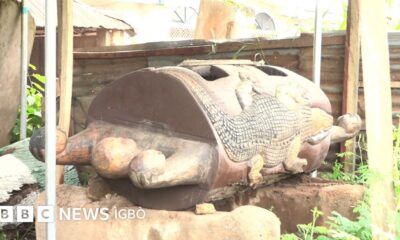
Ikenga
To the Igbo, Ikenga is more than a piece of wood. It is a personal shrine, a symbol of success, and a spiritual companion that connects a person to their inner strength, their ancestors, and their destiny.
For many generations, the Ikenga has guided men in their work, trade, and leadership. In this article, we will look closely at the meaning, history, and lasting importance of Ikenga in Igbo life.
What is Ikenga?
Ikenga (pronounced ee-ken-gah) is a carved wooden figure that represents personal strength, determination, and the will to succeed. It is usually made with two horns, showing the courage and fighting spirit of a ra
In the Igbo language:
“Ike” means power or strength.
“Nga” means place or shrine.
So, Ikenga can be understood as “the place of strength” or “the shrine of power.”
Traditionally, every man was expected to have his own Ikenga. It was kept in his room or family shrine, where he prayed, made sacrifices, and asked for success in farming, trading, hunting, or leadership.
The Symbolism of Ikenga
Ikenga is full of meaning, and every part of it represents something about life, work, and destiny. While designs may differ from one Igbo community to another, certain features appear in most carvings.
Common Features and Their Meanings
1. Two Horns – Show the power and determination of the ram, which pushes forward with its horns.
2. Right Hand with a Knife or Sword – A sign of action, courage, and readiness to face challenges.
3. Left Hand with a Severed Head (in warrior Ikenga) – A symbol of victory, achievement, and overcoming enemies.
4. Seated Posture – Reflects wisdom, calmness, and self-control.
5. Decorative Marks or Totems – Indicate family background, profession, or personal achievements.
Together, these elements tell a simple truth: with courage, hard work, and spiritual guidance, success is possible.
Different designs of Ikenga
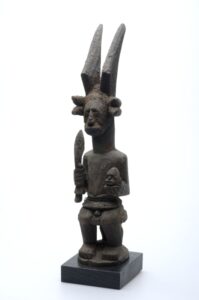

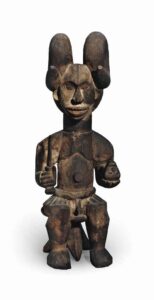
Click here to watch and learn more about the ikenga
Types of Ikenga
There are different kinds of Ikenga, each with its own role in Igbo society.
1. Personal Ikenga
This is the most common type. It is owned by an individual, usually an adult male, and is used to pray for success in farming, hunting, trading, or leadership. The owner makes regular offerings to keep the spiritual link alive.
2. Community or Group Ikenga
This type is owned by a family, village, or age grade. It represents unity and collective strength. During festivals, it is honored in rituals that bring people together.
3. Warrior or Hero Ikenga
This form belongs to warriors, titled men, or great leaders. It is often more detailed, with swords, human heads, or other war symbols, showing courage and achievement.
Each type reflects the level of responsibility, success, and social position of its owner.
Ikenga and the Igbo Way of Life
Ikenga is deeply tied to how the Igbo understand life and destiny. It connects a man to his:
Chi – his personal spirit or destiny.
Ani – the earth goddess.
Ndichie – his ancestors.
The Right Hand – which represents work, action, and productivity.
Before starting any major task, an Igbo man would speak to his Ikenga, offering kola nuts, palm wine, or even animals. He asked for blessings so that his efforts would succeed.
Owning an Ikenga showed that a man had reached adulthood, taken responsibility, and was ready to contribute to society. Without it, he was seen as unprepared or spiritually incomplete.
The Absence of Ikenga, A Sign of Disconnection.
Not having an Ikenga carried a deep meaning in Igbo culture. It could mean:
- The person was not yet mature or independent.
- The man was not spiritually prepared for success.
- The individual had lost guidance, purpose, or protection.
Without Ikenga, one was seen as vulnerable, lacking the spiritual energy and ancestral support needed to face life.
In some cases, Ikenga was buried with its owner after death, so its power would not be misused. If someone lost his Ikenga, it could be a sign of laziness, mistakes, or failure in spiritual responsibility.
Even in academic or museum contexts, removing Ikenga from its cultural role reduces it to just an “African art piece.” This ignores its true role as a living, sacred object in Igbo life.
The Spiritual Role of Ikenga
Ikenga is not only a cultural symbol but a spiritual partner. It is believed to carry a man’s Chi (personal god), the blessings of ancestors, and divine support.
Before farming, going to war, starting a business, or receiving a title, men consulted their Ikenga. Through this, they asked for:
- Wisdom to choose rightly.
- Strength to face difficulties.
- Protection from danger or evil.
Ikenga was placed in personal shrines alongside sacred items such as the Ofo staff, kola nuts, cowries, and ancestral relics.
Rituals and Offerings to Ikenga
An Ikenga was not just carved and kept aside. It had to be spiritually “activated.”
When a man received one, a dibia (traditional priest) performed rituals to consecrate it. These included:
- Sacrifices, often using a cock, goat, or ram.
- Prayers for strength, victory, and blessings.
- Rituals of consecration with oil, chalk, or blood.
Common Offerings Included:
Kola nuts – for blessings and prayer.
Palm wine – a sacred drink for rituals.
Animals – for major sacrifices.
Food, oil, and chalk – to please the spirits.
These offerings were made during harvest festivals, victories, or when a man achieved new titles.
Ikenga in the Modern World
Even though many Igbo people today are Christians or Muslims, Ikenga has not lost its meaning. Instead, it now plays new roles.
1. Cultural Identity
Ikenga appears in art, jewelry, logos, and public statues. It represents Igbo pride, strength, and ancestral connection. Some local governments and associations use Ikenga in their emblems.
2. Academic and Museum Displays
Ikenga is studied in schools, universities, and museums worldwide, including the British Museum and the Smithsonian. But many argue that displaying Ikenga outside its cultural setting reduces its true meaning.
3. Motivation for the Youth
Today’s Igbo youth sometimes use Ikenga as a motivational symbol. It is seen in songs, art, and social media as a reminder of hard work, ambition, and success rooted in culture.
Preserving Ikenga for the Future
With modernization, many young Igbo people may not fully understand the value of Ikenga. Western religion, urban life, and lack of cultural education have created this gap.
To keep the tradition alive:
- Schools and cultural centers can teach about Igbo spirituality.
- Artists and woodcarvers should be supported to continue their craft.
- Families should pass down stories about Ikenga.
- Festivals and museums in Igboland should showcase Ikenga respectfully.
This is not only about religion but also about keeping alive a unique African worldview that values strength, integrity, and spiritual connection.
Conclusion
Ikenga is more than just a wooden carving. It is the spiritual heart of the Igbo man’s journey from youth to adulthood, from dream to achievement. Through it, the Igbo express their faith in destiny, the guidance of ancestors, and the power of hard work.
Even today, Ikenga reminds us that success is not just about wealth but about character, effort, and unseen support from the spiritual world.
As the Igbo saying goes:
“Ikenga onye bu ike ya” — “A man’s Ikenga is his strength.”
Read More: Why Do They Wrap White Clothes Around Some Trees in Igbo Land? By Nze Tobe Osigwe
Frequently Asked Questions About Ikenga
1. What does Ikenga mean in Igbo culture?
Ikenga means “place of strength” or “shrine of power.” It is a carved wooden figure that represents personal success, courage, and spiritual guidance.
2. Who can own an Ikenga?
Traditionally, Ikenga was owned by men, especially adults who were ready to take responsibility for their lives, work, or community. However, today it is also seen as a cultural symbol that can inspire both men and women.
3. Why does Ikenga have horns?
The horns of the Ikenga come from the ram. In Igbo belief, the ram uses its horns to fight and push forward. This shows determination, courage, and the ability to overcome challenges.
4. Is Ikenga still used today?
Yes, but not in the same way as in the past. While many Igbo people now follow Christianity or Islam, Ikenga is still respected as a cultural symbol. It appears in art, museums, festivals, and even motivational messages.
5. How is Ikenga connected to success?
Ikenga is believed to carry a person’s Chi (destiny), ancestral blessings, and spiritual energy. By praying to it and making sacrifices, people asked for success in farming, business, trade, leadership, and personal goals.
6. What happens if someone does not have an Ikenga?
In traditional belief, not having an Ikenga could mean the person was not yet mature, independent, or spiritually ready. It could also suggest disconnection from guidance and protection.
7. Can I see Ikenga in a museum?
Yes. Ikenga carvings are displayed in famous museums around the world, such as the British Museum in London and the Smithsonian Institution in the United States. However, many Igbo people argue that Ikenga should be seen in its cultural setting, not just as “art.”
8. Why is Ikenga important today?
Ikenga remains important because it is a reminder of Igbo values — hard work, courage, responsibility, and spiritual strength. It connects the past with the present and inspires the younger generation.