


African Anthropology
Indigenous Igbo Communities Outside the Core South-East: Borderland Settlements in Delta, Rivers, and Beyond

Indigenous Igbo communities exist beyond Nigeria’s five South-East states, especially in Delta, Rivers, Kogi, Benue, and Cross River borderlands. Discover their history, identity, language, and cultural continuity using verified academic and historical sources.
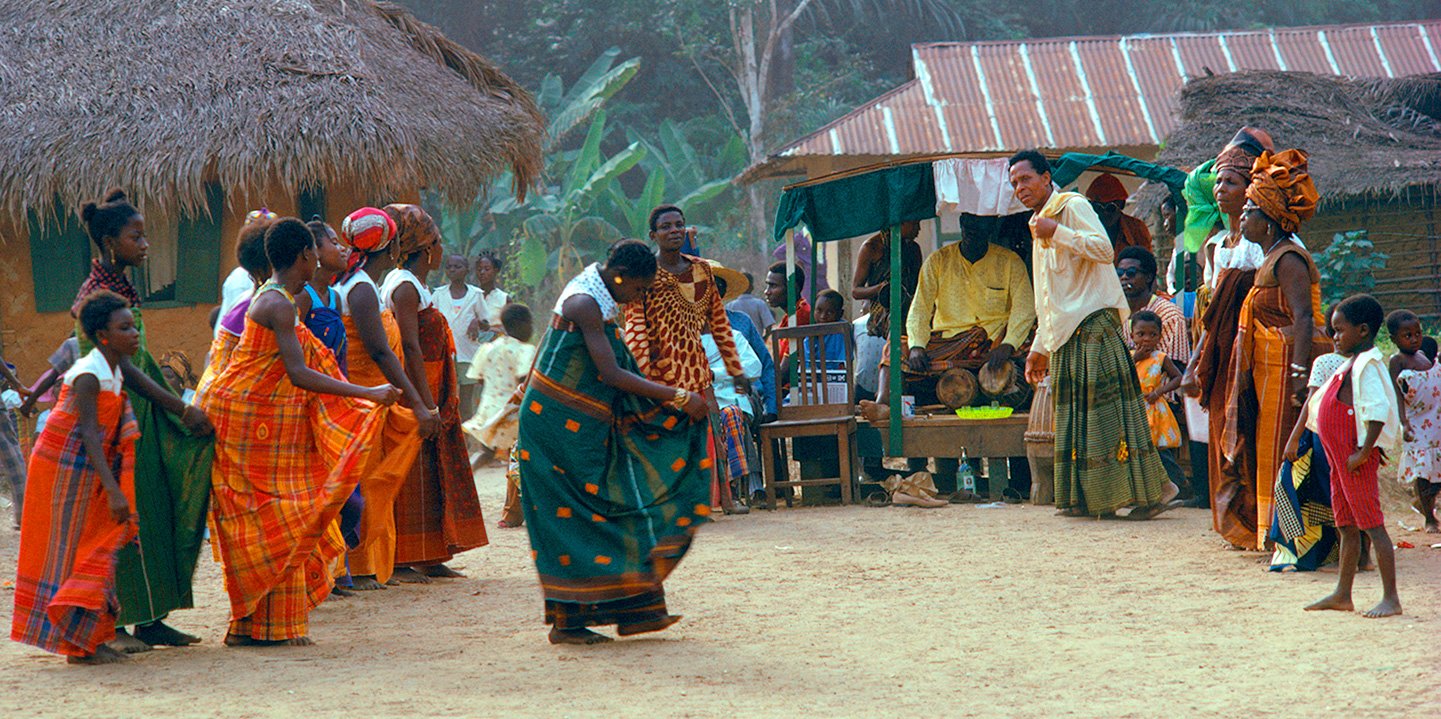
When people talk about Igbo identity in Nigeria, the conversation usually starts and ends with Abia, Anambra, Ebonyi, Enugu, and Imo. These five states are often treated as the full picture. But history on the ground tells a wider story that many people still overlook.
Across Delta, Rivers, Kogi, Benue, and even parts of Cross River, there are long-standing communities whose roots, language patterns, and cultural memory connect deeply to the Igbo ethnolinguistic world. These are not recent settlers or urban migrants trying to find a place in new cities. They are indigenous Igbo communities that have existed for generations within Nigeria’s borderlands, long before modern state lines were drawn.
In places like Anioma in Delta State or Oyigbo in Rivers State, everyday life still carries echoes of shared ancestry, speech patterns, and traditions that tie back to the broader Igbo heritage. Yet, their stories are often simplified or left out of mainstream discussions about Igbo geography and identity.
This article takes a closer, grounded look at those overlooked spaces. It explores how indigenous Igbo communities outside the core South-East came to exist, what defines them today, and why understanding them changes the way we see Nigeria’s cultural map.
Defining Indigenous Igbo Communities vs Migration Settlements
To understand indigenous Igbo communities, it is important to first separate two ideas that are often mixed up in everyday discussions, namely, long-established native settlements and communities formed through migration. They may both involve Igbo people but their origins, history, and identity contexts are not the same.
Indigenous Igbo communities. These are communities that have existed in a particular location for many generations, long before modern state boundaries were created. They are part of the historical spread of the Igbo ethnolinguistic group across different parts of Nigeria, especially in border regions.
What typically defines them includes deep historical roots in the same geographical area over centuries, language patterns that fall within the Igbo or Igboid linguistic continuum, cultural practices that developed locally but remain connected to broader Igbo traditions, and oral histories and ancestral accounts linking them to early Igbo settlement movements.
In simple terms, these are communities whose presence in their locations is native and historical, not the result of recent relocation.
Migration-based Igbo settlements. These are Igbo communities formed outside their ancestral homelands due to movement over time. Most of this movement is tied to trade, education, employment, and urban development.
Key characteristics include settlements in major cities and commercial hubs such as Lagos, Abuja, Port Harcourt, and Kano, strong Igbo cultural identity maintained through association rather than ancestry in those locations, no historical claim of origin in the host communities before modern migration patterns, and communities built within diverse urban environments alongside other ethnic groups
These groups are important in understanding modern Igbo presence in Nigeria. However, they are different from long-established indigenous communities in border regions.
Confusing these two categories can distort how Igbo history and geography are understood. Indigenous Igbo communities speak to ancient settlement patterns and ethnic continuity within Nigeria’s evolving landscape. Migration settlements, on the other hand, reflect economic movement and modern urban life.
Recognizing this difference helps to properly frame discussions about Igbo identity, especially when exploring communities outside the core South-East states.
Historical Origins of Igbo Borderland Communities
The story of indigenous Igbo communities outside the core South-East does not begin with modern state boundaries. It goes much further back into a time movement, trade, and settlement were shaped more by rivers, forests, and kinship networks than by political maps.
Before colonial rule, the area now known as Nigeria was made up of interconnected ethnic societies. Boundaries were flexible, and communities often lived in overlapping cultural zones. In this setting, Igbo-speaking groups gradually expanded and settled in nearby regions, especially along trade routes and river systems that connected inland areas to the coast.
One of the strongest drivers of early Igbo spread was mobility linked to farming, hunting, and trade. The Igbo heartland, rich in population and agriculture, naturally pushed some communities outward over time. These movements were not sudden migrations but gradual expansions that happened across generations.
Rivers played a major role in this process. The Niger River system, in particular, served as a natural highway. It allowed people, goods, and ideas to move between communities that are now part of Delta, Rivers, and other adjoining states. Over time, settlements grew along these routes, forming what we now recognize as borderland Igbo communities.
Long before colonial administration, Igbo traders were active participants in regional commerce. Markets connected inland producers with coastal trading hubs. As trade expanded, some groups settled permanently in strategic locations outside the core Igbo heartland. These settlements gradually developed into stable communities with their own local identities while still retaining strong cultural links to Igbo traditions.
This exchange was not one-sided. Neighbouring ethnic groups also influenced these communities, leading to shared customs, mixed dialects, and blended cultural practices, especially in regions like Delta and Rivers States.
The arrival of British colonial administration introduced new political boundaries that did not reflect existing cultural landscapes. Regions that had once been closely connected were separated into different administrative units. This process placed several Igbo-speaking or Igbo-influenced communities outside the newly defined South-East region.
For example, areas in present-day Delta State and parts of Rivers State were grouped into different provinces, even though they shared deep historical and linguistic ties with Igbo populations east of the Niger.
This administrative restructuring played a major role in how indigenous Igbo communities outside the core South-East are understood today. What was once a continuous cultural space became divided on maps, even though historical and linguistic connections remained intact.
Despite these changes, many of these communities maintained strong cultural continuity. Language, naming systems, kinship structures, and traditional practices continued to reflect Igbo heritage. In some areas, dialects evolved with local influence. Yet, their roots remained clearly tied to the broader Igbo linguistic family. This is why scholars often describe these regions as part of the Igboid or Igbo-speaking continuum rather than isolated ethnic groups.
The historical origins of Igbo borderland communities are, therefore, not tied to a single event or migration. They are the result of centuries of gradual settlement, trade interaction, and cultural blending, later reshaped by colonial boundaries.
Understanding this layered history helps to explain why indigenous Igbo communities exist outside the modern South-East states, especially in Delta, Rivers, and other adjoining regions.
Major Indigenous Igbo Communities Outside the Core South-East
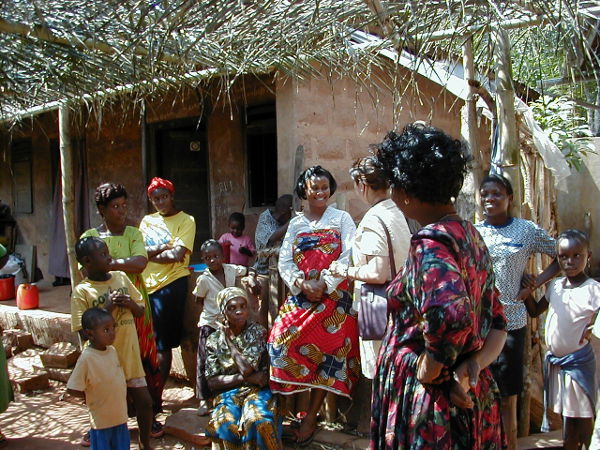
When discussing indigenous Igbo communities, it is important to move beyond general assumptions and look closely at specific regions where long-established Igbo-speaking or Igboid communities exist outside the five core South-East states. These communities are not recent settlers. They are historically rooted populations whose identity developed within Nigeria’s borderland zones over centuries.
Below are the major regions where these communities are found, based on linguistic studies, historical records, and ethnographic research.
Delta State (Anioma Region) – The Most Recognized Among Indiegnous Igbo Communities
Delta State holds the most widely acknowledged cluster of indigenous Igbo communities outside the core South-East, commonly referred to as the Anioma people. Anioma is made up of several local government areas, including:
- Aniocha North and Aniocha South
- Oshimili North and Oshimili South
- Ika North East and Ika South
- Ndokwa East and Ndokwa West
- Ukwuani
- Asaba axis
These communities are often described in academic literature as part of the Igboid linguistic group, meaning that their languages share deep structural and historical ties with Igbo dialects.
Over time, Anioma developed its own local identity infleunced by interactions with neighbouring groups such as the Benin and Igala. However, linguistic and cultural evidence continues to place it firmly within the wider Igbo ethnolinguistic continuum.
Today, Anioma remains one of the strongest examples of indigenous Igbo communities outside the South-East, both in population and cultural visibility.
Rivers State Border Communities
Rivers State also contains several indigenous Igbo communities with strong historical and cultural connections to Igbo heritage. These are often located in the northern and eastern parts of the state. Key areas include:
- Oyigbo (Obigbo)
- Etche
- Parts of Ahoada East and Ahoada West
- Ogba/Egbema/Ndoni (with mixed identity patterns in some communities)
- Ikwerre
These communities exist within what scholars describe as a transitional cultural zone where Igboid languages and neighbouring ethnic influences interact closely. Among them, Oyigbo is frequently highlighted for its strong Igbo linguistic presence and cultural practices that align closely with eastern Igbo traditions.
Cross River Border Communities
In Cross River State, especially along its northern border with Ebonyi and Abia, there are communities with historical ties to Igbo-speaking populations, such as Obubra and Yakurr (selected communities).
These indigenous Igbo communities are culturally diverse, and identity here is often layered. While not uniformly classified as Igbo, some communities among them show linguistic and historical connections that place them within the broader Igboid interaction zone.
Benue State Border Communities
In Benue State, particularly in Oju and Obi, there are indigenous Igbo communities that show clear historical interaction with Igbo populations. These areas are best described as contact zones where Igbo cultural influence blended with neighbouring ethnic traditions over long periods of trade, migration, and inter-community relations.
While not entirely homogeneous in identity, the Igbo cultural footprint is still present in aspects such as language influence and traditional practices.
Kogi State Igbo–Igala Interface Communities
Kogi State represents another important broderland where indigenous Igbo communities are spotted. Here, Igbo influence meets that of the Igala people. Communities in Ijumu and Kabba-Bunu axis have been studied as part of a cultural interface zone where long-term interaction between Igbo and Igala groups shaped language use and cultural expression.
Some communities in this region retain linguistic features linked to Igboid systems, even though identity today is often mixed or locally defined.
Across all these areas, one pattern is consistent. Indigenous Igbo communities outside the core South-East are mostly found in border regions, especially where historical trade routes, rivers, and shared boundaries encouraged long-term settlement and cultural exchange.
These communities are not random or isolated cases. They form part of a wider historical geography that predates modern state divisions and continues to influence cultural identity in contemporary Nigeria.
Language, Identity, and Cultural Continuity
One of the clearest ways to understand indigenous Igbo communities outside the core South-East is through language and everyday culture. Long before written records and modern state boundaries, language was the main thread that connected people, carried history, and preserved identity across generations.
Across many indigenous Igbo communities in Delta, Rivers, Kogi, Benue, and parts of Cross River, speech patterns reveal strong links to the wider Igbo linguistic family. Linguists often describe these varieties as part of the Igboid language continuum, meaning that they are closely related but may differ in accent, vocabulary, and local influence.
In places like Anioma in Delta State, many communities still speak dialects that are clearly rooted in Igbo structure. While some words and expressions have evolved due to contact with neighbouring groups such as Benin, Igala, and Ijaw, the core linguistic foundation remains recognisably Igbo. This is why researchers often classify these areas as part of a shared linguistic space rather than completely separate identities.
Identity in these indigenous Igbo communities is not fixed in a single form. Instead, it has developed through long periods of interaction, settlement, and coexistence with neighbouring ethnic groups.
For example, in Delta State, Anioma identity blends Igbo heritage with local historical influences from Benin and Igala interactions. In Rivers State, indigenous Igbo communities like Oyigbo and Etche show strong Igbo cultural elements alongside riverine cultural patterns. In Kogi and Benue border areas, identity often reflects shared cultural space between Igbo and neighbouring ethnic groups
This does not weaken Igbo heritage in these indigenous Igbo communities. Instead, it shows how identity can grow in layered and local ways while still retaining clear ancestral connections.
Despite differences in geography and local influence, many indigenous Igbo communities outside the South-East maintain cultural practices that feel familiar across Igbo land.
Some of these include naming systems, kinship structures, traditional institutions, festivals and ceremonies. These cultural patterns continue to serve as living evidence of shared heritage, even when expressed in slightly different forms.
It is important to understand that cultural continuity in borderland indigenous Igbo communities does not mean uniformity. Over time, these communities have naturally absorbed influences from neighbouring ethnic groups. This combination is part of their history and environment.
However, blending does not erase origin. Instead, it creates a layered identity where local traditions exist alongside deeper ancestral connections. This is why scholars often describe these regions as part of a cultural continuum where Igbo heritage remains visible, even within mixed or transitional spaces.
Language and cultural practices provide some of the strongest evidence for understanding the presence of indigenous Igbo communities outside the core South-East. While political maps show boundaries, lived experience shows continuity.
In many of these communities, everyday life still carries echoes of shared heritage through speech, customs, and social organization. These elements help to explain why identity in Nigeria’s border regions is more connected than it appears on administrative maps.
Ultimately, language and culture offer a clearer picture of history than boundaries alone, revealing how deeply rooted and widespread Igbo heritage is across different parts of the country.
Political and Administrative Implications
The presence of indigenous Igbo communities outside the core South-East carries important political and administrative meanings in Nigeria. These implications are not always visible in everyday discussions but they influence governance, identity recognition, and regional representation.
Modern Nigeria is divided into states that were created through a series of administrative exercises between 1967 and 1996. These boundaries were drawn mainly for governance efficiency, not to reflect ethnic or cultural realities.
As a result, some indigenous Igbo communities found themselves located outside the South-East geopolitical zone. For example, Anioma communities are within Delta State; Oyigbo and Etche areas fall within Rivers State, while some border communities exist in Kogi, Benue, and Cross River States
This placement means that official classification does not always match historical or linguistic identity.
Because these communities are administratively grouped under non-Igbo majority states, their political representation often reflects state-level structures rather than ethnic or cultural alignment.
This can lead to debates about fair representation within state politics; calls for greater recognition of cultural identity in governance discussions, and advocacy movements in some regions seeking closer political association with the South-East zone. However, responses vary depending on local political dynamics and state policies.
In many cases, indigenous Igbo communities continue to maintain their cultural identity while operating within different administrative systems. This creates a dual reality where administrative identity is defined by state boundaries, and cultural identity is shaped by language, history, and tradition. Both exist side by side in daily governance and community life.
The situation highlights a broader issue in Nigeria’s federal structure. Ethnic and cultural groups do not always align neatly with administrative borders. This is especially visible in borderland regions where historical settlements predate modern governance systems.
Understanding this helps in appreciating why discussions about identity, resource allocation, and regional affiliation can sometimes be complex in areas where indigenous Igbo communities exist outside the core South-East.
Overall, the political and administrative context shows that identity in these regions is defined by both historical continuity and modern governance structures, with each influencing how communities are represented and understood today.
Common Misconceptions About Igbo Geographic Identity

Discussions about indigenous Igbo communities outside the core South-East often come with a number of misunderstandings. These misconceptions usually come from simplified maps of Nigeria’s ethnic groups or from mixing up migration patterns with historical settlement. Clearing them helps to create a more accurate understanding of Igbo geographic identity.
One of the most common assumptions is that Igbo identity is strictly limited to Abia, Anambra, Ebonyi, Enugu, and Imo States. While these are the core Igbo heartland, historical and linguistic evidence shows that Igbo-speaking and Igboid communities also exist in parts of Delta, Rivers, Kogi, Benue, and Cross River States.
These are not extensions of modern migration. Many of them are indigenous Igbo communities with long-established histories that predate Nigeria’s current state boundaries.
Another frequent misunderstanding is treating all Igbo presence outside the South-East as migration-based. This is not accurate. There is a clear difference between communities that settled in new cities for work or trade and communities that have existed in border regions for generations.
Places like Oyigbo in Rivers State or Anioma in Delta State are not recent settlements. They are historically rooted communities with cultural and linguistic ties to the Igbo ethnolinguistic group.
Some people assume that state borders define ethnic identity. However, in Nigeria, many ethnic groups exist across multiple states due to historical movement and colonial boundary creation.
For indigenous Igbo communities, identity is formed more by language patterns, cultural practices, and oral history and ancestry
than by modern administrative divisions.
Language is often ignored in public discussions about identity. Yet, many borderland indigenous Igbo communities outside the South-East speak dialects that belong to the Igboid language continuum.
Even where pronunciation or vocabulary differs due to local influence, the underlying structure often remains connected to Igbo linguistic roots. Ignoring this leads to incomplete conclusions about identity.
Some people describe border communities as “mixed” or “uncertain” identities. While cultural blending does exist in these regions, it is more accurate to see it as historical interaction rather than confusion.
Communities in Delta, Rivers, Kogi, and Benue developed over time through trade, migration, and coexistence with neighbouring groups. Their identity reflects that long history rather than a lack of clarity.
A final misconception is the idea that Igbo presence outside the core South-East is recent or accidental. Historical records and linguistic studies show that many of these communities have existed for centuries. Their continuity is visible in oral traditions, cultural institutions, language patterns, and long-standing settlement histories.
Understanding what is accurate and what is not helps to create a clearer picture of Nigeria’s ethnic landscape. Indigenous Igbo communities are part of a broader historical system that extends beyond administrative boundaries.
Correcting these misconceptions does not change identity. Instead, it provides a more balanced and informed understanding of how history, language, and geography interact across different regions.
Contemporary Relevance of Indigenous Igbo Communities
In today’s Nigeria, the story of indigenous Igbo communities outside the core South-East is not just a historical discussion. It continues to matter in real and practical ways. These communities are active participants in modern social, political, and cultural life, while still maintaining deep-rooted connections to their heritage.
One of the strongest areas of relevance is culture. In many borderland communities across Delta, Rivers, Kogi, Benue, and Cross River, traditional systems are still visible in everyday life.
You can still find naming traditions passed down through families; age-grade systems that guide community responsibilities; local festivals that carry ancestral meaning as well as respect for lineage and extended family structures. Even with modern influences, these cultural elements continue to give communities a sense of continuity and identity.
A growing number of young people in these regions are becoming more aware of their historical background. Schools, local historians, and cultural groups are helping to document and teach the roots of indigenous Igbo communities.
This awareness is important because it strengthens cultural pride, encourages preservation of local dialects, and helps the younger one understand their place in Nigeria’s broader ethnic history. At the same time, many youths navigate both local identity and national identity in a balanced way.
These indigenous Igbo communities also play active roles in Nigeria’s political space. Because they are located within different states, their participation is influenced by state politics, even as they still carry cultural ties to Igbo heritage.
This dual presence often shows up in, representation in state assemblies and local governments, participation in national conversations about restructuring and regional development, and advocacy for cultural recognition in some borderland areas
In places like Anioma, there have been ongoing discussions about identity recognition and administrative inclusion.
Many of these indigenous Igbo communities are located in economically active regions, especially in Delta and Rivers States. This positions them within important trade, oil, agriculture, and transport corridors.
Their contributions include local commerce and market systems, agricultural production in rural areas, and participation in the oil and gas economy in the Niger Delta region. This economic role makes them an important part of regional development conversations.
Because these indigenous Igbo communities exist in border regions, they often interact closely with neighbouring ethnic groups. This has created long-standing patterns of coexistence and cultural exchange.
Rather than erasing identity, this interaction has produced shared cultural practices, blended linguistic expressions, inter-community trade relationships, and social ties across ethnic lines. This makes them important examples of how diverse identities can exist side by side within Nigeria’s social landscape.
Finally, indigenous Igbo communities contribute to broader conversations about how ethnic identity is understood in Nigeria. Their existence challenges overly simple ideas about geography and ethnicity being strictly tied to state boundaries.
They show that cultural identity can extend beyond administrative maps; history plays a major role in how communities are classified, and Nigeria’s ethnic landscape is interconnected rather than isolated
Today, these indigenous Igbo communities remain active, culturally grounded, and socially engaged. They are not only part of history but also part of Nigeria’s present reality. Understanding their relevance helps to create a fuller picture of identity, one that includes both tradition and modern life without separating the two.
In Conclusion …
The discussion on indigenous Igbo communities outside the core South-East brings us back to a simple but important idea – identity does not always follow administrative lines. While Abia, Anambra, Ebonyi, Enugu, and Imo remain the recognized heartland of Igbo identity in modern Nigeria, history shows that the story is wider and more layered than that.
Across Delta, Rivers, Kogi, Benue, and parts of Cross River, there are communities whose presence long predates current state boundaries. These are not recent settlements or temporary populations. They are communities formed by centuries of movement, interaction, trade, and cultural continuity within Nigeria’s evolving landscape.
What stands out most is not just where these communities are located but how they have maintained links to language, customs, and shared heritage over time. Even with local influences and environmental differences, many of these communities still carry cultural patterns that connect them to the broader Igbo ethnolinguistic world.
At the same time, it is also clear that identity in these regions is not one-dimensional. It exists in layers. Administrative identity is defined by the state system, while cultural identity is shaped by history, language, and lived experience. Both realities exist side by side and influence how people understand themselves and their communities.
Rethinking Igbo identity beyond state boundaries does not erase the importance of the South-East. Instead, it gives a fuller picture of how communities developed long before modern maps were drawn. It also helps to explain why discussions about identity in Nigeria often feel more complex than they appear on paper.
In the end, the study of indigenous Igbo communities outside the core South-East invites a broader reflection on Nigeria’s cultural geography. It reminds us that history is not confined to political divisions, and that identity is often deeper, older, and more connected than modern boundaries suggest.
References
- https://en.wikipedia.org/wiki/Igbo_people
- https://www.britannica.com/topic/Igbo
- https://igbostudies.org/journal/igbo-studies-review/
- https://www.researchgate.net/publication/319596355
- https://glottolog.org/resource/languoid/id/igbo
- https://www.researchgate.net/publication/389058834_Origins_And_Cultural_Identity_of_The_Ogwashi-Uku_People_of_Delta_State_Nigeria_A_Reconsideration_Through_a_Basic_Qualitative_Study
- https://en.wikipedia.org/wiki/Anioma_people
You might want to check this out …