





Nigerian History
Odumegwu Ojukwu (Nnewi): A Familiar Name that Still Resonates in Nigerian History

Odumegwu Ojukwu is a name that carries history in Nigeria. Explore the legacy of the Odumegwu Ojukwu family of Nnewi, from Sir Louis Odumegwu Ojukwu’s business empire to Chukwuemeka Odumegwu Ojukwu’s role in the Nigerian Civil War, and why the name remains powerful in Nigeria’s history.
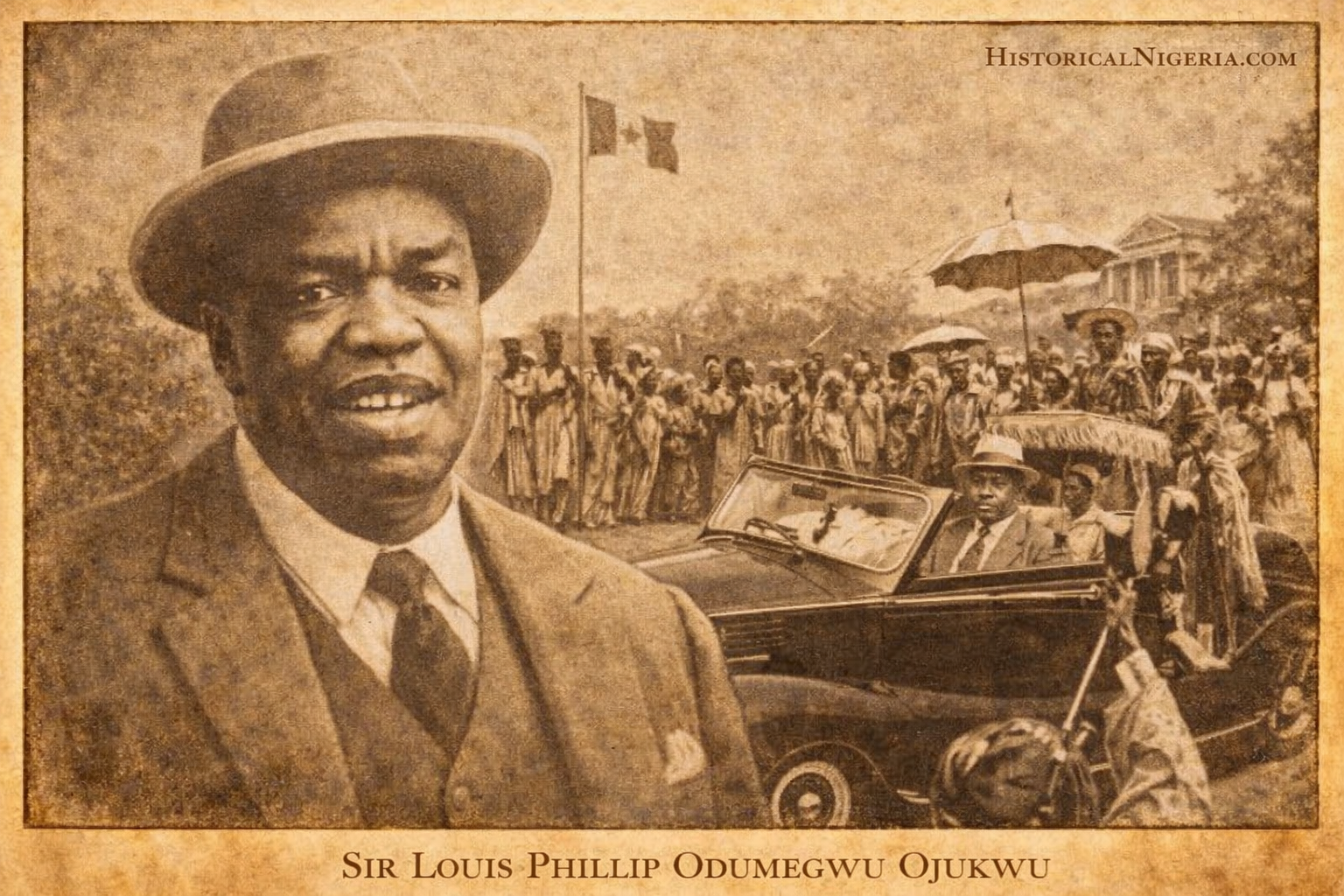

In Nigeria, some names do more than identify a family line. They carry history in them, and sometimes, they quietly open doors to conversations about power, memory, and identity. One of those names is Odumegwu Ojukwu.
For many Nigerians, the name first comes up in classrooms, history books, or political discussions. It feels familiar even when the details are not fully clear. Behind that familiarity is a family story rooted in Nnewi, shaped by enterprise, and later defined by one of the most talked-about periods in Nigeria’s post-independence history.
The Odumegwu Ojukwu family of Nnewi began gaining national attention through Sir Louis Odumegwu Ojukwu, a pioneer in Nigerian business whose influence reached into early corporate and financial structures in the country. Years later, his son, Chukwuemeka Odumegwu Ojukwu would bring the same name into the heart of Nigeria’s political history during the events that led to the Civil War.
Put together, the name Odumegwu Ojukwu is no longer just about lineage. It sits at the intersection of wealth, leadership, conflict, and memory. And that is why, even today, it still resonates across Nigeria in a way few family names do.
Origins of the Odumegwu Ojukwu Family in Nnewi
The story of the Odumegwu Ojukwu family begins in Nnewi, in present-day Anambra State, southeastern Nigeria, a place widely known for trade, craftsmanship, and strong entrepreneurial tradition. Long before the name became associated with national politics and public history, it was rooted in a local environment where business skill and community reputation carried real weight.
Nnewi has often been described by historians and researchers as one of the most commercially active towns in Igboland. Trade networks, family-based enterprises, and early industrial thinking were already part of the town’s social fabric. It is within this setting that the Ojukwu family’s early story unfolded.
The family gained wider historical visibility through Sir Louis Odumegwu Ojukwu, born in Nnewi in 1909. His early life reflected the realities of many Igbo families of that period where economic progress was built gradually through trade, mobility, and enterprise rather than inherited wealth. Over time, he moved from modest beginnings into larger commercial activity that would later position him among Nigeria’s most prominent indigenous business figures.
This Nnewi background is important because it helps to explain the foundation of the family’s later prominence. The environment was not just a birthplace. It was a training ground for commercial thinking, resilience, and social mobility. These qualities would later become visible in how the family’s name entered national consciousness.
From these early roots in Nnewi, the Odumegwu Ojukwu family began its gradual journey from local recognition to national prominence, a path that later expanded through both business achievement and political history.
Sir Louis Odumegwu Ojukwu – The Economic Foundation of the Legacy

To understand why the name Odumegwu Ojukwu still carries weight in Nigeria today, it is important to begin with Sir Louis Odumegwu Ojukwu. He was the first major figure who brought the family name into national visibility, not through politics, but through enterprise, scale, and early indigenous business leadership in Nigeria’s colonial and post-colonial economy.
Born in 1909 in Nnewi, Sir Louis grew up in a period when most large-scale commercial activities in Nigeria were still controlled by foreign firms. Indigenous participation in formal business structures was limited, and opportunities for Africans to rise into major corporate positions were rare. Within that environment, his path was not immediate or easy.
He started small, working in trading and transport-related activities, gradually building experience and connections in commerce. Over time, he moved from local trade into structured business operations. This transition marked the beginning of what would become one of the most notable indigenous business stories of his era.
Sir Louis later established and expanded business interests that included transport services, retail operations, and import and export trade. His transport company, in particular grew into one of the most recognized indigenous logistics networks in West Africa during its time. This level of scale placed him in a category that very few Nigerians had reached in the early to mid-20th century.
His influence was not limited to private enterprise alone. Sir Louis Odumegwu Ojukwu became involved in major national economic institutions. He is widely documented as the first president of the Nigerian Stock Exchange, a role that positioned him at the centre of Nigeria’s emerging financial system after independence. He also played leadership roles in early financial institutions that supported indigenous economic participation.
Through these roles, his name became associated with a new kind of Nigerian identity in business, one that showed that indigenous ownership and leadership in large-scale commerce was possible. This was a significant shift in perception at the time.
What is important here is that the Odumegwu Ojukwu name first gained national recognition through economic achievement, not political involvement. Sir Louis created the foundation upon which the family name became known beyond Nnewi, reaching Lagos, other parts of Nigeria, and eventually entering national economic history.
By the time of his passing in 1966, Sir Louis had already established a legacy that positioned the Ojukwu family as part of Nigeria’s early indigenous business elite. That foundation would later take on a different dimension through his son, Chukwuemeka Odumegwu Ojukwu whose role would bring the family name into the political and historical record of Nigeria’s most turbulent period.
Chukwuemeka Odumegwu Ojukwu – The Political Turning Point
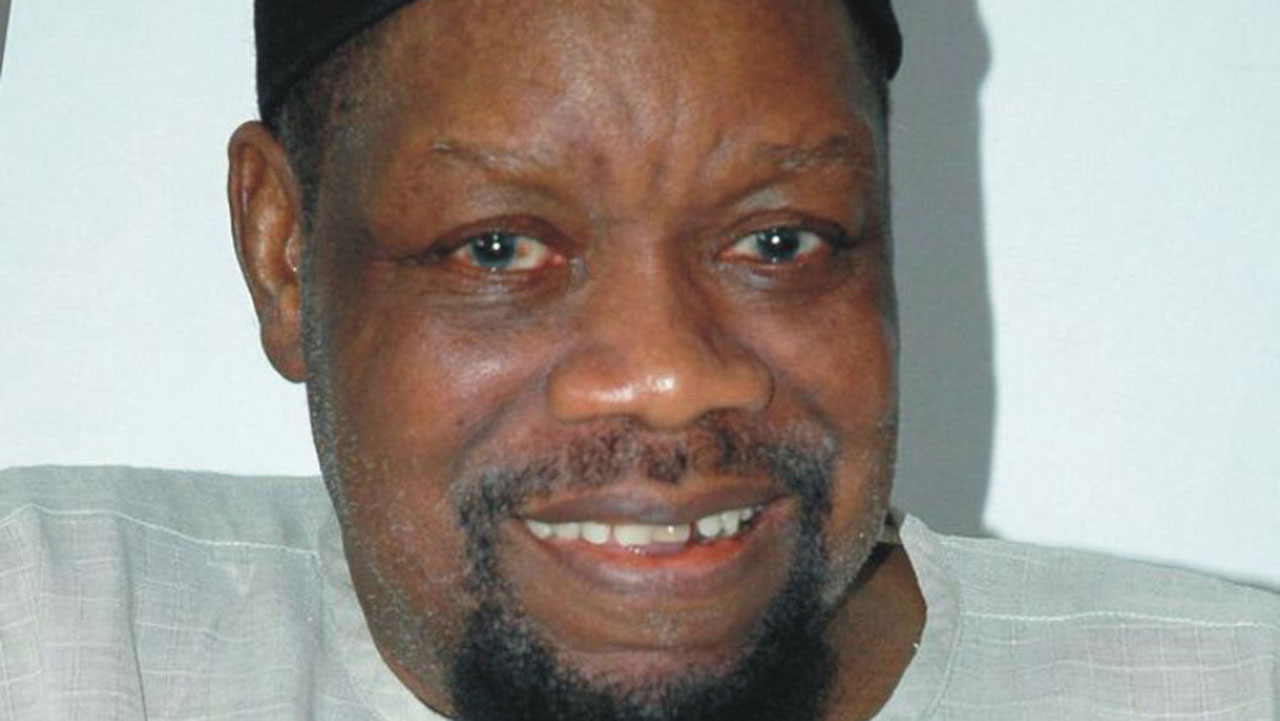
If Sir Louis Odumegwu Ojukwu gave the family name its economic foundation, his son, Chukwuemeka brought it into the heart of Nigeria’s political history. His life shifted the meaning of the name from business prominence to national debate, conflict, and historical memory.
Born in 1933, Chukwuemeka Odumegwu Ojukwu grew up at a period Nigeria was still under British colonial rule. His early education took him from Nigeria to the United Kingdom. He attended prestigious institutions, including Oxford University where he studied modern history. This exposure placed him in a different intellectual and social environment from many of his contemporaries at the time.
After returning to Nigeria, he joined the Nigerian Army. His military career progressed steadily, and he became one of the relatively few highly educated officers in the early post-independence Nigerian military structure. His background and training positioned him for leadership roles during a period of growing political tension in the country.
The turning point came in 1966 following a series of political crises and military interventions that deeply affected national unity. In the aftermath of these events, he was appointed Military Governor of the Eastern Region of Nigeria. This role placed him at the centre of one of the most sensitive and complex periods in the country’s history.
As tensions between regions increased, disagreements over governance, safety, and national direction intensified. In 1967, following the collapse of political negotiations and rising insecurity, the Eastern Region declared itself the Republic of Biafra, with Chukwuemeka Odumegwu Ojukwu as its leader.
This decision led to the outbreak of the Nigerian Civil War (1967–1970), one of the most defining events in Nigeria’s post-independence history. Ojukwu became the face of Biafra, representing its political leadership both within the region and in international discussions during the conflict.
His role in the war made the name Odumegwu Ojukwu widely known across Nigeria and beyond. However, the meaning attached to it changed. It was no longer only associated with business success as it had been during his father’s time. It now carried political weight, emotional interpretation, and historical debate.
After the war ended in 1970, Chukwuemeka Odumegwu Ojukwu spent years in exile before eventually returning to Nigeria in the 1980s. In later years, he re-entered public life by participating in national politics and contributing to public discussions on unity, history, and governance.
Through his journey, the Odumegwu Ojukwu name became firmly embedded in Nigeria’s political consciousness. It was no longer just a family name from Nnewi. It had become part of the country’s national story, linked to leadership during crisis and the long process of post-war reconciliation and memory.
From Business Legacy to Political Symbolism
The story of the Odumegwu Ojukwu name in Nigeria is not a straight line. It moves across different periods of history, and with each generation, its meaning changes. What began as a business identity in Nnewi gradually became a national symbol tied to politics, conflict, and collective memory.
At the beginning, under Sir Louis Odumegwu Ojukwu, the name was closely associated with enterprise and economic success. It represented one of the earliest visible examples of indigenous Nigerians building large-scale businesses during and after the colonial period. At that stage, the name carried a sense of achievement in commerce, transport, and emerging financial systems. It was respected in business circles and recognized within Nigeria’s growing elite class.
However, the meaning of the name began to shift with the emergence of Chukwuemeka Odumegwu Ojukwu. His involvement in the Nigerian military and later, leadership role during the crisis that led to the Nigerian Civil War placed the name in a completely different space. It moved from boardrooms and economic institutions into the centre of national politics and conflict.
During the years of the Civil War, the name became widely known across Nigeria and internationally. It was no longer only discussed in terms of business influence. It also came up in relation to leadership decisions, regional tensions, and the struggle over national unity. This period gave the name a stronger political identity, one that many Nigerians still associate with one of the most difficult chapters in the country’s history.
After the war, the meaning attached to Odumegwu Ojukwu did not disappear. Instead, it settled into public memory in a more layered way. For some, it represents leadership during crisis. For others, it is linked to the broader history of the Igbo experience in post-independence Nigeria. Over time, it also became a reference point in political discussions, academic writing, and historical reflection.
What makes the name unique is this movement across different spheres of influence. It began in business, entered politics, and eventually became part of historical identity. Few family names in Nigeria carry this kind of multi-layered public meaning.
Today, when Nigerians hear Odumegwu Ojukwu, it is not just a reference to individuals. It often brings to mind a broader story about economic ambition, political struggle, and the way personal histories can become part of national memory.
Why the Name Still Resonates in Nigerian History Today
The name Odumegwu Ojukwu continues to stand out in Nigerian history because it is tied to more than one defining layer of the country’s development. It appears in conversations about business, politics, and national identity, and each of these areas adds to why the name has not faded with time.
One major reason is its connection to key moments in Nigeria’s economic and political history. Through Sir Louis Odumegwu Ojukwu, the name is linked to the early growth of indigenous business leadership in Nigeria. He represents a period Nigerians began to take stronger positions in commerce, transport, and financial institutions that were once dominated by foreign interests. His role as the first president of the Nigerian Stock Exchange is often cited in discussions about the foundation of Nigeria’s formal financial system.
On the other hand, through Chukwuemeka Odumegwu Ojukwu, the name is tied to one of the most significant political events in the country’s past, the Nigerian Civil War. His leadership of the Eastern Region during the crisis and later, the declaration of Biafra placed the name at the centre of national debate, memory, and historical documentation. This period remains a major reference point in understanding Nigeria’s post-independence challenges.
Another reason the name still resonates is the way it connects two different types of influence within one family line. It is not common in Nigerian history for one family to be strongly associated with both economic leadership and political-military leadership at a national level. This combination gives the name a unique place in public memory.
The name also continues to appear in education, media, and historical writing. Students encounter it in Nigerian history lessons, researchers reference it in academic work, and journalists often mention it when discussing national unity, civil conflict, or the evolution of leadership in Nigeria. Over time, this repeated presence has kept the name active in public consciousness.
There is also an emotional and cultural layer, especially in discussions around identity in southeastern Nigeria. For many people, the name is not only historical, it is also symbolic of lived experiences, post-war memory, and conversations about belonging and national integration. This emotional connection helps to explain why the name still carries weight decades after the events it is associated with.
Ultimately, Odumegwu Ojukwu continues to resonate because it sits at the intersection of Nigeria’s economic rise and its political struggles. It is a name that appears in different chapters of the country’s story, and each chapter adds to its lasting presence in national history.
Cultural and Historical Impact of the Odumegwu Ojukwu Legacy
The legacy of Odumegwu Ojukwu extends beyond individual achievement. Over time, it has become part of Nigeria’s broader cultural and historical conversation, especially in discussions about leadership, identity, and the country’s post-independence journey.
One important impact of the legacy is its place in Nigeria’s economic history through Sir Louis Odumegwu Ojukwu. As one of the earliest prominent indigenous business figures, he is often referenced in studies of Nigeria’s transition from a colonial economy to one where Nigerians began to take leading roles in commerce and industry. His involvement in transport, trade, and financial institutions is frequently cited in accounts of early indigenous enterprise. This places the family name within the story of Nigeria’s economic development and early private sector growth.
On the political side, Chukwuemeka Odumegwu Ojukwu’s role during the Nigerian Civil War has made the name a lasting reference point in national history. His leadership of the Eastern Region and later, Biafra positioned him at the helm of one of the most significant conflicts in Nigeria’s past. Because of this, the name often appears in discussions about national unity, federal structure, and the long-term effects of the war on Nigeria’s political development.
Culturally, the name has also become part of public memory and identity discussions, especially in southeastern Nigeria. It is sometimes referenced in conversations about leadership, resilience, and historical experience. In this sense, the name has moved beyond family identity and entered the space of collective memory where historical figures become symbols used to understand broader social experiences.
In education and research, Odumegwu Ojukwu continues to appear in Nigerian history curricula, academic writing, and political analysis. This consistent presence keeps the name relevant across generations, even for those who were not alive during the events it is associated with. It serves as a reference point when explaining both Nigeria’s economic beginnings and its post-independence political challenges.
Another important aspect of the legacy is how it illustrates the way family history can become national history. The Odumegwu Ojukwu name shows how individual lives and decisions can extend into public memory and influence how later generations understand the past. It connects personal biography with national development in a very direct way.
In many ways, the cultural and historical impact of the Odumegwu Ojukwu legacy lies in its dual presence – one rooted in economic achievement, and the other, in political history. Together, they create a narrative that continues to shape how Nigerians reflect on leadership, history, and identity.
Common Misconceptions About the Name
Because the name Odumegwu Ojukwu is deeply tied to both business history and Nigeria’s political past, it is often surrounded by misunderstandings. Some of these come from hearsay, while others come from mixing cultural interpretation with historical fact. Clearing them up helps to keep the story accurate and grounded.
One common misconception is that “Odumegwu Ojukwu” is a single symbolic phrase with a literal meaning in Igbo language. In reality, it is a compound family name passed through lineage. While individual parts of Igbo names often carry meaning, the significance of this name is not derived from a single combined definition. Its importance comes mainly from the historical figures who carried it, not from a phrase-based translation.
Another misunderstanding is that the family’s prominence began with politics. This is not accurate. The Odumegwu Ojukwu name first became widely known through Sir Louis Odumegwu Ojukwu who built a reputation in business and transportation long before his son entered the military and political space. His role in early Nigerian commerce and financial institutions gave the name national visibility before the Civil War era.
There is also a tendency to assume that the name only carries political meaning because of the Nigerian Civil War. While Chukwuemeka Odumegwu Ojukwu’s role during that period significantly increased the public recognition of the name, it is only part of the story. The earlier economic legacy is equally important in understanding why the name was already familiar in elite and business circles before the conflict.
Another misconception is that the family’s influence is limited to one region or one period in history. In reality, the Odumegwu Ojukwu legacy spans both colonial and post-independence Nigeria, moving across business, national institutions, military service, and political leadership. Its relevance cuts across different eras of Nigerian development.
Finally, some people assume that the name carries a fixed or universally agreed symbolic interpretation. In practice, its meaning in public memory has evolved over time. Different generations associate it with different experiences, whether economic progress, political conflict, or historical reflection. That layered perception is part of what keeps the name present in national conversations.
Addressing these points helps to separate fact from assumption and gives a clearer picture of the Odumegwu Ojukwu family history which is rooted in documented events rather than simplified interpretations.
Conclusion …
The story of Odumegwu Ojukwu is, in many ways the story of how a family name can move beyond personal identity and settle into national memory. What began in Nnewi with early roots in commerce and community life later unfolded into two very different but connected historical paths.
With Sir Louis Odumegwu Ojukwu, the name first gained national attention through business achievement. He was one of the first indigenous billionaires in Nigeria and Africa at the time. His work in transport, trade, and early financial institutions placed him among the leading indigenous figures in Nigeria’s economic development. At a time local participation in large-scale enterprise was still emerging, his presence helped to establish a new level of recognition for Nigerian-owned business leadership.
Years later, Chukwuemeka Odumegwu Ojukwu brought the name into the political centre of Nigeria’s most difficult historical moment. His role during the events leading to the Nigerian Civil War ensured that the name would not only be remembered in economic history but also in political discussions, national debates, and academic study of Nigeria’s post-independence experience.
Over time, these two legacies merged into one widely recognized reference point. Today, when people hear Odumegwu Ojukwu, it often carries more than one meaning at once. It can point to early indigenous economic success, it can recall a critical moment in national unity, and it can also serve as a reminder of how history is shaped by individuals and families across generations.
In the end, the name continues to resonate because it sits at the intersection of different chapters of Nigeria’s story. It connects enterprise with politics, and personal history with national experience. That is why Odumegwu Ojukwu remains more than a family name. It has become part of Nigeria’s history.
References
- https://en.wikipedia.org/wiki/Louis_Odumegwu_Ojukwu
- https://en.wikipedia.org/wiki/Chukwuemeka_Odumegwu_Ojukwu
- https://www.legit.ng/1431318-louis-odumegwu-ojukwu-4-facts-man-considered-nigerias-first-ever-billionaire.html
- https://www.pulse.ng/story/first-billionaire-in-nigeria-ojukwu-2025041511375291392
- https://www.britannica.com/event/Nigerian-Civil-War
You might want to check this out …