







Igbo culture
Waist Beads in Igbo Culture: Deep Meaning, History, Symbolism, and Cultural Significance

Waist beads in Igbo culture carry deep cultural meaning, history, and symbolism tied to femininity, identity, and tradition. Explore their origins, craftsmanship, significance, modern use, and misconceptions.
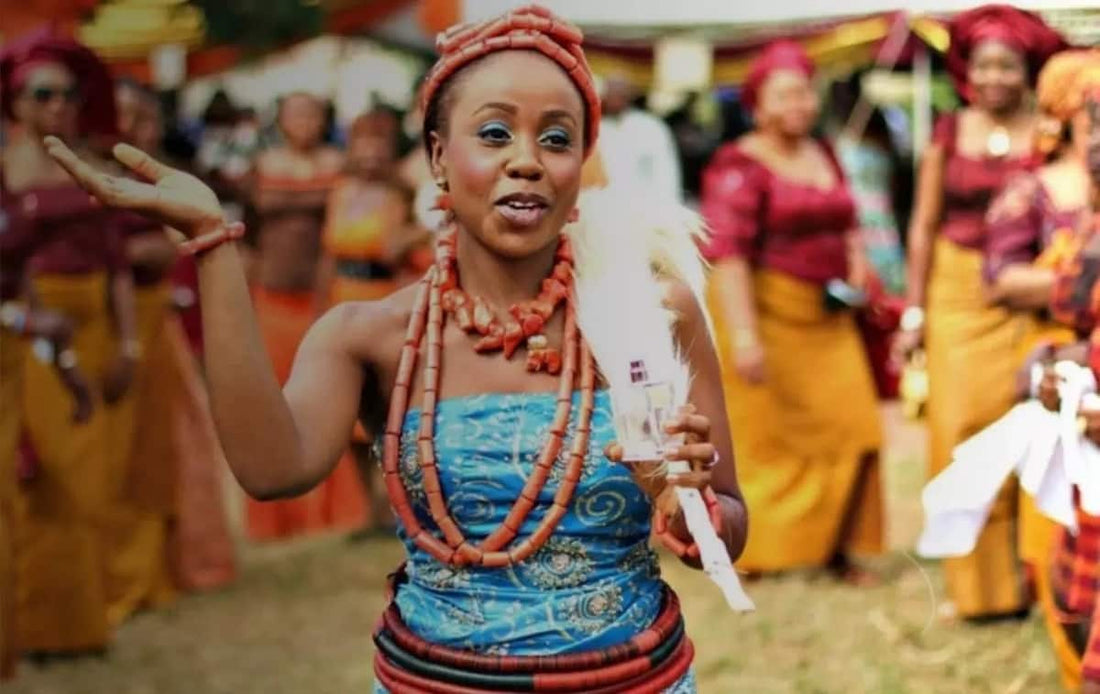
In Igbo culture, waist beads are more than mere decoration. Though they are small beads worn around the waist, their meaning often goes much deeper than how they look. For many women, they are personal and close to the body, connected to identity, womanhood, and important stages of life.
For a long time, waist beads have been part of African traditions passed from one generation to another. In Igbo communities, they are often linked with ideas of beauty, maturity, and cultural identity. Some people wear them to mark growth. Others wear them as a quiet form of self-expression. In many cases, their meaning is private and known mainly by the person wearing them.
Today, waist beads in Igbo culture are seen in different ways. Some people connect them to tradition, others see them as fashion, and many see both at the same time. But behind every strand is a deeper story tied to history, culture, and personal meaning.
This article looks at the deep meaning, history, symbolism, and cultural significance of waist beads in Igbo culture in a clear and simple way, using verified information to explain what they really represent.
Historical Origins of Waist Beads in Igbo Society
The history of waist beads in Igbo society is closely tied to the broader tradition of bead-making and body adornment in West Africa. Long before modern fashion, beads were already part of everyday life in many Igbo communities, used in clothing, decoration, and cultural expression.
Bead use in Africa dates back thousands of years. In Igbo land, beads were not just for beauty. They were also connected to trade, identity, and social meaning. Materials like glass beads, coral beads, and locally available natural items were introduced and used over time through both indigenous production and long-distance trade.
Within Igbo society, beadwork became an important part of material culture. People wore beads as necklaces, bracelets, anklets, and sometimes, around the waist. These items were often used during important life events such as traditional ceremonies, rites of passage, and festivals.
While early written records on waist beads specifically are limited, ethnographic studies on Igbo material culture confirm that body adornment with beads was widely practiced. Over time, waist beads in Igbo culture became more closely linked with femininity, womanhood, and personal identity.
Their meaning also changed with time. What started as part of general bead adornment gradually became more personal and symbolic for many women, especially in relation to growth, maturity, and cultural expression.
Materials and Craftsmanship of Waist Beads
The making of waist beads in Igbo culture is a careful process that brings together skill, patience, and cultural knowledge. Even though designs may look simple, each strand is usually planned with attention to detail, from the choice of materials to how the beads are arranged.
Traditionally, bead makers use materials that are either locally available or brought in through trade. Common materials include glass beads, coral beads, seed beads, and sometimes, natural fibres used as the base thread. In more traditional settings, strong cotton or nylon threads are used to hold the beads together securely.
The process begins with selecting the beads. Colours and sizes are often chosen based on personal preference, cultural meaning, or aesthetic appeal. After that, the beads are carefully strung one by one onto a thread. This step requires focus because the final look depends on how evenly the beads are arranged.
In many cases, waist beads are measured directly on the body to ensure a proper fit. This makes them more personal, since they are made to suit the exact shape and size of the wearer. Once completed, the ends are securely tied or sealed so the beads stay in place.
Bead making is often learned through practice and observation. In some communities, younger learners work closely with experienced artisans to understand the craft. Over time, they develop their own style while still respecting traditional methods.
Today, the craftsmanship of waist beads continues to evolve. Some artisans still follow traditional techniques, while others combine them with modern designs. Even with these changes, the care involved in making waist beads in Igbo culture remains an important part of their value and meaning.
Deep Meaning of Waist Beads in Igbo Culture
The meaning of waist beads in Igbo culture goes far beyond decoration. They are often close to the body, which gives them a personal and sometimes private meaning. For many people, they are not just items to be seen, they are symbols connected to identity, life stages, and self-awareness.
One of the strongest meanings linked to waist beads is femininity. In many Igbo settings, they are associated with womanhood and the natural expression of the female body. They are often seen as part of how women connect with their identity and how culture expresses beauty in a traditional way.
Waist beads can also carry meaning related to personal growth. Some people wear them as they move through different stages of life, especially from girlhood into adulthood. In this sense, they can serve as quiet markers of change and maturity.
For others, waist beads are tied to self-expression. Because they are usually worn around the waist and often hidden under clothing, they can feel private. This makes them different from many other forms of adornment that are meant for public display.
In some cultural interpretations, waist beads in Igbo culture are also connected to ideas of body awareness and confidence. The way they sit on the waist can help a person become more aware of changes in their body over time, though the meaning behind this varies from person to person.
Overall, the deep meaning of waist beads is not fixed. It depends on the individual, family tradition, and community understanding. What remains constant is that they hold cultural weight and continue to be part of how identity and womanhood are expressed in Igbo society.
Symbolism of Waist Beads
The waist beads in Igbo culture carry different layers of symbolism, depending on the context in which they are worn and understood. While meanings are not the same everywhere, there are some common ideas that often appear in cultural discussions and documented interpretations of African bead traditions.
One important symbolism is femininity. Waist beads are often linked to womanhood and the female form. In many cultural settings, they are seen as part of how femininity is expressed through body adornment, especially in a way that is personal and culturally rooted.
Another common meaning is fertility. In some West African traditions, waist beads are associated with reproductive health and womanhood. This does not mean they have medical functions, but rather that they are culturally connected to ideas of growth, maturity, and family life.
Waist beads can also symbolize identity. Because they are usually worn close to the body and not always visible, they can serve as a quiet form of self-expression. For many wearers, they represent who they are, where they come from, or what they value in their culture.
Beauty is another strong symbol linked to waist beads. In Igbo society and other African cultures, body adornment has long been part of beauty traditions. Beads worn around the waist fit into this practice by highlighting appreciation for the body in a culturally meaningful way.
In some interpretations, they are also linked to personal or spiritual protection. However, this meaning is not universal and depends on individual belief systems and local traditions within different communities.
Overall, the symbolism of waist beads is layered and flexible. In Igbo culture, they are best understood as cultural items that carry meaning shaped by tradition, personal choice, and lived experience rather than one fixed definition.
Waist Beads and Life Stages in Igbo Tradition
In Igbo culture, waist beads are often discussed in relation to different stages of a woman’s life. Their meaning can shift, depending on age, experience, and family or community tradition. They are not always tied to strict rules, instead, they often appear within important moments that mark growth and change.
In some cultural settings, waist beads may be introduced during childhood or early teenage years as part of body adornment traditions. At this stage, they are usually simple and are not heavily focused on symbolism. Instead, they are part of how young girls are introduced to cultural practices around beauty and identity.
As a girl grows into puberty, waist beads can take on deeper meaning. This stage is often seen as a transition into young adulthood. In many African societies, including Igbo communities, this period is important because it marks physical and social change. Waist beads at this stage may be linked to ideas of maturity and womanhood.
During adulthood and marriage, waist beads are sometimes connected to personal identity and womanhood within family life. In some interpretations, they may be worn as part of private expression or cultural tradition, depending on the individual and their background.
In later stages of life, waist beads may still be worn, but their meaning often becomes more personal than symbolic. For many women, they are simply part of identity, memory, or personal comfort rather than a specific cultural marker.
Across all stages, what stands out is that the meaning is not fixed. In Igbo tradition, they are flexible symbols that move with the person wearing them, reflecting different phases of life in different ways.
Waist Beads in Igbo Ceremonies and Social Life
In Igbo culture, waist beads are part of a wider tradition of body adornment that appears in different social and ceremonial settings. While they are not always the main focus of events, they often sit within the larger cultural expression of identity, beauty, and tradition.
In traditional marriage ceremonies, beadwork is commonly used to highlight cultural beauty and status. Although necklaces, bracelets, and anklets are more visible in public settings, waist beads are sometimes worn privately underneath traditional attire. In such cases, they remain a personal expression of femininity within a cultural celebration.
During festivals and community gatherings, bead adornment is more visible. These events often showcase Igbo cultural identity through clothing, music, dance, and ornaments. Waist beads, when worn, form part of this broader system of traditional dressing that communicates respect for heritage and cultural pride.
In some social contexts, waist beads are also linked to ideas of personal identity and family values. Older women may introduce the younger girls to bead traditions as a way of passing down cultural knowledge. This helps to maintain continuity between generations, even as styles and meanings evolve over time.
It is important to note that waist beads do not carry a single fixed role in all ceremonies. Their presence depends on personal choice, family tradition, and local customs within different Igbo communities. In many cases, they remain private, even when other forms of beadwork are publicly displayed.
Overall, waist beads exist within Igbo social life as quiet cultural elements. They are part of a larger system of adornment that connects individuals to tradition, even when they are not directly visible in public celebrations.
Modern Influence and Contemporary Use of Waist Beads
In recent years, waist beads in Igbo culture have taken on new meanings alongside their traditional roots. While they remain connected to heritage and identity, they are now also influenced by modern fashion, social media, and changing ideas about self-expression.
Today, many people wear waist beads as part of personal style. They are often chosen for their colours, patterns, and aesthetic appeal. In this context, they are no longer only tied to cultural rituals or life stages, but also to everyday fashion and body adornment.
At the same time, there is a growing interest in cultural revival. Many young Igbo women and other Africans are returning to adorning their waists with beads as a way of reconnecting with tradition. For some, wearing them is a quiet way of showing cultural pride and keeping heritage alive in modern settings.
Social media has also played a major role in their visibility. Platforms like Instagram and TikTok have made them more widely seen, leading to new styles and wider acceptance across different audiences. This has helped to bring attention to their cultural roots, even as interpretations continue to expand.
However, modern use also brings different perspectives. Some people focus mainly on fashion, while others emphasize cultural meaning. Both views exist at the same time, and in many cases, they overlap. A single person may wear them for style while still valuing their cultural background.
Today, waist beads in Igbo culture sit between tradition and modern life. They continue to carry cultural memory while also adapting to new ways people express identity, beauty, and individuality.
Misconceptions About Waist Beads
There are many misunderstandings about waist beads, especially when viewed outside their cultural context. Over time, different assumptions have grown around them, some based on limited information and others shaped by modern fashion trends.
One common misconception is that they are only meant for sexual appeal. This view is too narrow. While waist beads may be part of personal adornment, their meaning in Igbo culture is much broader. They are also connected to identity, femininity, cultural pride, and tradition. Reducing them to only one interpretation ignores their cultural depth.
Another misunderstanding is that they have one fixed meaning for everyone. In reality, meanings vary. In Igbo communities and across other African cultures, they can represent different things, depending on the wearer, family tradition, or personal intention. There is no single universal definition.
Some people also believe that they are a recent fashion trend. This is not accurate. Waist beads in Igbo culture are part of long-standing bead traditions in Africa that go back many generations. While modern fashion has increased their visibility, the practice itself is rooted in older cultural systems of body adornment.
There is also the idea that waist beads must always be public or visible. In many cases, they are actually private adornments worn close to the body and not meant for public display. Their private nature is part of what makes their meaning personal for many wearers.
Understanding this cultural practice requires moving beyond assumptions. They are cultural items with layered meanings that cannot be reduced to a single idea or modern interpretation.
Preservation of Waist Bead Tradition in Igbo Culture
The tradition of waist beads in Igbo culture continues to survive today. However, like many indigenous practices, it depends on how well it is preserved and passed across generations. As lifestyles change, some cultural practices weaken, while others adapt to new environments. Waist beads fall into the second category where tradition and modern life now exist side by side.
One of the main ways this tradition is preserved is through cultural learning within families. In some communities, older women introduce the younger girls to bead adornment practices. This informal teaching helps to keep cultural knowledge alive, even when it is not written down in formal records.
Another important factor is the work of artisans. Bead makers continue to create waist beads using both traditional and modern methods. Some still follow older crafting techniques, while others experiment with new materials and designs. This balance helps the craft to remain relevant while staying connected to its roots.
Cultural festivals and heritage events also play a role. During such gatherings, Igbo identity is often celebrated through clothing, music, dance, and ornaments. Even when waist beads are not always visible, the wider bead culture they belong to is often highlighted as part of cultural pride.
In recent years, education and online platforms have also contributed to preservation. Articles, videos, and cultural discussions have helped to document and explain the meaning to wider audiences. This visibility has encouraged interest among the younger ones who may not have encountered the tradition directly.
However, preservation also comes with challenges. Modern fashion trends sometimes shift attention away from cultural meaning toward style alone. While this is not necessarily negative, it can lead to a loss of deeper understanding, if cultural context is not shared.
Ultimately, preserving waist beads in Igbo culture is about balance. It involves keeping traditional knowledge alive while allowing the practice to evolve naturally. When both culture and creativity are respected, they continue to remain meaningful in both traditional and modern spaces.
Conclusion …
The story of waist beads in Igbo culture is not a simple one. It is layered with history, meaning, and personal expression that has grown over time. From early traditions of bead-making in Igbo society to modern use influenced by fashion and social media, waist beads have continued to hold a place in how identity and femininity are expressed.
What stands out most is their flexibility in meaning. For some people, they are tied to cultural heritage and tradition. For others, they are connected to beauty, confidence, or personal style. In many cases, they carry more than one meaning at the same time, depending on the wearer and the context.
They are also part of a larger cultural system in Igbo society where adornment is not just about appearance but about communication, memory, and belonging. Even when waist beads are worn privately, they still connect the wearer to a wider cultural story that has been passed through generations.
As time continues to change how people live and express themselves, waist beads in Igbo culture remain relevant because they adapt while still holding traces of tradition. Understanding them requires looking beyond surface appearance and paying attention to history, symbolism, and lived experience.
Ultimately, waist beads are more than decoration. They are quiet cultural markers that continue to move between tradition and modern life, carrying meaning in ways that are both personal and cultural at the same time.
References
- https://fitbeads.co/blogs/news/the-significance-of-waist-beads-in-igbo-culture
- https://oriire.com/article/waist-beads-a-cultural-antiquity-in-africa
- https://guardian.ng/life/the-traditional-significance-of-waist-beads/
- https://www.shopheritageluxe.com/blogs/heritage-luxe-journal/waist-beads-and-their-cultural-significance
- Ojo, S. (2024). Ethnosemiotic significance of waist beads among young women in Nigeria. African Studies. https://www.tandfonline.com/doi/full/10.1080/00020184.2024.2369296
You might want to check this out …