







African Culture and Traditions
Traditional Tribal Marks in Nigeria: History, Meaning, and Why the Ancient Tradition Is Fading

Traditional tribal marks in Nigeria carry deep cultural meaning tied to identity, beauty, and heritage. Learn their history, significance, and why the tradition is fading today.

Nigeria is a country that is rich in culture, history, and traditions. Among its many customs, traditional tribal marks once told stories on the human skin. These marks were not just patterns carved on faces or bodies, they were statements of identity, belonging, and pride. A single glance could reveal a person’s family, hometown, or social standing. In communities from the southwest to the southeast, tribal marks were worn with honour, celebrated as symbols of courage, beauty, and cultural heritage.
For centuries, these marks connected generations. They carried meaning, history, and sometimes, spiritual protection. Yet, today, the sight of traditional tribal marks has become rare. Modern laws, changing ideas of beauty, and urban life have made the practice fade into memory. What was once an everyday sign of identity is now a chapter in history books, remembered only by the older generations and scholars.
In this article, we explore the history and cultural significance of traditional tribal marks in Nigeria, the meanings they held across different ethnic groups, and the reasons this once-common tradition is gradually disappearing.
From the celebrated facial lines of the Yoruba people to the honourable ichi marks of the Igbo people, this journey sheds light on a fading practice that remains a vital part of Nigeria’s cultural story.
What Are Traditional Tribal Marks?
Traditional tribal marks are permanent scars or patterns made on the face or body to convey identity, culture, and social belonging. They are created through a process called scarification where the skin is carefully cut or incised and allowed to heal into visible marks.
In Nigeria, these marks were usually applied during infancy or early childhood. Families believed that giving a child tribal marks connected them to their community and ancestry. The patterns could be simple lines on the cheeks, intricate designs on the forehead, or even marks on the torso or arms. Each pattern often had a specific meaning that identifies the person’s family, town, or social rank.
Traditional tribal marks carried cultural significance that signalled beauty, honour, courage, or spiritual protection. Trained practitioners or elders often performed the marking using traditional tools and herbal mixtures to guide healing. Once healed, the marks lasted a lifetime, and served as permanent reminders of heritage and belonging.
Across Nigeria, different ethnic groups developed unique styles of tribal marks. The Yoruba people had their Ilà patterns, the Igbo people had ichi marks for titled men while the Nupe, Fulani, and Edo people had distinct markings tied to social and spiritual roles. Despite the differences, all shared the purpose of expressing identity, culture, and community values.
The Historical Origins of Traditional Tribal Marks in Nigeria
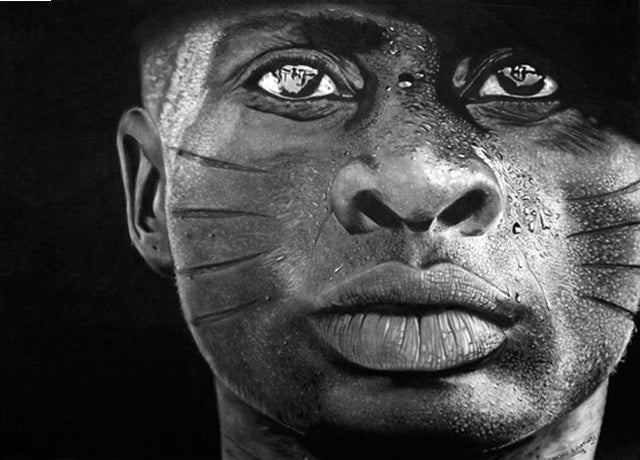
The practice of traditional tribal marks in Nigeria stretches back to centuries, long before written records documented cultural life. In many pre-colonial communities, these marks were essential for identification, belonging, and social order. In the absence of the modern identification systems as we have it today, families and communities needed ways to recognize their members quickly and accurately, and traditional tribal marks provided that solution.
Among the Yoruba people, facial markings known as Ilà became a key part of community life. Each town, family, or lineage developed its own patterns which made it easy to trace a person’s origin at a glance. Similarly, among the Igbo people, certain facial marks like ichi were reserved for men who attained traditional titles as a symbol of honour and social status.
Historical evidence suggests that tribal marks also had practical significance during the trans-Atlantic slave trade. Families feared that their children or relatives could be captured and transported far from home. Distinctive facial or body marks made it easier for returning individuals to be recognized by their communities, even after long absences.
Beyond identification, these marks conveyed social, spiritual, and aesthetic meaning. They were often linked to rites of passage, family heritage, and even beliefs in spiritual protection. In communities across Nigeria, the presence of traditional tribal marks was intertwined with cultural life, personal identity, and communal memory.
Over time, the practice became a visible marker of belonging, honour, and heritage. Although less common today, the historical origins of traditional tribal marks reveal their deep role in shaping social connections and preserving cultural identity across generations.
Cultural Meaning and Symbolism of Traditional Tribal Marks
Traditional tribal marks were never just decorative. They carried deep cultural significance, and told stories about identity, family, and social roles in ways words could not. Across Nigeria, these marks were powerful symbols woven into everyday life.
One of the most important functions of tribal marks was identity. A mark could indicate a person’s family, lineage, or hometown. In communities without formal records, these visible signs helped people to recognize one another instantly. Among the Yoruba people, Ilà patterns identified a person’s town and extended family, while among the Igbo people, ichi marks signalled a man’s traditional title and status within the community.
Traditional tribal marks were also considered signs of beauty and pride. In many societies, a carefully executed pattern enhanced facial features and communicated courage or refinement. Communities valued these marks as visual representations of cultural aesthetics, and people often wore them with pride.
Some marks carried spiritual significance. Families believed that certain patterns could protect children from misfortune, illness, or spiritual harm. As such, traditional tribal marks were both cultural identifiers and talismans that link the physical and spiritual world in daily life.
Traditional tribal marks also communicated social rank. Among the Igbo, only men who had earned traditional Ozo titles received ichi marks. In other communities, more elaborate or numerous marks could indicate wealth, bravery, or prominence within the family or village.
Put simply, traditional tribal marks were layered with meaning. They told who a person was, where they came from, and what they represented. Beyond aesthetics, they were enduring symbols of culture, heritage, and community identity.
Types of Tribal Marks Among Nigerian Ethnic Groups
Traditional tribal marks in Nigeria varied across ethnic groups. Each group developed its own styles, patterns, and meanings, thus creating a rich heritage of cultural expression.
Tribal Marks Among the Yoruba people
The Yoruba are among the most documented groups for facial scarification. Their marks known as Ilà are usually found on the cheeks. Patterns differed from town to town and could indicate family lineage or community origin.
Common styles include:
- Abaja which carried multiple horizontal lines across the cheeks.
- Pele – short horizontal lines, often on the cheeks.
- Kékè – smaller marks linked to communities like Ibadan.
- Owu – associated with the Owu people in southwestern Nigeria.
These marks communicated identity, social belonging, and cultural pride.
Tribal Marks Among the Nupe people
Among the Nupe of central Nigeria, facial markings served as cultural identifiers. Patterns indicated family ties or community origin and were often used during festivals and social gatherings. These marks were less intricate than Yoruba Ilà but equally important for communal recognition.
Tribal Marks Among the Fulani people
Some Fulani communities practiced facial scarification primarily for aesthetic and cultural purposes. While not as widespread, these marks sometimes, reflected family identity or social status. Decorative scars were also seen as a sign of beauty among certain Fulani groups.
Tribal Marks Among the Edo people
In Edo culture, traditional marks known as Iwu were applied mainly during adolescence. These markings signified a transition into adulthood and were linked to social recognition. Unlike Yoruba facial marks, Iwu were often placed on the torso or chest rather than the face.
Tribal Marks Among the Igbo people
Among the Igbo, marks were less common but historically significant. The most documented form known as ichi was worn by men who had achieved traditional titles. These facial marks symbolized honour, maturity, and social status, especially in areas like Awka. Other Igbo marks served decorative or protective purposes. Today, these practices are largely historical.
How Traditional Tribal Marks Were Made
Creating traditional tribal marks was a careful and deliberate process carried out by trained practitioners or elders in the community. The practice required skill, precision, and knowledge passed down through generations.
Typically, the skin was first cleaned and prepared. A sharp blade or knife was then used to make small, precise cuts along the chosen pattern. In some communities, herbal mixtures or charcoal were applied to the wounds. These natural substances helped to control bleeding and encouraged proper healing.
The marks were usually given during infancy, childhood, or adolescence, depending on the ethnic group and cultural purpose. For instance, Yoruba children often received facial Ilà marks in early childhood, while Edo youths might receive Iwu marks during initiation into adulthood.
After the cuts healed, the scars became permanent. Families viewed this permanence as a way to maintain identity and connect generations. Each line, groove, or pattern carried meaning, sometimes, indicating family lineage, community origin, social rank, or spiritual protection.
Although painful, the process was surrounded by cultural significance. Families often celebrated the occasion with ceremonies or small gatherings. Receiving traditional tribal marks was not merely a physical transformation, it was a rite that affirmed belonging and heritage within the community.
Through this careful method, traditional tribal marks became lasting symbols of identity, culture, and social recognition that connected individuals to their families, communities, and history.
Why Traditional Tribal Marks Were Important in Traditional Society
In traditional Nigerian communities, traditional tribal marks were essential to social life. They played multiple roles that shaped identity, belonging, and cultural continuity.
Identification and Lineage
Before modern identification systems, tribal marks acted as a permanent form of recognition. A person’s marks could reveal their family, lineage, or hometown at a glance. In multi-ethnic towns and villages, this helped to prevent confusion and maintained social order. Among the Yoruba people, Ilà patterns indicated family origin, while among the Igbo people, ichi marks signified the holder’s traditional title and social rank
Community Belonging
Receiving tribal marks was a rite of inclusion. A child or youth without marks might not be immediately recognized as part of the family or community. The process connected individuals to their heritage and strengthened communal bonds.
Beauty and Aesthetics
Traditional tribal marks were also considered signs of beauty and refinement. Carefully made patterns enhanced facial features and were often admired as cultural expressions of elegance.
Spiritual and Protective Roles
Some marks were believed to offer spiritual protection. Families applied specific patterns to shield children from misfortune, illness, or spiritual harm. In this sense, the marks connected the physical and spiritual worlds to reinforce both identity and wellbeing.
Social Status and Honour
Beyond lineage, tribal marks could indicate achievement or prominence. Among the Igbo, only men who earned certain titles like the Ozo received ichi marks. In other communities, more intricate or numerous markings could signal courage, leadership, or family prominence.
In essence, traditional tribal marks were a living language of culture that communicated identity, social belonging, beauty, spiritual protection, and status, making them central to everyday life in traditional Nigerian society.
Why the Culture of Traditional Tribal Marks Is Fading
Over the past few decades, the once-common practice of traditional tribal marks in Nigeria has been steadily declining. Several factors explain why this rich cultural practice is fading from daily life.
As more Nigerians move to cities, communities blend, and traditional practices lose visibility. Traditional tribal marks are no longer essential for identifying family or origin, and the younger generations grow up in environments where urban life and modern schooling take precedence.
Modern beauty ideals favour unmarked skin. What was once admired as a symbol of courage or attractiveness is now often seen as outdated or even undesirable. Many families choose not to give their children marks to help them fit in socially and professionally.
Traditional scarification carries risks, especially when performed without sterile tools or medical supervision. Infections, excessive bleeding, or scarring complications have led families to abandon the practice in favour of safer alternatives.
Nigeria’s Child Rights Act discourages permanent body modifications on children without consent. Many communities now see traditional tribal marks as a practice that violates modern child protection laws. This further contributes to their decline.
Some people with tribal marks face discrimination or negative perceptions in contemporary society. To avoid judgment, some individuals conceal their marks with makeup or cosmetic procedures which has made the practice increasingly rare.
Despite their decline, traditional tribal marks remain an important part of Nigeria’s cultural history. They are still studied in schools, celebrated in cultural festivals, and remembered by the older generations as symbols of identity, pride, and belonging.
Tribal Marks in Modern Nigerian Society
Today, traditional tribal marks are rare in everyday Nigerian life. Most people who carry these marks belong to the older generations. The younger Nigerians rarely receive them. Cities and urban centres where multiple cultures converge have made visible tribal identification less relevant.
Despite this decline, tribal marks continue to hold historical and cultural significance. They serve as reminders of the social structures, beauty ideals, and spiritual beliefs of the past generations. In some communities, older individuals proudly display their marks as symbols of heritage and identity.
Cultural festivals, museum exhibits, and academic research have also helped to preserve knowledge of traditional tribal marks. For instance, marks like the Yoruba Ilà or Igbo ichi are often discussed in educational settings to teach the younger ones about history, tradition, and cultural pride.
At the same time, modern society has introduced new ways to express identity. Names, clothing, language, and online presence now play roles that tribal marks once fulfilled. Yet, for historians and cultural enthusiasts, these scars remain valuable artifacts – windows into a time personal identity, community belonging, and social status were written on the human body itself.
Today, traditional tribal marks still connect modern Nigerians to their past, even as the practice itself becomes increasingly uncommon.
Cultural Heritage and Human Rights Debate
The decline of traditional tribal marks has sparked discussions across Nigeria about the balance between cultural heritage and modern human rights.
On one side, cultural advocates argue that tribal marks are important symbols of identity, history, and community pride. They represent centuries of tradition, and tell stories about family, lineage, and social roles. Preserving knowledge of these marks is seen as a way to honour the ancestors and maintain cultural memory.
On the other side, human rights perspectives highlight that permanent marks applied to children without consent can violate personal autonomy. Modern laws, including Nigeria’s Child Rights Act view such practices as potentially harmful, emphasizing the need to protect children from body modifications imposed on them by tradition.
This debate reflects a broader challenge which is, how can societies honour cultural practices while respecting individual rights and modern ethical standards? Some communities have found ways to preserve the history of tribal marks through storytelling, documentation, museum exhibits, and cultural festivals, without continuing the practice on children.
Ultimately, the discussion portrays the delicate balance between celebrating cultural heritage and embracing modern values of choice, safety, and consent. Traditional tribal marks remain a powerful symbol of Nigeria’s diverse cultural history, even as their physical practice continues to fade.
In Conclusion …
More than mere patterns on the skin, traditional tribal marks are windows into Nigeria’s rich cultural heritage. For centuries, these marks carried meaning, identity, social status, and spiritual significance. From the Yoruba Ilà and Igbo ichi to the Edo Iwu, each mark told a story about family, community, and belonging.
Today, the practice is fading. Modern beauty standards, urbanization, legal protections for children, and health concerns have made tribal marks increasingly rare. Yet, their cultural significance endures. They are remembered in history books, celebrated in cultural festivals, and studied in schools as a vital part of Nigeria’s identity.
Learning about traditional tribal marks is a way to appreciate the ways communities once expressed heritage, honour, and belonging. While the practice may no longer be common, the marks remain a symbol of Nigeria’s diverse traditions. A reminder that identity and culture are deeply intertwined, sometimes, written on the skin, and often carried in memory.
By exploring the history, symbolism, and decline of tribal marks, we preserve the stories of the past generations and ensure that the lessons of heritage, identity, and community continue to inspire and educate.
References
- https://www.africarebirth.com/exploring-the-ancient-art-of-scarification-tradition-beauty-and-identity-in-african-and-aboriginal-cultures/
- https://www.yorubalibrary.com/forum/articles/2025/02/tribal_marks_in_yoruba_culture.html
- https://oldnaija.com/2019/04/22/iwu-the-dying-traditional-body-markings-of-edo-people/
- https://nnewicity.com/history-and-meaning-of-ichi-facial-marks/
- https://blueprint.ng/tribal-marks-a-cultural-heritage-sliding-to-oblivion/
- https://www.pulse.ng/story/yoruba-tribal-marks-what-they-signified-and-why-the-practice-has-declined-2024072617430900291