




Igbo culture
Music in Igbo Culture: A Powerful Expression of Tradition and Identity

Music in Igbo culture explores how traditional sounds, instruments, and songs express identity, preserve history, and support rituals, ceremonies, and everyday life in Igbo society.

Music in Igbo culture is not something separate from daily life. It is part of how people greet the morning, celebrate achievements, mourn losses, and pass wisdom to the younger generations. In many Igbo communities, silence is rare during important moments because music carries meaning, memory, and emotion.
From childhood lullabies to festival drumming in village squares, music in Igbo culture serves as a living record of who the people are. It speaks when words are not enough and carries messages across generations.
This article explores music in Igbo culture as a powerful expression of tradition and identity, focusing on its history, instruments, social functions, and continuing relevance in modern times.
Understanding Music in Igbo Culture
Music in Igbo culture is not treated as a separate form of entertainment. It sits inside everyday life, moving with the rhythm of community activities, social events, and spiritual practices. To truly understand music in Igbo culture, it is important to see it as a form of communication that carries meaning, memory, and shared experience.
In many Igbo communities, music is part of how people speak without speaking. A chant can pass a message. A drum pattern can signal an event. A song can teach lessons that are not written in books but are remembered because they are sung repeatedly across generations.
Music in Igbo culture is also closely tied to language. The tonal nature of the Igbo language allows songs to carry layered meanings, where slight changes in pitch can change interpretation. This makes music a natural extension of speech, not something separate from it.
It is also important to understand that traditional Igbo music is participatory. It is rarely performed for a passive audience alone. People respond, dance, clap, and join in. This shared involvement turns music into a collective experience rather than an individual performance.
At the heart of it, music in Igbo tradition functions as a living system of knowledge. It teaches values, preserves oral history, supports ceremonies, and strengthens community bonds. To understand it properly is to see how deeply it is woven into daily life, rather than standing outside it as an independent art form.
Historical Origins of Traditional Igbo Music
The history of music in Igbo society is closely tied to oral tradition and the everyday life of early communities. Long before written records existed, people relied on sound, rhythm, and performance to preserve memory and pass knowledge across generations. In this setting, music developed as both a practical and cultural necessity.
In early Igbo society, music was present in almost every aspect of life. It accompanied farming activities where workers used rhythmic songs to maintain coordination and reduce fatigue. It also appeared in family settings, storytelling gatherings, and communal meetings where decisions were made and histories were shared.
Traditional belief systems also played a major role in the early development of music. Rituals connected to ancestors, deities, and natural forces were often expressed through chants, drumming, and songs. These performances were not optional additions. They were central parts of the practices themselves, giving structure and meaning to spiritual life.
As communities grew and interacted, music also developed different styles and functions. Some songs became tied to specific events such as initiation rites, marriages, and funerals. Others evolved as forms of praise or social commentary, allowing people to express approval, concern, or criticism in a culturally accepted way.
Over time, these practices formed a rich musical tradition that continued to be passed down orally. Elders taught the younger ones through participation rather than formal instruction. Children learned by listening, observing, and joining in community performances.
Music in many African societies developed alongside social structures rather than separately from them. In the Igbo context, this means that music was never just an art form. It grew naturally from how people lived, worked, and related with one another.
Today, traces of these historical origins remain visible in modern performances, festivals, and cultural celebrations. Even as styles have evolved, the foundation of music in Igbo culture continues to rest on its early role as a carrier of memory, identity, and shared experience.
Types of Music in Igbo Culture
Traditional Igbo music exists in different forms, and each type serves a clear purpose within the society. It is not organized for performance alone. Instead, each category is tied to a specific moment in community life, whether social, spiritual, or occupational. Understanding these types helps to explain how deeply music is connected to everyday experiences in Igbo culture.
Folk and traditional songs. Folk and traditional songs are among the most common forms of music in Igbo culture. They are passed down orally and often do not have a known single composer. These songs appear in daily activities such as farming, storytelling, and informal gatherings.
Work songs, for example, are used to maintain rhythm during physical labour. Lullabies are sung to calm children and introduce early cultural language patterns. Praise songs are used to honour individuals or families, often highlighting achievements or character.
These songs are simple in structure but carry strong cultural meaning that is easily remembered and shared.
Ritual and ceremonial music. Ritual and ceremonial music plays an important role in life events. In Igbo culture, major transitions such as birth, marriage, and burial are not complete without music.
During naming ceremonies, songs welcome a child into the community. Marriage ceremonies feature celebratory music that marks the joining of families. Burial rites include solemn chants that guide mourning and honour the deceased.
Each of these musical expressions follows specific patterns that are understood within the culture, making them an essential part of the ceremony itself.
Festival music. Festival music is one of the most expressive forms of music in Igbo culture. It is performed during cultural festivals that bring entire communities together. This type of music often includes group singing, drumming, dancing, and masquerade performances. The atmosphere is lively, and participation is usually open to everyone in the community.
Festival music is not only for celebration. It also serves as a reminder of shared heritage and strengthens community ties through collective participation.
Occupational songs. Occupational songs are connected to daily work and economic activities. In traditional Igbo society, people sang while farming, fishing, weaving, or trading. These songs help to maintain rhythm and coordination during work. They also serve as a form of encouragement, making long or difficult tasks easier to manage.
Beyond their practical use, occupational songs often carry messages about cooperation, patience, and perseverance.
Each type of music in Igbo culture has a specific role, but together they form a complete system of expression. Whether in work, celebration, ritual, or storytelling, music remains a constant presence in community life, carrying meaning that goes beyond sound.
Musical Instruments in Igbo Culture
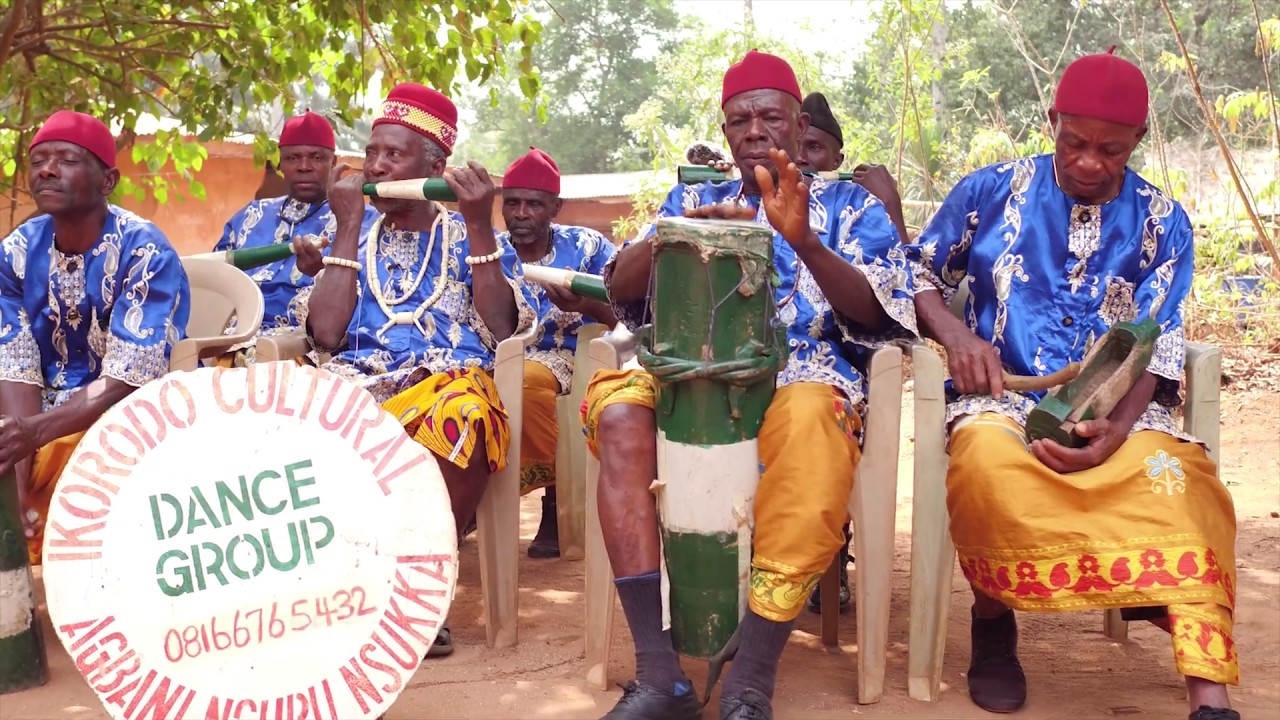
Instruments hold a special place in traditional Igbo music. They are not only tools for producing sound. They are also cultural objects that carry meaning, identity, and social function. Each instrument is closely connected to specific settings such as ceremonies, communication, storytelling, and communal celebrations.
In many Igbo communities, instruments are made from locally available materials like wood, clay, metal, and animal skin. This close relationship with the environment shows how music in Igbo culture grows directly from everyday life and natural resources.
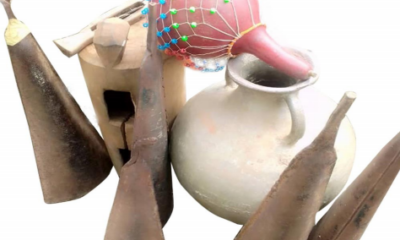
The ogene is one of the most widely recognized instruments in Igbo culture. It is a handheld metal gong that produces a sharp, clear sound when struck. Beyond its musical role, the ogene is also used for communication. In traditional settings, its sound can signal meetings, announce important events, or call people together. It is often played in ensembles where it provides rhythm and structure for other instruments and voices.
The udu is a unique percussion instrument made from clay. It produces a deep, resonant sound when tapped or struck at specific points. Traditionally, the udu is closely associated with women’s musical groups in Igbo culture. It is used in both social and ceremonial performances. Its sound is soft but powerful.
The ekwe is carved from wood and shaped as a hollow instrument with a slit opening. It produces sound when struck with sticks. Historically, the ekwe has been used not only for music but also for communication across distances. Its sound can carry messages in traditional communities, especially in announcing gatherings or important information.
Flutes are also part of music in Igbo culture. They produce melodic sounds and are often used in storytelling and personal expression. Other supporting instruments include rattles and additional percussion tools that help maintain rhythm and add variation to performances. These instruments are usually played in groups to create layered sound patterns.
Instruments in Igbo culture are not viewed as ordinary objects. They are part of cultural identity and social life. Each instrument has a role that goes beyond entertainment. They are used to support ceremonies and rituals, communicate messages in traditional settings, preserve oral traditions through performance, and strengthen community participation in cultural events. Because of this, musical instruments are essential to understanding music in Igbo culture as a whole.
Essentially, musical instruments in Igbo culture are deeply connected to the people’s way of life. From the ogene to the udu and ekwe, each instrument contributes to how music is experienced, shared, and preserved within the community. They remain central to music in Igbo culture by carrying both sound and meaning across generations.
Music as a Tool of Cultural Expression
Music in Igbo culture functions as a living channel through which people express beliefs, values, history, and everyday experiences. In many communities, music is one of the clearest ways cultural meaning is passed across generations without needing written records.
Through songs, rhythms, and chants, people communicate ideas that may be difficult to explain in ordinary speech. This is why music in Igbo culture is often described as a form of cultural expression that speaks directly to both the mind and memory.
One of the strongest roles of music in Igbo culture is its ability to teach. Many traditional songs contain lessons about respect, honesty, hard work, and community responsibility. These messages are often expressed through proverbs and short poetic lines. Because they are sung repeatedly, they are easier to remember and apply in daily life. In this sense, music becomes a practical guide for social behaviour, especially for younger members of the community.
Music in Igbo culture also serves as a method of storytelling. Historical events, heroic acts, and community experiences are often preserved in songs that are performed during gatherings or ceremonies. Instead of reading about history in books, people learn it through performance. The rhythm, tone, and repetition help to preserve details in a way that remains consistent across generations. This storytelling tradition ensures that important cultural memories are not lost over time.
Before written documentation became common, oral tradition was the main way communities preserved their history. Music played a central role in this process. Songs were used to record events such as migrations, wars, victories, and significant cultural changes. Elders passed these songs to the younger people through repeated performance. This method of preservation helped to maintain continuity in music in Igbo culture, even as society changed over time.
Music in Igbo culture also provides a space for expressing social realities. People use songs to comment on daily life, celebrate achievements, or address community concerns in a respectful and indirect way. For example, praise songs recognize good character, while other songs may gently point out unacceptable behaviour. This allows music to serve as a voice for both encouragement and correction within society.
Music and Igbo Identity
Music in Igbo culture is closely tied to identity. It is one of the most visible and audible ways Igbo people express who they are, where they come from, and what they value. Through songs, rhythms, and performances, individuals and communities connect to a shared sense of belonging that goes beyond language alone.
In many Igbo settings, music is not just performed for enjoyment. It is used to affirm identity during ceremonies, festivals, and social gatherings. When traditional songs are sung, they immediately signal cultural origin and community belonging. This makes traditional Igbo music a strong marker of identity both within and outside the community.
One of the most important roles of music in Igbo culture is its connection to ancestry. Many traditional songs carry references to past generations, historical events, and communal experiences. These songs help people to remember their roots. They also provide a sense of continuity between the past and the present. Even when individuals move away from their hometowns, traditional music often remains a link to their heritage.
Music in Igbo culture is often performed in groups rather than as solo expression. This group participation strengthens community identity. Singing and dancing together creates a shared experience that reinforces unity. During festivals and ceremonies, entire communities come together to perform or respond to music. This collective involvement builds a sense of belonging and reminds participants that they are part of something larger than themselves.
The Igbo language plays a major role in musical identity. Since many songs are performed in the Igbo language, music becomes a way of preserving linguistic identity as well. Through music, the younger generations are exposed to traditional expressions, idioms, and proverbs. This helps to maintain cultural knowledge, even when everyday language use begins to shift toward other dominant languages. As such, music in Igbo culture supports both cultural and linguistic identity at the same time.
Music also serves as a symbol of pride. Traditional songs and performances are often used during public celebrations, weddings, and cultural events to showcase heritage. Even in modern settings, many Igbo people include traditional music elements to express pride in their identity. This shows that music in Igbo culture continues to be relevant, not only in rural communities but also in urban and global spaces.
Music in Religion and Spiritual Life
In Igbo culture, music is deeply connected to religion and spiritual life. It is not treated as an accessory to worship or ritual. Instead, it is part of the structure that gives spiritual practices meaning, rhythm, and participation. In many traditional Igbo settings, it is difficult to separate music from religious expression because both work together as one experience. From ancestral rites to community worship, music in Igbo culture helps to create an atmosphere where people express reverence, communicate beliefs, and participate in sacred traditions.
In traditional Igbo religion, music is used during rituals dedicated to deities, ancestors, and spiritual forces. These performances often include drumming, chanting, and singing that follow specific patterns understood by the community. Chants are used to call attention to spiritual moments, while drums set the rhythm for ritual movements. Songs often contain invocations, prayers, or praise directed toward spiritual beings. These musical expressions are not random. They are carefully structured to match the purpose of each ritual.
An important aspect of spirituality in Igbo culture is respect for ancestors. Music plays a key role in these practices. During ancestral ceremonies, songs are performed to honour the memory of those who have passed on. These songs help to create a respectful environment where families and communities acknowledge their lineage and shared history. The use of music in these moments helps participants to express gratitude, remembrance, and continuity between the living and the ancestral world.
Music in Igbo culture is also seen as a medium for sacred communication. Certain rhythms and chants are believed to carry spiritual significance that helps to establish a connection between the physical and spiritual realms. Drumming patterns and vocal chants often guide the timing of rituals. They help to organize movements, prayers, and symbolic actions within ceremonies. Because of this, music is not just background sound. It is part of the ritual process itself.
With the introduction of Christianity, music in Igbo culture did not disappear from spiritual life. Instead, it adapted. Many churches in Igbo-speaking communities now incorporate traditional rhythms, call-and-response singing, and indigenous instruments into worship services. Hymns are often translated into Igbo language, making worship more culturally familiar and engaging. This blending shows how music continues to support spiritual expression across different religious systems.
Social Functions of Music in Igbo Society
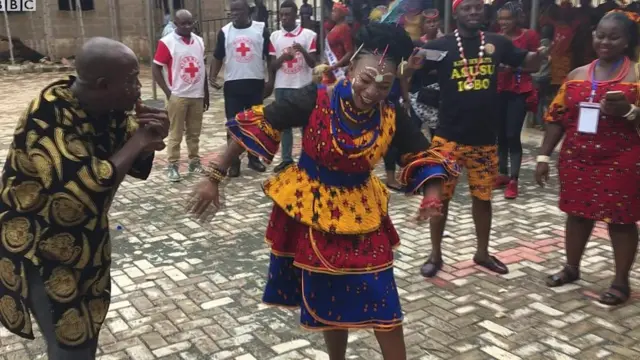
In Igbo culture, music is not limited to performance or celebration. It plays a wide range of social roles that support daily living, community organization, and interpersonal relationships. In many Igbo communities, music is woven into how people communicate, learn, correct behaviour, and build unity. Rather than standing apart from society, music in Igbo culture operates within it as a practical and meaningful tool.
One of the most important social functions of music in Igbo culture is its ability to bring people together. Group singing and dancing create shared experiences that strengthen relationships within families and communities. During gatherings, people participate actively in music rather than simply watching. This shared involvement encourages unity and reduces social distance among individuals. Music becomes a space where everyone, regardless of age or status, can belong.
Music in Igbo culture is also used as a form of informal education. Many songs carry messages about behaviour, responsibility, and community expectations. Children learn through repetition. Proverbs and life lessons are embedded in lyrics, thus making it easier for young people to understand cultural values. Through this method, music becomes a teaching tool that supports moral development in society.
In traditional Igbo society, music and sound instruments were used for communication. Drums and gongs could send signals across distances, especially before modern communication systems existed. These sounds were understood by community members and used to announce meetings, warn of danger, or call people together.
Music also provides enjoyment and relaxation. After long periods of work or during festivals, people gather to sing, dance, and celebrate. This form of entertainment helps to reduce stress and brings joy into community life. It also creates space for creativity and expression. Even in traditional settings, entertainment is closely linked with cultural participation.
Music in Igbo culture can also serve as a gentle way of addressing social issues. Songs may be used to praise good behaviour or indirectly criticize actions that are not acceptable in the community. This form of expression allows people to speak about sensitive matters without direct confrontation. It helps to maintain balance in social relationships while still encouraging accountability.
Modern Influences on Igbo Music
Music in Igbo culture has never remained static. Over time, it has responded to social change, new technologies, and outside cultural influences. While traditional forms still exist, modern influences have introduced new sounds, instruments, and performance styles that continue to reshape how traditional music is created and experienced today. These changes do not erase tradition. Instead, they often blend with it in ways that produce new musical expressions that still carry cultural meaning.
One of the most significant modern influences on music in Igbo culture is Christianity. With the spread of Christian worship across Igbo-speaking communities, traditional music styles were adapted into church settings. Hymns translated into Igbo language became common, and many churches began to include call-and-response singing, clapping, and drumming. Indigenous rhythms also found their way into gospel music performances. This development created a bridge between traditional musical expression and modern religious worship.
Modern Nigerian music genres such as highlife and Afrobeat have also influenced music in Igbo culture. Artists from Igbo backgrounds have contributed significantly to these styles while still drawing from traditional rhythms and language. Highlife music, in particular, has long been associated with southeastern Nigeria. It combines Western instruments like guitars and brass with indigenous rhythms and storytelling techniques. Through these genres, elements of traditional Igbo music continue to reach wider audiences beyond local communities.
Urban growth has changed where and how music in Igbo culture is performed. In rural settings, music traditionally took place in village squares, family compounds, and communal gatherings. In modern cities, performances now occur in event halls, churches, media studios, and entertainment venues. This shift has influenced both the style and presentation of music. While the setting has changed, many artists still maintain cultural elements in language, rhythm, and themes.
Digital technology has introduced a new phase in music in Igbo culture. Recording equipment, social media, and streaming platforms have made it easier to produce, share, and preserve music. Traditional songs can now be recorded and distributed globally. Young artists also use digital tools to remix traditional sounds into contemporary formats. This digital access has helped to increase visibility for Igbo musical heritage beyond local communities.
Modern influences have also encouraged fusion between traditional and contemporary styles. Many musicians now combine indigenous instruments like the ogene or udu with modern beats and electronic production. This combination creates new sounds that appeal to younger audiences while still carrying cultural references.
Preservation and Revival of Igbo Music
Music in Igbo culture continues to hold strong cultural value, though it faces growing pressure from modernization, language shift, and global influences. Because of this, efforts to preserve and revive traditional music have become increasingly important.
One key approach is cultural education. Schools and community programmes now include indigenous music in their activities which help the younger generations learn traditional songs, rhythms, and meanings. This exposure ensures that music in Igbo culture is not completely lost to newer musical trends.
Community festivals also play an important role. Cultural events provide space for traditional performances, where elders and cultural groups showcase original songs, instruments, and dances. These gatherings help to keep musical traditions active and visible.
Documentation is another important effort. Researchers, cultural organizations, and media practitioners are recording traditional songs and performances for future reference. This helps to preserve music that might otherwise disappear as older performers pass on.
Modern technology is also supporting revival. Digital platforms allow traditional Igbo music to be recorded, shared, and accessed by wider audiences. Young musicians are also blending traditional sounds with modern styles, thereby helping to keep the music relevant.
Overall, the preservation and revival of music in Igbo culture depend on continued learning, performance, and documentation. These efforts help to ensure that the musical heritage remains a living part of cultural identity.
Conclusion …
Music remains one of the strongest ways through which Igbo tradition, identity, and community life are expressed. It is not separate from daily living but closely tied to how people celebrate, mourn, work, worship, and communicate. Across generations, it has carried meaning that goes beyond sound, preserving stories, values, and shared memory.
From early historical roots to modern influences, music in Igbo culture has continued to evolve while maintaining its cultural foundation. Traditional instruments, songs, and performance styles still hold significance, even as new genres and digital platforms expand how the music is created and shared.
What stands out clearly is its lasting role in connecting people to their heritage. Whether through ceremonial songs, festival performances, or everyday expressions, music continues to serve as a link between the past and the present.
In a changing world, the continued relevance of music in Igbo culture depends on intentional preservation, active participation, and cultural awareness. As long as these efforts continue, the sounds of tradition will remain an important part of Igbo identity for future generations.
References
- Nzewi, M. (1997). African music: Theoretical content and creative continuum. University of the Witwatersrand Press. https://www.worldcat.org/title/african-music-theoretical-content-and-creative-continuum/oclc/37782728
- Agawu, K. (2003). Representing African music: Postcolonial notes, queries, positions. Routledge. https://doi.org/10.4324/9780203460832
- Nketia, J. H. K. (1974). The music of Africa. W. W. Norton & Company. https://wwnorton.com/books/The-Music-of-Africa/
- Journal of African Cultural Studies. (Various issues on music and performance in African societies). https://www.tandfonline.com/journals/cjac20
- African Studies Review. (Articles on African oral traditions and cultural expression). https://www.cambridge.org/core/journals/african-studies-review
You may want to check this out …