




Igbo Culture & Heritage
Traditional Igbo Jewelries: Symbols of Royalty, Wealth, and Spiritual Power

Traditional Igbo jewelries are rich cultural symbols of royalty, spirituality, beauty, and social identity in Igbo society. Discover their history, meanings, materials, ceremonies, and lasting importance in traditional Igbo culture.

Traditional Igbo jewelries have long been an important part of life in Igbo society. Long before modern fashion became common in Nigeria, the Igbo people used beads, necklaces, bracelets, anklets, and royal ornaments to express identity, honour, beauty, spirituality, and social position. These jewelries were not merely decorative items. They carried deep meanings that connected individuals to their families, communities, ancestors, and traditions.
Across many Igbo communities in southeastern Nigeria, jewelry played a visible role during marriages, title-taking ceremonies, festivals, naming ceremonies, and religious activities. Coral beads worn by kings and titled men often symbolized authority and wealth, while waist beads worn by women were linked with femininity, maturity, and beauty. Certain ornaments also had spiritual importance and were believed to provide protection or blessings.
One of the strongest historical proofs of the existence of traditional Igbo jewelries came from the famous archaeological discoveries at Igbo-Ukwu in present-day Anambra State. Excavations carried out by British archaeologist Thurstan Shaw in the 1950s uncovered thousands of beads, bronze objects, ceremonial ornaments, and luxury items dating back to around the 9th century CE. These discoveries revealed that ancient Igbo society possessed advanced craftsmanship and active trade connections with distant regions.
Today, many of these traditional ornaments still appear during cultural celebrations, weddings, chieftaincy events, and festivals. Even in modern times, traditional Igbo jewelries continue to carry cultural pride and historical importance among the Igbo people.
The Historical Origins of Traditional Igbo Jewelries in Igbo Society
The history of traditional Igbo jewelries stretches back many centuries. Archaeological evidence and oral traditions both point to the existence of elaborate ornament culture in ancient Igbo communities.
The most important historical site connected to ancient Igbo jewelry is Igbo-Ukwu. Archaeologists discovered bronze vessels, necklaces, beads, bangles, and ceremonial regalia buried alongside highly respected individuals. These objects showed extraordinary artistic skill and attention to detail. Historians believe the site belonged to an influential religious or political leader.
Among the most remarkable discoveries were thousands of glass beads. Some of these beads may have originated from regions outside present-day Nigeria through long-distance trade. This indicates that ancient Igbo society participated in commercial networks that linked West Africa with North Africa and other distant locations.
Apart from imported beads, local craftsmen also produced traditional Igbo jewelries using bronze, brass, ivory, shells, and stones. Jewelry-making gradually became a respected craft passed from one generation to another through apprenticeship systems.
Oral history in many Igbo communities also preserved stories about the importance of beads and royal ornaments. Elders often associated certain jewelry items with authority, dignity, and ancestral traditions. These stories helped to preserve knowledge long before written records became common.
Common Types of Traditional Igbo Jewelries
Coral Beads. Coral beads were among the most respected traditional Igbo jewelries. They were especially associated with royalty, titled men, wealthy families, and community leaders. In many communities, only kings, chiefs, and individuals with recognized titles could wear certain types of coral beads.
These beads often appeared during important ceremonies such as coronations, traditional marriages, and festivals. Red coral beads were particularly admired because they represented prestige and influence.
Even today, many Igbo traditional rulers still wear coral bead necklaces, bracelets, and caps during public events.
Waist Beads. Waist beads were among the traditional Igbo jewelries commonly worn by women and girls in traditional Igbo society. These beads carried meanings connected with beauty, femininity, maturity, and body adornment.
In some communities, waist beads also marked important stages in a woman’s life. Young girls could begin wearing them during adolescence, while married women often used more elaborate designs. Apart from their decorative purpose, waist beads were sometimes connected with cultural beliefs about attraction, fertility, and womanhood.
Necklaces and Pendants. Necklaces formed a major part of traditional Igbo jewelries. They were worn by both men and women, although styles often differed according to age, gender, and social standing. Some necklaces contained symbolic pendants believed to offer spiritual protection. Others were designed mainly for prestige and ceremonial appearance. Necklaces made from ivory, beads, bronze, or shells were especially valued.
Bracelets and Anklets. Bracelets and anklets were also among the common traditional Igbo jewelries. Women frequently wore them during dances, celebrations, and marriage ceremonies. Certain anklets made musical sounds during movement, adding rhythm and elegance to traditional performances. Among wealthy families, bracelets made from ivory or metal were signs of social standing and prosperity.
Hair and Head Ornaments. Hair decorations and head ornaments held special importance during weddings and festivals. Brides often wore carefully arranged beads and decorative accessories on their hair. Royal headpieces decorated with beads and feathers were also associated with leadership and ceremonial authority.
Ivory, Brass, and Bronze Ornaments. Among traditional Igbo jewleries, ivory ornaments carried prestige because ivory itself was considered valuable. Brass and bronze objects were also highly respected due to the skill required to produce them. Ancient bronze works discovered at Igbo-Ukwu remain among the finest examples of metal craftsmanship in African history.
Materials and Craftsmanship of Traditional Igbo Jewelries

Traditional Igbo jewelries were made from a wide range of materials, depending on availability, wealth, and purpose.
Common materials included:
- Coral
- Glass beads
- Carnelian stones
- Ivory
- Bronze
- Brass
- Cowries
- Shells
- Stones
- Leather
- Plant fibres
Craftsmen who specialized in jewelry-making developed impressive artistic abilities. Metalworkers used casting methods to create detailed bronze ornaments. Bead makers carefully arranged colours and patterns to produce beautiful designs.
Bronze casting in ancient Igbo society required advanced technical knowledge. Archaeologists studying Igbo-Ukwu artifacts discovered evidence of sophisticated lost-wax casting techniques. This method involved creating wax models before covering them with clay and melting the wax away to leave hollow spaces for molten metal. The precision found in many Igbo-Ukwu bronze objects surprised historians because of their complexity and beauty.
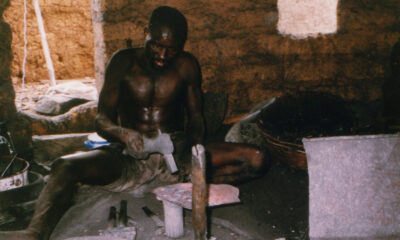
Jewelry production often operated through apprenticeship. Younger learners spent years under experienced craftsmen learning how to carve ivory, arrange beads, polish metals, and create ceremonial ornaments.
Symbolism and Cultural Meaning of Traditional Igbo Jewelries
In traditional Igbo society, jewelry was far more than decoration. Many ornaments carried deep cultural meanings that touched almost every part of life, including leadership, spirituality, beauty, family identity, honour, and social standing. Traditional Igbo jewelries often communicated silent messages about a person’s role, achievements, background, or stage in life.
Across many communities, the type of jewelry a person wore could immediately tell others whether the individual was a titled elder, a wealthy trader, a bride, a spiritual leader, or a member of a respected family. Beads, bracelets, anklets, and necklaces became important cultural symbols that helped to preserve customs and social order.
One of the strongest meanings attached to traditional Igbo jewelries was wealth. Expensive ornaments made from coral, ivory, bronze, or imported beads were usually owned by influential families, kings, chiefs, and successful merchants.
Coral beads in particular carried great prestige. In many Igbo communities, these red beads were associated with royalty and authority. Traditional rulers and titled men wore elaborate coral necklaces and bracelets during important public events to show dignity and influence.
Because some beads were imported through long-distance trade, they were considered luxury items. Owning large quantities of such ornaments often indicated economic success and high social standing.
Traditional Igbo jewelries also helped to identify a person’s place within the community. Certain ornaments were reserved for specific groups, age grades, or title holders. For example, members of the Ozo title society in some Igbo communities wore ceremonial beads and special regalia connected with honour and leadership. These ornaments distinguished them during festivals, meetings, and traditional ceremonies.
Women also used jewelry to express identity and family background. Brides wore carefully selected beads and ornaments during marriage ceremonies to celebrate both beauty and cultural heritage. In some cases, families passed valuable jewelry from one generation to another as treasured heirlooms. These ornaments carried family history and emotional value.
Many traditional Igbo jewelries also had spiritual importance. Some beads, pendants, and charms were believed to provide protection against evil forces, bad luck, or spiritual attacks. Traditional priests, healers, and spiritual leaders sometimes wore sacred ornaments during rituals and ceremonies. Certain jewelry items were linked with ancestral reverence and religious practices within traditional Igbo belief systems.
Colours could also carry symbolic meanings. Red beads were often connected with strength, authority, vitality, and sacred power. White ornaments sometimes represented purity, peace, or spiritual cleanliness depending on the community and occasion. These spiritual associations made some ornaments highly respected and carefully preserved.
For women, jewelry played a major role in traditional concepts of beauty and womanhood. Waist beads, necklaces, bracelets, and hair ornaments added elegance during festivals, dances, and marriage ceremonies.
Waist beads especially carried meanings linked with femininity, maturity, attraction, and personal pride. In some communities, they were connected with important stages in a woman’s life, including adolescence and marriage.
Traditional Igbo jewelries helped women to present themselves confidently during social gatherings and cultural celebrations.
Traditional Igbo jewelries also served as symbols of cultural continuity. Through generations, these ornaments helped to preserve indigenous customs, artistic traditions, and community identity.
Even today, many Igbo people continue to wear coral beads and traditional ornaments during weddings, festivals, chieftaincy ceremonies, and cultural events. This continued use keeps ancient traditions alive and strengthens connections between modern generations and their ancestral heritage.
The enduring presence of traditional Igbo jewelries in contemporary society shows how deeply these ornaments remain connected to history, identity, and cultural pride.
Jewelry and Royalty in Traditional Igbo Society
In traditional Igbo society, jewelry was closely tied to leadership, authority, and public respect. It was not simply worn for beauty. It functioned as a visible language of power. Through beads, coral ornaments, bracelets, and ceremonial regalia, kings, chiefs, and titled elders communicated their status without saying a word. Traditional Igbo jewelries became part of how authority was recognized and honoured in the community.
Across different Igbo communities, royal jewelry helped to distinguish leaders from ordinary members of society. The type, colour, and quantity of ornaments a person wore often carried clear meaning. Coral beads in particular became one of the strongest symbols of kingship and titled authority.
Coral beads occupy a central place in traditional Igbo royal dressing. In many communities, especially among titled men and traditional rulers, coral bead necklaces, caps, and bracelets were reserved for people of high rank.
These red beads were often associated with prestige, sacred authority, and leadership dignity. A king or titled elder wearing coral regalia during public ceremonies was immediately recognized as a person of influence.
The use of coral beads in royal settings was not accidental. Coral itself was considered valuable because of its rarity and its long-distance trade origins. This made it a fitting material for representing power, wealth, and respect.
One of the most important institutions connected to royal jewelry in Igbo culture is the Ozo title system. In many Igbo communities, the Ozo title is one of the highest social and spiritual honours a man can receive.
Individuals who attained this title were often allowed to wear specific traditional Igbo jewelries that signified their elevated position. These included coral beads, ivory ornaments, and ceremonial accessories used during rituals, meetings, and festivals.
The jewelry worn by Ozo title holders was not just decorative. It was part of their identity as custodians of tradition, justice, and moral responsibility within the community.
Traditional rulers and chiefs often appeared in public wearing elaborate jewelry during important cultural events. These included coronations, festivals, peace meetings, and visits to neighboring communities.
Royal regalia typically included:
- Coral bead necklaces and layered bead strings
- Beaded caps and crowns
- Ivory or metal bracelets
- Staffs decorated with symbolic ornaments
- Ceremonial attire combined with jewelry
These items helped to create a visual identity of authority. In many cases, the appearance of a ruler in full regalia was a key part of traditional governance and public communication.
In traditional Igbo governance systems, respect for leadership was often shown through appearance and conduct. Traditional Igbo jewelries played a key role in this expression of respect. A person wearing royal ornaments was automatically treated with dignity and honour. Community members could easily identify leaders during gatherings, disputes, or ceremonial occasions. This system helped to maintain order and clarity within society. It also reinforced the importance of hierarchy, responsibility, and leadership integrity.
In some Igbo traditions, royal jewelry was also connected with ancestral heritage. Certain ornaments were passed down through ruling families or kept within royal lineages for generations. These items were not only symbols of present authority but also links to ancestors who once held leadership positions. Wearing such ornaments during ceremonies helped to connect the living community with its historical roots.
Even today, traditional Igbo jewelries remain an important part of royal and cultural identity. Many Igbo traditional rulers still wear coral bead regalia during official ceremonies, weddings, cultural festivals, and state events.
Modern adaptations of traditional Igbo jewelries have also emerged, but the cultural meaning remains strong. Coral beads continue to symbolize leadership, dignity, and cultural pride.
Through these practices, traditional Igbo jewelries continue to serve as a bridge between the past and the present, preserving a long-standing tradition of royal expression and cultural authority.
The Role of Jewelry in Igbo Ceremonies and Festivals
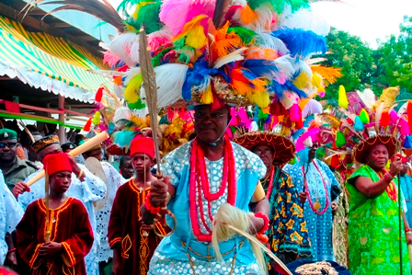
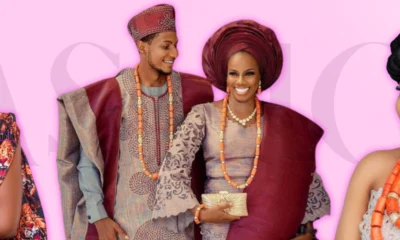
Traditional Igbo jewelries played visible roles during important community events. Igbo traditional weddings remain one of the clearest examples of cultural jewelry use. Brides often wear coral bead necklaces, waist beads, bracelets, and headpieces. These ornaments add elegance while also honouring cultural heritage. Family members and guests may also wear traditional beads during marriage celebrations.
Children sometimes receive symbolic ornaments during naming ceremonies. Such gifts may carry prayers for protection, prosperity, or long life. Festivals across Igbo communities often feature colourful costumes decorated with beads and ornaments. Masquerade performers may wear symbolic jewelry linked with ancestral traditions or spiritual authority.
In some traditional settings, respected elders and title holders were buried with important ornaments. Archaeological findings from Igbo-Ukwu support this historical practice. Traditional Igbo jewelries used during funeral rites could symbolize honour, remembrance, and ancestral connection.
Spiritual and Religious Significance of Jewelry
In traditional Igbo society, jewelry was not only about beauty or social status. Many ornaments carried spiritual meanings that were deeply connected to belief systems, ancestral reverence, and religious practices. Traditional Igbo jewelries often served as links between the physical world and the spiritual world where ancestors, deities, and unseen forces were believed to play active roles in human life.
Across many Igbo communities, certain beads, pendants, and ornaments were treated with respect because they were believed to hold spiritual energy or protective power. These items were used in rituals, worn during ceremonies, and sometimes, kept as sacred family possessions.
One of the most common spiritual beliefs attached to traditional Igbo jewelries was protection. Some ornaments were thought to guard the wearer against harm, misfortune, or negative spiritual influence. Traditional priests, diviners, and spiritual leaders often wore special beads or charms during rituals. These items were believed to strengthen their connection to spiritual forces and protect them while performing sacred duties.
In some communities, specific bead combinations or amulets were carefully prepared and worn for safety during travel, farming, or important community activities. These practices were based on long-held traditional beliefs passed down through generations.
Ancestral reverence is an important part of Igbo traditional religion. Traditional Igbo jewelries sometimes played a role in maintaining this connection between the living and the ancestors. Certain ornaments were inherited within families and treated as sacred heirlooms. These items were not just valuable because of their materials, but because of their historical and spiritual significance.
Wearing such jewelry during ceremonies was sometimes seen as a way of honouring ancestors and seeking their guidance or blessings. In this sense, traditional Igbo jewelries became symbols of continuity between generations.
Traditional religious practices in Igbo culture often involved the use of symbolic objects, including jewelry. Priests and custodians of shrines sometimes wore specific ornaments during ceremonies dedicated to deities or ancestral spirits. Beads, cowries, and carved pendants were sometimes used in ritual settings to represent spiritual ideas or to mark sacred moments. These items were handled with care and were not used casually. In some cases, jewelry also formed part of offerings or ritual preparations, depending on the purpose of the ceremony and the instructions of spiritual leaders.
Colours and materials used in traditional Igbo jewelries often carried symbolic meanings. These meanings varied across communities, though some common associations existed. Red beads were often linked with vitality, authority, and spiritual strength. White ornaments were sometimes associated with purity, peace, and sacredness. Dark beads or natural materials could represent grounding, protection, or ancestral connection.
Materials such as coral, ivory, and cowries were also seen as special because of their rarity, beauty, or natural origin. Their use in jewelry added deeper cultural and spiritual value to the ornaments.
In traditional Igbo religious life, spiritual authority was distinct from political authority, although both could overlap. Individuals who served as priests, diviners, or ritual leaders often wore specific jewelry that identified their role. These ornaments were not worn for fashion. They were part of sacred responsibilities and indicated that the wearer was acting in a spiritual capacity.
Because of this, traditional Igbo jewelries also helped the community to recognize individuals who had special religious duties or access to spiritual knowledge.
While modern life has changed many aspects of Igbo culture, the spiritual meanings attached to jewelry have not completely disappeared. In some rural and cultural settings, traditional beliefs about beads and ornaments are still observed, especially during rituals and ceremonies. Even in contemporary celebrations, some people continue to wear beads not only for beauty but also as a way of honoring tradition and cultural identity.
This continuity shows that traditional Igbo jewelries remain more than fashion items. They still carry echoes of spiritual meaning, cultural memory, and ancestral connection within Igbo society.
Trade, Economy, and the Value of Jewelry in Igbo Society
Traditional Igbo jewelries also played economic roles in society. Luxury ornaments served as stores of wealth for wealthy families and community leaders. Imported beads and rare materials carried high value because they were difficult to obtain. Historical studies suggest that ancient Igbo communities participated in regional trade involving beads, metals, salt, textiles, and agricultural products.
The presence of foreign beads at Igbo-Ukwu supports evidence of long-distance trade connections. Scholars believe trade routes linked parts of present-day Nigeria with North Africa and other regions. Jewelry production itself created economic opportunities for craftsmen, traders, and merchants. Women also participated actively in bead trade within local markets.
Modern Influence and Changes in Igbo Jewelry Traditions
Modernization and foreign influence have changed many aspects of traditional Igbo jewelries. Western fashion introduced new materials and jewelry styles into Nigerian society. However, traditional beads and ornaments continue to remain important during cultural events.
Today, traditional weddings frequently feature coral bead regalia alongside modern clothing. Fashion designers now combine traditional beads with contemporary styles to create modern African fashion.
Social media and cultural revival movements have also encouraged the younger generations to appreciate indigenous jewelry traditions. Many Nigerians now wear traditional beads proudly during weddings, festivals, and official ceremonies as symbols of cultural identity.
Preservation of Traditional Igbo Jewelries Heritage
Efforts to preserve traditional Igbo jewelries continue through museums, cultural festivals, academic research, and historical documentation. Artifacts from Igbo-Ukwu are preserved in museums and studied by historians and archaeologists. These collections help to educate people about the artistic achievements of ancient Igbo society.
Cultural organizations and traditional institutions also encourage the younger ones to value indigenous heritage. Festivals, documentaries, books, and academic studies continue to preserve knowledge about ancient jewelry traditions.
Local craftsmen who still produce traditional beads and ornaments also contribute to keeping these traditions alive.
Conclusion …
Traditional Igbo jewelries remain an important part of Igbo cultural heritage. For centuries, beads, necklaces, bracelets, waist ornaments, and royal regalia carried meanings connected with identity, spirituality, beauty, leadership, and prosperity.
Archaeological discoveries at Igbo-Ukwu provided powerful historical evidence of advanced craftsmanship and active trade networks in ancient Igbo society. These discoveries helped the world to appreciate the artistic excellence of traditional Igbo culture.
Even today, traditional ornaments continue to appear during weddings, festivals, title-taking ceremonies, and cultural celebrations. They connect modern generations with the wisdom, creativity, and traditions of their ancestors.
As interest in African history and indigenous culture continues to grow, preserving knowledge about traditional Igbo jewelries becomes increasingly important. These ornaments are not only beautiful cultural items. They are historical treasures that tell the story of a people, their values, and their enduring heritage.
References
- Insoll, T., Wood, M., & Dussubieux, L. (2022). Igbo-Ukwu and glass bead production in sub-Saharan Africa. African Archaeological Review. https://link.springer.com/article/10.1007/s10437-022-09495-5
- Wood, M. (2011). Interregional trade and imported glass beads in early West Africa. Journal of African Archaeology. https://doi.org/10.1163/21915784-90000060
- Shaw, T. (1970). Igbo-Ukwu: An Account of Archaeological Discoveries in Eastern Nigeria. Northwestern University Press.
- Insoll, T., Wood, M., Dussubieux, L., and others. “Igbo-Ukwu and the Origins of Glass Making in Sub-Saharan Africa.” African Archaeological Review. Springer.
Springer Journal Article - https://nnewicity.com/igbo-bead-culture/