


Imo News
Orlu: The 2nd Biggest City in Imo State and a Growing Economic Hub in Southeastern Nigeria

Imo State, located in the southeastern region of Nigeria, is known for its industrious people, rich culture, and rapidly expanding cities. The state has three major urban centres which are Owerri, the capital city, Orlu, the commercial and population hub, and Okigwe, the administrative town in the north. Among these three, Orlu stands as the second biggest city in Imo State, both in terms of population and economic activity.
Situated in the western part of Imo State, Orlu serves as a link between the busy capital city of Owerri and the surrounding rural communities that extend towards Anambra and Abia States. Over the years, Orlu has evolved from a traditional Igbo settlement into a modern city that thrives in trade, education, and healthcare.
Today, Orlu is recognized not only for its size but also for its influence across the state. Economically, politically, and culturally, it continues to play a key role in shaping the development of Imo State. It has become a vibrant urban centre where the values of tradition blend beautifully with modern progress, reflecting the resilience and creativity of its people.

Historical Background of Orlu
The history of Orlu, known in the Igbo language as Ọ̀lụ́, stretches back several centuries. It began as a collection of small Igbo communities united by kinship, trade, and shared cultural practices. In the early days, Orlu was a peaceful agricultural settlement known for its palm produce, yams, and traditional craftsmanship.
During the Nigerian–Biafran Civil War, which took place between 1967 and 1970, Orlu played a significant role in humanitarian support. It hosted several relief agencies and medical centres that catered to the needs of displaced persons and war victims. Historical records show that Orlu served as the headquarters for some Organisation of African Unity relief operations during the war.
In the years following the civil war, the city experienced rapid transformation. Its central location within Imo State made it an ideal point for post-war recovery, commerce, and social rebuilding. Roads were constructed, markets expanded, and new schools and hospitals were established. From its humble beginnings as a cluster of villages, Orlu gradually grew into one of the most important cities in southeastern Nigeria, blending historical legacy with modern growth.
Geography, Demographics, and Urban Spread
Orlu is located in the western part of Imo State, sharing boundaries with several local government areas including Orsu, Njaba, Nkwerre, and Ideato. The city lies roughly midway between Owerri and Nnewi in Anambra State, giving it a strategic position for trade and transportation within the region.
The modern Orlu city area is made up of several communities such as Amaifeke, Umuna, Umuowa, Okporo, Umutanze, Owerre-Ebeiri, and Ihioma, among others. These communities have grown and merged over time, creating what is now known as the Orlu urban area.
Population estimates suggest that Orlu has about 420,000 residents in the city itself. However, when the larger Orlu Senatorial Zone is considered, which includes eleven local government areas, the total population rises to more than 2 million people. The city continues to attract migrants from nearby towns and rural areas, contributing to its rapid urbanization.
Modern buildings, schools, markets, and businesses have changed the appearance of Orlu, giving it a distinct urban character. Yet, even with these developments, the people have preserved elements of their traditional Igbo community life, including village leadership structures, age-grade systems, and communal gatherings. Orlu’s geography and population strength have made it a vital hub of economic and cultural activity in southeastern Nigeria.

Cultural and Social Life
The cultural and social life of Orlu reflects the values and traditions of the Igbo people. The residents are predominantly Igbo and speak the Igbo language as their first language. Christianity is the dominant religion in the city, but traditional beliefs and customs are still respected and practiced, especially in the rural areas.
The Catholic Church has a strong presence in the city, represented by the Catholic Diocese of Orlu which oversees many parishes, schools, and hospitals. The Anglican Church and Pentecostal denominations also have large followings across the city. Despite the spread of Christianity, traditional practices and festivals remain important to the identity of the people.

Catholic Diocese of Orlu, Imo State
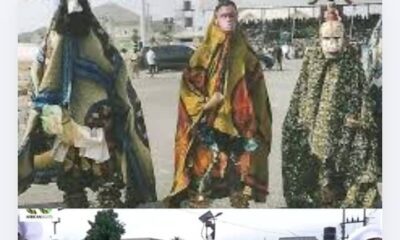
One of the major cultural celebrations in Orlu is the New Yam Festival, known as Iri Ji, which marks the harvest season and expresses gratitude to God and the ancestors for a bountiful harvest. Other notable festivals include the Mmanwu or Masquerade Festival, the Okonko Festival, and the Ebuebu Festival. These events are characterized by music, dance, drumming, and masquerade displays that attract large crowds from within and outside the city.
Social life in Orlu is lively and community-oriented. Markets, weddings, religious events, and village meetings are common gathering points for residents. The people are known for their hospitality, unity, and strong family ties. Through these cultural and social activities, Orlu continues to preserve its heritage while embracing modern lifestyles.
Political and Administrative Importance
Politically, Orlu holds an important position in the structure of Imo State. It serves as the headquarters of the Orlu Senatorial Zone, one of the three senatorial districts in the state. The zone includes eleven local government areas such as Orlu, Orsu, Njaba, Ideato North, Ideato South, Oru East, Oru West, Nkwerre, Nwangele, Ohaji/Egbema, and Oguta.
The city has produced several notable political leaders who have played significant roles in Imo State and Nigeria at large. Many governors, senators, and national legislators have emerged from Orlu and its surrounding communities, making it one of the most politically influential zones in the state.
In recent years, there have been discussions about the creation of a new “Orlu State,” which would include parts of Imo, Abia, and Anambra States with Orlu proposed as the capital. This proposal has sparked debates at the national level, as supporters believe that the city’s size, population, and economic importance make it a suitable choice for state capital status.
Through its political representation and administrative influence, Orlu continues to play a leading role in shaping the policies and direction of Imo State.
Economy and Commerce
The economy of Orlu is dynamic and diverse. After Owerri, it is considered the commercial capital of Imo State because of its large markets, busy trade activities, and growing industries. Commerce, manufacturing, and healthcare form the backbone of the city’s economy.
At the heart of its business life is the Imo International Market, one of the largest trading centres in southeastern Nigeria. This market attracts traders from various parts of the country and is particularly known for its wide range of pharmaceutical and chemical products. Because of this, Orlu is often referred to as the medicine capital of Imo State.
Another key contributor to the city’s economy is the Ogbosisi Timber Market, which supports woodwork, furniture production, and carpentry. Many small and medium enterprises operate across Orlu in areas such as building materials, retail trading, transport services, and agriculture.
Healthcare is also a major part of Orlu’s economic landscape. The city is home to the Imo State University Teaching Hospital and the School of Nursing and Health Technology located in Okporo. These institutions attract professionals, students, and visitors from across Nigeria and help strengthen Orlu’s position as a regional centre for medical education and healthcare.

Imo State Teaching Hospital, Orlu
Despite these economic strengths, the city faces some challenges. Poor infrastructure, unstable electricity, and occasional security concerns have slowed industrial expansion. However, the entrepreneurial spirit of the people continues to drive growth and innovation. Orlu’s ability to adapt and thrive has made it one of the most promising urban centres in southeastern Nigeria.
Infrastructure and Education
Orlu’s infrastructure reflects both its growth and its challenges. The city is well connected by road networks linking it to major parts of Imo State and neighboring states such as Anambra and Abia. The Orlu–Owerri Road, Orlu–Okigwe Road, and Orlu–Nnewi Road serve as vital routes for commerce and mobility, making it easier for traders and travelers to move goods and services across the region. However, despite these important connections, many of these roads are in need of repair, with potholes and erosion posing constant challenges to smooth transportation.
Healthcare infrastructure is another area where Orlu stands out. The presence of the Imo State University Teaching Hospital in Orlu has positioned the city as a key healthcare destination in Imo State. This facility not only provides medical services but also trains doctors, nurses, and other healthcare professionals. Supporting this are numerous private hospitals, pharmacies, and diagnostic centers that serve both residents and visitors.
In terms of education, Orlu is home to many well-established secondary schools and higher institutions that have produced some of Imo’s most educated citizens. The School of Nursing and Health Technology in Okporo is one of the oldest in the region, and several mission schools within Orlu have contributed greatly to literacy and moral education. Vocational centers and training institutes also help young people learn trades and skills, which sustain the local economy.
Despite these achievements, Orlu’s infrastructure faces issues such as inadequate power supply, poor waste management, and limited public amenities. Regular power outages affect businesses and schools, while underdeveloped drainage systems often lead to flooding during the rainy season. These challenges reflect the need for improved government attention and investment in urban planning.
Modern Challenges and Issues
As Orlu continues to expand, it faces the growing pains of urbanization. One of the biggest issues confronting the city is poor urban planning. Many parts of Orlu have developed without proper layouts, leading to congested roads, inconsistent housing structures, and inadequate drainage. The rapid increase in population has put pressure on housing and essential services.
Security has also been a major concern in recent years. The city has witnessed occasional unrest and clashes that disrupted commercial activities and caused fear among residents. This insecurity has discouraged investors and slowed down business growth in certain areas. Addressing these issues is essential to restoring confidence in Orlu’s economic potential.
Unemployment is another challenge affecting many young people in Orlu. Although the city is full of skilled youths and traders, formal job opportunities remain limited. Many young residents travel to other cities like Owerri, Onitsha, or Lagos in search of better prospects.
Environmental issues have also become prominent due to deforestation, erosion, and poor waste disposal. Plastic waste and improper refuse management contribute to pollution in some parts of the city. Without adequate urban planning and environmental regulation, Orlu risks facing severe ecological problems in the near future.
Despite these difficulties, Orlu remains resilient. Its people are industrious, community-oriented, and hopeful for change. Many community groups and local leaders are already working toward restoring peace, improving sanitation, and promoting economic development through partnerships and local initiatives.
Conclusion
Orlu stands today as the second biggest city in Imo State, not only by size but also by its economic and cultural importance. It has grown from a historic Igbo settlement into a bustling modern city that connects people and businesses across southeastern Nigeria. With strong cultural roots, an active commercial scene, and a resilient population, Orlu remains a vital part of Imo’s identity.
However, the city faces modern challenges such as insecurity, unemployment, and poor infrastructure that must be addressed to unlock its full potential. If government and community leaders take deliberate steps toward improving these areas, Orlu will continue to grow and become a model of progress and development in Imo State.
Read about:Owerri: The Hospitality and Nightlife Hub of South East Nigeria