






African Culture
Iju Ase: The Fascinating Igbo Tradition That Reveals Secrets Before Marriage

Iju Ase is a key stage in Igbo traditional marriage process where families make enquiries about each other’s background, character, and readiness for the union before proceeding to introduce, negotiate, and celebrate the wedding.

Marriage in Igbo culture is a journey, a careful weaving together of families, values, and histories. Among the processes involved in Igbo traditional marriage, Iju Ase ranks high. It is a tradition often overlooked by outsiders but deeply meaningful to those who practice it.
Iju Ase is the stage where families quietly make enquiries by asking questions that uncover the character, background, and readiness of the bride and groom. It is not a formality. It is a thoughtful, deliberate step that protects relationships, builds trust, and honours the wisdom of the elders.
Before any introductions, celebrations, or negotiations take place, Iju Ase ensures that both families enter the marriage process with clarity and confidence. This is a tradition rooted in respect, foresight, and community care.
In this article, we will explore Iju Ase, its historical roots, how it works, and why it remains a vital part of Igbo marriages today.
Who Are the Igbo People?
The Igbo people are one of Nigeria’s largest ethnic groups, majorly settled in the southeastern region of the country comprising Abia, Anambra, Ebonyi, Enugu and Imo States. They are known for their vibrant culture, rich traditions, and a deep sense of community. Family and social bonds are central to Igbo life, and customs are passed down carefully from one generation to the next.
Igbo society places strong value on respect, communal decision-making, and the preservation of heritage. Life events such as naming ceremonies, festivals, and especially, marriage are not just personal milestones. They are occasions where families, clans, and sometimes, entire communities come together to celebrate, guide, and support one another.
Marriage among the Igbo is particularly significant because it is seen as a union of families rather than just two individuals. Each step in the traditional marriage process has a purpose, from building trust between families to ensuring cultural and social harmony. One of the earliest steps in this journey is Iju Ase where careful enquiries are made to understand the background and character of both the bride and the groom. This practice reflects the Igbo commitment to wisdom, respect, and thoughtful preparation in every aspect of life.
Meaning of Iju Ase
Iju Ase, also known in some dialects as Igba Nju is one of the earliest and most important steps in the Igbo traditional marriage process. The phrase literally means “making enquiries” and refers to the careful investigation families carry out before formally proceeding with a marriage. It is not a ceremony or celebration. Instead, it is a thoughtful and deliberate stage where families seek to understand the character, background, and suitability of the prospective bride and groom.
During Iju Ase, the groom’s family usually begins by discreetly asking questions about the bride’s family. They may inquire about the family’s reputation in the community, the health and character of its members, and any potential cultural or social considerations that might affect the marriage. These enquiries are aimed at finding out such things like whether there is mental illness, thievery and other vices in the family.
For some communities or families where the osu caste system is still operational, questions are also asked to know if the family belongs to the caste. These enquiries are conducted with sensitivity, respect, and often through elders or trusted intermediaries who understand traditions.
This process is not one-sided. In many communities, the bride’s family also makes enquiries about the groom and his family. The goal is to ensure that both families can come together in the union of marriage. Both families seek reassurance that the marriage will strengthen relationships, honour cultural values, and contribute positively to the larger community.
Iju Ase serves several purposes. It helps families to avoid potential conflicts, ensures compatibility, and allows the elders to pass down wisdom that can guide the young couple. It is a tradition rooted in foresight, respect, and the communal nature of Igbo society.
In essence, it is a protective and preparatory stage that quietly lays the foundation for a strong, respectful, and harmonious union.
Historical Background of Iju Ase
The practice of Iju Ase has deep roots in Igbo history. Long before modern record-keeping or written contracts, Igbo communities relied on oral traditions, family networks, and community elders to maintain social order. Marriage was not viewed as just a personal decision. It was a carefully guided family affair that connected lineages, preserved reputations, and ensured social harmony.
Iju Ase emerged as a practical response to these needs. It allowed families to quietly gather information about one another before committing to marriage negotiations or celebrations. Through this process, families could assess the character of the individuals involved and understand their family histories. The tradition recognized that a strong marriage depended not only on love between two people but also on the integrity, values, and conduct of both families.
Anthropological studies and cultural research indicate that Iju Ase has been practiced in many Igbo communities for centuries. Communities such as Nnewi, Awka, and Mbaise have detailed accounts of families performing careful enquiries as the first formal step in the traditional marriage process. This stage often precedes introductions, dowry discussions, and the Igba Nkwu, or wine-carrying ceremony.
The method of enquiry has evolved over time. In the past, families relied heavily on verbal reports from trusted community members, elders, and family friends. Observing a family’s behaviour in daily life or hearing about them through social networks helped the groom’s and bride’s families to make informed decisions. Today, while some modern families may use phones or social media, the essence of Iju Ase remains intact.
Iju Ase reflects the Igbo value of foresight. It shows how seriously the culture treats family honour, relationship stability, and communal responsibility. It is a stage where wisdom, experience, and respect for tradition come together to guide the next generation.
The Process of Iju Ase
The process of Iju Ase is thoughtful, deliberate, and guided by respect. It unfolds in several key steps, each designed to ensure that both families fully understand and trust one another before formal marriage arrangements begin. This stage sets the tone for the entire Igbo traditional marriage process, as it creates a foundation of clarity, confidence, and mutual respect.
Expression of intent. Every Iju Ase begins with a simple but important step, which is the expression of intent. The man who wishes to marry a woman communicates his intentions to his family first. This is not just a casual statement. It is a serious declaration that signals readiness to begin the traditional marriage process. Parents and elders then consider the request carefully, weighing character, family reputation, and compatibility. Only after this discussion does the family decide to initiate the process of inquiring about the family.
Gathering information. Once intent is confirmed, both families begin the enquiry stage. This is the core of Iju Ase. Trusted relatives, elders, or community members discreetly gather information about the prospective bride or groom and their family. Questions may include:
- What is the family’s reputation in the community?
- Are there any known health or social issues?
- How does the family handle conflicts or disputes?
- What are the character traits of the individuals involved?
These enquiries are conducted respectfully and often quietly. The goal is not to judge but to know and to decide if the union is feasible or not. Families aim to protect the young couple and ensure that the marriage will be harmonious and sustainable.
Sharing insights. After gathering information, representatives from each family meet to share their findings among themselves. This stage allows both sides to clarify concerns and ask further questions, if necessary. Sometimes, the elders will provide guidance based on their experience and knowledge of cultural norms. This sharing of insights fosters trust and ensures that both families enter the marriage process with a clear knowledge of each other’s background.
Decision and next steps. Based on the findings from Iju Ase, the families decide whether to proceed to formal introductions, dowry negotiations, and eventual celebrations. If any issues are discovered, families may delay the process or address concerns before moving forward. In some very serious cases, the marriage process may be discontinued. This careful approach ensures that the marriage is built on a foundation of transparency, respect, and mutual understanding.
Mutual respect and community involvement. One of the most important aspects of Iju Ase is that it involves both families equally. While the groom’s family may traditionally initiate enquiries, the bride’s family also seeks to find out about the groom’s background and character. The process reflects the Igbo value of communal responsibility where elders and family members guide the young couple with the aim of ensuring that marriages are strong, lasting, and beneficial to both families.
By the end of Iju Ase, both families typically feel confident that they have a clear knowledge of one another. The stage is not usually festive or public, but then, it is essential. It is a moment where culture, wisdom, and family care come together quietly to protect the future of the couple and their families.
Cultural Significance of Iju Ase
Iju Ase is more than what it seems at the surface – a simple enquiry. It carries profound cultural meaning in Igbo society. It is a reflection of values that have guided families for generations. Basically, this tradition emphasizes wisdom, respect, and foresight. It ensures that marriages are not only about love between two individuals but also about harmony between families, communities, and future generations.
One of the key cultural roles of Iju Ase is protecting family reputation. By carefully investigating the background and character of prospective spouses, families minimize the risk of conflicts or issues that could harm the social standing or unity of the household as well as the children that would be birthed in the marriage. The process also provides an opportunity for elders to pass down knowledge, share cultural insights, and guide young couples toward making informed decisions.
Another important aspect is ensuring compatibility. The Igbo people recognize that family dynamics, behaviour, and reputation influence marital success. Enquiries during Iju Ase help both sides to understand potential challenges and strengths. This careful attention to detail reinforces the idea that marriage is a serious commitment that involves both individual responsibility and family accountability.
Iju Ase also fosters mutual respect and trust between families. When questions are asked and answered openly and respectfully, both sides feel heard and valued. This creates a strong foundation for future interactions, negotiations, and celebrations. It transforms marriage from a private affair into a communal event where everyone plays a role in supporting the union.
Even today, the significance of Iju Ase remains relevant. In modern Igbo society where urban lifestyles and technology influence family interactions, the tradition continues to remind people of the importance of cultural wisdom, careful consideration, and respect for family ties. It demonstrates that thoughtful preparation and understanding are timeless tools for building strong, enduring marriages.
Regional Variations of Iju Ase
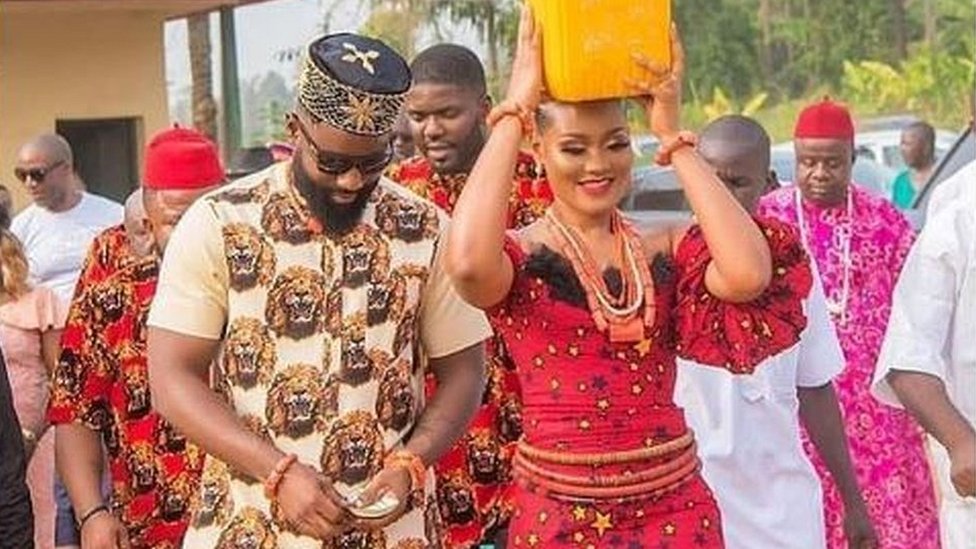
While Iju Ase is a shared tradition across Igbo communities, each region adds its unique touch. In Nnewi, for instance, the enquiries often involve a wider circle of extended family and trusted neighbours. Elders may spend several days discreetly observing the prospective bride’s family and asking questions about reputation, character, health, and family history.
In Awka, families place particular emphasis on compatibility in values and social behaviour. Questions may focus on how families handle conflicts, approach education, or practice cultural traditions. Meanwhile, in Mbaise, the process tends to be more formalized, with designated family representatives conducting systematic enquiries and reporting back to the elders before any introduction takes place.
Even within a single community, timing and emphasis can vary, depending on the family’s social standing or previous experience with marriage negotiations. Despite these differences, the essence of Iju Ase remains the same – gathering careful, insightful information to ensure the success and harmony of the union. This regional diversity highlights how adaptable and resilient the tradition is in allowing families to preserve cultural values while responding to local social dynamics.
Role of Elders and Community in Iju Ase
Elders play a central role in the Iju Ase process by acting as guides, mediators, and custodians of cultural wisdom. Their experience allows them to ask the right questions, interpret answers carefully, and provide advice that protects the interests of both families. In many Igbo communities, the elders’ recommendations carry significant weight and can influence whether a marriage proceeds, discontinues, or is paused for further consideration.
The community also participates indirectly in Iju Ase. Trusted neighbours, friends, or distant relatives may share insights about a family’s reputation, character, and social behaviour. This communal involvement ensures that marriages are not just personal arrangements but a shared responsibility. Young couples benefit from this collective guidance as they learn cultural norms, conflict-resolution strategies, and the value of transparency before entering into lifelong commitments.
Through the participation of elders and the wider community, Iju Ase strengthens the idea that marriage is a union of families, and not just individuals. It ensures that decisions are grounded in knowledge, respect, and shared responsibility, rather than impulse or incomplete understanding.
Comparison with Other Nigerian Traditions
While Iju Ase is unique to the Igbo people, other Nigerian ethnic groups also practice pre-marriage enquiries, each based on their own customs and emphases. Among the Yoruba, for example, families conduct background checks through meetings called Idana Ayo, with focus on family lineage, education, and social reputation. In Efik communities, similar enquiries occur through the elders who assess family honour and compatibility before formal introductions.
The Hausa people also have pre-marriage enquiries, often tied to religious guidance and family consultations. However, what sets the Igbo Iju Ase apart is its combination of discreet investigation, elder guidance, and mutual enquiry by both families. It is a process that combines careful observation with community participation and cultural insight, thereby creating a uniquely holistic approach to ensuring marital harmony.
By comparing these traditions, we can see how Iju Ase embodies the Igbo philosophy of marriage as a union that respects both individual character and family reputation. It balances personal choice with communal responsibility in a way that demonstrates the enduring relevance of culture in guiding major life decisions.
Common Misconceptions About Iju Ase
Despite its importance, Iju Ase is often misunderstood, especially by people who are unfamiliar with Igbo cultural practices. Some misconceptions can make the tradition seem outdated or unnecessary. However, a closer look reveals its thoughtful and protective purpose.
One common misconception is that Iju Ase is merely a formality. Some believe it is just a ritual to check the boxes before a wedding can proceed. In reality, it is a deliberate stage where families carefully gather information to ascertain compatibility, respect, and harmony. It is a process built on wisdom, not superficiality.
Another misunderstanding is that Iju Ase involves only the groom’s family. While it is true that the groom’s family often initiates enquiries, the bride’s family also participates in assessing the groom’s character and background. This mutual approach ensures fairness, transparency, and respect for both parties.
Some people confuse Iju Ase with later marriage events such as Igba Nkwu, the wine-carrying ceremony, or formal introductions. Unlike these public celebrations, Iju Ase is private, reflective, and focused on information gathering. It is not about the ceremony or festivity but about laying a solid foundation for the future marriage.
Finally, there is a misconception that Iju Ase is unnecessary in modern society. While urbanization and technology have changed the way enquiries are made, the principle behind the tradition remains relevant. Understanding family history, values, and character before committing to marriage is as important today as it was in the past.
By addressing these misconceptions, we can appreciate Iju Ase for what it truly is – a meaningful, culturally rich, and protective tradition that ensures marriages begin on a foundation of clarity, respect, and trust.
Iju Ase in Modern Igbo Society
Even as Igbo communities embrace modern lifestyles, technology, and urban living, Iju Ase remains a relevant and respected part of the traditional marriage process. While the methods may have evolved, the purpose of the tradition has not changed. Families still prioritize finding out the character, values, and background of the prospective spouse and their family before moving forward with introductions, negotiations, or celebrations.
In contemporary urban settings, families may rely on phone calls, video chats, or social media to gather information during Iju Ase. These tools allow relatives to ask questions and seek advice discreetly without travelling long distances. Despite these changes, the elders often still play a key role in providing guidance, cultural insight, and ensuring that the enquiries are carried out with respect and care.
Modern Iju Ase also reflects a balance between tradition and practicality. Families can maintain cultural heritage while adapting to the realities of busy schedules, work commitments, and geographical separation. The essence of the process which is careful, thoughtful enquiry is preserved, thus ensuring that marriages still begin on with clarity, trust, and family support.
Furthermore, Iju Ase in today’s society emphasizes the communal and protective nature of marriage. Even in cities where nuclear families may dominate, the guidance of the elders and the participation of extended family help young couples to understand the importance of shared values, social harmony, and mutual respect.
By bridging tradition and modernity, Iju Ase continues to be a cornerstone of Igbo marriages. It shows that while culture may adapt, the wisdom behind its practices remains timeless. This stage reassures both families that the union is grounded in understanding, transparency, and cultural integrity.
In Conclusion …
Iju Ase is a fascinating and essential tradition in Igbo marriages. It is the stage where families thoughtfully make enquiries to know the character, values, and background of the bride, groom, and their families. Far from being a mere formality, it reflects the Igbo commitment to wisdom, respect, and careful preparation before marriage.
This tradition highlights the importance of family and community in the marriage process. By gathering information, asking questions, and sharing insights, families build trust and ensure that unions are entered into with clarity and confidence.
Even in modern Igbo society where technology and urban living have changed how families communicate, the principles of Iju Ase remain deeply relevant. It continues to protect family reputation, honour cultural values, and guide couples toward lasting harmony.
Getting the meaning of Iju Ase helps to reveal just how rich and thoughtful Igbo culture truly is. It shows that marriage is not just a personal commitment but a communal journey guided by experience, wisdom, and respect. Whether in rural villages or bustling cities, Iju Ase serves as a reminder that thoughtful preparation and cultural insight are timeless foundations for successful marriages.
References
- https://rexclarkeadventures.com/igbo-traditional-marriage-a-colourful-celebration-of-love-and-culture/
- https://www.omniglot.com/language/articles/igboweddingtraditions.htm
- https://ozikoro.com/igba-nkwu-understanding-igbo-traditional-marriage-rites/
- https://nnewicity.com/igba-nkwu-nwanyi-traditional-wedding-ceremony/
- https://www.simplyasoebi.com/post/inside-the-igbo-traditional-marriage