








Igbo Culture and Tradition
Gender Roles in Igbo Culture: A Remarkable Story of Power, Tradition, Identity, and Balance

Gender roles in Igbo culture are explained through history, culture, and everyday life. Discover how power, balance, and identity defined the roles of men and women in traditional and modern Igbo society.
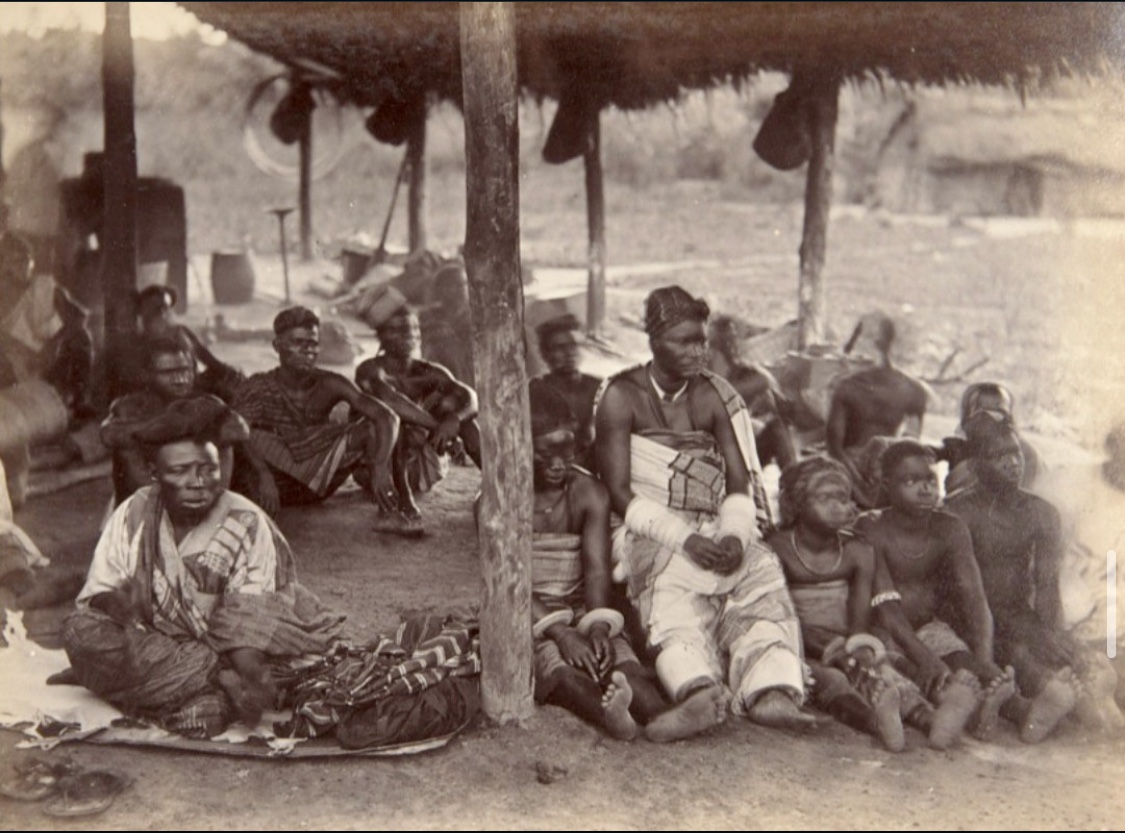
When people talk about gender roles in Igbo culture, it often sounds like the answer is already known. As if it is something simple and fixed. But once you begin to look closer, you quickly realize it is more complex than that.
In many Igbo communities, life was not arranged around strict lines of “this is for men” and “this is for women.” It was arranged around what made everyday life work. Roles grew out of real needs like feeding the family, running trade, raising children, settling disputes, and keeping the community stable.
A woman managing food, trade, or the home could influence how goods moved and how money flowed. A man sitting in a village assembly carried the weight of protecting the community and making decisions that affected everyone. Different roles, yes, but deeply connected. One did not function well without the other.
But this is where many misunderstandings begin. From the outside, gender roles in Igbo culture are sometimes described as strictly patriarchal or sharply divided. But when you look at historical records and lived experiences, a more detailed picture appears. You begin to see a system built on shared responsibility, practical balance, and a strong sense of identity.
To really understand it, you have to move beyond assumptions and pay attention to how people actually lived, worked, and related with each other. And that is exactly what this article sets out to explore.
Historical Foundation of Gender Roles in Igbo Culture
To understand gender roles in Igbo culture, it helps to begin with how Igbo society was structured before colonial rule. Long before modern government systems, Igbo communities were organized through a decentralized social order. Each village or clan managed its own affairs through assemblies, age grades, family units, and titled institutions. Authority was shared, negotiated, and rooted in community participation rather than a single central ruler.
Within this system, gender roles in Igbo culture developed around function and responsibility, not simply hierarchy. Men and women had clearly defined spaces of activity, though those spaces often worked side by side to keep the society stable.
Men were commonly involved in public decision-making, dispute resolution, and defense of the community. They also participated in age-grade systems which played a major role in enforcing laws, organizing labour, and maintaining order. In farming communities, men typically handled tasks that required group coordination and physically demanding land preparation.
Women, on the other hand held strong influence in economic life and family organization. They were central to farming activities, especially food crops, processing harvests, and managing household sustenance. Market life was also largely influenced by women. In many Igbo towns, women controlled trading networks, set informal market standards, and organized associations that regulated commercial activity.
What stands out in this historical structure is that gender roles in Igbo culture were not isolated systems. They were interconnected. Decisions in the home affected market activity. Market dynamics influenced household stability. Public leadership depended on contributions from both men and women, even if expressed in different ways.
Scholars of Igbo history and anthropology have often described this as a system of complementarity where each gender had responsibilities that supported the other. If one part of the system was missing, the structure weakened.
It is also important to note that these roles were not completely fixed across all communities or time periods. Variations existed depending on local customs, family structures, and social status. This flexibility is one reason gender roles in Igbo culture cannot be accurately reduced to a single rigid model.
In essence, the historical foundation of Igbo society shows a lived reality where roles were practical, adaptive, and deeply tied to community survival.
The Principle of Balance in Igbo Gender Structure

At the heart of gender roles in Igbo culture is a guiding idea that often gets overlooked – balance. In traditional Igbo life, society was not built on the assumption that one gender should dominate every space. Instead, it operated on a system where responsibilities were distributed in ways that kept both household and community life steady.
This sense of balance was not abstract. It was visible in everyday living. Men and women had different spheres of responsibility. However, those spheres were designed to meet, overlap, and support each other. A household, for example, depended on both sides working in sync. The man might handle provision, public representation or heavy agricultural tasks while the woman ensured food processing, trade, and domestic coordination were in place. One role did not cancel the importance of the other.
In many Igbo communities, this balance also extended into economic life. Women played a major role in local markets which were not just places of buying and selling but also centres of social regulation and community interaction. Men, on the other hand were more visible in councils, age-grade leadership, and external negotiations. Yet, even in these spaces, decisions often depended on informal consultation and consensus that included women’s voices through established channels.
What makes gender roles in Igbo culture particularly distinctive is that authority was often tied to responsibility rather than gender alone. Influence came from contribution, experience, and social recognition within the community. This is why scholars often describe Igbo social organization as a system of complementarity where both genders were expected to contribute in ways that sustained collective life.
Balance also played a role in maintaining social harmony. When responsibilities were respected on both sides, communities functioned smoothly. When that balance was disrupted, tensions were more likely to arise, especially in areas such as trade disputes, land use, or family inheritance.
It is this underlying principle of balance that helps to explain why gender roles in Igbo culture cannot be fully understood through rigid categories. The system was not built to separate men and women into opposing positions, rather, to align them within a shared structure of responsibility, contribution, and social order.
Power and Influence of Women in Igbo Culture

When discussing gender roles in Igbo culture, it is easy to miss how much authority and influence women historically held in everyday life. While men often appeared in formal public leadership spaces, women were far from passive participants. Their power was practical, organized, and deeply rooted in economic and social systems.
One of the strongest areas of female influence was the market system. In many Igbo communities, women dominated local trade. Markets were not casual gathering places. They were structured institutions with rules, leadership, and enforcement systems. Women organized themselves into associations that regulated prices, settled disputes among traders, and maintained order in commercial activities. Through these networks, women influenced the flow of goods and local economies in ways that affected entire communities.
Beyond trade, women also played important roles in social organization. Women’s groups often acted as collective voices in community matters. When issues affected families, morality, or economic fairness, women could organize and speak with one voice through established structures. In some cases, these groups had the ability to impose sanctions or enforce social norms, especially in matters relating to market ethics or community wellbeing.
Historical research also shows that gender roles in Igbo culture allowed women to hold recognized titles and leadership positions in certain contexts. These roles were not always identical to male leadership structures. But they carried authority and respect within their specific spheres. Influence was not always about occupying formal political seats; it was often about the ability to mobilize people, regulate systems, and maintain order in key areas of community life.
Women were also central to family and lineage continuity. They managed household stability, guided early child development, and maintained cultural practices within the home. These responsibilities were not viewed as secondary. In Igbo thought, the home was a foundational unit of society, and the person who maintained it held significant cultural importance.
It is also important to recognize that women’s influence extended into collective action. In moments of disagreement with unfair decisions or external pressure, women could organize in ways that drew attention and demanded response. Historical accounts of women’s protests in Igbo areas during the colonial period, like the Aba Women’s Riot show how organized female groups could challenge authority when necessary, especially when economic or social balance was threatened.
All of this shows that gender roles in Igbo culture included structured spaces of influence for women that went beyond domestic boundaries. Their power was not always loud or formal in the Western political sense but it was real, functional, and deeply embedded in how the society operated day to day.
Male Roles and Community Responsibilities
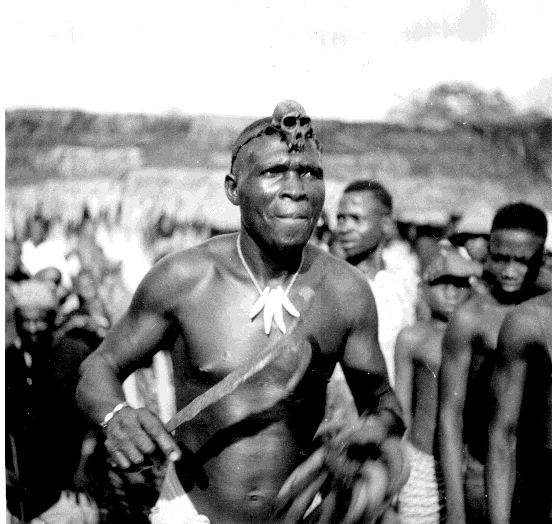
In understanding gender roles in Igbo culture, it is important to also look closely at the responsibilities traditionally assigned to men. These roles were not simply about authority or privilege. They were tied to service, protection, and accountability within the community.
In many Igbo societies, men were often involved in public leadership structures. Village assemblies and councils of elders were spaces where decisions affecting the community were discussed. These gatherings were not informal. They required experience, reputation, and the trust of the community. Men who participated in these councils carried the responsibility of representing their families and contributing to decisions that shaped collective life.
Another key area of responsibility was conflict resolution. Disputes over land, inheritance, marriage arrangements, and community disagreements were often addressed through male-led assemblies. The goal was not only judgment, it was also restoration of harmony within the community. This meant that leadership carried emotional and social responsibility, not just authority.
Men also played a central role in the age-grade system which was a major institution in Igbo society. Age grades organized men into groups based on age and responsibility. These groups carried out public works such as building roads, maintaining village spaces, enforcing community rules, and supporting security. In many communities, this system functioned as a form of civic service and local administration.
In terms of livelihood, men were heavily involved in farming activities that required coordinated labour. While women also farmed, men often handled tasks like clearing land and preparing large farm spaces. These tasks supported the agricultural foundation of Igbo society, especially in rural communities where farming was central to survival.
Security was another important responsibility. In times of conflict or external threat, men were expected to defend their communities. This responsibility was deeply tied to identity and duty, as protection of land and people was seen as a core obligation.
However, it is important to avoid the assumption that gender roles in Igbo culture placed men above women in all areas. Instead, these roles operated within a system of shared responsibilities. Male leadership in public spaces was balanced by female influence in markets, households, and organized associations. Each side had areas where their contribution was essential.
What stands out in this structure is that male roles were defined by obligation as much as authority. Leadership meant accountability to the community, not separation from it. In this wise, gender roles in Igbo culture reflected a system where responsibility was distributed across different spheres of life, ensuring that no single group carried the entire burden of the society alone.
Impact of Colonialism on Gender Roles in Igbo Culture
In talking about gender roles in Igbo culture, it is impossible to ignore the major changes that came with colonial rule. Before colonial administration, Igbo society operated through a flexible and community-based system where responsibilities were shared across gender lines in complementary ways. However, the arrival of British colonial governance introduced new structures that gradually altered how authority, leadership, and social roles were organized.
One of the most significant changes was the introduction of indirect rule. The British colonial system often relied on selected male “warrant chiefs” to represent communities. This system did not always reflect the traditional Igbo way of governance which was more decentralized and included multiple sources of authority, including women’s groups and assemblies. By focusing primarily on male figures, colonial administration unintentionally shifted public power toward men in a more rigid form than what previously existed.
Before this period, gender roles in Igbo culture included structured spaces of influence for women, especially through market systems and collective organizations. These institutions allowed women to regulate trade, enforce norms, and participate in community decisions. However, colonial governance often ignored or weakened these systems by recognizing only male leadership channels in formal administration.
Economic changes also played a major role. The introduction of colonial cash crop systems and new trade networks shifted economic control in some areas. Men were more directly integrated into colonial economic structures, while women’s traditional market influence faced disruptions. Although women continued trading and farming, the broader economic environment began to change the balance of influence they once held in certain local systems.
Another important factor was the introduction of Western legal and administrative frameworks. These systems often separated public and private life more strictly than traditional Igbo systems did. As a result, roles that were previously shared or interconnected became more categorized, with formal authority concentrated in male-dominated colonial institutions.
Education and religion also contributed to these changes over time. Missionary education introduced new social expectations that often prioritized male leadership in formal employment and public administration. While this expanded opportunities for some, it also gradually shifted how gender roles in Igbo culture were viewed and practiced in modern settings.
It is important to note that colonialism did not completely erase traditional Igbo gender systems. Women continued to play active roles in trade, family life, and community organization. However, the visibility and recognition of their influence in formal governance structures became less pronounced compared to pre-colonial arrangements.
In essence, colonialism introduced a restructuring of authority that affected both men and women but in different ways. It created new systems of governance that often narrowed the spaces where women’s traditional roles were formally acknowledged while expanding certain male-centered administrative roles.
Understanding this historical shift is essential because it explains why modern discussions about gender roles in Igbo culture can sometimes appear different from the older historical realities. The present system is not a direct reflection of the past. It is a result of gradual change influenced by colonial administration, economic transformation, and social evolution.
Modern Transformation of Gender Roles in Igbo Culture
In today’s world, gender roles in Igbo culture are no longer defined only by tradition. They are now influenced by education, urban life, religion, technology, and changing economic realities. What once operated as a largely community-based and complementary system has gradually adapted to modern structures that look different from the past, even though traces of tradition still remain.
One of the most visible changes is education in gender roles in Igbo culture. More Igbo women now have access to formal schooling than in previous generations. This shift has opened doors into careers in law, medicine, academia, public service, and business. In many households today, women are no longer limited to domestic roles alone. They actively contribute to family income and decision-making, especially in urban areas.
Urbanization has also played a major role in changing gender roles in Igbo culture. As people move from rural communities to cities, traditional structures such as age-grade systems and village assemblies become less central to daily life. In their place, modern institutions like corporate workplaces, government offices, and digital economies now define how responsibilities are shared.
Religion, especially Christianity has also influenced perceptions of gender roles in Igbo culture. Missionary teachings introduced new ideas about family structure and leadership roles within households and churches. In many cases, these ideas blended with traditional beliefs, creating a mixed cultural system where old and new expectations exist side by side.
At the same time, Igbo women have gained more visibility in leadership and entrepreneurship. Many now run successful businesses, lead organizations, and hold political positions at local and national levels. The rise of female entrepreneurs in trade, education, and technology shows how economic independence has expanded beyond traditional market systems into modern industries.
However, it is important to note that traditional expectations have not completely disappeared. In some rural communities and cultural settings, elements of the older gender roles in Igbo culture are still observed, especially during festivals, family gatherings, and community ceremonies. These practices often exist alongside modern expectations, thereby creating a blended cultural experience.
Men’s roles have also evolved. While they still participate in leadership and economic provision, modern realities have expanded their responsibilities. Many men now share domestic duties more openly, especially in urban households where both partners work. There is also greater awareness of shared parenting and emotional involvement in family life.
What stands out in this modern period is that gender roles in Igbo culture are no longer fixed. They are flexible, negotiated, and influenced by context. A woman in a rural market town may experience cultural expectations differently from a woman working in a corporate office in Abuja or Lagos. Similarly, men’s responsibilities vary widely depending on education, environment, and economic situation.
In essence, modern Igbo society reflects a combination of continuity and change. Traditional values have not disappeared, instead, they now exist alongside modern systems that redefine how roles are understood and practiced. This ongoing transformation shows that culture is not static. It adapts, responds, and evolves with time while still maintaining a sense of identity and belonging.
Common Misconceptions About Gender Roles in Igbo Culture
When people discuss gender roles in Igbo culture, the conversation is often shaped by assumptions rather than historical evidence. Over time, simplified narratives have taken root, especially in popular discussions and external interpretations of African societies. These ideas do not always capture how Igbo society actually functioned in practice.
One of the most common misconceptions is the belief that Igbo culture is strictly patriarchal, with men holding all meaningful power. While men did occupy visible leadership positions in many communities, this view ignores the structured influence women had in economic life, family systems, and organized associations. Historical studies show that women’s groups, especially in market systems played important roles in regulating trade and maintaining social order.
Another misunderstanding is the idea that women had no political or decision-making authority. In reality, gender roles in Igbo culture included established channels through which women could express collective opinions. Women’s assemblies and associations often addressed community issues, particularly those affecting trade, family wellbeing, and social conduct. These groups could influence decisions through collective action and negotiation.
A further misconception is that traditional Igbo gender roles were fixed and unchanging. Evidence from anthropological and historical research shows that roles varied across regions, communities, and time periods. Flexibility was a feature of the system, not an exception. Responsibilities could shift based on context, social status, and communal needs.
There is also a tendency to interpret Igbo society through modern or Western frameworks of governance. This often leads to the assumption that formal political structures are the only source of power. However, in traditional Igbo life, influence was not limited to official titles. Economic control, social organization, and collective mobilization were equally important in understanding gender roles in Igbo culture.
Another common error is the belief that colonialism simply replaced a male-dominated system without major changes. Historical research suggests that colonial administration actually restructured local governance in ways that reduced the visibility of women’s traditional roles, especially in formal institutions. This means that some modern perceptions are shaped more by colonial influence than by pre-colonial reality.
Finally, there is the assumption that Igbo gender systems can be neatly categorized as either egalitarian or patriarchal. In reality, the system was more layered. It combined elements of hierarchy, complementarity, and shared responsibility, depending on the situation. Reducing it to a single label oversimplifies a complex social structure.
Clarifying these misconceptions is important because it allows for a clearer reading of gender roles in Igbo culture. Instead of relying on generalizations, it encourages a closer look at historical evidence, lived experiences, and cultural context.
Identity and Cultural Meaning of Gender Roles
To truly understand gender roles in Igbo culture, it is not enough to look only at tasks or responsibilities. These roles are also deeply connected to identity, belonging, and how individuals see their place within the community. In traditional Igbo life, gender roles were not just about what men and women did. They were also about how the society defined meaning, respect, and participation.
In many Igbo communities, identity is closely tied to family, lineage, and community contribution. A person is not viewed in isolation. Instead, they are understood through relationships, responsibilities, and the roles they fulfill within their household and society. Within this structure, gender roles in Igbo culture help to organize expectations and social interaction in a way that supports communal life.
For men, identity was often linked to responsibilities such as representing the family in public spaces, participating in community councils, and contributing to collective decisions. These roles carried expectations of responsibility, discipline, and service. A man’s standing in society was not only based on status but also on how well he fulfilled these obligations.
For women, identity was strongly connected to economic activity, family stability, and social organization. Women were central to household continuity and also played important roles in market systems and cooperative groups. Their participation in trade and community associations gave them a visible and respected place in social life. In many cases, a woman’s influence extended beyond her household into broader community networks.
What makes gender roles in Igbo culture particularly meaningful is how they connect to the idea of communal identity. In Igbo thought, the well-being of the community is closely linked to the participation of all its members. Roles were designed in ways that ensured that both men and women contributed to the survival and growth of the society.
These roles also carried cultural meaning beyond daily tasks. They were part of how traditions were passed down, how values were maintained, and how social order was preserved. Participation in these roles helped individuals to understand their responsibilities and their connection to others in the community.
At the same time, identity in Igbo society was not completely rigid. There was room for variation, depending on circumstances such as age, status, and personal achievement. This means that gender roles in Igbo culture could adapt within certain cultural boundaries while still maintaining overall social structure.
In essence, gender roles in Igbo culture are not only about division of labour. They are also about meaning, identity, and belonging. They help to explain how individuals fit into a larger social system where responsibility is shared, and community life is sustained through collective participation.
Conclusion …
When we take a full look at gender roles in Igbo culture, a clear picture begins to emerge, and it is not as one-dimensional as it is sometimes presented. Igbo society was never built on a simple idea of separation between men and women. Instead, it was structured around interaction, responsibility, and balance within the community.
Men and women occupied different spaces in social life, but those spaces were not isolated from each other. They were connected through family systems, economic activity, governance structures, and shared cultural expectations. Men often appeared in public decision-making and protective roles while women held strong influence in markets, households, and organized associations. Both sides contributed in ways that kept the society functioning.
Over time, colonial administration, religious influence, and modern economic systems have all affected how gender roles in Igbo culture are understood and practiced. Some traditional structures have changed, others have adapted, and new roles have emerged. Yet, the underlying idea of contribution and responsibility still remains part of Igbo identity.
What stands out most is that this system was not designed as a competition between genders. It was designed as a network of roles that worked together. When each part functioned well, the community remained stable. When imbalance occurred, adjustments were made through social, economic, or cultural processes.
Grasping gender roles in Igbo culture in this way helps to move the conversation away from simplification and toward historical accuracy. It also shows that culture is not static. It evolves, responds to change, and continues to carry meaning across generations.
In the end, what we see is not a system of division. What we see is a system of balance.
References
- The Social and Cultural Construction of Gender Realities in an Igbo Society by Ifi Amadiume https://soas-repository.worktribe.com/output/403894
- Gender Roles in Igbo Culture: An Overview https://www.researchgate.net/publication/354552048
- Evolving Gender Roles in Igbo Communities: A Historical Perspective https://injoqast.net/index.php/INJOSER/article/view/1435
- Same-Sex Marriage and Gender Roles in Igbo Culture https://journals.sagepub.com/doi/10.1177/2158244019850037
- Human Relations Area Files (Ethnographic data on Igbo society) https://ehrafworldcultures.yale.edu/cultures/ff26/documents/040
You might want to check this out …
https://nnewicity.com/understanding-birth-order-in-igbo-culture/