





Igbo Culture and Tradition
The Symbolism of Kola Nut in Igbo Tradition: Deep Meaning, Rituals, and Cultural Significance

Kola nut in Igbo tradition carries deep cultural, spiritual, and social meaning. It symbolizes life, hospitality, unity, and ancestral connection through sacred rituals and customs.
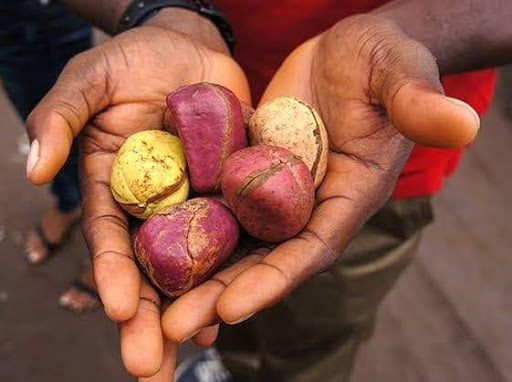
In many Igbo homes, the moment a visitor steps in, something usually happens before any conversation begins. A small brown nut is brought out, placed with care, and treated with quiet respect. Brown nut is known as kola nut or oji. It looks simple, yet it carries weight that goes far beyond appearance.
In Igbo tradition, the oji is not just offered, it is honoured. It opens doors to dialogue, signals peace between people, and sets the tone for whatever gathering is about to take place. Whether it is a family meeting, a marriage introduction, or a cultural event, nothing meaningful starts without it.
Over time, the symbolism of kola nut in Igbo tradition has remained steady. It stands for life, unity, hospitality, and a deep connection between people and the spiritual world. It is spoken about in proverbs, handled with ritual care, and shared in ways that follow long-established customs passed down through generations.
To understand this age-old tradition is to understand how the Igbo people communicate respect, settle bonds, and acknowledge something larger than themselves in everyday interactions. It is both a cultural practice and a living language of meaning.
This article takes you into that world where the kola nut in Igbo tradition is more than a custom. It is a quiet but powerful expression of identity, belonging, and cultural memory that continues to speak, even today.
What Is the Kola Nut (Oji) in Igbo Culture?
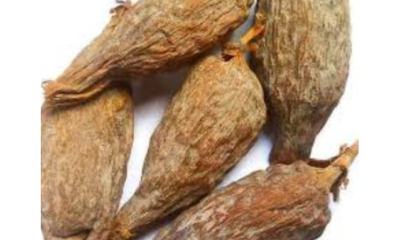
The kola nut (oji) is the seed of the kola tree, a plant native to West Africa but in Igbo culture carries meaning far beyond its botanical form. It is not treated as an ordinary snack or crop. It is a culturally significant object used in meetings, ceremonies, prayers, and community gatherings.
In Igbo society, the kola nut is deeply tied to ideas of respect, hospitality, and spiritual awareness. When visitors arrive, it is usually the first item presented before any discussion begins. This act is not symbolic in a casual sense. It is a cultural requirement that signals acceptance, peace, and goodwill between the host and the guest.
Among the Igbo, the most culturally valued variety is Cola acuminata, commonly called oji Igbo. It is preferred in traditional settings because of its use in rituals and ceremonies where it plays a central role in communication with God (Chukwu) and the ancestors.
Over time, it has become one of the strongest cultural identifiers in Igbo life. It appears in marriages, family meetings, village gatherings, and cultural events. It is often blessed with prayers before being shared, and its breaking follows established customs that reflect respect for age, status, and tradition.
In simple terms, the kola nut in Igbo culture is more than a fruit. It is a respected cultural symbol that connects people to each other, to their community values, and to the spiritual world that shapes traditional Igbo belief.
The Symbolism of Kola Nut in Igbo Tradition
The kola nut in Igbo tradition carries meanings that go far beyond its physical form. It is not treated as an ordinary item placed on a table. It is a cultural symbol that speaks quietly but clearly about life, respect, unity, and spiritual connection.
In many Igbo communities, when people gather, the appearance of kola nut marks the true beginning of the meeting. Before opinions are shared or decisions are made, it is presented, blessed, and shared. This simple act carries layers of meaning that have been preserved for generations.
One of its strongest meanings is life. This is captured in the well-known Igbo expression, “Onye wetara oji, wetara ndụ,” meaning the one who brings kola nut brings life. In this sense, it is not just food; it is a symbol that life is present, valued, and shared among those gathered.
It also represents hospitality and acceptance. Offering kola nut to a visitor is a way of saying they are welcome and respected. It creates a peaceful atmosphere where strangers become guests, and guests become part of the moment.
Beyond social meaning, the kola nut carries spiritual significance. It is often used in prayers and blessings as a way of connecting the living with God (Chukwu) and the ancestors. Before it is broken and shared, prayers are offered, making it part of a sacred communication process in traditional settings.
Another important layer is unity and community bonding. When oji is broken and shared among people, it becomes a shared experience. Everyone present receives a piece, and this act quietly affirms belonging, equality, and mutual respect within the group.
In Igbo tradition, oji also signals order and respect for structure. Elders or titled individuals usually handle its blessing and breaking. This reflects the cultural importance placed on age, wisdom, and hierarchy in communal life.
Over time, these meanings have remained consistent across ceremonies, family gatherings, marriages, and traditional meetings. Even with modern changes in the society, the kola nut continues to stand as one of the most recognized cultural symbols in Igbo life.
In essence, its symbolism in Igbo tradition is layered and living. It speaks of life, welcomes strangers, strengthens unity, and connects people to something greater than themselves.
Spiritual Meaning of Kola Nut in Igbo Cosmology
In Igbo cosmology, oji is not only a cultural item used for greetings and gatherings. It also carries deep spiritual meaning that connects the physical world with the unseen world of God (Chukwu), ancestors, and spiritual forces believed to guide human life.
Before any meaningful traditional activity begins, the kola nut is often the first object placed on the ground or presented to elders. Prayers are said over it, not as a formality but as a way of seeking blessing, guidance, and protection for everyone present. In this moment, it becomes more than food. It becomes a medium of communication between humans and the spiritual realm.
In traditional belief, the kola nut is used to speak to Chukwu, the Supreme Being in Igbo understanding of the universe. It is also linked to the ancestors who are believed to remain active participants in family and community life. When prayers are offered over kola nut, it is seen as a way of acknowledging their presence and asking for their approval.
The kola nut is a ritual object of communion used to establish harmony between the visible and invisible worlds. It is believed that when it is properly blessed and shared, it carries spiritual goodwill into the gathering and helps to maintain peace and balance among participants.
The act of breaking and sharing kola nut also holds spiritual weight. It is not done casually. It follows a sequence of respect, prayer, and distribution that reflects order in both social and spiritual life. In many communities, it is believed that improper handling of oji can disrupt the harmony of a gathering.
In Igbo thought, the kola nut serves as a bridge between worlds. It connects the living community, the ancestors and the divine presence of God. This connection is what gives it a sacred place in ceremonies such as marriages, naming ceremonies, dispute resolution, and traditional worship practices.
Even in contemporary times where modern religious practices have influenced many aspects of life, the spiritual meaning of kola nut remains present in many Igbo homes and traditional gatherings. It continues to be treated with respect because it represents more than tradition. It represents continuity between generations and the belief that life is shared across visible and invisible realms.
Simply put, the spiritual meaning of kola nut in Igbo cosmology lies in its role as a sacred link. It is a physical object used to express spiritual intentions, invite blessings, and maintain harmony between people and the unseen forces believed to surround them.
Kola Nut Rituals in Igbo Tradition

The kola nut rituals in Igbo tradition are among the most respected cultural practices in Igbo society. They are not performed casually. Each step follows long-established customs that guide how people greet one another, show respect, and invite blessings into a gathering.
In many Igbo communities, no serious meeting begins without the ritual. It is the first act that sets the tone for what follows, whether it is a family discussion, a marriage introduction, a village meeting, or a visit between guests and hosts.
The ritual begins with the presentation. The host brings out oji and offers it to the guest or most respected elder present. This moment is important because it communicates welcome and acceptance, respect for the visitor, and recognition of shared humanity.
Traditionally, the kola nut is not placed casually. It is presented with intention and often accompanied by greetings and words of honour.
After the presentation, it is not immediately eaten or broken. It must first be acknowledged. At this stage, prayers are offered. These prayers may include thanksgiving to God (Chukwu), invocation of the ancestors, requests for peace, health, and progress, and wishes for unity among those present.
This prayer moment is central to the ritual because it connects the gathering to spiritual belief and cultural meaning. Kola nut prayers are a key part of Igbo ritual life, as it links social interaction with spiritual communication.
After prayers, the nut is broken. This step is traditionally handled by an elder, titled man, or someone respected in the gathering. The breaking is not random. It is done carefully and with awareness of tradition. In many Igbo communities, the number of lobes is observed; the act is done in a calm and respectful manner, and silence or attention is maintained by those present. This stage signals that the spiritual and social blessings of the gathering are being activated.
Once broken, oji is shared among everyone present. This act carries strong cultural meaning. Everyone receives a portion, which shows inclusion. It strengthens a sense of belonging. It removes social distance within the group. Sharing is usually done according to respect and hierarchy, with elders or important guests receiving pieces first.
After sharing, participants eat the nut. This final step is often accompanied by additional blessings or short expressions of goodwill. At this point, the ritual is considered complete, and the actual purpose of the gathering can begin.
The kola nut ritual is not just a traditional routine. It serves deeper purposes in Igbo society. It opens communication in a respectful way. It establishes peace before discussions. It affirms cultural identity and shared values. It maintains order in social gatherings. The rituals are a key part of maintaining social harmony and traditional authority structures in communities.
Kola Nut in Igbo Social and Political Life
In Igbo society, oji is more than a cultural item used during greetings. It also plays a steady role in how people relate socially and how traditional authority and community decisions are carried out. Its presence often signals that an interaction is not casual, rather important and guided by tradition.
In everyday social life, the kola nut is one of the first signs of acceptance and respect between people. Whether in a family visit, a reunion, or a community gathering, its presentation sets a respectful tone. When kola nut is shared, it creates a sense of belonging among those present. It helps reduce social distance between guests and hosts and encourages peaceful interaction before discussions begin.
In many Igbo communities, refusing to present kola nut in a formal setting may be seen as discourteous, because it breaks a long-standing cultural expectation of hospitality.
Oji also has an important place in traditional political systems. In village assemblies, council meetings, and gatherings of elders, it is usually the first ritual performed before discussions start. Before any decision is made, the kola nut is presented. Prayers are offered for wisdom and peace. Then, it is broken by a respected elder or titled person and shared among those present.
This process helps to establish order and respect within the gathering. It also signals that the meeting is grounded in cultural authority, not just personal opinion. Kola nut rituals are closely tied to the legitimacy of traditional meetings, especially where elders and titled men guide communal decisions.
In many Igbo settings, leadership is closely connected to cultural respect, and kola nut plays a visible role in this structure. Elders, titled men, and traditional rulers are often the ones responsible for blessing the kola nut, breaking it in formal gatherings, and guiding its distribution. This responsibility is not random. It is based on age, status, and cultural recognition within the community. Through this process, oji becomes a quiet but powerful way of acknowledging leadership and social order.
One of the important social uses of kola nut is in peace-making and dispute resolution. When conflicts arise between families, individuals, or groups, reconciliation meetings often begin with oji rituals. In such moments, it helps to create a calm and respectful atmosphere, signal readiness for peace, and bring both parties into a shared cultural space. After the ritual is performed, discussions are expected to be more respectful and solution-focused. This practice shows how deeply embedded kola nut is in maintaining social harmony.
In traditional settings, oji is sometimes used in discussions involving trust, agreements, or serious commitments. Its presence during such moments adds cultural weight to what is being discussed. It signals that the agreement is not only verbal but also grounded in cultural expectation and mutual respect. In this sense, kola nut functions as a cultural anchor for honesty and responsibility in social interactions.
Even though modern governance systems and urban lifestyles have changed many aspects of community life, kola nut still holds relevance. It continues to appear in traditional council meetings, family negotiations, cultural ceremonies, and visits to respected elders. In many cases, even educated and urban Igbo people still observe the customs when participating in traditional or family-based gatherings.
Kola Nut in Marriage, Festivals, and Ceremonies
In Igbo culture, the kola nut is present wherever life is marked as important. It is not reserved for one type of event. Instead, it appears in marriages, festivals, and ceremonies as a sign of respect, blessing, and cultural continuity. Across these different occasions, it helps to set the tone. It signals that what is about to happen carries meaning beyond the ordinary.
In Igbo traditional marriage, oji is one of the earliest and most important cultural elements exchanged between families. Before negotiations or introductions progress, kola nut is presented by the host family to the visiting family. This act carries several meanings. It shows acceptance of the visitors. It opens the path for peaceful dialogue. It acknowledges respect between both families.
During the marriage process, oji is also used during blessings and prayers for the couple. Elders often speak over it, asking for fertility, peace, and long life for the union. Kola nut rituals are central to establishing goodwill and formal recognition between families during traditional marriage arrangements.
During festivals, oji is used to open gatherings and bless the occasion. It is often presented before dances, cultural displays, or communal feasts begin. In these settings, kola nut serves to invite peace and unity among participants, honour elders and traditional leaders, and mark the beginning of communal celebration. Festivals in Igbo land are deeply communal, and kola nut helps to create a shared sense of belonging among those present. It is usually blessed by elders before being shared among participants.
In naming ceremonies, kola nut is used to bless newborn children. After prayers are offered, elders may break and share it as part of the celebration. This moment carries symbolic meaning. It welcomes the child into the community. It asks for protection and guidance over the child’s life. It connects the child to family and ancestral heritage. The presence of oji in this ceremony highlights its role in marking the beginning of life within Igbo tradition.
Oji is also present in mourning and remembrance gatherings. In these moments, it is used with seriousness and respect. During burial ceremonies, it is presented to elders and guests. Prayers are offered for the peaceful rest of the deceased with it, and it helps to maintain order and respect in the gathering. Even in moments of grief, kola nut plays a role in ensuring that cultural practices are followed with dignity.
Across all ceremonies in Igbo land, kola nut consistently serves similar purposes. It opens events with respect. It invites blessings and goodwill. It strengthens communal unity. It honours tradition and ancestral customs. Its presence is not optional in many traditional contexts. Instead, it is expected as part of proper cultural conduct.
Even with modern influences, kola nut remains active in many Igbo ceremonies today. Whether in rural villages or urban weddings, it still appears as a cultural anchor. People may use modern decorations, venues, or music, but the ritual often remains unchanged. It continues to connect present-day ceremonies with long-standing traditions.
Cultural Etiquette and Rules Around Kola Nut
In Igbo tradition, oji is treated with a level of respect that goes far beyond ordinary cultural objects. It is not handled casually or rushed through. Every stage of its presentation and use follows long-established customs that guide how people behave in gatherings where tradition is observed.
The process begins with presentation, and even this first moment carries meaning. The kola nut is expected to be brought out in a calm and respectful manner by the host. It is offered before any serious conversation begins, because in many Igbo settings, no meaningful discussion is considered complete without it. How it is presented sets the tone for everything that follows, and any lack of care at this stage is often seen as improper conduct.
Respect for age and status is another key part of kola nut etiquette. Elders and titled individuals are given priority in almost every stage of the ritual. The most respected person present is often the one who blesses or breaks the kola nut. This practice is closely tied to the Igbo value system where age is associated with wisdom and responsibility, and where social order is maintained through recognition of hierarchy.
Before oji is shared, it must be blessed. This is not optional in traditional settings. Prayers are offered to God (Chukwu), and in many cases, the ancestors are also acknowledged. These prayers are believed to invite peace, protection, and goodwill into the gathering. This blessing stage is central to the cultural and spiritual meaning of kola nut practice, as it connects human gatherings with spiritual awareness.
The breaking of the kola nut is also guided by tradition. It is usually done by an elder or a respected figure in the gathering, and it is performed with care rather than haste. This moment is significant because it marks the transition from ritual preparation to communal sharing. In some communities, attention is paid to the number of lobes or how it naturally splits, as this may carry additional cultural meaning, depending on local interpretation.
Once broken, it is shared among those present, and the order of sharing often reflects social structure. Elders and guests of honour are typically served first, followed by others according to age or status. This practice is not intended to exclude anyone, but rather to maintain respect and order within the gathering. It reinforces the idea that community life in Igbo tradition is guided by recognition of roles and relationships.
Throughout the process, careless handling of oji is discouraged. It is not treated as ordinary food or a casual item. Dropping it, wasting it, or handling it without attention is generally viewed as disrespectful in traditional contexts. Participants are also expected to maintain a calm and respectful atmosphere while the ritual is taking place. Interruptions during prayers or blessings are usually avoided because the moment is considered culturally sensitive.
The meaning behind these etiquette rules goes beyond procedure. They express deeper values such as respect for elders, appreciation of order in community life, and the connection between social interaction and spiritual belief. Kola nut etiquette is a part of a wider system that preserves harmony and structure within traditional society.
Even in modern times, many of these practices are still observed, especially during traditional marriages, family meetings, cultural gatherings, and visits to respected elders. While some aspects of daily life have changed due to modernization, the etiquette surrounding kola nut has remained one of the most resilient elements of Igbo cultural practice.
In essence, the cultural rules around oji are not just about ceremony. They are a way of preserving respect, identity, and continuity within Igbo society, ensuring that each gathering begins with a shared sense of order and cultural awareness.
The Changing Role of Kola Nut in Modern Igbo Society
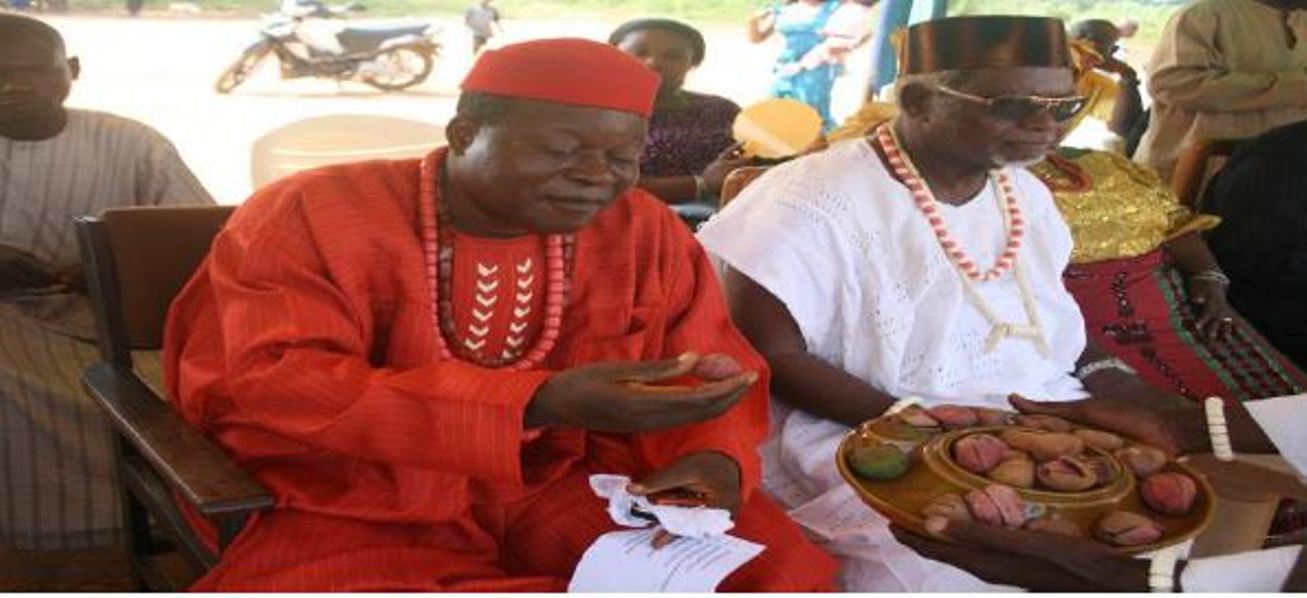
The kola nut still holds a respected place in Igbo culture, though its role in modern society has gradually shifted in response to changing lifestyles, urbanization, education, and religion. While its cultural meaning remains strong, the way it is used today is not always the same as it was in traditional rural settings.
In many Igbo communities today, especially in cities, life moves faster and gatherings are often more informal. This has affected how often kola nut rituals are performed. In some modern meetings or social visits, people may exchange greetings without going through the full traditional kola nut process. However, in formal cultural settings, its importance is still very much preserved.
One of the major changes is the influence of modern religion, especially Christianity. Many Christian households continue to respect kola nut as a cultural symbol. However, they may separate its traditional spiritual interpretation from religious practice. In such cases, oji is still shared as a sign of hospitality and respect while prayers are offered in a Christian manner rather than traditional invocation of ancestors. This shows how cultural identity and modern faith practices now exist side by side in many Igbo homes.
Urbanization has also played a role in its changing usage. In towns and cities, people often live fast-paced lives with less time for extended traditional rituals. As a result, kola nut ceremonies are more likely to appear during special occasions such as weddings, family meetings, title-taking ceremonies, or visits to elders, rather than in everyday interactions. In rural areas, however, the practice remains more consistent and closely tied to daily social life.
Education and exposure to global cultures have also influenced how the younger generations relate to kola nut traditions. While many young Igbo people still recognize its cultural importance, some may not fully understand the deeper ritual meanings attached to it. This has led to efforts by cultural scholars, writers, and community leaders to document and teach its significance in order to prevent gradual cultural loss.
Despite these changes, the kola nut has not lost its relevance. Instead, it has adapted. It continues to appear in important traditional ceremonies, family negotiations, cultural festivals, and formal gatherings where respect for heritage is still prioritized. Even in modern settings, when it is presented, it immediately signals that the gathering is rooted in tradition and cultural respect.
Academic studies on Igbo cultural continuity note that while modernization has reduced the frequency of some traditional rituals, symbolic practices like kola nut sharing remain among the most preserved elements of Igbo identity.
In many ways, oji today stands at a cultural intersection. On one side is tradition where it is deeply spiritual and ritual-based. On the other side is modern life where it functions more as a cultural marker of respect and identity. Both sides coexist, and this balance allows the practice to remain alive, even as society changes.
What remains consistent is its emotional and cultural meaning. Whether in a village square or a modern living room, when oji is presented, it still carries a sense of respect, welcome, and shared identity among Igbo people.
Conclusion …
The kola nut remains one of the most enduring cultural symbols in Igbo tradition. Even as the society continues to change through modernization, urban life, education, and shifting religious practices, its meaning has not disappeared. Instead, it has adjusted to new contexts while still holding on to its core cultural identity.
Across social gatherings, marriages, festivals, and traditional meetings, oji continues to represent life, respect, hospitality, and unity. It is still used to open important conversations, bless gatherings, and bring people into a shared space of understanding. In many homes and communities, its presence is a reminder that relationships are built not only through words but also through cultural gestures that carry history and meaning.
Spiritually, oji still holds value in traditional Igbo cosmology where it is associated with prayers, blessings, and the connection between the living, the ancestors, and the divine. Socially, it continues to guide how people greet one another and how respect is expressed in communal life. Even when its ritual depth is simplified in modern settings, its symbolism remains widely recognized and respected.
What makes the kola nut especially significant is its ability to survive change without losing identity. It has moved from being a strictly ritual object in every gathering to also becoming a cultural symbol in modern interactions. Yet, it still communicates the same message of goodwill, peace, and acceptance.
Ultimately, the kola nut in Igbo tradition is not just about custom. It is about continuity. It connects the past and the present, elders and the younger generations, and the physical world with deeply held beliefs about community and belonging. Its presence today continues to remind people that culture is not only remembered but also lived.
References
- Igbo Studies Review. (2022). The sanctity of the kola nut ritual as a symbol of communion in Igbo tradition. Igbo Studies Association. https://www.igbostudies.org/journal/igbo-studies-review/igbo-studies-review-10-2022/the-sanctity-of-the-kola-nut-ritual-as-a-symbol-of-communion-of-saints-in-igbo-tradition/
- ResearchGate. (2021). The historical significance and role of the kola nut among the Igbo of Southeastern Nigeria. https://www.researchgate.net/publication/353396241_The_Historical_Significance_and_Role_of_the_Kola_Nut_among_the_Igbo_of_Southeastern_Nigeria
- ResearchGate. (2020). The philosophical investigation of the symbolistic imports of kola nuts in Igbo-African world view. https://www.researchgate.net/publication/343092401_The_Philosophical_Investigation_of_the_Symbolistic_Imports_of_Kola-Nuts_in_Igbo-African_World_View
- Umuigbo Cultural Archive. (n.d.). Oji (kola nut) in Igbo culture. https://umuigbo.com/oji/igbo-culture
- https://nnewicity.com/the-kola-nut-in-igbo-culture-why-its-more-than-just-a-nut/