





Igbo Culture and Tradition
Palm Wine (Nkwu Ocha) in Igbo Culture: Remarkable Symbolism and Cultural Uses

Palm wine plays a central role in Igbo culture. It shows up in marriage rites, hospitality, spirituality, festivals, and community traditions. Discover the symbolism, history, and cultural importance of palm wine in Igbo society.
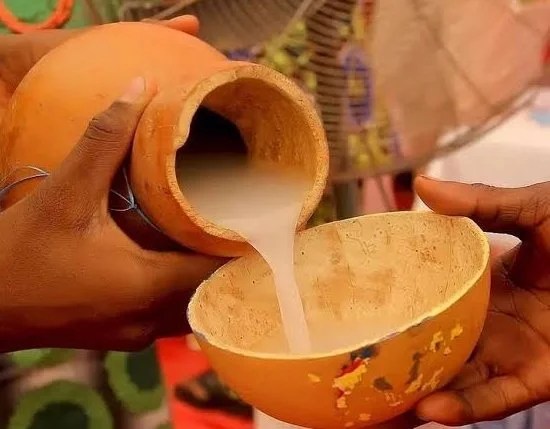
Palm wine (nkwu ocha) has long held a special place in Igbo culture, not simply as a traditional drink, but rather as a living part of community life, spirituality, marriage, hospitality, and celebration. In many Igbo homes and villages, the arrival of fresh nkwu ocha often signals something important. It may be a wedding gathering, a peaceful meeting between families, a visit from respected elders, or a sacred moment of prayer and ancestral remembrance.
For generations, palm wine has been woven into the everyday experiences of the Igbo people. It is shared during traditional marriage ceremonies, presented to guests as a sign of welcome, poured during libation rituals, and served at festivals, title-taking ceremonies, and village gatherings. Among many communities in southeastern Nigeria, no important occasion feels complete without it.
What makes palm wine deeply meaningful in Igbo society is the cultural symbolism attached to it. It represents unity, respect, peace, friendship, acceptance, and communal joy. Even the famous Igbo traditional marriage ceremony known as Igba Nkwu centres around the symbolic presentation of nkwu ocha by the bride to the groom before family members and guests. That single act carries generations of tradition and cultural meaning.
Beyond ceremonies, palm wine also tells the story of indigenous knowledge and local craftsmanship. From the skilled palm wine tappers to oral traditions, proverbs, and literature, the drink remains closely tied to the cultural identity of the Igbo people. Writers such as Chinua Achebe documented its place in traditional Igbo life as a way of helping to preserve these customs for future generations.
This article explores the symbolism and cultural uses of palm wine in Igbo culture, its historical roots, spiritual importance, role in marriage and festivals, and why it continues to be symbolic in contemporary Igbo society today.
What Is Palm Wine?
Palm wine is a traditional alcoholic beverage obtained from the sap of palm trees. In southeastern Nigeria, it is commonly tapped from raffia palms and oil palms. The fresh sap is naturally sweet when collected, but fermentation begins almost immediately after tapping. As time passes, the sugar content converts into alcohol, changing both the taste and strength of the drink.
Among the Igbo, nkwu ocha is widely consumed in both rural and urban communities. Fresh palm wine is usually preferred during ceremonies because of its sweet taste and cultural value. Locally, different communities may have their own names and expressions associated with the drink, but its social importance remains similar across Igboland.
Traditional palm wine tapping requires skill and experience. Tappers climb tall palm trees or cut into the trunk to collect the sap into containers. This occupation has existed for centuries and remains a source of livelihood for many families in parts of southeastern Nigeria.
Nkwu ocha is highly perishable. Because fermentation begins quickly, fresh palm wine is often consumed within hours after tapping. This freshness is one reason it is especially valued during ceremonies and gatherings.
Historical Origins of Palm Wine in Igbo Society
The history of nkwu ocha in Igbo society goes back many centuries. Palm trees themselves have long been part of the economic and cultural life of the Igbo people. Various palm products such as palm oil, palm kernel oil, palm fronds, and palm wine played important roles in trade, food production, rituals, and traditional medicine.
Before colonial rule, many Igbo communities depended heavily on palm products for survival and commerce. Nkwu ocha became closely connected to social interaction because it was commonly available and easily shared during communal activities.
Historical studies on Igbo traditional life show that palm wine was often present during village meetings, title-taking ceremonies, settlement of disputes, and seasonal festivals. It became woven into social customs because sharing drinks encouraged conversation, peace, and fellowship.
Oral traditions in many Igbo communities also mention it in stories about hospitality, marriage negotiations, ancestral blessings, and celebrations. Over time, the drink became more than a beverage. It became a cultural symbol tied to identity and communal life.
The Symbolism of Palm Wine in Igbo Culture
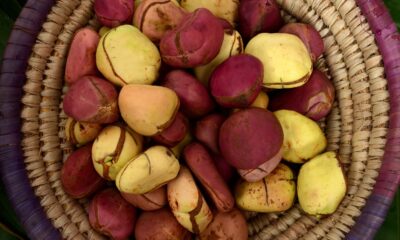
One of the strongest cultural meanings attached to nkwu ocha in Igbo society is hospitality. In many traditional homes, visitors are welcomed with kola nut and palm wine. Offering palm wine to a guest is often seen as a sign of acceptance, goodwill, and respect.
In earlier times, the quality of hospitality shown to visitors could influence relationships between families and communities. Palm wine helped to create a relaxed and welcoming atmosphere where discussions could take place peacefully. Even today, during village meetings and family gatherings, serving this traditional drink remains a respected cultural gesture.
Palm wine is traditionally shared among groups rather than consumed individually. People often drink from shared cups or containers during gatherings. This communal style of drinking carries symbolic meaning. In many Igbo communities, sharing nkwu ocha represents togetherness, friendship, reconciliation, and trust. During settlement of disputes or peace meetings, it may be shared after agreements are reached. This act signifies restored harmony between individuals or families.
Nkwu ocha is commonly served to elders, titled men, and respected visitors during important occasions. In traditional settings, younger people often present it respectfully as part of cultural etiquette. Its presence at ceremonies involving chiefs, elders, and community leaders highlights its connection to dignity and honour within Igbo society.
Palm wine is strongly associated with happiness and celebration. Weddings, festivals, childbirth ceremonies, title-taking events, and communal feasts often include the drink as an essential part of the occasion. The atmosphere around palm wine gatherings usually includes storytelling, laughter, music, dancing, and conversation. Because of this, the drink has become linked with moments of communal joy.
Palm Wine in Igbo Traditional Marriage Ceremonies
One of the best-known cultural uses of palm wine in Igbo society appears during traditional marriage ceremonies known as Igba Nkwu or wine carrying.
During this ceremony, the bride carries nkwu ocha while searching for her groom among the crowd. Once she finds him, she kneels and offers him the drink. The groom drinks from the cup and may also share it with her. This moment is highly symbolic. It publicly confirms the acceptance of the marriage and the joining of two families.
The presentation of nkwu ocha during marriage rites carries deep meaning. It signifies consent, unity, mutual respect, and family approval. In many communities, marriage negotiations also involve the presentation of drinks, including palm wine, to the bride’s family. These customs emphasize peaceful relationships and social bonds between both families.
Traditional marriage ceremonies usually include prayers and blessings from elders. Palm wine is often used during these moments because it is considered culturally appropriate for ceremonial gatherings.
Family members and guests also drink together during the celebration, and this strengthens social connections and communal happiness.
Spiritual and Ritual Uses of Palm Wine

In traditional Igbo spirituality, palm wine is commonly used for libation. During libation ceremonies, small amounts of palm wine are poured onto the ground while prayers or invocations are spoken. This practice is connected to ancestral reverence and spiritual communication. Many traditional beliefs hold that the ancestors continue to watch over the living, and libation serves as a respectful acknowledgment of their presence.
Nkwu ocha may also appear during cleansing rituals, title-taking ceremonies, seasonal festivals, and traditional sacrifices. In these settings, it is regarded as culturally pure and spiritually acceptable. Traditional priests and elders sometimes use the drink during prayers asking for peace, fertility, protection, or communal well-being.
In Igbo cosmology, there is often an understanding that the spiritual world exists alongside the physical world. Palm wine serves as one of the symbolic elements used during interactions involving blessings, prayers, and remembrance of the ancestors.
Because of this spiritual association, nkwu ocha continues to carry ceremonial importance, even among many modern communities that now combine traditional customs with contemporary religious practices.
Palm Wine in Festivals and Community Gatherings
Palm wine is present in many festivals and communal events across Igboland. During the New Yam Festival, communities celebrate the harvest season with feasting, dancing, music, and thanksgiving. Nkwu ocha is commonly shared among participants as part of the celebration.
Men receiving traditional titles are often honoured with gatherings where palm wine is served to guests and elders. Age-grade meetings and village assemblies frequently include the drink because communal drinking encourages interaction and discussion.
Palm wine may also appear during funeral ceremonies and memorial gatherings. In many communities, it is served to visitors and used during traditional rites honouring the deceased.
Palm Wine and Indigenous Igbo Hospitality Culture
In Igbo culture, hospitality is not treated as a casual gesture. It is a moral duty, something expected of every home that values peace, dignity, and community respect. At the centre of this hospitality tradition, palm wine often shows up as a drink that carries meaning far beyond refreshment.
When a visitor steps into an Igbo compound, especially in traditional settings, the welcome process often follows a familiar path. Greetings come first. Then, sometimes, water or kola nut is offered. In many cases, nkwu ocha follows soon after. This is not done randomly. It is a deliberate cultural practice that communicates acceptance, warmth, and goodwill.
Palm wine in this setting is not just about taste. It is about how the host sees the guest. Offering it says, “You are welcome here, and you are safe among us.” Refusing to share it without reason may be interpreted as distance or disrespect, especially in rural communities where customs remain strong.
What makes nkwu ocha unique in Igbo hospitality culture is the way it is shared. It is often poured into a communal cup or calabash and passed around. Everyone takes part in the same drink, one after another. This simple act removes social barriers for a moment. Titles, age differences, and status distinctions soften as people gather around the same container.
Elders are usually served first, not only out of respect but also as a way of honouring wisdom and authority. Visitors of high status may also be given special attention. Yet, even with these distinctions, the goal remains the same, and that is to create a sense of belonging at the table.
In many Igbo villages, important conversations happen over palm wine. Family meetings, dispute resolutions, marriage discussions, and community decisions often begin or end with it. The drink helps to ease tension and encourages open dialogue. People tend to speak more freely in a relaxed setting, and palm wine often becomes part of that atmosphere.
This hospitality tradition is also deeply connected to trust. When the drink is shared, it signals that there is no hidden hostility. It becomes a quiet agreement of peace between the host and guest, or even between conflicting parties during reconciliation.
Even today, in both rural and urban Igbo communities, palm wine still holds this role, although bottled drinks are now common. Many families continue to insist on nkwu ocha during important visits or ceremonies because it carries cultural weight that modern beverages cannot replace.
Essentially, nkwu ocha remains one of the clearest expressions of indigenous Igbo hospitality. It is simple, local, and deeply human. And through it, the act of welcoming a guest becomes something meaningful, memorable, and culturally grounded.
Economic Importance of Palm Wine in Igboland

Beyond its cultural and spiritual value, palm wine plays an important role in the local economy of Igboland. It is not only a traditional drink used in ceremonies and hospitality, it is also a source of livelihood for many families, especially in rural communities where agriculture and forest resources remain central to daily survival.
One of the most direct economic contributions of the drink comes from palm wine tapping. This skilled work involves climbing palm trees or carefully cutting into the palm to collect sap. The process requires experience, physical strength, and knowledge of the right trees and seasons. In many Igbo communities, this occupation has been passed down through generations, often within families of tappers who have built their livelihoods around it.
Fresh palm wine is sold locally in villages, roadside spots, and small markets. In these settings, demand is usually steady because palm wine is closely tied to social events such as weddings, title-taking ceremonies, communal meetings, and festive gatherings. On market days, sellers can attract both regular consumers and event organizers who buy in larger quantities for celebrations.
Nkwu ocha also supports a chain of informal economic activities. Beyond the tappers, there are those who collect, transport, and retail it. Some individuals specialize in moving fresh palm wine quickly from tapping points to nearby towns before fermentation reduces its quality. Others operate small drinking spots where the drink is served to customers, thus creating social spaces that also generate income.
The palm tree itself adds further economic value. It produces multiple useful products, including palm oil, palm kernel oil, palm fronds, and fibres used in crafts and construction. This makes nkwu ocha part of a broader palm-based economy that has sustained Igbo communities for centuries. In many rural areas, households rely on these palm products for both food and income.
However, the economic value of nkwu ocha is closely tied to timing and freshness. Because fermentation begins shortly after tapping, it must be sold and consumed quickly. This creates a fast-moving local trade system where efficiency matters. Tappers and sellers often work within tight schedules to ensure quality is maintained before the taste changes.
In recent years, palm wine has also gained attention in urban centres. Some restaurants, bars, and cultural lounges now serve the fresh drink to customers who want a taste of traditional Igbo life. This growing demand has helped to create new income opportunities for suppliers who can transport fresh palm wine from rural areas to cities.
Despite these opportunities, the industry faces challenges. Urban migration has reduced the number of young people willing to learn tapping. In addition, inconsistent supply and issues with adulteration in some markets affect consumer trust. These challenges make it harder for traditional nkwu ocha businesses to scale beyond local communities.
Even with these difficulties, palm wine remains a meaningful part of the informal economy in Igboland. It supports small-scale entrepreneurship, preserves indigenous skills, and contributes to rural livelihoods. More importantly, it shows how cultural traditions can also carry real economic value when they are sustained and properly managed.
Colonialism, Christianity, and Changing Attitudes Toward Palm Wine
The arrival of colonial rule and Christianity in Igboland brought major changes to many aspects of traditional life, including how people viewed palm wine. Before these changes, the drink held a respected place in social, spiritual, and communal settings. It was part of ceremonies, hospitality, and ancestral rituals. It also functioned as a shared cultural practice that connected families and communities.
During the colonial period, European administrators and missionaries introduced new religious beliefs, governance systems, and lifestyle patterns. Some of these new influences questioned or discouraged indigenous practices, especially those connected to traditional religion. Because palm wine was often used in libation, ancestral rites, and shrine-related ceremonies, it sometimes became associated in missionary teachings with “pagan” practices.
This shift did not erase the drink from daily life, rather it did influence how certain communities and religious groups perceived its use. In many Christian households, especially in early missionary communities, there was a gradual separation between religious worship and traditional rituals involving palm wine. Libation practices, for example, became less common among converts who fully embraced Christian teachings.
At the same time, nkwu ocha remained widely accepted in social and cultural settings that were not directly tied to traditional religion. Weddings, village meetings, festive gatherings, and hospitality practices continued to include it. Even where religious beliefs changed, cultural customs connected to marriage and community life often persisted.
Christianity also introduced new forms of celebration and social interaction. Imported beverages and bottled drinks began to appear more frequently in social events, especially in urban areas and church-centered gatherings. Over time, this created a parallel system where modern drinks existed alongside traditional palm wine, depending on the context and preference of the community.
Despite these changes, nkwu ocha did not lose its cultural relevance. In many rural areas, it continued to be central to ceremonies such as Igba Nkwu traditional marriage, village festivals, and family gatherings. Even in urban Igbo society today, it is often deliberately included in cultural events to preserve a sense of identity and continuity with ancestral customs.
Interestingly, in contemporary times, there has also been a renewed appreciation for indigenous practices. Cultural scholars, writers, and younger generations interested in heritage preservation have helped to draw attention back to traditional foods and drinks, including palm wine. This renewed interest is often linked to cultural pride and identity rather than religious practice.
Today, palm wine exists in a balanced space between tradition and modernity. It is no longer confined only to ritual use, nor has it been replaced entirely by modern beverages. Instead, it continues to serve as a cultural marker that connects the past and the present experiences in Igbo society.
The history of colonialism and Christianity in Igboland did not remove nkwu ocha from cultural life. Rather, it changed how different groups interpret its meaning and use it in various contexts. What remains clear is that the drink still carries deep cultural recognition, even in a society that has undergone significant religious and social transformation.
Palm Wine in Contemporary Igbo Society
Modern Igbo society continues to value palm wine, although consumption patterns have changed over time. In cities, bottled alcoholic drinks may now appear alongside it during ceremonies. However, many families still insist on including palm wine because of its cultural importance.
Traditional marriage ceremonies especially continue to preserve the wine-carrying ritual. Even highly modern weddings often maintain this custom because it symbolizes continuity with ancestral heritage.
Palm wine is also gaining renewed attention through cultural tourism, local restaurants, and heritage events that celebrate indigenous African traditions. Some younger Nigerians are now showing greater interest in learning about traditional foods, drinks, and customs, including palm wine production and ceremonial uses.
Preserving the Cultural Heritage of Palm Wine in Igbo Culture
The cultural value of palm wine in Igbo society goes far beyond consumption. It carries memory, identity, and long-standing traditions that connect people to their history. Yet, like many indigenous practices, it faces pressure from modernization, urban migration, and changing lifestyles. Preserving its cultural heritage has become an important conversation among scholars, community leaders, and cultural advocates.
One of the strongest ways nkwu ocha culture is preserved is through oral tradition. In many Igbo communities, elders still share stories, proverbs, and lived experiences that explain its role in ceremonies, hospitality, and spirituality. These spoken histories help the younger ones to understand why it is present in events such as traditional marriages, festivals, and village gatherings.
Cultural ceremonies also play a major role in keeping the tradition alive. Events like Igba Nkwu (traditional marriage), title-taking ceremonies, and communal festivals continue to feature palm wine as an essential part of their structure. Even in urban settings, families often insist on including palm wine during cultural events to maintain a connection with ancestral customs.
Education and documentation are equally important. Researchers, historians, and writers have contributed to recording the significance of palm wine in Igbo life. Academic studies in anthropology and African cultural history continue to highlight its social, economic, and spiritual roles. This written documentation helps to preserve knowledge that might otherwise fade over time.
Literature and storytelling also contribute to preservation. Writers such as Chinua Achebe helped to bring global attention to Igbo traditions, including the everyday presence of palm wine in communal life. Through novels and essays, these cultural elements are preserved in ways that reach both local and international audiences.
Community involvement remains one of the most practical ways to sustain this heritage. Families who continue to use palm wine in traditional ceremonies help to maintain its relevance. Local markets where it is still sold fresh also support the survival of indigenous tapping skills and small-scale production.
However, challenges remain. Urbanization has reduced direct contact with traditional wine tapping, especially the among younger people who now live in cities and pursue different occupations. Without active learning and apprenticeship, the skills involved in tapping and handling palm wine risk being lost over time.
There is also the issue of commercialization. In some cases, palm wine sold in urban areas is not always fresh or authentic, which can affect how people experience and value it. This makes it even more important to support genuine producers who maintain traditional methods.
Preserving palm wine culture is not only about keeping a drink available. It is about protecting a wider system of knowledge, customs, and values that have existed for generations. It involves maintaining the practices around hospitality, marriage rites, community gatherings, and ancestral respect where palm wine plays a central role.
Ultimately, safeguarding this heritage requires a shared effort. Elders, families, educators, cultural institutions, and the younger people all have a role to play. When these efforts come together, nkwu ocha remains more than a beverage. It continues to live as a cultural expression of identity, continuity, and community life in Igbo society.
Conclusion …
In Igbo culture, palm wine is never just a drink. It is a cultural thread that runs through daily life, ceremonies, and spiritual practice. From the simple act of welcoming a guest with a calabash of of the drink to the structured rituals of Igba Nkwu traditional marriage, it carries meanings that speak to respect, unity, and shared identity.
Across generations, nkwu ocha has remained present in moments that matter most. It appears in village gatherings where decisions are made, in festivals where communities celebrate harvests and history, in family meetings where peace is restored, and in libation rituals where ancestors are remembered. Each setting gives it a different layer of meaning. Yet, the message stays consistent – togetherness, honour, and cultural belonging.
Even as Igbo society continues to change through urbanization, religion, and modern lifestyles, palm wine has not disappeared. Instead, it has adjusted to new contexts while still holding its traditional weight. It is now seen in both rural compounds and urban cultural events, often serving as a reminder of where people come from and what they continue to value.
The endurance of nkwu ocha in Igbo life also points to something deeper. It shows how culture survives through everyday practices, not only through formal institutions. As long as families still share the drink during important moments, the tradition remains alive in practice, not just in memory.
Protecting this heritage means more than preserving a beverage. It means sustaining a way of life that values hospitality, community, respect for elders, and connection to ancestry. Palm wine continues to carry these ideas quietly but strongly, even in a rapidly changing world.
In the end, palm wine remains one of the most recognizable cultural symbols in Igbo society. It links the past and the present, tradition and modern life, people and community.
References
- Ajala, A. S., & Ojo, M. O. (2021). Symbolism of kola nut and palm wine among the Igbo of Southeast Nigeria: Past and present. ResearchGate. https://www.researchgate.net/publication/401224767_SYMBOLISM_OF_KOLA_NUT_AND_PALM_WINE_AMONG_THE_IGBO_OF_SOUTHEAST_NIGERIA_PAST_AND_PRESENT
- Eze, J. C., & Nwankwo, C. N. (2014). The value of palm wine tapping in the food production practices of Igbo-land: A case study of Idemili South Local Government Area, Anambra State. ResearchGate. https://www.researchgate.net/publication/269332999_The_Value_of_Palm_Wine_Tapping_in_the_Food_Production_Practices_of_Igbo-Land_A_Case_Study_of_Idemili_South_Local_Government_Area_Anambra_State
- ABUAD Journal of Humanities. (n.d.). Drinking culture and social life in Igbo society. https://journals.abuad.edu.ng/index.php/agidigbo/article/view/545
- University of Lagos. (n.d.). Igbo traditional marriage and cultural practices. Ihafa Centre for Cultural Studies. https://ihafa.unilag.edu.ng/article/view/763
You may want to check this out …