





African Culture
Igbo Burial Rites and Funeral Ceremonies: Cultural, Spiritual, and Social Significance

Igbo burial rites and funeral practices explain why the Igbo people observe detailed ceremonies for the dead, what these rites mean, and how they connect culture, spirituality, and community in everyday life.
In Igbo communities, death is never seen as the end of a story. When a loved one passes, families do more than just mourn. They guide the spirit through a journey that has been honoured for generations. These carefully observed practices known as Igbo burial rites weave together culture, spirituality, and social connection in ways that are deeply meaningful.
From the moment a life ends to the final celebration of memory, each ceremony tells a story about respect, ancestry, and the ties that bind communities together.
To understand Igbo burial rites requires more than learning about the rituals. It is stepping into a worldview where the living and the dead share space, where the ancestors continue to watch over the family, and where every action at a funeral carries weight and intention.
This article takes you through these traditions, exploring their origins, spiritual purpose, and the role they play in preserving identity and harmony. At the end, you will see why these rites remain a cornerstone of Igbo life, even as modern influences affect the way they are observed today.
What Are Igbo Burial Rites?
In Igbo culture, death is not seen as just a private loss. It is a moment that touches the entire family and community. Igbo burial rites encompass the carefully structured practices and ceremonies that guide this transition from life to the spiritual world. These rites begin the moment a person passes and continue through mourning, burial, and celebration, thus creating a path for the deceased to join the ancestors peacefully.
Each stage of these Igbo burial rites carries meaning. Announcements of death bring relatives and neighbours together. Mourning rituals give space for grief, while the burial itself connects the deceased physically to their family lineage. Later ceremonies, like the ikwa ozu publicly honour the life of the departed and formally welcome their spirit into the ancestral realm.
These practices are not uniform across all Igbo communities. Some families may follow traditions that have been passed down for generations, while others combine modern or Christian elements into the funeral. What remains constant, however, is the intention behind every act, which is respect for the deceased, spiritual guidance for their journey, and affirmation of social bonds within the family and community.
Having an understanding of these Igbo burial rites means stepping into a system of care, meaning, and continuity. More than ceremonies, they are a reflection of how the Igbo perceive life, death, and the enduring connection between the living and those who have passed.
Historical and Cultural Origins
The roots of Igbo burial rites stretch deep into history, long before written records existed. For generations, Igbo communities have viewed life and death as intertwined with the spiritual world. Death is not simply a biological end but a passage into the realm of the ancestors where the spirit continues to watch over the living. This understanding informed the elaborate ceremonies and rituals that have become central to Igbo funerals.
Traditionally, the rites reflected the community’s values, beliefs, and social structure. Lineage, family ties, and status within the village influenced how the ceremonies were carried out. Men and women, elders and youth, each had specific roles that ensure that the rites honoured both the deceased and the living community.
Oral tradition played a crucial role in preserving these customs. Stories of ancestors, proverbs, and songs guided families on how to conduct funerals correctly. Over time, these practices were documented through ethnographic research which confirmed that Igbo burial rites were not arbitrary but deeply tied to the cultural worldview of the people.
Even today, despite modern influences and the adoption of Christianity in many communities, the historical essence of these rites persists. They continue to honour ancestry, uphold family heritage, and connect the living with a lineage that spans generations. Getting to know about these origins helps to appreciate why every step in Igbo burial rites carries meaning, purpose, and respect.
Spiritual Significance

For the Igbo, death is more than a physical event. It marks the beginning of a journey from the world of the living to the realm of the ancestors. Igbo burial rites are designed to guide this journey by providing the deceased with the proper send-off so their spirit can rest peacefully and continue watching over the living.
Each ritual and ceremony carries spiritual weight. The announcement of death, mourning gatherings, and the burial itself are all meant to honour the spirit and ensure it transitions smoothly into the ancestral realm. Families believe that if these rites are skipped or performed incorrectly, the spirit may linger unsettled, thus bringing misfortune or disharmony to those left behind.
The spiritual focus of Igbo burial rites also reflects a deep connection between the living and their ancestors. Ancestors are seen as protectors and advisors that influence the family’s fortune and wellbeing. By performing the rites properly, the living acknowledge the authority and presence of the ancestors. This creates a bond that continues beyond death.
Even in communities where modern or Christian practices have been adopted, spiritual elements remain central. Prayers, offerings, and symbolic acts reinforce the belief that the deceased’s spirit is cared for, respected, and welcomed into a larger spiritual family.
In this sense, Igbo burial rites are not simply ceremonies. They are spiritual lifelines that sustain both the living and those who have passed.
Social Importance
In Igbo communities, funerals go beyond private family affairs. Igbo burial rites play a central role in maintaining social bonds and fostering unity among family members, neighbours, and the wider community. When someone passes away, people come together not only to grieve but also to offer support, share memories, and participate in rituals that uphold communal life.
These gatherings strengthen connections that might otherwise weaken over time. Relatives from near and far reunite, young family members learn about their heritage, and neighbours provide practical and emotional support to those directly affected by the loss. The ceremonies create a space where shared grief becomes collective strength.
Even the structure of Igbo burial rites reflects social organization. Elders often lead rituals and offer guidance, while age groups and kinship lines play specific roles. This participation reinforces community roles and responsibilities and reminds everyone of their place within the family and society.
Funeral events can also serve as opportunities for celebration and remembrance. Feasting, music, and storytelling allow people to honour the life and contributions of the deceased. Through these activities, the rites preserve cultural knowledge, maintain continuity between generations, and provide comfort to the living.
Thus, Igbo burial rites extend beyond the individual and the family to nurture social cohesion and reinforce the values that sustain community life across generations.
Key Rituals in Igbo Funerals
Igbo burial rites follow a carefully structured sequence of events, each of which has its meaning and purpose. While customs can vary across towns and villages, several key rituals are common and help to guide both the living and the deceased through this important transition.
Announcement of Death
The first step in Igbo funerals is sharing the news with family and community members. This is a way of honouring the deceased and allowing relatives to prepare emotionally and practically for the ceremonies ahead. The announcement ensures that everyone connected to the family can participate in the rites.
Mourning and Wake-Keeping
Before the burial, families gather to mourn, comfort one another, and reflect on the life of the deceased. In many communities, wake-keeping continues overnight and includes prayers, music, and storytelling. These gatherings offer emotional support and provide a space for shared remembrance.
The Burial Ceremony
The burial often takes place at the family’s ancestral home or compound with the aim of connecting the deceased physically with their lineage. Men may be buried in their paternal homes, while women are often buried in their husband’s family compound. For families that follow Christianity, a church service may precede the burial. In many cases, families combine traditional rites with modern or religious practices to honour both cultural and spiritual values.
The Funeral Ceremony (Ikwa Ozu)
One of the most significant elements in Igbo burial rites is the ikwa ozu, sometimes referred to as the second burial. This later ceremony does not involve reburial but formally honours the deceased by celebrating their life and confirming that they have joined the ancestral realm. The ikwa ozu can take place same day of burial, or weeks, months, even years after the initial burial, depending on the family and community arrangements.
During the ikwa ozu, feasting, music, dancing, and cultural performances allow family and community members to publicly celebrate the life of the departed. This ceremony provides closure for mourners and strengthens the bond between generations. It also serves as a way to pass cultural knowledge to the younger members to ensure that traditions continue to be understood and respected
Each ritual within Igbo burial rites is intentional. From announcing the death to the funeral ceremony, every step honours the deceased, supports the grieving, and preserves cultural heritage. These rites are living traditions that continue to shape how communities understand life, death, and the connections that bind them together.
Modern Changes and Adaptations

While Igbo burial rites have been practiced for centuries, they are not frozen in time. Modern life, urban living, and religious influences have influenced how these rites are carried out today.
In many towns and cities, families now combine traditional ceremonies with Christian or modern funerals. A church service may be held before the burial, while elements such as prayers, hymns, and scripture readings are integrated alongside traditional rituals. This combination allows families to respect both their cultural heritage and their religious beliefs.
Urbanization has also influenced logistics and timing. In cities, extended family members may live far apart, thus making it necessary to plan funerals over several days or even weeks. Mortuary preservation of the body has become more common, as it allows relatives to travel and participate fully in the rites.
Despite these changes, the core purpose of Igbo burial rites remains intact. The spiritual guidance for the deceased, the honouring of ancestors, and the social gathering of family and community are still central. Modern adaptations have made the practices more flexible and accessible without losing their cultural and spiritual essence.
Even as traditions evolve, families often take care to preserve key rituals like the ikwa ozu ceremony, wake-keeping, and symbolic offerings. These practices ensure that while the form may change, the meaning behind Igbo burial rites continues to resonate with both the living and the departed.
Common Misconceptions
Despite their deep meaning and long history, Igbo burial rites are often misunderstood by outsiders and even by some younger members of the community. One common misconception is that these rites are simply about grandeur or display. While many funerals include elaborate ceremonies, feasting, and music, these outward expressions are not the core purpose. At their heart, Igbo burial rites are about honouring the deceased, guiding their spirit, and bringing the community together.
Another misconception is that all Igbo funerals are the same. In reality, practices vary widely from village to village and even family to family. Local customs, lineage, age, gender, and social status influence how ceremonies are conducted. Yet, despite these variations, the underlying values, which include respect, spiritual guidance, and social cohesion remain consistent across Igboland.
Some also believe that modern or Christianized funerals have replaced traditional rites entirely. While it is true that many families incorporate church services, prayers, and other contemporary practices, traditional elements are often maintained. Rituals such as wake-keeping, the burial at ancestral grounds, and the ikwa ozu ceremony continue to be central in bridging heritage with modernity.
By clarifying these misconceptions, it becomes clear that Igbo burial rites are not about extravagance or uniformity. They are living traditions that carry spiritual, cultural, and social meaning, carefully preserving the connection between the living, the deceased, and the ancestors.
Role of Gender and Age in Burial Rites
In Igbo communities, funerals are carefully organized with roles defined by both age and gender. Igbo burial rites are not one-size-fits-all, rather, each participant contributes in a way that honours tradition and maintains social order.
Elders usually lead the ceremonies by offering guidance and ensuring that the rituals are performed correctly. Their knowledge comes from years of experience and serves as a living link to ancestral wisdom. Men often take responsibility for preparing the burial site and handling tasks that require physical labour, while women focus on preparing meals, mourning, and leading certain ritual songs or prayers.
Children and younger family members also play a role, not just in helping, but in observing and learning. They absorb the customs, songs, and stories that ensure Igbo burial rites are passed down across generations. This division of responsibilities reinforces community structure, teaches respect, and strengthens family bonds as well as make sure that the ceremonies are conducted with dignity and care.
Symbolism in Igbo Funeral Practices
Every act in Igbo burial rites carries symbolic meaning. From the colour of the cloth used to the type of music played, these elements tell a story about the deceased, their life, and their transition into the ancestral realm.
For example, white cloth or chalk is often used to represent purity and the journey of the spirit. Drumming and traditional songs are not just for mourning, they are meant to guide the spirit and communicate messages to the ancestors. Offerings of food or personal items for the deceased reflect a desire to provide comfort and sustenance for the next stage of their journey.
Even the position of burial and the timing of ceremonies can hold meaning. A burial in the family compound symbolizes a return to the ancestral home, which reinforces lineage and spiritual continuity. Through these symbolic acts, Igbo burial rites become a language of respect, remembrance, and spiritual guidance, rich with layers of cultural meaning that speak to both the living and the dead.
Regional Variations
Although the principles of Igbo burial rites are shared, the way they are practiced can differ significantly across regions. Towns and villages have local customs that influence how funerals are conducted, from the specific rituals performed to the type of celebrations held.
In some communities, the ikwa ozu ceremony may happen a few weeks after burial, while in others it could be months or even years later. Certain villages emphasize elaborate music and dance, while others focus on storytelling and quiet reflection. The choice of offerings, the dress code, and even the structure of mourning periods can vary, depending on local traditions and ancestral lineage.
These regional variations show the flexibility and richness of Igbo culture. Despite differences, the central purpose remains the same – to honour the deceased, guide their spirit, and strengthen family and community bonds. Learning about these regional practices highlights the diversity within Igboland and reinforces why Igbo burial rites remain a vital part of cultural identity.
Why Igbo People Carry Out Burial and Funeral Rites
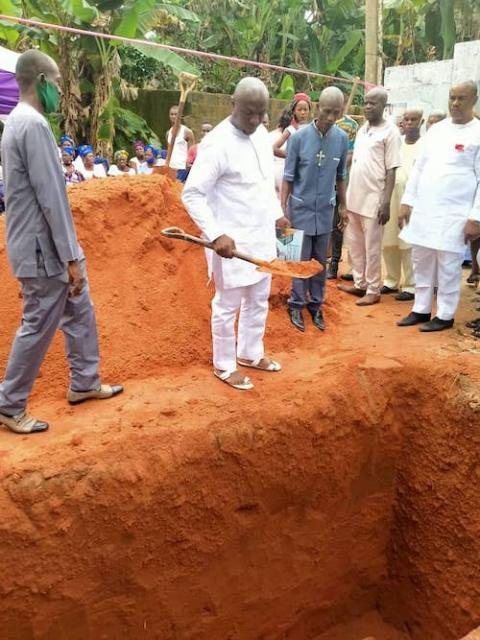
To understand Igbo burial rites, you have to start with how the Igbo see life itself. In many Igbo communities, life does not end with death. It continues in another form, in a world where the ancestors remain present, watching, guiding, and sometimes, correcting the living. Because of this belief, burial and funeral rites are not optional customs. They are necessary steps in helping the deceased complete their journey.
One of the main reasons these rites are carried out is to ensure a peaceful transition into the ancestral realm. The Igbo believe that a person who is given proper burial rites can join the ancestors and find rest. Without these rites, the spirit may remain unsettled. This is why families go to great lengths to perform every required ceremony, even if it takes time and resources.
Respect also plays a strong role. Igbo burial rites are a final act of honour for the deceased. They acknowledge the life the person lived, their role in the family, and their contribution to the community. Through these ceremonies, the living say goodbye in a way that is meaningful and complete. It is not just about loss, it is about recognition and dignity.
There is also a deep sense of responsibility involved. In Igbo tradition, the living are custodians of their family lineage. Carrying out burial rites is part of that duty. It shows that the family has fulfilled its obligation to one of its own. This sense of duty is often shared among extended family members, which is why funerals bring together relatives from near and far.
Another important reason for these rites is the connection between the living and the dead. In Igbo belief, the ancestors continue to influence daily life. They are seen as protectors who can bless or guide their descendants. Properly conducted Igbo burial rites help to maintain this relationship. They signal to the ancestors that the family honours its traditions and respects those who came before.
Finally, these rites provide a way for the living to cope with grief. Mourning is not done in isolation. Through gatherings, storytelling, prayers, and shared meals, people find comfort in one another. The process allows grief to be expressed openly as they gradually move toward acceptance of the loss.
In all these ways, Igbo burial rites go beyond ceremony. They bring together belief, duty, respect, and community. They help the dead find rest and give the living a path to healing, all while preserving a cultural system that has endured for generations.
In Conclusion …
At first glance, burials and funerals may seem like moments of grief and finality. But within Igbo culture, they carry a deeper meaning. Igbo burial rites remind us that death is not the end of a relationship. It is a transition that calls for care, respect, and intentional action from those left behind.
Through these rites, families honour the lives of their loved ones in ways that go beyond words. They create space to mourn, to remember, and to celebrate. At the same time, they fulfil a duty that connects generations, thereby ensuring that the deceased finds peace and a rightful place among the ancestors.
Even as modern life introduces new ways of doing things, the essence of Igbo burial rites remains strong. Whether observed in full traditional form or blended with contemporary practices, the purpose stays the same – to guide the departed, support the living, and uphold a shared cultural identity.
In the end, these rites speak to something universal. They show how a people understand life, honour those who have passed, and hold on to the bonds that continue beyond death. And in that quiet continuity, Igbo burial rites continue to count, not only as tradition, but as a living expression of memory, belonging, and enduring connection.
References
- https://www.umuigbo.com/igbo-funeral-rites-ikwa-ozu
- https://www.celebratethem.com/blog/igbo-burial-rites-and-the-ikwa-ozu-ceremony
- https://beingafrican.org/culture-panel/death-and-funerals-in-igbo-culture/
- https://123pdf.org/article/burial-funeral-practices-igbo-research-repository-hermeneutics-death.zgwl8xe6
- https://enyojonal.com.ng/index.php/igirigi/article/view/159
- https://ijresd.net/index.php/IJRESD/article/view/254
- https://nigerianjournalsonline.org/index.php/JARPCS/article/view/3641
You might want to check this out …