



Festivals & Events in Nigeria
Ohworu Festival: A Celebration of Urhobo Cultural Heritage

Ohworu Festival is a spectular traditional celebration of the Urhobo people in Nigeria that honours the Ohworhu water spirit with masquerades, dancing, community gatherings and deep cultural meaning.
The Ohworu Festival is one of the most intriguing and culturally rich annual events among the Urhobo people of southern Nigeria. It captures their tradition, spirituality, community life and cultural pride. For many visitors and community members, the festival is an invitation into a living heritage that connects generations to their water‑linked history, beliefs and values.
In the heart of Delta State where rivers weave through the land and stories of the old still echo in every community, the Ohworu Festival comes alive each year. More than a celebration, it is a vivid expression of Urhobo cultural heritage, a moment when history, spirituality, and community converge in music, dance, and ritual.
From the towering Eravwe Oganga masquerade to the rhythmic drumming that stirs the soul, every movement tells a story handed down across generations. Visitors and locals alike witness a festival that honours the sacred Ohworhu water spirit while embracing the joy and unity of everyday life.
For the Urhobo people, the Ohworu Festival is both a reflection of the past and a celebration of identity, a living tradition that connects the river, the land, and the people who call it home.
Who Are the Urhobo People?
The Urhobo people are one of the major ethnic groups in southern Nigeria mostly found in Delta State. They are known for their rich culture, deep-rooted traditions, and close connection to the riverine environment of the Niger Delta. Numbering over 2 million, the Urhobo people are predominantly farmers, fishermen, and traders. This reflects their long-standing relationship with the fertile land and abundant waterways of their homeland.
Historically, the Urhobo people are believed to have migrated from the central region of what is now Nigeria, and settled in the delta area many centuries ago. They organized themselves into clans and kingdoms, each led by a traditional ruler known as Ovie who acts as both a spiritual and political leader. This social structure allowed the communities to maintain order, settle disputes, and preserve cultural traditions over generations.
Language is a core part of Urhobo identity. The people speak Urhobo which belongs to the Niger-Congo language, with several dialects, depending on the community. The language is plays a part in storytelling, oral history, and the passing down of cultural values, particularly through festivals like the Ohworu Festival which preserves not only the rituals but also linguistic expressions and songs.
Religion and spirituality are also vital aspects of Urhobo life. Many traditional Urhobo beliefs focus on a supreme deity known as Oghene, alongside reverence for ancestral spirits and natural forces, including rivers and waterways. Over time, Christianity and Islam have also become influential. Notwithstanding, traditional practices and festivals continue to hold a strong place in their cultural life.
Culturally, the Urhobo people are renowned for their lively festivals, dance, masquerades, and craftwork. The festivals are not merely entertainment. They are essential for maintaining social cohesion, honouring the ancestors, and passing on traditions. The Ohworu Festival is a prime example of how the Urhobo combine spirituality, artistry, and community life in a way that keeps their heritage alive.
Overall, the Urhobo people are a riverine, culturally rich, and deeply traditional community whose identity is defined by land, water, language, and shared history. Their festivals, rituals, and social structures offer a window into a society that values community, spirituality, and the preservation of its unique cultural heritage.
Origins and History of the Ohworu Festival
The Ohworu Festival has deep roots in the life and traditions of the Urhobo people, one of Nigeria’s largest ethnic groups in Delta State. For centuries, communities in southern Urhobo land, particularly around Evwreni have marked this festival as a way to honour the sacred Ohworhu water spirit.
Life in Urhobo communities has always been closely tied to rivers, streams, and wetlands. There, water is not just a source of livelihood through fishing and farming, it is also seen as a spiritual force that sustains the people and their environment. The festival grew out of this connection as a way of combining practical gratitude with spiritual reverence.
Historical records and ethnographic studies indicate that the Ohworu Festival has been celebrated for generations. In the early 1970s, cultural researcher Perkins Foss documented the festival, noting its elaborate masquerades and ceremonial practices. Foss described the Eravwe Oganga, a large and striking masquerade figure as a central element of the festival, representing spiritual and ancestral forces tied to the water. These early records confirm that the festival is not a recent invention but a continuation of long-standing Urhobo traditions.
The history of the festival is also intertwined with social life. It historically served as a period when families and communities came together to give thanks for the year’s blessings, ask for protection, and celebrate abundance. The elders would lead the rituals, offer prayers and guidance, while the young people learned through participation. This way, the Ohworu Festival became a vehicle for transmitting cultural knowledge, spiritual beliefs, and communal values from one generation to the next.
Over time, the festival has evolved as it now incorporates new elements while retaining its core significance. Today, the Ohworu Festival still honours the water spirit, celebrates community identity, and showcases Urhobo culture to a wider audience. It is a living testament to the resilience and richness of Urhobo heritage that links the past, present, and future in a continuous cultural narrative.
Significance and Cultural Meaning
The Ohworu Festival involves more than a series of dances and rituals. It is the heartbeat of Urhobo cultural identity. For the people, the festival embodies gratitude, spiritual connection, and community cohesion. Fundamentally, it is a celebration of life’s essential elements, especially water which the Urhobo people regard as sacred.
Rivers and waterways are vital to survival. They provide food, transport, and a lifeline for the communities. Honouring the Ohworhu water spirit is a way of acknowledging this vital source of life and recognizing the spiritual forces that guide and protect the people.
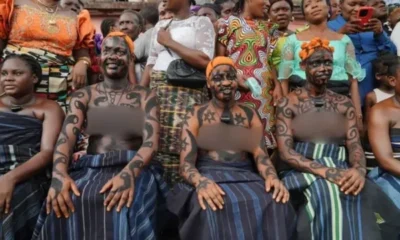
The Ohworu Festival also plays a powerful role in reinforcing social bonds. Families, neighbours, and friends gather to participate, watch, and celebrate together. Through music, dance, masquerades, and communal feasts, the festival provides a space for storytelling, teaching, and sharing. The elders recount the origins of the rituals, myths of the water spirit, and lessons about moral conduct and unity. These stories are not only entertaining, they are a subtle but effective way of preserving cultural knowledge and passing it on to the younger generations.
Another layer of significance lies in the spiritual dimension. The Urhobo people believe that the Ohworhu water spirit protects the community from misfortune and ensures prosperity. The festival rituals, offerings, and dances are intended to maintain harmony between the spiritual and human realms. Participating in these rites is a way for individuals to connect personally with ancestral forces, ask for guidance, and express reverence. The festival is, in essence, a living dialogue between the community, their ancestors, and the environment that sustains them.
Beyond its spiritual and social dimensions, the Ohworu Festival is a celebration of Urhobo heritage itself. It portrays the people’s resilience, creativity, and commitment to preserving their traditions in a rapidly changing world. By taking part, community members reaffirm their identity, strengthen relationships, and instill a sense of pride in the younger ones. The festival is a reminder that cultural heritage is not only about remembering the past, it is about living it every day.
Festival Activities and Rituals
The Ohworu Festival comes alive through a variety of activities that highlight the Urhobo people’s creativity, spirituality, and community spirit. Each part of the festival is meaningful, and offers both visual spectacle and cultural depth. For anyone attending, the festival is a feast for the senses and a journey into centuries-old tradition.
Masquerades
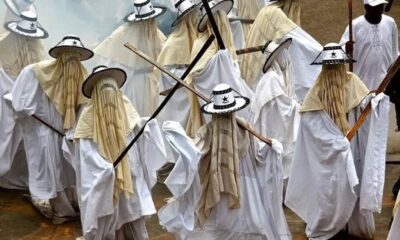
At the heart of the Ohworu Festival are the masquerades. The most famous is the Eravwe Oganga, a towering and elaborate figure that represents spiritual and ancestral forces connected to the Ohworhu water spirit. Traditionally, several performers carry the massive costume, and move in coordinated steps to create the illusion of a single powerful entity. The masquerade’s presence commands attention, and blends artistry, performance, and spiritual significance into a single, captivating display.
The masquerades are more than entertainment. They serve as bridges between the human and spiritual worlds that remind the participants of the power of their ancestors and the importance of respecting cultural and natural forces. Visitors often describe the experience as both exhilarating and humbling, an intimate encounter with Urhobo history brought to life.
Dancing and Music
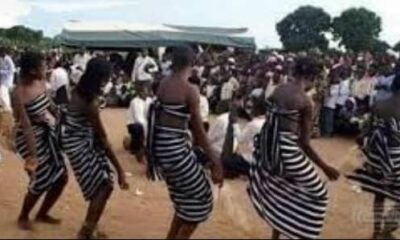
Music and dance are inseparable from the Ohworu Festival. Traditional drumming, rhythmic chants, and lively dances fill the air, and create an energy that draws everyone into participation. The young and the old join in group dances, while solo performers showcase individual skill and storytelling through movement. Each rhythm, gesture, and step carries meaning that often echoes the local myths, history, and the natural environment.
The songs performed during the festival recount ancestral tales, celebrate communal achievements, and honour the Ohworhu spirit. Through music, the Urhobo people reinforce a sense of belonging and collective memory which makes each festival a shared experience that strengthens cultural continuity.
Water-Related Activities
Given the central role of rivers and streams in Urhobo life, water features prominently in Ohworu Festival rituals. Ceremonial baths, river offerings, and fishing contests are common during the festival. These practices symbolize harmony with nature and gratitude for the life-giving waters that sustain the community. They also provide an educational experience for the younger participants by teaching respect for the environment and the spiritual significance of water in Urhobo culture.
Community Gatherings
The Ohworu Festival is also a moment for people to gather in fellowship. Community feasts, storytelling sessions, and discussions led by the elders allow cultural knowledge to flow freely between generations. Parents bring children to learn about the myths behind the Ohworhu spirit, the meanings of various rituals, and the significance of moral values celebrated through the festival activities. These gatherings are as important as the more visible performances, keeping the social fabric of Urhobo life strong and vibrant.
Modern Celebrations and Local Participation
While the Ohworu Festival is deeply rooted in centuries-old tradition, it continues to grow in the contemporary Urhobo life. Today, the festival represents both continuity and adaptation as it combines time-honoured rituals with community events that welcome a wider audience. Local participation remains at the heart of the celebration as a way of ensuring that the festival is as much a communal experience as it is a spiritual one.
In modern times, the festival organizers encourage youth involvement alongside the elders with the aim of bridging the generational gap and nurturing a sense of ownership over cultural heritage. Schools, local clubs, and youth groups often participate by performing traditional dances, singing festival songs, and assisting in ceremonial preparations. This inclusion ensures that the younger people understand the meanings behind the rituals, even as they experience the joy and pride of their cultural identity.
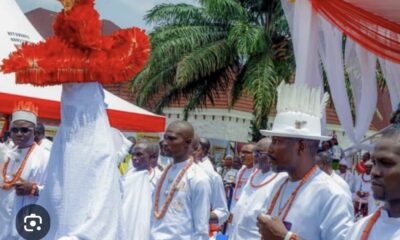
Community leaders also play a key role in the contemporary celebrations of Ohworu Festival. The chiefs, elders, and local government representatives often attend, and give speeches that highlight the importance of preserving Urhobo traditions. Their presence underscores the festival’s relevance in public life and demonstrates how cultural events contribute to civic unity.
The modern Ohworu Festival often features organized events like cultural competitions, art displays, and guided tours of local heritage sites. Visitors, including those from other parts of Nigeria and international tourists are invited to witness the performances, taste local delicacies, and learn about Urhobo history. These initiatives not only increase engagement but also create opportunities for cultural exchange, education, and appreciation.
Despite modernization, the core elements of the festival which include honouring the Ohworhu water spirit, performing masquerades, and celebrating communal life remain unchanged. The festival remains a living expression of Urhobo identity that shows how tradition can coexist with contemporary social life.
Modern celebrations amplify the visibility of the festival even as it maintains authenticity, ensuring that each participant, whether local or visitor experiences the vibrancy and spiritual depth of the Ohworu Festival.
Economic and Tourism Impact
The Ohworu Festival is not only a cultural and spiritual celebration, it is also a driver of local economic activity and tourism in Urhobo communities. The festival draws both the residents and visitors from nearby towns, and as such, creates opportunities for small businesses, artisans, and vendors to grow. Local markets come alive with festival-related products, including traditional crafts, musical instruments, festival attire, and food. These activities contribute to income generation and support the livelihoods of many community members.
Cultural tourism is another area where the festival has significant impact. Visitors attending the Ohworu Festival gain firsthand experience of Urhobo traditions, including the masquerade performances, water rituals, and community dances. These experiences create opportunities for educational tourism as they attract researchers, students, and cultural enthusiasts. Local guides and cultural associations often provide insights into the history and meaning of the festival, thus enhancing the overall visitor experience while promoting Urhobo heritage on a wider stage.
Hotels, transport services, and eateries also benefit during the festival periods. The influx of guests stimulates local commerce, and many families host visitors in a way that showcases hospitality and generates income. Artisans and performers often receive recognition for their skills which encourages the continuation of traditional crafts and performance arts.
The Ohworu Festival also has potential for national and international cultural recognition. With strategic promotion and support from cultural institutions, the festival can become a destination for tourists seeking authentic cultural experiences. Preserving and showcasing the festival in this way not only boosts the economy but also strengthens pride in Urhobo traditions.
Through economic engagement and tourism, the Ohworu Festival becomes the example of the fact that cultural heritage can coexist with community development. A vivid proof of how tradition can provide both spiritual nourishment and practical benefits, and create lasting value for the people of Urhobo land.
Preserving the Ohworu Festival
The Ohworu Festival is a living record of Urhobo heritage, and preserving it has become a priority for the communities, cultural organizations, and elders. In a world where modern influences and changing lifestyles threaten traditional practices, the festival serves as a bridge between the past and the present. A reminder to the people of the importance of cultural continuity.
Local efforts to safeguard the Ohworu Festival focus on education and engagement. The elders and cultural leaders teach the young people about the meanings behind each ritual, the history of the Ohworhu water spirit, and the symbolism of festival elements such as masquerades, music, and water-related activities. These teachings ensure that the younger ones understand not only the performance aspects but also the values, ethics, and spirituality embedded in the festival.
Organizations like the Urhobo Historical Society play a significant role in documenting the festival practices, recording oral histories, and promoting awareness of cultural heritage. Their work helps to create written and visual archives which makes it easier for researchers, educators, and future generations to study and appreciate the festival. This type of documentation also supports cultural tourism by providing credible information for visitors seeking to experience authentic Urhobo traditions.
Community involvement is another key element in preservation. Local leaders, youth groups, and families participate actively in organizing the festival each year, maintaining its structure and ensuring authenticity. By including schools and cultural clubs, the festival continues to reach a wider audience, thereby fostering pride and engagement across generations.
Preservation efforts also recognize the importance of balancing tradition with modernity. While contemporary conveniences and media coverage have increased its visibility, the essential rituals and spiritual practices remain intact. This careful balance ensures that the Ohworu Festival is not only preserved as a historical artifact but remains a lively, meaningful celebration in everyday life.
Ultimately, preserving the Ohworu Festival is about maintaining a living connection to Urhobo identity. It safeguards spiritual, social, and cultural values as well as encourages pride, education, and community unity. By supporting and participating in the festival, the Urhobo people ensure that their rich heritage will continue to grow for generations to come.
In Conclusion …
The Ohworu Festival is an expression of Urhobo cultural heritage that celebrates community, spirituality, and identity. Through its music, dances, masquerades, and water rituals, the festival connects people to their history, their environment, and to each other. It reminds the Urhobo people of the importance of gratitude, unity, and respect for ancestral and natural forces.
Modern celebrations of the festival show how tradition can adapt and still remain authentic. Youth participation, community engagement, and cultural education ensure that the values and practices of the Ohworu Festival keep thriving. At the same time, the festival contributes to local economies, encourages cultural tourism, and promotes pride in Urhobo identity.
Preserving the Ohworu Festival is a shared responsibility. The elders, families, cultural organizations, and communities all play a role in keeping the traditions alive, passing knowledge to the younger members of the communities, and ensuring that the festival remains a living, meaningful part of Urhobo life. It is a celebration of both the past and the present, a bridge connecting history with contemporary culture, and a symbol of the enduring spirit of the Urhobo people.
For anyone interested in Nigerian culture, heritage, or the ways communities sustain tradition in modern times, the Ohworu Festival offers a window into the heart of the Urhobo people. It is a story of faith, creativity, and unity, an event that honours both the ancestors and the generations yet to come.
References
- https://naijabiography.com/history-culture/the-urhobo-people-of-delta-state/
- https://phmundial.com/unenurhie-ends-ohworhu-festival-calls-for-cultural-promotion/
- https://teentrust.ng/the-vibrant-culture-of-urhobo-people/
- https://waado.org/UrhoboCulture/ArtsAndArtists/Foss/Eravwe.html
- https://search.worldcat.org/pt/title/Festival-of-Ohworu-at-Evwreni/oclc/44452609
You may want to check this out …