



African Kingdoms
The Igala Kingdom of Nigeria: History, Kingship, and Cultural Heritage of a Powerful Precolonial Empire

Igala Kingdom was a powerful precolonial African state in what is now central Nigeria known for its history, Attah kingship, cultural heritage, spiritual traditions, and influence across the Middle Belt.
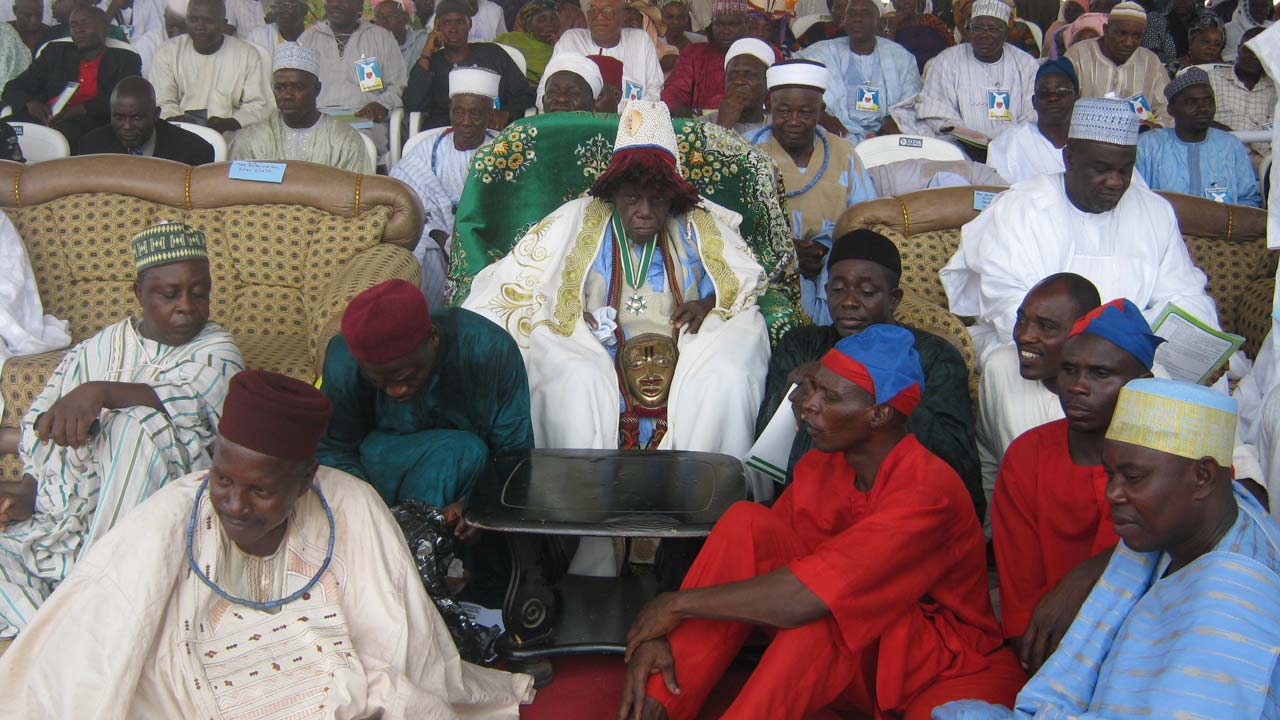
For centuries, the Igala Kingdom stood at the meeting point of two great rivers and at the centre of power in what is now central Nigeria. From its capital at Idah, near the Niger and Benue confluence, this precolonial entity grew into a respected political force whose influence reached far beyond its homeland. Traders passed through its waters. Diplomats negotiated within its courts. Communities looked to the Attah, the sacred king for guidance and authority.
The Igala Kingdom was not a loose collection of villages. It was an organized and strategic polity with a defined kingship system, established councils, spiritual institutions, and economic networks that sustained it for generations. Long before colonial rule altered the region, the Igala Kingdom had already built a reputation for strong governance, active trade, and cultural depth. Its leaders managed relationships with neighbouring powers, protected vital river routes, and nurtured traditions that still live on among the Igala people today.
To explore the Igala Kingdom is to step into a story of political wisdom, sacred authority, and cultural continuity. It is the story of a people who built a kingdom at a crossroads and turned geography into advantage. It is also the story of how that kingdom still matters in modern Nigeria, not as a distant memory but as a living heritage carried in language, ritual, and identity.
This article dissects the history of the Igala Kingdom, the institution of the Attah kingship, and the cultural heritage that made it one of the most influential pre-colonial states in Nigeria.
Geographic Location and Strategic Importance of the Igala Kingdom
The Igala Kingdom owed much of its strength to where it stood on the map. The kingdom was located in what is now eastern Kogi State in central Nigeria, with its capital at Idah. Idah sits close to the meeting point of two of West Africa’s most important rivers, the Niger and the Benue. For centuries, that confluence was more than just a natural landmark. It was a corridor of movement, trade, communication, and political influence.
In precolonial times, rivers were highways. Canoes moved goods, people, and ideas across long distances. Because the Igala Kingdom occupied territory along the lower Benue and eastern Niger, it had access to both the northern and southern routes. This location allowed the kingdom to connect with communities across the Middle Belt and beyond. It meant traders could pass through Igala lands on their way to other markets, and it gave the Attah and his council leverage in regional affairs.
The land itself was also generous. The riverbanks supported farming, fishing, and settlement. Crops such as yam and other staples thrived in the fertile soil while the rivers supplied fish and facilitated exchange. Agriculture sustained the population, and trade expanded wealth. The geography of the kingdom did not just support survival, it enabled growth.
This strategic position also had political consequences. Any kingdom that controlled access to major waterways held influence. The Igala Kingdom was able to monitor movement, build alliances, and, when necessary, defend its territory. Its central location in what is now Nigeria placed it between powerful neighbours and made it a significant actor in precolonial politics.
Even today when roads and modern infrastructure dominate transport, the importance of that location is clear. The Niger and Benue rivers remain defining features of Nigeria’s landscape. For the Igala Kingdom, those rivers were once lifelines. They connected the people to the wider world and helped to establish the kingdom as a respected power in precolonial West Africa.
Origins and Early History of the Igala Kingdom

The story of the Igala Kingdom began long before written records. Much of what is known comes from oral tradition and supported by historical research, linguistic studies, and archaeological evidence. These sources paint a picture of a people who developed a centralized society from a blend of migrations, local settlements, and regional interactions.
According to oral traditions, the Igala people trace their ancestry to movements from the north and east of the Niger-Benue area. Early settlers are believed to have formed small communities along the riverbanks, taking advantage of fertile land and waterways. Over time, these groups coalesced into a more organized political entity, eventually forming the Igala Kingdom. Historians suggest that this consolidation occurred around the 16th century, though the communities that became the kingdom existed centuries earlier.
The founding of the kingdom is closely tied to the emergence of the Attah institution. Tradition names a woman called Ebulejonu as the first recognized Attah. Her reign was followed by her brother and later generations, as they established a hereditary system among royal clans. This succession structure allowed the kingdom to maintain continuity and central authority.
The early Igala Kingdom was influenced by interactions with neighbouring peoples, including the Idoma, Jukun, and Edo groups. These contacts influenced political organization, trade practices, and cultural customs. The position of the kingdom at the Niger-Benue confluence helped it to engage in long-distance trade which further strengthened its social and political networks.
By the 16th and 17th centuries, the Igala Kingdom had established itself as a recognized state. Its capital at Idah became both a political and spiritual centre. The kingdom was divided into administrative units managed by councils and local chiefs to ensure governance across a wide territory. The combination of strong leadership, strategic location, and organized communities laid the foundation for the later expansion and influence of the kingdom.
Getting acquainted with the origins of the Igala Kingdom helps to illuminate how geography, leadership, and social cohesion came together to create one of central Nigeria’s most enduring precolonial states. It also highlights the adaptability and resilience of the kingdom. These qualities would define its political and cultural life for centuries.
The Rise of the Igala Kingdom as a Political Power
The Igala Kingdom did not remain a small collection of riverine communities. Over time, it emerged as one of the most influential political forces in central Nigeria. Its rise was the result of strategic leadership, geographic advantage, and the ability to forge alliances and maintain regional influence.
By the 16th century, the kingdom had established a centralized system under the Attah who commanded both political authority and spiritual respect. This structure allowed the Igala Kingdom to unify various clans and communities with the aim of creating a cohesive state capable of managing resources, administering justice, and conducting diplomacy.
The strategic position of the kingdom along the Niger and Benue rivers amplified its political and economic influence as rivers were essential highways in precolonial West Africa. By controlling key river routes, the Igala Kingdom facilitated trade between the northern and southern regions and monitored movements of neighbouring states. This access enabled the kingdom to prosper economically while also asserting power over surrounding areas.
Military organization also contributed to the rise of the kingdom. The Igala maintained a trained force capable of defending their territory and projecting influence across nearby regions. This military presence, combined with alliances and strategic marriages ensured stability and deterred potential threats.
Relationships with neighbouring kingdoms further enhanced Igala power. Diplomacy with the Benin Kingdom and the Jukun Kingdom was crucial. These interactions included both trade and negotiations to prevent conflict. The Igala Kingdom became known not only for its own strength but also as a mediator and partner in regional politics.
Economically, agriculture, craft production, and river trade supported political stability. The ability of the kingdom to sustain its population and generate wealth allowed the Attah to maintain authority and invest in cultural institutions, rituals, and infrastructure. These elements reinforced its identity and influence across generations.
By combining geography, leadership, trade, military strength, and diplomatic skill, the Igala Kingdom secured its place as a central power in precolonial Nigeria. Its rise illustrates how strategic vision and social organization enabled a river-based society to become a respected political entity with influence that extended beyond its borders.
The Attah and the Institution of Kingship
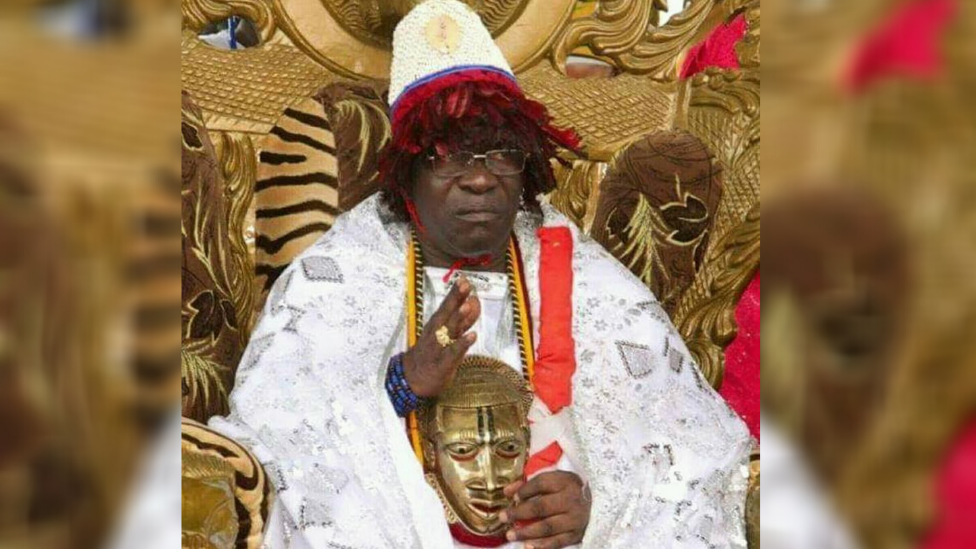
At the heart of the Igala Kingdom was the Attah, the monarch whose authority defined the kingdom. The title “Attah” literally means “father,” which highlights the king’s role as both political leader and spiritual guide. The Attah was central to governance, culture, and social cohesion, and his influence extended throughout the territories of the kingdom.
The institution of kingship in Igala history is unique in several ways. Oral tradition records that the first Attah, Ebulejonu was a woman. Her reign demonstrated that leadership could be inclusive, though the later successions moved to male descendants. Over time, the throne became hereditary among the royal clans, with specific lineages rotating to maintain balance and legitimacy.
The Attah’s responsibilities were both administrative and spiritual. Politically, he managed the kingdom with the assistance of councils and chiefs who oversaw local governance, justice, and tax collection. These administrative structures ensured that even distant communities were integrated into the kingdom’s system of rule. The Attah also led the kingdom’s military decisions and oversaw diplomacy with neighbouring states.
Spiritually, the Attah was a custodian of Igala traditions and rituals. He presided over ceremonies, consulted spiritual leaders, and served as the symbolic link between the people and their deities. The king’s presence at festivals and ritual events was essential to maintaining the cultural identity of the kingdom. His authority was reinforced through rituals, symbols of office, and ceremonial regalia that expressed both political power and sacred responsibility.
Succession to the throne was carefully regulated. The royal families maintained a rotation system among eligible lineages to prevent disputes and ensure continuity. Advisors and senior chiefs provided guidance and helped the Attah to make decisions that balanced the interests of different clans.
The Attah institution remains central to Igala identity today. Even in modern Nigeria, the Attah is respected as a cultural and spiritual figurehead. Although political power now resides with democratic institutions, the Attah still plays an influential role in preserving customs, mediating community issues, and symbolizing the unity of the Igala people.
In essence, the Attah embodied the values, traditions, and continuity of the kingdom. The institution of kingship provided stability, authority, and a sense of purpose that allowed the Igala Kingdom to thrive across centuries.
Social Structure and Governance
The Igala Kingdom was a highly organized society with a clear hierarchy that allowed it to govern a broad territory effectively. Its social structure combined centralized authority under the Attah with decentralized administration through councils, chiefs, and clan leaders. This balance ensured both cohesion and local autonomy across the kingdom.
At the top was the Attah who provided overall political direction and spiritual guidance. Beneath the king were senior chiefs and advisers who managed specific regions and communities. These officials oversaw taxation, land use, trade, and dispute resolution. They acted as the bridge between the Attah and the people, and ensured that royal decisions reached even the most distant settlements.
The kingdom was traditionally divided into administrative units called the Igala Mela. Each Mela had its own chief responsible for governance, social order, and local rituals. This system allowed for efficient management of resources, enforcement of laws, and coordination of festivals or other cultural events. The councils within each unit advised the Attah on political, economic, and spiritual matters, and provided a forum for consultation and consensus-building.
Social organization also included kinship and clan structures. Families were grouped into extended clans that had specific responsibilities and roles within the kingdom. Some clans were linked to ritual duties, others to military service or trade. This division of roles strengthened the stability of the kingdom, as each group contributed to the well-being of the community and maintained social norms.
Justice in the Igala Kingdom combined customary law with royal oversight. Chiefs presided over disputes, but the Attah or senior council could intervene in serious cases or conflicts affecting multiple units. This system helped to maintain fairness and strengthened the Attah’s authority as the final arbiter.
Overall, the social and governance structures of the Igala Kingdom allowed it to manage a diverse population effectively. The combination of centralized authority, advisory councils, and local leadership created a resilient political system that enabled the kingdom to maintain order, administer justice, and sustain cultural identity for generations.
Religion, Spiritual Beliefs, and Cosmology
Religion was at the heart of life in the Igala Kingdom. The Igala people believed in a supreme deity known as Ọjọ who was the creator of the universe and the ultimate authority in spiritual matters. Alongside Ọjọ, there were numerous spirits, deities, and ancestors who played active roles in the daily lives of the people. These beliefs shaped social norms, rituals, and cultural practices throughout the kingdom.
The Attah, as both political and spiritual leader acted as the link between the people and the divine. Rituals, festivals, and ceremonies were often presided over by the Attah or conducted under his authority. These events served to unify the population, mark important seasonal or life-cycle events, and maintain a balance between the humans and the spiritual world.
The Igala also practiced ancestor veneration. Family elders and community leaders were considered intermediaries between the living and the spiritual realm. Rituals honouring the ancestors were performed to seek guidance, blessings, and protection for the family or community. Shrines and sacred spaces were carefully maintained and often associated with particular clans or lineages.
Masquerades were another significant aspect of Igala religious life. These ceremonial performances combined music, dance, and costumes to represent spirits or ancestral figures. They were not merely entertainment but were believed to carry spiritual power that help in conveying moral lessons, resolving disputes, or blessing the community.
Over time, the introduction of Islam and Christianity brought new religious influences. Some Igala communities adopted these faiths, often blending them with traditional beliefs. Despite these changes, traditional cosmology remains deeply rooted, and influences festivals, naming practices, and social ceremonies.
Religion and spirituality in the Igala Kingdom provided a framework for governance, community cohesion, and moral guidance. They defined how people interacted with one another, the land, and the unseen world, and created a cultural identity that endured through centuries of political and social change.
Cultural Heritage and Traditions

The Igala Kingdom is known not only for its political strength but also for a rich cultural heritage that has survived through generations. Its traditions, festivals, music, and artistic expressions were essential to the identity and unity of the Igala people.
Festivals and cultural celebrations are central to the Igala Kingdom and continue to shape the cultural life of the Igala people. These vibrant events celebrate ancestry, harvests, historical milestones, and communal identity, and blend music, dance, masquerades, and ritual.
Among the most renowned is the Ocho Festival historically known as the Igala Unity Hunting Festival which marks the start of the hunting and farming season and honours courage, communal effort, and the kingdom’s connection to the land.
The Egwu Festival, held during harvest periods venerates the ancestors through masquerades, music, and offerings. The Ogbadu Festival commemorates historical victories and the kingdom’s resilience, while the Ogaganyi Festival highlights leadership and governance, with the Attah and community leaders making ceremonial appearances to celebrate achievements and strengthen bonds with the people.
Agricultural traditions are celebrated in the Ani or Ane Festival where the first fruits of the harvest are offered to the ancestors to symbolize gratitude and spiritual connection to the land. Some communities also hold the Aboko Ebije Boat Regatta which showcases river navigation skills and honour the historical significance of waterways in trade and defense.
Together, these festivals reflect the rich cultural heritage of the Igala Kingdom in preserving history, honouring the ancestors, and maintaining community cohesion that continues to thrive in contemporary times. Participation in these events strengthened social bonds and reminded communities of shared history and values.
Masquerades were a particularly distinctive aspect of Igala culture. Performed during festivals and special occasions, they represented spirits, ancestors, or moral lessons. Masks and costumes were carefully crafted to convey symbolic meaning. The performers were often highly trained and respected members of the community, and their appearances carried both entertainment and spiritual significance.
Music and dance were integral to Igala ceremonies and everyday life. Traditional instruments such as drums, flutes, and xylophones accompanied dances that celebrated harvests, victories, or rites of passage. Songs passed down orally carried stories of the kingdom’s history, heroic deeds, and moral teachings. These oral traditions preserved knowledge long before widespread literacy.
Marriage customs and family rituals also reflected cultural priorities. Naming ceremonies, for example were rich in symbolism as they connected children to the ancestors, community expectations, and spiritual protection. Ceremonial attire often included woven fabrics, beads, and ornaments that indicated social status, lineage, or ritual function.
Craftsmanship was another important element of Igala cultural expression. Artisans produced pottery, weaving, leatherwork, and metal items that were both functional and symbolic. These crafts played roles in daily life, religious practice, and trade to further strengthen the cultural identity of the kingdom.
The cultural heritage of the Igala Kingdom is not merely historical. Even today, these traditions still influence the lives of the Igala people in maintaining a connection to the past while adapting to modern society. Music, festivals, rituals, and crafts provide living testimony to a culture that has endured for centuries, thus, offering insight into its values, creativity, and social cohesion.
Language and Identity
Language is a cornerstone of the Igala Kingdom that defines both cultural identity and social cohesion. The Igala people speak the Igala language which belongs to the Benue‑Congo branch of the Niger‑Congo family. It serves not only as a means of communication but also as a repository of its history, traditions, and values.
Through oral traditions, the Igala language preserves folktales, proverbs, songs, and poems that have been passed down across generations. These narratives recount the origins of the kingdom, heroic figures, and moral lessons in a way that provides a living connection to the past. Storytelling in Igala is both educational and entertaining.
The language also reflects the diversity of the Igala Kingdom. Various dialects developed in different regions of Igala land, influenced by interactions with neighbouring peoples such as the Idoma, Jukun, and Edo. These dialects highlight the adaptability of the Igala language while maintaining a shared identity across communities.
Igala identity is closely tied to language. Speaking Igala is a way to assert belonging, transmit cultural knowledge, and participate in communal rituals. Even in modern Nigeria where English and other languages dominate education and official matters, Igala is still spoken in homes, markets, festivals, and religious ceremonies.
Essentially, the Igala language is a living symbol of the identity of the kingdom, a bridge between the past and the present, and a vehicle for preserving its rich history, customs, and traditions for future generations.
Economy and Trade in Precolonial Times
The Igala Kingdom was not only a political and cultural power but also an economic hub in central Nigeria. Its strategic location at the confluence of the Niger and Benue rivers enabled vibrant trade networks, productive agriculture, and craft industries that supported both local communities and regional exchange.
Agriculture was the backbone of the Igala economy. The fertile floodplains of the Niger and Benue rivers supported the cultivation of staple crops such as yam, maize, millet, and beans. These crops sustained the population and created surpluses that could be traded with neighbouring regions. Fishing was also significant as it provided both food and trade commodities.
Trade extended beyond food. Igala artisans produced pottery, leather goods, textiles, and metalwork which were exchanged locally and regionally. Markets in towns like Idah became centres for commerce that drew traders from neighbouring kingdoms including Benin, Jukun, and Igbo communities. Goods such as salt, cloth, iron tools, and kola nuts were exchanged along the river and overland routes.
The rivers themselves were economic lifelines. Canoes transported goods, people, and ideas over long distances. Control over strategic points along the rivers allowed the Igala Kingdom to regulate trade and collect tribute or tolls that further enhanced its wealth and influence. This access also gave the kingdom leverage in negotiating with neighbouring powers, thereby allowing it to participate in wider regional networks.
Slavery also played a role in the precolonial economy. Like many West African states, the Igala Kingdom participated in both domestic and trans-regional slave trading. Enslaved people were used for labour in agriculture, crafts, and sometimes, sold to other kingdoms or traders passing through Igala territory.
Economic organization was closely linked to political authority. The Attah and his chiefs oversaw trade regulation, taxation, and market management, ensuring that resources supported both the population and the royal administration. This combination of agriculture, craft production, and riverine trade created a sustainable economy that allowed the kingdom to flourish for centuries.
Simply put, the economy of the Igala Kingdom was dynamic and diverse. Its strategic rivers, productive lands, skilled artisans, and active trade networks made it a key economic player in precolonial Nigeria, and stregthened both its political strength and cultural influence.
Colonial Encounter and Transformation
The Igala Kingdom underwent significant changes with the arrival of British colonial forces in the late 19th and early 20th centuries. Its political and social structures which had sustained it for centuries were reshaped under colonial rule, though its cultural identity endured.
The British entered the region, primarily, to secure trade routes along the Niger and Benue rivers and to consolidate their control over central Nigeria. They encountered a well-organized kingdom with a strong central authority in the Attah. Initially, British agents established treaties and agreements with the Attah in recognition of his authority while gradually introducing colonial administrative systems.
Indirect rule became the primary method of governance. Under this system, the Attah retained his position but was subordinated to British colonial officers. Local chiefs and councils continued to administer communities but their decisions had to align with colonial policies. This system allowed the British to control the region with minimal personnel while maintaining the appearance of traditional governance.
The colonial period also affected the economy. Cash crops such as groundnuts, cotton, and palm produce were promoted to meet European demands. Trade networks shifted as rivers and roads were adapted to serve colonial economic interests. Traditional taxation systems were modified to support colonial administration, and labour requirements changed to accommodate colonial projects.
Culturally, the Igala Kingdom experienced both disruption and adaptation. Missionary activities introduced Christianity and Western education that influenced social norms and religious practices. At the same time, traditional festivals, language, and kinship systems persisted, often blending with new influences to create hybrid cultural forms.
Despite these transformations, the Attah and local elites retained symbolic and practical influence. They mediated between colonial authorities and the people, preserved rituals, and ensured continuity of the kingdom’s traditions. The colonial encounter, thus, reshaped the political and economic systems of the Igala Kingdom but did not erase its identity. Instead, it created a complex landscape in which tradition and colonial modernity coexisted.
Summarily, the Igala Kingdom navigated colonial intrusion with resilience. While its structures were transformed, its cultural heritage, social cohesion, and political symbols, particularly the Attah continued to play a central role in defining Igala identity during and after colonial rule.
The Igala Kingdom in Modern Nigeria
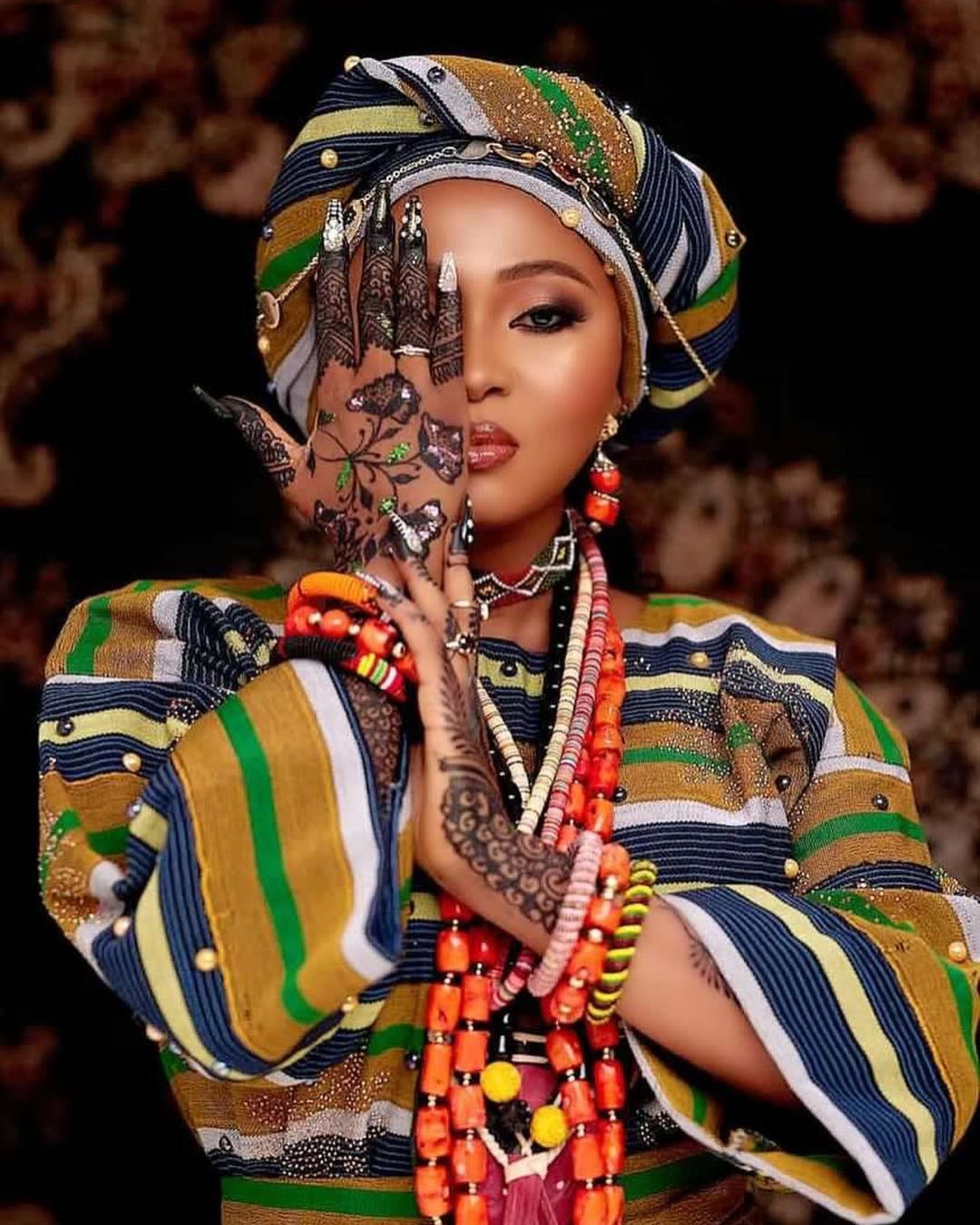
Today, the Igala Kingdom continues to hold cultural, spiritual, and social significance, even as Nigeria operates under a modern democratic system. While political power now rests with elected officials, the Attah and the kingdom’s institutions remain central to Igala identity and community cohesion.
The Attah serves primarily as a traditional and cultural leader. He presides over ceremonies, festivals, and rituals, and acts as a custodian of customs and moral authority. His influence extends to dispute resolution, conflict mediation, and representation of the Igala people in broader state and national affairs. This role preserves continuity with precolonial governance, even while adapting to contemporary structures.
Modern Igala communities still celebrate traditional festivals such as Ocho, Egwu, and Ani which strengthen social cohesion and cultural identity. These events attract participation not only from the locals but also from the Igala diaspora and cultural enthusiasts.
Language continues to be a key marker of identity. The Igala language is spoken at home, in local markets, and during cultural events to foster a sense of belonging and connection to heritage. Efforts in education and media have helped to preserve the language, even as English dominates formal and official communication in Nigeria.
Economically, the region that was once the heart of the Igala Kingdom remains agriculturally productive, with farming, fishing, and trade sustaining local livelihoods. While modern infrastructure and commerce have changed traditional economic patterns, the historical reliance on rivers, fertile land, and craft production still influences contemporary life.
Politically, the Igala Kingdom exists within Kogi State, and contributes to state governance and cultural representation. Community leaders and the Attah often collaborate with government officials to ensure development projects respect local customs and address community needs.
In modern Nigeria, the Igala Kingdom exemplifies how traditional institutions can coexist with contemporary governance. Its festivals, language, and the symbolic role of the Attah preserve a living heritage, and remind the people of their history, values, and enduring identity. The kingdom remains a source of pride, culture, and unity for the Igala people in the 21st century.
In Conclusion …
The Igala Kingdom stands as one of Nigeria’s most remarkable precolonial states, a kingdom defined by geography, strong leadership, and rich cultural traditions. From its strategic position at the confluence of the Niger and Benue rivers to the central role of the Attah, the Igala Kingdom built a political, economic, and spiritual system that endured for centuries.
Its festivals, language, music, craftsmanship, and social institutions illustrate a society deeply connected to its land, ancestors, and community values. Even in the face of colonial transformations, the kingdom preserved its identity, adapting while maintaining core traditions. Today, the Igala people still honour their heritage through rituals, festivals, and cultural practices that reinforce unity and pride.
Studying the Igala Kingdom offers more than historical insight. It provides a lens into the resilience of African civilizations, the power of cultural continuity, and the enduring relevance of traditional institutions in modern societies.
The Igala Kingdom remains a living testament to leadership, creativity, and identity; a precolonial empire whose legacy continues to shape the present and inspire the future.
References
- https://en.wikipedia.org/wiki/Igala_Kingdom
- https://nigeriareposit.nln.gov.ng/items/f21921ac-6201-4dde-9deb-ac35781ddc5a
- https://nigeria234.com/2025/09/02/attah-igala-paramount-ruler-of-the-igala-kingdom/
- https://www.pulse.ng/story/the-igala-people-their-origin-food-and-dressing-2024072513291290700
- https://pmnewsnigeria.com/2018/02/15/gov-bello-lifts-ban-5-igala-traditional-festivals/
- https://ki-gala.com/culture-feast-of-the-first-fruits
- https://wwjmrd.com/upload/a-term-paper-for-national-certificate-of-education-nce-students-continuing-education-contact-v_1520058114.pdf
- https://ukomuigala.wordpress.com/2016/12/29/aboko-ebije-boat-regatta-festival-of-the-igala-kingdom/
- https://en.wikipedia.org/wiki/Igala_language
You might want to check this out …