





African Traditions
The Osu Caste System in Igbo Society: Origins, Discrimination, and Modern Realities

Osu caste system is an age-old knowledge in Igbo society. Learn its origins, discrimination, cultural beliefs, and modern realities with verified insights.

The osu caste system is one of the most sensitive and often misunderstood aspects of Igbo society. It is not just a cultural idea buried in the past. For many people, it is a lived reality that still define relationships, identity, and acceptance today.
In simple terms, the osu caste system refers to a traditional social division among the Igbo people where certain individuals and families are regarded as set apart because of ancestral ties to deities. What began as a spiritual practice gradually became a rigid social structure passed down through generations, long after its original meaning had faded for many.
You will still hear stories. A promising relationship suddenly ends after a background check. A family quietly objects to a marriage. A name carries a weight that no one talks about openly but everyone understands. These moments are not always loud, but they reveal how deeply rooted the system can be.
At the same time, change is happening. Education, migration, religion, and new ways of thinking are challenging long-held beliefs. In some communities, the osu caste system is losing its hold. In others, it remains a quiet but powerful influence.
This article takes a closer look at the osu caste system in Igbo society. It explores where it came from, how it affected social life, the discrimination it created, and what it means in today’s world.
What Is the Osu Caste System in Igbo Society?
The osu caste system is a traditional social structure among the Igbo people of southeastern Nigeria that classifies individuals based on ancestry and spiritual history. Basically, it separates people into distinct groups, with the most notable being the Diala (freeborn) and the Osu (those set apart).
In simple terms, an Osu is someone whose lineage is believed to be dedicated to a deity. This dedication which could have happened generations ago, marked the person and their descendants as belonging to the deity rather than to the wider community. Over time, this status became hereditary, meaning it is passed down by birth and not something an individual chooses.
Because of this belief, Osu were traditionally seen as separate from the rest of society. They were often restricted in key areas of life, especially in marriage, social interaction, and leadership roles. For example, a Diala family might refuse a marriage proposal, if the other person is identified as Osu, even if both individuals are Christians, educated or live in modern urban settings.
It is important to understand that the osu caste system is not uniform across all Igbo communities. Practices and attitudes vary. In many places today, especially in cities, the system has weakened due to education, religion, and changing social values. However, in some communities, its influence can still be felt, sometimes quietly, sometimes openly.
Fundamentally, the osu caste system is a combination of spirituality, tradition, and social identity. To fully understand it, one has to look beyond definitions and consider how history, belief, and human relationships have affected its place in Igbo society.
Historical Origins of the Osu Caste System
To understand the osu caste system, it helps to go back to the spiritual and cultural foundations of traditional Igbo life. Long before colonial rule or modern religion, Igbo communities were deeply guided by indigenous beliefs, especially those connected to Odinani.
In this belief system, deities known as Alusi were central to daily life. They were seen as powerful spiritual forces that protected the community, enforced moral order, and demanded respect. People approached these deities through priests, shrines, and rituals.
The origin of the osu caste system is closely tied to this religious structure. In some cases, individuals were dedicated to a deity as an act of devotion. In other situations, people sought refuge in a shrine to escape war, slavery, or punishment. Once a person was attached to a deity in any of these ways, they became known as Osu, meaning they were no longer under the authority of the community but belonged to the god.
This status came with strict social consequences. Because Osu were seen as sacred and set apart, they were avoided in everyday life. It was believed that interfering with them or breaking the rules surrounding them could bring spiritual consequences. Over time, this fear strengthened the boundaries between the Osu and the rest of society.
What began as a religious designation gradually turned into a hereditary identity. Children born into Osu families automatically inherited the same status, regardless of their personal beliefs or way of life. This shift is what transformed the osu caste system from a spiritual practice into a long-standing social structure.
Historical and anthropological studies confirm that this system became deeply embedded in Igbo communities, and influenced patterns of interaction, marriage, and identity for generations. Even as new religions and modern ideas emerged, the original beliefs behind the system left a lasting mark.
Tracing these origins is important because it shows that the osu caste system did not begin as a social tool for exclusion. It grew out of spiritual beliefs that, over time, took on social meaning and consequences far beyond their original intent.
Traditional Structure of the Igbo Caste System
To fully understand the osu caste system, it is important to look at how the traditional Igbo society was organized. Though the structure was not identical in every community, many shared a similar pattern of social classification based on ancestry, spiritual status, and historical roles.
At the centre of this system, there were three main groups, namely, Diala, Osu, and Ohu.
The Diala were regarded as full members of the community. They were considered “freeborn,” which implied that they had no ancestral ties to deities or servitude.
People in this group had full social rights. They could marry freely, participate in communal decision-making, take traditional titles, and hold leadership positions. In many communities, they formed the majority and set the standards for social acceptance.
There was the Osu that occupied a distinct and often marginalized position within the structure. As explained earlier, they were believed to be dedicated to deities. Because of this, they were seen as set apart from the Diala.
This separation affected nearly every aspect of life. Osu were often restricted in terms of marriage, social interaction, and leadership. They were not always physically isolated, but there was a strong cultural boundary that discouraged close relationships between Osu and Diala.
What made their position particularly complex was that their status was inherited. A person born into an Osu family remained Osu, regardless of education, wealth, or personal achievements.
Then, there was the Ohu. These were people who were historically enslaved or in servitude. Their status usually came from war, debt, or other social circumstances rather than religious dedication.
Unlike the Osu, the Ohu were not considered spiritually set apart. Their position was tied more to economic and social conditions. In some cases, Ohu could regain freedom over time, and their descendants could be integrated into society more easily than the Osu.
While both the Osu and the Ohu experienced forms of limitation, their identities were understood differently. Osu status was spiritual and permanent; ohu status was social and, in some cases, changeable, and the Diala status represented full inclusion and acceptance.
This structure created clear lines within the community, especially in areas like marriage and social interaction. The distinctions were maintained through tradition, belief, and community enforcement.
It is important to note that the Igbo people are not a single uniform group. Practices differed from one town to another. Some communities applied these distinctions strictly, while others were more flexible.
Over time, especially with the influence of education, religion, and urban life, these divisions have become less visible in many areas. However, the traditional structure still provides important context for understanding how the osu caste system developed and why its effects can still be felt today.
Beliefs and Cultural Justifications

The osu caste system did not exist in isolation. It was sustained by a network of beliefs that were deeply rooted in traditional Igbo spirituality, especially within Odinani. To understand why the system lasted for so long, it is important to look at the ideas that supported it.
Central to these beliefs was the idea that the Osu were not ordinary members of the community. They were seen as people set apart for spiritual reasons, often linked to deities. Because of this connection, many believed that they were under the direct authority of these deities and should not be treated like everyone else.
This belief created a strong sense of caution. People feared that going against established norms, especially by marrying an Osu or ignoring the social boundaries, could bring misfortune. Illness, bad luck, or even death were sometimes interpreted as consequences of breaking these taboos. Whether or not these outcomes had real connections, the fear itself was powerful enough to guide behaviour.
Another important idea was ritual purity. In many traditional settings, maintaining spiritual balance in the community was seen as essential. The osu were often viewed as carrying a form of ritual difference which made close association, especially marriage, a sensitive matter. This belief was not always expressed openly. Yet, it shaped how people interacted.
Over time, these ideas became part of everyday thinking. Children grew up hearing them, families passed them down, and communities upheld them as part of their identity. Even when individuals began to question the system, the weight of tradition made it difficult to challenge openly.
It is also important to note that these beliefs were not always driven by hostility. In many cases, they were tied to a genuine desire to respect spiritual order and avoid harm. However, the result was a system that created separation and limited opportunities for those identified as Osu.
Today, many people no longer hold these beliefs as strongly as before. Education, religion, and exposure to different worldviews have led to more questioning and, in many cases, rejection of the old ideas. Still, in some communities, traces of these beliefs remain, and are quietly influencing decisions and relationships.
Knowing these cultural justifications helps to explain why the osu caste system endured for generations and why its effects can still be felt, even in a changing society.
Forms of Discrimination Against Osu
The osu caste system has had its deepest impact not in its origin stories but in how it affected everyday human relationships. Over time, the Osu identity became associated with exclusion as it limited how people could interact, marry, and participate in community life across many Igbo communities in southeastern Nigeria.
Although the intensity of these practices varies today, historical accounts and sociological studies consistently show that discrimination against Osu was real, structured, and socially enforced.
One of the most significant forms of discrimination appears in marriage. In many communities, the Osu were traditionally not allowed to marry the Diala. This was not always a written rule. It was a deeply enforced cultural expectation.
Families often conducted background checks before approving marriages. If a person was identified as Osu, the relationship could be immediately rejected, regardless of love, education, or social status. In some cases, engagements were broken off after discovery, thus creating emotional and social tension for the individuals involved.
Beyond marriage, the Osu were often excluded from certain social spaces. In some communities, they were discouraged from participating fully in gatherings involving the Diala. This exclusion was not always physical separation. Sometimes, it appeared in subtle ways like avoidance, restricted interaction, or hesitation in forming close relationships. Over time, this created a quiet but visible boundary within the community.
In traditional Igbo society, leadership roles and honourary titles carried great respect. However, the Osu were often excluded from these positions. They were generally not permitted to hold certain chieftaincy titles or occupy key decision-making roles in community councils. This limitation reinforced the idea that they were separate from full community membership, even when they contributed to communal development.
Perhaps one of the most lasting effects of the osu caste system is stigma. Being identified as Osu could influence how a person was perceived from childhood into adulthood. This stigma often affected self-identity, relationships, and opportunities. Even after formal restrictions weakened over time, the social memory of the system continued to shape attitudes in some communities.
It is important to note that discrimination was not identical everywhere. Some Igbo communities applied these restrictions more strictly than others. In urban areas today, the influence of the system has reduced significantly due to education, interfaith interactions, and modernization.
However, research still shows that in certain settings, especially around marriage decisions, traces of the osu caste system can still influence family choices and social acceptance. This makes it not only a historical issue but also a continuing social conversation.
The Osu Caste System and Marriage in Igbo Society
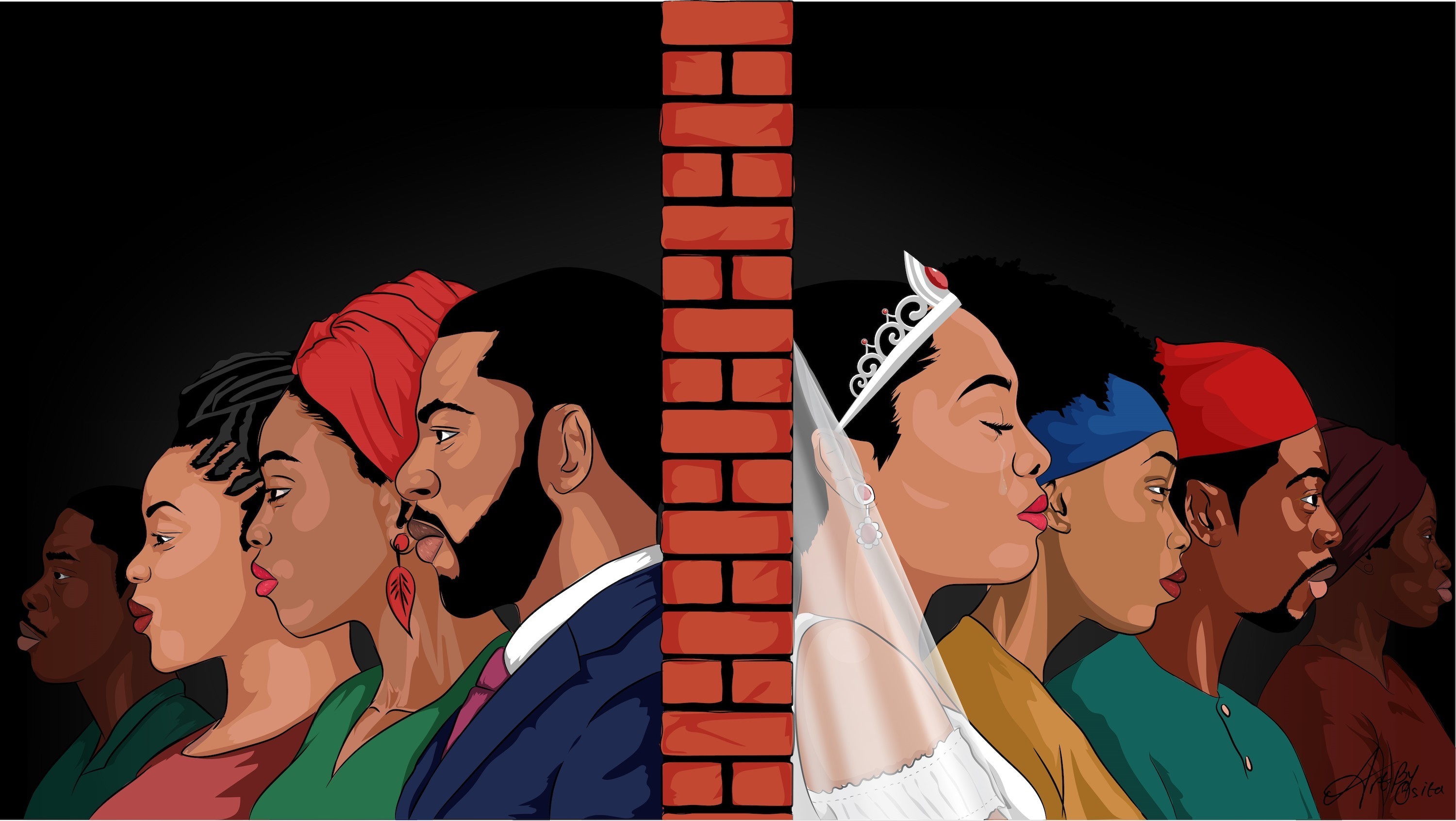
Marriage sits at the heart of family life in Igbo culture, and it is also where the effects of the osu caste system become most visible. Across many communities in southeastern Nigeria, marriage is not treated as a private affair between two individuals alone. It is a union between families, lineages, and histories. Because of this, background checks and family approval often carry significant weight.
Within this process, Osu identity has historically played a sensitive role. In traditional settings, families are expected to investigate the ancestry of a potential partner before marriage. This includes questions about family background, reputation, and lineage history.
If a person is identified as Osu, many families have traditionally rejected the union. This is not usually based on personal character, education, or behaviour. Instead, it is tied to inherited social classification that has been passed down through generations within the framework of Odinani.
For some families, this decision was influenced by long-standing beliefs about spiritual separation and cultural boundaries. Even when individuals personally disagreed, family elders often held the final authority.
One of the most difficult aspects of this issue is the emotional impact it creates. There are many documented and shared experiences where relationships end not because of conflict between partners, but because of family opposition after Osu identity is discovered.
In such cases, couples may face strong pressure to end their relationship. This can lead to emotional distress, broken engagements, and long-standing family disagreements. In some communities, these tensions have persisted, even when both individuals are educated, financially stable, or living in urban areas.
In modern urban centres, attitudes toward Osu identity have changed significantly. Education, migration, interfaith marriages, and exposure to broader worldviews have reduced the influence of the system in many families.
Many younger people now question or reject caste-based restrictions, especially when choosing partners based on compatibility and shared values.
However, the shift is not uniform. In some families, especially where elders play a strong role in decision-making, traditional concerns can still influence marriage outcomes. This creates a dual reality where modern ideas and traditional beliefs exist side by side.
Even today, discussions around Osu and marriage can be sensitive. Some people prefer not to disclose lineage details early in relationships due to fear of rejection. Others openly challenge the relevance of the system in contemporary society.
This ongoing tension shows that the osu caste system is not only a historical structure but also a living cultural issue that continues to inform personal decisions in subtle ways.
While many communities are moving away from caste-based marriage restrictions, the transition is gradual. Although legal frameworks and public advocacy support equality, cultural acceptance takes time to evolve.
Marriage, therefore, remains one of the clearest spaces where the past and present of the osu caste system meet.
Impact of Colonialism and Christianity
The arrival of European colonial rule and Christian missionary activity in southeastern Nigeria marked a major turning point in how the osu caste system was viewed and practiced. Before this period, the system was deeply embedded in traditional Igbo social and spiritual life. However, contact with new political and religious ideas introduced strong challenges to its foundations.
When British colonial administration expanded into Igbo territories, it brought with it Western legal and administrative systems. These systems were based on different principles, especially ideas of formal equality before the law and centralized governance.
Colonial officials often did not fully understand the complexities of local customs, including the osu caste system. However, the broader colonial framework gradually introduced new social categories and reduced the direct authority of traditional institutions in some areas.
Even so, colonial rule did not immediately eliminate the system. Instead, it coexisted with existing cultural structures, and in some cases, local customs continued to operate alongside colonial governance.
Christian missionaries played a more direct role in challenging the osu caste system. Christian teachings emphasized that all human beings are equal before God. This message directly conflicted with the idea that certain individuals were permanently set apart by birth.
Many Osu embraced Christianity early, partly because it offered a space where they were theoretically accepted without the same social restrictions. Churches became places where Osu and Diala could worship together, at least in principle.
However, the reality was not always simple. In some early missionary communities, social attitudes from wider society still influenced behaviour inside the church. There are historical accounts of segregation in seating or hesitation in accepting Osu individuals fully into leadership roles, even within Christian congregations.
Missionary schools and Western education also contributed to changing attitudes over time. Education exposed the younger generations to different worldviews and encouraged questioning of inherited social systems.
As more people converted to Christianity and gained formal education, the strictness of the osu caste system began to weaken in some areas. Interactions between communities also increased, especially in urban areas, thereby reducing the social isolation that once supported the system.
Despite these influences, the osu caste system did not disappear entirely. One key reason is that colonialism and Christianity introduced new ideas but did not fully erase existing cultural identities.
In many communities, traditional beliefs continued alongside Christian practices. Social attitudes, especially around marriage and family lineage, proved more resistant to change than formal religious teachings.
This is why, even today, traces of the system can still be found in certain areas of Igbo society, particularly in private family decisions rather than public declarations.
The interaction between colonial influence, Christianity, and traditional belief systems created a long-standing tension. On one hand, new teachings promoted equality and inclusion. On the other hand, deep cultural memory and inherited beliefs continued to influence behaviour.
This tension helps to explain why the osu caste system remains a topic of discussion rather than a closed chapter in history.
The Osu Caste System in Modern Igbo Society
In today’s Igbo society within southeastern Nigeria, the osu caste system no longer operates with the same strictness it once had. But then, it has not completely disappeared. Instead, it exists in a quieter, more complex form, influenced by education, urban life, religion, and changing social values.
What once was a clearly defined structure of separation has now become a sensitive social topic that people often avoid discussing openly, especially in public settings.
In places like Enugu, Owerri, and Onitsha, the influence of the osu caste system has reduced significantly. Urbanization has brought people from different backgrounds together in schools, workplaces, churches, and social networks.
In these environments, identity is often shaped more by education, profession, and personal character than by lineage. Many young people grow up with little direct exposure to traditional caste distinctions.
However, even in urban areas, the Osu caste system may still surface during marriage discussions, where family background remains important in many households.
Even in modern settings, marriage remains the area where the osu caste system is most likely to appear. While many couples now choose partners independently, family approval is still important in many Igbo communities.
In some cases, when Osu identity is discovered, families may still express concern or resistance. This shows that while public attitudes have changed, private family beliefs can still carry traditional ideas.
At the same time, there is a growing number of families who reject caste-based distinctions entirely. They focus instead on compatibility, values, and shared goals.
Education has played a major role in reshaping attitudes toward the osu caste system. Exposure to civic rights, modern law, and diverse cultures has encouraged many people to question inherited social divisions.
Christian teachings, especially within churches across the region, also continue to promote the idea of equality. Many congregations no longer recognize caste distinctions in worship or membership. These influences have helped to weaken the system, even if they have not fully erased its memory.
Although open discrimination is less common today, subtle forms of the Osu caste system still exist. In some communities, people may avoid openly discussing Osu identity, even when it is known. In other cases, families may discourage certain relationships quietly rather than publicly opposing them.
This quiet nature makes the osu caste system harder to measure but still present in social memory and private decision-making.
There is a clear difference between generations. Older generations, especially in rural areas, still hold stronger views influenced by tradition, whereas, the younger people, especially those exposed to urban life and global ideas, are more likely to reject caste-based distinctions.
This generational gap is one of the reasons the osu caste system continues to exist in discussion, even as its practical influence declines.
The modern reality of the osu caste system is not one of complete disappearance or full enforcement. Instead, it exists in transition. Though it has lost much of its formal structure, traces of its influence remain in cultural memory and certain social decisions. This makes it less of a visible system today and more of a quiet cultural conversation that continues to evolve with time.
Human Rights Perspective and Legal Status
In modern discussions, the osu caste system is not only viewed as a cultural or historical issue, it is also as a matter of human rights. This perspective focuses on how inherited social labels can affect dignity, equality, and access to social acceptance within communities in southeastern Nigeria.
From a human rights standpoint, any system that limits opportunities or social participation based on birth is considered discriminatory. The osu caste system, by assigning identity through ancestry, raises concerns about equality and freedom of association in today’s society.
Nigeria’s constitution guarantees equality for all citizens and prohibits discrimination based on place of origin, sex, religion, or social circumstances. In principle, this legal framework does not support caste-based separation or exclusion.
However, the osu caste system exists mainly as a cultural practice rather than a formally recognized legal structure. This means that while it is not supported by law, it can still influence private social decisions, especially in matters such as marriage and family relations. Because of this, there is often a gap between legal equality and social practice.
The discrimination linked to Osu identity still occur in subtle forms. These include exclusion from marriage, hesitation in social relationships, and in some cases, reluctance to fully integrate individuals into certain community roles.
These practices are generally enforced socially rather than legally, which makes them harder to address through formal legal systems. Individuals affected may not always pursue legal action, as the issue is often treated as a private family or cultural matter.
Over the years, there have been efforts by civil society groups, religious organizations, and community leaders to challenge caste-based discrimination. These efforts focus on promoting equality, reducing stigma, and encouraging acceptance across lineage boundaries.
Public discussions, especially in academic and media spaces, have also helped to bring attention to the human impact of the system. Scholars often describe the osu caste system as incompatible with modern principles of equal rights and social inclusion.
In some parts of Igbo society, local communities have publicly declared the abolition of caste-based discrimination. These declarations are often symbolic but carry social importance. They represent attempts to move away from inherited divisions and encourage unity.
Religious institutions have also played a role by discouraging caste distinctions among members, especially within the Christian congregations.
One of the most important realities is the gap between legal standards and cultural practices. While the law promotes equality, cultural traditions can still influence private decisions and social attitudes.
This is why the osu caste system remains a topic of discussion. It is not enforced by the state, but its effects can still appear in everyday life, especially in sensitive areas like marriage and family acceptance.
Over time, awareness of human rights and increasing education levels continue to influence how people view the system. The younger people are more likely to prioritize individual character over inherited identity.
Still, change is gradual. Cultural beliefs do not disappear quickly, especially when they are tied to long-standing traditions. The human rights perspective continues to encourage reflection, dialogue, and slow transformation rather than sudden change.
Misconceptions About the Osu Caste System
The osu caste system is often discussed but not always well understood. Over time, a mix of oral tradition, hearsay, and modern interpretations has created confusion about what it truly is and how it functions within the Igbo society in southeastern Nigeria. Clearing these misunderstandings is important for a balanced view of history and present-day reality.
One common belief is that the system is uniform everywhere in Igbo land. In reality, the osu caste system varies significantly from one community to another.
Some towns applied strict social boundaries in the past, while others were more flexible. Even today, the level of influence differs, depending on location, family tradition, and exposure to modern education.
Another widespread assumption is that the system has completely disappeared. While it is true that its influence has reduced greatly in many areas, it has not fully vanished.
In some communities, especially in sensitive areas like marriage decisions, traces of the system still appear in private conversations and family choices. This means that it exists less as a formal structure and more as a cultural memory that still affects behavior in certain situations.
Some people wrongly assume that Osu identity is connected to personal actions, morality, or social behaviour. Historically, this is not the case.
Osu status is inherited and tied to lineage, not individual conduct. A person may be educated, successful, or fully integrated into modern society, yet still be identified through ancestral classification under traditional belief systems. This distinction is important because it shows that the Osu caste system is not based on merit or personal choices.
There is also a tendency to assume that the entire Igbo population continues to uphold the osu caste system. This is not accurate. Attitudes vary widely. Many people, especially the younger ones and urban residents, openly reject caste-based distinctions. Others still hold traditional views, particularly in more rural settings or within certain family structures. The reality is a mix of acceptance, rejection, and quiet negotiation between old and new values.
Some believe the osu system is still publicly enforced through formal rules or community institutions. In modern times, this is largely not the case. Where discrimination occurs, it is usually informal and private, especially within families. It is rarely written into community law or publicly declared. This makes it less visible but still socially sensitive.
Understanding the osu caste system requires moving beyond simplified narratives. It is neither a completely active institutional system nor a forgotten relic with no influence at all. Rather, it exists in a complex space between history and modern life, informed by tradition, changing values, and ongoing conversations about identity and equality.
Efforts Toward Abolition and Social Change
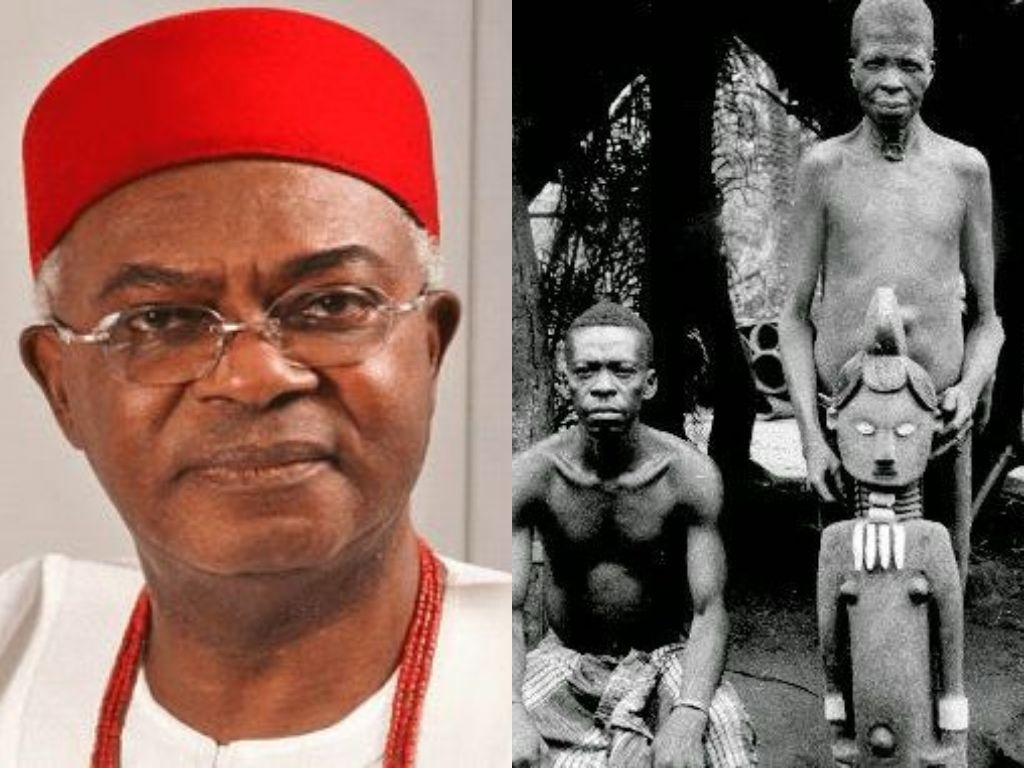
The osu caste system has faced increasing challenges over the years as communities across southeastern Nigeria continue to rethink inherited social divisions. While the system has deep historical roots in Odinani, many individuals, groups, and institutions have worked to reduce or completely eliminate its influence in modern society.
These efforts do not follow a single path. Instead, they appear in community decisions, religious teachings, education, and changing social attitudes.
In several Igbo communities usch as Onitsha and Nnewi, traditional rulers, elders, and town unions have publicly declared the rejection of caste-based discrimination. These declarations often state that Osu identity should no longer affect marriage, leadership, or social participation.
Although these declarations are largely symbolic, they carry strong cultural weight. In Igbo society, community consensus often plays a major role in shaping behaviour, sometimes even more than written law.
Christianity has also played an important role in encouraging change. Many churches across Igbo communities now teach that all people are equal before God, regardless of lineage or ancestral background. Over time, most congregations have moved away from caste-based distinctions in worship and membership. This has helped to reduce barriers that once separated people within religious spaces.
However, change within religious settings does not always immediately translate into family or marriage decisions where traditional influence can still appear.
Education has been one of the strongest forces driving change. Schools, universities, and exposure to wider national and global cultures have helped many people to question inherited social classifications.
Students who learn about civic rights and social equality are more likely to challenge systems that divide people based on ancestry. As literacy and education levels increase, especially among the younger people, acceptance of caste distinctions continues to decline.
One of the clearest signs of social change is the gradual increase in intermarriage between families that would have previously been separated by caste identity. While resistance still exists in some families, many couples now prioritize personal compatibility, shared values, and mutual understanding over lineage classifications. These marriages, though sometimes controversial, are helping to reduce long-standing barriers.
Young people are playing a major role in reshaping attitudes toward the osu caste system. Many question why ancestral labels should affect present-day relationships and opportunities. Through social media, public conversations, and personal choices, the younger generations are gradually redefining what identity means. For many, character and behaviour matter more than inherited status.
Despite these positive changes, the process of abolition is gradual. Cultural beliefs that have existed for generations do not disappear quickly. In some communities, older perspectives still influence private decisions, especially within families. This creates a situation where progress and tradition exist side by side. Some communities have largely moved beyond caste-based thinking, while others are still in transition.
Overall, efforts to address the osu caste system reflect a broader movement toward social inclusion and equality. Whether through formal declarations, education, religious influence, or generational change, there is a clear direction toward reducing inherited divisions.
The journey may not be uniform, but it is ongoing, influenced by conversations about identity, fairness, and the future of Igbo society.
Why the Osu Caste System is Still A Thing Today
Even though many aspects of the osu caste system have weakened over time, it still remains an important topic in discussions about culture, identity, and social life in southeastern Nigeria. It is not just a historical subject. It continues to appear in real conversations, especially in families and communities where lineage and tradition still carry weight.
Understanding why it is still a thing today requires looking beyond the past and paying attention to how culture, memory, and modern life interact.
One of the clearest reasons the osu caste system remains relevant is its continued connection to marriage in some families. Even in modern settings where education and urban life have changed many attitudes, some families still consider lineage before approving relationships. This means that for some individuals, Osu identity is not just history. It still affects personal choices, family acceptance, and long-term relationships.
The osu caste system sits at the intersection of tradition and modern thinking. On one side is inherited cultural belief. On the other is a growing emphasis on equality, personal freedom, and human rights.
Although this tension is not unique to Igbo society, the osu caste system is one of its clearest examples. It shows how societies can struggle to balance respect for tradition with changing ideas about fairness and inclusion.
Identity is a central part of human life, and the osu caste system continues to influence how some people think about belonging. Even when the system is not openly practiced, its memory can affect how people introduce themselves, form relationships, or interpret family history.
In some cases, people may choose not to disclose certain lineage details early in relationships due to fear of rejection. This quiet sensitivity shows that the topic is still emotionally and socially significant.
The osu caste system is also important because it helps to explain how traditional Igbo society was organized before colonial influence and modernization. It provides context for understanding historical relationships, religious practices, and community structure within Odinani. Without this context, many present-day attitudes and debates may seem confusing or disconnected from their roots.
From a modern perspective, the osu caste system continues to raise questions about equality and social inclusion. It challenges communities to think about how inherited status should or should not influence opportunities and relationships. These discussions are not only academic. They affect real people and real decisions, especially in areas where traditional beliefs still influence private life.
Perhaps the most important reason it still matters is that it has not completely disappeared. In some communities, it has faded significantly. In others, it remains a quiet but present influence. This uneven change means the osu caste system is still part of an ongoing social transition rather than a closed chapter in history.
Ultimately, the osu caste system remains relevant because it sits within a broader conversation about how societies evolve. It touches on history, belief, identity, and human relationships. As attitudes continue to shift, its importance today lies not only in what it was but in how people are choosing to respond to it now.
In Conclusion …
The osu caste system remains one of the most discussed and sensitive parts of Igbo social history. What began within the framework of Odinani as a spiritual separation gradually developed into a long-standing social classification that influenced identity, relationships, and community belonging in southeastern Nigeria.
Over time, its influence has shifted. In many urban spaces and among younger people, the system has lost much of its formal strength. Education, Christianity, modern law, and increased social interaction have all contributed to this change. Yet, in some communities and private family decisions, traces of its thinking still appear, especially in marriage considerations and lineage awareness.
This reality makes the osu caste system neither fully active nor completely gone. It exists in a transitional space where history and modern values continue to meet and sometimes clash.
Understanding the system today requires more than judgment. It requires context. It requires listening to history while also recognizing the lived experiences of people affected by it. At the same time, it also calls for honest reflection on how inherited beliefs should fit within a modern society that increasingly values equality and inclusion.
In the end, the conversation around the osu caste system is not only about the past. It is about how communities choose to move forward, how identity is defined, and how tradition can evolve without losing humanity in the process.
References
- https://www.tandfonline.com/doi/full/10.1080/14725843.2011.614412
- https://en.wikipedia.org/wiki/Osu_caste_system
- https://rsisinternational.org/journals/ijrsi/articles/osu-caste-system-in-igbo-land-and-its-contemporary-implications-uratta-community/
- https://www.researchgate.net/publication/379413632_Understanding_the_socio_cultural_perspectives_of_Osu_Caste_system_in_Umuosu_community_of_Isiala-Ngwa_north_local_government_area_of_Abia_State_Nigeria
- https://www.researchgate.net/publication/367862378_Osu_caste_system_and_human_rights_in_Igboland_1900-2017
- https://journals.sagepub.com/doi/10.1177/2455328X19859181
- https://nigerianleaders.com/facts-about-the-osu-caste-system-meaning-history-and-impact-in-igbo-society-nigeria/
You might want to check this out …