






Igbo Culture & Heritage
The Remarkable Symbolism of Cowry Shells in Igbo Traditions

Cowry shells, known as Ego Ayoro in Igbo tradition represent a fascinating world of wealth, spirituality, fertility, and ancestral connection. Discover their history, symbolism, and enduring place in Igbo culture.
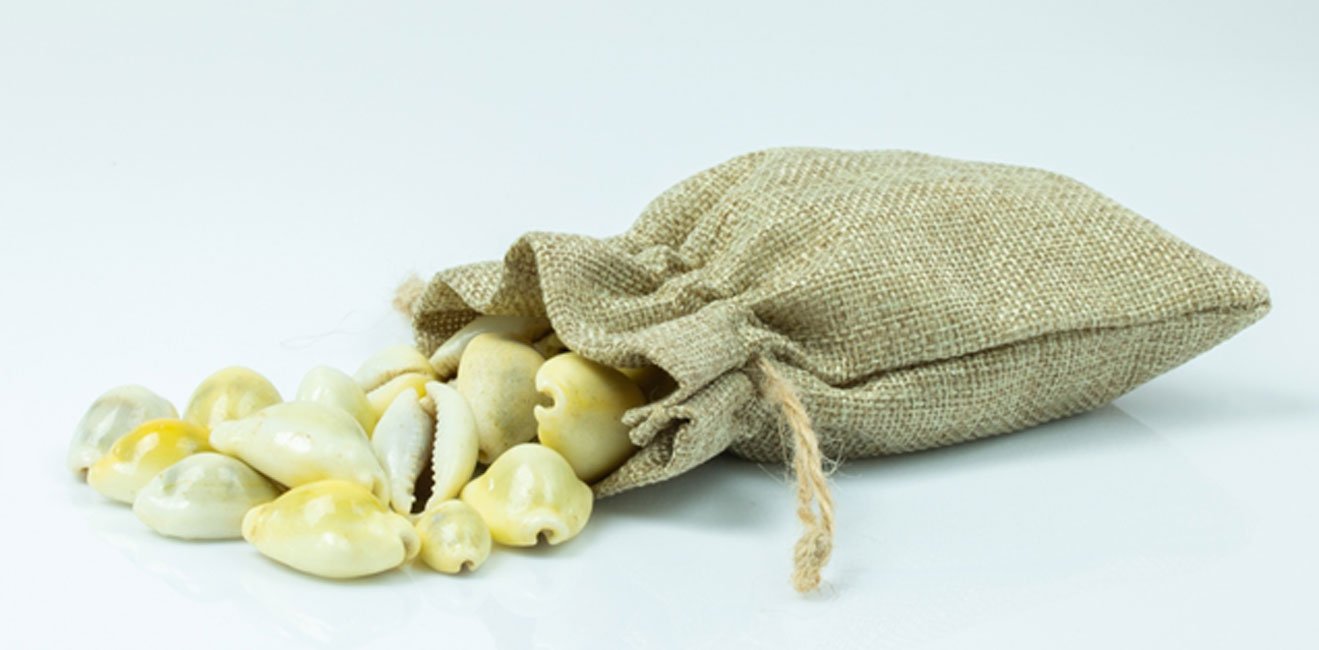
Cowry shells may appear small and insignificant, but in Igbo culture, they carry enormous meaning. Long before modern money, these beautiful sea shells were used for trade across West Africa. Among the Igbo, however, their value went far beyond buying and selling. They became symbols of wealth, fertility, protection, and spiritual power.
That is why cowry shells remain so important in Igbo tradition. They were worn by kings and brides, used by diviners, and placed in shrines during sacred ceremonies. A handful of cowries could represent prosperity. A string of them could speak of status, blessings, and a deep connection to the ancestors.
Even today, they still hold a special place in Igbo life. They appear in traditional weddings, festivals, jewelry, and works of art. For many people, they are more than ornaments. They are living reminders of heritage, identity, and the wisdom of past generations.
To understand cowries in Igbo society means grasping an important part of Igbo culture itself. These small shells tell a powerful story about history, belief, and the enduring bond between the physical world and the spiritual realm.
Historical Origins of Cowry Shells in Igbo Society
Cowry shells did not originate in Igbo land or even in West Africa. They are marine shells that come mainly from the Indian Ocean region, especially around the Maldives. Their journey into Igbo society is tied to centuries of long-distance trade that connected Africa, Asia, and the Mediterranean world.
Before they reached the Igbo, cowries were already moving through established trade routes across the Sahara. Arab and North African traders helped to circulate them into West Africa between about the 11th and 14th centuries. Over time, they became more common, especially as trade networks expanded and demand grew across different African societies.
By the time cowry shells reached Igbo communities, they were already seen as rare and valuable. Their foreign origin added to their appeal. They were small, durable, and easy to carry, which made them useful in local markets. But more than that, they quickly gained trust as a reliable medium of exchange.
In Igbo society, cowry shells were adopted into existing systems of trade and exchange. Farmers, traders, and artisans used them to buy and sell goods in local markets. Over time, they became widely accepted as a form of currency before the introduction of colonial money systems.
But the Igbo understanding of cowries went beyond economics. Their arrival did not just introduce a new trading tool. It introduced an object that would later take on cultural, spiritual, and symbolic meaning. What started as a trade item gradually became part of identity, belief, and tradition.
This early history helps to explain why cowry shells carry so much weight today in Igbo worldview. They are not just relics of old markets. They are reminders of ancient connections between peoples, trade routes, and evolving cultural meaning.
Cowry Shells as Currency in Traditional Igbo Economy
In traditional Igbo society, cowries were more than decorative shells. They functioned as one of the most trusted forms of money before colonial currency systems were introduced. Their use shaped everyday trade, social exchange, and even how people understood value itself.
Cowry shells were accepted across markets for buying and selling food, livestock, tools, cloth, and craft goods. Farmers could exchange yams or palm produce for cowries. Traders used them to purchase goods from other communities. Artisans also received payment in cowries for their work. Over time, they became a stable medium of exchange in many parts of Igbo land.
What made these sea shells especially useful was their practicality. They were durable, easy to carry, and could be counted in strings or bundles. This made transactions more organized in busy local markets where goods changed hands quickly. People could measure value with relative consistency, even without written records.
Wealth was also commonly assessed in cowry shells. Families stored them carefully and sometimes passed them down through generations. A person with large quantities of cowries was seen as financially secure. This created a clear link between the shells and social status in many communities.
Cowry shells also played a role in agreements and social obligations. They were used in bride price payments, fines, and communal exchanges. In this sense, they were not only economic tools but also part of how relationships and responsibilities were managed within the Igbo society.
Even though colonial administrations later introduced coins and paper money, the memory of cowries as currency did not disappear. It remains part of cultural history and continues to shape how they are understood today within Igbo cosmology and tradition.
Symbolic Meaning of Cowry Shells in Igbo Cosmology
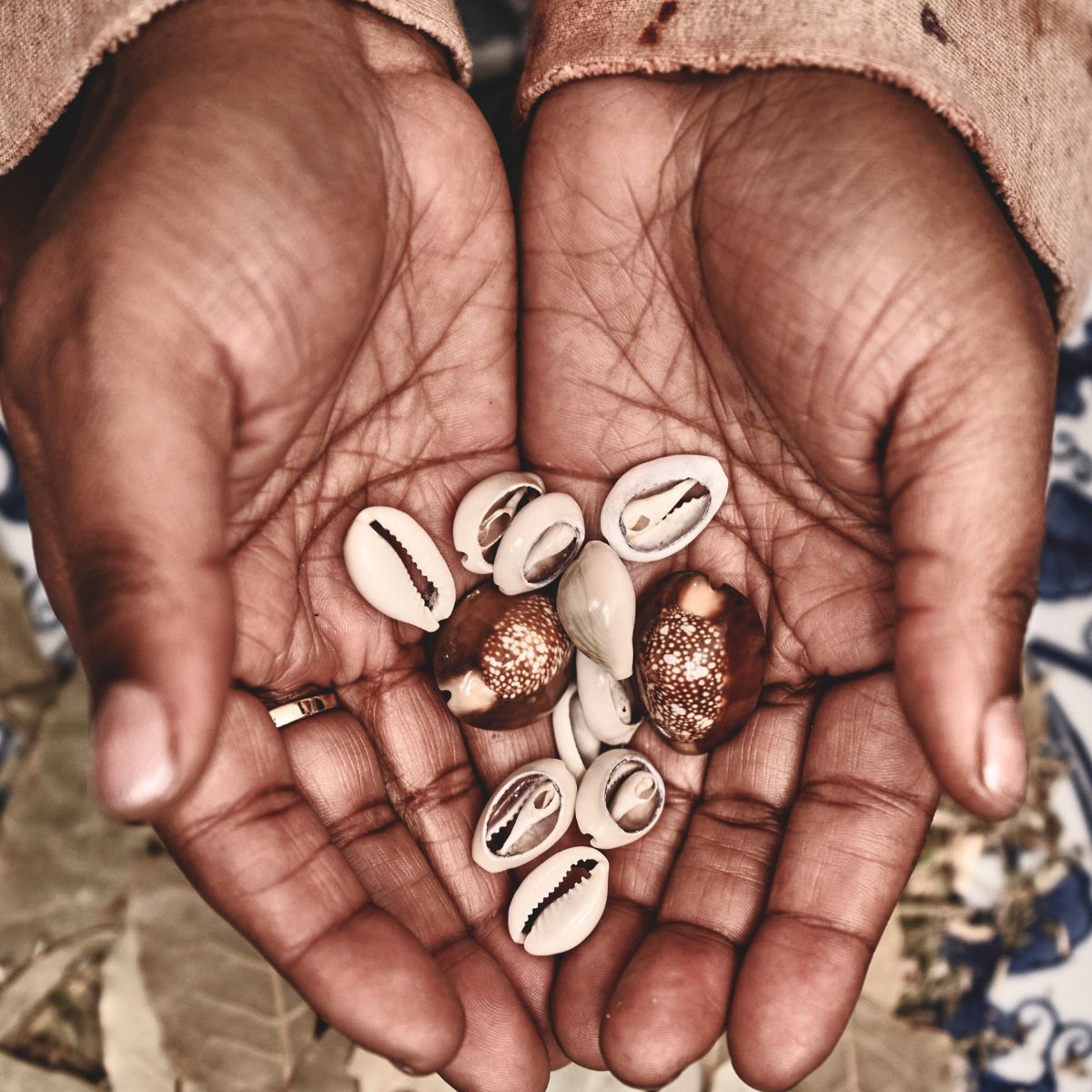
In Igbo cosmology, cowries are never just ordinary objects. They carry layers of meaning that go beyond their use as money or decoration. Over time, they became part of how the Igbo people express ideas about life, spirituality, identity, and the unseen world.
One of the strongest meanings attached to cowry shells is wealth. Because they were once used as currency, they naturally came to represent prosperity. In many Igbo communities, having them was a clear sign of financial stability. But beyond material wealth, they also point to abundance in a broader sense, including blessings, opportunities, and well-being.
Cowry shells are also closely linked to fertility and continuity of life. Their association with womanhood is deeply rooted in cultural understanding. In traditional thought, they are often connected to childbirth, motherhood, and the strength of women in sustaining family lines. This is why cowries often appear in bridal adornments and ceremonies connected to marriage and family life.
In Igbo cosmology, the world is not limited to what is seen. There is a strong belief in the interaction between the physical world and the spiritual realm. Cowry shells are often seen as objects that carry spiritual weight. They are used in rituals and sacred spaces as signs of purity, blessing, and connection to higher forces.
Many people also associate cowries with protection. They are sometimes used in charms or worn as part of traditional attire believed to guard against harm or negative influence. In this sense, cowries are seen as quiet protectors that offer safety in both physical and spiritual journeys.
Another important layer of meaning is their link to ancestors. In Igbo belief, the ancestors remain active members of the family and community. Cowry shells used in rituals or ceremonies can serve as a bridge between the living and those who have passed on. They become part of communication with ancestral spirits and a reminder of continuity between generations.
Cowries also carry social meaning. When used in regalia or worn by titled individuals, they signal respect, authority, and cultural standing. Chiefs, elders, and traditional leaders often incorporate them into their attire to express dignity and responsibility.
‘What makes cowry shells especially powerful is their ability to move across different areas of life. They are found in markets, homes, shrines, weddings, and ceremonies. In each setting, they carry meaning, sometimes economic, sometimes spiritual, and often both at the same time.
In essence, cowries are a visual language in Igbo culture. They speak of wealth, life, protection, ancestry, and identity without saying a word.
Cowry Shells in Igbo Spirituality and Traditional Religion
In Igbo spirituality, cowry shells hold a respected place because they are not treated as ordinary objects. They are seen as items that can carry meaning between the physical world and the spiritual realm. This belief is rooted in the Igbo understanding that life is shared with unseen forces, ancestors, and deities who remain active in human affairs.
Cowries are commonly used in shrines and sacred spaces. They may be placed on altars, ritual objects, or offerings presented to deities and ancestral spirits. Their presence signals respect and intention. In many cases, they are included during prayers, blessings, and purification rituals. This use is deeply spiritual and symbolic.
In traditional belief, communication with the spiritual world is not only through words. Objects can also carry messages. Cowry shells are often included in ritual settings as part of this communication process. They are believed to help open channels between humans and spiritual forces, especially during consultation or divination practices.
Cowries are widely used in Igbo divination systems, especially in practices associated with Igba Afa. In these settings, trained diviners interpret patterns formed by cowries to understand questions related to health, destiny, relationships, or community issues. The interpretation is guided by long-standing traditional knowledge passed down through generations. This practice is structured, symbolic, and deeply rooted in Igbo cosmological understanding of order and meaning in the universe.
The shells are also used in protective spiritual practices. They may be included in charms, worn on the body, or attached to objects believed to guard against negative influence. In this context, they are seen as carriers of positive energy and spiritual stability.
Igbo spirituality places strong emphasis on the ancestors and deities as active participants in life. Cowries often appear in rituals that honour these beings. They may be offered during ceremonies of remembrance, thanksgiving, or seeking guidance. Their presence signals respect and recognition of the spiritual order.
Even with the influence of modern religion and changing cultural practices, cowries still appear in many traditional spiritual settings today. They remain part of rituals, ceremonies, and cultural expressions that preserve Igbo identity and belief systems.
Overall, cowry shells in Igbo spirituality and traditional religion continue to serve as quiet but powerful symbols of connection, respect, and continuity between the seen and unseen worlds.
Cowries in Igbo Divination and Sacred Consultation
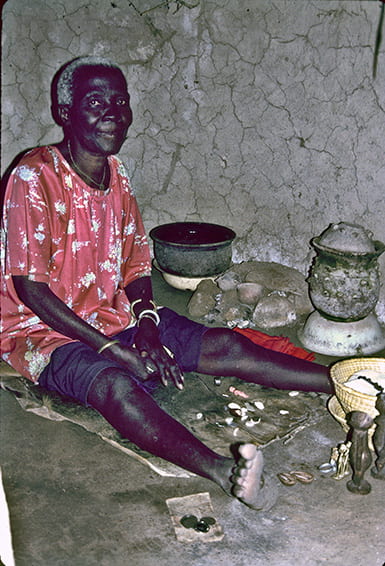
In Igbo cosmology, cowry shells play an important role in divination and sacred consultation where they are used as tools for seeking guidance beyond the physical world. These practices are rooted in the belief that human life is closely connected to spiritual forces, ancestors, and deities who can influence events and offer direction when properly consulted. Cowries become part of this process as physical objects through which spiritual messages are interpreted.
In traditional Igbo society, diviners use cowries during Igba Afa, a system of divination that helps individuals and communities to understand hidden causes of problems or uncertain situations. During consultation, cowries are cast or arranged in specific ways, and the resulting patterns are carefully read. Each arrangement is understood within a framework of inherited knowledge, symbols, and spiritual interpretation passed down through generations.
People seek this form of consultation for many reasons. It may involve questions about illness, marriage, business decisions, family conflicts, or personal destiny. The diviner does not treat the cowry shells as random objects. Instead, they are seen as instruments that help to reveal meaning from the spiritual realm. The interpretation is guided by tradition, experience, and spiritual insight rather than guesswork.
Cowry shells in this context serve as a bridge between the visible and invisible worlds. They are believed to help open communication channels between humans and spiritual forces. The process is often accompanied by prayers, chants, and rituals that create a sacred atmosphere for receiving guidance.
Over time, this practice has remained an important part of Igbo cultural and spiritual life, even as modern influences have changed many other aspects of society. For many people, cowrie divination continues to represent a trusted way of seeking clarity, direction, and understanding in moments of uncertainty.
Cowry Shells in Igbo Royalty and Leadership
In Igbo society, cowries have long been associated with authority, dignity, and traditional leadership. They are not only economic or spiritual symbols, they are also markers of status within community life. When used in royal and leadership contexts, they communicate respect, responsibility, and connection to cultural heritage.
Traditional rulers, titled men, and community leaders often incorporate cowries into their regalia. These may appear on caps, necklaces, walking staffs, garments, or ceremonial objects. Their presence is intentional. It signals that the wearer holds a position of trust and carries the weight of communal leadership.
Cowry shells also appear in important ceremonial settings where leadership roles are recognized or celebrated. During cultural festivals, installation of chiefs, or community gatherings, cowrie-adorned attire helps to distinguish leaders from others. This visual identity reinforces their role within the social structure of the community.
Beyond appearance, cowries in leadership contexts also carry deeper meaning. They are linked to wisdom, accountability, and ancestral approval. In traditional belief, leadership is a human responsibility and one that is observed by the ancestors and spiritual forces. Cowry shells, in this sense, serve as subtle reminders of that responsibility.
They are also used in royal artifacts and traditional objects of authority. These items may include stools, staffs, and decorative pieces that symbolize the continuity of leadership across generations. Their presence connects present leaders to past rulers and the legacy they represent.
Even today, cowries continue to appear in modern expressions of Igbo traditional leadership. They remain a visible and respected symbol of cultural authority that remind communities of their history, values, and systems of governance rooted in tradition.
Cowries in Igbo Art, Fashion, and Material Culture

Cowries have always played a visible role in Igbo art and material culture. Their use goes beyond function or decoration. They are carefully integrated into creative expression, where they carry meaning about identity, heritage, and social values. Across different periods, cowries have remained a constant feature in how Igbo people express beauty and cultural pride.
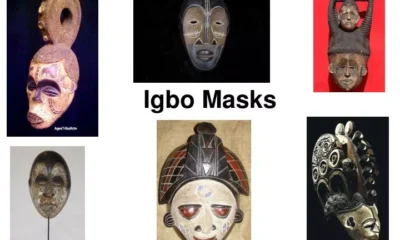
In traditional art, cowry shells are often used to decorate masks, carvings, and ceremonial objects. These items are not created only for visual appeal. They are also designed for cultural and spiritual expression. When they are added to such works, they elevate the piece and give it deeper cultural significance. Masquerade costumes, for example, frequently feature cowries arranged in patterns that highlight both beauty and tradition during festivals and ceremonies.
In fashion, the shells have long been used in clothing, hair and personal adornment. They appear in necklaces, bracelets, belts, headpieces, and waist beads. These items are worn during weddings, cultural festivals, and special gatherings. The presence of cowry shells in clothing often communicates pride in heritage and respect for tradition. It also adds a sense of elegance tied to cultural identity.
Material culture in Igbo society also includes everyday and ceremonial objects made with cowries. These may include woven items, ritual tools, and decorative household pieces. In many cases, the shells are carefully attached to items by hand in a way that shows skilled craftsmanship passed down through generations.
Today, cowry shells continue to inspire modern Nigerian fashion designers and artists. They are used in contemporary jewelry, runway designs, and creative artworks that blend tradition with modern style. This ongoing use shows that cowries remain relevant, not as relics of the past but as living elements of cultural expression.
Through art, fashion, and material culture, cowry shells in Igbo society continue to connect creativity with history. They serve as quiet but powerful symbols of identity that link present-day expression with long-standing cultural memory.
Cowries in Marriage, Fertility, and Womanhood
In Igbo culture, cowries hold a special place in ideas about marriage, fertility, and womanhood. Their use in these areas goes beyond decoration. They carry meanings tied to family life, continuity, and the important role of women in sustaining the community.
During traditional marriage ceremonies, they often appear in different forms of adornment. Brides may wear them on clothing, jewelry, or waist beads. In some cases, they are included in gifts exchanged between families. These items are not chosen randomly. They are included because they represent wishes for a fruitful union, financial stability, and a peaceful home.
Cowry shells are also closely linked to fertility. In many Igbo communities, fertility is understood not only as the ability to bear children but also as the continuation of family lineage and growth of the household. Cowries, because of their association with abundance and life, are often used in rituals and blessings connected to childbirth and motherhood.
Womanhood itself is deeply connected to the symbolism of cowries. They are often seen as expressions of beauty, strength, and dignity. Waist beads and other traditional ornaments made with cowries highlight these qualities while also marking important stages in a woman’s life, such as coming of age, marriage, and motherhood.
In cultural thought, women are central to the stability and continuity of family life. Cowry shells used in this context acknowledge that role. They celebrate not only physical beauty but also the deeper responsibilities and contributions of women within the home and society.
Even in modern times, cowries remain present in wedding fashion and cultural ceremonies. They continue to serve as quiet reminders of heritage, blessing, and the enduring respect for womanhood in Igbo tradition.
Cowries in Healing and Protective Practices
In Igbo traditional life, cowries are also connected to healing and protection. Their use in this context is rooted in the belief that health is not only physical but also spiritual. Illness, misfortune, or repeated challenges are sometimes understood as having both natural and spiritual causes. Cowries become part of practices that seek balance, safety, and restoration.
Traditional healers, known as Dibia, often include cowries in their work. These may appear in healing objects, medicine bundles, or ritual items prepared for clients. In some cases, cowries are placed in containers with herbs and other materials believed to carry restorative power. Their presence is considered meaningful and intentional within the healing process.
Cowry shells are also used in protective practices. They may be attached to clothing, worn as ornaments, or placed in homes and personal spaces. In these settings, they are believed to help guard against harmful influences and negative energy. Many people see them as symbols of safety that support both physical well-being and spiritual stability.
In certain situations, cowries are included in cleansing rituals. These practices are carried out to remove perceived spiritual disturbance or restore harmony in a person’s life. The cowries used in such rituals are not treated as ordinary objects. They are seen as part of a sacred process guided by traditional knowledge.
Even with the influence of modern medicine and changing religious beliefs, cowries continue to appear in cultural and healing traditions in many communities. Their use today is often more symbolic, but they still carry strong cultural meaning tied to protection, balance, and care for overall well-being.
Cowry Shells in Contemporary Igbo Society
In modern Igbo society, cowries have not disappeared. They have simply changed roles. While they no longer function as currency, they remain visible in cultural life, fashion, spirituality, and identity. Their meaning has shifted from everyday economic use to stronger symbolic and cultural expression.
Today, theys are commonly seen in weddings, festivals, naming ceremonies, and cultural celebrations. They appear in bridal jewelry, traditional outfits, stage performances, and decorative art. For many people, wearing or displaying cowries is a way of honouring heritage and staying connected to ancestral roots.
In fashion, cowries have gained new popularity. Designers use them in necklaces, handbags, headpieces, and modern clothing styles. These designs blend traditional meaning with contemporary aesthetics. What was once strictly cultural attire is now also part of creative expression in modern Nigerian fashion.
Cowry shells are also present in cultural revival movements. As interest in indigenous identity grows, especially among the younger generations, cowries are being reintroduced as symbols of pride and belonging. They help to communicate a sense of history without needing words.
In spiritual and traditional settings, cowries still appear in rituals and consultations, although practices may vary across communities. Some families continue to use them in ceremonies that honour the ancestors or mark important life events.
At the same time, there are challenges. Urbanization, globalization, and changing religious practices have reduced everyday knowledge of cowrie symbolism in some areas. Many young people recognize cowries visually but may not fully understand their deeper cultural meanings.
Despite these changes, cowries remain relevant. They continue to serve as cultural markers that connect the past and the present. In contemporary Igbo life, they stand as quiet reminders of identity, heritage, and the enduring value of tradition in a fast-changing world.
Preserving the Legacy of Cowries in Igbo Culture
The cultural value of cowries in Igbo society has not faded. However, it now needs intentional preservation. As lifestyles change and modern influences grow stronger, many traditional symbols risk losing their deeper meaning. Cowry shells are one of those symbols that require careful attention to keep their history and significance alive.
Preserving their legacy begins with education within families and communities. Elders play an important role in explaining what cowries meant in the past and how they were used in trade, rituals, ceremonies, and daily life. When the younger ones learn these stories early, the meaning of cowries becomes more than decoration. It becomes knowledge rooted in identity.
Schools and cultural institutions also have a role to play. Including Igbo cultural studies in education helps students to understand traditional symbols like cowries in a structured way. This kind of learning ensures that cultural knowledge is not only passed informally but also documented and taught.
Cultural festivals and community events also help to preserve this heritage. When cowry shells are used in performances, attire, and displays, they become visible reminders of history. These public expressions allow people to see and appreciate their cultural importance in real time.
Another important aspect of preservation is documentation. Books, research, and digital content help to record the meanings, uses, and history of cowries in Igbo cosmology. This ensures that even if practices change over time, the knowledge is not lost.
Modern creative spaces also contribute to preservation. Fashion designers, artists, and storytellers who incorporate cowries into their work help to keep the symbol alive in contemporary culture. By blending tradition with modern expression, they make these sea shells relevant to new generations.
Ultimately, preserving cowry shells in Igbo culture is about more than keeping an object in use. It is about protecting the knowledge, values, and stories attached to it. When this is done well, cowries continue to serve as a living link between the past and the present.
Why Cowry Shells Are Still Significant
Cowries still matter in Igbo culture because they are not just historical objects. They are living symbols that carry memory, identity, and meaning across generations. Even though they are no longer used as money, their presence continues to speak to deeper aspects of Igbo life and thought.
One reason they remain important is their connection to history. They remind people of a time trade, economy, and daily life were shaped differently. They tell the story of how communities exchanged goods, built relationships, and measured value long before modern currency systems existed.
Cowry shells also matter because of their cultural meaning. They represent ideas that are still relevant today such as prosperity, family life, protection, and respect for tradition. These meanings continue to appear in weddings, festivals, fashion, and cultural ceremonies.
Another reason is their link to identity. For many Igbo people, cowries are a visible connection to heritage. Wearing or using them can express pride in where one comes from. They help to keep cultural memory alive, especially in a world where traditions are constantly changing.
Cowries also matter because they connect the physical and spiritual dimensions of Igbo belief. Even in modern settings, they are still associated with rituals, ancestral respect, and traditional practices in some communities. This spiritual association gives them a depth that goes beyond appearance.
Finally, cowry shells continue to be significant because they adapt. They appear in modern art, fashion, and design, while still holding their traditional meanings. This ability to remain relevant in both old and new contexts makes them a rare cultural symbol.
Ultimately, cowries in Igbo cosmology and culture matter because they carry continuity. They link the past and the present, tradition and modern life, memory and identity in a simple but powerful way.
Conclusion …
Cowry shells hold a unique place in Igbo cosmology and culture. They are small objects, yet they carry deep meaning that stretches across history, spirituality, and everyday life. From their early use as currency to their role in rituals, marriage, divination, and leadership, they have remained closely tied to how the Igbo people understand value and identity.
What makes cowries in Igbo cosmology so significant is not only what they were used for, but what they represent. They speak of wealth and abundance, but also of fertility, protection, ancestry, and spiritual connection. They appear in markets and homes, in shrines and ceremonies, and in both traditional and modern expressions of culture.
Even as society changes, cowries continue to find relevance. They remain present in fashion, art, cultural celebrations, and spiritual practices. More importantly, they continue to remind people of a shared heritage that connects generations.
In many ways, cowry shells are more than cultural symbols. They are carriers of memory. They hold stories of the past and keep them visible in the present. Their meaning endures because they are woven into the larger story of Igbo life, belief, and identity. As long as these stories are told and preserved, cowries will continue to matter.
References
- Falola, T., & Lawuyi, O. B. (1990). Not just a currency: The cowrie in Nigerian culture. Smithsonian Institution. https://www.si.edu/object/siris_sil_548707
- Magnavita, S., Haour, A., & Wood, M. (2021). Stringing together cowrie shells in the African archaeological record. Journal of Archaeological Method and Theory. https://link.springer.com/article/10.1007/s10816-021-09539-1
- Moffett, A. J., et al. (2023). Global connections and connected communities in the African past: Cowrie shells and exchange networks. African Archaeological Review. https://link.springer.com/article/10.1007/s10437-023-09546-5
- Ajayi, N. O., & Adekoya, E. O. (2022). Cowrie shells in cultural and ritual practices. ShodhKosh Journal of Visual and Performing Arts. https://doi.org/10.29121/shodhkosh.v3.i2.2022.158
- Encyclopaedia Britannica. (n.d.). Cowrie shell divination. https://www.britannica.com/topic/cowrie-shell-divination
- Smithsonian National Museum of African Art. (n.d.). Cowrie shells in African culture and trade. https://africa.si.edu/exhibits/cowrie-shells/
You might want to check this out …