African Culture & Heritage
Umuahia: History, Culture, and Hidden Gems You Didn’t Know About

Umuahia is the capital of Abia State in southeastern Nigeria with a rich history, a key role in the civil war, vibrant culture, lively markets, and unique places to explore in every corner of the city. Explore this historic town.

Umuahia is a city that quietly holds stories of the past while it bustles with the life of the present. As the capital of Abia State in southeastern Nigeria, it is more than a dot on the map. Here, history, culture, and community meet in ways that make the city unique. From its early days as a key market centre to its role as the Biafran capital during the Nigerian Civil War, Umuahia has shaped and been shaped by the people who call it home.
Walking through its streets, you will feel the rhythm of daily life in the vibrant markets, hear echoes of history in old colonial buildings, and see culture come alive in festivals and traditions that have lasted generations. Umuahia is a place where every corner has a story, and every story is a thread in the rich tapestry of Igbo life.
In this article, we explore the many sides of this historic city. We will take you through its history, uncover hidden gems, highlight notable people, and show why it continues to matter today.
Whether you are a visitor, a student of history, or simply curious, this offers a journey into a city that is alive, memorable, and deeply human.
Location of Umuahia
Umuahia sits comfortably in the heart of southeastern Nigeria as the capital of Abia State. It is strategically located along the highway and railway that connect Port Harcourt in the south to Enugu in the north, thus making it both a transportation hub and a centre for commerce. Travellers passing through often notice the bustling markets, the orderly streets, and the calm rhythm of daily life that balances tradition with modernity.
Its name Umuahia reflects its origins as a gathering point for traders and communities. Historians and local traditions suggest that the word evolved from Igbo expressions meaning a central marketplace or a place where people come together to trade goods and share stories. Long before it became an administrative capital, it was already forming the lives and livelihoods of the people in its surrounding towns.
Even today, the name carries meaning beyond geography. It represents connection, community, and commerce, a place where people meet, exchange ideas, and create shared experiences.
Walking through Umuahia, you feel this history and purpose in the very air. The city is a reminder that places are more than coordinates on a map. They are living spaces shaped by people, memory, and culture.
A Glimpse into the History of Umuahia
Umuahia’s story began long before it became the capital of Abia State. Originally, the area was a meeting point for traders and farmers from nearby towns and villages. People would gather here to exchange yams, cassava, palm oil, spices, and crafted goods. These early markets were spaces where stories were shared, traditions were passed down, and communities were built, aside buying and selling. It is this foundation of commerce and connection that helped Umuahia to grow into a recognized town.
When the British colonial authorities arrived in the early 20th century, they saw the potential of the city as an administrative hub. The construction of the railway connecting Port Harcourt to Enugu made Umuahia an important link in regional trade networks. Palm oil, cocoa, and other crops could now reach larger markets more efficiently, and draw more settlers, traders, and officials to the town. Colonial offices, schools, and infrastructure gradually transformed the city into a modern administrative centre while still preserving its identity as a market town.
The history of Umuahia took a dramatic turn during the Nigerian Civil War from 1967 to 1970. After Enugu fell to the federal forces, Umuahia became the new capital of the secessionist Republic of Biafra on September 28, 1967. The city was thrust into the heart of the conflict, and hosted government offices, military command centres, and administrative operations.
Key battles, including efforts by the federal forces to capture the city, left an indelible mark on its landscape and memory. Despite the turmoil, life continued in small ways. As families found ways to adapt, markets still operated, and the community endured.
After the war, Umuahia slowly rebuilt itself. The memories of resilience and survival became part of its identity. Today, visitors can still sense this layered history in its streets, markets, and historic sites. Walking through Umuahia is like tracing the path of a city that has seen trade, conflict, and renewal, all while maintaining its role as a central hub in southeastern Nigeria.
Cultural Heritage and Traditions
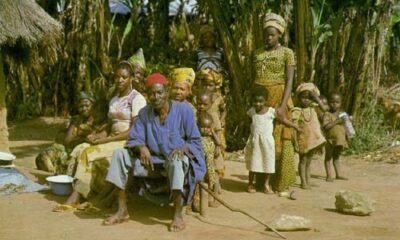
Umuahia is both a city of history and a city of living culture. The people here are primarily Igbo, one of Nigeria’s largest ethnic groups, and their traditions have influenced the rhythm of everyday life for generations. In Umuahia, culture is not confined to museums or festivals, it is in the markets, the streets, the music, and the food.
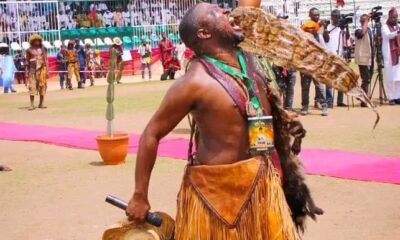
One of the most vibrant expressions of local culture is the New Yam Festival, an annual celebration that marks the harvest season. During this festival, communities come together to give thanks for a bountiful harvest. The air fills with the sound of drums and singing while dancers in colourful attire perform traditional routines passed down through generations. Families share meals, friends exchange greetings, and children watch as stories of the past are retold in lively performances.
Markets are another cornerstone of Umuahia’s cultural life. Beyond commerce, markets are social hubs where elders share wisdom, traders exchange news, and young people learn the art of negotiation and community interaction. These spaces preserve oral traditions and reflect the city’s emphasis on connection and shared experience.
Storytelling itself remains a vital part of cultural life in Umuahia. Folktales, proverbs, and local songs are common in homes and public gatherings. Through these stories, lessons about patience, respect, courage, and community are passed to the younger generations.
Even everyday activities carry cultural meaning. Traditional crafts, local cuisine, and social ceremonies are woven seamlessly into the life of the city. From the aroma of freshly prepared cassava dishes to the rhythms of local music in village squares, the culture is visible, audible, and tangible.
In Umuahia, tradition and modern life coexist. While contemporary schools, businesses, and infrastructure flourish, the city’s customs remain strong and give it a character that is uniquely human and deeply connected to its roots.
Landmarks and Hidden Gems

Umuahia is a city full of surprises. Beyond its role as a State capital, it is a place where history, culture, and daily life meet in remarkable ways. For visitors and locals alike, exploring Umuahia reveals landmarks and hidden gems that tell stories about its past, its people, and its vibrant spirit.
The National War Museum
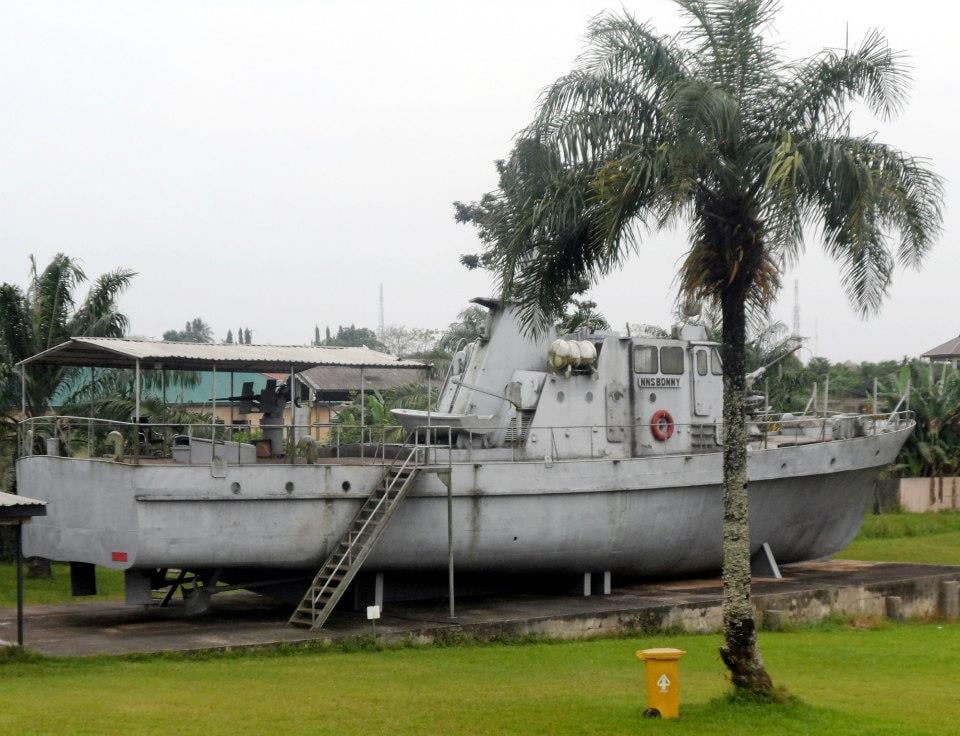
One of the most significant landmarks in Umuahia is the National War Museum located in Ebite Amafor in Umuahia North Local Government Area. Established in 1985, the museum is dedicated to preserving the history of Nigeria’s conflicts, with a special focus on the Nigerian Civil War. Visitors can see tanks, aircraft, and other military artifacts that tell the story of the Biafran struggle. More than a collection of weapons, the museum offers a glimpse into the lives of people who lived through those challenging years and the resilience that shaped Umuahia’s community.
Ojukwu Bunker
Within the museum complex is the Ojukwu Bunker, a historic underground command centre used by the Biafran leadership during the civil war. The bunker stands as a symbol of the city’s strategic importance and offers a unique opportunity for visitors to connect with history in a very tangible way. Walking through its corridors, you can almost hear the whispers of decisions that once affected the course of a nation.
Abia Tower
For a glimpse of modern Umuahia, the Abia Tower is a must-see. This tall structure is a symbol of the city’s growth and ambition that greets visitors as they enter the city. It is a favourite spot for photographs and represents a bridge between Umuahia’s historical past and its contemporary development.
Historic and Vibrant Markets
Markets in Umuahia are more than commercial centres, they are cultural experiences. The Nkwo Elu Oha Afara Market and the central city markets offer a sensory journey filled with colours, smells, and sounds. Here, traders sell fresh produce, local crafts, and daily necessities while sharing stories and maintaining social bonds. Visiting these markets provides insight into how commerce, culture, and community coexist in the city.
Natural Attractions Nearby
Beyond urban landmarks, Umuahia is surrounded by natural beauty. Places like the Ndume Green Lake and the Amakama Wooden Cave offer tranquil escapes from the city’s bustle. These sites are perfect for reflection and exploration, as they connect visitors with the landscapes that have shaped local life and folklore.
Other Notable Sites
- Michael Okpara University of Agriculture campus which reflects the role of Umuahia in education and research.
- Local cultural centres and performance spaces where traditional dances, music, and storytelling keep heritage alive.
Exploring Umuahia is a layered experience. Each site, whether historical, cultural, or natural, reveals a piece of its identity. For travellers, students, and residents, these landmarks and hidden gems make Umuahia a city to remember.
Notable People from Umuahia
Umuahia is a city defined by its people. From leaders and visionaries to everyday traders, farmers, and artisans, the residents of Umuahia have influenced its story across generations. The city has produced individuals who have left marks on the history, culture, and development of Nigeria, thus making it a place of pride for Abia State and the entire southeast region.
One of the most notable figures from the area is Major-General Johnson Aguiyi-Ironsi, Nigeria’s first military Head of State. His rise in the military and leadership during a critical period in the country’s history connects Umuahia directly to national events and decisions that defined modern Nigeria.
Another significant personality is Michael Iheonukara Okpara who served as the Premier of Eastern Nigeria from 1959 to 1966. Okpara championed agriculture, education, and rural development, and left a legacy that still influences policy and leadership thinking in the region. His vision for self-reliance and progress is remembered and celebrated in Umuahia and beyond.
Umuahia has also contributed to literature, academia, and business. Scholars, writers, and entrepreneurs from the city continue to impact Nigeria.
Beyond the famous names, the real heartbeat of Umuahia is its ordinary residents. Market traders, teachers, students, farmers, and civil servants form a vibrant, resilient, and dynamic community. Their daily lives, conversations, and interactions carry forward traditions, maintain cultural practices, and keep the city alive.
In Umuahia, the people are both witnesses to history and active participants in defining its present and future. Their stories, achievements, and daily contributions ensure that Umuahia remains a city that matters, both historically and in the everyday lives of those who call it home.
Everyday Life, Economy, and Lifestyle
Life in Umuahia moves with a rhythm that reflects both tradition and modernity. The city is alive from dawn to dusk with markets, schools, offices, and streets all contributing to the pulse of daily life. At the heart of this rhythm is the people, whose work, culture, and interactions define what it feels like to live in the city.
Agriculture has always been a cornerstone of the local economy. Farmers in and around the city cultivate yams, cassava, maize, palm produce, and citrus fruits. These crops not only feed families but also fuel trade in the vibrant markets that have been central to Umuahia since its earliest days.
Visitors walking through markets like Nkwo Elu Oha Afara Market or the central city market can see the energy of commerce firsthand. The call of traders, the bright colours of fresh produce, and the scent of local foods create an immersive experience that combines economy with culture.
Beyond agriculture, small businesses, retail trade, and service industries thrive in the city. Shops, eateries, repair services, and offices provide employment while supporting the daily needs of residents. Even informal commerce plays a vital role, with street vendors and artisans contributing to the economic tapestry.
Education also defines life in the city. Institutions such as Michael Okpara University of Agriculture draw students from across Nigeria that add youthful energy and intellectual engagement to the streets. Schools, both public and private, nurture generations of young people who will carry the traditions and values of the town into the future.
Social life in Umuahia is intertwined with economy and culture. Residents gather in communal spaces, attend festivals, and celebrate milestones with friends and family. Local cuisine, music, and storytelling are part of daily routines, whether in homes, schools, or marketplaces. Life here is a blend of work, community, and cultural expression. This makes Umuahia a city that is as lively as it is grounded in tradition.
Through its people, markets, schools, and social life, Umuahia embodies how economy and lifestyle are not separate but deeply connected. Every transaction, festival, and conversation contributes to the ongoing story of a city that honours its past while embracing the present.
Festivals and Celebrations

In Umuahia, festivals are more than just events on a calendar, they are moments where history, culture, and community come alive. They offer a window into its identity, and reflect both the heritage of the people and their vibrant everyday life.
One of the most celebrated festivals is the Ekpe Festival. The Ekpe Festival in Umuahia is a traditional cultural event linked to the Ekpe society, an old indigenous institution that once played important roles in community order and governance. The festival reflects respect for ancestral authority, moral discipline, and communal values.
During the celebration, Ekpe masquerades appear in public spaces, accompanied by traditional drumming and chants. Their movements and symbols carry cultural meaning that remind the community of long-held customs and social responsibility, rather than entertainment.
Today, the Ekpe Festival in Umuahia survives as a cultural heritage event, adapted to modern life while preserving its historical significance and identity.
Other cultural celebrations occur throughout the year, often tied to harvest season, local communities, age grades, and religious observances. During these events, people wear colourful attire, perform traditional dances, and showcase handicrafts and arts. These gatherings are both social and educational, as they allow the younger generations to learn about their roots as they connect with neighbours and friends.
Markets in Umuahia also take on a festive character during special occasions. Traders may display seasonal goods or artisanal crafts, and the air is filled with excitement as people exchange greetings, stories, and laughter. Even daily life takes on a celebratory rhythm where cultural values and community connections are woven into work, schooling, and leisure.
Through festivals and celebrations, Umuahia preserves the richness of Igbo heritage, even as it embraces the dynamism of modern life. These moments remind visitors and residents alike that culture is lived, not just remembered. The celebrations are a reflection of resilience, pride, and the joy of shared experiences that define everyday life in the city.
Why Umuahia Remains a City of Significance
Umuahia’s significance stretches from the past into the present, as it defines culture, history, and daily life in ways that continue to matter. From its early role as a bustling market town to its pivotal place in Nigeria’s civil war, the city carries stories that have affected both Abia State and the nation.
Today, the city stands as a living bridge between history and modernity. Landmarks like the National War Museum and Ojukwu Bunker preserve memories of resilience, while its markets, educational institutions, and growing businesses reflect a community that is vibrant and forward-looking. Its streets tell the story of a people who survived challenges, adapted, and thrived.
Umuahia also matters because of its cultural and social contributions. Festivals, music, crafts, and communal life ensure that the Igbo heritage is not only remembered but actively lived. For residents, these traditions strengthen community bonds. For visitors, they provide a glimpse into a city that balances history with everyday vibrancy.
Economically, Umuahia continues to be a hub for agriculture, trade, and education. Its markets connect farmers, traders, and consumers, while schools and universities nurture the next generation of leaders, thinkers, and innovators. As such, the city remains essential to both the local and regional economy.
Simply put, Umuahia matters because it is a city of stories, people, and life. It is a place where history is visible, culture is alive, and daily life carries the pulse of a community that has endured, adapted, and continues to grow. For anyone exploring Nigeria or studying its heritage, Umuahia offers lessons, memories, and experiences that are unforgettable.
In Conclusion …
Umuahia is a city that invites both reflection and discovery. From its early days as a bustling market town to its critical role as the Biafran capital during the Nigerian Civil War, the city carries a history that is both powerful and deeply human. Its streets, markets, and landmarks tell stories of resilience, community, and cultural pride.
The people bring life to the city. Through festivals, daily interactions, and shared traditions, they keep the Igbo heritage alive while they embrace modernity. Agriculture, trade, education, and social life all blend seamlessly to create a city that is as dynamic as it is rooted in tradition.
For visitors, scholars, and residents, Umuahia offers experiences that go beyond sightseeing. It is a city where history can be felt, culture can be experienced, and life unfolds with authenticity. Exploring Umuahia means walking through living history, engaging with vibrant communities, and discovering hidden gems that reveal the heart of southeastern Nigeria.
Umuahia is significant because it connects the past to the present, tradition to innovation, and community to identity. It is a city worth seeing, understanding, and remembering. A place where every corner has a story, and every story is part of a larger journey that continues to define Nigeria today.
References
- https://en.wikipedia.org/wiki/Umuahia
- https://www.britannica.com/place/Umuahia
- https://hotels.ng/travel/10-places-to-go-and-things-to-do-in-umuahia
- https://www.britannica.com/topic/Igbo
- https://en.wikipedia.org/wiki/National_War_Museum%2C_Umuahia
You might want to check this out …