



Abia
Umuahia Ultramodern Bus Terminal: Redefining Transportation in Abia State


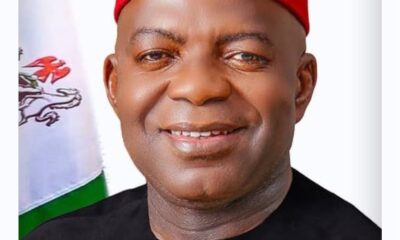
Gov Alex Otti
Abia State is quietly writing a new chapter in its history. From the streets of Umuahia to the communities around Nsulu, there is a renewed sense of hope. The state, under the leadership of Governor Dr. Alex Otti, is experiencing a wave of transformation that is changing both its look and spirit. At the heart of this transformation is the Umuahia Ultramodern Bus Terminal, one of the most ambitious infrastructure projects in the state’s recent history.
This new terminal is more than just a building. It is a symbol of change, a reflection of what modern governance can achieve when vision meets commitment.
A Modern Transport Hub for a Growing Capital
Located at the former Trademore Event Centre in Umuahia, the new Abia Mega Bus Terminal is being developed by Planet Projects Limited, a reputable Nigerian company known for building top-class transportation facilities. The site has been buzzing with activity for months, with construction workers, engineers, and architects working tirelessly to bring the project to life.
When completed, the terminal will completely redefine the way people move around Umuahia and beyond. It is designed to serve as the main hub for intercity and interstate travel, connecting Abia to other parts of Nigeria. The terminal will also help decongest the city center, improve traffic flow, and offer commuters a clean, organized, and safe environment.
Inside the terminal, travelers will find modern waiting areas, comfortable seating, ticketing offices, shops, and cafeterias that will make waiting for a bus a more pleasant experience. There will also be designated areas for buses heading to different destinations, ensuring better coordination and less confusion for passengers.
Governor Otti has made it clear that this project represents a key part of his mission to modernize Abia’s infrastructure and uplift the quality of public services. His administration wants to make Umuahia not just a political capital, but also a well-planned urban center that can compete with modern cities across Nigeria.
Why the Terminal Matters
For decades, transportation in Abia State has been a challenge. Many commuters depended on scattered bus parks and roadside loading points that often caused traffic jams and created safety risks. The absence of a central, organized terminal meant travelers had to deal with noise, confusion, and discomfort.
The ultramodern bus terminal aims to change all that. It introduces a new level of order, cleanliness, and efficiency. Beyond being a building, it represents a change in attitude, from informal systems to organized development. It is expected to attract private investors and transport companies, create hundreds of jobs, and generate revenue for the state government.
Local business owners are already looking forward to the opportunities the terminal will bring. Shops, restaurants, and service outlets around the area are expected to grow once the terminal opens, turning the location into a small commercial hub. Taxi and tricycle operators will also benefit from the increased flow of passengers.
An Integrated Transport Vision
One of the most remarkable aspects of the project is its plan for integration with future rail services. According to the state government, the terminal will include a space for a train station, connecting road and rail transport in a way that will make movement across Abia much easier. This idea of interconnectivity is central to Governor Otti’s vision, which is, to have a state where different modes of transport work together to serve the people efficiently.
This integrated model mirrors what is found in developed countries, where buses, trains, and taxis operate within a coordinated system. Such planning not only improves convenience for passengers but also reduces environmental pollution and traffic congestion.
The terminal is also part of a larger development plan that includes the procurement of electric buses to promote eco-friendly transportation. These buses, expected to arrive soon, will operate on clean energy, reducing the state’s carbon footprint and setting an example for other regions in Nigeria.
Community Impact and Economic Growth
For many residents of Umuahia, the construction of the terminal has brought a sense of pride. It has created jobs for artisans, builders, engineers, and suppliers. Local businesses have benefited from increased activity in the area, and there is a renewed belief that the government is finally delivering tangible results.
When completed, the terminal will not only improve the transport system but also become a landmark that represents Abia’s progress. It will serve as a welcoming point for visitors, business travelers, and tourists coming into the state. The new infrastructure will also encourage more trade between Abia and neighboring states like Imo, Enugu, and Rivers.
Governor Otti’s vision is not just about infrastructure. It is about restoring confidence in governance. His administration has made it clear that development must be people-centered — projects should not only look good on paper but also improve everyday life. The Umuahia bus terminal is one clear example of that philosophy in action.
The Nsulu Airport: Expanding the Dream

Nsulu airport
While the bus terminal is transforming Umuahia, another project is taking shape in Isiala Ngwa North, the proposed Abia International Airport in Nsulu. This airport project, once completed, will complement the road transport system by improving air connectivity and boosting trade and tourism in the state.
Read More:Abia State International Airport Project: Vision, Progress, Challenges, and Prospects
The airport project has faced some challenges, especially regarding land acquisition, but the state government has shown commitment to resolving issues through dialogue and fair compensation. Just like the bus terminal, the airport is part of a broader plan to make Abia a regional hub for business and travel.
Together, these two projects, the bus terminal and the airport represent a bold vision for an Abia that is more connected, more accessible, and more economically vibrant.
A Symbol of Leadership and Hope
Governor Alex Otti’s approach to governance has been widely praised for its focus on transparency, accountability, and results. Many residents see the new terminal as a visible sign that change is truly happening in Abia. It shows that the state can dream big and achieve those dreams through proper planning and determination.
The bus terminal, in particular, speaks to a new style of leadership, one that listens, plans, and delivers. By investing in modern infrastructure, the government is creating the foundation for economic renewal and long-term development.
In a state once known for neglected projects and slow progress, this new wave of development is inspiring confidence. People now talk about Abia with renewed pride. The sense of possibility that fills the air is hard to ignore.
Conclusion
As construction continues and the terminal nears completion, excitement continues to grow. When the first set of buses begin operating from the new facility, it will mark not just the opening of a terminal but the start of a new era for Abia’s capital city.
The vision is clear, to build a clean, organized, and efficient transport system that reflects the state’s progress and potential. The ultramodern bus terminal in Umuahia is not just an infrastructure project, it is a promise, a promise of better days ahead, where residents can move with ease, businesses can thrive, and visitors can see a modern Abia rising proudly in southeastern Nigeria.