


History and heritage
Umunoha Town in Imo State: History, Culture and Traditions

Umunoha is an Igbo town in Imo State with a rich history, deep rooted culture and unique traditions that reflect the heritage of the Mbaitoli Local Government Area of southeastern Nigeria. Explore its origins, festivals, social life, religion, economy and more.

More than a name on the map of Imo State, Umunoha is a living, breathing community with roots that run deep into Igbo history and tradition. The town is situated in the vibrant Mbaitoli Local Government Area of southeastern Nigeria. Even though it sits within easy reach of Owerri, the State capital, Umunoha holds on to a distinct identity defined by its people, culture, and shared memories.
For anyone trying to understand the heart of this town, there is a story behind every path, market and gathering space. The history of Umunoha stretches back through generations, guided by the beliefs and practices of its forebears and sustained by living traditions that still find expression today. Festivals, family structures, community rituals, and everyday life in Umunoha all speak to a heritage that is both resilient and alive.
In this article, we will explore this Imo State town from every meaningful angle. We will look at where it is, how it began, how people organize themselves socially, what they value, and how their traditions continue alongside modern change.
Whether you are tracing cultural roots, planning to visit, or simply curious about one of Imo State’s notable towns, this guide is here to take you through its history, culture and traditions.
Geographical Location and Boundaries
Umunoha sits in the southeastern part of Nigeria, within Imo State’s Mbaitoli Local Government Area. It lies just outside Owerri, the State capital at a distance of about thirteen kilometres by road which makes it easy to reach from the city.
The town is part of a network of communities that form the cultural landscape of Mbaitoli. To the north of Umunoha are Eziama Obiato and Afara while to the south and southeast, it neighbours Ogbaku, Azara Obiato and Ejemekwuru. It also lies to the north and northwest of Ifakala. This setting places it at the heart of a cluster of towns that share history and daily life.
Umunoha is sited around the Port Harcourt–Lagos Highway, sometimes called the east–west road. This major route runs near the town and connects it with other communities across the region, including parts of Imo State and beyond. Its location close to this highway has influenced growth in trade and movement for residents and visitors alike.
Overall, the position of Umunoha within Mbaitoli ties it closely to neighbouring towns while also connecting it to broader economic and social activity in Owerri and southeastern Nigeria.
Historical Origins of Umunoha
The story of Umunoha origins is rooted in the traditions and memories passed down through generations of its people. Although there are no written records from its earliest days, the community’s oral history offers clear and widely accepted accounts of how it came to be. These accounts are consistent with local tradition and scholarly descriptions of settlement patterns among many Igbo communities.
According to long‑standing tradition, Umunoha was founded by a man known as Nnoha Okechi who is described as a migrant from Ozuzu in the present‑day Etche Local Government Area of Rivers State.
Historical narratives state that Nnoha was a peripatetic warrior figure who moved into the area that later became Umunoha and established control after conflict with earlier inhabitants believed to be from the Isu subgroup of Igbo communities. After securing the land, Nnoha apportioned it among his children who became the founders of the major villages in the town.
In this distribution of land, Duru, Nnoha’s first son became the progenitor of the Umuduru village. The next in seniority, Okparaoma became the ancestor of the Umuokparaoma village. Okparafor, a younger half‑brother went on to found the Umuokparafor village.
Durundom, a sister of Duru remained at the familial settlement and became the ancestor of Umudurundom village. The youngest, Mbara established what is now known as Umumbara village. Over time, these individual settlements grew and became the organized villages that make up the town of today.
The broad pattern of Umunoha’s founding reflects a common theme in Igbo settlement histories. Many Igbo towns emerged around a foundational ancestor whose descendants formed the core villages of a community. The name Umunoha itself affirms this pattern. The prefix “Umu” in the Igbo language means “children of,” which links community identity to a shared forebear.
Beyond land and lineage, traditional authority also developed alongside the town’s settlement. From the colonial period in the late 19th and early 20th centuries, Umunoha recognized a royal lineage from the Egbuchulam Chimezie family who have provided its traditional rulers for generations.
Historically, these rulers served as leaders of Umunoha and custodians of its cultural heritage. In recent history, HRH Late Eze Christopher Nlemchukwu Egbuchulam (Eze Nnoha II) was a well‑known traditional ruler who served both in community leadership and as a public official in the State before his passing in 2018. His family prepared for the succession of his eldest son, Engineer Chukwuma Egbuchulam, in accordance with custom.
The founding and growth of Umunoha also intersected with wider historical changes in southeastern Nigeria. Over time, the community interacted with colonial authorities in the early 20th century, including during the period when British forces combed the Igwekala shrine, a central traditional spiritual site in the area. During the Nigerian Civil War (1967–1970), the Nigerian Army again combed this area, thus affirming the place of Umunoha in broader regional history.
Today, the historical origins of the town remain a source of shared identity for its people. These traditions help to explain how it developed from a settlement of related families into a structured community with a distinct cultural heritage within the Mbaitoli Local Government Area of Imo State.
Traditional Political and Social Structure
Umunoha, like many Igbo communities has a well-defined traditional political and social structure that has guided the town for generations. Its organization is rooted in kinship, family ties, and age-old customs. The town is divided into villages which are further broken down into kindreds known in Igbo as umunna. Each kindred consists of extended families that share ancestry, land, and responsibilities. This system ensures cohesion and provides a framework for decision-making at the local level.
The council of elders plays a central role in governance. Elders are respected for their experience, wisdom, and knowledge of customs. They resolve disputes, oversee land matters, and ensure that communal norms are maintained. Decisions in Umunoha often require consensus among these elders which reflects the Igbo principle of collective leadership.
In addition to the council of elders, age grades, known as otu ogbo form another critical layer of social organization. People born within the same period are grouped together, and each age grade assumes responsibility for certain communal duties such as organizing festivals, maintaining roads, or assisting in community security. Age grades also support social development initiatives and help uphold moral standards within the town.
The traditional ruler, often referred to as the Eze is a custodian of culture and the symbolic head of the community. Umunoha recognizes the Egbuchulam family lineage as the royal family. The Eze works closely with elders, village heads, and age grades to ensure harmony and continuity of customs. Past rulers such as HRH Late Eze Christopher Nlemchukwu Egbuchulam (Eze Nnoha II) played significant roles in maintaining both cultural and civic order while representing the town in State and regional matters.
Women’s associations in Umunoha are also influential. Women organize themselves to contribute to social welfare, mediate minor conflicts, and support cultural festivals. Their participation ensures that community life is inclusive and balanced.
Overall, the traditional political and social structure of the town combines ancestral governance, collective decision-making, and community-driven responsibility. This system has preserved peace, cultural continuity, and social cohesion while allowing the town to adapt to modern changes and challenges.
Culture and Traditions of Umunoha

The culture of Umunoha validates the wider Igbo heritage while carrying unique features that make it distinct. Life in the town is guided by ancestral customs, communal values, and social norms that have been preserved over generations. These traditions influence daily life, social interactions, and community celebrations that create a sense of identity and belonging among its people.
One of the most important cultural values in Umunoha is respect for elders and family hierarchy. Elders are considered the custodians of wisdom and morality, and their guidance influences decision-making in families, kindreds, and the wider community. Younger members of the community are expected to show deference and follow the guidance of senior family members. This practice fosters unity and social cohesion.
Community life in Umunoha is collective in nature. Families and villages regularly come together for activities such as farming, community projects, and festivals. This spirit of cooperation is deeply rooted in Igbo culture and is evident in traditions such as communal labour locally called igba ogbe where members of the town help one another in building homes, clearing farms, or maintaining public spaces.
Traditional arts, music, and dance are also central to Umunoha culture. The town is known for masquerade performances like most Igbo communities where masked dancers entertain the community while reinforcing moral lessons and historical stories. Music accompanies many communal events, including weddings, naming ceremonies, and harvest celebrations. Instruments such as drums, flutes, and xylophones are used to complement dance and storytelling.
Culinary traditions are another aspect of the culture. The people rely on locally grown staples like yams, cassava, maize, and vegetables which are prepared in ways that reflect both taste and tradition. Food is often shared during communal events as a symbol of unity and hospitality.
Religious and spiritual practices have influenced culture as well. Although Christianity is widespread today, traditional beliefs remain embedded in festivals, rituals, and social etiquette. Sites like the Igwekala shrine continue to be acknowledged as part of heritage.
In essence, the culture of Umunoha is dynamic and resilient as it blends historical customs with modern life. Its traditions inform its social fabric, instill a sense of pride, and ensure that the community maintains a distinct Igbo identity even as it engages with contemporary influences.
Festivals and Ceremonial Practices
Festivals and ceremonial practices are at the heart of life in Umunoha. They serve as markers of cultural identity, community cohesion, and spiritual life. These events bring people together, celebrate agricultural cycles, honour the ancestors, and pass down traditions from one generation to the next.)
One of the most prominent festivals in Umunoha is the New Yam Festival locally called Iri Ji. This festival marks the end of the yam harvest which is a staple crop and symbol of prosperity in the community. During Iri Ji, the first yam of the season is presented to the gods and ancestors in a ceremony led by elders and traditional leaders. The festival also includes feasting, music, and dancing that allow families and villages to come together in celebration. This event reinforces gratitude, communal solidarity, and respect for tradition.
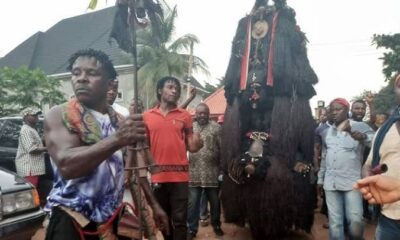
Another key cultural practice in the town is the Mmanwu masquerade festival. Masquerades are masked performers who play important social and spiritual roles in Igbo culture. In Umunoha, Mmanwu ceremonies are used to entertain, educate, and maintain moral order. They often occur during major festivals, funerals of prominent members, and other communal occasions. The masquerades symbolize ancestral spirits and serve as a bridge between the living and the spiritual world. They also teach lessons about respect, honesty, and community values.
Market festivals and annual town gatherings are also part of the ceremonial life. The Orie-Amaigwe market operates on the traditional Igbo eight-day week, and special occasions often coincide with market days. During these times, traders and visitors from surrounding towns come together to create a lively environment for trade, socializing, and cultural exchange.
Ritual ceremonies are performed at sacred sites such as the Igwekala shrine which historically served as a spiritual centre for consultation, healing, and communal decision-making. While modern practices have reduced the prominence of some traditional rituals, they remain a vital part of Umunoha cultural memory.
These festivals and ceremonial practices do not just entertain, they teach social norms, reinforce community bonds, and preserve identity. Young people are initiated into these traditions where they learn the significance of their heritage, the value of cooperation, and the respect owed to ancestors and elders.
In Umunoha, festivals and ceremonies thrive and blend traditional customs with modern influences. They remain central to its cultural vitality and are a living testament to the resilience and richness of Igbo heritage in the community.
Religion and Belief Systems
Religion plays a central role in the life of Umunoha as it strenghtens moral values, community practices, and social interactions. The town has a rich spiritual history that fuses traditional Igbo beliefs with Christianity, reflecting both continuity and adaptation over time.
Historically, the residents practiced indigenous Igbo religion which centered on the worship of the ancestors, gods, and spirits associated with natural forces. Sacred sites such as the Igwekala shrine served as places for spiritual consultation, healing, and communal decision-making. Rituals conducted at these sites were intended to maintain harmony between humans, ancestors, and nature. These practices were also closely linked to festivals, agricultural cycles, and rites of passage.
With the arrival of Christian missionaries in southeastern Nigeria during the 19th and 20th centuries, Christianity gradually became the dominant religion in the town. Today, most residents identify as Christians, with churches such as St. Paul’s Catholic Church and Christ Anglican Church playing central roles in spiritual and community life. Churches in the town are not only places of worship but also hubs for education, social welfare, and moral guidance.
Despite widespread Christian practice, many residents continue to respect traditional customs. For example, festivals, rites of passage, and family ceremonies often incorporate ancestral acknowledgments alongside Christian prayers. This coexistence represents a pragmatic blending of faiths where modern religious practices complement traditional cultural values rather than replace them.
Women’s religious groups, youth fellowships, and other church-based organizations have also become significant in guiding moral and social life. They participate in community development projects, charity initiatives, and cultural preservation efforts, ensuring that spiritual life in Umunoha remains connected to communal welfare.
Overall, the religion and belief systems in Umunoha reveal a community that honours its past while embracing contemporary faith practices. This balance preserves cultural identity, strengthens social cohesion, and ensures that both spiritual and communal values continue to guide life.
Economic Life and Occupations
The economy of Umunoha is a combination of traditional agricultural practices and modern occupations defined by its location, natural resources, and access to urban centres like Owerri. Farming remains a central livelihood that sustains both the local population and regional markets.
Traditionally, the people of Umunoha engaged in subsistence and commercial farming. Major crops include yams, cassava, maize, and vegetables which thrive in its fertile soil and humid tropical climate. Yams are particularly important not only as a staple food but also as a cultural symbol celebrated in festivals like the New Yam Festival. Families often cultivate their own plots of land while surplus produce is sold in local markets to generate income.
Trade and craftsmanship also play significant roles in the economy. The town is home to markets such as the Orie-Amaigwe market which operates on the traditional Igbo eight-day market cycle. These markets serve as hubs for buying and selling agricultural produce, household goods, textiles, and locally made crafts. Traders from the town and surrounding communities converge here as a way of creating vibrant economic activity that supports many households.
In recent decades, proximity to Owerri has expanded occupational opportunities. Many residents now work as civil servants, teachers, health workers, and entrepreneurs and commute daily to the city or operating small businesses within the town. The growth of commerce, education, and public service has diversified the local economy by reducing dependence solely on farming.
Craftsmanship, particularly in woodwork, metalwork, and tailoring remains a traditional source of income. Skilled artisans produce items for local use and sale.
The economic life of the community is also affected by community initiatives and town unions. These organizations, sometimes fund cooperative ventures, provide microloans for small businesses, and support infrastructure projects such as road maintenance and market improvements. Such efforts strengthen economic sustainability and create opportunities for collective growth.
Overall, Umunoha economy demonstrates a balance between tradition and modernity where farming, trade, craftsmanship, and professional occupations coexist. This dynamic economic structure has allowed the town to thrive while preserving cultural practices and ensuring the community’s resilience in a changing world.
Landmarks and Places of Interest

Igwekala Shrine
Umunoha may be a compact town but it has landmarks and places that embody both its cultural heritage and daily life. These sites are meaningful to residents, visitors, and anyone interested in the traditions and rhythms of this Igbo community. Many of these places are known locally and play roles in cultural practices, spiritual life, and commerce.
One of the most notable landmarks in Umunoha is the Igwekala shrine, a traditional spiritual site known across the region. Historically, it was (and still is) recognized as a sacred grove covering a significant area near the town centre. The shrine became famous for its healing and spiritual consultation which drew people from different parts of southeastern Nigeria who sought remedies and spiritual direction from its custodians.
During colonial times, British forces combed the shrine, and later, it was combed again during the Nigerian Civil War.
Another major place of interest is Orie‑Amaigwe market, the town’s most important commercial hub. This market operates on the traditional Igbo eight‑day week, with gatherings on Orie market days. It draws traders, buyers, and visitors from Umunoha and neighbouring towns across Imo State.
At Orie‑Amaigwe, people buy and sell a wide variety of goods ranging from farm produce to household items and textiles. Besides its economic role, the market is a social meeting point where people exchange news, reinforce relationships, and maintain community ties.
Around Umunoha, community halls and gathering spaces such as village squares and halls in areas like Umudurudom or Umubara serve as venues for town meetings, ceremonies, and cultural events. These multifunctional spaces are where people come together to discuss town matters, celebrate milestones, and organize collective activities.
Umunoha is home to several churches that also serve as cultural and community landmarks. Churches such as St. Paul’s Catholic Church and Christ Anglican Church, among others, are not only places of worship but also centres for education, community development, and social engagement. These sites illustrate the modern spiritual life and collective identity of the town.
Taken together, these landmarks and places of interest paint a picture of Umunoha that goes beyond geography. They tell stories of spirituality, commerce, culture, and community life that make it both a place of heritage and a living town that continues to evolve.
Notable People from Umunoha
Umunoha has produced several individuals who have made significant contributions to politics, education, public service, and cultural life in Imo State and beyond. These figures reflect its commitment to education, leadership, and community development and highlight the influence of the people, both locally and nationally.
One of the most prominent figures from Umunoha was HRH Late Eze Christopher Nlemchukwu Egbuchulam who served as Eze Nnoha II, the traditional ruler of the town. Before ascending the throne, he held the position of Surveyor-General of Imo State during which he contributed to the State’s planning and infrastructure development. As a traditional ruler, he played a crucial role in preserving the cultural heritage of the town while mediating conflicts, and representing the town in regional matters. His leadership bridged both modern administration and traditional governance.
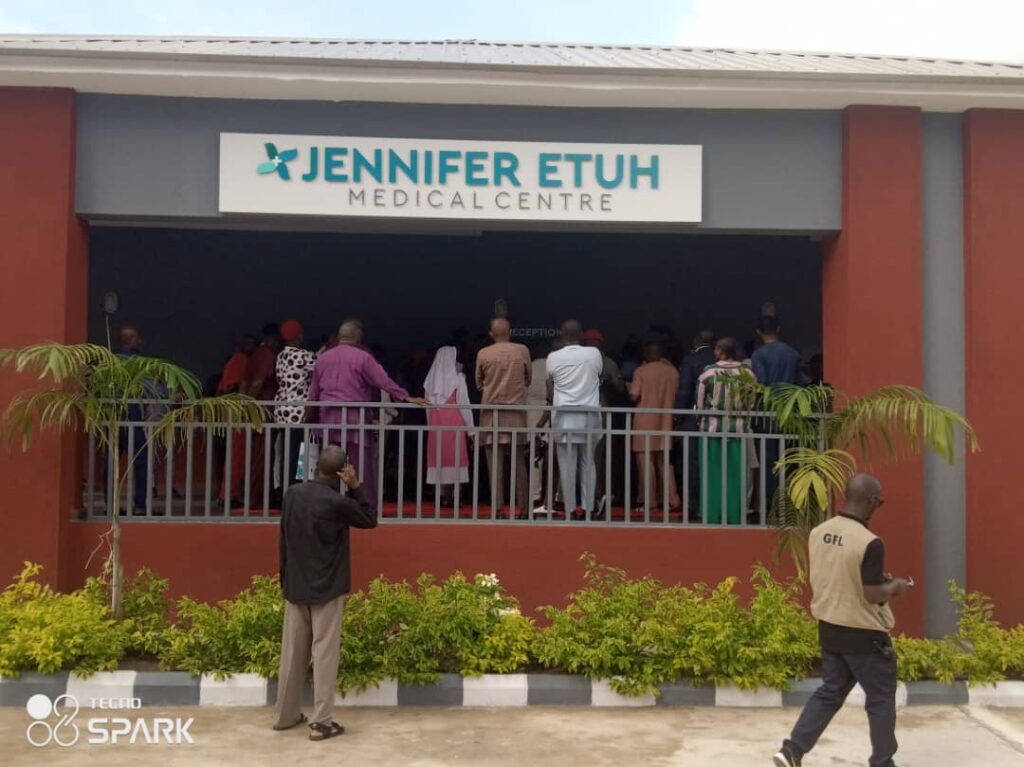
Jennifer Ramatu Etuh (deceased) is honoured locally for her legacy of community development. A major landmark, namely, the Jennifer Etuh Medical Centre in Umunoha was inaugurated in her memory. The facility and its associated foundation highlight her impact on health access and humanitarian service in the community.
There are community activists, town union leaders, activists, and professional figures from Umunoha who have played roles in local development, education advocacy, and cultural preservation. Many of these individuals are known within the region, though they may not have national profiles. The Umunoha USA Association documents the achievements of community members abroad and at home in fields such as education, medicine, business, and law.
Collectively, these notable people from the town demonstrate its capacity to produce leaders, professionals, and cultural ambassadors. Their contributions extend from the local community to broader society and represent its enduring significance in Imo State and southeastern Nigeria.
In Conclusion …
Umunoha is a town where history, culture, and community life connect to create a vibrant and enduring identity. From its founding to its modern role within Mbaitoli Local Government Area, the town echoes the resilience and richness of Igbo heritage. Its villages, markets, festivals, and spiritual sites showcase a community that values tradition while embracing modernity.
The people maintain a strong sense of belonging through traditional governance, social structures, and age-grade systems that ensures that cultural knowledge and moral values are passed down through generations. At the same time, education, commerce, and professional pursuits continue to influence its economic and social development.
Whether through the noises of the Orie-Amaigwe market, the celebrations of the New Yam Festival, or the guidance of the Eze and council of elders, life in Umunoha is a delicate balance between history and progress. Its story reminds us that even smaller communities contribute significantly to the cultural fabric and social identity of Nigeria.
Umunoha remains a living testament to the enduring spirit of its people, a place where traditions thrive, community ties are strong, and the past and present exist in harmony. For anyone interested in Igbo culture, history, and community life, the town offers a meaningful glimpse into the everyday life and values of southeastern Nigeria.
References
- https://en.wikipedia.org/wiki/Umunoha
- https://en.wikipedia.org/wiki/Mbaitoli
- https://sites.google.com/view/okechiebeise/traditional-ruler
- https://sites.google.com/view/okechiebeise/religion-culture
- https://www.manpower.com.ng/places/ward/4345/umunoha-azara
- https://www.city-facts.com/umunoha/population
- https://mbaitoli.org/our-towns/
You might want to check this out …