





African Heritage & History
Akwete Cloth: Nigeria’s Famous Handwoven Textile and Cultural Symbol from Igboland

Akwete cloth is Nigeria’s famous handwoven textile from Igboland that portrays Igbo culture, women’s weaving traditions, and centuries of artistic heritage preserved through generations in Abia State.
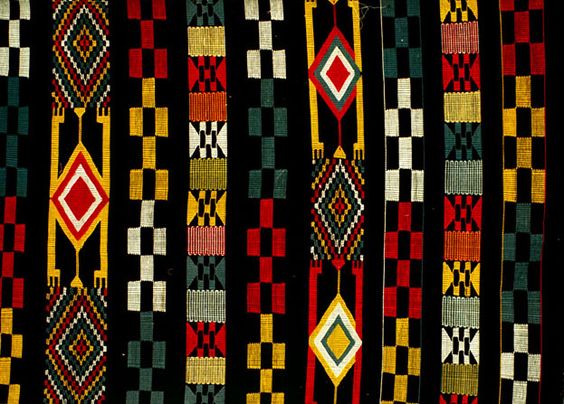
In Akwete, a small town in Abia State, weaving is not treated like a side skill or an old family hobby. It is part of everyday life. This is the town where Akwete cloth, one of Nigeria’s most recognized handwoven textiles originates from. It follows a slow and deliberate process. Threads are stretched, passed, and crossed on a loom that has remained almost unchanged for generations. Yet, the results remain alive and current.
What makes Akwete cloth stand out is not just the colour or pattern. It is the fact that each piece is made by hand, mostly by Igbo women who learned the craft by watching and practicing over time. The cloth carries history without trying to announce it. You see it in ceremonies, in family gatherings, and sometimes, in places far beyond Igboland where it is valued as both fabric and cultural record.
Over time, Akwete cloth has moved from local use into wider recognition. It now appears in textile studies and museum collections. Still, its real strength remains in the community where it is made, where weaving is not about nostalgia, but about continuity.
An Overview of Akwete Cloth
Akwete cloth is a traditional handwoven textile made in Akwete, a town in Ndoki, Ukwa East Local Government Area of Abia State in southeastern Nigeria. It is one of the most recognized indigenous fabrics of the Igbo people known for its bold patterns, textured finish, and strong cultural presence.
Unlike machine-made fabrics, Akwete cloth is produced on a loom using hand techniques passed down through generations, mainly among Igbo women weavers. The weaving process involves interlacing threads of cotton, raffia, silk, or modern synthetic yarns to create durable and often richly patterned cloth.
What makes Akwete cloth distinct is not only its craftsmanship but also its visual language. The designs are not random decorations. They often carry cultural meaning, personal creativity, and in some cases, references to identity, status, or community traditions.
Historically, Akwete cloth has been used for clothing, ceremonial wear, and trade within and beyond Igboland. Over time, it has also gained recognition in academic studies and museum collections as an important example of West African textile heritage.
Today, Akwete cloth remains both a living tradition and a cultural symbol, still produced in its place of origin while also influencing contemporary Nigerian fashion and textile design.
Origin and History of Akwete Cloth
The story of Akwete cloth begins in Akwete, a riverside town in Ndoki, Ukwa East Local Government Area of present-day Abia State, Nigeria. This community sits within the wider Igbo cultural region where weaving, dyeing, and textile creativity have long been part of everyday life. Over time, Akwete became known for developing a distinct style of handwoven cloth that would later carry the name of the town.
Historical accounts and ethnographic records suggest that Akwete weaving gained prominence in the 19th century, especially during periods of active trade along the Niger Delta. The cloth did not exist in isolation. It developed through interaction between local Igbo weaving traditions and external influences brought through trade networks that connected coastal and inland communities. These exchanges introduced new materials and ideas which Akwete weavers adapted into their own style rather than replacing their tradition.
By the late 1800s, Akwete cloth had already become a recognized textile in regional trade. It was exchanged with neighbouring groups such as the Ibani, Kalabari, and Okrika people who valued it for its strength, texture, and decorative patterns. This trade helped the cloth to move beyond its immediate community and establish a wider reputation in southeastern Nigeria.
During the colonial period, early ethnographers and observers documented Akwete weaving as part of the broader textile culture of the Niger Delta and Igboland. These records confirmed that the craft was not newly invented but already well established, with structured techniques and identifiable design traditions.
Over time, Akwete cloth evolved in response to changing materials and markets. While traditional fibres like raffia and cotton remained important, weavers also began incorporating imported yarns, which expanded the range of colours and patterns. Despite these changes, the core weaving method and cultural identity of the cloth remained rooted in Akwete community practice.
Today, the history of Akwete cloth is understood as a continuous tradition rather than a finished past. It is still woven in its place of origin, carrying forward a craft that has moved through trade, colonial contact, and modern fashion while maintaining its cultural foundation in Igbo heritage.
The Cultural Significance of Akwete Cloth in Igbo Society
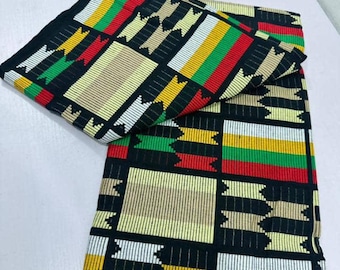
In Igbo society, Akwete cloth is not treated as ordinary fabric. It carries meaning that goes beyond clothing. It sits at the intersection of identity, respect, memory, and community life, especially in Akwete and surrounding Igbo-speaking areas of southeastern Nigeria.
One of the strongest cultural roles of Akwete cloth is its presence in ceremonies. It is commonly worn during weddings, title-taking events, funerals, and traditional festivals. In these moments, clothing is never just about appearance. It communicates status, respect for tradition, and connection to ancestry. Wearing Akwete in such settings signals pride in Igbo heritage and acknowledgment of long-standing cultural values.
Akwete cloth also functions as a marker of identity. The patterns and textures are immediately recognizable within Igbo communities and beyond. For many people, especially those from Akwete, the cloth represents home. It carries a sense of belonging that connects individuals to their family lineage and community history.
Another important aspect of its cultural significance lies in its association with women’s work and economic life. Traditionally, Akwete weaving has been practiced by Igbo women who learned the craft within family and community settings. This has made the cloth not only a cultural symbol but also a source of livelihood and independence for many households. In this sense, Akwete cloth sits at the centre of both cultural expression and everyday survival.
The cloth also carries symbolic value through its patterns. While not all designs have fixed meanings, many are influenced by personal creativity, social experience, and cultural imagination. Some motifs are associated with prestige, while others simply reflect the weaver’s skill and storytelling ability through thread.
In modern Igbo society, Akwete cloth still holds its place, even as fashion changes. It appears in contemporary designs, cultural outfits, and special occasions where people want to maintain a visible link to tradition. Its continued use shows that it is not only a historical artifact but a living part of cultural expression.
In this wise, Akwete cloth remains deeply woven into Igbo social life as it carries both personal and collective meaning that continues to evolve with each generation.
Who Weaves Akwete Cloth?
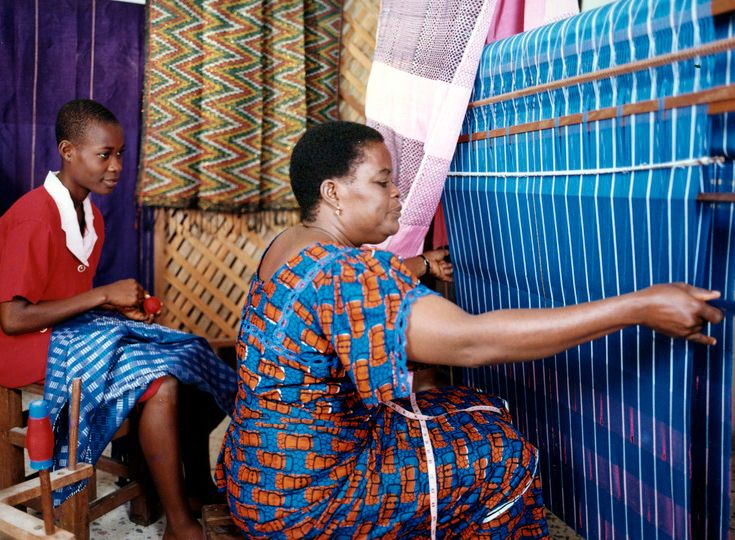
The production of Akwete cloth is closely tied to women in Akwete community, in Ukwa East Local Government Area of Abia State. For generations, women have been the main custodians of this weaving tradition, and have been passing the skill quietly from one household to another.
In most cases, learning begins at home. A young girl grows up watching her mother, aunt, or older women around her work on the loom. At first, she may only observe how threads are arranged and how the shuttle moves across the warp. Over time, she begins to assist, and gradually, she learns to weave on her own. This form of learning is practical and continuous, shaped more by practice than formal instruction.
What makes this tradition important is that it is not limited to one generation or a formal school system. It is embedded in daily life. Weaving often takes place within the home or communal spaces where conversation, storytelling, and work happen together. In this environment, the knowledge of Akwete cloth production is preserved through lived experience.
Women weavers also play a central economic role. In earlier times, and still in some households today, Akwete cloth provides a source of income. Finished textiles are sold within local markets and sometimes traded beyond the community. This means that weaving is not only a cultural expression, it is also a form of economic activity that supports families.
Although the craft remains primarily associated with women, there has been gradual participation from men in some modern contexts. However, the tradition is still strongly identified with female weavers who are regarded as the core keepers of the skill and its cultural continuity.
Each woman weaver contributes her own creativity to the cloth. Even when using similar materials or techniques, no two pieces are exactly the same. This individuality is part of what gives Akwete cloth its depth and value.
In many ways, the story of Akwete weaving is also the story of women’s resilience, patience, and creativity in preserving one of Igboland’s most respected textile traditions.
How Akwete Cloth Is Made
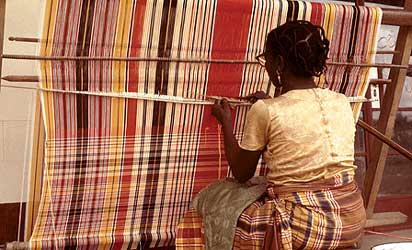
The making of Akwete cloth is a careful process that relies on skill, patience, and long-practiced technique. It is done on a traditional loom and, even with modern improvements in materials, the core method has remained largely the same for generations in Akwete, Abia State.
The process begins with setting up the loom. This structure holds the threads in place and creates the framework for weaving. The warp threads are stretched tightly from one end of the loom to the other. This stage is important because the strength and alignment of these threads determine how steady and even the final cloth will be.
Once the loom is ready, the weaver arranges the warp threads vertically. The weft threads are then prepared for horizontal movement. These two sets of threads form the basic structure of Akwete cloth, and the way they are combined affects the final texture and design.
Weaving starts when the weaver passes the weft thread over and under the warp threads using a shuttle. This motion is repeated steadily, row by row, slowly building the fabric. The rhythm is important. It requires focus and consistency to keep the cloth even.
Creating patterns and designs is the most expressive stage of the process. Akwete weavers introduce patterns using different coloured threads or variations in weaving technique. Some designs are planned in advance while others develop naturally as the work progresses. These patterns give Akwete cloth its identity, making each piece visually unique.
The weaving continues gradually until the cloth reaches the desired length. Depending on the complexity of the design, a single piece can take several days or even longer to complete. Intricate patterns require more time and careful attention.
When the weaving is complete, the cloth is carefully removed from the loom. The edges are trimmed and secured to prevent fraying. At this stage, the cloth is checked for balance, consistency, and overall appearance before it is ready for use or sale.
The entire process shows why Akwete cloth is highly valued. It is not mass-produced. Each piece is the result of steady handwork, attention to detail, and a weaving tradition that has been preserved in Igbo culture for generations.
Patterns, Motifs, and Symbolism in Akwete Cloth
One of the most striking features of Akwete cloth is its visual language. At first glance, the patterns may look purely decorative, but each design carries layers of creativity, cultural memory, and personal expression shaped by the weaver’s skill and imagination.
Akwete weavers work with a wide range of motifs, often using geometric forms as the foundation. These include lines, blocks, stripes, zigzags, and repeated shapes arranged in balanced sequences. The repetition is not accidental. It creates rhythm in the fabric and gives each piece a distinct identity that can be recognized within and beyond the community.
Beyond geometry, some designs are inspired by everyday life, environment, and cultural experience. While Akwete cloth does not always follow strict symbolic codes for every motif, certain patterns have become associated with prestige, celebration, or special occasions due to tradition and repeated use over time. In many cases, meaning is defined more by context than by fixed interpretation.
Colour also plays an important role. Bright combinations are often used to create contrast and visual depth. Over time, the introduction of imported dyes and modern yarns expanded the range of colours available to weavers, allowing for more variation and experimentation without losing the cloth’s traditional identity.
What makes Akwete cloth especially unique is that each weaver contributes personal creativity to her work. Even when two pieces follow similar patterns, they are never exactly the same. Small differences in spacing, colour choice, or thread arrangement give each cloth its own character.
Historically, some motifs have been influenced by trade and cultural exchange, especially during the 19th and colonial periods when Akwete weaving interacted with other Niger Delta textile traditions. These influences were not copied directly but adapted into local design language, thus becoming part of the evolving identity of the cloth.
This way, the patterns and motifs of Akwete cloth sit between structure and freedom. They follow traditional weaving methods while also allowing room for personal expression. This balance is one of the reasons Akwete cloth remains relevant, both as a cultural textile and as a living art form within Igbo society.
Uses of Akwete Cloth in Modern Nigeria
In modern Nigeria, Akwete cloth has moved beyond its traditional roots while still holding on to its cultural identity. It is no longer limited to rural communities or ceremonial settings. Today, it appears in fashion, lifestyle design, cultural events, and even global African textile conversations.
One of the most visible uses of Akwete cloth today is in fashion design. Nigerian designers and tailors incorporate it into modern clothing styles such as dresses, skirts, blouses, jackets, and men’s outfits. It is often combined with other fabrics to create hybrid designs that blend tradition with contemporary fashion. This has helped Akwete remain relevant among the younger generations who want cultural expression in everyday wear.
It is also widely used in wedding ceremonies and traditional events. Brides, grooms, and family members wear Akwete cloth as part of their ceremonial outfits. In these settings, the fabric is not just decorative. It communicates cultural pride and respect for heritage, especially in Igbo traditional marriages and title ceremonies.
Beyond clothing, Akwete cloth is now used in lifestyle and interior design. Some artisans and designers turn it into table runners, cushion covers, wall hangings, and framed textile art. These uses help to preserve the cloth in new spaces where it can be appreciated as both art and cultural heritage.
Another important development is its use in cultural exhibitions and fashion showcases. Akwete cloth is often featured in Nigerian cultural festivals, fashion shows, and textile exhibitions that promote indigenous crafts. These platforms help to introduce the fabric to wider audiences within and outside the country.
There is also growing academic and museum interest in Akwete cloth which places it in the category of preserved African textile heritage. This recognition has helped to strengthen its value and encouraged more conversations around its preservation and sustainability.
Despite these modern uses, the cloth still maintains its connection to its origin in Akwete, Abia State. Many pieces are still produced by local weavers using traditional methods, even as demand expands into new markets.
As such, Akwete cloth lives in two worlds at the same time. It remains a symbol of Igbo tradition while also adapting to modern Nigerian fashion and creative industries.
Akwete Cloth in Museums and Global Recognition
Over the years, Akwete cloth has moved beyond local markets in southeastern Nigeria into international recognition, especially through museum collections, academic research, and textile exhibitions. This wider visibility has helped to position it as one of West Africa’s important handwoven traditions.
Several major museums, including the British Museum in London hold examples of Akwete textiles in their African collections. These pieces were collected at different times, particularly during the colonial and post-colonial periods when African textiles began to attract scholarly and curatorial interest. The presence of Akwete cloth in such institutions confirms its long-standing existence and cultural value as a traditional Igbo textile form.
In museum settings, Akwete cloth is not displayed as ordinary fabric. It is presented as an example of indigenous African craftsmanship that highlights weaving techniques, design systems, and the social role of textiles in Nigerian communities. These collections help to document how the cloth has been produced and used over time, preserving its history for global audiences.
Beyond museums, Akwete cloth has also gained attention in academic research on African textiles. Scholars such as Lisa Aronson and John Gillow have written about its structure, production process, and cultural importance within Igbo society and the wider Niger Delta region. Their work places Akwete weaving within broader studies of African women’s textile production and indigenous creativity.
The cloth has also appeared in cultural exhibitions and fashion-related showcases that focus on African heritage textiles. These platforms often highlight how traditional weaving practices continue to influence contemporary design. In such spaces, Akwete cloth is presented not only as a historical artifact but also as a living tradition that still exists in its place of origin.
Global recognition has also contributed to renewed interest in Akwete weaving within Nigeria itself. Designers, researchers, and cultural organizations have increasingly referenced it as part of the country’s textile identity and creative heritage.
Overall, Akwete cloth occupies a unique position. It is locally produced in Akwete, Abia State, and also being preserved and studied in international institutions. This dual presence strengthens its status as both a cultural heritage material and a living African textile tradition.
Challenges Facing Akwete Weaving Today
Despite its long history and cultural value, Akwete cloth production faces several real challenges in contemporary Nigeria. These challenges affect both the survival of the craft and the livelihood of the women who depend on it in Akwete, Abia State.
One major challenge is the decline in interest among the younger generations. Many young people are no longer willing to learn traditional weaving. The process is time-consuming, requires patience, and does not always offer quick financial returns. As a result, fewer apprentices are coming forward to continue the tradition. This raises concerns about continuity.
Another significant issue is competition from machine-made fabrics. Industrial textiles are cheaper, faster to produce, and widely available in markets. These fabrics often imitate traditional designs, but they do not carry the same cultural depth or handmade quality. Because of lower prices, many buyers prefer them over handwoven Akwete cloth, thus reducing demand for the original craft.
There is also the problem of rising production costs. Materials such as quality yarns, dyes, and loom maintenance tools have become more expensive over time. Since weaving is done manually, production is slow, and weavers may not always be able to match rising costs with higher selling prices. This creates financial pressure on artisans.
Limited access to wider markets and structured support systems also affects the industry. Many weavers sell locally without strong connections to national or international buyers. Without consistent platforms for promotion, the reach of Akwete cloth remains restricted compared to mass-produced textiles.
In addition, there is the challenge of documentation and preservation gaps. While scholars have studied Akwete weaving, much of the knowledge still exists in oral and practical form within the community. This makes it vulnerable to loss, if not properly documented and supported through cultural preservation efforts.
Even with these challenges, Akwete weaving continues to survive through the dedication of local artisans who maintain the craft, despite economic and social pressures. However, without stronger support systems, training programmes, and market expansion, the future of Akwete cloth remains at risk of gradual decline.
Efforts to Preserve Akwete Cloth Tradition
Even with the challenges facing traditional weaving, there are ongoing efforts to ensure that Akwete cloth does not fade into history. These efforts come from different directions, including local communities, scholars, designers, and cultural institutions working to protect and sustain this Igbo textile heritage.
One of the most important forms of preservation is happening at the community level in Akwete, Abia State. Local weavers continue to teach younger women the craft through informal apprenticeship systems. In these settings, knowledge is passed directly from experienced weavers to learners through practice, repetition, and observation. This hands-on method remains the strongest way the tradition survives.
Academic interest has also played a role in preservation. Researchers in Nigerian and international universities have studied Akwete cloth, documenting its history, weaving techniques, and cultural significance. These studies help to ensure that detailed knowledge about the textile is recorded in written and visual form, thereby making it accessible beyond oral tradition.
In addition, there is growing involvement from the Nigerian fashion and creative industry. Designers increasingly incorporate Akwete fabric into modern clothing collections, runway shows, and cultural exhibitions. This exposure helps to introduce the cloth to younger audiences who may not encounter it in traditional settings. It also creates new demand that supports local weavers economically.
Some cultural organizations and advocates for indigenous crafts have also encouraged heritage preservation initiatives, with focus on promoting Nigerian handwoven textiles. These initiatives often include exhibitions, workshops, and public awareness campaigns that highlight the importance of traditional weaving in national identity.
Museums and cultural institutions, both within and outside Nigeria also contribute by preserving Akwete cloth in their textile collections. These preserved samples serve as historical records, ensuring that future generations can study and understand the evolution of the craft.
There are also increasing conversations around integrating traditional crafts like Akwete weaving into education and skills development programmes. By introducing textile heritage into learning environments, there is hope that the younger generations will see weaving not only as cultural heritage but also as a viable creative and economic skill.
Together, these efforts create a slow but steady path toward preserving Akwete cloth. While the challenges remain real, the continued interest in culture, fashion, and heritage gives the tradition a stronger chance of survival in a rapidly changing world.
Why Akwete Cloth is Still Relevant Today
In a world where machine-made fabrics move quickly through markets and fashion trends change by the season, Akwete cloth still holds a steady place. Its importance is not only in how it looks, it is also in what it represents, how it is made, and the history it continues to carry within Igbo society and beyond.
One of the strongest reasons Akwete cloth is still relevant is its role in cultural identity. For many people in Igboland, especially in Akwete and surrounding communities in Abia State, the cloth is a visible connection to ancestry and tradition. Wearing it during ceremonies or special occasions is not just a style choice. It is a way of acknowledging roots and honouring inherited culture.
It also remains important as a form of living heritage. Unlike objects preserved only in museums, Akwete weaving is still practiced today. This continuity gives it a special place among African textiles. It shows that indigenous knowledge systems are not frozen in time, but still active and evolving within communities.
Economically, Akwete cloth continues to support local livelihoods, especially for women weavers. Even though challenges exist, weaving remains a source of income for many families in Akwete. The craft provides not only financial value but also a sense of independence and skill-based dignity for those involved in it.
Another reason for its continued relevance is its contribution to creativity in modern Nigerian fashion. Designers draw inspiration from Akwete patterns to blend traditional weaving with contemporary styles. This has helped the cloth to reach new audiences, even as it maintains its cultural grounding.
On a broader level, Akwete cloth contributes to how Nigeria is represented in global cultural spaces. Its presence in museums, academic research, and international exhibitions highlights the depth of indigenous African textile traditions. It stands as evidence that African craftsmanship has long histories of innovation, structure, and artistic expression.
Most importantly, Akwete cloth matters because it carries memory. Each piece is linked to a community, a method of learning, and a way of life that has survived through generations. Even as society changes, the cloth continues to remind people that tradition can remain active, practical, and meaningful in everyday life.
In Conclusion …
Akwete cloth remains one of the most enduring expressions of Igbo textile heritage, with roots in Akwete community in Abia State, and is carried forward through generations of skilled women weavers. It is a craft defined by patience, lived experience, and cultural continuity rather than industrial speed or mass production.
From its early development through trade and local innovation to its presence in museums and modern fashion spaces, Akwete cloth has maintained a steady relevance. Its patterns, weaving techniques, and everyday uses all point to a tradition that has adapted without losing its identity.
Today, it stands at an important intersection. It is both a living craft still practiced in its place of origin and a cultural artifact studied and appreciated beyond Nigeria. While challenges such as declining apprenticeship and competition from machine-made fabrics persist, ongoing efforts in education, design, and cultural preservation continue to support its survival.
Ultimately, Akwete cloth is more than fabric. It is a record of community life, a symbol of Igbo creativity, and a reminder that heritage can remain active when it is carried with care from one generation to the next.
References
- https://www.jstor.org/journal/africarts
- https://www.routledge.com/African-Textiles-Colour-and-Creativity-Across-a-Continent/Gillow/p/book/9780500282432
- https://www.britishmuseum.org/collection/search?keyword=Akwete
- https://www.britishmuseum.org/collection/africa
- https://www.fibre2fashion.com/industry-article/4994/origin-of-akwete-weaving
- https://en.wikipedia.org/wiki/Akwete_cloth
- https://www.ucpress.edu/journals/african-arts
- https://ich.unesco.org/https%3A//ich.unesco.org/en/home
You might want to check this out …