
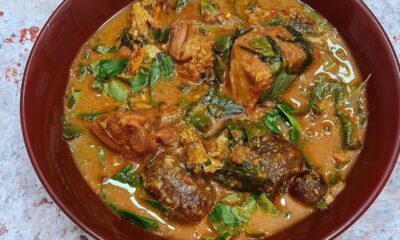
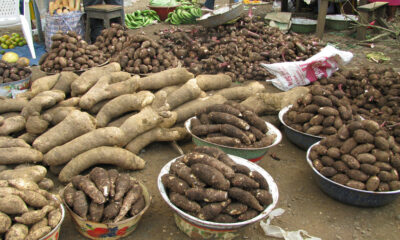
Igbo Cuisine
10 Signature Igbo Soups to Relish

Discover 10 signature Igbo soups you must taste in all their richness and tradition, each with its unique origin, ingredients, flavour profile, and cultural significance across Igbo states.
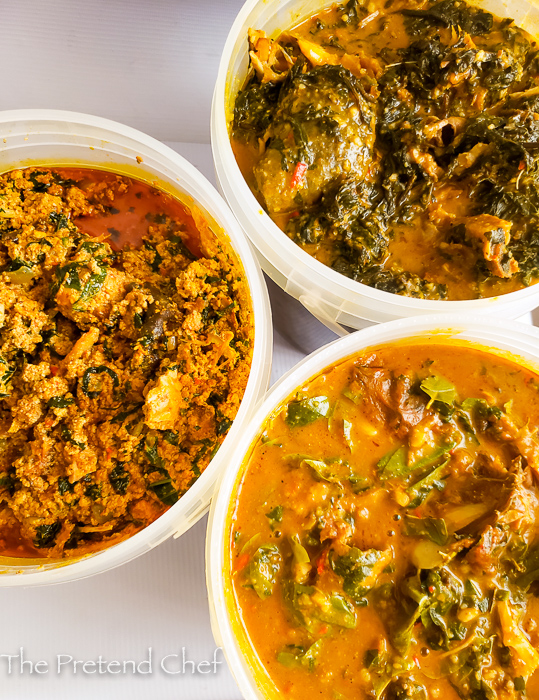
Nigeria’s southeastern region, home to the Igbo people is a treasure trove of rich traditions, vibrant festivals, and most famously, mouthwatering delicacies. Among these, some signature Igbo soups stand out as both cultural symbols and culinary masterpieces.
Deeply rooted in ancestral recipes and local ingredients, signature Igbo soups are more than just meals. They tell stories through taste, aroma, and texture. Each soup carries the essence of a specific community, revealing its people’s history, environment, and artistry in blending flavours from land and sea.
From the creamy smoothness of Ofe Nsala and the earthy savour of Ofe Onugbu in Anambra to the lush richness of Ofe Owerri in Imo, these soups define the Igbo identity. They are the pride of family gatherings, wedding feasts, and village festivals, often paired with traditional swallows like pounded yam or fufu.
The artistry of preparing these soups has been passed down through generations, preserving not only the ingredients but also the philosophy of hospitality that the Igbo hold dear.
In this cultural culinary journey, we explore 10 signature Igbo soups that should be relished, each celebrated for its unique origin, preparation style, and pairing preference.
Whether you are an adventurous foodie, a cultural enthusiast, or someone tracing their Igbo roots, this will take you through the depth and diversity of Igbo soup culture – a feast for both the palate and the soul.
1. Ofe Nsala (White Soup)

Mainly enjoyed in: Anambra (especially, the riverine communities)
Ofe Nsala, often called White Soup is one of the most cherished signature Igbo soups renowned for its light appearance and rich, velvety taste. Unlike many other Igbo soups that are heavy with palm oil, Ofe Nsala stands out for its oil-free recipe. ‘
It is typically prepared with fresh catfish which gives it a distinct riverine aroma and a naturally savoury broth. The soup’s “whiteness” comes from the absence of palm oil and the use of pounded yam, resulting in a clean, milky look that delights both the eyes and the taste buds.
In Anambra, particularly among Ogbaru people and other riverine communities, Ofe Nsala is traditionally considered a “special visitor’s soup.” It is served to honour guests, nursing mothers, and newlyweds, symbolizing purity and warmth.
While catfish remains the preferred protein, some variations use chicken, goat meat, depending on personal preference or availability.
The key ingredients include uziza seeds, which give the soup its mildly peppery note; ehuru (African nutmeg) for aroma; and local spices that transform simple ingredients into a royal dish. Ofe Nsala is often paired with pounded yam for the ultimate flavour harmony.
More than just a meal, Ofe Nsala represents a cultural expression of love and hospitality. A soup that warms both the stomach and the heart.
Cultural note: Among the Anambra Igbo, Ofe Nsala is often the first soup served to a new mother after childbirth because of its lightness and nourishing savour, thus affirming its place as one of the signature Igbo soups.
2. Ofe Onugbu (Bitter Leaf Soup)

Mainly enjoyed in: Anambra, Enugu and Ebonyi States
Ofe Onugbu, widely known as Bitter Leaf Soup is one of the most celebrated signature Igbo soups and a proud culinary symbol of Eastern Nigeria, especially, Anambra.
As the name suggests, its key ingredient is onugbu (bitter leaf), a locally grown vegetable that undergoes careful washing and squeezing to remove excessive bitterness while retaining its distinctive flavour. The soup represents the perfect balance between bitterness and sweetness. A reflection of life’s dual nature in Igbo philosophy.
Deeply rooted in the cultural identity of Anambra people, Ofe Onugbu is traditionally served during family reunions, marriage ceremonies, and festive occasions. It is not merely food but a statement of pride, served to showcase the host’s cooking mastery and respect for tradition.
The soup is typically prepared with a combination of assorted meats such as cow tripe, goat meat, and stockfish, along with dried fish and crayfish to enrich the flavour. The thick base comes from cocoyam (ede), which is boiled and pounded before being added to create a smooth texture.
Palm oil gives the soup its signature golden hue, while ogiri isi (fermented melon seed) brings out the signature aroma while providing an earthy depth of taste unique to the Igbo kitchen.
The beauty of Ofe Onugbu lies in its complexity. Each spoonful is a rich tapestry of flavours – the smokiness of dried fish, the nuttiness of ogiri, and the herbal undertone of the bitter leaf, all blending into a velvety finish. The soup pairs wonderfully with pounded yam or fufu, offering a deeply satisfying experience.
Beyond its deliciousness, Ofe Onugbu is believed to have medicinal value. Bitter leaf is rich in iron, calcium, and vitamins that help detoxify the body and boost immunity.
For many Igbo families, it’s both a delicacy and a health tonic.
Cultural note: Among Anambra people, Ofe Onugbu is regarded as the “king of soups” and is the preferred dish served to in-laws during traditional marriage ceremonies. This secures its place on the list of signature Igbo soups.
3. Ofe Oha

Mainly enjoyed in: Imo, Anambra, and Enugu States
Ofe Oha is one of the most cherished signature Igbo soups loved for its rich flavour, cultural significance and unique seasonal main vegetable – Oha leaf. This special leaf, native to southeastern Nigeria is tender, aromatic and known for its smooth, slightly tangy taste.
Because Oha trees shed their leaves seasonally, the soup is often seen as a blessing of nature and is especially celebrated when the fresh leaves are available.
Ofe Oha holds a sacred place in Igbo households, particularly among the Imo and Anambra people, where it is viewed as a communal dish that unites families. Traditionally, it is prepared during festive seasons, harvest celebrations, and homecoming ceremonies.
The saying “A naghi eri Ofe Oha kwa ụbọchị” (Oha soup is not eaten every day) reflects its rarity and premium status.
The base of the soup is made with cocoyam (ede) which gives it a smooth, thick consistency. Palm oil or banga sauce adds a rich reddish-golden color while ogiri isi (fermented melon seed) deepens the flavour with an earthy note. Uziza leaf or seed also helps to unleash the complete aroma and taste. Protein options vary but often include goat meat, beef, stockfish, and dried fish. Crayfish and pepper are added to elevate the taste.
One key cultural aspect of preparing Ofe Oha is the handling of the leaves. Traditionally, Oha leaves are never cut with a knife, as the Igbo believe that doing so makes the soup lose its natural flavour and softness and causes the soup to come out a bit dark. Instead, the leaves are torn gently by hand into small pieces before being added to the pot.
The taste of Ofe Oha is both comforting and invigorating. It embodies a perfect harmony between the richness of the broth and the freshness of the leaves. It’s a soup that speaks of home, belonging, and heritage. Ofe Oha can be paired with any swallow of choice.
Cultural note: In Imo and parts of Anambra, Ofe Oha is one of the signature Igbo soups often served to special guests or elderly family members as a mark of honour and affection.
4. Ofe Owerri

Mainly enjoyed in: Imo State (especially Owerri, Mbaise, and Orlu areas)
Ofe Owerri, fondly called the “king of soups,” is one of the most luxurious and famous signature Igbo soups native to the heart of Imo State. This soup embodies wealth, hospitality, and celebration.
In Igbo culture, Ofe Owerri is not just a meal, it is a statement of pride, abundance, and joy. A common saying goes, “Onye na e nweghi ego a naghi eri Ofe Owerri” meaning “If you don’t have money, you cannot eat Ofe Owerri.”
The hallmark of Ofe Owerri is its richness. Traditionally, the soup is prepared with a wide assortment of meats and seafood – beef, goat meat, stockfish, dried fish, snails, and sometimes fresh fish. The combination of these proteins creates a deeply layered taste that is unmistakable. It is thickened with cocoyam (ede) and enriched with palm oil, giving it a velvety texture and a reddish-golden hue.
What truly distinguishes Ofe Owerri, however, is its blend of vegetables. The two main leaves used are ugu and okazi. These are carefully balanced to provide both flavour and colour contrast- ugu offering a mild sweetness, and okazi adding a slightly chewy, earthy note. Some families also add ogiri isi and ground crayfish for depth and authenticity.
In Owerri and its environs, this soup is considered a festive delicacy, reserved for special occasions like weddings, traditional meetings, and Christmas celebrations. Owerri women are especially renowned for their mastery of this soup. Preparing it perfectly is viewed as a mark of skill and womanhood.
Each spoonful of Ofe Owerri is a symphony of flavours: rich, meaty, spicy, and aromatic. It fills the room with a tantalizing aroma that instantly calls people to the table. For guests, being served Ofe Owerri is considered an honour. It means the host holds them in high regard.
Cultural note: In Imo State, especially Owerri zone, Ofe Owerri is traditionally the first soup served to newly married couples, symbolizing prosperity, peace, and unity. You cannot dispute Ofe Owerri as one of the signature Igbo soups to relish.
5. Ofe Akwu

Mainly enjoyed in: Anambra
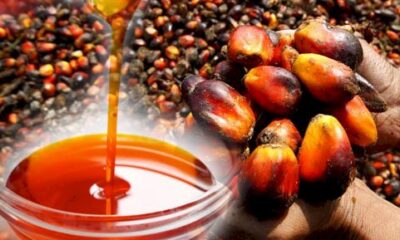
Ofe Akwu, often referred to as Palm Nut Soup is one of the most versatile and beloved signature Igbo soups celebrated for its deep, rich flavour and velvety texture. The name Akwu comes from the Igbo word for palm fruit which is the base ingredient of this soup.
Unlike palm oil that is extracted separately, Ofe Akwu is made from boiled and pounded palm fruits whose natural oil and pulp are combined to create a smooth, nutty, and intensely aromatic delicacy.
Among the Igbo people, especially those from Anambra, Ofe Akwu serves both as a ceremonial and everyday delicacy. It is traditionally prepared on Sundays or during family gatherings, and it carries a nostalgic essence that reminds people of home. While other ethnic groups like the Urhobo and Isoko in Delta State also have their version called Banga Soup, the Igbo style stands out for its distinctive spices, use of dried fish, and addition of vegetables such as ugu and nchanwu.
The soup’s preparation is a beautiful ritual. The palm fruits are boiled until soft, pounded in a mortar to extract their oily pulp, then strained to form a smooth liquid base. This is cooked with assorted meats, stockfish, dried fish, and seasonings like crayfish, ogiri okpei and pepper. In some communities, nchuanwu is added toward the end of cooking to enhance aroma and freshness.
A unique characteristic of Ofe Akwu is its dual purpose. While it is famously used as a sauce for white rice, it can also be eaten as a soup with swallows such as pounded yam or fufu.
Ofe Akwu represents both comfort and celebration in Igbo households. Its rich, oily base and the deep, earthy flavour from fermented condiments make it a soul-satisfying meal that bridges tradition and modern tastes.
Cultural note: Among Anambra people, Ofe Akwu is one of the signature Igbo soups that is regarded as a Sunday special and is often served during traditional marriage (Igba nkwu).
6. Ofe Achara with Akpuruakpu Egusi

Mainly enjoyed in: Abia and Ebonyi States
Ofe Achara with Akpuruakpu Egusi, popularly called Achara Soup is a highly esteemed traditional delicacy among the Abia Igbo people. It is one of the most distinctive signature Igbo soups known for its smoky aroma, chunky texture, and the use of local, indigenous ingredients rarely found elsewhere. The main ingredient, achara is a type of edible bamboo shoot that adds a natural crunch and subtle sweetness to the soup, creating a unique sensory experience that sets it apart from other Igbo soups.
This soup is often enriched with akpuruakpu egusi, a special molded melon seed mixture. Instead of grinding melon seeds into a paste as is done in regular egusi soups, the seeds are molded into small, firm balls and partially cooked before being added to the pot.
These balls absorb the soup’s flavour as they simmer, resulting in a firm yet tender texture that bursts with taste in every bite. The combination of achara and akpuruakpu egusi is what gives the soup its characteristic texture and layered flavor profile.
Preparation begins with assorted meats – goat meat, beef, kanda (cow skin), and stockfish boiled with local seasonings until tender. Ground crayfish, ogiri isi and pepper are added to enrich the base, followed by palm oil for that deep, reddish hue.
Once the akpuruakpu egusi balls are introduced, the soup is allowed to simmer gently before the chopped achara and tender okazi leaves are added. The resulting aroma is captivating, rustic, and irresistibly traditional.
Ofe Achara is more than just food. It’s a cultural expression of identity. Among the Umuahia and Ngwa people of Abia and the Izzi people of Ebonyi, it is a must-have during special occasions such as traditional weddings, chieftaincy ceremonies and village festivals. It symbolizes unity and communal pride, as the soup is often cooked in large quantities and shared among families and neighbours.
The soup’s taste is a delightful blend of earthy, nutty, and spicy elements. Each mouthful combines the softness of meat, the crunch of achara, and the rich savour of the egusi balls, making it an unforgettable culinary experience. Ofe Achara can be paired with any swallow of choice.
Cultural note: Among Umuahia and Ngwa people, Ofe Achara is one of the signature Igbo soups regarded as the ultimate festive soup. Serving it at events signifies respect for guests and an open display of culinary excellence.
7. Ofe Egusi

Mainly enjoyed in: Anambra, Imo, and Enugu States
Ofe Egusi is one of the most popular and widely loved signature Igbo soups cherished for its rich taste, versatility, and satisfying texture. Made primarily from ground melon seeds (egusi), this soup represents a beautiful balance of nutrition and indulgence. The Igbo version of Egusi soup stands out for its unique preparation style and the depth of flavour achieved through traditional ingredients such as ogiri and an array of proteins.
Egusi has deep roots in the culinary history of the Igbo people, particularly in Anambra and Imo States where it is considered an everyday delicacy as well as a festive meal. The soup is often prepared for family gatherings, church feasts, and cultural events. Its vibrant colour, derived from palm oil, and its thick, nutty base make it visually and gastronomically appealing.
To prepare Ofe Egusi, melon seeds are ground into a fine paste and mixed with water to form a thick batter. This is added to boiling meat stock enriched with assorted meats – goat meat, tripe, cow skin, and stockfish. Palm oil gives the soup a deep reddish-golden tone while ground crayfish, pepper, and ogiri bring in that authentic Igbo flavour.
Vegetables such as ugu leaves or bitter leaf are then added to create a perfect blend of colour, taste, and texture.
There are two main Igbo styles of preparing Ofe Egusi: the fried method and the lumpy method. The fried method involves sautéing the melon paste in palm oil before adding it to the soup, creating a smooth, richly flavoured broth. The lumpy method, on the other hand, drops small balls of melon paste directly into the boiling stock, resulting in soft, egg-like lumps that give the soup its unique character. Both variations are equally delicious and widely accepted across Igbo communities.
Beyond taste, Egusi soup is a nutritional powerhouse. Melon seeds are rich in protein, healthy fats, and essential minerals, making the soup both hearty and nourishing. It is especially loved by farmers and artisans for its energy-giving properties. It can be paired with any swallow of choice.
Cultural note: In Anambra and Imo States, Ofe Egusi is one of the signature Igbo soups that is a symbol of hospitality and is often served to guests during traditional visits and festive celebrations.
8. Ofe Utazi

Mainly enjoyed in: Enugu, Anambra and parts of Ebonyi and Abia States
Ofe Utazi is one of the rarest and most aromatic signature Igbo soups treasured for its medicinal value and distinct bittersweet flavour. The soup derives its name from utazi (Gongronema latifolium), a local herb known for its sharp, tangy, and slightly bitter taste.
Among the Igbo people, especially in Enugu, Anambra and Abia States, Ofe Utazi is regarded not only as a delicacy but also as a soup with healing properties, often recommended for its digestive and detoxifying benefits.
Utazi is a native herb widely used in southeastern Nigeria. While it is commonly used as a garnish in dishes like nkwobi and isi ewu, it plays a starring role in this exceptional soup. When combined with assorted meats, palm oil, and traditional spices, it produces a flavour profile that is simultaneously bold, earthy, and invigorating.
To prepare Ofe Utazi, fresh utazi leaves are washed like bitter leaf to remove the bitterness. They are added toward the end of cooking to preserve their aroma and slightly bitter taste. Uziza leaf or seed are also part of the things that add to its uniqueness. The soup’s base is typically thickened with egusi (melon seeds) or cocoyam paste, depending on regional preference.
Meat, stockfish, and dried fish form the protein base, while ogiri and crayfish lend a characteristic depth. The resulting broth is smooth, aromatic, and layered with the natural pungency of the utazi and uziza leaves.
Ofe Utazi holds cultural significance among the Nsukka and Ngwa people where it is considered a symbol of vitality and wellness. Traditionally, it is served to postpartum women and those recovering from illness to help cleanse the body and stimulate appetite.
In many Igbo homes, it is also used to mark new beginnings such as harvest festivals, housewarmings, or family reconciliations, symbolizing the bittersweet nature of life’s experiences.
The soup’s taste is a delicate balance between mild bitterness and subtle sweetness, creating a sensory experience that deepens with every bite. It is especially satisfying when paired with soft, elastic swallows that absorb its rich, herbal broth.
Cultural note: In parts of Enugu, Ofe Utazi is considered a soup of renewal served during special occasions to wish good health, peace, and longevity to loved ones, thus making it one of the signature Igbo soups.
9. Ofe Ugba

Mainly enjoyed in: Imo and Abia States
Ofe Ugba is a rich and flavourful signature Igbo soup prepared with ugba (African oil bean slices), palm oil, and a medley of native seasonings. Deeply rooted in the culinary traditions of the Owerri and Ngwa people, this soup is both a comfort dish and a festive meal that reflects the creative depth of Igbo cuisine.
Ugba, which is also a key ingredient in popular delicacies like ugba na okporoko gives the soup its signature earthy and nutty flavour.
The African oil bean tree (Pentaclethra macrophylla) is indigenous to southeastern Nigeria, and its seeds undergo a meticulous process of boiling, slicing, and fermentation to produce ugba. This process not only enhances flavour but also enriches the soup with a mildly tangy aroma that sets it apart from most traditional soups.
The preparation of Ofe Ugba begins with frying palm oil until it turns bright red and aromatic. Ground crayfish, ogiri and pepper are then added to form a savoury base. The sliced ugba is gently stirred in, allowing it to absorb the rich oil and spices. Next comes the broth made from assorted meats, stockfish, or smoked fish, creating a thick, glossy, and deeply satisfying consistency.
Some variations incorporate vegetables such as ugu or utazi to add colour and a hint of bitterness that complements the oil bean’s flavour.
Traditionally, Ofe Ugba is served during festive gatherings such as marriage ceremonies, child-naming events, or visits from special guests. It holds cultural significance among the Owerri people of Imo State who often describe it as “a soup of honour” – a meal reserved for valued visitors or moments of celebration.
Beyond its ceremonial role, the soup also symbolizes community and sharing, as ugba dishes are commonly enjoyed in large platters during social feasts.
Nutritionally, Ofe Ugba is a powerhouse. The oil bean seeds are rich in protein, calcium, and healthy fats, making the soup not just delicious but also nourishing. It is particularly cherished by elders who appreciate its unique flavour and health benefits, especially for heart and bone wellness.
The texture of the soup is smooth, slightly oily, and intensely flavourful. Every spoonful brings together the umami of fermented ogiri, the crunch of ugba, and the tenderness of assorted meats, creating an experience that lingers pleasantly on the palate. Ofe Ugba goes with any swallow of choice.
Cultural note: Among the Ngwa people of Abia, Ofe Ugba is served as a sign of respect to in-laws and esteemed guests, securing its place as one of signature Igbo soups. It is often accompanied by palm wine, reinforcing its role as a symbol of hospitality and warmth.
10. Ofe Okazi
Mainly enjoyed in: Ebonyi, Abia, and Imo States
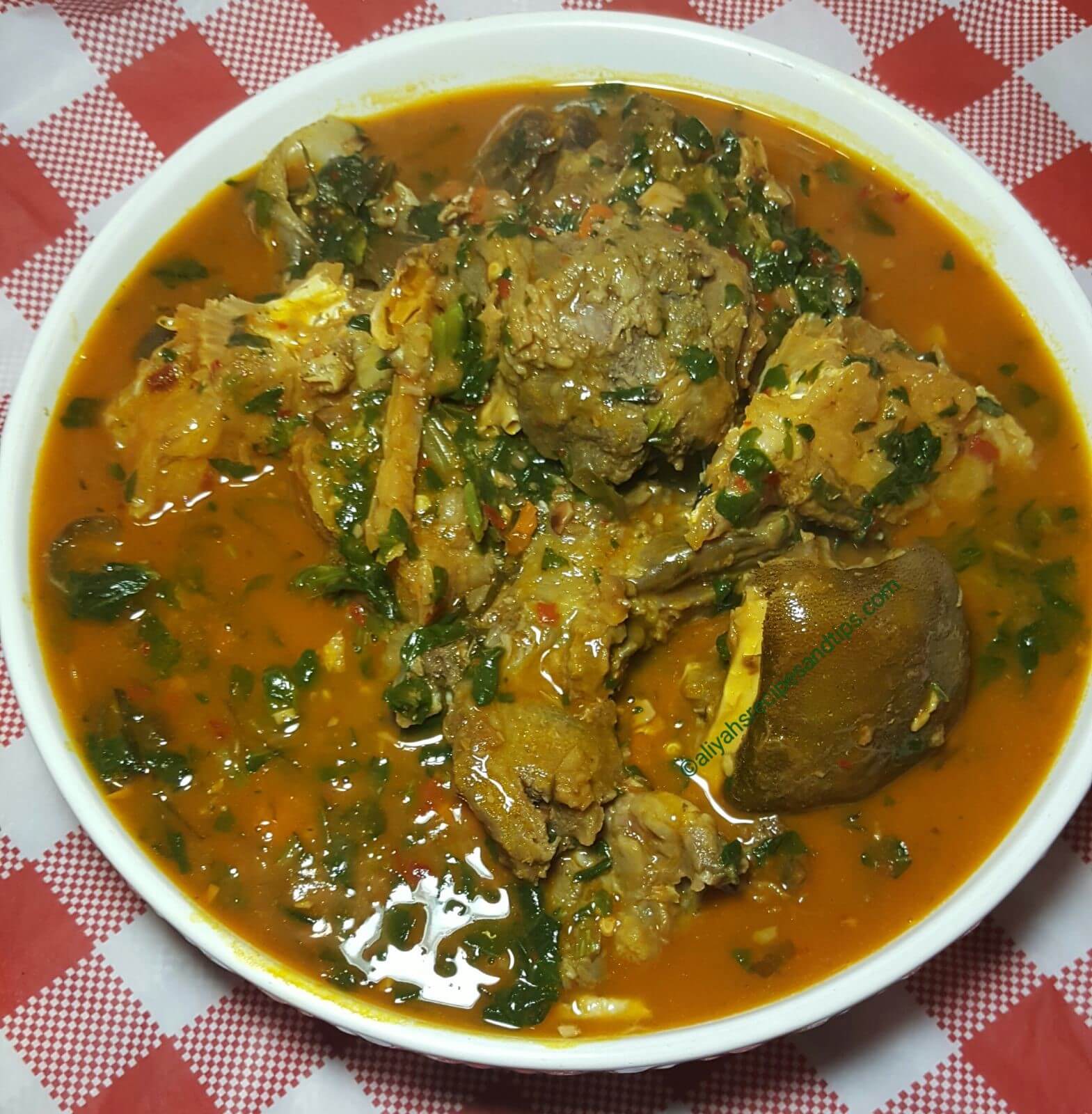
Ofe Okazi or Afang Soup (when cooked in Cross River or Akwa Ibom styles) is one of the most refined and beloved signature Igbo Soups. It is prepared with okazi leaves (Gnetum africanum), a tough, glossy green wild spinach native to the rainforests of southeastern Nigeria. Known for its dense texture and aromatic flavour, Ofe Okazi is a true symbol of Igbo culinary ingenuity of balancing taste, nutrition, and cultural heritage in a single pot.
Among the Igbo people, Ofe Okazi holds a special place in both family and ceremonial settings. It is most popular in Ebonyi State, particularly among the Afikpo and Izzi people, but it is also deeply enjoyed in Abia (especially in Ngwa and Ohafia areas) and parts of Imo State. In many households, it is a celebratory soup served during weddings, homecomings and community feasts.
The star of the dish – okazi leaf has a unique fibrous structure that requires careful slicing or pounding to achieve the right texture. It is often combined with waterleaf or oha leaves to soften its consistency and add a mild sweetness that balances the richness of the broth.
The soup base is created using palm oil, cocoyam paste (ede), ground crayfish, ogiri and assorted meats such as goat meat, stockfish, cow skin (kpomo), and dried fish.
When properly cooked, Ofe Okazi develops a velvety texture with an earthy, nutty aroma. The slightly chewy okazi leaves provide a delightful contrast to the tender meats and smooth cocoyam, creating a satisfying blend of flavour and texture. The soup’s signature appeal lies in its depth – a fusion of spice, savour, and herbal freshness that remains memorable long after the meal.
Culturally, Ofe Okazi is regarded as a strength-giving soup. The Afikpo people often prepare it for new mothers to help restore strength after childbirth. It is also served to special guests as a mark of respect and abundance. In some communities, it is believed that serving Ofe Okazi signifies prosperity and harmony, as its ingredients represent fertility and richness of the land.
Nutritionally, okazi leaves are rich in fibre, protein, and antioxidants. They aid digestion and support heart health, making the soup both a delicacy and a wellness meal. Unlike some Igbo soups that are light, Ofe Okazi is thick, filling, and can last several days when properly stored. This is a testament to its practical and cultural value.
The soup’s versatility allows it to be paired with a variety of swallows, though pounded yam remains the most traditional choice. The combination of soft yam with the dense, aromatic soup delivers a perfect balance that embodies the essence of southeastern comfort food.
Cultural note: Among the people of Afikpo in Ebonyi State, Ofe Okazi is of the signature Igbo soups served at traditional ceremonies as a “soup of pride,” representing wealth, hospitality, and the unity of families.
Balancing Signature Igbo Soups in Everyday and Festive Cooking
Igbo cuisine thrives on balance between everyday nourishment and festive indulgence. While many signature Igbo soups like Ofe Onugbu, Ofe Nsala, and Ofe Okazi grace grand occasions, they also hold a place in daily family meals, connecting generations through taste and tradition.
The art lies in adapting these soups to fit both simple home cooking and elaborate feasts, ensuring that the rich flavours and cultural meanings behind each dish remain alive in every setting.
Here are some of the things that are factored in while planning to prepare any of these signature Igbo soups:
Ingredient Sourcing and Seasonality
Many of these signature Igbo soups above depend on seasonally available greens and fresh produce (e.g. oha leaf, achara, utazi, okazi) or costly proteins (snails, assorted meats). To maintain the signature status of these signature Igbo soups, cooks often wait for peak availability of ingredients to ensure freshness and flavour.
Labour and Technique
Some of the signature Igbo soups require labour-intensive steps such as hand-tearing oha leaf, washing bitter leaf repeatedly, peeling and preparing achara, or pounding cocoyam and thickening carefully. The dishes’ signature status often comes from these labour-intensive processes.
Regional Pride and Variation
Although a soup might originate in one State, variations stretch across Igbo land. For instance, Ofe Owerri is strongly tied to Imo, but people from other States cook it with small tweaks. Similarly, Egusi is ubiquitous, but family styles vary. What gives a soup signature status is not just origin, but how faithfully or innovatively a cook executes it.
Presentation and Portioning
In many ceremonial settings, these signature Igbo soups are presented in elegant bowls, with generous portions of meat and fish visible. The quantity of protein and the aesthetic arrangement reinforce the “signature” label.
In Conclusion…
The culinary heritage of Igbo people is a beautiful reflection of their history, creativity, and deep respect for nature’s gifts. From the earthy richness of Ofe Onugbu to the aromatic layers of Ofe Okazi, these signature Igbo soups tell stories that go far beyond flavour to speak of family, community, and celebration.
Each soup, whether simple or elaborate, carries the imprint of the land and the wisdom of generations who perfected the balance of taste, nutrition, and culture.
Exploring signature Igbo soups is not just a culinary adventure but a cultural experience that bridges the past and the present. These soups invite you to savour tradition in every spoonful; to taste the pride of the Igbo homeland and appreciate the artistry behind their preparation.
Whether enjoyed during festive gatherings or quiet family dinners, they remain a symbol of unity, abundance, and the enduring spirit of Igbo hospitality.
If you have yet to explore the full range of signature Igbo soups, there is no better time to begin. Each bowl offers not only nourishment but also a window into one of Africa’s richest food cultures – one that continues to inspire, connect, and nourish people across generations.
References
- https://www.foodnetworkafrica.com/traditional-nigerian-soups/
- https://nigerianfoodnetwork.com/
- https://www.allnigerianrecipes.com/igbo-soups/
You might want to check this out…