



African Food Culture
Igbo Food Culture: Traditional Dishes, Staple Foods, and Their Cultural Meaning

Igbo food culture presents the rich and vibrant culinary tradition from southeastern Nigeria that connects food with history, community, and identity. Explore soups, staples, occasions, and eating traditions of Igbo people.
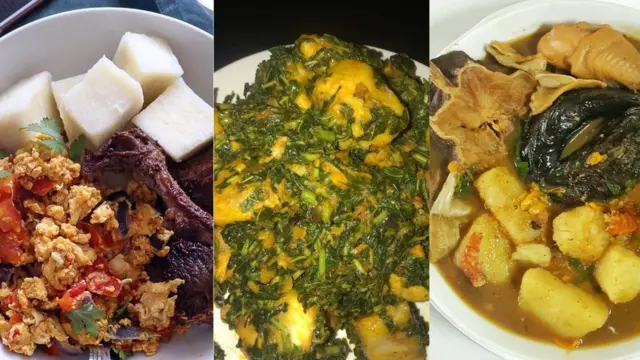
Food has always told the story of Igbo people. Long before written records, history was preserved in what was grown, cooked, shared, and celebrated at the table. In Igboland, food is never just about eating. It is about identity, survival, gratitude, and community. This is the root of the Igbo food culture.
From the sacred place of yam in traditional life to the deep, comforting soups that bring families together, Igbo cuisine reflects a people closely connected to their land and to one another. Every dish carries meaning. Every ingredient has a reason. Meals mark milestones such as births, marriages, festivals and farewells, and quietly remind each generation of who they are and where they come from.
The Igbo food culture is built on simplicity, balance, and shared experience. Palm oil, leafy vegetables, tubers, fermented foods, and carefully prepared proteins form meals that are both nourishing and symbolic. Cooking is often communal. Eating is rarely rushed. Respect, hospitality, and tradition influence how food is prepared and served.
This article takes a thoughtful journey into traditional Igbo cuisine. It explores staple foods, iconic soups, indigenous dishes, food rituals, regional variations, and the social values woven into everyday meals. It also looks at how Igbo food culture thrives in modern Nigeria and across the diaspora.
By the end, you will not just know what the Igbo eat, you will understand why their food still matters, and why it remains one of the strongest expressions of Igbo identity today.
Geographic and Environmental Influence on The Igbo Food Culture
To understand the Igbo food culture, you have to begin with the land. The foods eaten across Igboland did not emerge by chance. They grew directly from the soil, the climate, and the rhythm of the seasons. Southeastern Nigeria is blessed with fertile earth, steady rainfall, and a landscape that supports farming all year round. This natural environment has defined the Igbo food culture for centuries.
The region’s tropical climate allows crops like yam, cassava, cocoyam, maize, and vegetables to thrive. These staples became the foundation of daily meals because they were reliable, filling, and easy to cultivate. Palm trees which grow widely across Igboland provide palm oil, an essential ingredient that defines the colour, aroma, and taste of many traditional dishes. Rivers and streams also contribute fish and freshwater seafood that add variety to local diets.
Igbo cooking reflects a close relationship with nature. Foods are prepared, mostly based on what is in season, and traditional meals often change with the farming calendar. During harvest periods, dishes are richer and more abundant. During lean seasons, meals are simpler but still nourishing. This balance shows a deep understanding of sustainability long before the term became popular.
The environment also influences how food is processed and preserved. Fermentation, drying, and smoking developed as practical responses to weather and storage needs. These methods not only extend the shelf life of food but also create the distinct flavours that define Igbo cuisine today.
In every sense, the Igbo food culture takes its roots from the land. The geography of Igboland, often determines what people eat, how they cook, and how food becomes a central expression of identity, resilience, and communal living.
Core Staples of the Igbo Food Culture
At the heart of the Igbo food culture are the staples that have sustained communities for generations. These are not just ingredients, they are symbols of identity, resilience, and tradition. From daily meals to festival feasts, these core foods form the foundation of what it means to eat Igbo.
Yam
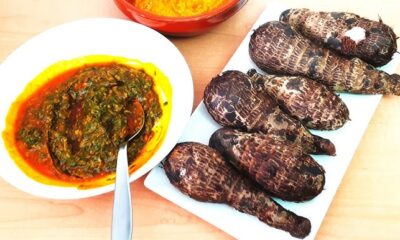
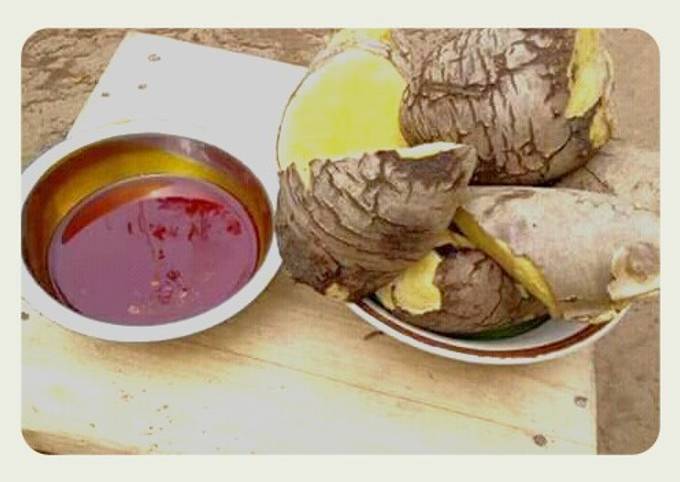
Yam, or ji in Igbo is the king of Igbo staples and a symbol of wealth, power, and prosperity. Every year, the New Yam Festival celebrates this revered crop that honours the harvest and giving thanks to the gods and the ancestors. Yams are prepared in many ways – boiled, roasted, or pounded into smooth dough known as pounded yam which is a staple accompaniment to soups like Ofe Nsala or Oha soup. Yam comes in different species such as the normal yam, ona, etc. The presence of yam on the table is a statement of abundance and cultural pride.
Cassava and Its Derivatives
Cassava is another cornerstone of Igbo cuisine. Its versatility is unmatched as it can be transformed into products like garri, a fermented and fried staple; akpu or fufu, a smooth swallow eaten with soups; and abacha, a grated cassava dish. Cassava ensures that meals remain filling, accessible, and adaptable to the seasons and reflects the ingenuity embedded in the Igbo food culture.
Cocoyam, Maize, and Plantain
Cocoyam (ede) is prized not only for its flavour but also as a thickening agent in soups to give dishes like Oha and bitterleaf soup their signature texture. Maize and plantain also hold significant roles as they appear in meals, snacks, and festive dishes. Plantains can be boiled, fried, or roasted, thus adding variety and sweetness to daily diets. These staples, accompanied with palm oil and spices, define the colour, aroma, and essence of Igbo cooking.
Palm Oil
Palm oil deserves special mention. Extracted from the fruit of the palm tree, it is a staple ingredient that colours and flavours countless soups and sauces. Its presence signals richness and depth in a dish. From red palm oil in Ofe Akwu to its subtle use in daily meals, it is indispensable to the Igbo food culture and culinary identity.
Together, these core staples form the backbone of Igbo meals. They go beyond sustenance to tell stories, celebrate heritage, and connect generations. Every meal, from the simplest home dinner to the grandest festival spread begins with these essential ingredients and demonstrates how the Igbo food culture is rooted in both practicality and meaning.
Soups – The Heart of Igbo Cooking
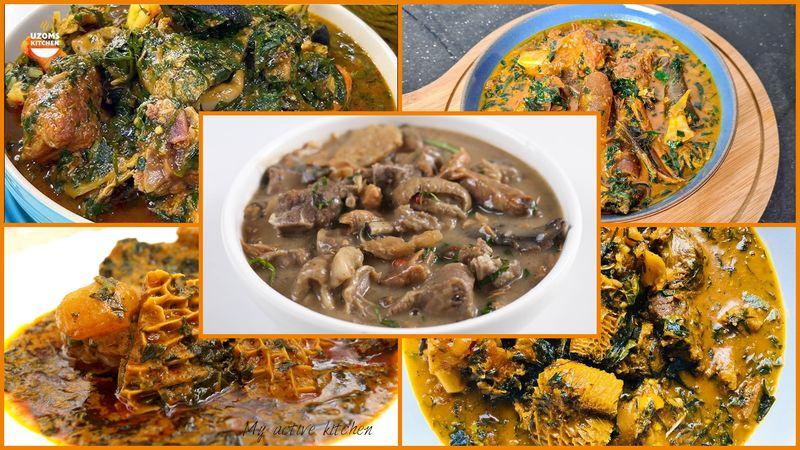
If staples form the foundation of Igbo food culture, soups are its heartbeat. In Igboland, a meal is incomplete without a rich, flavourful soup to accompany pounded yam, fufu, or garri. Soups provide comfort, celebration, and identity on a plate. Every spoonful tells a story of family, land, and tradition.
Soups are central to daily life and special occasions alike. They are the dishes that gather families around the table, mark weddings, festivals, and naming ceremonies. The preparation of these soups often involves care, patience, and respect for generations of culinary knowledge. Each region, each household adds its own twist as a reflection of local produce, available proteins, and family taste.
Ofe Nsala (White Soup)
Ofe Nsala, known as white soup is a classic of Igbo food culture. Its name comes from its light colour as it is prepared without palm oil. Catfish is often the main protein, and yam or cocoyam pieces are added to thicken the broth. Utazi leaves lend a delicate, slightly bitter flavour that balances the gentle spiciness. Ofe Nsala is typically paired with pounded yam.
Ofe Onugbu (Bitterleaf Soup)
Bitterleaf soup is another iconic dish. Its main ingredient, the bitterleaf is carefully washed to remove its bitterness while retaining its unique taste. The soup is thick, nourishing, and rich with smoked fish, assorted meats, and cocoyam as a natural thickener. Ofe Onugbu is a favourite at family gatherings and ceremonial events, and it represents the balance of flavours that Igbo cuisine is known for.
Ofe Oha (Oha Soup)
Oha soup is often regarded as a delicacy. It features tender leaves from the oha tree, added towards the end of cooking to preserve texture and flavour. Cocoyam is used as a thickener, and proteins such as beef, goat meat, and smoked fish enrich the dish. Oha soup embodies the elegance and depth of Igbo culinary tradition.
Ofe Akwu (Palm Nut Soup)
Ofe Akwu, also known as palm nut or banga soup is prepared from the rich extract of palm fruit. The reddish broth is deeply flavourful, simmered with meats, fish, spices, and crayfish. Traditionally, it is served with rice and is a staple at social gatherings and celebrations. Its bold colour and aroma make it immediately recognizable in the Igbo food culture.)
Egusi Soup
Egusi soup is made from ground melon seeds which give it a thick, creamy texture. It is commonly prepared with leafy vegetables such as pumpkin leaves (ugu) and enriched with assorted proteins. Egusi soup exemplifies how the Igbo food culture combines nutrition with flavour. It is widely enjoyed across Igboland and has become a symbol of home-cooked comfort.
Ofe Owerri
Ofe Owerri is a signature soup from the Owerri region. Known for its richness and complexity, it often includes a variety of meats, fish, snails, and vegetables like okazi and uziza leaves. Thickened with cocoyam, this luxurious soup is traditionally served with semolina, pounded yam, or other swallows. Ofe Owerri is considered a culinary masterpiece and represents the premium end of the Igbo food culture.
Soups in Igbo cuisine are expressions of culture, creativity, and heritage. Each one reflects local produce, seasonality, and family tradition. They are central to everyday meals and grand celebrations that remind everyone that food in Igbo society is a way to connect, honour the ancestors, and celebrate life itself.
Traditional Dishes and Indigenous Meals
Beyond soups and staples, the Igbo food culture shines in its diverse traditional dishes. These meals go beyond nourishment as they carry history, celebrate heritage, and connect people to family and community. Many of these foods are enjoyed daily while others are reserved for festivals, weddings, and special occasions. Each dish tells a story about the ingenuity, resourcefulness, and flavour preferences of Igbo people.
Abacha (African Salad)
Abacha, also called African salad is a cold dish made from grated and processed cassava. It is mixed with a local sauce made with palm oil, ground pepper, onions, and fermented oil bean known as ugba. Sometimes, sliced garden eggs or dried fish are added. Abacha is crunchy, spicy, and tangy, and is commonly served at gatherings, ceremonies, or as a street food snack. It is a prime example of how the Igbo food culture transforms simple ingredients into vibrant, flavourful meals.
Okpa
Okpa is a steamed pudding made from Bambara nut flour, palm oil, and local spices. It has a smooth, slightly firm texture and is often eaten for breakfast or as a snack. Particularly popular in Enugu and other parts of southeastern Nigeria, okpa is nutritious, filling, and easy to prepare. Its cultural significance is evident in markets and homes across Igboland and shows how everyday foods are deeply woven into local identity.
Nkwobi and Isi Ewu
Nkwobi and Isi Ewu are delicacies often served at gatherings and traditional ceremonies. Nkwobi is made from cow foot cooked until tender and combined with a local sauce made with palm oil, potash, spices, and garnished with onions. Isi Ewu is prepared in similar wayu but uses goat head as its main protein. Both dishes are flavorful, rich, and often enjoyed with palm wine. These meals showcase the resourcefulness of the Igbo food culture where no part of an animal goes to waste, and preparation reflects both skill and tradition.
Ukwa (African Breadfruit)
Ukwa, or African breadfruit is a nutrient-rich meal made from the seeds of the breadfruit tree. The seeds are boiled until soft and then mixed with palm oil, spices, and sometimes, vegetables. Ukwa is traditionally served during festive occasions or communal meals. Its preparation reflects the Igbo respect for natural foods and the value placed on indigenous crops.
Ji Mmiri Oku and Achicha
Other traditional meals include ji mmiri oku, a yam pepper soup porridge that is both spicy and soothing, and achicha, made from dried cocoyam cooked with vegetables or beans. These dishes highlight the balance of flavour, texture, and nutrition in the Igbo food culture. They are practical, accessible, and yet, deeply connected to tradition.
Akidi
Akidi is a type of small brown bean cooked with spices and sometimes, combined with ugba or palm oil. It is often paired with other staples or enjoyed as a simple meal on its own. Like many indigenous dishes, akidi reflects resourcefulness, flavour, and communal sharing.
These traditional dishes highlight the richness of the Igbo food culture. They show how simple ingredients can be transformed into meals that are nourishing, festive, and deeply symbolic. Whether served at home or during community celebrations, these dishes continue to preserve history, express identity, and connect people across generations.
Food, Festivals, and Ritual Life

In Igbo food culture, meals are never just about eating. They are a way of marking time, celebrating life, and honouring both the ancestors and community. Food is central to festivals, rites of passage, and daily expressions of respect and gratitude. Every dish served tells a story and connects the present to the past.
The New Yam Festival
One of the most celebrated events in Igboland is the New Yam Festival, or Iri Ji. This annual festival marks the yam harvest season. Yams are considered sacred, and the festival is a way of giving thanks to the gods and the ancestors for a successful harvest. During the celebration, the first yams are cooked and offered in ceremonies before being shared among family and community members. This festival highlights how the Igbo food culture is intertwined with spirituality, gratitude, and communal identity.
Food in Weddings and Naming Ceremonies
Meals play a vital role in weddings and naming ceremonies. During these events, traditional dishes like pounded yam, fufu, Onugbu, Egusi and/or soups are carefully prepared and presented. The quality and richness of the food reflect the respect and hospitality extended to guests. Sharing meals in these contexts reinforces social bonds, celebrates new beginnings, and preserves generational traditions.
Funerals and Food as Respect
Even in times of mourning, the Igbo food culture plays a symbolic role. Funerals are marked by preparing and serving specific dishes to honour the deceased. Foods such as yam, soups, and meats are carefully selected to highlight the social status and legacy of the departed. Serving these meals is a gesture of respect and remembrance that emphasizes the importance of food in communal life.
Taboos, Restrictions, and Sacred Meals
Certain foods carry spiritual or cultural significance. For example, some communities observe taboos against eating the first yam of the harvest before the New Yam Festival. Other sacred meals are prepared for specific deities or ancestral rites. These practices show how the Igbo food culture goes beyond nutrition to include ethics, spirituality, and societal norms.
In Igbo life, food bridges the gap between daily living and cultural identity. From joyous festivals to solemn ceremonies, meals are a form of communication, celebration, and reverence. They connect individuals to family, community, and history as a way of keeping traditions alive through taste, preparation, and sharing.
Indigenous Food Processing and Preservation
A key part of the Igbo food culture is not just what is eaten but how it is prepared and preserved. For generations, Igbo communities have relied on clever, natural methods to ensure that food remains safe, flavourful, and available across seasons. These traditional techniques are as much a part of the culture as the dishes themselves.
Fermentation is one of the oldest and most distinctive methods in Igbo cuisine. Ingredients like cassava and oil bean seeds are fermented to create products with unique flavours. Cassava is fermented to make garri or fufu while oil beans become ugba, a delicacy used in salads and soups. Fermentation enhances taste, extends shelf life, and even improves nutritional value.
Drying is another common practice. Fish, meat, vegetables, and even yams are often sun-dried to prevent spoilage. Dried ingredients can be stored for months to enable families to cook traditional meals, even during off-season periods. Sun-drying is practical, energy-efficient, and has remained a cornerstone of the Igbo food culture.
Smoking is used particularly for fish and some meats. It not only preserves the food but also adds a rich, smoky flavour that is characteristic of many traditional dishes. Smoked fish, for example, is a key ingredient in soups like Ofe Onugbu and Oha soup that adds depth and aroma that fresh fish alone cannot achieve.
Pounding and grinding are more than preparation methods, they are ritualistic acts that require skill and patience. Yam is pounded into smooth, elastic dough to make pounded yam, cocoyam is mashed for thickening soups, and seeds are ground into powder for various dishes. These practices are central to the preparation of traditional meals and reflect the physical and cultural labour that sustains the Igbo food culture.
These preservation and processing methods show how the Igbo have historically combined practicality with artistry. By relying on natural processes, they maintain flavour, nutrition, and cultural authenticity. Indigenous techniques ensure that traditional dishes remain available, even in changing seasons, thus keeping Igbo food culture alive and resilient.
Regional Variations Across Igboland
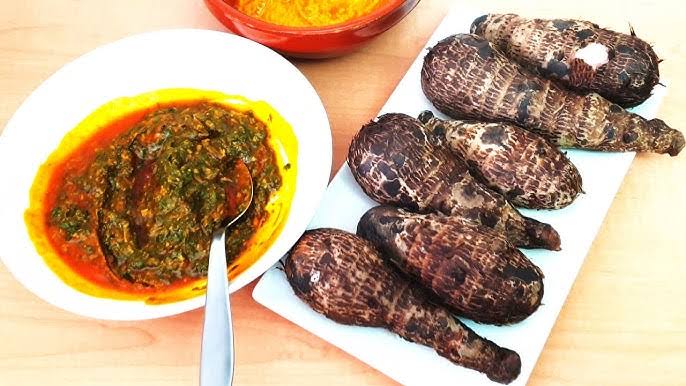
While the Igbo food culture shares common staples, soups, and techniques across southeastern Nigeria, each region adds its own unique flavours, ingredients, and preparation styles. These regional variations projects local crops, climate, traditions, and tastes in making Igbo cuisine diverse, dynamic, and deeply rooted in community life.
In Anambra, dishes often highlight locally available ingredients. Ofe Onugbu and Ofe Nsala are widely enjoyed, and yam-based dishes such as pounded yam and ji mmiri oku are central to both daily meals and festivals. Street foods like okpa and snacks such as fried plantain balance everyday practicality and traditional tastes. Anambra cuisine often emphasizes simplicity with bold flavours that stay true to core elements of the Igbo food culture.
Enugu and the surrounding Nsukka area are known for specialties like okpa, abacha, and various yam and bean-based dishes. Soups such as Oha soup are frequently prepared for family gatherings and ceremonial occasions. The region also features unique variations of palm nut soup, often adapted to local tastes with slightly spicier seasonings or added smoked fish. These nuances showcase how the Igbo food culture is flexible and responsive to local preferences.
Imo State cuisine places strong emphasis on hearty, flavourful soups. Ofe Owerri, a rich and luxurious soup originates from this region. It includes assorted meats, snails, and vegetables such as okazi and uziza leaves. It is one of the most celebrated soups in Igboland. Other regional favourites include yam porridge and fermented bean-based dishes that highlight the ingenuity of local food traditions.
In Abia, the cuisine leans toward creative use of local vegetables and legumes. Dishes like oto, a mashed yam preparation cooked with palm oil and spices, and various bean and plantain meals demonstrate the interplay between local produce and culinary skill. Abia meals often balance richness and flavour to show the broader ethos of the Igbo food culture – practicality married with celebration.
Ebonyi State’s food culture is strongly influenced by its agrarian lifestyle. Soups and stews often incorporate leafy greens, ground seeds, and smoked proteins that represent what is grown or harvested locally. Meals are hearty, nutritious, and designed to sustain families through daily labour while honouring traditional preparation methods.
Across Igboland, these regional differences highlight the adaptability and creativity embedded in the Igbo food culture. While each locality brings its own flair, the shared emphasis on communal eating, seasonal ingredients, and flavour-rich preparation unites the cuisine. These variations ensure that the culinary heritage remains vibrant, relevant, and distinctly Igbo.
Eating Etiquette and Social Values
In Igbo food culture, how food is eaten is just as important as what is eaten. Meals are a reflection of respect, community, and shared identity. The dining table is not just a place for sustenance, it is a space where values, traditions, and relationships are reinforced.
Traditionally, meals in Igboland are shared communally. Bowls of pounded yam, garri, and soups are placed at the centre of the gathering. Family members, neighbours, or guests eat together, often using their right hand. Sharing food this way strengthens family bonds and emphasizes unity. It is a reminder that in Igbo society, no one eats alone, food connects people physically, socially, and emotionally.
Respect is central to Igbo dining etiquette. Elders are served first, and their approval or blessing is sought before younger family members begin eating. This practice is a reflection of broader societal norms that honor age, experience, and wisdom. Even in casual meals, giving priority to elders signals appreciation and humility, key values within Igbo food culture.
Hospitality in Igbo culture is expressed through food. Guests are offered the best portions, and the preparation of meals is often generous to accommodate everyone. During festivals, weddings, or ceremonial events, the quality and quantity of food serve as a measure of goodwill and communal respect. Offering and sharing meals demonstrate kindness, generosity, and cultural pride.
Preparation and serving of food often follow traditional roles. Women typically handle cooking while men and older children may assist with farming, hunting, or food processing. These roles reflect practical organization and cultural norms that have been passed down through generations. Children are taught from a young age to respect food, understand its origins, and participate in mealtime rituals which ensure that the Igbo food culture continues across generations.
Eating together is a medium for teaching values. Conversations during meals reinforce family history, moral lessons, and cultural knowledge. Food becomes a living classroom where manners, respect, and social harmony are demonstrated and learned.
Essentially, the Igbo food culture is inseparable from the social values it embodies. Meals are occasions to honour elders, nurture community, celebrate guests, and teach future generations the principles of respect, unity, and generosity. Eating in Igboland is not merely to take care of hunger, it is a way of living, learning, and connecting.
Igbo Food Culture in Modern Times and the Diaspora
The Igbo food culture has stood the test of time in adapting to modern life while preserving its core traditions. Today, traditional dishes are prepared in homes, restaurants, and celebrations not just in southeastern Nigeria but across the world, wherever Igbo people have settled. The cuisine continues to connect generations, evoke memories, and express identity, even far from the ancestral homeland.
In cities across Nigeria, modern living has influenced how traditional foods are prepared and consumed. Busy schedules and limited space have led to innovations in cooking. Ready-to-cook ingredients, frozen proteins, and modern kitchen appliances make it easier to prepare classic dishes like pounded yam with Oha or Egusi soup without compromising on flavour. Despite these changes, the rituals, presentation, and communal essence of meals remain intact.
Across the globe, in places like London, New York, Toronto, and beyond, diaspora communities maintain the Igbo food culture as a tangible link to home. Restaurants, cultural festivals, and family gatherings showcase traditional soups, swallows, and snacks. Dishes like Ofe Nsala, Abacha, and Ukwa are prepared with care, often using imported or locally sourced substitutes for native ingredients. These meals do more than satisfy hunger, they preserve identity, teach children their heritage, and create community spaces where stories and traditions are shared.
Technology has played a major role in keeping the Igbo food culture alive. Social media platforms, cooking blogs, and YouTube channels allow recipes, cooking tips, and cultural stories to reach a global audience. The younger generations who might never visit their ancestral villages can still learn about the proper preparation of traditional dishes, understand the symbolism of meals, and participate in food-centered celebrations online.
Modern times have also encouraged creativity within the Igbo food culture. Chefs experiment by fusing traditional ingredients with global cooking styles and producing innovative dishes that retain Igbo flavours while appealing to broader tastes. This fusion ensures that traditional foods stay relevant and continue to evolve without losing their cultural essence.
Despite modernization, migration, and globalization, the heart of Igbo cuisine remains a deep connection to community, ancestry, and the land. In both urban Nigeria and the diaspora, meals are a celebration of heritage, an expression of identity, and a living testament to the resilience and richness of the Igbo food culture.
Health, Nutrition, and Indigenous Knowledge
One of the remarkable aspects of the Igbo food culture is how nutrition and health are woven into traditional meals. Long before modern dietary advice, Igbo communities intuitively understood the balance of flavours, textures, and nutrients needed for a healthy life.
Soups like Ofe Oha, Egusi, and Ofe Onugbu combine leafy vegetables, proteins, and natural thickeners to create meals rich in vitamins, minerals, and fiber. Proteins come from fish, goat, beef, or poultry while legumes, nuts, and seeds provide additional nutrients. Staples like yam, cassava, and cocoyam offer energy-sustaining carbohydrates while palm oil contributes healthy fats when used in moderation.
Many ingredients in Igbo cuisine carry medicinal or health-promoting properties. Bitterleaf used in Ofe Onugbu is known for its cleansing and digestive benefits. Pumpkin leaves (ugu) are rich in iron and vitamins, and support overall wellness. Traditional spices and local herbs such as uziza, utazi, and scent leaves not only enhance flavour but also promote digestion and immunity.
Traditional cooking methods also preserve nutritional value. Quick boiling of vegetables, careful fermentation of cassava, and steaming of grains like okpa retain vitamins and minerals. Smoking and drying fish and meat extend shelf life without the use of artificial preservatives. These indigenous practices communicate a deep understanding of how to feed both body and community sustainably.
Nutrition in the Igbo food culture is passed down through practice and observation. Children learn not only how to prepare and enjoy meals but also the health benefits of ingredients and the importance of seasonal eating. This inter-generational knowledge ensures that food continues to be a source of vitality, cultural connection, and resilience.
Through its natural, balanced, and nutrient-rich meals, the Igbo food culture affirms that traditional cuisines are carefully crafted systems of health, wellness, and sustainability rooted in generations of indigenous knowledge.
In Conclusion …
The Igbo food culture is a living tradition, a reflection of community, identity, and history. From the fertile lands of Igboland to urban kitchens and diaspora homes around the world, the cuisine tells the story of a people who celebrate life, honour their ancestors, and connect through food.
Staples like yam, cassava, cocoyam, and plantain form the backbone of daily sustenance while soups such as Oha, Egusi, and Ofe Nsala are the heart of communal gatherings. Traditional dishes like Abacha, Okpa, Nkwobi, and Ukwa highlight creativity, resourcefulness, and cultural pride. Across regions, meals adapt to local ingredients, yet, the shared values of hospitality, respect for elders, and communal eating remain constant.
Even in modern times, the Igbo food culture still thrives. The diaspora keeps traditions alive, digital platforms spread recipes and knowledge, and chefs innovate while honouring ancestral techniques. Indigenous food processing, preservation methods, and nutrient-rich ingredients showcase the wisdom embedded in generations of Igbo culinary practice.
Ultimately, Igbo cuisine is culture, identity, and health. Every meal is an opportunity to share, teach, and celebrate. By understanding and appreciating the Igbo food culture, we honour not just the food itself but the people, history, and values it represents.
For anyone exploring Nigerian cuisine, this rich and vibrant culinary tradition offers a journey through flavour, heritage, and community that is as nourishing for the soul as it is for the body.
References
- https://en.wikipedia.org/wiki/Igbo_cuisine
- https://9jafoods.com/igbo-traditional-food-system-a-rich-cultural-heritage/
- https://www.oriire.com/article/the-cultural-cuisine-of-the-igbo-tribe-in-nigeria
- https://theradar.ng/lifestyle/10-traditional-soups-of-the-igbo-people
- https://ndigboestonia.com/igbo-cuisine-and-its-cultural-significance/
- https://nnewicity.com/10-signature-igbo-soups-to-relish/
- https://outravelandtour.com/5-iconic-igbo-dishes-and-their-cultural-stories/
- https://9jafoods.com/igbo-foods-25-commonly-consumed-list-of-igbo-food/