



Igbo Food Culture
Cocoyam (Ede): A Traditional and Popular Staple in Igbo Food Culture and Cuisine

Cocoyam is a traditional staple in Igbo food culture and cuisine deeply rooted in history, farming systems, nutrition, and everyday meals across southeastern Nigeria.
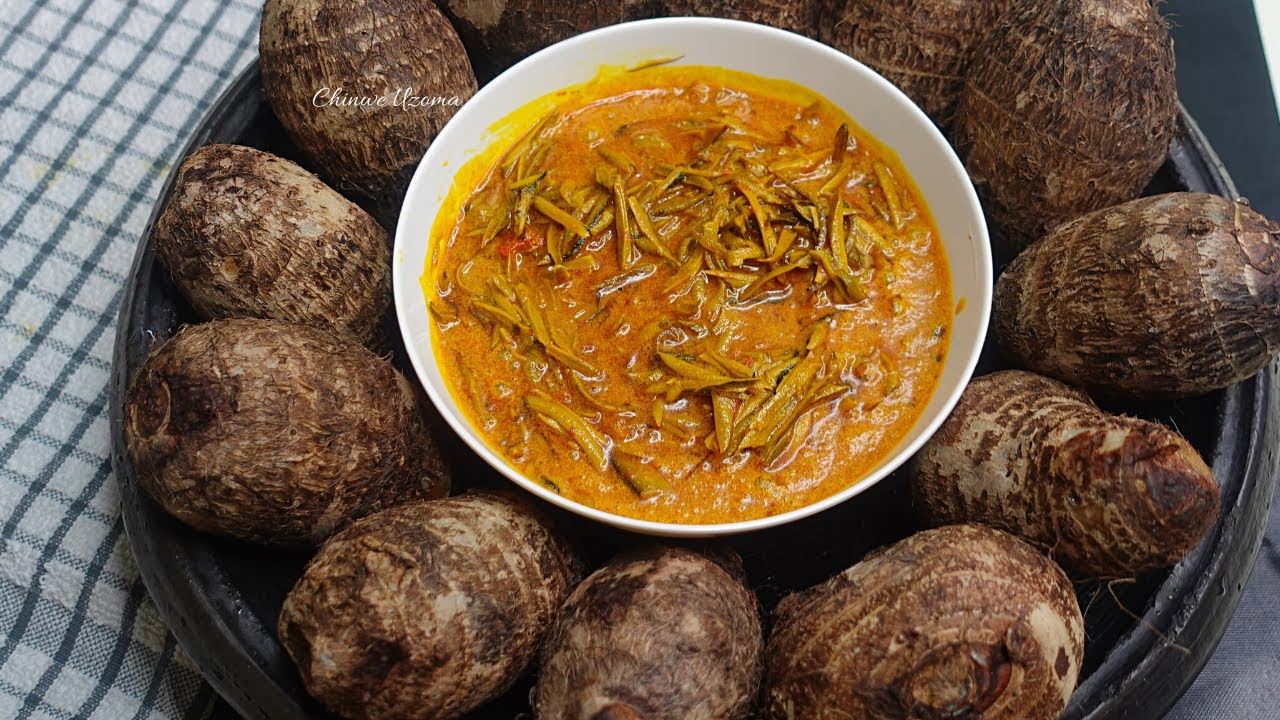
Cocoyam has been part of Igbo food culture for a very long time. In many homes across southeastern Nigeria, it is not seen as something special or rare, rather as an everyday food that people have grown up eating. It shows up in simple meals at home, in village farms, and in local markets where families buy what they will cook for the day.
In Igbo food culture and cuisine, cocoyam is used in different ways. It can be boiled and eaten on its own, pounded and eaten with soup, or used to thicken traditional dishes. For many families, it has also served as a steady food when other staples were not enough or not available.
Even though cocoyam is not always talked about as much as yam or cassava, it has remained in everyday cooking for generations. This article looks at ede as a traditional staple in Igbo food culture and cuisine, how it has been used over time, and why it is still seen in many homes today.
What is Cocoyam?
Cocoyam is a tropical root crop grown mainly for its underground edible part called a corm. It belongs to two main plant groups: Colocasia esculenta (often called taro) and Xanthosoma sagittifolium. Both are widely grown in southern Nigeria, especially in Igbo-speaking areas.
In simple terms, cocoyam is a starchy food, similar to yam and cassava, but with its own texture and taste. When cooked, it becomes soft and slightly sticky. This makes it useful in many traditional dishes, especially soups and swallow meals.
Beyond the corm, the leaves are also eaten in some communities. They are cooked as vegetables and added to soups, depending on local preference and availability.
Cocoyam has different varieties and is valued not only as food but also as a reliable farm crop. It grows well in moist soil and does not always require the same conditions as yam, which makes it an important part of traditional farming systems in many parts of Igbo land.
Historical Importance of Cocoyam in Igbo Land
Cocoyam has been part of life in Igbo land for a very long time. It is one of those crops that did not arrive recently or replace anything else. Instead, it grew naturally into the everyday food system of Igbo communities, alongside yam, cassava, and other local staples.
In traditional Igbo society, farming was mainly about survival and feeding the household. People relied heavily on what the land could produce each season. Cocoyam fit well into this system because it was dependable and could grow in different types of soil. In many cases, it was planted in small farms, backyard gardens, and mixed farms where it grew together with yam, vegetables, and other crops.
One important reason cocoyam became widely accepted was its ability to serve as a “support food.” In years when yam harvests were low or when weather conditions affected other crops, cocoyam helped to reduce food shortage in homes. It was not always seen as the most prestigious crop, but it was trusted because it was available and could sustain families when needed.
Cocoyam also fit into the farming rhythm of Igbo communities. Planting usually took place during the rainy season, and harvesting followed after several months of growth. Families learned these cycles over time and passed the knowledge down through generations. This made cocoyam farming part of everyday agricultural life rather than something separate or special.
In addition, ede became part of the food economy in many rural areas. Women often played a strong role in its cultivation, processing, and sale in local markets. This gave it a place not only in household meals but also in small-scale trade that supported family income.
As generations changed, cocoyam remained in the background of Igbo food culture. Even when other crops gained more attention, it continued to appear in traditional dishes and family meals. Its historical importance is not only about agriculture, it is also about how it helped to shape food habits, survival strategies, and everyday cooking practices in Igbo land.
Cocoyam in Traditional Igbo Agriculture
Cocoyam has long been part of traditional Igbo farming systems where most households depended on small-scale agriculture for food. It was not usually grown as a single major crop like yam, but it held an important place in mixed farming practices that supported family survival throughout the year.
In many Igbo communities, ede was planted in carefully prepared mounds or flat beds, depending on the soil type and local farming tradition. Farmers often grew it alongside yam, cassava, maize, and vegetables. This method of intercropping helped to maximize limited farmland and reduced the risk of total crop failure. If one crop struggled, others could still provide food for the household.
Cocoyam is also known for its ability to grow in shaded or partially shaded areas. This made it useful in farms where taller crops like yam or trees already occupied space. Because of this flexibility, it became a reliable crop for families with smaller land holdings or less fertile soil.
The planting season for cocoyam usually begins with the arrival of the rains. Farmers prepare the soil by clearing weeds and loosening the ground before planting the corms. Over the following months, the crop requires regular weeding but not as much intensive care as some other staples. This made it suitable for households balancing farming with other responsibilities.
Harvesting is done carefully to avoid damaging the corms. In many Igbo farming traditions, harvesting is done gradually rather than all at once. Families may leave some cocoyam in the ground and dig it out when needed. This practice helps to extend food availability over a longer period.
In rural Igbo life, cocoyam farming knowledge is passed through experience rather than formal training. Older farmers teach younger ones when to plant, how to space crops, and how to recognize maturity. This transfer of knowledge has helped to maintain cocoyam as part of traditional agriculture for generations.
Even today, although farming practices are changing, cocoyam remains a familiar crop in many rural farms. Its role in traditional Igbo agriculture is tied to practicality, food security, and the long-standing habit of growing multiple crops together for household stability.
Traditional Igbo Foods Made from Cocoyam

Cocoyam is one of those ingredients that shows up in many different ways in Igbo cooking. It is not limited to one type of meal. Depending on how it is prepared, it can become a full dish on its own or serve as an important part of other recipes. Over time, families in Igbo land have developed several simple and practical ways of using cocoyam in everyday meals.
One of the most common preparations is simply boiling it. The corms are washed, and cooked in water until they become soft. This form is often eaten as a quick meal at home, sometimes with palm oil, pepper, salt, or sauce. In many rural homes, it is a familiar food for breakfast or light lunch.
Cocoyam is also pounded into a smooth paste and eaten with soup, similar to other swallow foods in Igbo cuisine. When prepared this way, it becomes soft and slightly sticky, which makes it easy to pair with thick soups like ogbono, oha, or nsala. This method of eating cocoyam is common in households that prefer traditional swallow meals.
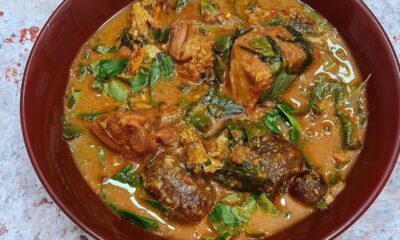
Another popular dish is cocoyam porridge. In this preparation, cocoyam is cooked with ingredients such as palm oil, salt, pepper, onions, and sometimes fish or meat. Some households also add vegetables or spices to enhance the taste. This dish is filling and often prepared as a complete one-pot meal.
In many Igbo kitchens, ede is used to thicken soups. It may be grated, pounded, or cooked and blended into a smooth paste before being added to soup. This helps to give soups a richer texture without changing their natural flavour too much. It is commonly used in traditional soups like oha and ofe mmiri oku.
In some communities, it is not only the root that is used. The leaves of cocoyam are also cooked as vegetables. They are washed, sliced, and added to soups, especially in rural cooking. The leaves are valued for their soft texture and their ability to blend well with other soup ingredients.
Across Igbo land, these different preparations show how cocoyam fits into everyday cooking. It is flexible, filling, and easy to adapt to different meals. For many families, it remains a reliable part of traditional cuisine, especially in homes that still value indigenous foods.
Cultural Significance of Cocoyam in Igbo Society
In Igbo society, ede is more than just a food crop. It is part of daily life, family routines, and long-held food traditions that connect people to their roots. Even though it may not always be discussed in formal cultural settings, its presence in homes and farms gives it a quiet but steady cultural value.
One of the key cultural roles of cocoyam is its place in household food security. In many traditional Igbo homes, it has served as a dependable crop that helps families manage periods when other staples are not enough. Because of this, ede is often associated with stability and continuity in the home. It is the kind of food that is always available in one form or another, either fresh from the farm or stored for later use.
Cocoyam also appears in everyday hospitality practices. In many communities, when visitors are welcomed, meals prepared with cocoyam may be served alongside other traditional foods. This reflects the idea that Igbo hospitality is rooted in sharing what is available, not necessarily what is rare or expensive. Cocoyam dishes, whether boiled, pounded, or used in soup, often form part of these shared meals.
In addition, ede is closely linked to the roles of women in traditional Igbo food systems. Women are often responsible for planting, harvesting, processing, and cooking cocoyam. Through these activities, knowledge about its preparation is passed from mothers to daughters and from older women to younger ones. This makes it part of the informal education system within households.
Cocoyam also holds meaning in communal life. In rural settings, it is commonly featured in everyday meals shared within extended families. During gatherings, it may be served alongside yam, cassava, and other local foods, thus showing its place in the wider food culture rather than as an isolated dish.
While cocoyam may not carry ritual or ceremonial status in the same way as some other crops, its cultural importance lies in its everyday presence. It is part of what people grow, cook, and eat regularly. Over time, this steady presence has helped to shape food habits and maintain a connection to traditional Igbo cuisine, even as modern diets continue to change.
Nutritional and Health Benefits of Cocoyam
Cocoyam is not only important in Igbo food culture because of tradition. It also provides useful nutrients that support everyday health and energy needs. Like other root crops, it is mainly a source of carbohydrates, but it also contains other nutrients that make it valuable in a balanced diet.
One of the main benefits of cocoyam is that it provides energy. The carbohydrates in cocoyam are broken down by the body into glucose which helps to fuel daily activities. This is why it is often eaten as a filling meal in many households, especially in rural communities where people engage in physical work.
Cocoyam also contains dietary fibre. Fibre helps to support digestion by making bowel movement smoother and more regular. Foods that contain fibre are often recommended as part of a healthy diet because they help the body to process food more efficiently.
Another important nutrient found in cocoyam is potassium. Potassium plays a role in maintaining fluid balance in the body and supports normal muscle function. It is one of the minerals needed in small but steady amounts for general wellbeing.
Ede also contains vitamin C, although in moderate levels. Vitamin C is known to support the immune system and helps the body to repair tissues. While cocoyam is not a major source of vitamins compared to fruits and vegetables, it still contributes to overall nutrient intake when included in meals.
In traditional Igbo diets, cocoyam is often eaten alongside soups made with vegetables, fish, or meat. This combination improves the overall nutritional value of the meal. The body benefits not just from cocoyam alone, but from the mix of ingredients used in local cooking.
Another advantage is its low fat content. When boiled or prepared with minimal oil, it can be part of a diet that avoids excessive fat intake. However, like most starchy foods, it is best eaten as part of a balanced meal rather than as a single food source.
Overall, cocoyam remains a useful food crop in many Igbo households because it provides energy, supports digestion, and fits easily into traditional meals that combine different food groups.
Economic Importance of Cocoyam
Cocoyam is not only important as food in Igbo culture, it also plays a steady role in local economies, especially in rural communities where small-scale farming and trading are common. For many households, it contributes both to daily survival and small income generation.
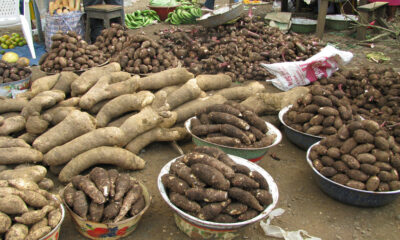
One of the main economic roles its place in local markets. Farmers and traders bring cocoyam corms to village and urban markets where it is sold in small or large quantities, depending on demand. In many Igbo markets, cocoyam is a familiar item that buyers purchase for home cooking, especially for soups, porridge, or swallow meals.
Cocoyam also supports the livelihood of smallholder farmers. Unlike large commercial crops, it is often grown on family farms where it contributes to household food supply first, and any surplus is sold. This makes it a dual-purpose crop, as it serves both as food and as a source of income.
Women play a major role in the cocoyam value chain in many Igbo communities. They are often involved in planting, harvesting, processing, and selling the crop in local markets. This participation gives ede economic importance beyond farming, as it helps support informal trade and strengthens household income streams.
In addition, cocoyam contributes to food availability in local economies. Because it can be stored in the ground for some time before harvest, it allows farmers to manage supply over longer periods. This helps to stabilize food access during times when other crops may not be readily available.
Ede also supports small food businesses. Local food vendors and traditional eateries use it in preparing soups, swallows, and porridge dishes. This creates continuous demand within the informal food sector, especially in rural and semi-urban areas.
However, despite its importance, cocoyam is not always produced on a large commercial scale. Many farmers still rely on traditional methods, and production levels can be affected by pests, limited agricultural support, and changing interest in farming. Even with these challenges, cocoyam remains an important part of the rural economy in Igbo land.
Overall, ede continues to contribute to household income, local trade, and food supply systems, making it an important but often under-recognized crop in the economic life of Igbo communities.
Modern Uses and Changing Consumption Patterns

Cocoyam still holds an important place in Igbo food culture, but the way it is eaten and valued has changed over time. In many urban homes today, diets are shifting toward rice, bread, pasta, and other processed foods. Because of this, ede is not as commonly prepared in some households as it once was.
In rural areas, however, cocoyam remains a regular part of meals. Families still boil it, cook it as porridge, or use it in soups. In these settings, it continues to serve as a practical and affordable food option, especially during harvest seasons when it is readily available.
In modern cooking, it is also being used in new ways. Some people now process it into flour which can be used for swallow meals or baking. This form makes it easier to store and use without the need for daily peeling and boiling. It also helps to extend its shelf life compared to fresh corms.
There is also growing interest among chefs and food enthusiasts in traditional Nigerian ingredients. Cocoyam is sometimes included in modern recipes that blend local and contemporary cooking styles. This includes fusion dishes where ede is paired with different proteins, vegetables, and spices in more refined presentations.
In markets today, cocoyam is still available but its demand can vary, depending on location and season. In some urban markets, it is less visible compared to more widely consumed staples like rice or yam flour. However, in many local and semi-urban markets, it remains a familiar and regularly traded food item.
Another change in consumption patterns is related to convenience. Many younger people who grew up in cities may not prepare cocoyam as often because it takes more time to peel and cook compared to processed foods. This has influenced how often it appears in weekly meal plans.
Despite these changes, ede has not disappeared from Igbo cuisine. Instead, it has shifted between traditional and modern food spaces. It continues to be part of rural diets, occasional urban meals, and emerging food innovations that aim to preserve local ingredients in new forms.
Preservation of Cocoyam in Igbo Food Heritage
Cocoyam remains an important part of Igbo food heritage, but like many traditional foods, its place in everyday cooking is slowly changing. As modern diets become more common, there is a growing need to protect and sustain knowledge about cocoyam so it does not fade from regular use.
One way cocoyam is being preserved is through family traditions. In many rural households, the older generations still teach the younger ones how to plant, harvest, and prepare cocoyam. These lessons often happen informally in kitchens and farms where children observe and learn by practice rather than formal instruction.
Local food practices also play a role in keeping cocoyam relevant. Traditional meals such as cocoyam porridge, boiled cocoyam, and cocoyam thickened soups are still prepared during family gatherings and in some rural homes. These everyday uses help to maintain familiarity with the crop and its preparation methods.
In addition, there is increasing interest in documenting indigenous Nigerian foods. Researchers, writers, and cultural enthusiasts are paying more attention to crops like ede as part of broader efforts to preserve African food systems. This kind of documentation helps to ensure that traditional knowledge is recorded and not lost over time.
Education can also support preservation. When schools and cultural programmes introduce students to local foods, including cocoyam, it helps to build awareness of its importance. This can encourage the younger generations to appreciate and continue using traditional ingredients in their diets.
Small-scale farming remains another important part of preservation. When farmers continue to grow cocoyam, even on limited land, it keeps the crop in circulation within local markets. This supports both availability and continued use in households.
There is also growing attention to food diversity and healthier eating patterns. Cocoyam fits into this conversation because it is a traditional crop that offers variety in the diet. Promoting local foods like ede can help to balance modern eating habits with indigenous food knowledge.
Overall, preserving cocoyam in Igbo food heritage is not only about farming. It is also about keeping cooking traditions, family knowledge, and cultural identity alive through everyday meals and shared food practices.
Conclusion …
Cocoyam has remained a steady part of Igbo food culture and cuisine for generations. It is not just another root crop, it is a food that has supported families through daily meals, farming cycles, and changing times. From rural farms to home kitchens, it continues to play a quiet but important role in how people eat and live.
Across Igbo land, ede has been valued for its usefulness in different forms. It can be boiled, pounded, or used to prepare soups, making it a flexible ingredient in traditional cooking. Beyond the kitchen, it has also been part of farming traditions and local trade, supporting both food supply and household income.
Even with modern diets and changing eating habits, ede has not disappeared from Igbo menu. It still appears in many homes, especially in rural areas, and remains part of efforts to preserve indigenous food practices. Its continued use shows that traditional foods can still hold meaning and relevance in today’s world.
Ultimately, cocoyam represents more than food. It reflects a way of life that connects agriculture, culture, and family meals in Igbo society.
References
- Springer Nature. (2023). Food systems and indigenous crops in West Africa. https://link.springer.com/
- Encyclopaedia Britannica. (n.d.). Taro (Colocasia esculenta). https://www.britannica.com/plant/taro
- Encyclopaedia Britannica. (n.d.). Xanthosoma (cocoyam). https://www.britannica.com/plant/Xanthosoma
- International Institute of Tropical Agriculture. (n.d.). Cocoyam production and improvement in West Africa. IITA. https://www.iita.org/cropsnew/cocoyam/
- National Root Crops Research Institute. (n.d.). Root and tuber crops research in Nigeria. NRCRI. https://www.nrcri.gov.ng/
You may want to check this out …









