





Igbo Culture & Heritage
Igbo Proverbs: The Timeless Wisdom and Life Lessons

Igbo proverbs reveal timeless wisdom and life lessons that guide behaviour, enrich communication, and preserve cultural values in Igbo society. Explore meanings, examples, and importance.
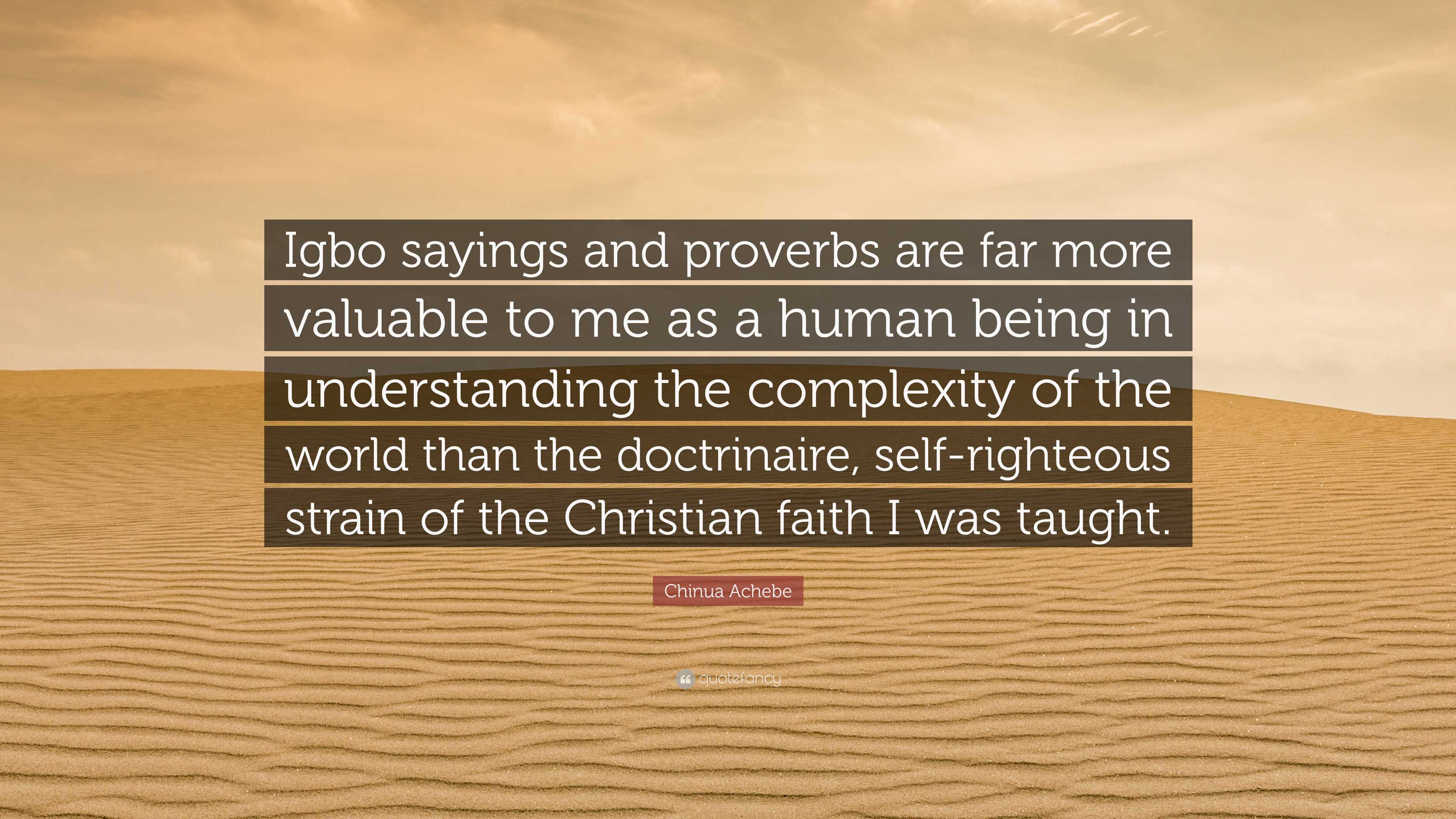
In Igbo culture, words carry weight. A single saying can influence choices, calm conflicts, or teach lessons that last a lifetime. These sayings are what we call Igbo proverbs. They are short, vivid expressions that capture centuries of wisdom, observation, and life experience. Every proverb tells a story. Every phrase carries advice, a warning, or a gentle nudge toward better living.
Imagine sitting at the porch of a family compound in a small Igbo village, listening as an elder shares a proverb that makes you pause and think. “Gịdị gịdì bụ ugwu eze”, meaning unity is strength.
In a few words, a whole philosophy unfolds, informing how families work together, how communities support each other, and how respect flows between generations. These sayings are not just words. They are living guides quietly woven into the fabric of daily life.
This article dives deep into Igbo proverbs, and explores their meanings, uncovers the life lessons they hold, and shows why they remain as relevant today as they were hundreds of years ago. From everyday conversations to ceremonial speeches, from teaching children to resolving disputes, proverbs continue to shape thought and action.
By the end, you will see that these traditional sayings are more than cultural artifacts. They are tools for understanding life itself.
What Are Igbo Proverbs?
More than just catchy phrases, Igbo proverbs are short, meaningful sayings that capture the wisdom, values, and experiences of the Igbo people of southeastern Nigeria. In the Igbo language, proverbs are called ilu, and they often use everyday life, nature, and human behaviour as metaphors to convey lessons that go beyond the literal words.
These Igbo proverbs are designed to teach, advise, or caution. A single proverb can warn against impatience, encourage cooperation, or remind someone of the importance of respect. Unlike ordinary advice, a proverb carries the weight of generations of observation and thought. Scholars sometimes, describe them as “the palm oil with which words are eaten” as a way of emphasizing that proverbs enrich speech, give it flavour, depth, and authority.
In Igbo society, the ability to use proverbs correctly signals wisdom, intelligence, and a deep understanding of culture. Elders, storytellers, and community leaders often use Igbo proverbs to guide discussions, teach moral lessons, and settle disputes. For example, instead of directly criticizing someone, an elder might share a proverb that encourages reflection and better behaviour without causing embarrassment.
What makes Igbo proverbs unique is their compactness. In just a few words, they communicate rich meaning and provoke thought. They often rely on imagery from everyday life. Farming. Fishing. Family relationships. And local wildlife.
Understanding these sayings fully requires knowledge of Igbo culture, history, and values. In essence, Igbo proverbs are not just words, they are vessels of collective knowledge that help to pass wisdom from one generation to the next.
The Cultural Importance of Igbo Proverbs
In Igbo society, proverbs are guides for living. Each saying carries lessons about ethics, respect, and social harmony. These timeless expressions preserve centuries of knowledge and offer insight into how the community values relationships, morality, and responsibility.
Igbo proverbs play a central role in teaching ethics and social conduct. For instance, an elder might say, “Ebe onye dara ka chi ya kwaturu ya,” which means, “Where one falls is where their god pushed them down.” Rather than scolding someone directly, this proverb encourages reflection and personal responsibility. In this sense, Igbo proverbs serve as gentle teachers that guide behaviour without confrontation.
Igbo proverbs also strengthen social cohesion. Many sayings emphasize unity, cooperation, and mutual respect. For example, “Gịdị gịdì bụ ugwu eze” or “Unity is strength” reinforces the idea that people achieve more when they work together. In villages, families, and workplaces, these proverbs remind individuals of their responsibilities toward others with the aim of creating harmony and reducing conflict.
Beyond everyday advice, Igbo proverbs are carriers of cultural identity. They preserve history, record communal wisdom, and communicate traditional values. When a young person hears a proverb, they are connecting to generations of ancestors who faced similar challenges and triumphs. This continuity strengthens a sense of belonging, pride, and respect for the community.
Igbo proverbs are also vital in ceremonial and ritual settings. They appear in weddings, funerals, festivals, and storytelling sessions. In these contexts, they teach lessons about morality, humility, and social responsibility while also entertaining and inspiring the audience. They act as a bridge between the past and the present, thereby keeping the cultural heritage alive in a way that is both natural and memorable.
Simply put, Igbo proverbs are cultural treasures that guide behaviour, foster unity, and transmit values from one generation to the next. They are living examples of how language can carry wisdom, maintain harmony, and ensure that the lessons of the past continue to influence the present.
Common Themes in Igbo Proverbs
Igbo proverbs often revolve around ideas that guide behaviour, encourage reflection, and strengthen community bonds. These sayings are not random. They, rather, emerge from daily life, nature, and social interactions. This gives them timeless relevance. Certain themes appear over and over, each offering lessons that shape personal character and collective life.
Wisdom and Patience
Many proverbs stress the value of thoughtfulness. Acting without reflection can lead to mistakes, while patience and careful consideration bring lasting success. For example, the proverb “Oge adịghị eche mmadụ” means “Time waits for no one.” It reminds people that life moves quickly, and one must act wisely, not procrastinate. Such sayings encourage foresight, planning, and restraint in decision-making.
Respect and Harmony
Respect for elders, leaders, family members, and neighbours is a recurring theme in Igbo sayings. Proverbs often remind people to maintain peace and harmony within their communities. A well-known example is “Egbe belu, ugo belu; nke si ibe ya e bena, nku kwaa ya,” meaning “Let the kite perch, and let the eagle perch; whichever says the other should not perch, let its wings break.”
This proverb teaches tolerance, mutual respect, and peaceful coexistence. It emphasizes that everyone deserves space and dignity, and no one should try to deny others their place. In Igbo thought, harmony comes when people accept one another and live without unnecessary conflict.
Unity and Cooperation
Cooperation and solidarity are central to Igbo life. Proverbs like “Gịdị gịdì bụ ugwu eze”, translated as “Unity is strength” emphasize that success is rarely achieved alone. These sayings encourage collaboration, mutual support, and teamwork, whether within families, villages, or organizations. They reinforce the idea that community wellbeing is linked to individual conduct.
Justice and Integrity
Fairness, honesty, and ethical conduct are highlighted in many Igbo proverbs. They guide people to act with integrity, whether in business, family, or leadership. For instance, “Eziokwu bụ ndụ” which translates as “Truth is life” reminds people that honesty is the foundation of justice and integrity.
In Igbo thought, truth is not just a moral choice, it is essential for trust, fairness, and peaceful coexistence. When truth is upheld, justice naturally follows. When it is ignored, disorder begins. It’s a simple saying that carries deep weight in guiding personal conduct and community life.
Life and Morality
Beyond practical advice, Igbo proverbs often explore deeper moral and philosophical ideas. They address themes like humility, perseverance, courage, and the consequences of actions. A proverb such as “Ụwa bu ahia; onye zuchaa nke ya, o na” (“Life is a marketplace; when you are done buying and selling, you go) reminds listeners that life on earth is temporary. Therefore, it should be lived with intention.
These themes are woven into daily conversations, teaching moments, storytelling, and community gatherings. They are designed to provoke thought, offer guidance, and connect people with the shared values of Igbo culture.
By reflecting on these recurring ideas, individuals can navigate life with awareness, responsibility, and respect for others.
Popular Igbo Proverbs and Their Meanings
Igbo proverbs are windows into the life, values, and wisdom of the Igbo people. Each saying captures a principle, lesson, or insight in just a few words. Understanding them can deepen our appreciation for the culture and offer guidance for everyday living.
Here are some of the most popular Igbo proverbs, along with their meanings and practical life lessons.
“Gịdị gịdì bụ ugwu eze” – Unity is strength. This proverb reminds us that people working together achieve more than individuals acting alone. In families, communities, and workplaces, cooperation fosters success and harmony.
“Ikwu a maghi, ibe e zi ya”, meaning, if one does not know, his relative will teach him. This saying teaches that one can be taught by another.
“Aka nri kwoo aka ekpe, aka ekpe akwoo aka nri” – When the right hand washes the left, the left hand washes the right. Cooperation and mutual support are essential in maintaining relationships.
“Oge a naghi eche mmadụ” – Time waits for no one.
Life moves quickly, and opportunities must be seized. Procrastination can lead to missed chances, while timely action brings progress.
“Ihe ehi hụrụ gbaa oso ka okuku hụrụ na-atụ ọnụ” – Fools rush in where angels fear to tread.
This proverb warns against impulsive behaviour. It teaches that thinking carefully before acting prevents mistakes and conflict.
“Ihe agwo muru a ghaghi i to ogologo” – meaning that the apple does not fall far from the tree.
“Ebe onye dara ka chi ya kwaturu ya” – Where one falls is where their god pushed them down.
Instead of assigning blame, this proverb encourages personal reflection and accountability for one’s actions.
“Ụwa bu ahia; onye zuchaa nke ya, o na” – Life is a marketplace; when you are done buying and selling, you go.
“Ihe onye hụrụ n’anya ka ọ ga-eso ya” – One follows what they love.
This saying teaches commitment and integrity, encouraging people to dedicate themselves to worthy pursuits.
“Igwe bụ ike” – Community is power. This proverb emphasizes humility and reliance on others. No one achieves lasting success entirely alone.
“Egbe belu ugo belu” – Let the kite perch, let the eagle perch. This teaches fairness and respect, reminding people that there is room for everyone to thrive.
These examples demonstrate that Igbo proverbs are not mere words. They are guides, warnings, and encouragements that help people navigate life. Whether advising patience, promoting unity, or teaching morality, these sayings offer lessons that are as relevant today as they were centuries ago.
How Igbo Proverbs Are Used in Everyday Life
Igbo proverbs are not confined to books or ceremonies. They live in everyday conversations, and shape how people speak, think, and make decisions. From family discussions to public meetings, these sayings guide behaviour, teach lessons, and strengthen social bonds.
In households, elders often use proverbs to guide the younger members. Instead of scolding directly, an elder might use a proverb to encourage reflection and learning from mistakes without creating tension. Proverbs, in this way, preserve dignity as it offers wisdom.
Igbo proverbs also appear in storytelling. Parents and grandparents frequently use them while sharing folktales or explaining life lessons. For example, while narrating a story about a clever farmer, a grandparent might insert “Oge a naghi e che mmadụ” (“Time waits for no one”) to emphasize the value of seizing opportunities. Children learn life principles subtly and memorably through these sayings.
In public life, like community gatherings or local leadership discussions, proverbs are tools of persuasion and social cohesion. A speaker might use “Gịdị gịdì bụ ugwu eze” (“Unity is strength”) to encourage collaboration on communal projects. Similarly, in conflict resolution, a well-chosen proverb can remind parties of shared values, and help to calm tempers and restore understanding.
Even in modern contexts, proverbs still matter. Business leaders, educators, and politicians sometimes, weave Igbo proverbs into speeches or advice to convey authority, wisdom, and cultural identity. They offer concise, relatable guidance that resonates across generations.
Ultimately, Igbo proverbs are living tools. They are part of the rhythm of conversation, a bridge between generations, and a way to pass down centuries of collective wisdom. They teach lessons without preaching, remind us of our responsibilities, and enrich communication with meaning that lasts long after the words are spoken.
The Timeless Wisdom of Igbo Proverbs
Igbo proverbs carry lessons that transcend generations. Though some sayings were coined hundreds of years ago, their messages remain relevant in modern life. They provide guidance on personal conduct, relationships, and community values, thereby offering insights that are surprisingly applicable today.
One reason these proverbs endure is their universality. A saying like “Gịdị gịdì bụ ugwu eze” – “Unity is strength” was as vital in a farming village centuries ago as it is in today’s business environment.
Whether in the boardroom, a classroom, or at home, collaboration and solidarity are essential for success. The proverb connects people to timeless principles. This shows that human nature and societal needs often remain constant.
Another aspect of their enduring wisdom lies in their subtle teaching style. Igbo proverbs do not command, rather, they suggest. They invite reflection by allowing the listener to arrive at understanding on their own. For instance, “Oge a naghị e che mmadụ” – “Time waits for no one” reminds us to act wisely and value every moment without sounding like a lecture. This gentle approach is part of why Igbo proverbs continue to resonate across ages and social contexts.
These sayings also preserve cultural memory. They encode history, social norms, and moral values in a compact, memorable form. When someone uses a proverb in conversation today, they are not just speaking, they are invoking the collective wisdom of countless generations. This continuity ensures that even as societies evolve, the guiding principles of respect, patience, and integrity are never lost.
In a world that moves quickly and often values speed over reflection, Igbo proverbs serve as reminders to pause, think, and act with awareness. They encourage humility in success, patience in adversity, and consideration in relationships. Their relevance is evident in homes, workplaces, and communities where the lessons of the past continue to inform modern decisions.
Ultimately, the wisdom embedded in these sayings is timeless because it speaks to fundamental aspects of human life. Igbo proverbs are not relics of the past. They are, rather, living guides that bridge generations and provide insight, comfort, and practical guidance for anyone willing to listen.
Preserving Igbo Proverbs for Future Generations
Igbo proverbs are living treasures. They carry centuries of wisdom, teaching, and cultural identity. Preserving them is not just about recording words, it is about keeping alive the values, lessons, and worldview of the Igbo people.
One way to preserve these proverbs is through storytelling. Elders often share them during family gatherings, festivals, and traditional ceremonies. Each proverb shared becomes a lesson, and the stories surrounding them create a lasting memory. When children hear and understand these sayings, they carry the culture forward naturally.
Education is another powerful tool. Schools and cultural institutions in Igbo regions are increasingly including local proverbs in curricula, to teach students their meanings and encourage their use in essays, speeches, and debates. This approach ensures that young people not only learn the language but also the wisdom embedded in it.
Modern technology also plays a vital role. Websites, apps, social media, and digital archives can catalog Igbo proverbs, thus making them accessible to anyone, anywhere. Podcasts, YouTube channels, and online storytelling sessions allow proverbs to reach younger audiences who may not experience them in traditional settings. By combining traditional oral methods with digital platforms, communities ensure that these sayings remain vibrant and relevant.
Finally, using Igbo proverbs in everyday conversation strengthens their relevance. When people naturally incorporate sayings into discussions, advice, or conflict resolution, they reinforce their meaning and cultural significance. Each usage is an act of preservation that shows that these expressions are not relics but practical tools for life.
Preserving Igbo proverbs is ultimately about safeguarding culture, identity, and wisdom. By teaching them, documenting them, and living them, communities ensure that future generations inherit not just words, but the rich lessons of life that these proverbs carry. They remain guides, mentors, and bridges between the past and the present, ready to inspire and instruct generations.
In Conclusion …
Igbo proverbs are more are vessels of wisdom, culture, and life lessons. They guide behaviour, teach patience, promote unity, and preserve values that have shaped Igbo society for generations. From everyday conversations to formal ceremonies, these sayings continue to influence how people think, act, and relate to one another.
In a fast-changing world, the lessons embedded in these proverbs remain strikingly relevant. They remind us to value time, act with integrity, and work together for the common good. They connect generations, and link the experiences of the ancestors with the challenges and opportunities of today.
Preserving and using these proverbs ensures that the richness of Igbo culture endures. By teaching them to children, incorporating them into education, and embracing them in daily life, communities safeguard not only the words but also the wisdom that has guided countless lives. Igbo proverbs are timeless guides that bridge the past and the present in a way that offer insight and inspire reflection for future generations.
References
- https://journals.covenantuniversity.edu.ng/index.php/cjls/article/view/4581
- https://www.igboguide.org/guests/igbo-proverbs.htm
- https://rsisinternational.org/journals/ijriss/articles/pragmatic-functions-of-igbo-proverbs-a-study-of-ihioma-dialect-and-cultural-communication/
- https://jolan.com.ng/index.php/home/article/view/163
- https://brill.com/view/journals/jbrt/aop/article-10.1163-27727963-04010002/article-10.1163-27727963-04010002.pdf
- https://oiroegbu.com/research/igbo-proverbs-in-context-modern-usage-and-situated-knowledge/
You might want to check this out …