African Traditional Medicine
Traditional Medicine in Igbo Society: History, Healing Practices, and Enduring Cultural Significance

“Traditional medicine in Igbo society…” x-rays indigenous healthcare systems, which include herbal medicine, spiritual healing, and the role of dibia in Igboland. Explore the history, healing practices, and cultural significance.

Long before hospitals and pharmacies became common, Igbo people already had their own way of understanding and treating illness. In those days, healing was not just about the body. It was about balance between the body, the mind, the spirit, and the community. That was the origin of traditional medicine in Igbo society.
In many Igbo communities, when someone falls sick, the first question is not only what the illness is, it is also what may have caused it. Sometimes, the answer is found in herbs and roots carefully prepared by experienced hands. Other times, it is linked to spiritual or social issues within the family or community. Because of this, traditional medicine became more than treatment. It became a way of life.
Even today, traditional medicine is still present in the society. People still use herbs, consult traditional healers, and rely on knowledge passed down through generations. It exists alongside modern healthcare, especially in rural areas where it continues to play an important role in daily life.
This article looks at the history of traditional medicine in Igbo society, its healing practices, and its cultural importance. It shows how it remains connected to identity, health, and everyday living.
Historical Origins of Traditional Medicine in Igbo Society
The history of traditional medicine in Igbo society goes back to a time long before written records or modern hospitals. It grew from everyday life, observation of nature, and careful learning passed from one generation to another. In those early communities, people studied plants, seasons, and the human body closely. Over time, they learned what could ease pain, treat illness, and support healing.
Knowledge of traditional medicine was not stored in books. It lived in memory, practice, and teaching. Elders, family healers, and experienced practitioners shared what they knew with younger learners through apprenticeship. A young person interested in healing would spend years with a mentor learning how to identify medicinal plants, how to prepare remedies, and how to understand different types of illness.
In Igbo worldview, illness was rarely seen as only a physical problem. It was often understood as something that could involve the body, the spirit, or the relationship between people. Because of this, early forms of traditional medicine combined herbal treatment with spiritual understanding. Healing was seen as restoring balance, not just removing symptoms.
Before colonial contact, traditional medicine in Igbo society was the main form of healthcare. It served households, families, and entire communities. Healers were trusted figures often consulted for everything from fever and injuries to emotional distress and unexplained sickness.
With the arrival of colonial rule and Western medicine, new health systems were introduced. However, traditional medicine did not disappear. It continued to exist, especially in rural areas where access to hospitals was limited. Even in urban settings today, many people still return to traditional practices alongside modern treatment.
Historical studies on African indigenous healthcare systems confirm that traditional medicine has deep roots and has remained active, despite social and political changes over time. It is not a new or informal practice. It is a long-standing system built on experience, culture, and community knowledge.
In Igbo society, this history explains why traditional medicine is still respected today. It is not only about healing the sick. It is part of how people have always understood life, health, and wellbeing.
The Role of the Dibia in Igbo Healing Systems

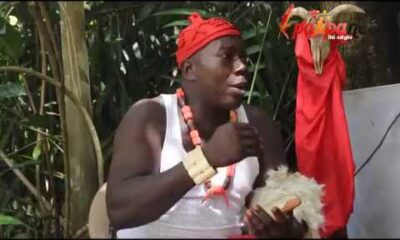
In traditional medicine in Igbo society, the dibia holds a central and respected position. The dibia is more than a healer. He or she is a guide, a teacher, and in many cases, a trusted member of the community who helps people understand and respond to different kinds of illness.
In simple terms, the dibia is the person people turn to when regular explanations are not enough. This includes physical sickness, emotional distress, or situations believed to have spiritual causes. In many Igbo communities, the dibia is seen as someone with special knowledge of both herbs and deeper meanings behind illness.
The path to becoming a dibia is not rushed. It usually happens through long years of apprenticeship. A learner studies under an experienced practitioner, observing closely and gradually taking part in healing practices. Over time, they learn how to identify medicinal plants, prepare remedies, and understand the signs and causes of different conditions. This knowledge is passed down mostly through practice and oral teaching, not formal schooling. In some cases, though, the knowledge runs in families and is passed from one generation to another.
A key part of the dibia’s work is diagnosis. Unlike modern clinical systems that rely mainly on laboratory tests, the dibia listens, observes, and asks questions about the patient’s condition, environment, and experiences. In some cases, spiritual insight or divination is also used to understand the root of the problem. This approach reflects the Igbo belief that illness can have multiple layers, not just physical causes.
Treatment often involves a combination of herbal medicine and spiritual care. The dibia may prepare herbal mixtures from leaves, roots, or bark, while also giving guidance on rituals or actions believed to restore balance. The goal is not only to treat symptoms, it is to address what is seen as the deeper cause of the problem.
Despite changes brought by modern healthcare, the role of the dibia is still present in many communities. People continue to consult them, especially in rural areas where access to hospitals may be limited or where cultural beliefs strongly influence health decisions.
As such, the dibia remains an important part of traditional medicine in Igbo society who serves as a link between cultural knowledge, community trust, and healing practices that have existed for generations.
Core Healing Practices in Igbo Traditional Medicine
The practice of traditional medicine in Igbo society is not a single method of healing. It is a collection of different approaches that work together to treat illness and restore wellbeing. These practices are shaped by long-standing knowledge, cultural beliefs, and careful observation of nature and the human body.
At the heart of these methods is the belief that health is more than the absence of disease. It is a state of balance within the body, the mind, the spirit, and the community. Because of this, healing often takes different forms, depending on the situation.
One of the most common practices in traditional medicine in Igbo society is the use of herbs and plants. Leaves, roots, bark, seeds, and stems are carefully selected based on their known healing properties.
These plant materials are prepared in different ways. Some are boiled in water to produce herbal drinks. Others are soaked, crushed, or ground into powders and applied to the body. In many cases, different plants are combined to create a stronger effect.
Herbal medicine is used to treat a wide range of conditions such as fever, stomach problems, infections, skin issues, and general weakness. The knowledge of which plant works for what illness is usually learned through experience and passed down through generations.
Another important aspect of traditional medicine in Igbo society is bone setting. Traditional bone setters treat fractures, dislocations, and injuries without modern surgical tools. Treatment often involves careful physical examination, manual adjustment of the bone, and the use of herbal preparations applied to the affected area. The limb may then be supported with splints made from natural materials.
This practice has existed for many years and is still trusted in many communities, especially where access to hospitals is limited. Families often seek traditional bone setters because of their experience and long-standing reputation.
In Igbo belief systems, not all illnesses are seen as purely physical. Some are believed to have spiritual or social causes. Because of this, traditional medicine in Igbo society also includes spiritual healing practices. These may involve prayers, rituals, cleansing practices, or divination. The purpose is to identify and address hidden causes of illness such as spiritual imbalance or social conflict. Healing in this sense is not only about the body. It is about restoring harmony between the individual, their environment, and the wider community.
Traditional medicine is not only used when someone is sick. It also includes practices that help to prevent illness. People may take herbal tonics to strengthen the body, or follow dietary and lifestyle advice from elders and healers. These preventive methods are based on the idea of maintaining balance and avoiding conditions that could lead to illness in the future.
Together, these core practices show that traditional medicine in Igbo society is a complete system of healthcare that combines knowledge of nature, human experience, and cultural belief to support both treatment and prevention of illness in everyday life.
Medicinal Plants and Indigenous Knowledge Systems

At the heart of traditional medicine in Igbo society is a deep relationship with nature. For generations, people have depended on plants for healing, not as random choices but as carefully studied resources with known uses and effects.
In Igbo communities, medicinal plants are found in forests, farmlands, riversides, and even home gardens. Leaves, roots, bark, seeds, and stems are collected and prepared in different ways, depending on the illness being treated. Some are boiled into herbal drinks, others are crushed into pastes, while some are applied directly to the body.
This knowledge of plants is not written in textbooks. It is part of an indigenous knowledge system that has been passed down through families and healing lineages for generations. A young learner usually acquires this knowledge through close observation and long-term training under an experienced healer. Over time, they learn which plant is used for fever, which one supports digestion, and which combination works for infections or wounds.
What makes this system important is its detail and organization. Each plant is not just known by name, it is also known by its function, preparation method, and sometimes, even the best time of harvest. This shows that traditional medicine is based on careful experience and continuous learning, not guesswork.
Research in ethnomedicine has confirmed that many plants used in African traditional healthcare contain active compounds that support their healing properties. Across Nigeria, scientists have documented numerous medicinal plants used in indigenous systems, including those found in Igbo-speaking regions. These studies help to bridge traditional knowledge with modern scientific understanding.
Beyond treatment, medicinal plants also carry cultural meaning. Some are associated with protection, cleansing, or spiritual balance. Others are linked to specific rituals or community practices. This means that plants are both medical resources and part of cultural identity and belief systems.
Today, however, this knowledge system faces challenges. Urbanization, deforestation, and reduced interest among the younger generations have made it harder to preserve. Many elders who hold this knowledge are aging, and fewer apprentices are available to learn directly from them.
Even so, traditional medicine continues to rely on these plants as a foundation. They remain a living connection between people, the land, and generations of inherited wisdom about health and healing.
Cultural Significance of Traditional Medicine in Igbo Society
In Igbo society, traditional medicine is not only about treating illness. It is part of culture, identity, and everyday life. It carries meaning that goes far beyond herbs and remedies. It is tied to how people understand health, community, and the world around them.
One important aspect of traditional medicine in Igbo society is its connection to belief systems. Health is often seen as a balance between the physical body, the spiritual world, and social relationships. Because of this, healing is not treated as an isolated event. It is part of a larger effort to restore harmony within a person and their environment.
Traditional medicine also connects people to their ancestors. In many Igbo communities, ancestors are believed to remain involved in the lives of the living. Some healing practices, especially those involving rituals or spiritual cleansing, are linked to this belief. This gives traditional medicine a deeper cultural meaning, as it connects present generations with those who came before them.
It also plays a role in community life. Healing practices are often shared experiences, involving family members and sometimes, the wider community. When someone is sick, people do not only think about the individual. They also consider how the illness affects the family and social group. This communal approach is a key part of Igbo culture and is reflected in how traditional medicine is practiced.
Festivals, rituals, and community ceremonies sometimes include elements of healing knowledge. Certain plants, symbols, or practices used in traditional medicine are also present in cultural events. This shows how closely medicine and culture are linked, rather than separated into different areas of life.
Another important point is identity. Traditional medicine is part of what makes Igbo culture distinct. It represents knowledge that has been passed down through generations and adapted over time. Even with the growth of modern healthcare, many people still value traditional healing because it reflects their heritage and worldview.
At the same time, traditional medicine continues to influence how people make health decisions today. Some individuals combine hospital treatment with herbal remedies or consult traditional healers for guidance. This shows that it is still relevant in everyday life, not just in historical discussions.
Simply put, the cultural significance of traditional medicine in Igbo society lies in how it connects health to life, people to their community, and the present to the past. It is not just a system of healing. It is part of how identity and meaning are understood in everyday living.
Traditional Medicine vs Modern Healthcare
In many Igbo communities today, people often move between two systems of care, namely, traditional medicine and modern healthcare. Both are used, sometimes separately and sometimes together, depending on the illness, belief, access to services, and personal experience.
Modern healthcare is based on scientific methods. Doctors use clinical tests, laboratory results, and standardized treatments to diagnose and manage diseases. Hospitals and clinics follow structured procedures. Medicines are produced in controlled environments, and treatments are tested for safety and effectiveness before use. This system focuses mainly on identifying a specific disease and treating it directly.
On the other hand, traditional medicine takes a broader approach. It looks at illness as something that may involve the body, the mind, the spirit, and even social relationships. Treatment is not only about removing symptoms. It is also about restoring balance and understanding possible deeper causes of illness.
In practical life, many people in Igboland do not see these two systems as enemies. Instead, they use them side by side. For example, someone may visit a hospital for diagnosis or emergency care and still use herbal remedies at home for recovery support. In some cases, individuals may also consult a traditional healer when they feel that the illness has non-physical causes.
Access is another important difference. Modern healthcare is more available in cities and larger towns where hospitals and clinics are located. In rural areas, access may be limited, making traditional medicine a more immediate option for many families. This is one reason it continues to remain relevant.
Trust and familiarity also play a role. Traditional healing practices are often rooted in family history and community experience. People may trust remedies they have seen work over generations. At the same time, modern medicine is trusted for emergencies, surgeries, and conditions that require advanced medical technology.
There are also challenges in both systems. Modern healthcare can be expensive or difficult to access in some areas. Traditional medicine, while widely used, may lack standardized dosage, written documentation, or formal regulation in some cases. These differences highlight why discussions about integration have become more common in recent years.
Today, health experts and researchers in Africa continue to explore ways both systems can work together. There is growing interest in studying medicinal plants used in traditional to better understand their properties and possible medical value.
In everyday life, however, what stands out is not competition but coexistence. Many people make health decisions based on experience, accessibility, and belief. This blended approach shows how deeply both systems are part of healthcare choices in Igbo society today.
Challenges Facing Traditional Medicine Today
Even though traditional medicine continues to play an important role in healthcare and culture, it is facing real and growing challenges in the modern world. These challenges affect how the knowledge is passed on, how it is trusted, and how it survives in everyday practice.
One of the biggest issues is the loss of indigenous knowledge. Traditional medicine is largely passed down through oral teaching and apprenticeship. When experienced healers pass away without training others, valuable knowledge disappears with them. This creates a gap that is difficult to replace.
Another major challenge is urbanization and lifestyle change. Many younger people are moving to cities for education and work. In these environments, traditional healing practices are less visible and less frequently used. As a result, interest in learning traditional medicine is gradually reducing among the younger people.
There is also the issue of limited documentation. Much of traditional medical knowledge is not written down in formal records. This makes it harder to study, preserve, or verify in a structured way. While there is growing academic interest, large parts of this knowledge still exist only in memory and practice.
Stigma and misunderstanding also affect how traditional medicine is viewed. Some people see it as outdated or unscientific, especially when compared to modern healthcare. This perception can discourage open discussion or proper recognition of its value, even when it continues to be widely used in communities.
Regulation is another concern. In many cases, traditional healing practices are not formally standardized. This means dosage, preparation methods, and safety measures may vary from one practitioner to another. While many healers are experienced and careful, the lack of uniform guidelines can raise concerns in certain situations.
Environmental change is also affecting access to medicinal plants. Some plants used in traditional medicine are becoming less available due to deforestation, urban expansion, and changes in land use. When these plants become harder to find, it affects the continuity of herbal knowledge and practice.
Despite these challenges, traditional medicine is still very much alive. It continues to be used in homes, communities, and healing spaces across Igboland. However, its future depends on how well it is documented, respected, and passed on to the younger generations.
In simple terms, the challenges facing traditional medicine today are not only about survival, but also about preservation. What is at risk is not just a method of healing, but a long-standing system of knowledge and cultural identity.
The Future of Traditional Medicine in Igbo Society
The future of traditional medicine in Igbo society is closely tied to how well it can adapt, survive, and remain relevant in a rapidly changing world. Even with the rise of modern healthcare, traditional healing has not lost its place. Instead, it is slowly finding new ways to exist alongside modern systems.
One of the most important directions for the future is documentation. For many years, knowledge of traditional medicine has been passed down orally. Today, researchers, health professionals, and cultural scholars are beginning to record this knowledge more systematically. This includes identifying medicinal plants, studying their properties, and documenting healing practices that were once only shared within families or apprenticeships.
Another key development is scientific interest in medicinal plants. Many of the herbs used in traditional medicine are now being studied in laboratories to understand their chemical composition and possible medical benefits. This does not replace traditional knowledge. Instead, it helps to explain it in ways that can be tested, understood, and potentially integrated into broader healthcare systems.
There is also growing discussion about integration. In some countries, traditional medicine is being explored as a complementary part of national healthcare. In Nigeria, there is increasing awareness that both systems can work together. Hospitals and researchers are beginning to show interest in how traditional medicine can contribute to primary healthcare, especially in areas such as herbal treatment and preventive care.
Education also plays a major role in the future. When the younger generations learn about traditional healing systems in schools, universities, or cultural programmes, it helps keep the knowledge alive. Without this transfer of knowledge, much of it risks being lost over time.
At the same time, preservation of medicinal plants is becoming more important. Many of the plants used in traditional healing are affected by deforestation and environmental change. Protecting natural habitats ensures that the resources needed for herbal medicine remain available for future generations.
Cultural awareness is another factor. As more people begin to value indigenous knowledge systems, traditional medicine is gradually being seen not just as old practice but as part of cultural heritage. This shift in perception helps to restore respect and interest in the system.
In everyday life, herbal medicine is likely to continue existing in a blended form. Many people will still combine hospital treatment with herbal remedies or consult traditional healers for certain conditions. This practical approach shows that the system is not disappearing but adjusting to modern realities.
In essence, the future of traditional medicine depends on balance. It depends on preservation without loss of identity, and adaptation without losing meaning. What remains clear is that it continues to hold value, not only as a method of healing but also as a living part of cultural knowledge.
Conclusion …
More than an old system of healing, traditional medicine is a living part of culture that has carried communities through generations. From its early roots in observation and oral teaching to its present use alongside modern healthcare, it continues to hold meaning in everyday life.
Across Igboland, healing has never been separated from culture. It has always included the body, the spirit, and the community. This is why native medicine is not only about treating sickness. It is also about restoring balance, understanding life, and maintaining harmony within people and their environment.
Even today, many households still rely on herbal remedies, consult traditional healers, or combine both traditional and modern healthcare, depending on need and access. This shows that traditional medicine remains relevant, not as a replacement for modern medicine but as a parallel system of knowledge and care.
At the same time, it faces real challenges. Knowledge is being lost in some areas, medicinal plants are becoming harder to find, and fewer young people are learning the practice. Yet, there is also growing interest in documentation, research, and cultural preservation. These efforts offer hope that this knowledge will not disappear.
What stands out most is the value it carries beyond treatment. It represents identity, history, and a deep connection to nature and community life. Preserving it means preserving part of Igbo heritage itself.
Overall, traditional medicine remains a reminder that healing is not only a scientific process. It is also a cultural one, shaped by experience, belief, and generations of lived knowledge.
References
- World Health Organization. (2023). Traditional, complementary and integrative medicine. https://www.who.int/news-room/fact-sheets/detail/traditional-complementary-and-integrative-medicine
- Ethnobiology and Ethnomedicine. (2010). African traditional medicine systems. https://ethnobiomed.biomedcentral.com/articles/10.1186/1746-4269-6-1
- Ajibesin, K. K., et al. (2012). Ethnomedicinal survey of plants used in Nigeria. http://Pharmaceutical Biology. https://doi.org/10.3109/13880209.2012.661740
- Nwankwo, I. U. (2012). Indigenous medical systems in Nigeria. European Scientific Journal. https://eujournal.org/index.php/esj/article/view/4896
- National Center for Biotechnology Information. (2013). Traditional medicine overview. https://www.ncbi.nlm.nih.gov/pmc/articles/PMC3746305/
You might want to check this out …