







Igbo Culture and Tradition
Yam – King of Crops in Igboland: History, Cultural Meaning, and Economic Importance

“Yam – king of crops” explores the historical origin, cultural meaning, and economic importance of yam in Igbo society, including farming traditions, the New Yam Festival, and its social value.
In Igboland, yam is not just another crop in the field. It is the one people have long measured effort, harvest, and household stability against. In many communities, the farming season once revolved around it, and the size of a yam barn often spoke louder than words about a family’s work and standing.
This is the basis of the idea of “yam – king of crops”. It is not a casual label. It is a cultural and historical description informed by generations of farming practice, seasonal life, and community values. Yam has consistently held a central position in Igbo agriculture, not only because it feeds people, but because it carries meaning that other crops do not.
Its importance stretches beyond the farm into festivals like the New Yam celebration, into traditional beliefs around harvest and gratitude, and into the economic life of rural households. Even as diets and farming systems have changed, yam has remained a reference point for value and respect in many Igbo communities.
To understand the phrase “yam – king of crops in Igboland”, you have to follow its history, cultural meaning, and economic role side by side. That is where its real weight becomes clear.
History of Yam – King of Crops in Igboland
The history of yam – king of crops in Igboland is closely tied to the history of farming itself in the region. For generations, yam has been one of the most important crops cultivated by the Igbo people of southeastern Nigeria. Its presence is deeply rooted in traditional agriculture where farming was not only a means of survival but also a structured way of life guided by seasons, labour, and community knowledge.
Early Igbo farming systems were built around small family holdings and shifting cultivation. Farmers cleared portions of land, prepared mounds, and planted crops according to seasonal rains. Within this system, yam quickly became a central crop because it demanded careful attention and rewarded effort with substantial yields when well managed. Over time, it became a reliable staple and a key part of household food security.
Yam was consistently highlighted as one of the earliest and most significant cultivated crops in the region. Unlike many other crops, it required a high level of skill in land preparation, planting techniques, and storage. This made it a crop associated with experience, discipline, and agricultural knowledge.
As farming practices developed, yam production also became a measure of productivity and social standing. A successful harvest was not only about feeding the family. It reflected the farmer’s ability to manage land, labour, and timing effectively. This is one of the reasons the idea of yam – king of crops gradually became part of everyday language and cultural understanding.
Another important part of the history is its role in seasonal cycles. Planting usually begins with the onset of the rainy season, and harvesting is carefully timed to align with cultural and agricultural calendars. Over generations, this rhythm became part of community life, as it influenced festivals, labour organization, and food preparation.
Although other crops such as cassava, cocoyam, and maize were also cultivated, yam maintained a special position because of its historical importance, storage value, and connection to tradition. Even as agricultural systems expanded and diversified, yam remained deeply embedded in Igbo farming history as a crop that carried both practical and cultural weight.
Why Yam Is Called the “King of Crops in Igboland”
The phrase “yam – king of crops” did not emerge from decoration or casual praise. It developed from long-standing agricultural practice, social experience, and cultural interpretation of farming life among the Igbo people. Over time, yam came to stand above other crops in both symbolic and practical ways, and thus earned a unique place in community life.
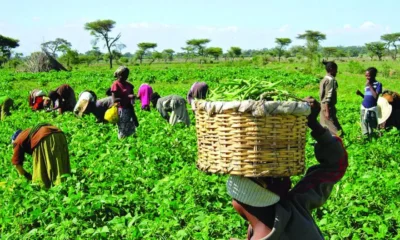
One of the main reasons yam holds this title is the level of effort required to cultivate it. Unlike many other crops, yam farming is labour-intensive and follows a strict agricultural process. It involves land clearing, mound preparation, careful planting, staking, and consistent maintenance throughout the growing season. Because of this, successful yam farming has traditionally been seen as a sign of discipline, patience, and skill. A farmer who consistently produces good yam harvests is often regarded as hardworking and experienced.
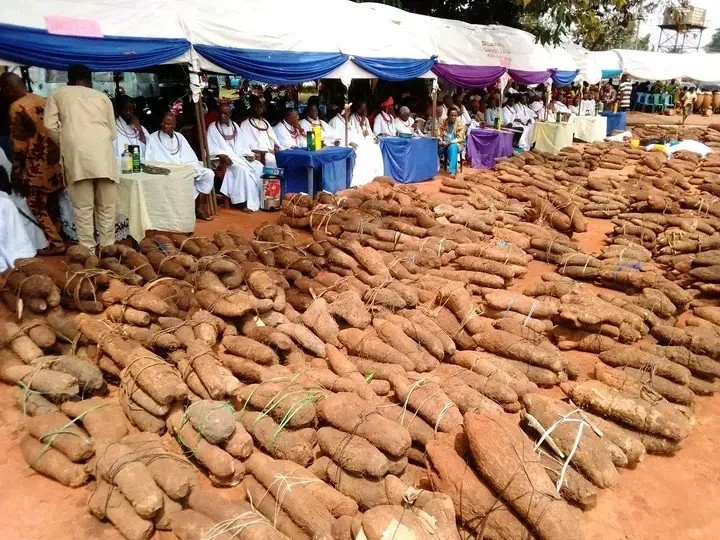
Another reason behind the title “Yam – king of crops” lies in its connection to social status. In many Igbo communities, the size of a yam barn historically reflected a household’s level of success. A full barn meant stability, productivity, and careful planning. This made yam more than food. It became a visible measure of achievement and respect within the community.
Yam also holds a strong position in daily food culture. For a long time, it was one of the most important staple foods in Igboland prepared in different forms such as boiled yam, pounded yam, and roasted yam. Its versatility and ability to store well after harvest made it a reliable source of food throughout the year.
Beyond farming and food, the expression “yam – king of crops” is derived from the fact that it carries cultural weight. It is central to major traditional celebrations, especially the New Yam Festival where the first harvest is marked with rituals, thanksgiving, and community gatherings. This festival alone reinforces its status as a crop that is not only eaten but honoured.
When these factors come together, they explain why yam is not viewed as just another agricultural product. It sits at the intersection of labour, culture, food security, and social identity. This is why the expression yam – king of crops continues to be used across generations in Igboland to describe its unmatched position in Igbo agricultural life.
Cultural Meaning of Yam in Igbo Society
In Igbo society, yam is not only valued for what it provides as food. It carries meanings that are deeply woven into identity, tradition, and everyday life. This is one of the key reasons the idea of yam – king of crops continues to exist beyond agriculture and into culture itself.
At the heart of its cultural meaning is the way yam connects people to land, seasons, and community life. Farming yam follows a rhythm that is widely understood across Igboland. Planting, tending, and harvesting are not isolated activities. They are part of a shared calendar that shapes how communities organize work and celebrate progress. Because of this, yam becomes a symbol of continuity between people and their environment.
Yam – king of crops also represents effort and responsibility. Traditionally, yam farming required patience, careful planning, and physical labour. As a result, it came to be associated with diligence and personal discipline. In many communities, a successful yam farmer was respected not just for producing food but for demonstrating consistency and commitment to work.
In addition, yam carries social meaning. It has long been linked to household stability and respect within the community. A well-stocked yam barn once reflected more than agricultural success. It indicated careful management of resources and a certain level of security for the family. This social interpretation strengthened the position of yam as a crop of distinction.
Culturally, yam is also tied to celebration and gratitude. It plays a central role in the New Yam Festival where communities mark the end of one farming cycle and the beginning of another. The first yam is treated with respect before it is eaten. This shows that in Igbo society, the crop is more than a commodity. It is part of tradition and shared memory.
Yam – king of crops also appears in storytelling, proverbs, and everyday expressions within Igbo language and communication. These references show how deeply it is embedded in cultural thought. It is not just grown and eaten. It is used to explain ideas about effort, reward, and life balance.
All these layers of meaning explain why yam is more than a staple crop. It is a cultural reference point that helps to define values in Igbo society. This is why the phrase yam – king of crops reflects not only agricultural importance but also cultural identity and lived experience.
The New Yam Festival (Iri Ji / Iwa Ji)

The New Yam Festival, known in different Igbo dialects as Iri Ji, Iwa Ji, Ike Ji, or Iri Ji Ọhụrụ, is one of the most important cultural events in Igboland. It is closely tied to the farming calendar and serves as a public expression of gratitude for the harvest season, especially for yam. This festival is one of the clearest cultural reasons the phrase yam – king of crops remains widely used.
The festival marks the end of the old farming season and the beginning of the harvest period. Before the celebration begins, the first yam is not eaten casually. It is usually offered in a ritual setting, often by traditional leaders or elders, depending on the community. This act signals respect for the crop and recognition of its importance to survival and prosperity.
Across different Igbo communities, the New Yam Festival is celebrated with variations in practice, even though the core meaning remains the same. It is a time of thanksgiving, community gathering, and renewal. Families prepare meals, communities organize cultural displays, and people return home to take part in the celebration. It is both a social and agricultural event.
The festival is deeply connected to agricultural cycles. It reflects the end of months of labour in the farms and acknowledges the role of yam – king of crops that sustains households through the year. In many communities, the timing of the festival also signals when new yam is officially ready for consumption.
The celebration is not only about eating. It includes rituals that express gratitude to God, ancestors, and the land. These practices vary, though, but they commonly involve blessings for continued fertility of the soil and protection for future harvests. Cultural performances such as dance, music, and masquerade appearances are also common features.
The New Yam Festival also strengthens community identity. It brings people together regardless of status, age, or background. It reinforces shared values around hard work, farming tradition, and respect for the land. As such, it connects agriculture with culture in a very visible and organized form.
Because yam is the central crop in this celebration, the festival reinforces its elevated position in Igbo society. It is not just another food crop. It is the focus of one of the most important cultural events of the year. This is one of the reasons it continues to be recognized as yam – king of crops in Igboland, not only in farming terms but also in cultural life and tradition.
Economic Importance of Yam – King of Crops Among Igbo People
The importance of yam in Igboland is not limited to culture and tradition. It also plays a real and practical role in the economic life of many communities. This is another key reason the phrase yam – king of crops has remained relevant across generations.
At the most basic level, yam contributes to household income. Many rural families depend on its cultivation as part of their livelihood. After harvest, it is sold in local markets, transported to urban centres, or stored for later sale when prices are more favourable. This cycle helps families to manage income across the year, especially in agrarian communities where farming is the main source of livelihood.
Yam – king of crops also contributes to food security. Because it can be stored for long periods when properly handled, it serves as a reliable food reserve. In times other crops are not yet ready for harvest, yam helps to stabilize household food supply. This storage advantage has historically made it one of the most dependable crops in the region.
In local markets across southeastern Nigeria, yam remains a valuable commodity. Prices vary depending on season, size, and demand. However, it consistently holds a strong position in agricultural trade. Traders and farmers alike depend on its movement through local supply chains, especially during peak harvest periods and festive seasons.
Historically, yam – king of crops also played a role in exchange systems and informal trade. Before the expansion of modern currency-based markets, agricultural produce, including yam, was part of local exchange practices. Even though the economy has modernized, yam continues to carry strong commercial value in rural economies.
Beyond direct sales, yam farming also supports related economic activities. These include transportation, storage, marketing, and seasonal labour. People are employed at different stages of the yam value chain, from planting to distribution. This creates a wider economic impact beyond individual farmers.
In contemporary times, yam – king of crops remains important in both subsistence and commercial farming systems. While crops like cassava have become more widely processed into industrial products, yam continues to maintain strong demand in traditional markets and households. Its cultural preference also helps to sustain its economic relevance.
Agricultural studies on West African root crops consistently recognize yam as one of the most economically significant staples in the region, particularly because of its production scale, cultural demand, and role in rural livelihoods.
When viewed together, these factors show that yam is not only culturally important but also economically valuable. It supports income, sustains food supply, and contributes to rural trade networks. This practical importance adds another layer to why it is still widely regarded as the yam – king of crops in Igboland.
Yam and Social Status in Igbo Communities
In Igbo communities, yam has long carried meaning that goes beyond farming and food. It has historically been tied to how people are seen, respected, and remembered within their communities. This is one of the strongest social reasons the phrase yam – king of crops continues to hold weight.
Traditionally, a man’s success in agriculture was often measured by his yam production. The yam barn where harvested yams were stored served as a visible indicator of hard work and planning. A large, well-stocked barn suggested that the farmer had invested time, effort, and discipline into his land. It was not just storage space. It was a public sign of responsibility and productivity.
Because yam farming requires careful attention throughout the growing season, those who consistently produced good harvests were often regarded with respect in their communities. This respect was not limited to farming alone. It often extended to broader social recognition where such individuals were seen as reliable and capable.
Yam – king of crops also played a role in traditional expectations of household leadership. In many communities, the ability to provide yam for the family was connected to the idea of stability. A household that had enough yam was less vulnerable during difficult seasons, especially before modern food systems became widespread.
Another important aspect is how yam farming influenced social reputation. A successful yam farmer was often associated with patience and consistency. These qualities were highly valued in traditional Igbo society where agriculture shaped daily life and long-term survival depended on careful planning.
Although modern economic systems have changed how wealth is measured, yam – king of crops still retains symbolic value in many communities. It continues to feature in festivals, ceremonies, and cultural discussions as a marker of tradition and effort.
This lasting association between yam and social recognition is one of the reasons it is still described as the yam – king of crops. It is not only about what is grown in the field. It is also about what it represents in the social life of the people.
Yam- King of Crops Compared to Other Crops in Igboland
In Igboland, several crops are cultivated for food and income. They include cassava, maize, cocoyam, and vegetables. Each of these crops plays an important role in household nutrition and agricultural balance. However, when compared within cultural and historical context, yam has consistently held a distinct position. This comparison helps to explain why the expression yam – king of crops has remained widely acclaimed.
Cassava, for example, is one of the most widely consumed crops today. It grows well in different soil conditions, requires less intensive labour, and can be processed into various food forms such as garri, fufu, tapioca, and even flour. Because of these advantages, cassava has become very important in modern diets and food security systems.
Cocoyam is also significant in Igbo agriculture. It serves as a staple in many households and is often grown alongside yam. Maize, on the other hand, is valued for its versatility and shorter growing cycle. Vegetables contribute essential nutrients and are commonly grown in small gardens for daily consumption.
Despite the importance of these crops, yam – king of crops occupies a different position in cultural and historical terms. One key difference is the level of labour and care required in its cultivation. Yam farming traditionally demands more effort, from land preparation to staking and maintenance. This effort has contributed to its association with discipline and achievement.
Another difference lies in cultural recognition. While cassava and maize are widely consumed, yam is more deeply integrated into ceremonies, festivals, and traditional practices. It is central to the New Yam Festival which is one of the most important cultural events in Igboland. Other crops do not carry the same ceremonial significance.
Yam – king of crops also holds a stronger symbolic value in social interpretation. In many traditional settings, it was historically used as a measure of household success, especially through the size of yam barns and harvest output. This symbolic role is less pronounced with other crops, even when they are economically important.
Over time, agricultural patterns have changed, and crops like cassava have become more dominant in everyday consumption due to ease of cultivation and processing. However, yam has maintained its cultural prestige. It continues to represent tradition, effort, and respect in ways that other crops do not fully match.
This difference in cultural, historical, and symbolic importance is what continues to set yam apart. It explains why, even in a diversified agricultural system, it is still edified as the yam – king of crops.
Modern Relevance of Yam – King of Crops in Igboland Today
Even with changing diets, urban growth, and modern farming methods, yam still holds a steady place in Igboland today. Its role has shifted in some ways, but it has not lost its importance. This is part of why the phrase yam – king of crops continues to appear in both cultural and everyday conversations.
One of the most visible signs of its modern relevance is the continued celebration of the New Yam Festival across many communities. Although the scale and style of celebration may vary today, the core meaning remains unchanged. Communities still come together to mark the harvest season, give thanks, and recognize yam as a central crop in their agricultural life. This continuity shows that yam is still deeply tied to identity and tradition.
In many homes, yam remains a preferred food, especially during weekends, special occasions, and festive periods. It is prepared in familiar ways – boiled yam, pounded yam, and roasted yam. Even with the rise of cassava-based foods and packaged meals, yam continues to hold a place in everyday eating habits, especially in southeastern Nigeria.
Yam farming is also adapting to modern agricultural practices. Farmers are increasingly using improved seedlings, better staking methods, and more organized farming systems to increase yield. Agricultural extension services and local initiatives have also encouraged more efficient yam production, thereby helping farmers improve both quality and output.
Another area where yam remains relevant is in rural livelihoods. Many farming households still depend on yam cultivation as part of their yearly income. It supports not only farmers but also traders, transporters, and local market networks that move produce from farms to consumers.
Culturally, yam continues to serve as a link between generations. Older practices surrounding yam cultivation, storage, and celebration are still passed down in many families. Even younger people who may not farm full-time are still familiar with its role in tradition and festivals.
In addition, yam has also gained attention in cultural tourism. Festivals that highlight yam attract visitors and help to showcase Igbo heritage to wider audiences. This adds another layer to its relevance in contemporary society.
Although modern agriculture now includes more diverse crops and technologies, yam has not lost its symbolic importance. It still represents tradition, effort, and continuity in Igboland. This enduring presence is why it continues to be described as yam – king of crops, even in today’s changing world.
Conclusion …
The story of yam in Igboland does not only entail farming or food supply. It is a long-standing connection between people, land, and tradition that has remained visible across generations. From early agricultural systems to modern farming practices, yam has consistently held a special place in both daily life and cultural expression.
When people use the phrase yam – king of crops, they are referring to more than agricultural importance. They are pointing to a crop that has influenced how success is measured in farming communities, how festivals are celebrated, and how cultural values are passed down. Yam has remained central to ideas of effort, harvest, and community recognition.
Its historical presence in Igbo agriculture shows how deeply it is tied to survival and rural life. Its cultural meaning is seen in festivals like the New Yam celebration where harvest is not only consumed but honoured. Its economic role continues in local markets and farming households that depend on it for income and stability. Even with modern changes in food systems, yam still maintains a respected position.
What makes it stand out is not only what it provides but what it represents. Yam – king of crops carries memory, identity, and continuity. It links past farming traditions with present-day life in a way few crops can match.
In many Igbo communities today, yam is still treated with a level of respect that reflects its long history. It remains a crop that tells a story about hard work, culture, and belonging. For this reason, the description yam – king of crops remains relevant, grounded not in exaggeration but in lived experience and cultural reality.
References
- ResearchGate. (n.d.). Yam is king but cassava is the mother of all crops: Farming culture and identity in Igbo agrarian economy. https://www.researchgate.net/publication/226694439_Yam_is_King_But_Cassava_is_the_Mother_of_all_Crops_Farming_Culture_and_Identity_in_Igbo_Agrarian_Economy
- ResearchGate. (n.d.). The transformation and significance of the New Yam Festival in contemporary Igbo society of Nigeria. https://www.researchgate.net/publication/359736012_THE_TRANSFORMATION_AND_SIGNIFICANCE_OF_THE_NEW_YAM_FESTIVAL_IN_CONTEMPORARY_IGBO_SOCIETY_OF_NIGERIA
- Encyclopaedia Britannica. (n.d.). Yam. https://www.britannica.com/plant/yam
- Leonard, A. G. (1906). The lower Niger and its tribes. Internet Archive. https://archive.org/details/lowernigeritstr00leon
- Food and Agriculture Organization. (n.d.). Yams. FAO. https://www.fao.org/3/y4795e/y4795e0c.htm
You might want to check this out …